
Outdoor Blinds Materials for Perth Homes | Guide
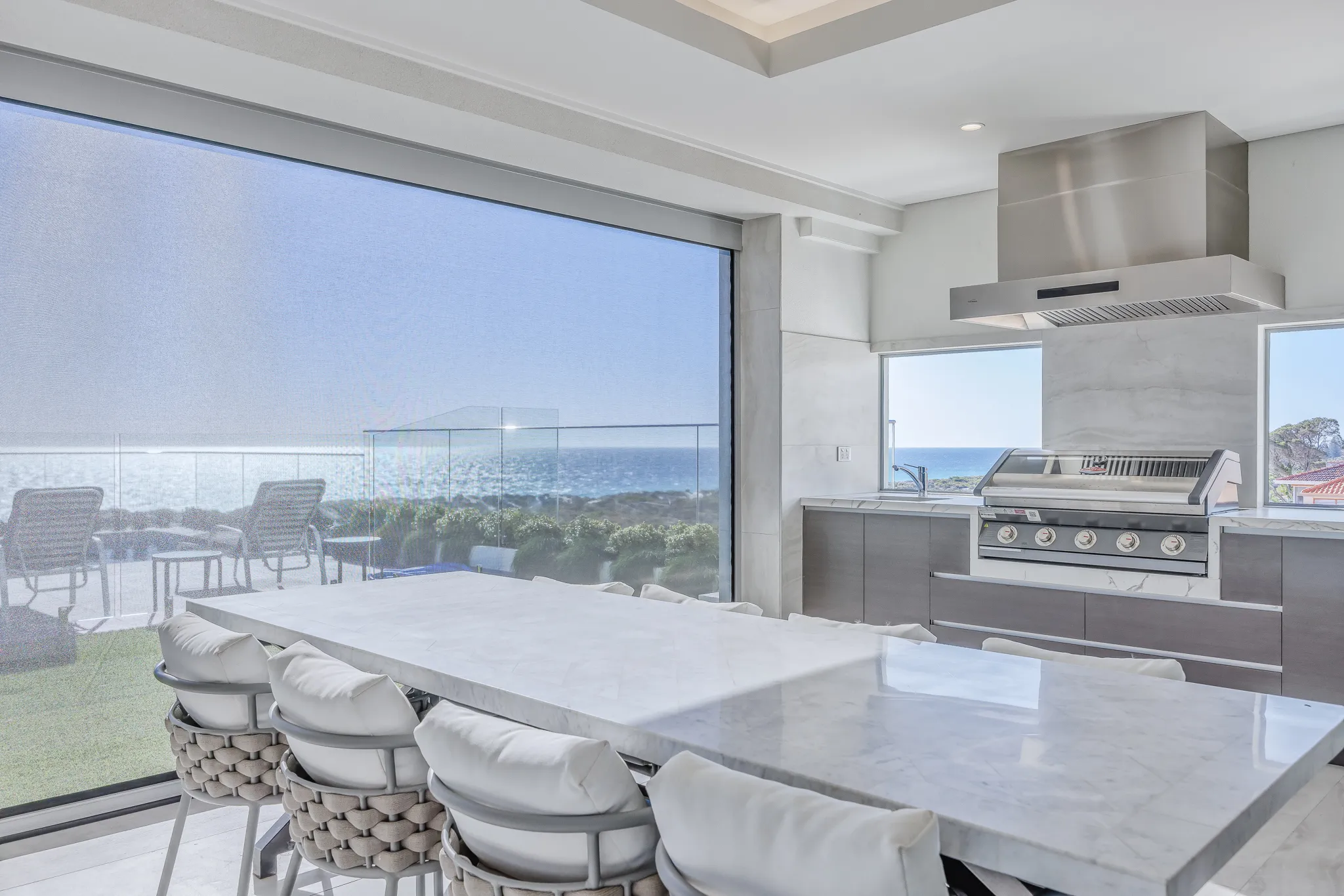
When it comes to enhancing your outdoor living space in Perth, selecting the right outdoor blinds materials is crucial. Perth’s intense sun, high UV exposure, coastal winds, and sporadic heavy rains demand materials that not only protect but endure. This comprehensive guide dives deep into the specific properties, advantages, and limitations of popular and emerging blind fabrics, equipping Perth homeowners with expert insights tailored to their unique climate.
Note: The recommendations in this guide are specific to Perth’s climate and coastal conditions. Always verify local regulations, approvals, and installation requirements with a qualified supplier or installer before ordering.
Understanding Perth’s Unique Climate and Its Impact on Outdoor Blinds Materials
Overview of Perth’s Climate – Heat, UV Exposure, Wind, and Rainfall Patterns
Perth experiences a Mediterranean climate distinguished by hot, dry summers and mild, wetter winters. According to the Australian Bureau of Meteorology (BOM), summer temperatures often exceed 35°C, with daily UV index ratings frequently hitting 11 or higher during peak months, categorised as extreme UV exposure. The coastal location subjects properties to persistent breezes and seasonal wind gusts that can reach over 40 km/h.
Rainfall is relatively scarce but intense when it occurs, averaging around 730 mm annually, primarily in winter. These fluctuating conditions mean outdoor blinds in Perth must endure a complex matrix of stressors, including significant thermal expansion from heat, prolonged UV radiation exposure triggering material degradation, and defiance against wind-driven abrasion and rain impact.
How Climate Stresses Affect Different Blind Materials
The combination of Perth’s high thermal load and UV intensity accelerates photodegradation in many outdoor fabrics—breaking down polymer chains and fading colors. Material porosity influences breathability; breathable fabrics may reduce heat build-up but are often less waterproof. High winds demand tensile strength and secure fixing methods to prevent fabric tearing or hardware failure, especially along open coastal areas where salt spray contributes to corrosion.
Water repellency and drainage also become essential due to occasional heavy rainfall, necessitating coatings or fabric structures that shed water quickly while avoiding mold growth in humid times.
Importance of Material Selection Tailored to Perth’s Environmental Conditions
Homeowners must prioritize materials balancing UV resistance, heat durability, wind resilience, and rainfall tolerance for optimal longevity. Selecting fabrics with added UV stabilizers or water repellent coatings can significantly extend blind lifetime in this environment. Moreover, considering swell and shrink rates under thermal variations ensures blinds remain taut and functional without sagging or warping.
This climatic context lays the foundation for understanding how different materials perform and why careful selection, backed by science and local experience, is essential for Perth properties. benefits of using outdoor blinds for your home.
In particular, the UV protection provided by clear PVC café blinds in Perth offers a practical solution addressing these harsh solar conditions.
Outdoor blinds are widely used in commercial settings for protection and aesthetics; understanding their uses can inform choices for residential applications in overlapping environments. For detailed info, see commercial outdoor blinds uses.
In-Depth Material Profiles of Popular Outdoor Blinds for Perth Homes
PVC (Polyvinyl Chloride) – Properties and Suitability
PVC blinds dominate the Perth market due to their exceptional durability and weather resistance. PVC is a synthetic polymer with excellent mechanical strength and inherent waterproof characteristics. Its low porosity means virtually no water absorption, making it ideal during Perth’s rain events. Find out more about waterproof outdoor blinds.
Enhanced with UV stabilizers, PVC reduces photodegradation significantly, a critical factor considering Perth’s extreme UV indices. The fabric’s density and thickness offer effective glare reduction and privacy, with options ranging from clear to tinted to block out sunlight while preserving outdoor views.
However, PVC blinds tend to be less breathable, which might increase heat retention immediately behind the fabric, but their sealing efficacy against wind-driven dust and driving rain is unmatched. They also require specialized disposal due to limited recycling options, a sustainability consideration increasingly addressed by local manufacturers.
For outdoor cafes and patios, cafe blinds crafted from durable materials like PVC are especially popular, providing weather protection without compromising visibility or ambiance.
Canvas Fabric – Characteristics and Climate Adaptability
Canvas blinds represent a traditional option, valued for their breathability and classic aesthetic. Made from heavy-duty cotton or polyester blends, canvas offers moderate UV protection but generally lower resistance compared to synthetic fabrics.
Canvas is more susceptible to absorbing water, requiring water repellent treatment to prevent mold growth and material weakening. Its porous nature improves airflow, beneficial in Perth’s summer heat but less effective against driving rain and coarse winds.
While canvas is often considered environmentally friendly due to its natural components and biodegradability, untreated canvas offers inferior lifespan in high UV and high wind settings without regular reapplication of protective coatings.
Sunscreen Mesh Fabric – Breathability and UV Protection
Sunscreen mesh fabrics are engineered to balance heat resistance and light filtration, made typically from PVC-coated polyester. Their open-weave structure allows airflow while blocking 70-90% UVA and UVB radiation, significantly reducing solar heat penetration while maintaining outward visibility.
This breathability dramatically reduces heat build-up behind the blinds, ideal for Perth’s hot summers. The mesh’s tensile strength, aided by woven synthetic fibers, confers resilience against moderate wind loads.
However, the porous mesh is not waterproof and may let water spray through during heavy rain, making it better suited for shading and insect protection rather than full weather shielding.
Vinyl (PVC Vinyl) – Durability and Environmental Resistance
Vinyl, often interchangeably used with PVC vinyl, includes formulations with additives enhancing gloss, flexibility, and weather resistance. Vinyl blinds are resistant to fading, cracking, and mildew thanks to chemical stabilizers incorporated during manufacturing.
They provide a non-breathable barrier similar to standard PVC, offering excellent blocking of UV radiation and rain. These qualities ensure long-term durability against Perth’s intense sun and seasonal storms.
Despite advantages, vinyl’s environmental footprint is significant; advances in recyclable vinyl production and biodegradable alternatives are emerging but not yet widespread in Perth’s local suppliers.
Innovative and Emerging Materials for Outdoor Blinds in Perth
Recent developments include hybrid fabrics combining polyester and recycled polymers with enhanced UV-stabilizing coatings, aiming to blend breathability, durability, and sustainability. Some manufacturers have introduced fully recyclable sunscreen meshes and bio-based vinyl substitutes engineered for Perth’s coastal conditions.
Perth’s growing eco-conscious market pressures suppliers to innovate material blends that reduce environmental impact without compromising performance. Incorporating nanotechnology treatments that improve water repellency and UV resistance without harmful chemical residues is another cutting-edge trend.
Stay informed about these different types of outdoor blinds available in Perth as they become more accessible to homeowners.
Complementary Material Profile Links
For understanding fabric variations further, see the difference between block out, translucent, and sunscreen blinds.
Additionally, compare popular installation systems in our comparison of Ziptrak and Slidetrack blinds.
Comparative Analysis of Outdoor Blind Materials for Perth
Durability and Longevity in Harsh Sun and Wind
| Material | UV Resistance | Heat Durability | Wind Resistance | Water Repellency | Approx. Lifespan (Perth Conditions) |
|---|---|---|---|---|---|
| PVC (Polyvinyl Chloride) | Very High (with UV Stabilizers) | Excellent | Excellent | Excellent | 8-12 years |
| Canvas Fabric | Moderate (treated) | Good | Moderate | Poor (needs treatment) | 4-6 years |
| Sunscreen Mesh Fabric | High | Very Good | Good | Non-waterproof | 6-8 years |
| Vinyl (PVC Vinyl) | Very High | Excellent | Excellent | Excellent | 8-12 years |
| Emerging Hybrid Fabrics | High to Very High | Very Good | Good to Excellent | Variable (enhanced coatings) | 6-10 years (projected) |
UV Resistance Levels by Material Type
Perth’s UV index can degrade untreated fabrics within 2-3 years, with accelerated fading and tensile strength loss. Materials like PVC and vinyl with built-in UV stabilizers use additives (such as Hindered Amine Light Stabilizers, HALS) to delay photodegradation effectively, retaining strength and color. Canvas requires regular treatment with UV protective finishes to maintain performance.
Performance Against Perth’s Coastal Winds and Occasional Rain
Perth’s strong coastal winds necessitate materials with substantial tensile strength and robust fixing systems. PVC and vinyl provide dense, non-porous barriers resistant to wind-driven particulate damage. Sunscreen mesh offers less rain protection but reduces wind pressure on the fabric by allowing some airflow. Canvas, if untreated, degrades quickly under moisture and wind shear.
Environmental Sustainability and Recyclability of Materials
From a sustainability perspective, natural fibers like canvas have advantages due to biodegradability, though frequent chemical treatments reduce this benefit. PVC and vinyl, while durable, pose recycling challenges in Perth’s waste systems. Emerging fabrics integrating recycled polymers and non-toxic coatings promise improved life cycle footprints. Homeowners interested in integrating sustainability with performance can evaluate materials using life cycle assessments (LCA) and consult cleaning and maintenance tips for outdoor blinds to extend product lifespan responsibly.
Scientific Considerations: Material Treatments and Enhancements
Water Repellent and Weatherproof Coatings – Benefits and Limitations
Water repellent coatings, often fluoropolymer-based, create hydrophobic surfaces on fabric fibers, preventing water absorption while allowing vapor permeability. These coatings enhance the resistance of canvas and mesh fabrics but need periodic renewal. PVC and vinyl fabrics rely primarily on their composition for waterproofing, though additional surface finishes can improve dirt resistance. Explore further about the waterproof qualities of outdoor blinds.
For homeowners comparing solutions, these coatings are a key reason many installers recommend weatherproof outdoor blinds in Perth for exposed patios, balconies, and alfresco areas.
UV Stabilizers and Protective Additives in Blind Fabrics
UV stabilizers such as HALS and UV absorbers (benzophenones and benzotriazoles) protect polymers by absorbing harmful radiation or interrupting free radical reactions responsible for polymer breakdown. Their incorporation in PVC and vinyl extends blind life significantly. Recent innovations include nano-sized titanium dioxide (TiO2) particles as photo-stabilizers, offering enhanced UV blockage without compromising fabric flexibility.
In practical terms, UV stabilizers matter because they slow the chain reaction that causes brittleness, cracking, and colour fade. That means a well-formulated blind can keep its appearance longer in a west-facing courtyard than a standard fabric with no protection, especially under the intense summer sun that Perth homeowners know so well.
Impact of Fabric Treatments on Durability and Performance
Treated fabrics show marked improvements in weather resistance and color retention, but treatment chemicals may influence environmental impact. Some hydrophobic coatings can complicate biodegradation or recycling. Therefore, the selection of treatments balances enhanced performance with ecological concerns—homeowners should seek suppliers using low-impact, certified coatings.
Fluoropolymer finishes, for example, can improve stain shedding and water beading, but older formulations may persist in the environment longer than desired. By contrast, newer low-VOC and PFC-free treatments aim to reduce chemical load while still providing useful protection. If sustainability is a priority, ask suppliers whether coatings are renewably sourced, repairable, or recyclable at end of life.
Also consider the weather protection capabilities of outdoor blinds when choosing treated materials.
For extensive details, consult the guide to weatherproof outdoor blinds in Perth.
Choosing the right treatment is also about use case. A fully exposed alfresco often benefits from a tougher coating system, while a semi-sheltered veranda may do better with a lighter treatment that preserves airflow and reduces chemical loading. In other words, the best finish is not always the strongest one; it is the one that fits the site, exposure level, and maintenance routine.
Practical Guidance on Choosing Outdoor Blind Materials for Perth Homes
Case Studies from Perth Homeowners – Material Performance in Local Conditions
Joanne, a Perth beachside resident, reported her PVC blinds have maintained 90% of their original tensile strength after five years of direct sun and salty winds. Conversely, her neighbour’s untreated canvas blinds showed signs of mold and fabric weakening within two years despite reapplication of water repellents.
Another homeowner in Osborne Park shares how sunscreen mesh blinds reduced patio heat by up to 40% during summer afternoons without trapping heat, confirming the material’s breathability benefits. These real-world examples emphasize the importance of matching material properties to specific environmental exposures.
Expert Insights: Recommendations from Local Outdoor Blind Specialists
“For Perth’s challenging climate, PVC and vinyl blinds remain the top choice due to their UV resistance and robust performance. However, for semi-exposed verandas where airflow is a priority, sunscreen mesh balances sun protection with breathability.” – Mark Thompson, Outdoor Blinds Specialist, Perth
Local experts also caution buyers to consider the orientation and usage patterns of outdoor spaces, recommending heavier gauge fabrics on west-facing areas where afternoon sun is strongest.
Steps to Match Materials with Specific Outdoor Areas and Usage Patterns
- Evaluate the predominant climate stressors: sunlight, wind, rain exposure.
- Consider privacy needs versus visibility/outward views.
- Choose waterproof materials for fully exposed, rain-prone sites.
- Opt for breathable fabrics in semi-sheltered or shaded areas.
- Incorporate UV stabilizers and fabric treatments to extend longevity.
- Factor in aesthetic preferences aligned with material textures and colors.
For local suppliers, product ranges and professional installation options, visit outdoor blinds Perth WA.
When narrowing the choice further, many homeowners also look at best outdoor blinds for Australian conditions so they can balance heat control, visibility, and weather protection.
If compliance is part of your decision, review outdoor blinds regulations in WA before installation.
To avoid a crowded, list-like research process, it helps to think in three steps: first, match the blind to the exposure level; second, confirm the finish and fixing system suit the site; third, compare maintenance demands and replacement cycle. That simple process often leads to better long-term value than choosing on price alone.
Practical examples help too. For a west-facing balcony with strong afternoon glare, a PVC or vinyl solution is usually the safest pick. For a breezy entertaining space that needs some light and air movement, sunscreen mesh is often a better fit. For a sheltered courtyard where aesthetics matter and rain exposure is limited, treated canvas may still be appropriate.
Installing the right product matters just as much as selecting the right fabric. Good installers will check structural fixing points, wind load exposure, and drainage paths before recommending a final option. That is why it is worth asking suppliers for written advice, not just a quote, when comparing outdoor blinds materials.
Balancing Environmental Impact with Performance Needs
While PVC and vinyl offer excellent durability, their recyclability issues prompt some homeowners to explore canvas and emerging hybrid fabrics. Consulting local recycling programs assists in responsible disposal. Manufacturers providing eco-labeled certifications and transparent treatment disclosures aid informed decisions.
Discover complementary advice in these practical resources: 4 Tips to get the best Roller Blinds in Perth WA and 5 Effective Ways to Use Indoor and Outdoor Roller Blinds if you are comparing shading styles. You can also explore 7 essential considerations before choosing outdoor blinds for a broader buying checklist.
For homeowners focused on budget and style, How Much Do Outdoor Roller Blinds Cost in 2025 and Outdoor Blinds Cost in Perth: A Comprehensive Guide can help with planning. If you want design inspiration, see Outdoor Blinds Ideas for Perth Homes.
Location-specific buyers often compare options with How to get the best Blinds in Osborne Park?, while homeowners wanting a broader local overview may prefer Outdoor Blinds Maintenance: Essential Tips for Perth Residents and Ultimate Guide to Outdoor Blinds in Perth, Australia.
For a simple starting point, many Perth buyers shortlist products under outdoor blinds in perth wa, then compare suppliers, warranties, and installation support before deciding. If you are researching related property improvements too, our guide on Can Outdoor Blinds Enhance the Value of a Commercial Property? shows how shading can support broader value goals.
For homeowners considering additional protection beyond blinds, roller shutters offer robust security and weather defenses worth evaluating. See Protect your business or home with Roller Shutters.
Environmental Sustainability of Outdoor Blind Materials
Life Cycle Assessments of Common Materials
Lifecycle assessments (LCA) of outdoor blind materials highlight trade-offs between raw material extraction, manufacturing energy use, product lifespan, and end-of-life disposal. Canvas fares well on biodegradability but requires frequent treatment applying chemicals. PVC and vinyl manufacture consumes more fossil fuels but require less frequent replacement, reducing overall resource consumption.
Use of Recycled and Biodegradable Components in Outdoor Blinds
Many Perth suppliers now offer fabrics incorporating recycled polyester yarns or bio-based PVC alternatives derived from plant-based feedstocks. Biodegradable textile additives and recyclable coatings lower environmental footprint and align with evolving Australian environmental policies.
Perth’s Local Recycling Options and Industry Trends
Perth’s waste management authorities currently lack dedicated facilities for PVC-based blind recycling, though programs exist for fabric recycling and reprocessing polyester materials. Homeowners are encouraged to liaise with suppliers committed to take-back schemes and to choose materials compatible with local recycling streams.
Extend material longevity through expert cleaning and maintenance tips for outdoor blinds and adhering to maintenance tips specifically for Perth outdoor blinds.
Maintenance also supports sustainability by delaying replacement. A blind that lasts two extra seasons because it was cleaned, checked, and re-tensioned properly creates less waste and lowers lifetime cost. That is one reason many suppliers now bundle care advice with installation, especially for weatherproof outdoor blinds in Perth’s coastal suburbs.
Future Trends in Sustainable Blind Materials
Advances in fully recyclable mesh fabrics, treatment-free UV stabilizers, and closed-loop manufacturing systems are emerging trends promising greener outdoor blind solutions uniquely suited for Perth’s climate challenges.
Some manufacturers are also testing lower-impact coatings that aim to reduce volatile emissions and improve end-of-life recyclability. Over time, that should make it easier for homeowners to choose eco-friendly blind options without sacrificing durability, especially when comparing higher-performance products for exposed outdoor areas.
Conclusion
Perth’s unique climate necessitates a careful, informed approach to selecting outdoor blinds materials. Balancing UV resistance, heat endurance, wind and rain resilience, along with environmental sustainability, ensures long-lasting, effective outdoor shading solutions. PVC and vinyl remain top performers for durability, while canvas and sunscreen mesh serve niche roles where breathability and aesthetics prevail.
By leveraging this guide’s detailed material profiles, scientific insights, and local expertise, Perth homeowners can confidently choose blinds that not only withstand their environment but enrich their outdoor living experience for years. If you are ready to move forward, request quotes from local suppliers, compare installation advice, and download a printable checklist based on this guide so you can narrow your shortlist with confidence.
Frequently Asked Questions
Which Material Offers the Best Heat Resistance?
PVC and vinyl materials with UV stabilizers offer the best heat resistance because their dense, non-porous structure blocks solar gain effectively. For Perth’s west-facing patios and alfresco areas, they usually outperform canvas and mesh when maximum heat control is the priority.
Are Any Materials Specifically Designed for Coastal Environments?
Yes, heavy-duty PVC and treated vinyl fabrics with anti-corrosive coatings on metal components are designed to withstand salt spray, humidity, and high winds typical of coastal Perth suburbs. They are often the most practical choice where weather exposure is constant.
How Do Fabric Treatments Affect Environmental Impact?
Water repellent and UV protective treatments improve longevity, which can reduce waste through fewer replacements. However, some coatings add chemical load and can complicate recycling. Choosing low-VOC, certified, or PFC-free treatments helps balance performance with a smaller environmental footprint.
What Innovations Are Emerging in Outdoor Blind Materials?
Hybrid fabrics with nano-enhanced UV protection, recycled polymers, and fully recyclable mesh fabrics are becoming more common. These innovations aim to deliver strong weather resistance while improving sustainability, making them attractive for Perth homeowners who want performance without ignoring environmental concerns.
What outdoor blinds materials are best suited for Perth’s intense sun and UV exposure?
For Perth’s intense sun, PVC, vinyl, and high-quality sunscreen mesh with UV stabilisers are usually the strongest options. PVC and vinyl offer the best overall shielding, while sunscreen mesh provides a good balance of UV control, airflow, and outward visibility for semi-exposed spaces.
How do water repellent coatings improve outdoor blind performance?
Water repellent coatings help stop fabric from soaking up moisture, which reduces mould, staining, and premature fibre breakdown. They are especially useful on canvas and mesh blinds in exposed areas, where quick shedding of rain and spray can extend service life and simplify cleaning.
How long can I expect each type of outdoor blind material to last in Perth?
In Perth, PVC and vinyl blinds often last 8–12 years, sunscreen mesh about 6–8 years, canvas around 4–6 years, and emerging hybrid fabrics roughly 6–10 years depending on exposure, maintenance, and installation quality. Coastal conditions can shorten these ranges.
What maintenance steps help extend the lifespan of outdoor blinds in coastal environments?
Rinse off salt, dust, and debris regularly, especially after windy or stormy weather. Check tension, fasteners, and tracks, and clean with manufacturer-approved products only. Allow blinds to dry before rolling up, and schedule periodic inspections to catch wear early in coastal conditions.