
Roller Blinds in Perth WA: Best Selection Tips
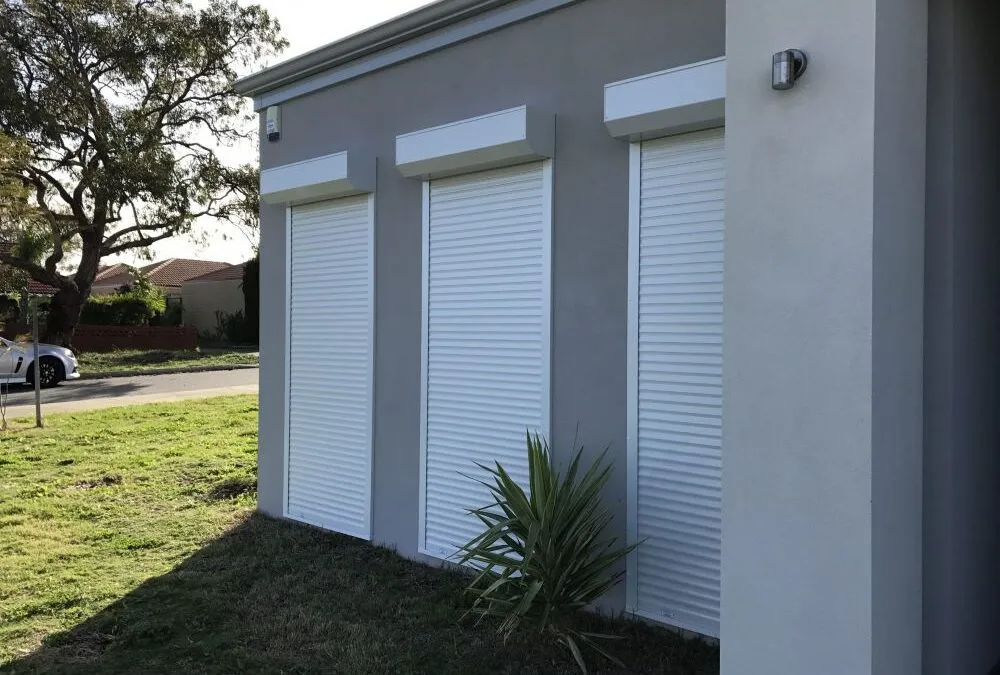
Perth’s unique Mediterranean climate is beautiful, but it is also demanding on window coverings. Intense UV exposure, hot summers, coastal winds and salt air can all affect how well your blinds perform, how long they last, and how comfortable your home feels.
If you are choosing roller blinds in Perth WA, the right fabric, track system and installer can make a major difference to heat control, privacy and durability. This guide will help you compare the best options for Perth conditions, from blockout and sunscreen fabrics to installation methods, local suppliers and compliance considerations.
For expert options and local solutions, explore our outdoor blinds range. If you are comparing window and outdoor shading, you can also review outdoor shutters Perth WA as a complementary solution for stronger weather protection.
Understanding Perth’s Unique Climate and Its Impact on Roller Blind Selection
Perth’s climate is often described as Mediterranean, which means long, dry summers, plenty of sunshine, and winters that are generally mild but still cool enough to benefit from insulation. The city also receives some of the highest UV exposure in Australia, and homes close to the coast face extra challenges from wind, dust and salt-laden air. Those conditions matter because window treatments are not just decorative. They influence thermal insulation, glare reduction, privacy, and the rate at which fabrics and components wear out.
In practice, that means a roller blind that works well in Melbourne or Sydney may not be ideal in Perth. A product suited to a sheltered suburban bedroom may fail sooner in a bright, coastal living room with afternoon sun and regular airflow. The best choices for Perth generally use UV-stabilised materials, corrosion-resistant hardware and a design matched to the room’s orientation and purpose.
The Bureau of Meteorology (BOM) regularly records UV levels that can reach “very high” to “extreme” through much of the warmer months. At those levels, furniture fading, screen glare and solar heat gain become daily issues rather than occasional inconveniences. This is why thoughtful blind selection is such an important part of home comfort in Perth.
There is also an energy efficiency benefit. When a window treatment reduces direct sun penetration, it can lower the cooling load in summer and help trap warmth in winter, especially when combined with a well-fitted recess installation. That matters for homeowners and property managers who want to improve comfort without sacrificing natural light or resorting to constant air-conditioning.
UV Protection Importance in Perth
UV protection should be one of the first things Perth homeowners consider. Ultraviolet radiation can fade flooring, artwork, soft furnishings and even some paint finishes over time. It can also increase discomfort near windows during peak daylight hours, especially in west-facing rooms. A quality roller blind helps reduce that exposure by acting as a barrier between the glass and the interior space.
When comparing fabrics, look for UPF (Ultraviolet Protection Factor) ratings and UV-blocking performance claims that are clear and testable. UPF tells you how effectively a fabric limits UV transmission. In simple terms, the higher the protection, the better the blind performs in harsh sun. For outdoor-facing rooms or sun-drenched living areas, this is especially important. The Cancer Council Australia continues to recommend strong sun-protection measures, and good internal shading is one part of a broader strategy.
Many Perth installers also advise using UV-stabilised components, such as chains, brackets and side channels that are less likely to weaken under prolonged exposure. If you are unsure how to compare materials, ask a supplier for product data sheets showing UV performance, fade resistance and maintenance guidance. That extra step is often what separates a short-term purchase from a long-lasting solution.
Blockout vs Sunscreen Fabrics for Perth Homes
Blockout and sunscreen fabrics each serve a different purpose, and the best choice depends on the room and the amount of natural light you want to keep. Blockout fabrics are designed to minimise light transfer, making them ideal for bedrooms, nurseries, media rooms and street-facing windows where privacy is a priority. They also reduce glare and can improve sleep quality when used correctly.
Sunscreen fabrics work differently. Their woven structure allows daylight to filter through while cutting glare and reducing UV penetration. Most are available in different fabric openness levels, commonly between 1% and 10%, with lower openness providing greater privacy and sun control. In a bright Perth home, that can be a strong advantage in living rooms, dining areas and home offices where you want ambient light without the harshness of direct sun.
Some homeowners prefer a layered approach. For example, a sunscreen roller blind in the living room can preserve daytime views, while a blockout blind in the bedroom provides darkness at night. If you are still deciding, our article on blockout vs sunscreen blinds explains how to match fabric choice to room function and solar exposure.
Energy Efficiency Benefits in Perth’s Hot Summers and Mild Winters
Roller blinds can contribute to a more efficient home by reducing unwanted solar heat gain in summer and improving insulation in winter. According to the Energy Rating Council Australia, window coverings are an important part of whole-home thermal performance, particularly in climates with strong seasonal sun exposure. In real terms, that means well-chosen blinds can reduce the need for cooling during the hottest part of the day.
Fabrics with a higher solar reflectance index (SRI) reflect more of the sun’s energy rather than absorbing it. SRI is a measure of how well a material stays cool under sunlight, and it is worth asking suppliers about if energy efficiency is a key goal. Pale colours, reflective backings and tight-fitting systems can all support better thermal control.
Track-mounted systems can improve this effect further. When roller blinds are installed as roller blinds in tracks, the side channels help reduce gaps around the fabric edge, which can limit draughts and light leakage. That added seal is particularly useful in exposed homes, older properties with imperfect framing, and rooms where insulation matters most.
In Perth, where air-conditioning often runs heavily in summer, even small gains in heat management can make a noticeable difference. The right blind will not eliminate heat on its own, but it can reduce thermal stress and help your cooling system work more efficiently.
With that climate foundation in mind, the next step is understanding which product features matter most for Perth homes.
Key Features to Prioritize When Choosing Roller Blinds in Perth WA
Not all blinds are built for the same conditions. In Perth, durability, UV resistance, and installation quality often matter as much as style. If the blind is going into a coastal home, a heritage property or a room with strong afternoon sun, those technical factors become even more important. Choosing carefully can save you money in replacements, reduce maintenance and improve everyday comfort.
As a rule, you want a product that balances fabric quality, operating strength and suitability for the window’s exposure. A blind in a sheltered apartment bedroom may only need a standard finish. A blind facing the western sun in a coastal suburb, however, should be specified with longevity and protection in mind. That is where local experience becomes valuable.
-
Durability and Material Quality for Long-Lasting Performance
Perth blinds need to cope with heat, UV and, in many areas, salt air. High-density polyester is a common choice because it can be engineered for stability, strength and consistent appearance. PVC-backed blockout fabrics are popular for total privacy, while fibreglass-reinforced materials can offer excellent dimensional stability in harsher conditions. Many quality blinds also use UV-stabilised components in the headrail, chain mechanism and brackets.
Look for fade resistance, mildew prevention and coatings that are intended for Australian conditions. “Fade-proof” is sometimes used loosely in marketing, so it is worth asking what the claim is based on, whether there are product testing standards, and what exclusions apply. In coastal areas, hardware quality is just as important as the fabric itself, because corrosion can shorten the lifespan of the entire system.
If you want a more outdoor-oriented comparison, our guide to outdoor blinds is useful for understanding how material performance changes in exposed environments.
-
Benefits of Roller Blinds in Tracks for Wind Resistance
Perth’s coastal breezes can turn a standard blind into a moving target. Roller blinds in tracks, also called side channel systems, keep the fabric guided within vertical channels so it does not flap as much in gusty conditions. That improves stability, reduces noise and helps the blind maintain its shape over time.
These systems are especially helpful for windows facing the afternoon sea breeze or locations where dust and air movement are regular concerns. They can also improve blackout performance by reducing light gaps. When fitted well, track systems create a neat, tailored finish that suits both modern and traditional homes. For best results, work with local blind installers Perth who understand frame types, measuring tolerances and the differences between recessed and face-fit installations.
One Perth installer we spoke with described track systems as “a practical upgrade for coastal homes because they solve both wind movement and edge light leakage in one design.” That kind of firsthand advice is worth considering if you live in an exposed suburb or want stronger day-to-day performance.
-
Installation Methods: Professional vs DIY and Building Code Compliance
DIY installation can work for simple windows, but it carries risk if the measurements are off by even a few millimetres. In Perth, that risk is higher in heritage homes, older brick homes with uneven reveals, and new builds where window spacing and plaster finishes vary from room to room. Professional installers bring measurement accuracy, the right tools, and experience with different mounting styles.
There is also a compliance angle. WA building requirements and product safety expectations can affect how blinds are fixed, especially where there are external components, multi-storey settings or fire-related considerations. Secure mounting, appropriate fixings, safe operation and consideration of emergency egress are all important. If your project involves complex windows or non-standard conditions, speaking with a professional is usually the safer choice.
Using trusted Perth blinds suppliers can also protect your warranty. Many manufacturers require installation by approved fitters for certain products, and professional installation typically includes after-sales support, adjustment visits and troubleshooting if the blind settles or is affected by humidity changes.
For homeowners who want a more detailed process, our guide to local blind installers Perth explains what to expect during a measure-and-quote appointment and how to prepare your windows before installation day.
-
Aesthetic Considerations: Colors, Patterns, and Perth Home Styles
Roller blinds are functional, but they also need to suit the look of the home. Perth has a wide mix of architectural styles, from contemporary coastal homes with large glass openings to post-war houses, renovated cottages and heritage properties with timber detailing. The best blind choice should complement the room rather than overpower it.
Light neutral colours such as whites, sands, greys and soft stone tones often work well because they reflect heat and pair easily with local interiors. However, natural textures, subtle patterns and muted earthy colours can also be effective where you want a warmer or more distinctive finish. In coastal homes, clean lines and crisp whites are popular because they align with breezy, relaxed styling. In heritage homes, softer hues and fabric textures can feel more authentic.
If you are designing a layered shading scheme, colours should also work with other products such as shutters, curtains or cafe blinds. A good supplier will help you balance aesthetic preferences with practical goals such as light control and energy efficiency.
-
Complementary Solutions: Outdoor Shutters vs Roller Blinds Perth WA
Roller blinds are excellent for internal light control, privacy and thermal improvement, but they are not always the only solution. Outdoor shutters Perth WA provide a stronger external barrier against weather, offer a greater sense of security, and can improve acoustic comfort by reducing outside noise. They are often chosen for exposed façades, street-facing windows and homes where weatherproofing is a priority.
The choice is not necessarily either/or. Many Perth homes benefit from a layered system, with shutters outside and roller blinds inside. That combination can create a more flexible approach to sunlight, security and insulation. It also allows homeowners to use the right product for the right time of day or season. If you are comparing products for a business or family home, our roller shutter guide offers a useful overview of external protection options.
For homeowners planning a broader shading upgrade, it can also be helpful to compare roller blinds with other outdoor solutions. Our pillar guide on outdoor blinds provides a wider view of how shading systems work together across Perth homes.
How to Compare and Select the Best Roller Blinds from Local Perth Suppliers
Once you know which features matter most, the next step is comparing suppliers. In Perth, local manufacturing and local installation support can make a big difference in lead time, fit quality and after-sales service. It is often worth paying attention to how a company handles measuring, fabric advice, warranty claims and repair visits, not just the initial quote.
Local suppliers also tend to understand Perth-specific issues better. They know which suburbs face stronger wind exposure, which homes commonly have heritage restrictions, and which fabric ranges perform better in bright coastal environments. That practical knowledge can save you from choosing a blind that looks good on paper but does not perform well in your actual home.
Overview of Leading Perth Suppliers
When comparing trusted Perth blinds suppliers, start by checking whether they offer custom manufacturing, local consultation and a product range suited to UV-heavy conditions. Suppliers that source high-quality fabrics and provide clear technical guidance are usually easier to work with because they can match the blind to the room, not just the window size.
Some Perth businesses specialise in contemporary homes, while others are better known for heritage solutions, commercial projects or coastal property installations. A supplier should be able to explain the difference between blockout and sunscreen fabrics, recommend whether roller blinds in tracks are suitable, and advise on mounting options. If you want to compare more categories, our guide to trusted blind companies in Perth is a useful starting point.
For many homeowners, the best suppliers are the ones that handle the whole process: consultation, measuring, manufacturing, installation and service calls. That full-service model reduces friction and helps ensure your final result matches the original specification.
Product Warranty and After-Sales Support
Warranty coverage is one of the clearest signs of supplier confidence. In Perth, you should expect clarity on both the fabric warranty and the hardware warranty. Typical cover may include fabric fading, stitching defects, operation issues, chain wear, brackets and side-channel performance. Some products also include separate cover periods for motorised components if you are upgrading to automated blinds.
After-sales support matters because blinds are moving products. They may need tension adjustment, minor alignment, replacement parts or cleaning advice after installation. A strong supplier will explain what is covered, how to lodge a claim, whether a service fee applies and how quickly support is provided. Ask whether their service team is local, because that often affects responsiveness.
In practice, the best experience is not just “good warranty terms” but a supplier who actively helps if something settles, shifts or becomes difficult to operate after the first few months. If you want a more service-oriented comparison, our guide to trusted Perth blinds suppliers may help you shortlist providers with stronger support records.
Cost & Benefit Comparison: Roller Blinds vs Outdoor Shutters
Cost is important, but so is long-term performance. Roller blinds usually cost less upfront and can still deliver strong privacy, heat reduction and style flexibility. They are often the better option where you want a more affordable internal upgrade or where windows need a softer visual finish.
Outdoor shutters usually require a larger investment, but they can provide stronger protection from weather, better security and greater noise control. In homes where afternoon heat and coastal exposure are both significant, that added performance may justify the extra spend. The right choice depends on budget, orientation, room use and whether the goal is primarily shading, protection or both.
| Feature | Roller Blinds | Outdoor Shutters Perth WA |
|---|---|---|
| Installation Cost | Lower to moderate | Higher initial investment |
| UV Protection | High (with UV-rated fabrics) | Very high (solid barriers) |
| Wind Resistance | Improved if in tracks | Excellent |
| Security | Limited | Strong |
| Maintenance | Low to moderate | Low |
| Energy Efficiency | Good | Excellent |
| Customization | High | Moderate |
Reviews and Testimonials from Perth Customers
Customer feedback can reveal how a product performs after installation, not just how it looks in a showroom. Perth homeowners often praise suppliers that provide accurate measuring, punctual installation and helpful advice about fabric choice. Review sites, local community groups and direct referrals can all be useful when shortlisting companies.
One coastal homeowner in Scarborough told us their sunscreen rollers in tracks “finally stopped the afternoon flutter that used to happen every windy day, and the room stays much cooler without losing the view.” Another family in Mount Lawley said a custom blockout installation helped them solve a streetlight issue in a heritage bedroom without damaging the original timber frame. Examples like these show why local experience matters.
If you are evaluating suppliers, ask for photos of similar projects, references from recent customers or case studies showing work in homes like yours. Real-world evidence is often more valuable than a generic product brochure.
Custom Measurement and Consultation Services Available Locally
Accurate measurement is especially important in Perth, where older properties can have uneven walls, non-standard reveals and decorative trims that affect fit. In-home consultation allows a specialist to identify obstacles such as window handles, vents, architraves and shallow recesses before the order is placed. That reduces the chance of costly remakes and improves the final finish.
Custom service is also valuable for heritage homes, apartments and renovated houses where the windows do not follow modern standard sizes. A skilled consultant can advise whether a recess fit, face fit or track-mounted solution is likely to work best. If you want to learn more about local service pathways, our article on how to get the best blinds in Osborne Park gives a good example of how consultation usually works in Perth suburbs.
Practical Buying Tips and Step-by-Step Guidance for Perth Homeowners
Buying the right roller blinds is easier when you break the process into manageable steps. Start with the room’s purpose, then move to exposure, fabric, track system and installation approach. That sequence helps you avoid choosing purely on appearance and instead match the blind to the way the room is actually used.
Step 1: Assessing Window Needs
- Bedrooms usually need higher privacy and light blocking, so blockout fabrics are often the best starting point.
- Living areas may benefit from sunscreen fabrics to preserve daylight and reduce glare.
- West-facing rooms typically need stronger UV control because of intense afternoon sun.
- Homes near the coast may require more durable hardware and extra attention to wind resistance.
Step 2: Choosing the Right Fabric for Perth Conditions
- Ask for UV-rated or UPF-tested options if sun exposure is a concern.
- Choose fabric openness carefully for sunscreen blinds: lower openness means more privacy and better glare reduction.
- Select lighter colours if you want a cleaner visual look and additional heat reflection.
- Check whether the fabric has coatings that improve mildew resistance or cleaning ease.
Step 3: Selecting Track Systems vs Traditional Blinds
- Choose roller blinds in tracks for windy sites, improved blackout performance or a more tailored finish.
- Traditional roller blinds can be ideal for sheltered rooms with less exposure.
- Consider whether side channels can be installed without interfering with locks, handles or window opening paths.
Step 4: Installation and Proper Fit
- Use professional measuring for older homes, awkward openings or recessed frames.
- Confirm whether the blind will be mounted inside the recess, face-mounted or fitted as a track system.
- Ask the installer about secure fixings, corrosion-resistant hardware and whether the solution aligns with WA building and safety expectations.
- Keep warranty paperwork and care instructions for future servicing.
Step 5: Budgeting for Long-Term Value
It is tempting to focus only on upfront price, but long-term value often comes from durability, service and performance. A slightly more expensive blind that resists fading, stays aligned and receives proper after-sales support can be better value than a cheaper product that needs replacement sooner. When comparing quotes, ask what is included: measure, manufacture, installation, adjustment, and any revisit policy.
Bonus Tip: Combining Roller Blinds with Outdoor Shutters for Maximum Benefit
Layering roller blinds with outdoor shutters Perth WA can create a highly adaptable shading system. Use shutters for external weather protection and security, then use roller blinds inside for light control, privacy and softer interior styling. This is a strong option for exposed coastal homes, large glass openings and owners who want more control across different seasons.
WA Building Codes and Regulations for Roller Blind Installation
Western Australian building requirements can affect how blinds are fitted, particularly when the project involves external fittings, unusual window layouts or multi-storey buildings. Although roller blinds are generally simpler than structural building elements, installation still needs to be safe, secure and appropriate to the property type. That means paying attention to fixings, access, operating mechanisms and any impact on emergency exits.
For example, blinds fitted near escape windows, doorways or areas where children may interact with cords need to be planned carefully. Installers should be aware of general safety requirements, manufacturer instructions and any relevant WA regulations that apply to the job. The WA Building Commission is a useful reference point for current building information and compliance guidance.
Compliance is also important for warranty protection and insurance confidence. If a blind is poorly mounted or installed with the wrong fixings, the system may fail earlier or create a safety issue. A professional installer who understands local conditions is more likely to get the details right, particularly for exposed homes, heritage properties or commercial spaces where durability and safety standards matter more.
If you are unsure whether your project has special requirements, ask the supplier to explain how they handle compliance, safety and product suitability before you place the order.
Practical Installation Scenario: Heritage Homes and Coastal Properties
Heritage homes in Perth often present the toughest installation challenges because they combine older materials, non-standard dimensions and a need to preserve original features. A typical example is a character home with timber window frames that are slightly uneven and cannot be drilled aggressively. In that case, an experienced installer may recommend a careful face-fit solution or a custom recess system that avoids damage while still delivering a tidy finish.
In another common scenario, a renovated Federation-style home may have beautiful original windows but modern expectations for privacy and thermal control. Here, a sunscreen blind in the living area can preserve the daylight and architectural detail, while a blockout blind in the bedroom improves sleep and comfort. The key is measuring each opening individually rather than assuming standard sizes will fit.
Coastal properties require a different approach again. Homes in suburbs such as Scarborough, Cottesloe or Mindarie often face stronger breeze, more dust movement and greater salt exposure. In these locations, corrosion-resistant hardware, UV-stable fabrics and roller blinds in tracks are often recommended. The goal is to reduce fabric movement, limit wear and keep the blind looking neat for longer.
One homeowner case study involved a beachside apartment where standard rollers repeatedly shifted in the afternoon sea breeze. After switching to track-mounted blinds with improved side support, the owner reported less movement, better glare control and a cleaner aesthetic. That sort of practical result is exactly why local supplier experience is so valuable.
If your home combines both heritage value and coastal exposure, it is worth asking for a tailored solution rather than a one-size-fits-all product. In many cases, that means combining materials, hardware and installation method to suit each room individually.
Expert Insight: Local Installer Perspective
“Perth’s climate demands quality fabrics combined with precision installation,” says James Peterson, a Perth-based blind professional with 15 years of experience. “Custom measurement and track installations are crucial in windy or heritage settings to ensure durability and compliance. We always prioritise UV protection and work closely with clients to blend aesthetics with function.”
That advice reflects what many local homeowners discover after the fact: the best blind is not simply the cheapest or most stylish. It is the one that suits the room, the climate and the property’s long-term needs.
If you are ready to compare options, start with the room’s exposure, then shortlist products based on fabric performance, track suitability, warranty terms and supplier support. The more carefully you match the blind to Perth’s conditions, the better the result will be over time.
Frequently Asked Questions
What makes roller blinds suitable for Perth’s climate?
Roller blinds suit Perth because they can be specified with UV-resistant fabrics, heat-reflective finishes and stable hardware that cope with strong sun and coastal conditions. When matched to the room, they reduce glare, improve privacy and help manage heat without overwhelming the interior design.
How do blockout and sunscreen fabrics differ for roller blinds?
Blockout fabrics are designed to block most light and provide strong privacy, making them ideal for bedrooms and media rooms. Sunscreen fabrics filter daylight, reduce glare and limit UV exposure while keeping outdoor views. The right choice depends on how much light and privacy each room needs.
Are roller blinds in tracks better for coastal Perth homes?
Yes. Roller blinds in tracks are often better for coastal homes because side channels reduce fabric movement, improve stability and help limit dust and light leakage. They are a practical upgrade for windy locations, especially where ordinary roller blinds may flap or wear faster over time.
Can I install roller blinds myself, or should I hire a professional?
DIY installation can suit simple, standard windows, but professional fitting is usually better for Perth homes with tricky measurements, heritage details or track systems. A professional can improve fit, reduce errors, help with compliance and protect warranty coverage, especially on more complex projects.
What are the advantages of combining roller blinds with outdoor shutters?
Combining roller blinds with outdoor shutters gives you layered protection. Shutters offer stronger external weather resistance, security and insulation, while roller blinds provide flexible light control and privacy inside. The combination works especially well for exposed windows and homes that need both style and performance.
How do I find reliable local roller blind suppliers in Perth?
Look for suppliers that offer custom measuring, UV-rated fabric options, clear product information and responsive installation support. Good reviews, local case studies and strong warranty terms are also important. You can start by reviewing trusted Perth blinds suppliers.
What warranty coverage should I expect for roller blinds in WA?
Warranty cover typically includes fabric fading, operating mechanisms, brackets and sometimes track systems or motors. The exact term varies by brand, so ask what is included, what is excluded and whether installation by an approved fitter is required to keep the warranty valid.
Are there specific building codes in Perth I need to consider when installing blinds?
Yes. WA installation should account for secure mounting, safe cord operation, fire safety considerations and any access or egress issues that apply to the window location. A professional installer familiar with local requirements is the safest way to ensure the blind is compliant and well supported.