
Roller Shutters: Security, Weather Protection & Savings
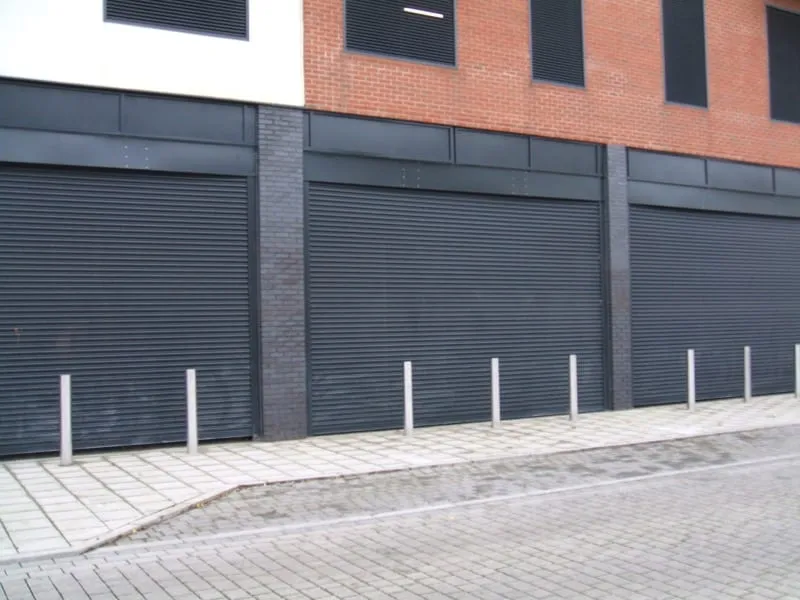
Protect your business or home with roller shutters and you get more than a window covering — you get a robust, multipurpose security system that helps deter burglary, reduce weather damage, improve privacy, and support energy efficiency. This guide explores how roller shutters work, the differences between manual and motorized models, what materials and protective features to look for, and what to expect from roller shutters installation and ongoing maintenance.
If you are comparing options for a home, shopfront, warehouse, or office, roller shutters are often the strongest all-round choice. They combine physical security with weather protection, visual privacy, and in many cases smart automation. We will also cover cost considerations early, so you can balance upfront spend against long-term value and maintenance effort.
Before we get into the details, it helps to understand the big picture: a good shutter system is not only about strength, but also about the way it is fitted, controlled, and maintained over time.
Why Choose Roller Shutters for Security and Protection?
Roller shutters are popular because they work as a physical security barrier while also improving comfort and privacy. In practical terms, they can deter opportunistic intruders, protect glass from impact, and reduce exposure to wind, rain, heat, and UV. For many property owners, that makes them a more complete solution than standard blinds or curtains.
How Roller Shutters Enhance Home and Business Security
Roller shutters are engineered as a frontline defense for windows and doors. Their rigid slats create a visible, tamper-resistant barrier that makes forced entry harder and more time-consuming. That delay matters: burglars usually look for the easiest target, and a closed shutter signals that the property is protected.
For residential security solutions, shutters can protect ground-floor windows, sliding doors, and vulnerable side openings. For commercial property protection, they are especially valuable on shopfronts, loading bays, and storage rooms where break-ins can lead to stock loss and downtime.
Compared with standard curtains or fabric blinds, shutters do not simply obscure a view — they block access. If you are also researching shading options, you may find it useful to compare shutters with outdoor blinds materials guide resources to see where physical security becomes the deciding factor.
Roller shutters also pair well with layered solutions. Some businesses combine them with internal shading or external screening to manage sunlight and street visibility during business hours, then close the shutters after hours for maximum protection.
In practice, this makes shutters useful for more than break-in prevention. They also support routine lock-up procedures, help staff feel safer, and can make a property look professionally secured from the street.
Burglar Resistance and Tamper-Proof Features
Security-grade shutters rely on more than thick slats. The best systems use reinforced end locks, guided tracks, secure bottom rails, and locking mechanisms that resist lifting, levering, or prying. In higher-risk applications, installers also use tamper-resistant anchors and heavy-duty mounting hardware so the shutter box and side channels remain firmly fixed to the structure.
Australian security products are often discussed in relation to AS 4140. For clarity, AS 4140 is an Australian Standard for security shutters that helps guide product strength, locking performance, and installation quality. In plain English, it is a benchmark for how well a shutter should resist common attack methods when specified and installed correctly.
When a shutter system is built and installed with AS 4140 expectations in mind, it is better positioned to resist common attacks such as lifting, forced track separation, and impact tampering. That means the standard is not just about the material itself — it also relates to the design of the shutter, the way components interlock, and the quality of the fixings used at the wall.
Key anti-intrusion features may include:
- Auto-lock systems that secure the shutter when fully closed
- Reinforced end locks and bottom rails to reduce prying points
- Impact-resistant aluminum or steel slats
- Internal or concealed fixings that reduce tampering access
- Secure anchoring methods designed to suit the substrate and opening type
In security terms, the goal is not just to “cover” the opening, but to create a barrier that is difficult to defeat quickly. That is why many buyers compare security-grade roller shutters alongside security doors, grilles, and alarms before deciding.
One installer we spoke with, Mark Evans from a Perth shutter team, put it simply: “A shutter is only as good as the fixing behind it. Strong slats help, but the mounting hardware and installation quality are what keep the system secure over time.”
That perspective is important because it highlights a common mistake: choosing a strong product but underestimating the importance of proper anchoring, substrate compatibility, and commissioning.
Privacy and Visibility Control with Roller Shutters
Beyond physical security, roller shutters allow precise privacy control and light control. When fully closed, they create full opacity, preventing outsiders from seeing in. When partially closed, they can reduce glare and street-level visibility while still letting in filtered light, which is useful for homes on busy streets and retail spaces after hours.
This level of visual security is more flexible than many fabric treatments. Curtains can block views, but they do not provide a rigid exterior barrier. Bamboo roller blinds can soften interiors and offer some privacy, but they generally allow more light seepage and are not designed for security. If light management is the priority, shutters give property owners a stronger ability to balance brightness, privacy, and protection.
For homes that face public footpaths, shared driveways, or close neighbouring properties, shutters can also help reduce the “fishbowl” effect. For businesses, that can mean keeping stock and equipment out of sight after hours while still presenting a tidy exterior.
In living rooms, home offices, and front-facing bedrooms, shutters can be positioned to reduce harsh morning or afternoon sunlight without completely darkening the space. That makes them a practical privacy and glare-control solution as well as a security measure.
Comparison: Roller Shutters vs Blinds and Curtains for Security
| Feature | Roller Shutters | Blinds and Curtains |
|---|---|---|
| Physical Security | High – strong, tamper-resistant barrier | Low – easily breached or removed |
| Burglary Deterrence | Visible and effective deterrent | Limited, no physical protection |
| Privacy Control | Complete control, opaque when closed | Variable, often semi-transparent |
| Light Control | Strong control, including partial closure | Moderate, but not security-focused |
| Weather Protection | Storm-proof and fire-resistant options | Minimal protection |
| Automation Options | Motorized with remote control and smart integration | Limited to motorized blinds without security focus |
For pure security and weather resistance, shutters outperform ordinary window furnishings. That said, many homeowners still use decorative shades for interiors and reserve shutters for the openings that matter most. If you are comparing shading categories, a useful starting point is this different types of outdoor blinds overview.
When evaluating what suits your property, it helps to think in layers: visibility control, weather protection, and forced-entry resistance. Roller shutters can cover all three at once, which is why they are such a strong choice for homes and businesses alike.
With the security basics covered, the next step is understanding which shutter type and material best fits your property.
Types of Roller Shutters and Their Protective Properties
Not all shutters are the same. The right choice depends on how often you will use them, the level of threat you are trying to address, and whether you need insulation, automation, or compliance support in a particular setting.
Manual vs Motorized Roller Shutters – Benefits and Use Cases
manual roller shutters are a practical option when budget is the top concern or when a window is used less frequently. They do not require power access, which can be useful for sheds, secondary rooms, or smaller openings. They are also mechanically simple, which can reduce upfront complexity.
motorized roller shutters, by contrast, are better suited to larger windows, shopfronts, and high-use areas. They operate using an electric drive, often referred to as a roller shade motor. In plain English, that is the electric motor that raises and lowers the shutter for you. This makes operation faster, easier, and more suitable for people who want one-touch security.
- Manual: lower upfront cost, no electrical wiring, reliable, but requires physical effort
- Motorized: remote or app-controlled, rapid deployment, easier for large openings, integrates with home automation
- Best use cases: manual for smaller, lower-risk openings; motorized for busy households, businesses, and accessibility needs
Motorization can also improve security response times. If you need to close multiple openings quickly before leaving home or after trading hours, automation is a major advantage. For related research, compare motorized roller blinds with shutters to see where convenience ends and security begins.
Before choosing, it is wise to review installation details and local access requirements. Some properties benefit from a simple manual system, while others justify the additional spend because daily use is easier and more likely to stay consistent.
Materials Used: Metal, PVC, Timber, and Their Durability
Material selection affects durability, weather resistance, insulation, appearance, and security performance. In general, the stronger the material, the better it performs against forced entry and harsh conditions.
- Metal shutters such as aluminum or steel are the strongest and most common for security applications. They resist impact, cutting, and bending better than softer materials.
- PVC roller shutters are lighter and can suit weather exposure or privacy needs, but they are generally less secure than metal alternatives.
- Timber roller shutters offer a natural aesthetic and can suit heritage or design-led properties, but they typically require more care and provide moderate security rather than high-security performance.
Aluminum shutters are often chosen because they offer a strong balance of weight, corrosion resistance, and appearance. Steel shutters are typically reserved for higher-risk applications where maximum strength is the priority. For coastal environments, weatherproofing and corrosion resistance matter just as much as raw strength.
Some suppliers also offer custom roller blinds and shutter systems tailored to exact opening sizes and architectural finishes. If aesthetics are important, this allows the shutter to blend into the façade rather than dominate it.
If you are still comparing interior and exterior coverings, a separate outdoor blinds materials guide can help clarify why metal shutters are usually the stronger choice when the main concern is security.
As a general rule, the more exposed the opening, the more you should prioritise corrosion resistance, impact resistance, and a secure guide system over decorative appeal alone.
Specialized Protective Shutters: Fire-Resistant, Storm-Proof, and Insulated Models
Specialized shutters are designed for properties that face specific environmental risks. They do not replace a full building safety strategy, but they can be an important part of it.
- Fire-resistant shutters: built from heat-tolerant materials to help protect openings in bushfire-prone areas.
- Storm-proof shutters: designed to resist high winds, flying debris, and driving rain in severe weather conditions.
- Insulated roller shutters: feature thermal linings or enclosed slats that reduce heat transfer and can improve noise reduction.
In bushfire regions, fire-resistant shutters may be used alongside other building measures to add another layer of protection. In cyclone-prone locations, storm-proof shutters can help prevent glass breakage and limit water ingress. If energy performance matters, insulated models offer a useful middle ground between security and comfort.
For buyers comparing weather-focused solutions, see storm-proof roller shutters and other specialised options to understand the trade-offs across cost, strength, and appearance.
These products are especially useful where weather risk is not occasional, but part of the property’s everyday reality.
Modern Features: Smart Roller Blinds and Remote Control Systems
Automation has made shutters easier to use and more useful in daily life. Smart roller blinds and shutter controls can connect to timers, sensors, and home hubs, allowing property owners to manage openings even when they are away.
- Remote operation through wall switches, remotes, or apps
- Automatic closing at sunset or when the property is vacant
- Integration with alarms, cameras, and motion sensors
- Energy management based on sun exposure or indoor temperature
These systems often use wireless technologies such as Zigbee and Z-Wave. In simple terms, these are wireless communication protocols used in smart home devices, helping shutters communicate with hubs and other devices without complex wiring. That makes them useful in established homes as well as new builds.
In many households, the biggest benefit is consistency. When shutters are tied to routines or alerts, they are less likely to be left open by mistake during storms or when the property is unattended.
Next, we look at how shutters can support comfort and lower running costs, not just security.
Environmental Protection and Energy Efficiency Benefits
Roller shutters are often purchased for security first, but their environmental benefits are substantial. By reducing heat transfer, blocking UV, softening noise, and providing a weather shield, they can improve day-to-day comfort and help reduce utility costs.
Insulation Properties of Roller Shutters for Temperature Control
When closed, roller shutters form an extra air layer between the outdoor environment and the window glass. That layer reduces heat transfer and can improve thermal performance. A key term here is R-value, which is a measure of insulation effectiveness — the higher the R-value, the better the material resists heat flow.
According to Australian energy guidance on energy.gov.au, managing heat gain and heat loss through windows is one of the most effective ways to improve home comfort. In practice, insulated shutters can make rooms less dependent on cooling in summer and heating in winter. That is especially useful for west-facing rooms, large glass areas, and commercial buildings with long operating hours.
Because windows are often the weak point in a building envelope, a shutter can provide a meaningful upgrade even when the rest of the property is already well insulated. On the same topic, energy.gov.au also notes that window treatments work best when they are used consistently and matched to climate, orientation, and time of day.
In simple terms, if a room becomes uncomfortably hot or cold because of its windows, a shutter can reduce the load on the whole house or business.
Weather Proofing: Storm Shutters and UV Protection
Weather is another reason many owners choose roller shutters. A well-fitted shutter can help shield glass from rain, wind, and flying debris, and can also reduce UV exposure that fades fabrics, flooring, and furnishings.
Storm-proof shutters are particularly valuable in exposed coastal or cyclone-prone areas. They act as a hard barrier, reducing the chance of window failure in severe conditions. In everyday use, this means extra peace of mind during summer storms and a more comfortable interior during intense sun.
Complementary products such as Clear PVC café blinds in Perth can support outdoor living zones, but they serve a different role. Clear PVC helps maintain enclosure and visibility, while shutters provide the stronger security and weather barrier.
For properties wanting a layered approach, shutters can be paired with verandah screening, awnings, or outdoor enclosure products to create a more complete weather strategy.
UV control is often underestimated. By limiting direct sun penetration, shutters can protect furnishings, timber floors, merchandise, and signage from premature fading.
Energy Savings and Reduced Utility Costs
By reducing heat ingress during summer and heat loss in winter, shutters can lower energy consumption and therefore utility costs. That can translate into meaningful savings over time, especially in homes with large windows or businesses that condition air for long trading hours.
The Clean Energy Council of Australia has long highlighted the importance of reducing demand at the building-envelope level, because it often delivers recurring savings without changing how occupants use the building. In simple terms, it is easier to keep heat out than to remove it later with air conditioning.
Actual savings depend on glass size, orientation, climate zone, and how consistently the shutters are used. A room with afternoon sun and poor shading can see more benefit than a shaded room with small windows. That is why property assessment matters before purchase.
For this reason, buyers should think in terms of return on use rather than just initial price. A shutter that gets used every day has more chance of paying back its cost through comfort and reduced energy demand.
Noise Reduction Capabilities in Residential and Commercial Settings
Roller shutters also help with acoustic comfort. By adding another layer between outside noise and the interior, they can reduce traffic sound, construction noise, and general street disturbance. This can be especially helpful for shift workers, retail staff, and families living near busy roads.
Insulated shutter models can deliver noticeable noise reduction, which supports occupant wellbeing and productivity. While exact decibel reduction varies by product and installation quality, many users report a quieter, calmer interior once shutters are closed.
That broader comfort benefit is one reason shutters are often considered a long-term upgrade rather than a simple accessory.
With performance and efficiency covered, the next section explains installation, costs, maintenance, and what to expect from a professional service.
Installation, Maintenance, and Local Services
Shutter performance depends heavily on installation quality. Even a premium product can underperform if it is poorly measured, badly fixed, or mismatched to the site. Costs also vary, so understanding the typical process and maintenance effort helps buyers budget realistically.
Professional Installation Process and What to Expect
Installing roller shutters requires precision to ensure security, durability, and compliance. A professional roller shutters installation typically includes:
- Site assessment and measure-up to confirm opening size, wall type, and usage needs
- Product selection based on manual or motorized operation, material, and security rating
- Manufacture or supply of a made-to-measure system
- Secure mounting with tamper-resistant anchors and compatible fixings
- Electrical wiring and commissioning for powered systems, where required
- Testing of tracks, locks, controls, and safety stop functions
- Customer handover with operation and maintenance instructions
The installation hardware matters as much as the shutter itself. Tamper-resistant anchors are used to help prevent the shutter frame or side tracks from being levered loose, which is critical for security compliance and long-term stability.
For powered systems, installers also need to ensure wiring is safe and protected, with controls positioned for practical use. In commercial settings, this may involve integration with access control or alarm systems.
A proper install should also include a final check of movement, alignment, and end stop settings. These small details make a big difference to daily operation and service life.
Installation Costs, Ongoing Maintenance, and Budget Planning
Cost is one of the most common questions buyers ask, and it is best addressed early. Roller shutter prices vary by size, material, finish, and whether the unit is manual or motorized. As a general guide, smaller manual shutters are usually the most affordable, while large motorized and insulated systems cost more because of the motor, control hardware, and heavier materials.
Typical residential pricing often starts in the mid-hundreds per opening for basic manual units and can move into the low thousands for motorized or high-security systems. A realistic budget range for many homes is around AUD 800–2000 per window for motorized roller shutters, although larger or specialised openings can exceed that. Commercial or custom installations may cost more again.
It also helps to budget for optional extras such as upgraded controls, smart home integration, corrosion-resistant finishes, or reinforced locking hardware. Those items can improve usability and longevity, but they increase the initial spend.
Maintenance effort is usually moderate rather than heavy. Most owners can manage routine cleaning, visual checks, and occasional lubrication, while an annual professional service may be worthwhile for motorized systems or high-use properties. If the shutter is near the coast or exposed to salt air, corrosion checks should be more frequent.
Common maintenance tasks include:
- Wiping tracks and slats to remove dust and debris
- Checking for smooth operation and unusual noise
- Inspecting locks, guides, and mounting points
- Testing remote controls, batteries, and safety sensors
- Booking repairs promptly if slats dent, jam, or corrode
For more pricing context, see the cost of outdoor roller blinds and shutters in 2025 guide. For ongoing care, the maintenance principles in our cleaning and maintaining outdoor blinds resource also translate well to shutters.
When comparing quotes, ask whether installation, wiring, controllers, and cleanup are included. That makes it easier to compare offers on a true like-for-like basis.
Top Providers and Trusted Installers (e.g., Shutters Gold Coast)
Choosing a reputable provider matters because installation quality directly affects security, weather resistance, and warranty performance. For example, Shutters Gold Coast businesses often bring local expertise in climate, building styles, and compliance expectations. That can be useful when selecting products for coastal conditions or suburb-specific requirements.
A good installer should offer site consultation, clear product advice, and compliance with Australian building requirements. In areas with strong sun, wind, or salt exposure, that local knowledge helps prevent common failures and ensures the shutter is fit for purpose.
If you want a local benchmark for service quality, this how to get the best blinds in Osborne Park guide also demonstrates the sort of location-specific advice worth expecting from a provider.
When shortlisting installers, look for clear communication, documented warranties, and a willingness to explain material trade-offs rather than simply selling the most expensive option.
Customization Options and Compliance with Local Regulations
Roller shutters can be customized in size, colour, finish, material, and operating style. That flexibility makes them suitable for modern homes, heritage properties, retail premises, and industrial buildings. It also means they can be designed to match the façade rather than look like an afterthought.
Compliance is equally important. Installations should meet the National Construction Code and any relevant state or local building regulations. In some regions, planning or strata considerations may also apply, especially where external appearance is controlled.
For buyers comparing local restrictions and product fit, it is worth reviewing outdoor blinds regulations in WA as a reference point for how compliance issues can affect shading and external installations.
Once installation, costs, and compliance are understood, the next major advantage to consider is smart home integration.
Integrating Roller Shutters with Smart Home Automation
Automation is one of the biggest reasons people upgrade from basic coverings to modern shutters. It improves convenience, but it also increases consistency: if closing the shutters is easy, people are more likely to do it every night or when they leave the property.
Motorized Roller Shutter Systems and Their Advantages
Motorized roller shutters use electric drives to raise and lower the shutter with minimal effort. They are especially useful for larger openings, older users, or anyone who wants quick control of multiple windows at once.
- Fast one-touch operation in daily use or emergencies
- Useful for large windows and difficult-to-reach openings
- Can be tied into timed routines and security events
- Can improve consistency because the system is easy to use
In a security context, convenience matters because it encourages proper use. A shutter that is easy to close is more likely to be closed before a storm or after hours, which is exactly when protection matters most.
For households, the same applies to everyday routines. If opening and closing the shutters is simple, people are more likely to use them for sun control, privacy, and temperature management throughout the year.
Remote Control and App-Enabled Shutters
Remote roller shades and shutters allow control by handset, wall switch, or app. App-based systems are helpful for property owners who travel, manage multiple buildings, or simply want one interface for lighting, climate, and security routines.
Many modern systems support programmable timers, so shutters can close automatically at dusk and open in the morning. That helps with presence simulation and can make a property look occupied even when it is empty.
Some systems also allow zone control, meaning you can close only the west-facing rooms in summer or secure only the ground floor after dark. That flexibility is one reason automation adds value beyond simple convenience.
Security Alerts and Automated Schedules for Enhanced Protection
When shutters are linked to sensors, alarms, or weather inputs, they can respond automatically to changing conditions. For example, a sudden wind event could trigger closure, or a security alert could prompt the system to lock down the property.
Automated schedules also support occupancy patterns. Closing shutters at set times helps deter surveillance by outsiders and creates routine protection without relying on manual action each day.
That can be especially useful for holiday homes, offices that close early, or commercial premises where staff finish at different times. The routine stays consistent even when people are not.
Compatibility with Existing Smart Home Devices
Modern roller shutters often communicate using protocols like Zigbee and Z-Wave, which are wireless communication protocols used in smart home devices. This makes it easier to connect shutters with hubs and assistants such as Amazon Alexa, Google Home, or Apple HomeKit.
That compatibility can be useful in a broader security ecosystem. For example, shutters can work alongside lighting scenes, cameras, and climate controls so the home or business responds as one system. If this interests you, our smart home automation integration guide is a useful next read.
As smart homes become more common, shutters are increasingly being selected not just for security, but for the way they fit into daily routines and whole-building control.
Case Studies and Real-World Applications
Real-world examples help show where shutters deliver the strongest practical benefit. While every property is different, the patterns are consistent: better security, better resilience, and better daily usability.
Residential Examples: Securing Homes Against Burglary and Weather
One Gold Coast homeowner reported a 30% decline in neighbourhood burglary attempts after installing motorized roller shutters on all accessible windows. The visible barrier reduced opportunistic targeting, while the weather-resistant design added reassurance during storm season.
In another case, a coastal family used storm-proof shutters to protect large glass areas from strong winds and airborne debris. The result was less risk of broken glass and lower anxiety during severe weather alerts.
These examples show why many families treat shutters as a lifestyle upgrade as well as a security measure. Comfort, privacy, and peace of mind all improve when openings are properly protected.
Commercial Case Studies: Protecting Retail, Warehouses, and Offices
Retailers often use shutters to secure display fronts after business hours, while warehouses use them to protect loading doors and storage areas. In both settings, the main benefits are operational security and lower risk of loss.
A retail store in Newcastle installed automated roller shutters with integrated alarms, reducing break-in risk after hours and improving staff confidence. Warehouse operators have also reported energy savings when insulated shutters help regulate temperature around sensitive stock and equipment.
Commercial operators often combine shutters with broader building improvements. For example, some pair them with energy-efficient window coverings in office areas to reduce glare and support thermal performance during the day.
In office environments, shutters can also improve after-hours lock-up procedures by giving staff a clear, repeatable way to secure the premises.
Success Stories Featuring Motorized and Automated Installations
Motorized systems are especially valuable where openings must be secured quickly. Offices using scheduled closures can move from trading mode to secure mode in seconds, and retail premises can lock down multiple entrances with one action.
Users frequently mention convenience, but the hidden benefit is consistency. A system that is easy to use tends to be used more reliably, which improves security outcomes over time.
Automation also reduces friction for larger sites. If several shutters need to close at once, remote and app-based controls can save time and reduce human error.
Feedback from Shutter Installers and Security Experts
Installers commonly recommend selecting materials and locking systems based on the property’s actual risk profile rather than appearance alone. Security consultant Linda Murray notes that “the strongest result comes from matching the shutter to the threat — coastal weather, break-in risk, or heat control all call for slightly different specifications.”
That advice is important because it reflects real-world practice: a shopfront, family home, and warehouse do not need the same shutter setup. Speaking with a qualified installer before purchase can help you avoid under-specifying or overpaying for features you do not need.
It also reinforces the value of asking practical questions during consultation: How will it be mounted? What anchors will be used? How often will it be serviced? Those answers often reveal more than a brochure ever will.
These examples highlight why roller shutters remain one of the most flexible security upgrades available. If you are still weighing options, the FAQ below answers the most common questions clearly and concisely.
Frequently Asked Questions (FAQs) about Roller Shutter Protection
Below are 10 common questions about roller shutter protection, covering security, materials, costs, automation, installation, maintenance, privacy, and specialist models.
Frequently Asked Questions
What are the main benefits of installing roller shutters for home and business security?
Roller shutters provide a strong physical barrier, visible burglary deterrence, privacy control, and weather protection. For homes, they help secure vulnerable windows and doors. For businesses, they protect stock, equipment, and glass fronts after hours while also supporting energy efficiency and noise reduction.
How do motorized roller shutters compare to manual models in terms of security and convenience?
Motorized roller shutters are faster and easier to operate, especially for large or multiple openings. That convenience improves security because people are more likely to close them consistently. Manual shutters are cheaper and simpler, but they require physical effort and take longer to deploy.
Which materials provide the best protection against burglary and extreme weather?
Metal shutters, especially aluminum and steel, generally provide the best protection against burglary and harsh weather. They resist impact, cutting, and bending better than PVC or timber. If security is the main goal, metal is usually the preferred material for homes and commercial properties.
Can roller shutters help reduce energy costs and improve insulation?
Yes. Insulated roller shutters reduce heat transfer through windows, which can lower cooling costs in summer and heating demand in winter. They also improve comfort by limiting glare and helping maintain a more stable indoor temperature, particularly in rooms with large glass openings.
What is involved in the professional installation process of roller shutters?
Professional installation usually includes measuring the opening, selecting the right shutter type, manufacturing or supplying the unit, and mounting it securely with suitable fixings. Motorized systems also require wiring and testing. Quality installers use tamper-resistant anchors and check compliance with local regulations.
How can roller shutters be integrated with smart home automation systems?
Roller shutters can connect to apps, remotes, timers, sensors, and smart home hubs. Many use wireless protocols such as Zigbee or Z-Wave. This allows scheduled opening and closing, remote control when away from home, and automatic responses tied to alarms or weather events.
Are there specialized roller shutters available for fire and storm resistance?
Yes. Fire-resistant shutters are designed for high-heat environments, while storm-proof shutters help resist strong winds, debris, and driving rain. These models are especially useful in bushfire-prone or cyclone-prone regions and are often selected alongside other building protection measures.
What maintenance is required to keep roller shutters functioning securely and efficiently?
Maintenance is usually straightforward. Clean the slats and tracks, check for dents or corrosion, and test the movement and locking function regularly. Motorized systems may also need control or battery checks. A yearly professional service is a good idea for high-use or exposed installations.
How much do roller shutters usually cost to install?
Costs depend on size, material, automation, and installation complexity. Basic manual shutters are usually cheaper, while motorized and insulated models cost more. Many residential motorized shutters fall around AUD 800–2000 per window, with larger or custom commercial systems priced higher.
Do roller shutters provide privacy without completely blocking light?
Yes, to a degree. Roller shutters can be partially closed to reduce visibility and soften daylight while still allowing some light to filter through. This makes them more flexible than many opaque coverings, although fully closed shutters will block most external light and view.