
Outdoor Blinds Regulations in WA: Permits and Compliance
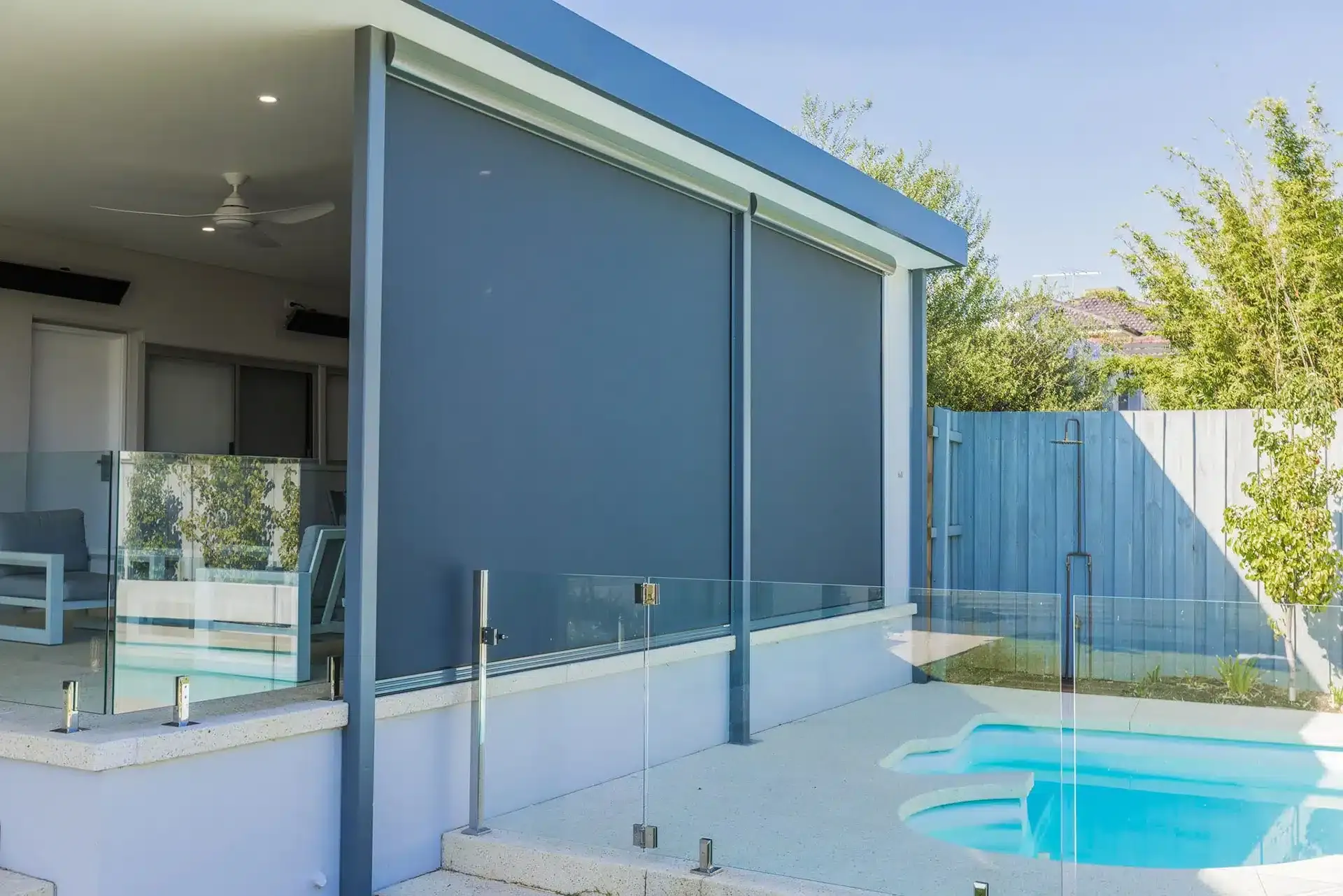
Installing outdoor blinds in Western Australia (WA) can look like a simple home upgrade, but the wrong approval or an overlooked bushfire rule can quickly turn it into a costly delay. This guide explains the legal framework, permit requirements, safety standards, and local council variations so you can install confidently and avoid avoidable fines or rework. If you are comparing products, options such as retractable outdoor blinds in Perth can suit many homes, but they still need the right compliance checks first.
Western Australian Building Regulations for Outdoor Blinds
The main regulatory foundation for outdoor blinds in WA is the Building Act 2011 (WA), together with the Building Code of Australia (BCA), which is adopted through the National Construction Code. In practice, these rules aim to ensure outdoor blinds are safe, structurally sound, and suitable for the property’s location, including coastal, high-wind, heritage, and bushfire-prone areas.
For homeowners and installers, the key question is not just whether the blinds “fit” the space, but whether the installation meets the building and planning rules that apply to the site. That is why early checks with a council or licensed building surveyors in WA can save time and prevent non-compliant work.
Key Building Codes Affecting Installations
Outdoor blinds can be treated as building work when they affect structural integrity, external appearance, or safety. The BCA and related standards focus on wind load resistance, anchoring, durability, and the way the blind system interacts with the existing building envelope. In practical terms, this means frames, fixings, and fabrics need to suit WA’s climate, particularly in exposed suburbs and coastal corridors.
For example, a retractable system mounted to a patio beam may need engineered fixings if the wind exposure is high. A licensed installer should be able to explain whether the proposed product meets the relevant structural assumptions before any installation begins. This is especially important if you are planning retractable outdoor blinds in Perth for an alfresco or patio that catches strong afternoon winds.
Compliance Under the Building Act 2011 (WA)
The Building Act 2011 (WA) requires certain building work to be approved before it starts. For outdoor blinds, that may mean a Building Permit, and in some areas a Development Permit as well, depending on the local planning scheme and the scale of the work. The exact pathway depends on whether the blinds are considered exempt, minor, or more significant building work.
Property owners are usually responsible for ensuring approvals are in place, even if a contractor is doing the work. That is why many homeowners review the Building Act 2011 requirements before signing a contract. If a project proceeds without the right approval, the council or building authority may require changes, issue penalties, or order removal.
Australian Standards Relevant to Outdoor Blinds
Several Australian Standards may apply depending on the blind type and the site conditions. AS 1562.1 is often referenced for roof and wall cladding design and installation principles, especially where the structure is fixed to a building. AS 1939 may be relevant to material performance and durability in outdoor use, while AS 2047 is commonly used when discussing product performance benchmarks for external openings and related systems.
For readers new to the terminology: a BAL assessment is a Bushfire Attack Level assessment. It measures a property’s bushfire exposure so the right fire resistance measures can be selected. In plain English, it helps determine how vulnerable your property is to heat, embers, and direct flame contact.
When choosing materials, fire resistance, UV stability, and wind performance should all be considered together. Systems using quality PVC or treated fabric can perform well if they are installed correctly and matched to the site conditions. For example, products such as Clear PVC Café Blinds in Perth may be suitable where visibility, weather protection, and durability are priorities.
Common outdoor blind types covered by these requirements include patio blinds, café blinds, zip-guided systems, and other semi-permanent external shading products. The right standard depends on how the blind is attached, what it protects, and where it is located.
Local Government Approval Processes and Variations
Beyond state legislation, local councils in WA can significantly change the approval path for outdoor blinds. Planning schemes, heritage rules, streetscape policies, and bushfire overlays can all affect whether you need approval, what documents you must supply, and how long the process takes.
Because local rules vary, it is sensible to check your council’s planning team before placing an order. If you are researching the permit application process for outdoor blinds, the council’s requirements should be your starting point, not an afterthought.
Planning and Development Approval Overview
Many councils require a Development Application if the blinds will alter the exterior appearance of a building, affect a heritage facade, or sit within a special control area. Typical documentation includes site plans, elevation drawings, product specifications, and sometimes a supporting statement explaining how the installation meets planning objectives.
Some councils also use pre-lodgement meetings for more complex proposals. These meetings are useful where the site has multiple overlays, such as heritage protection and bushfire risk. A planning officer may point out missing documents early, which can prevent a refusal later.
Steps to Obtain Permits and Licenses
- Check whether the installation is exempt, or whether a Development Permit or Building Permit is required.
- Confirm the site is not affected by bushfire, heritage, or drainage restrictions.
- Engage a licensed building surveyor or experienced certifier where needed.
- Prepare scaled plans, product specifications, and any supporting assessments.
- Lodge the application with the council or approval authority and pay the relevant fees.
- Wait for written approval before installation starts.
- Keep all paperwork for future sale, insurance, or compliance checks.
If you need help understanding the paperwork, speaking with licensed building surveyors in WA can clarify whether your blind system is likely to need certification.
Regulation Across WA Local Government Areas
Some councils are more prescriptive than others. Metropolitan areas such as the City of Perth, the City of Stirling, the City of Fremantle, and the City of Melville may apply different streetscape and planning controls from regional areas such as the Shire of Mundaring, the City of Kalamunda, or the City of Busselton. Heritage precincts and foreshore locations also often have stricter design rules.
| Local Government Area | Typical Approval Approach | Common Restrictions |
|---|---|---|
| City of Perth | Development and/or Building Permit may be required | Heritage controls, visual impact, wind exposure |
| Shire of Mundaring | Building Permit commonly required | Bushfire-prone area controls, vegetation clearance |
| City of Fremantle | Planning approval may be triggered | Heritage overlay, facade and streetscape rules |
| City of Stirling | Varies by site and structure | Setbacks, appearance, wind and boundary impacts |
| Regional WA councils | Varies considerably | Local planning schemes and site-specific overlays |
For a practical example, a homeowner in Fremantle may find a blind design acceptable structurally but still be asked to change the colour or mounting position to protect the heritage character of the street. In contrast, a Shire of Mundaring property may face stronger controls because of bushfire risk and vegetation management.
Permits, Compliance, and Legal Consequences
Getting the correct permit type is one of the most important compliance steps in WA. Some outdoor blinds need only a Building Permit, while others also need planning approval, a BAL report, or supporting certification from a competent professional. If the work is not approved properly, the consequences can be significant.
Types of Permits Required
- Development Permits: Usually required where the blinds affect planning matters such as appearance, streetscape, setbacks, or heritage controls.
- Building Permits: Required when the installation is considered building work and needs structural assessment.
- Bushfire-related approvals: In bushfire-prone areas, a BAL assessment or bushfire compliance documentation may be necessary.
Permit Application Procedures
A complete submission normally includes the following:
- Application forms completed in full.
- Site plan and elevation drawings.
- Product specifications, fixings, and installation method.
- Evidence of wind rating, fire performance, or material certification if applicable.
- A BAL assessment where the property is within a designated bushfire-prone area.
- Contractor details and, where required, certification from a licensed building surveyor.
Reasons for Permit Refusal and Avoidance Tips
Common refusal reasons include incomplete forms, unapproved materials, insufficient detail about fixing methods, and conflicts with zoning or heritage rules. Councils may also reject applications where the installer cannot show that the product is suitable for the site conditions.
Case example: A coastal homeowner in WA lodged an application for patio blinds without wind-load documentation. The council requested more information twice, then refused the application because the proposed fixings were not supported by engineering evidence. The owner had to resubmit with certified specifications, causing delay and extra cost.
Case example: In another regional matter, a homeowner installed blinds first and sought approval later. The local authority required the work to be modified to satisfy setback and visibility rules. The delay also triggered insurance concerns because the installation was not approved when completed.
To reduce the chance of refusal, confirm zoning early, use certified materials, and engage professionals who understand both planning and structural compliance. If your supplier cannot explain the approval pathway clearly, that is a warning sign.
Safety, Environmental, and Weatherproofing Regulations
Outdoor blinds in WA must do more than look good. They need to stand up to wind, sun, rain, and in some locations, bushfire exposure. Safety, weatherproofing, and environmental impacts are all part of the compliance picture.
Safety Standards for Outdoor Structures
Structural safety starts with wind load resistance and secure anchoring. Wind load is the pressure that wind places on the blind and its fixings, and in WA’s exposed suburbs it can be substantial. Installers should match the product rating to the local exposure and use proper fasteners, supports, and mounting points.
Fire resistance is equally important in vulnerable areas. Fabrics may need fire-retardant properties, and the installation should avoid creating ember traps or unnecessary gaps. Following AS 1562.1 and related product guidance helps ensure the system is suitable for the intended use.
Bushfire-Prone Area Regulations
In bushfire-prone areas, outdoor blinds may need extra scrutiny from the Department of Fire and Emergency Services WA (DFES) framework and local planning controls. A BAL assessment helps determine whether ember protection, non-combustible components, or fire-retardant materials are required.
Typical bushfire compliance and BAL assessments can influence:
- the choice of fabric, frame, and side tracks;
- the size and positioning of gaps around the blind;
- the need for ember-resistant details near openings;
- the distance from combustible vegetation or structures.
For property owners in bushfire zones, a small design change can make the difference between approval and rejection. This is one reason councils and installers often recommend reviewing bushfire compliance and BAL assessments before finalising a product.
Environmental Impact and Weatherproofing Requirements
Some projects also need to consider environmental impact assessments, especially where the installation may affect drainage, native vegetation buffers, or stormwater flow. Even though outdoor blinds are relatively modest structures, councils can still assess whether the proposal changes the character or environmental performance of the site.
Weatherproofing requirements influence product selection in several ways. In WA, materials should be UV stable, moisture resistant, and durable enough to cope with long-term sun exposure. For homes close to the coast, corrosion resistance becomes just as important as appearance. Choosing the wrong material can lead to premature failure and potential non-compliance.
Homeowner Responsibilities and Consumer Protection
Homeowners often assume the installer takes full responsibility, but in WA the owner still has important obligations. You should confirm approvals, check credentials, keep documentation, and make sure the final work matches the approved plans. If something goes wrong later, records matter.
Homeowner Obligations in Ensuring Compliance
If a blind is installed without the right approval, the homeowner may be the person contacted first by council or building authorities. That means you should verify whether the work needs a permit before signing. It is also wise to check insurance conditions, because some policies may not respond to claims involving unauthorised building work.
Understanding Consumer Protection in Home Renovations
The WA Consumer Protection Division helps homeowners deal with defective workmanship, misleading sales claims, and contract disputes. If a contractor promised that a product was compliant when it was not, consumer law remedies may apply. Australian Consumer Law also requires services to be delivered with due care and skill.
If you are comparing other products or renovation services, the WA Consumer Protection Division is a useful place to understand your rights before you commit to work.
Liability and Insurance Considerations
Liability can become complicated when non-compliant installations cause damage, injury, or a loss of property value. If a contractor is uninsured or unlicensed, the homeowner may face a longer and more expensive recovery process. For that reason, always request proof of insurance and check whether the installer is authorised for the type of work being carried out.
Selecting Certified Contractors and Installation Compliance
Choosing the right contractor is one of the easiest ways to reduce compliance risk. Certified outdoor blind installers understand permit pathways, product ratings, and local variations, which means fewer surprises after the order is placed.
Licensing and Accreditation Requirements
In WA, installers should be properly licensed or otherwise authorised for the relevant work, and they should be able to explain how their installation meets the Building Act 2011 (WA), the BCA, and council requirements. For higher-risk sites, ask whether they have experience with BAL-rated projects and whether they work with a licensed building surveyors in WA when certification is needed.
How to Verify Contractor Compliance and References
- Check registration and licence details before accepting a quote.
- Ask for recent examples of similar installations in your council area.
- Confirm the contractor knows the local permit pathway.
- Request proof of public liability and, where relevant, workers compensation insurance.
- Make sure the quote clearly states who is responsible for approvals and inspections.
Legal Implications of Using Non-Certified Installers
Using an unqualified installer can lead to permit refusal, defective work, insurance disputes, and enforcement action. In practical terms, a cheaper quote can become much more expensive if the blind must be removed and reinstalled to satisfy council or building requirements.
Step-by-Step Permit Application & Compliance Checklist
Use the checklist below as a practical pathway before work begins. It combines planning, building, and documentation steps so you can move from idea to installation with fewer delays.
- Check the site: Identify zoning, setbacks, heritage rules, bushfire overlays, and any environmental restrictions.
- Confirm the product: Make sure the blind system is suitable for wind exposure, weatherproofing, and intended use.
- Seek advice: Speak with a council planner, licensed building surveyor, or certified installer early.
- Gather documents: Prepare plans, product data sheets, BAL assessment results, and contractor details.
- Lodge the application: Submit to the council or approval authority with all required fees.
- Wait for written approval: Do not start installation until approvals are granted.
- Inspect and sign off: Arrange any required inspections and keep final certificates.
- Store records: Keep approvals, receipts, and compliance documents for future sale or insurance claims.
A quick review of the permit application process for outdoor blinds before you buy can prevent costly mistakes. If you also want to understand how different shading options compare, see our guide to outdoor blinds in Perth WA.
Frequently Asked Questions
Below are short answers to the most common questions about permits, bushfire rules, standards, and approvals for outdoor blinds in WA.
Frequently Asked Questions
Do I always need a permit to install outdoor blinds in Western Australia?
No. Some minor or exempt installations may not need a permit, but many projects still do depending on the council, the blind type, and site overlays such as heritage or bushfire controls. Always check first, because starting without approval can lead to delays, fines, or removal orders.
What is the difference between Development Permits and Building Permits for outdoor blinds?
A Development Permit deals with planning matters such as appearance, streetscape impact, setbacks, and heritage controls. A Building Permit focuses on structural safety, fixings, and compliance with the Building Code. Some projects need one permit, while others need both, depending on the site and installation details.
How do bushfire-prone area regulations affect outdoor blinds installation in WA?
In bushfire-prone areas, outdoor blinds may need fire-retardant materials, ember-resistant detailing, and a BAL assessment. The property’s risk rating can also affect where and how the blinds are fixed. Councils and installers often require extra documentation before approval is granted.
Which Australian Standards must outdoor blinds comply with in WA?
Depending on the product and site, relevant standards may include AS 1562.1, AS 1939, and AS 2047. These standards help guide wind resistance, material performance, and overall durability. The exact standard set depends on whether the blind is fixed, retractable, or part of a larger structure.
Can I install outdoor blinds without certified contractors in WA?
It is risky to do so, and in many cases not advisable. Certified contractors understand the approval pathway, proper fixings, and local council rules. If the installation is non-compliant, the homeowner may face enforcement action, insurance problems, or the cost of removing and reinstalling the blinds.
What are common reasons for permit refusal and how can I avoid them?
Common refusal reasons include incomplete documentation, missing product specifications, incorrect zoning assumptions, and poor bushfire or wind-load evidence. You can reduce the risk by checking local rules early, using certified materials, and asking a building surveyor or council planner to review the submission first.
How do weatherproofing requirements influence outdoor blind material choices in WA?
Weatherproofing affects the choice of fabric, frame, and fixings. In WA, materials should resist UV damage, moisture, corrosion, and wind exposure. Coastal homes may need stronger corrosion protection, while inland or bushfire-prone sites may also need fire-retardant or ember-resistant materials.
What penalties apply if I install outdoor blinds without proper approvals?
Penalties can include fines, infringement notices, orders to alter or remove the blinds, and potential legal action. You may also face extra costs for engineering reports, reinstallation, or retrospective approvals. In serious cases, non-compliance can affect insurance and future property sales.
How do recent regulatory changes affect outdoor blinds in WA?
Recent updates have placed greater emphasis on bushfire compliance, documentation quality, and clear evidence of structural safety. Local councils may also revise planning schemes from time to time. That is why it is important to check the latest council guidance before ordering or installing.
Do weatherproofing and fire resistance always need to be assessed together?
Not always, but they often overlap in WA. A blind may need UV and moisture resistance for general durability, and fire resistance if the property sits in a bushfire-prone area. A good installer should consider both so the product performs safely across all relevant site conditions.