
Outdoor Blinds Cost in 2025: Prices, Installation & Value
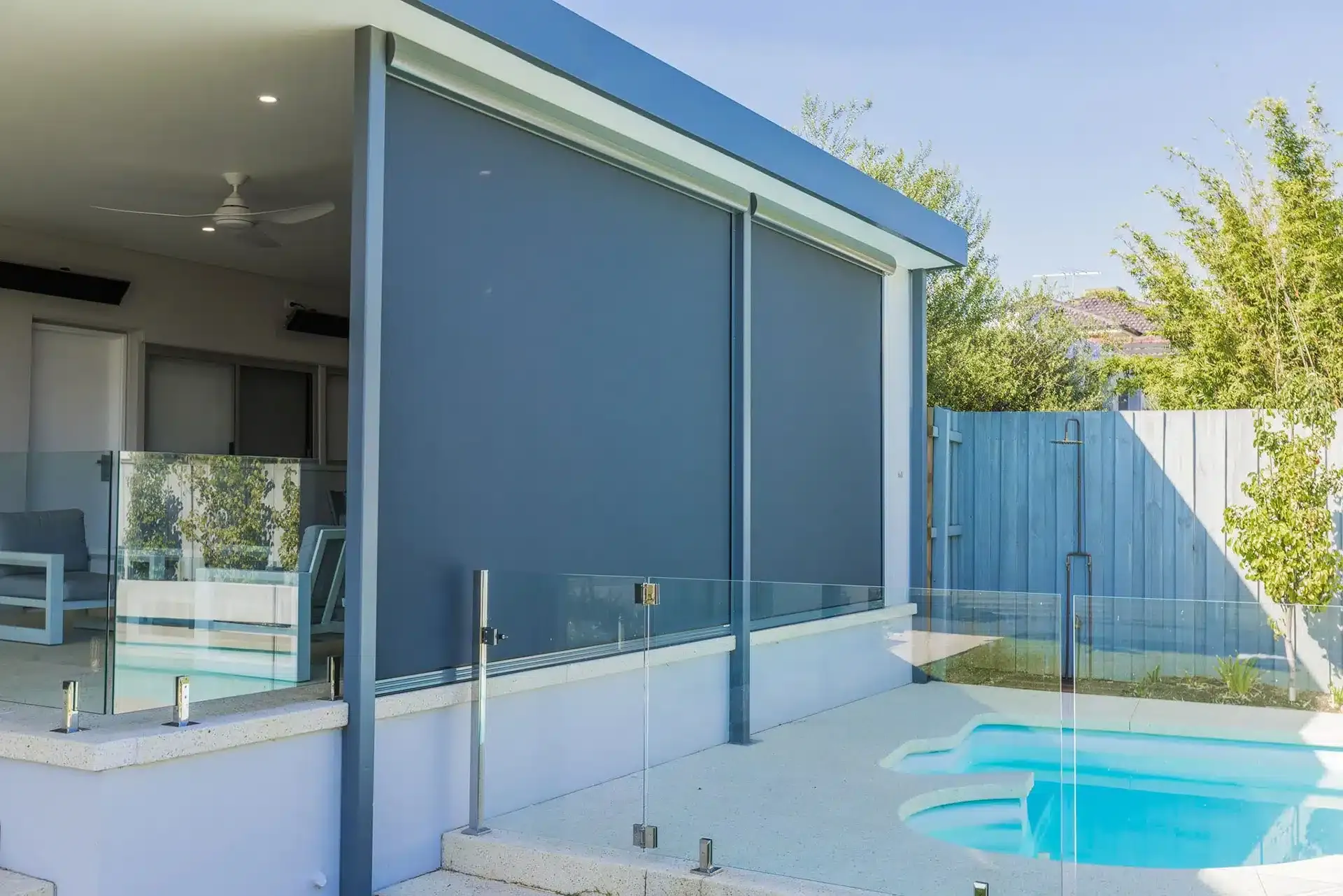
If you’re budgeting for a home upgrade or a commercial fit-out, one question usually comes up first: how much do outdoor blinds cost in 2025? The answer depends on the blind type, materials, installation complexity, and whether you want manual, motorised, or electric automation. This guide breaks down the current pricing landscape so you can compare options with confidence, avoid hidden costs, and decide what offers the best value for your property. For local buyers, exploring options from specialists in outdoor blinds perth can reveal competitive pricing and tailored solutions.
Overview of Outdoor Blind Pricing in 2025
The outdoor blinds market in 2025 continues to evolve with changing consumer preferences, labour availability, and raw material pricing. Recent market research from IBISWorld and broader Australian construction indicators suggest that demand for energy-efficient and motorised solutions has kept average prices under upward pressure, especially in metropolitan areas where installation demand is strongest.
Market Trends Impacting Prices in 2025
- Supply Chain Stability: After disruptions peaked in earlier years, 2025 is seeing more predictable availability of raw materials like PVC, acrylic, and aluminium. However, global freight rates, resin pricing, and imported motor components can still create short-term price shifts.
- Raw Material Fluctuations: PVC resin, aluminium extrusions, timber, and composite inputs can move independently. A small change in resin or metal pricing can affect the final retail quote, especially for custom-made blinds.
- Technological Advancements: Motorised and electric blinds now incorporate more intelligent remote control systems, sensors, and app connectivity, which increases manufacturing costs but appeals to smart home buyers.
- Labour Cost Inflation: According to the Australian Bureau of Statistics (ABS), labour costs have continued to rise, influencing both fabrication and installation pricing.
- Labour Shortages: In some regions, installer shortages and longer lead times can push quotes higher, particularly for premium products needing wiring, custom brackets, or compliance work.
Key Factors Influencing Cost (Materials, Labor, Supply Chain)
Several variables combine to shape outdoor blind pricing in 2025. Material type, blind size, operating system, and site access all matter. Buyers should also expect premium pricing for custom colours, non-standard openings, and products requiring specialist installation or waterproofing.
- Material Type: PVC, acrylic, timber, and composite materials each carry different price points based on durability, appearance, UV resistance, and maintenance needs.
- Installation Complexity: Motorised systems, commercial mounting surfaces, and heritage or masonry walls can add labour time and hardware costs.
- Regional Supplier Variations: Location-specific logistics, inventory levels, and contractor availability can create pricing differences across Australia.
Regional Price Variations and Context (Australian & Perth Examples)
Regional differences are pronounced in Australia, with metro areas such as Perth often benefiting from denser supplier networks and shorter travel distances. For outdoor blinds cost in Perth, pricing can be 5–10% lower than in more remote areas, although premium suburbs, difficult access, or urgent install timelines can narrow that gap.
For residents in locations such as Osborne Park, knowing how to get the best blinds in Osborne Park can improve comparison shopping and negotiation outcomes.
Before deciding, homeowners should review important considerations before choosing outdoor blinds, because size, exposure, and use case affect both upfront price and long-term value.
Choosing from a variety of types of blinds and blind companies in Perth can also influence pricing and installation quality.
Custom solutions often come with premium pricing, as shown in the ultimate guide to custom outdoor blind solutions in Perth.
This ultimate guide to outdoor blinds Perth Australia covers pricing, types, and benefits of outdoor blinds in Perth, providing useful context for buyers comparing vendors.
The cost considerations also tie into why you should use outdoor blinds for your home, balancing price with comfort, privacy, and weather protection.
With the broader pricing context established, the next section breaks down costs by blind type so you can budget more precisely.
Cost Breakdown by Outdoor Blind Type
Roller Outdoor Blinds – Price Range and Material Influence
Roller outdoor blinds remain one of the most popular choices because they are practical, adaptable, and generally more affordable than automated options. Their price varies depending on fabric type, frame quality, size, and whether you choose standard or heavy-duty components.
| Material | Price Range (AUD) | Notes |
|---|---|---|
| Basic PVC | $150 – $350 | Suitable for budget options, moderate durability |
| High-grade Acrylic Fabric | $350 – $600 | Offers better UV resistance and aesthetics |
| Aluminium Components (frame only) | $400 – $700 | For heavier duty weather protection, premium pricing |
The wide cost span reflects the importance of material choice, aligning with insights from the comprehensive guide to outdoor blind materials.
In addition to common materials, options like clear PVC café blinds can offer unique UV protection and weather containment features that influence both price and performance.
For those interested in roller outdoor blinds, consulting expert tips to get the best roller blinds in Perth can help balance cost and quality.
Understanding the various ways to use indoor and outdoor roller blinds effectively can improve your buying decision and maximise value.
Cost variations also stem from fabric performance, such as differences between block out, translucent and sunscreen blinds, each offering different levels of privacy, light control, and UV protection.
Understanding the various types of outdoor blinds helps explain the range of costs associated with each.
Exploring different outdoor blinds ideas for Perth homes can influence your selection and budget.
Plantation Blinds – Typical Costs and Premium Factors
Plantation blinds sit in a more premium category because of their bespoke design, architectural look, and durable timber or composite construction. They are often chosen where presentation matters as much as function, which is why material, finish, and custom sizing all lift the price.
| Type | Average Cost Per Square Metre (AUD) | Price Notes |
|---|---|---|
| Standard Timber Plantation Blinds | $500 – $900 | Natural materials with high aesthetic value |
| Composite Plantation Blinds | $350 – $700 | Lower cost, high durability alternative |
| Custom Shapes & Finishes | $900+ | Includes specialty coatings or intricate designs |
Given these costs, it’s important to note that how much do plantation blinds cost and how much are plantation blinds often depends on customisation levels, access, and whether the blinds are intended for interior styling or weather-resistant outdoor use.
Motorised Outdoor Blinds – Technology and Pricing Premium
Adding motorisation introduces mechanical components, wiring, and electronic controls, all of which increase price. Key drivers include motor brand, control system type, weather protection, and whether the blind connects to a broader smart home platform.
Typical cost ranges for motorised outdoor blinds in 2025:
| Motor Type & Features | Price Range (AUD) | Remarks |
|---|---|---|
| Basic Motorised Roller (Remote Included) | $800 – $1,200 | Best for standard terraces and patios |
| Advanced Motor with Smart Home Integration | $1,200 – $2,000+ | Supports app control, voice commands |
| Heavy-Duty Motors (Large Blinds) | $2,000 – $3,500 | Required for large or commercial installations |
Therefore, how much do motorised outdoor blinds cost is notably higher than manual systems, primarily due to embedded electronics, stronger lifting mechanisms, and convenience-based features.
Smart home integration usually adds separate cost components: a compatible motor upgrade, hub or bridge device, configuration time, and possible electrician labour if the site needs a dedicated power supply. In practical terms, adding smart control can increase the total quote by roughly $200 to $600+, depending on brand and system complexity.
If you’re comparing options, the benefits of electric blinds often include ease of use, scheduled operation, and better alignment with energy-saving routines, especially on hot days when automated shade management matters.
Electric Blinds – Features Driving Cost Differences
Electric blinds are a subset of motorised blinds with direct wired power supplies and sometimes solar power options. Their price also varies with automation features, remote access, sensors, and material quality.
| Type | Price Range (AUD) | Factors Influencing Cost |
|---|---|---|
| Electric Roller Blinds | $1,000 – $2,200 | Wired installation, remote control |
| Electric Thermal/PVC Blinds | $1,500 – $2,800 | Additional insulation benefits increase price |
| Smart Electric Blinds with Sensors | $2,000 – $3,500+ | Light and temperature sensors for automation |
Understanding how much are electric blinds depends heavily on the feature set and integration capabilities desired, as complex technology escalates cost. Solar-assisted options may cost more upfront but can reduce reliance on hard wiring and simplify installation in some settings.
At this stage, it helps to compare the premium for automation against the simpler upfront price of manual systems.
Comparing Motorised vs Manual Outdoor Blinds Pricing
Price Differences for Motorised vs Manual Systems
| Blind Type | Manual Price Range (AUD) | Motorised Price Range (AUD) | Typical Markup (%) |
|---|---|---|---|
| Roller Blinds | $150 – $600 | $800 – $2,000 | 300% – 400% |
| Plantation Blinds | $350 – $900 | $900 – $2,500 | 150% – 250% |
As demonstrated, motorised systems command a significant premium, often three to four times the manual equivalent for roller blinds, due to electrical parts, stronger motors, and installation complexity. This is why many buyers compare manual vs motorised outdoor blinds before requesting quotes.
Remote controls vary from basic infrared devices to app-controllable hubs that use wireless protocols like Zigbee or Z-Wave. Integration with home automation platforms such as Alexa or Google Home can add more to the budget, particularly when a dedicated hub, commissioning, or electrician setup is required.
Smart integration costs should be viewed separately from the blind itself. A simple remote may add only a modest amount, while a connected system can add several hundred dollars more, depending on the brand ecosystem and the number of blinds being connected.
Industry professionals often note that smart blinds can justify their premium when convenience and energy management are priorities, especially in homes with large western-facing openings.
Investing in motorised or electric blinds may also improve energy performance by optimising shade during peak sun hours. Government and energy-efficiency guidance in Australia commonly shows that reducing solar heat gain can help lower cooling demand; in real-world households, that can translate to noticeable savings on summer power bills, especially in sunny climates.
For readers looking into broader comfort and cost benefits, the energy efficiency with outdoor blinds guide explains how shade control, airflow, and window exposure all influence savings over time.
Overall, the decision comes down to upfront budget versus long-term convenience, comfort, and potential energy savings.
Installation and Additional Costs for Outdoor Blinds
Typical Installation Price Ranges by Blind Type
- Manual Roller Blinds: $150 – $300 per blind, depending on size.
- Motorised/Electric Blinds: $300 – $700 per blind, influenced by wiring complexity.
- Plantation Blinds: $250 – $600, factoring frame mounting and potential custom fit.
Labor Rates and Complexity Factors in 2025
According to ABS labour cost indexes, skilled installer hourly rates commonly sit around $50–$70 AUD, with higher charges in peak periods or when specialised electrical work is required. Access difficulty, wall material, and the need for custom brackets or weatherproof sealing can add labour time quickly.
More complex commercial jobs may also require coordination with builders or electricians, especially when blinds are integrated into larger façade upgrades or smart automation systems.
Certain outdoor blind types, such as UV protection café blinds, may require specialised installation methods that can affect overall costs.
Compliance with outdoor blinds regulations in Western Australia may add to installation costs or complexity.
For property owners looking for additional security options beyond outdoor blinds, roller shutters provide protection solutions worth considering, albeit with different cost structures than blinds.
Potential Hidden or Add-on Costs (e.g., brackets, wiring)
- Electrical wiring and power outlet installation for motorised blinds: $100 – $250.
- Specialised heavy-duty brackets or corrosion-resistant hardware: $50 – $150.
- Remote control system setup and calibration: $100 – $200.
- Additional structural work for retrofitting or reinforced mounting: $200+ depending on complexity.
- Permits, access equipment, or after-hours labour for commercial sites: variable, but often worth budgeting for in advance.
Buyers should request itemised quotes to avoid surprises at installation.
The next section looks at the long-term financial picture, because the cheapest option upfront is not always the lowest-cost option over time.
Total Cost of Ownership in 2025
Maintenance Cost Trends and Estimates
Annual maintenance expenses for outdoor blinds vary depending on material and mechanism complexity. In general, the more moving parts and electronic components a blind has, the higher the upkeep requirement.
- Manual Blinds: Minimal costs, typically $50–$100 for cleaning or fabric treatments.
- Motorised/Electric Blinds: $100–$250, covering motor servicing and electronic component checks.
- Plantation Blinds: Higher upkeep around $150–$300 due to wood preservatives and hardware lubrication.
Maintenance and durability are also affected by whether your outdoor blinds are waterproof outdoor blinds, a feature that can improve long-term cost efficiency in wet or windy conditions.
Beyond installation and maintenance costs, outdoor blinds can enhance the value of commercial property, offering indirect financial benefits worth considering, as outlined in impact of outdoor blinds on commercial property value.
The ability of outdoor blinds to keep out the weather affects their maintenance needs and life expectancy, influencing total ownership cost. To learn more about the effectiveness of outdoor blinds against weather, see related resources.
Proper cleaning and maintenance of outdoor blinds routines are essential for minimising upkeep costs over years of use.
Understanding commercial outdoor blinds’ uses can also highlight their cost value over time, as detailed in uses of commercial outdoor blinds.
Selecting weatherproof outdoor blinds can affect longevity and maintenance costs, as detailed in this comprehensive guide to weatherproof outdoor blinds in Perth.
Longevity and Replacement Cycles Affecting Cost
Expected lifespan varies as follows:
- Roller and PVC fabric blinds: 5–10 years.
- Plantation wood or composite blinds: 10–15 years.
- Motorised components: 7–12 years, with potential upgrades extending life.
Replacement timing has a significant impact on budgeting and long-term cost assessments. Buying a higher-quality system can lower replacement frequency and reduce total ownership cost, particularly when compared with frequent cheap replacements.
In many cases, repair versus replace should be assessed at the first sign of repeated motor issues, fabric cracking, or corrosion on exposed hardware.
Warranty, Repairs, and After-Sales Support Costs
Industry standards commonly recommend warranties of at least 3–5 years for mechanical parts and fabric protection. After-sales service costs, including out-of-warranty repairs, can range from minor motor fixes ($100–$300) to major system replacements ($500+).
Consumer protection advice from the Australian Competition & Consumer Commission (ACCC) stresses reviewing warranty terms carefully before committing to purchase. Ask whether the warranty covers labour, motor parts, fabric fade, corrosion, and installer workmanship.
When comparing suppliers, it’s worth checking how they handle servicing response times, spare-part availability, and whether they offer local support in Perth or regional Western Australia.
The following section provides detailed pricing tables and visual trends to present the data in a quick comparison format.
Detailed 2025 Pricing Tables and Visual Data
Price Table: Manual Outdoor Blinds by Material and Size
| Material | Size Range (m²) | Estimated Cost (AUD) |
|---|---|---|
| Basic PVC | 1 – 5 | $150 – $350 |
| Basic PVC | 5 – 10 | $350 – $700 |
| Fabric (Acrylic) | 1 – 5 | $250 – $500 |
| Fabric (Acrylic) | 5 – 10 | $500 – $1,000 |
Price Table: Motorised and Electric Blinds Comparison
| Blind Type | Size Range (m²) | Price Range Motorised (AUD) | Price Range Electric (AUD) |
|---|---|---|---|
| Roller Blinds | 1 – 5 | $800 – $1,400 | $1,000 – $1,800 |
| Roller Blinds | 5 – 10 | $1,400 – $2,800 | $1,800 – $3,200 |
| Plantation Blinds | 1 – 5 | $900 – $2,000 | $1,200 – $2,500 |
| Plantation Blinds | 5 – 10 | $2,000 – $3,500 | $2,500 – $4,000 |
Specialty Outdoor Blinds: Cafe Blinds and Commercial Options
Café blinds are a popular specialty option for hospitality venues, alfresco dining areas, and covered outdoor entertaining spaces. They are commonly used to block wind, reduce rain exposure, and create a more usable all-weather area for customers or guests.
Pricing for café blinds typically starts around $250–$600 for basic clear PVC panels in smaller spaces, while larger commercial-grade systems with zip tracks, reinforced hems, or heavier marine-grade materials can range from $700 to $2,500+ depending on size, fit, and operating style.
Useful features often include clearer visibility, weather sealing, weighted bottoms, zip closures, and corrosion-resistant hardware. For business owners, café blinds can improve seating usability and customer comfort, which may support revenue rather than acting as a simple aesthetic expense.
Cost Trend Graphs: 2020-2025 Price Movement
[Insert line graph showing upward trend in motorised blinds pricing (+15% approx), stable pricing for manual blinds, and moderate growth in plantation blinds]
Price trends reflect increasing uptake of smart technologies, higher labour costs, and material upgrades that improve weather resistance and longevity. For buyers, this means 2025 is still a strong time to compare quotes carefully, especially if you are weighing manual simplicity against automation and energy savings.
Frequently Asked Questions on Outdoor Blinds Cost in 2025
How much do motorised outdoor blinds cost on average?
Motorised outdoor blinds typically range from $800 to $2,500 AUD depending on size, brand, and features. Larger installations, premium control systems, and smart-home compatibility can push costs higher, especially if wiring or automation setup is included in the job.
What factors cause price fluctuations in 2025?
Key factors include material choice, labour costs, supply chain availability, regional pricing differences, and technological features such as remote control and smart home compatibility. Custom sizes, difficult access, and urgent installation timeframes can also increase the final quote.
Are plantation blinds more expensive than roller blinds?
Yes, plantation blinds generally cost more because they often use premium materials, need more precise manufacturing, and are chosen for appearance as well as function. Roller blinds remain a more budget-conscious option, especially for straightforward outdoor coverage.
How much does professional installation add to outdoor blind costs?
Installation can add anywhere from $150 to $700 AUD depending on blind complexity, motorisation, and structural challenges like wiring or mounting surface. Commercial jobs, difficult access, or compliance work can increase this further, so itemised quoting is recommended.
Is investing in electric blinds cost-effective over time?
Electric blinds can be cost-effective over time because they may reduce cooling demand, improve convenience, and support more consistent shade control. Although upfront costs are higher, the combination of energy savings, durability, and ease of use can make them worthwhile for many buyers.
What maintenance costs are associated with different types of outdoor blinds?
Maintenance depends on the blind type and exposure level. Manual blinds usually cost less to maintain, while motorised and electric systems may need occasional servicing. In general, budgets of $50–$100 for manual blinds and $100–$250 for motorised systems are a reasonable starting point.
How do regional factors affect outdoor blind pricing in Australia?
Regional pricing varies based on labour supply, shipping distances, supplier competition, and local demand. Metro areas such as Perth often have more choice and sharper pricing than remote locations, while rural or hard-to-access sites may face higher delivery and installation charges.
What warranty and after-sales support should I expect when buying outdoor blinds?
Buyers should expect at least a 3–5 year warranty on key mechanical and fabric components, though coverage varies by supplier. Good after-sales support should include spare parts access, clear repair terms, labour coverage details, and responsive local service if issues arise.
For more detailed answers, refer back to the specific sections covering pricing comparisons, installation, and total cost of ownership.
In conclusion, understanding how much do outdoor blinds cost in 2025 means weighing blind type, materials, automation, installation, and maintenance against the value they deliver. By comparing quotes, checking warranty terms, and factoring in regional pricing differences, you can choose a system that fits both your budget and your property needs. If you’re in Perth or nearby, request quotes from local outdoor blinds providers and ask for an on-site assessment so you can compare like-for-like pricing before you buy.
Whether you choose roller, plantation, motorised, or electric blinds, also consider the value and convenience provided by specialised options such as cafe blinds, which are designed for outdoor commercial settings and come with specific durability and style features that may influence price but enhance usability and aesthetic appeal.