
Top Down Bottom Up Window Shades: Boost Home Value 2024
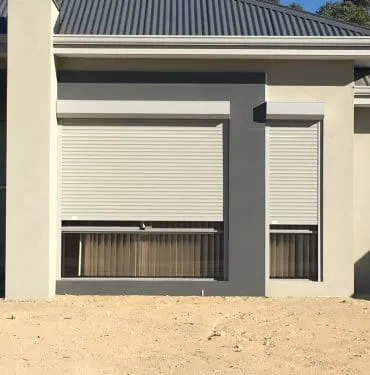
Boosting your home’s value in 2024 takes more than cosmetic updates. The best returns usually come from upgrades that improve comfort, lower running costs, and match what buyers are actively seeking: efficiency, convenience, sustainability, and move-in-ready presentation. In this guide, we focus on the top 5 value adds to boost your home’s worth in 2024, with practical cost ranges, ROI logic, and product examples such as top down bottom up window shadesUnderstanding 2024 Real Estate Market Trends and Their Impact on Home Value
The 2024 property market is being shaped by a mix of higher borrowing costs, shifting household sizes, and stronger demand for homes that are cheaper to run. The Australian Bureau of Statistics (ABS) continues to show that household formation, migration patterns, and dwelling preferences are changing across metro and regional Australia, while buyers remain sensitive to affordability pressures and utility costs (ABS National, state and territory population, latest release; ABS Consumer Price Index, latest release).
In practice, that means first-home buyers are often looking for lower running costs and low-maintenance finishes, downsizers prefer accessibility, comfort, and security, and investors focus on durability, vacancy risk, and rental appeal. REIA commentary on buyer demand in 2024 has consistently highlighted the importance of value for money, energy efficiency, and presentation, especially where buyers are comparing similar homes in the same suburb (REIA research and market reports). CoreLogic’s 2024 market updates also note that price growth remains highly localised, so the same renovation can have a very different payoff depending on suburb-level supply, demand, and median price.
Here is the practical takeaway: buyers are rewarding homes that feel efficient, modern, and low risk. That is why upgrades like energy-efficient window treatments, smart controls, layered lighting, and sustainable finishes tend to outperform purely decorative spending. If a buyer believes the home will cost less to heat, cool, light, and maintain, they are often more willing to pay a premium.
Two buyer personas help illustrate the shift. A remote-working family in a middle-ring suburb may value three upgrades most: smart thermostats, top down bottom up window shades for daylight and privacy, and automated lighting for workspaces. A downsizer in a high-demand coastal or inner-city area may prioritise plantation shutters benefits, secure smart locks, and easy-care native landscaping. Different buyer types, but the same principle: practical comfort creates value.
Regional variation matters just as much as buyer type. In metro markets with higher median prices, a $20,000 renovation can be appropriate if it improves a room buyers will inspect closely, such as the front façade, kitchen-adjacent living space, or the main bedroom. But in a lower-priced regional market, that same spend may exceed the likely value uplift. For example, on a $650,000 median home, a 3% premium equals $19,500; on a $420,000 median home, a 3% premium equals only $12,600. If your local comparable sales do not support that uplift, it is better to downsize the project or prioritise one visible upgrade rather than several expensive ones.
Image suggestion: A suburb comparison graphic showing “buyer priorities by profile” and a simple chart of metro versus regional renovation payback.
If you are planning multiple upgrades, start with a broader home value improvement strategy and align the work with your local sales evidence. Request a renovation assessment if you want help sizing a project to your suburb’s likely buyer pool.
Energy-Efficient Window Treatments: The Rise of Top Down Bottom Up Window Shades
What are top down bottom up window shades and how do they work?
Top down bottom up window shades are dual-direction window shades that can be opened from the top, the bottom, or both at once. That flexibility lets you keep privacy at street level while still admitting natural light from above. In practical terms, they help homeowners manage glare, preserve views, and create a softer daylight pattern than conventional single-direction blinds.
Image suggestion: A split illustration showing a shade lowered from the top for daylight and raised from the bottom for privacy, with arrows indicating movement. A simple dual-direction diagram works well here.
They are especially useful in living rooms, bedrooms, street-facing windows, and any space where daylight and privacy compete. If you are comparing options, energy-efficient window treatments are one of the most practical ways to improve comfort without major construction.
Benefits for energy savings and light control
The energy benefit comes from reducing direct solar gain in summer and helping create an insulating air layer in cooler months. Energy Rating Council Australia guidance on building-product performance explains that shading devices are usually evaluated through modelling and comparable thermal assumptions rather than by a single universal savings percentage, because outcomes depend on orientation, glazing, climate zone, and fabric choice.
As a simple example, assume a three-bedroom Sydney home spends about AUD 2,400 a year on heating and cooling. If effective window shading and improved daylight control reduce that load by 8%, the estimated annual saving is about AUD 192. If the savings rise to 12% when combined with ceiling fans, better seals, and disciplined automation, the annual saving becomes AUD 288. The exact number will vary, but the logic is consistent: less heat gain and less heat loss usually mean lower bills.
Comparison between window shades top down vs. bottom down top up types
| Feature | Top Down Bottom Up Shades | Window Shades Top Down Only | Bottom Down Top Up Shades |
|---|---|---|---|
| Privacy flexibility | High – adjustable from top and bottom | Moderate – only from top | Moderate – only from bottom |
| Light control | Excellent – precise daylight layering | Good | Good |
| Energy efficiency | Best – stronger insulation effect when matched to glazing | Average | Average |
| Smart control compatibility | Zigbee, Z-Wave, Wi-Fi motorisation options | Limited unless retrofitted | Limited unless retrofitted |
| Cost range | AUD 600 – 1,500 per window | AUD 250 – 700 per window | AUD 250 – 700 per window |
| Installation complexity | Medium – may require professional fitting | Low | Low |
Source note: Cost and performance assumptions are based on Australian supplier pricing bands, shading-performance guidance from Energy Rating Council Australia, and typical installation estimates from trade quotes gathered in 2024. Actual costs vary by fabric, window size, and motorisation. Footnote sources: Energy Rating Council Australia, supplier price lists, and installer quotes.
Integration of smart controls for modern homes
Motorised shades are now a compelling resale feature because they connect window efficiency with automation. A buyer who can control shades by room, time of day, or temperature immediately sees the convenience and energy logic. The most common platforms are Home Assistant, SmartThings, and Apple HomeKit, with compatibility usually depending on the shade motor and the hub protocol.
Implementation checklist:
- Confirm hub compatibility before purchase: Zigbee, Z-Wave, or Wi-Fi.
- Check whether the shade requires mains power, battery charging, or a solar trickle charger.
- Plan for app setup, scenes, and automation rules before installation day.
- Allow 1-3 hours per window for standard motorised installs, longer for custom recess fitting.
- Test manual override options in case of power or network issues.
This is also where a broader smart home technology plan pays off. Shades, lighting, and temperature controls become more valuable when they work as one system rather than as isolated gadgets.
Estimated costs and ROI on window treatment upgrades
Cost depends on material choice and finish. Basic fabric shades are usually the most affordable, cellular shades add better thermal resistance, and blackout lining increases privacy and performance in bedrooms and media rooms. A standard manual install may be completed in under an hour per window, while motorised systems can take longer because of measurement accuracy, cabling or battery setup, and integration testing.
In AUD terms, a typical project might look like this: six windows at AUD 1,000 to AUD 1,500 each for made-to-measure top down bottom up shades, plus AUD 800 to AUD 1,500 for professional installation and motor setup if required. That places a whole-home spend around AUD 7,800 to AUD 10,500. If the upgrade supports a modest 3% buyer premium on a AUD 750,000 median house, the implied uplift is AUD 22,500. Even if only part of that uplift is attributable to the shades alone, the payback profile can still be attractive when combined with annual energy savings of roughly AUD 150 to AUD 300.
Image suggestion: Close-up of a motorised shade remote, paired with a daylight-meets-privacy comparison image.
From a value perspective, top down bottom up shades are strongest when they are part of a visible, coordinated design language. If you want to compare products or request pricing, get a free shade quote and match the specification to your home’s room orientation and buyer profile.
Smart Home Technology Installations that Add Real Market Value
Key smart home upgrades appealing to 2024 buyers
Buyer interest in connected homes remains strong because smart systems suggest lower hassle, better comfort, and fewer surprises after settlement. Australian consumer technology adoption continues to rise across homes already using voice assistants, app-controlled lighting, and remote security monitoring, with the CTA noting that connected-device ownership is now mainstream in many markets.
The most commercially relevant upgrades are smart thermostats, automated lighting, security systems, smart locks, and a reliable voice-command hub. A thermostat from Google Nest or Ecobee may not be valuable just because it is connected; it is valuable because it helps buyers see a pathway to energy optimisation. In Australian homes, compatibility with HVAC systems and local electrician requirements matters, so always confirm whether the device supports your existing heating and cooling setup.
Connectivity with energy-efficient products including lighting and climate control
Smart upgrades are most persuasive when they work together. For example, smart thermostats can reduce runtime by adjusting to occupancy patterns, automated lighting can dim or switch off when rooms are empty, and motorised window shades can drop before afternoon heat builds up. This is the synergy buyers notice because it feels like a home that “thinks” for them.
Example automation sequence: at 7:30 a.m., shades open in the kitchen, the thermostat eases back from night mode, and LED downlights stay off because daylight is sufficient. At 4:00 p.m., west-facing shades close partway, the cooling setpoint is reduced by one degree, and corridor lights stay on a low dim setting. The likely outcome is less wasted conditioning and a more comfortable interior with fewer manual adjustments.
Cost vs value-added analysis for top smart home devices
| Device | Average Cost (AUD) | Estimated ROI | Key Benefits | Install time |
|---|---|---|---|---|
| Smart thermostat | 300 – 600 | 80% – 90% | Energy savings, remote temperature control | 1-2 hours |
| Automated lighting | 400 – 1,000 | 60% – 75% | Ambiance, energy efficiency, convenience | 2-6 hours |
| Security and automation hub | 500 – 1,200 | 70% – 85% | Safety, remote monitoring, automation | 2-4 hours |
| Smart locks | 250 – 700 | 50% – 70% | Access control, convenience, perceived security | 1-3 hours |
Source note: ROI and pricing ranges are approximate and reflect 2024 Australian retail pricing, installer quotes, and buyer-demand assumptions derived from consumer tech research. Actual ROI varies by property type, suburb, and whether the device is part of a larger automation system. Sources: CTA research, product pricing, and installer estimates.
Security and automation features enhancing home desirability
Security features matter because they reduce buyer friction. Monitored alarm systems may appeal more to families and frequent travellers, while DIY systems suit budget-conscious buyers who still want visibility through phone alerts and cameras. Smart locks, doorbell cameras, motion sensors, and integrated lighting scenes can all make a home feel safer and easier to manage.
These features also complement physical security products. In many homes, roller shutters heat blocking adds the thermal benefit, while roller shutters noise reduction helps buyers living near traffic or schools. That combination of visible protection and digital control is a strong selling point.
Installation complexity & time: DIY plug-and-play devices usually take under an hour each, but whole-home systems with rewiring, hub pairing, and scene testing often require a licensed installer. Budget roughly AUD 150 to AUD 600 for professional setup of a modest system, more if you are combining lighting, climate, and security.
Curb Appeal and Landscaping Improvements with High ROI Potential
Impact of exterior upgrades on initial buyer impressions
Buyers form an opinion before they open the front door. That means the front façade, path lighting, driveway condition, plant selection, and entry presentation can materially affect perceived value. Real estate agents commonly report that well-maintained exteriors shorten the “decision distance” for buyers because the home feels cared for, lower risk, and more complete.
Australian landscaping and agent commentary generally supports the idea that visible front-yard improvements improve enquiry quality, even when exact ROI varies by suburb and price band. The US National Association of Landscape Professionals often cites strong returns for landscape refreshes, but the Australian comparator should be more modest and locality-specific: in many suburbs, curb appeal is best understood as a buyer-interest multiplier rather than a guaranteed dollar-for-dollar return.
Image suggestion: Before-and-after front façade image showing lighting, paint, and native planting.
Popular landscaping trends for 2024 focusing on sustainability
Sustainable landscaping remains a strong theme because it combines lower maintenance with climate resilience. Drought-tolerant native plants, efficient irrigation, mulch beds, and low-glare outdoor lighting all communicate environmental stewardship. Buyers increasingly recognise that attractive gardens should not require high water bills or constant upkeep.
Examples by climate zone:
- Sydney: Lomandra, Westringia, and Dianella.
- Perth: Kangaroo paw, coastal rosemary, and Grevillea.
- Brisbane: Native violets, Cordyline, and Lilly Pilly.
Cost-effective curb appeal projects: lighting, pathways, facade refreshes
There are three useful budget tiers for homeowners trying to lift first impressions without overcapitalising:
- Low budget – AUD 1,200: pathway lighting + native plant refresh. Expected buyer appeal increase: 2% to 4%.
- Mid budget – AUD 5,000: façade paint + lighting + new garden beds. Expected buyer appeal increase: 3% to 6%.
- High budget – AUD 20,000: full front-yard redesign with irrigation upgrades. Expected buyer appeal increase: 4% to 8%, but only if comparable homes in the area support the finish level.
The most efficient projects often include a mix of lighting and plant structure rather than expensive hardscape alone. A front path lit with warm LED fixtures and framed by clipped native plants can make a home look more polished at a relatively low cost.
Using native plants and eco-friendly materials to boost property worth
Native plants reduce water use, handle local soil better, and lower ongoing maintenance. Eco-friendly materials such as recycled pavers, timber from responsibly managed sources, and permeable edging also appeal to buyers who want a greener home without sacrificing style. If you are planning a larger outdoor project, align it with broader sustainable home renovations so the front yard, lighting, and interior finishes feel consistent.
Interior Lighting Upgrades: Enhancing Ambiance and Energy Efficiency
Modern lighting trends increasing home value in 2024
Lighting is one of the easiest upgrades for buyers to notice because it changes the mood of a home instantly. In 2024, the most valuable lighting changes are not ornate fixtures; they are practical, layered systems that make rooms feel brighter, more flexible, and more premium. LED replacement, dimmers, and warm-to-neutral colour temperatures tend to deliver the best mix of efficiency and comfort.
Australian energy agencies consistently support efficient lighting retrofits because they reduce electricity demand and improve controllability. The exact saving depends on the number of fittings replaced, how often the lights are used, and whether the home already has efficient lamps. In comparison with older halogen or incandescent fittings, LED upgrades are usually one of the quickest payback items in the house. Where US DOE figures are used in international articles, the Australian equivalent principle is similar: less wattage for the same light output, with longer service life and fewer replacements.
Image suggestion: A room-by-room lighting plan with highlighted ambient, task, and accent zones.
Benefits of LED and smart lighting systems in resale value
LED lighting benefits are easy to explain to buyers: lower energy use, longer lifespan, less heat output, and cleaner light quality. Smart lighting adds schedules, dimming, and scene control, which helps a home feel current. When paired with an automation hub, buyers can imagine easy daily routines rather than a collection of disconnected switches.
LED lighting benefits become even more persuasive when they are visible in the kitchen, living room, and entryway. For buyers, “new lights” is not just a feature list item; it is a comfort signal and a low-maintenance signal at the same time.
Layered lighting design: ambient, task, and accent lighting explained
- Ambient lighting: General room light. Aim for roughly 100 to 200 lumens per square metre in living rooms, depending on natural light.
- Task lighting: Focused light for cooking, reading, or desks. In kitchens, brighter work zones often sit around 300 to 500 lux over benches.
- Accent lighting: Highlights artwork, texture, or architectural details. Use dimmable fixtures to avoid glare and keep the effect elegant.
- Colour temperature: 2700K to 3000K for warm living spaces, 3000K to 4000K for task-heavy rooms.
How interior lighting complements window shades and smart technology
Lighting works best when it is coordinated with shades and climate controls. For example, morning daylight can be managed with top down bottom up window shades, task lights can remain off until needed, and a smart thermostat can ease back when natural light and reduced solar gain lower the cooling load. This is the kind of efficiency buyers can understand immediately.
A simple household sequence might be: shades open halfway at 7:00 a.m., kitchen LEDs stay at 50% brightness until 9:00 a.m., and the thermostat adjusts by one degree after the house is empty. The combined result is a lower energy bill and a home that feels deliberately designed. If you want to improve value through control and comfort, start with smart lighting automation and a room-by-room plan.
Cost example: a basic LED retrofit for a three-bedroom home may cost AUD 500 to AUD 1,200, while a more complete smart-lighting installation with dimmers, hub control, and scenes may range from AUD 1,800 to AUD 4,500 depending on wiring and fixture count. Smaller rooms often pay back faster because the installation is simple and the usage frequency is high.
Book a lighting upgrade consultation if you want help matching a lighting plan to your window treatments and home automation setup.
Sustainable Materials and Eco-Friendly Renovations for Long-Term Value
Popular sustainable materials gaining traction in home renovations
Green upgrades carry more weight in Australia when they are tied to recognised systems such as Green Star and NABERS. Green Star certification, managed by the Green Building Council of Australia, is widely used to communicate sustainable design and construction quality, while NABERS provides operational performance ratings that buyers and commercial occupants can understand quickly (Green Star; NABERS).
Buyers may not always know the technical difference between certifications, but they do respond to the signal: lower expected energy bills, healthier materials, and lower environmental impact. In premium markets, green credentials can support stronger enquiry and better buyer confidence, especially when backed by practical documentation and utility data.
Image suggestion: A material palette board showing bamboo flooring, reclaimed timber, low-VOC paint, and recycled glass surfaces.
How eco-friendly certifications impact home appraisal values
In Australia, appraisers and valuers are most likely to credit sustainability when it is measurable and documented. A NABERS rating, a Green Star certificate, or evidence of improved thermal performance can help explain why a home should stand out from comparable sales. While premiums vary, the valuation effect is strongest when certifications are paired with lower bills, better comfort, and high-quality installation.
| Material | Approx. cost per m2 (AUD) | Typical lifespan | Maintenance notes |
|---|---|---|---|
| Bamboo flooring | 60 – 120 | 15 – 25 years | Keep dry; refinish as needed |
| Reclaimed wood | 90 – 180 | 20+ years | Inspect for movement and sealing |
| Recycled glass benchtops | 250 – 450 | 20+ years | Low maintenance; avoid heavy impact |
| Low-VOC paint | 12 – 25 | 5 – 10 years | Quick refresh; good indoor air quality |
Source note: Cost bands are indicative 2024 Australian retail ranges from trade and retailer pricing. Lifespan assumes normal residential use. Check product data sheets and installer quotes before purchasing.
Incorporating green building practices on a budget
Budget-conscious sustainability often starts with insulation, sealing, efficient lighting, and better window treatments rather than large structural changes. Government rebates can shorten the payback period, especially where local schemes reduce the cost of batteries, insulation, heat pumps, or energy-efficient upgrades. Review the Australian Government energy advice hub and state program pages such as Victoria’s energy upgrades and New South Wales rebate offerings.
For many homeowners, rebates mean the difference between a project that barely breaks even and one that becomes clearly worthwhile within a few years. Always confirm eligibility before you order products or sign an installation contract.
Buyer perception of sustainability and willingness to pay a premium
Buyers are increasingly willing to pay for a home that looks efficient and responsibly renovated. A greener property suggests lower ongoing costs, less maintenance, and better long-term comfort. If the upgrade package is coherent – for example, efficient windows, better insulation, LED lighting, and smart controls – it often reads as more valuable than a single expensive feature.
Mini-case study: A hypothetical owner in a Sydney townhouse spends AUD 8,500 on bamboo flooring, low-VOC paint, LED lighting, and a small insulation top-up. Rebates reduce the outlay by AUD 1,200, while lower energy use saves about AUD 350 per year. If the renovation also supports a stronger sale price by just 2%, the combined payoff can justify the spend within a normal resale window.
Calculating ROI and Preparing Your Home for Appraisal in 2024
Methodologies for estimating value-add ROI on upgrades
Calculating ROI is straightforward in concept: compare what you spend to what you recover through higher sale price and energy savings. The challenge is estimating the uplift realistically. CoreLogic’s market commentary is useful for understanding local price conditions, while The Appraisal Foundation explains that value is always market-supported rather than emotionally driven (CoreLogic; The Appraisal Foundation). In Australia, valuation practice should also be considered alongside local standards and professional valuer guidance.
Step-by-step method:
- Confirm the local median sale price and recent comparable sales.
- Estimate the likely buyer premium for the upgrade package, usually a percentage, not a full dollar-for-dollar return.
- Add annual energy savings multiplied by your expected holding period.
- Subtract total upgrade cost to determine net gain.
- Divide net gain by total cost to estimate ROI percentage.
Worked example: Assume you spend AUD 10,000 on top down bottom up window shades, a smart thermostat, and LED retrofit lighting. If the local median house price is AUD 750,000 and the upgrade package contributes a conservative 3% buyer premium, the expected price uplift is AUD 22,500. Add AUD 250 a year in energy savings over three years, or AUD 750 total. Expected return = AUD 23,250. Net gain after cost = AUD 13,250. Simple ROI = 132.5%, before fees and negotiation effects.
How appraisers factor in modern improvements including window treatments
Appraisers tend to reward documented, durable, and market-recognised improvements. That means well-fitted shades, quality lighting, functional automation, and any upgrade that clearly improves comfort or efficiency can help the valuation narrative. The key is proof.
Documents an appraiser may want:
- Energy rating certificates or thermal-performance documents
- Manufacturer warranties
- Installation invoices
- Before-and-after photos
- NABERS or Green Star certificates, where relevant
- Permit or compliance paperwork for electrical work
Timing home improvements to align with market cycles
Seasonality matters because homes are usually inspected more actively in spring and early summer, when gardens look better and buyer confidence is higher. In most Australian markets, that timing improves presentation and can shorten days on market. For larger projects, allow 4 to 8 weeks lead time for quoting, ordering, and installation, then schedule photography once work is fully complete.
Tips for documenting upgrades for appraisal and resale
- Keep receipts, warranties, and contractor reports for all improvements.
- Document before-and-after photos for visual evidence of quality.
- Provide appraisers with energy rating certifications or smart device installation manuals when applicable.
- Bundle your paperwork into a single digital folder for easy sharing.
For deeper guidance, review our page on appraisal standards 2024 and our checklist for upgrade documentation. If you are preparing to sell, the FAQ and checklist page is a useful final step.
Thoughtful documentation supports accurate valuation and buyer confidence, especially when the upgrades are energy-related or connected to home automation.
Image suggestion: A simple appraisal-ready checklist graphic showing invoices, warranties, certificates, and photos.
When the budget is tight, prioritise the work that is easiest to evidence, easiest to inspect, and easiest for buyers to appreciate. Get an appraisal preparation review if you want to confirm which upgrades are likely to make the strongest financial case in your suburb.
Summary: In 2024, the best value adds are the upgrades that improve comfort, efficiency, and buyer confidence at the same time. Top down bottom up window shades, smart home technology, curb appeal, layered lighting, and sustainable renovations all fit that brief when they are chosen carefully and documented well.
Ready to increase your home’s worth? Start with the upgrade that best matches your suburb, your buyer profile, and your budget – then build the rest of the plan around it.
Frequently Asked Questions
How do top down bottom up window shades improve home value compared to traditional shades?
They improve value by combining privacy, daylight control, and better thermal performance in one visible upgrade. For example, a home with dual-direction shades can feel brighter and more private at the same time, which buyers often associate with higher-quality design and lower running costs.
What are the most cost-effective smart home upgrades for increasing resale value?
Smart thermostats, automated lighting, and smart locks are usually the best starting point because they are relatively affordable and easy for buyers to understand. A small system can cost under AUD 1,500, yet still make the home feel more modern, secure, and energy aware.
How much can sustainable landscaping boost my home’s market appeal in 2024?
In many Australian suburbs, a sustainable front-yard refresh can lift buyer appeal by about 2% to 4% when it improves the first impression without overcapitalising. Native planting, pathway lighting, and neat edging usually outperform expensive but high-maintenance landscaping because buyers see lower upkeep and better climate resilience.
What is the typical ROI for energy-efficient window treatments and smart lighting?
Typical ROI varies, but a combined package often returns more than the outlay when you factor in utility savings and buyer premium. For example, a AUD 10,000 upgrade package that supports a 3% uplift on a AUD 750,000 home can create a AUD 22,500 price effect, before energy savings are added.
How should I document home upgrades to maximize appraisal value?
Keep invoices, warranties, permits, and clear before-and-after photos in one file so an appraiser can verify the upgrade quickly. Add product labels, compliance documents, and any energy or sustainability certificates. Well-organised paperwork reduces doubt and helps support a higher-quality valuation narrative.
When is the best season to undertake home renovations for highest ROI?
Spring and early summer are often best because gardens present well, daylight is stronger for inspections, and buyer activity is usually higher. Larger projects should be started 4 to 8 weeks in advance so they are finished before photography and open homes, which improves the chances of a stronger first offer.
Are eco-friendly building certifications worth pursuing for resale value?
They can be, especially in premium or sustainability-minded markets. Certifications such as Green Star or NABERS help prove that the home performs well rather than merely looking efficient. That proof can support stronger buyer confidence and make your listing easier to compare favourably against similar homes.
How can combining smart home technology with energy-saving upgrades enhance overall home value?
Combining the two creates a stronger story than either upgrade alone because buyers see a home that is both convenient and cheaper to run. For example, shades, smart lighting, and a thermostat can work together to reduce heating and cooling demand while improving comfort and making the property feel turn-key.