
Outdoor Blinds Types: Materials, Mechanisms & Uses
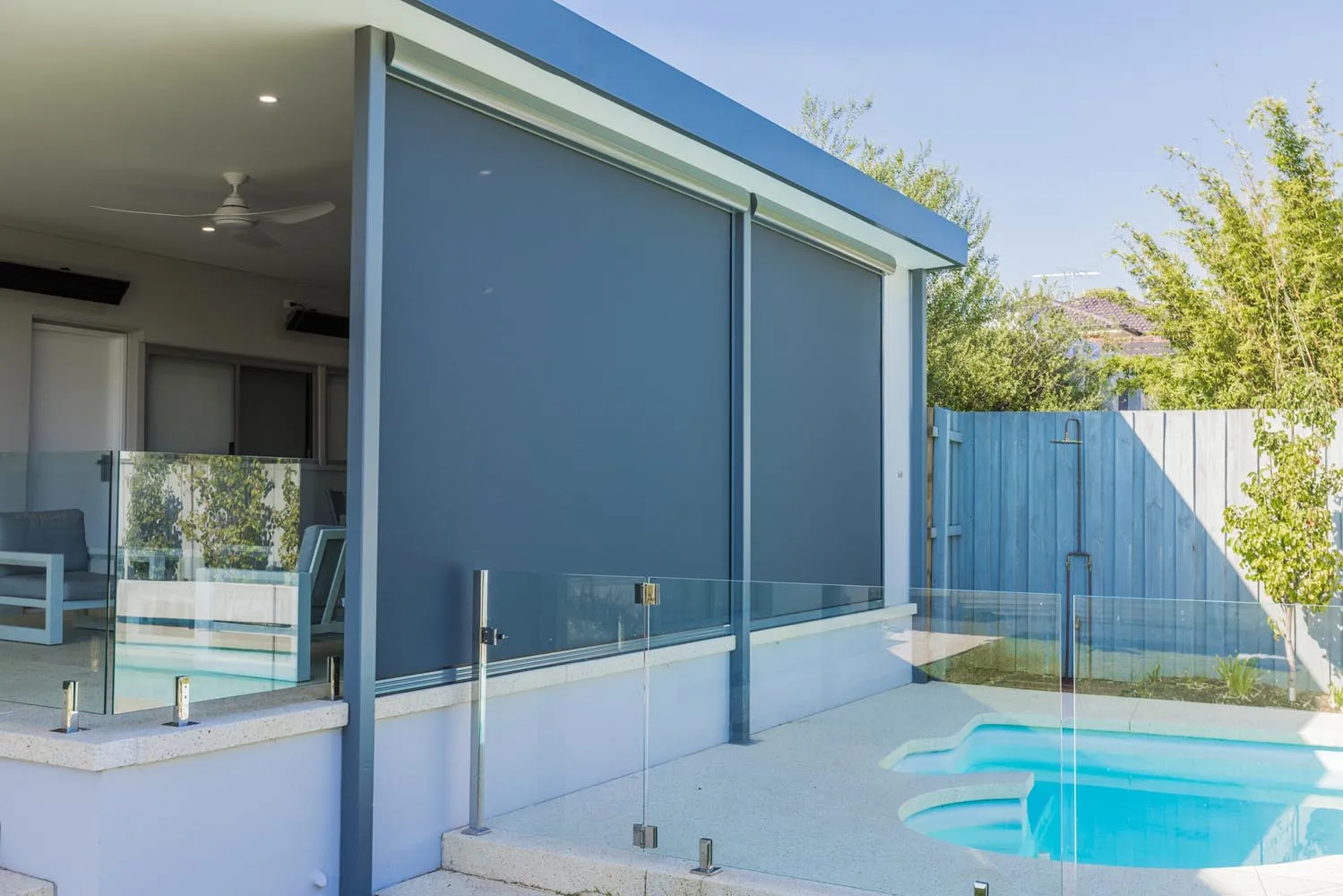
Outdoor blinds have become essential for enhancing comfort, privacy, and protection in modern outdoor spaces. Understanding the different types of outdoor blinds available enables homeowners and designers to tailor solutions that endure Australia’s unique climate while complementing their lifestyle. This comprehensive guide breaks down every major category, material, and mechanism—laying down clear insights into their features, benefits, and ideal uses.
From classic roller blinds to innovative Ziptrak and niche eco-friendly options, discover how each type functions and what makes them stand out. With an emphasis on durability, weather resistance, and privacy, you’ll find a well-rounded primer suitable whether you’re merely curious or preparing for a future purchase.
Introduction to Outdoor Blinds
Outdoor blinds serve as functional exterior window coverings designed to protect outdoor living areas from sun, wind, rain, and prying eyes. Unlike indoor curtains or shades, these blinds must withstand harsher weather conditions while providing adaptable shading and privacy solutions.
They are key elements in creating comfortable outdoor environments, often acting as privacy screens, windbreaks, or climate adaptation tools that reduce heat and glare. Popular in Australian homes for patios, verandahs, balconies, and alfresco areas, outdoor blinds offer a blend of form and function.
- Protect spaces from UV rays and harsh weather
- Enhance privacy without sacrificing natural light
- Help maintain comfortable temperatures outdoors
- Available in various materials and mechanisms
With numerous options on the market, each designed for different climatic and aesthetic needs, understanding the types of outdoor blinds is crucial to selecting the best fit for your space. Additionally, exploring key considerations before choosing outdoor blinds can greatly assist homeowners in making informed decisions.
For local inspiration, see our collection of outdoor blinds ideas for Perth homes to visualize options that work well in the region.
Homeowners in WA should also consider local outdoor blinds regulations when planning installations, ensuring compliance and safety. Professional installation and a site-specific compliance check are strongly recommended, especially for exposed coastal properties and apartment balconies.
Overview of Outdoor Blind Materials and Their Properties
The choice of material largely defines an outdoor blind’s durability, weatherproofing, and aesthetic appeal. Australian conditions, including intense UV exposure and variable humidity, demand robust and UV-resistant fabrics or materials that resist fading, deterioration, and mildew.
| Material | Description | Pros | Cons | Typical Use Cases |
|---|---|---|---|---|
| PVC Outdoor Blinds | Clear or tinted polyvinyl chloride sheeting creating waterproof barriers. | 100% waterproof, excellent wind resistance, durable, easy to clean | ||
| PVC outdoor blinds | Less breathable, can yellow over time with UV exposure, heavier than fabrics | Weatherproof enclosing of patios, cafés, balconies | ||
| Mesh and Acrylic Fabrics | Open-weave mesh or tightly woven acrylic textiles designed for sun filtering. | Allows ventilation, UV resistant, reduces glare, retains view outward | Not fully waterproof, weaker against heavy wind compared to PVC | Sunscreen blinds, light filtration, privacy screens |
| Other Emerging Materials | Eco-friendly composites, recycled fabrics, advanced polymers | More sustainable, often lighter, increasing durability and breathability | Relatively new, may have varied availability and testing | Niche markets focused on sustainability and innovation |
PVC Outdoor Blinds
PVC blinds are transparent or semi-transparent sheets that provide a physical barrier against rain and wind while offering good visibility. Their impermeability to water makes them ideal in areas with frequent or intense precipitation. They seal outdoor areas effectively, supporting a sheltered indoor-outdoor environment. Though prolonged UV exposure may cause yellowing or brittleness, modern UV-stabilized PVC largely addresses this issue.
For homes close to the coast, PVC is often chosen where salt spray, rain, and gusty afternoons are part of daily life. A typical installation on a Perth alfresco might include weighted bottom bars and side retention systems to reduce movement and improve longevity.
Mesh and Acrylic Fabrics
Mesh and acrylic fabric blinds operate as breathable screens, filtering sunlight and reducing heat while maintaining airflow. The mesh allows partial visibility and daytime privacy, functioning like sunglasses for your outdoor space by softening harsh sunlight. Acrylic fabrics add durability and weather resistance but are not entirely waterproof. These materials perform well in moderate climates, providing protection against glare and insects.
Mesh blinds are often preferred in suburban backyards where breezes are welcome and the goal is to reduce heat gain without closing off the view. Acrylics can also be a strong choice where colour retention matters, as solution-dyed fibres generally hold up better under prolonged sun.
Other Emerging Materials in Outdoor Blinds
The trend toward environmentally responsible construction has spurred the use of bio-based fabrics and composites combining recycled materials or natural fibres with polymers. These offer improved sustainability without compromising strength or UV resistance. Though still emerging, such materials highlight the future of outdoor blinds embracing both resilience and eco-consciousness.
When comparing eco-friendly options, look for transparent product claims backed by certifications such as the Global Recycled Standard (GRS) or manufacturer testing data. In practice, the best sustainable choice is one that balances recycled content, repairability, and long service life.
Core Mechanisms of Outdoor Blinds: Manual vs Motorised
How outdoor blinds operate is a key consideration when understanding different types of outdoor blinds. The two primary mechanisms are manual and motorised, each with unique convenience and reliability traits.
- Manual Rollout Blinds: Operated by cords, pulleys, or spring assemblies, manual blinds are cost-effective and straightforward. They require user effort for adjustment but offer simplicity and easy repairability.
- Motorised Outdoor Blinds: Powered by electric motors, these blinds can be controlled remotely, via wall switches, or integrated smart home systems. They provide ease of use, precise positioning, and can be automated based on time or weather sensors.
Pros and Cons:
- Manual: Affordable, simple mechanics, no electricity needed; but less convenient, especially for large or hard-to-reach blinds.
- Motorised: Highly convenient, automated operation, better for large installations; higher upfront cost and reliance on power.
For harsh weather regions, motorised blinds with automated wind or sun sensors can retract automatically, protecting themselves and saving users hassle. Manual systems rely entirely on timely user action.
In practical terms, a motorised system is often the better choice for wide openings, upper-storey balconies, or commercial spaces where frequent adjustment is expected. Manual blinds can still be an excellent fit for smaller patios and budget-conscious projects.
Primary Types of Outdoor Blinds
-
Roller Blinds
Roller blinds are a classic outdoor shading solution featuring fabric rolled around a tube, which can be lowered or raised as needed. Often made with sunscreen fabrics, blockout options, or clear PVC, roller blinds are versatile and widely used.
- Architecture & Design: Mounted inside or outside window frames, minimal intrusion.
- Materials: Range from mesh sunscreen to heavy waterproof blockout.
- Key Benefits: Simple operation, compact when rolled up, good protection against sunlight and wind.
For those exploring roller blinds, referring to the best roller blinds in Perth offers practical buying advice, while in-depth details about clear PVC café blinds provide insight into popular materials used for outdoor roller blinds.
For excellent options of cafe blinds perth, these blinds are well-suited for the climate and lifestyle, offering durability and style for outdoor dining and seating areas.
You can also learn more about the effective uses for indoor and outdoor roller blinds to maximize benefits in different settings.
-
Ziptrak Blinds
Ziptrak blinds feature a track-guided system where the blind fabric zips vertically along side channels to seal the outdoor space. This tight sealing offers superior wind resistance and weatherproofing.
- Mechanism Overview: Zipper system locks fabric to tracks, preventing flapping and wind damage.
- Sealing Capabilities: Almost airtight protection, ideal for cyclone-prone areas.
- Wind Resistance: Rated highly for Australian outdoor conditions, effective in coastal and exposed environments.
How it works: 1) The blind lowers inside the side tracks. 2) The fabric edge locks in place. 3) The bottom rail tensions the panel. 4) The blind stays aligned, even in gusts. This design reduces sideways movement and helps maintain a neat finish.
For a detailed comparison, see the article on Ziptrak vs Slidetrack blinds that highlights differences and helps homeowners choose the right style.
-
Slidetrack Blinds
Slidetrack blinds operate on a sliding rail system featuring interlocking channels or panels, allowing smooth horizontal or vertical movement. They offer an alternative to Ziptrak with slightly different sealing and aesthetic profiles.
- Unique Sliding Action: Moves along tracks but may not fully seal edges as Ziptrak does.
- Fitting Options: Flexible sizes, suitable for verandahs and patios.
- Usability in Australian Climates: Moderate wind resistance with customizable materials.
How it works: 1) The panel sits in a guided track. 2) It slides more freely than a zipped channel system. 3) The installer can specify different tensioning and edge finishes. 4) Users get easy operation and a softer visual profile.
In a side-by-side comparison, Ziptrak generally prioritises a tighter seal and stronger weather performance, while Slidetrack can suit openings where smooth movement and a more open feel matter more than maximum sealing.
-
Sunscreen Blinds
Sunscreen blinds use mesh fabrics designed to filter and diffuse sunlight while maintaining outward views. They reduce glare and solar heat gain, providing energy efficiency and comfort.
- Light Filtration: Allows natural light, cuts UV rays.
- Heat Reduction: Lowers temperature in shaded areas via solar control.
- UV Protection Qualities: High UPF ratings, helps preserve outdoor furniture.
To distinguish sunscreen blinds from others, explore the difference between blockout, translucent and sunscreen blinds.
-
Blockout Blinds
Blockout blinds use opaque materials that completely block light and visibility when lowered. This type is ideal for privacy-focused areas or where complete shading is required.
- Complete Light Blocking: Creates shaded and private spaces.
- Privacy Features: High opacity hides interiors from outside view.
- Best Use Cases: Entertainment areas, evening privacy, glare-sensitive zones.
Blockout styles are especially useful where artificial lighting and climate control are part of the outdoor experience, such as enclosed dining terraces or business frontage areas that need privacy after hours.
-
Translucent Blinds
Translucent blinds allow some light through while diffusing it to reduce glare and enhance privacy softly. They strike a balance between sunscreen and blockout types.
- Maintaining Light: Preserves bright but gentle outdoor lighting.
- Shading and Privacy: Provides moderate screening without darkening the space.
They work well in spaces where a softer ambience is preferred, such as apartment balconies, breakfast verandahs, or heritage homes where a lighter visual finish is important.
Functional Attributes of Outdoor Blinds Explained
Outdoor blinds must perform reliably under various environmental stresses. Key functional attributes guide suitability and effectiveness:
UV Protection and Its Importance
Australia experiences some of the highest UV radiation globally. Outdoor blinds must block harmful ultraviolet rays to protect occupants and furnishings. UV protection ratings, expressed as UPF (Ultraviolet Protection Factor), indicate fabric effectiveness. Fabrics rated UPF 50+ block over 98% of UV rays, reducing sun damage and heat buildup.
When comparing products, ask for test data rather than relying on marketing labels alone. UPF is a fabric rating, so the weave density, colour, backing, and installation angle all affect real-world performance.
Wind Resistance Ratings and Features
Blinds are commonly tested against wind loads per Australian Standards like AS1170.2, which defines structural wind load requirements. Designs like Ziptrak incorporate side channel sealing and locking mechanisms to resist strong gusts, important in cyclone or coastal zones. Material choice also impacts wind tolerance, with PVC outperforming mesh fabrics under high stress. For detailed insights, see our weatherproof outdoor blinds guide.
AS1170.2 is the Australian Standard used to calculate wind actions on structures. In practice, it helps installers and builders assess whether a blind system is appropriate for the site’s wind region, terrain, and exposure.
Privacy Considerations in Outdoor Blind Design
Privacy levels differ among blind types. Blockout blinds offer full privacy, while sunscreen and translucent blinds provide varied see-through shielding. Some meshes allow outward visibility but prevent inward views during daylight. This is key when selecting blinds for social or street-facing settings, detailed further in the difference between blockout, translucent and sunscreen blinds.
Adaptation to Australian Outdoor Conditions
Australian climates feature hot summers, intense UV, and variable wet and windy seasons. Blinds should suit conditions such as:
- UV-resistant materials preventing fading and degradation.
- Waterproof or quick-drying fabrics for rainy seasons.
- Windproof mechanisms designed for local wind loads, especially in coastal or cyclone-prone areas.
- Ease of use during seasonal changes to maximize comfort and durability.
Understanding local climate needs can be enhanced by reading about the best outdoor blinds for Australian conditions.
Review waterproof outdoor blinds to understand weather protection capabilities further.
Installation note: In cyclone-exposed or highly rated wind zones, final product selection should always be checked against the site’s structural requirements and installed by a qualified professional.
Emerging and Niche Types of Outdoor Blinds
Innovations continue to expand the outdoor blind landscape:
- Eco-Friendly Blinds: Incorporate recycled or bio-based fabrics, some certified by environmental programs like the Global Recycled Standard (GRS). These products target sustainability trends without sacrificing core functions.
- Automated and IoT-Enabled Systems: Smart blinds equipped with environmental sensors and smartphone apps enable shading automation based on sunlight, temperature, or wind, improving convenience and energy efficiency. In more advanced setups, blinds can connect with smart home hubs such as Google Home, Apple Home, or other building-management platforms for scheduled control and remote monitoring.
- Inflatable Blinds and Modular Shades: Emerging concepts designed for flexible installation and enhanced weatherproofing using advanced polymers and innovative assembly methods, offering tailored space solutions.
- Commercial Niche Solutions: Heavy-duty, security-focused blinds designed for commercial properties, combining protection and shading for outdoor dining, retail, and office environments.
A useful real-world example is a coastal café in Osborne Park that installs sensor-driven sunscreen blinds over lunchtime seating. The system lowers automatically during peak heat, retracts in high wind, and helps staff maintain comfort without constant manual adjustment.
Considering commercial applications? See how outdoor blinds can enhance property value and explore specific uses of commercial outdoor blinds that cater to business needs.
As an alternative security option, roller shutters offer robust protection.
Where possible, ask suppliers about certifications, warranty length, wind-load testing, and repairability. These details matter more than novelty alone when choosing emerging products.
Comparison Summary: Matching Blind Types to Needs and Conditions
| Type | Material | Mechanism | UV Protection | Wind Resistance | Privacy Level | Ideal Use Case |
|---|---|---|---|---|---|---|
| Roller Blinds | Mesh, acrylic, PVC | Manual or motorised | High (varies by fabric) | Moderate | Low to moderate | General shading for patios, verandahs |
| Ziptrak Blinds | PVC, mesh | Manual or motorised | High | Very high | Moderate to high | Enclosing outdoor spaces in exposed, windy locations |
| Slidetrack Blinds | PVC, mesh | Manual or motorised | High | Medium | Moderate | Medium wind resistance patio shading |
| Sunscreen Blinds | Mesh, acrylic | Manual or motorised | High | Low to medium | Medium (daytime) | Sunlight reduction, glare control, moderate privacy |
| Blockout Blinds | Opaque fabric, PVC | Manual or motorised | High | Medium | High | Areas requiring full privacy and light control |
| Translucent Blinds | Light-filtering fabric | Manual or motorised | Medium to high | Low to medium | Moderate | Soft privacy with ambient light |
For quick selection, think in terms of three priorities: sealing, airflow, and privacy. If you need maximum weather protection, PVC and Ziptrak-style systems are strong contenders. If airflow and view are more important, mesh sunscreen or translucent options may be better.
To compare costs and product fit by location, you may also want to read our guides on outdoor blinds cost in Perth and outdoor blinds in Perth.
Conclusion: How Understanding Types Helps in Informed Outdoor Blind Planning
Knowing the different types of outdoor blinds is the first crucial step toward creating versatile, enjoyable outdoor spaces that withstand Australia’s diverse climate challenges. From the practical waterproof protection of PVC Ziptrak blinds to the airy comfort of sunscreen mesh roller blinds, each type offers unique advantages tailored to specific needs.
This comprehensive overview arms you with clarity about materials, mechanisms, privacy levels, and weather resilience, enabling you to thoughtfully match function with style. For those seeking more detailed advice on pricing or maintenance, further guides are available addressing these areas, including detailed information on outdoor blinds cost in Perth and 2025 pricing trends.
Proper care also enhances blind longevity. For cleaning and upkeep tips, see our guide on how to clean and maintain outdoor blinds, which covers best practices by material.
For location-specific advice, especially for those in Osborne Park, check our specialized tips on getting the best blinds.
Equipped with this foundational knowledge, you can confidently proceed to explore your options with installers or retailers, ensuring a lasting and well-fitting outdoor shading solution for your home or commercial space. For local suppliers and installation services, see our outdoor blinds in Perth page.
Note: Always consult professional installers to guarantee compliance with local building codes and safety regulations, particularly regarding outdoor blinds regulations in Western Australia. Compliance helps ensure safety, longevity, and peace of mind.
Case Study: Outdoor Blinds in Cyclone-Prone WA Coast
In coastal Western Australia, a homeowner installed Ziptrak blinds with PVC material and motorised operation on a large alfresco area. Designed to meet AS1170.2 wind load standards, these blinds provided superior sealing against cyclonic winds, preventing damage while enabling year-round outdoor comfort. Automated wind sensors retract the blinds during storms, illustrating a practical integration of technology and durability.
The project worked well because the installation accounted for local wind exposure, corrosion risk from salt air, and the need for simple operation during bad weather. It is a good example of why site conditions should shape both the blind type and the installation method.
Detailed Mechanism Walkthrough: Ziptrak vs Slidetrack
Ziptrak blinds employ a vertical zip system where the fabric locks into side channels, creating a tight, near-airtight seal resisting wind ingress and rain. Operation is smooth via manual pull or motor, and the sealed design helps prevent flap noise during gusts.
Slidetrack blinds operate with overlapping sliders within tracks that allow horizontal or vertical movement but do not fully zip the edges. This offers flexibility and ease of use on larger openings but with somewhat reduced wind sealing compared to Ziptrak. They are often preferred where complete enclosure is less critical and aesthetics call for a sliding panel appearance.
Simple comparison: Ziptrak = tighter seal and stronger weather performance. Slidetrack = smoother free movement and a lighter visual profile. For homeowners, the right choice usually comes down to exposure level, budget, and how often the blind will be adjusted.
If you are planning a new installation, it is worth asking for a site measure, wind-load assessment, and product samples before ordering. These steps reduce the risk of choosing a system that looks right but performs poorly in real conditions.
Frequently Asked Questions
What are the main types of outdoor blinds available?
The main types include roller blinds, Ziptrak blinds, Slidetrack blinds, sunscreen blinds, blockout blinds, and translucent blinds. Each suits different needs for privacy, airflow, weather protection, and style, so the best choice depends on your outdoor space and local climate.
How do PVC outdoor blinds compare to mesh or acrylic fabrics?
PVC blinds are waterproof and provide stronger wind protection, making them ideal for full enclosure. Mesh and acrylic fabrics breathe better, reduce glare, and preserve views, but they usually offer less weather sealing and are better suited to ventilation-focused spaces.
What is the difference between manual and motorised outdoor blinds?
Manual blinds use cords, pulleys, or spring systems and are usually cheaper and simpler to service. Motorised blinds use an electric motor, remote, or smart controls, making them easier to operate on large openings, upper floors, or frequent-use areas.
Which outdoor blinds provide the best protection against UV rays in Australia?
Blinds made with high-quality sunscreen mesh or blockout fabrics rated UPF 50+ offer the strongest UV protection. They can block more than 98% of UV rays, helping protect people, furniture, and flooring from sun damage in Australia’s harsh conditions.
Are Ziptrak blinds better for windy or cyclone-prone regions?
Ziptrak blinds are often preferred in windy areas because the side-track system reduces flapping and helps hold the fabric in place. In cyclone-prone regions, however, they should still be specified and installed according to site conditions and professional wind-load advice.
How do sunscreen blinds affect privacy and light filtration?
Sunscreen blinds reduce glare and heat while still letting you see outside during the day. They provide moderate privacy, but people may be able to see in after dark when lights are on, so they work best with your privacy goals in mind.
What should I consider regarding outdoor blinds maintenance and cleaning?
Check the material first. PVC can usually be cleaned with mild soap and water, while mesh and acrylic need softer washing to protect coatings and stitching. Rinse salt and dust regularly, inspect fittings, and retract blinds in severe weather when possible.
Are there any local regulations affecting outdoor blind installation in Western Australia?
Yes. WA projects may need to comply with local council rules, building approvals, strata requirements, and wind-load considerations. Always confirm the installation is suitable for the site and seek professional advice before drilling, enclosing balconies, or changing external façades.
What is an outdoor blind?
An outdoor blind is a weather-resistant external covering designed to shade and protect patios, balconies, or verandahs from sun, wind, rain, and provide privacy.