
Ziptrak vs Slidetrack Blinds | Expert Comparison Guide
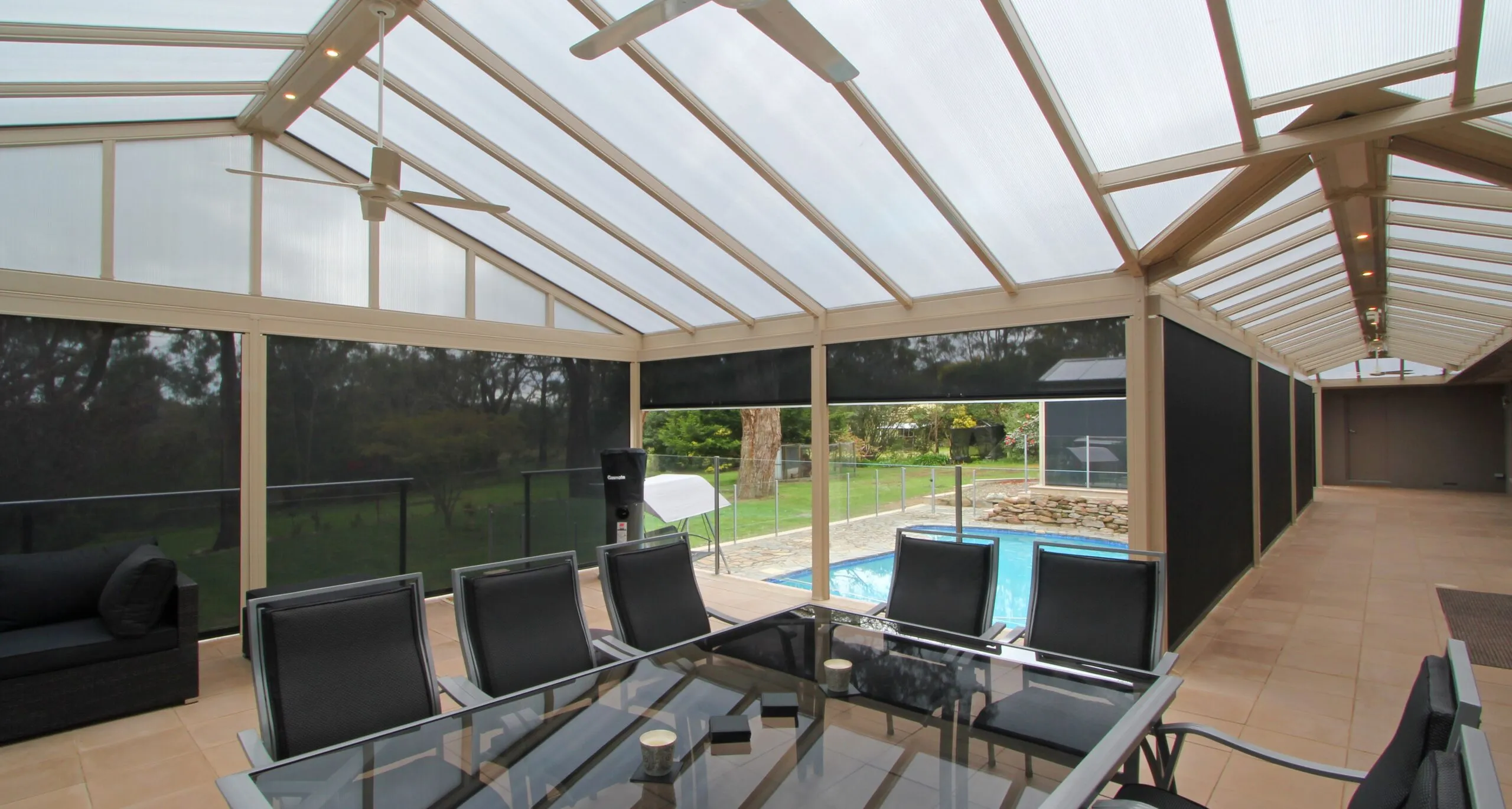
Introduction to Ziptrak vs Slidetrack Blinds
Choosing the right outdoor blinds is an important step for homeowners, renovators, and business owners who want to improve comfort, privacy, and usability in Australian outdoor spaces. This outdoor blinds comparison looks closely at Ziptrak and Slidetrack, two of the most discussed options in the market. If you are weighing up performance, cost, installation, and long-term value, this buying guide will help you understand where each system fits best.
Both products are designed for Australian outdoor blinds applications such as patios, balconies, alfresco areas, cafés, and pergolas. The biggest differences usually come down to the zip track system versus the sliding track mechanism, plus how each brand handles wind resistance, fabric tension, and installation complexity. In the sections below, we compare features, pricing, durability, warranty coverage, and DIY suitability so you can make a confident choice based on your climate, budget, and outdoor living goals.
Brand Overview and Market Positioning
Ziptrak – History and Market Presence
Ziptrak originated in Brisbane during the late 1990s and became known for its patented zip track system, which helped redefine modern outdoor blinds in Australia. The brand built its reputation around smooth operation, strong fabric control, and premium weather protection. Today, Ziptrak is widely associated with high-end residential projects, commercial fit-outs, and installations where durability and a polished finish matter most.
Slidetrack – History and Market Presence
Slidetrack emerged as a practical and more affordable alternative for buyers who want flexibility without the premium price tag. Its sliding track mechanism appeals to DIY-minded homeowners and smaller businesses, particularly in markets where value and customization are top priorities. Slidetrack is often chosen for sheltered outdoor areas, smaller installations, and projects where cost control is important.
Brand Philosophies and Target Customers
Ziptrak is built for customers who want a premium system, professional installation, and strong performance in exposed conditions. It is especially popular with architects, builders, and homeowners who want a refined finish and dependable weather resistance. Slidetrack is better suited to budget-conscious buyers, DIY installers, and people who want a practical blind system with more hands-on control. For broader context.
Features and Specifications Comparison
Mechanism and Operation (Ziptrak’s Zip Track vs Slidetrack’s Sliding Track)
Ziptrak blinds use a patented zip track system, where the fabric is locked into side channels and held under constant tension. This design helps prevent fabric flutter, supports smoother movement, and improves wind resistance. In daily use, the operation feels controlled and quiet, with less movement in gusty conditions and better overall operation smoothness.
Slidetrack uses a sliding track mechanism that allows the blind fabric to move within aluminium tracks. It can still deliver a neat, functional result, especially when tension is correctly set, but it generally provides less fabric control than Ziptrak. That means it may show more movement in wind and can produce slightly more noise on larger spans or more exposed sites.
Fabric and Material Options (PVC, Mesh, Sunscreen)
Both brands commonly offer clear PVC, mesh, and sunscreen fabrics, each suited to different needs.
- Clear PVC: Ideal for rain protection and visibility, though it offers less airflow.
- Mesh fabrics: Balance privacy, airflow, and UV protection for everyday outdoor use.
- Sunscreen fabrics: Reduce heat and glare while keeping a filtered outlook.
Ziptrak generally pairs its system with premium fabric choices, often with UPF (Ultraviolet Protection Factor) ratings that indicate how well a fabric helps block ultraviolet rays. It also commonly emphasises tensile strength (fabric’s ability to resist stretching and breaking) and compliance with relevant Australian Standards for durability and fire performance. These details matter because they affect how the blind performs over time, especially in hot or windy climates.
Slidetrack also offers a wide fabric range and can be configured to suit different looks and levels of privacy. The brand’s appeal often lies in its flexibility and broader style selection, rather than maximum tension control. If you are comparing finishes and performance, our outdoor blinds materials guide and block out vs translucent vs sunscreen fabrics article are useful next reads.
Durability and Weather Resistance in Australian Conditions
Weather resistance is one of the biggest deciding factors in this comparison. Ziptrak is designed for harsher Australian conditions, including strong sun, rain, and regular wind exposure. In many installations, its tensioned design helps the blind hold shape better and reduces fabric movement in gusts. According to the Australian Weather Bureau, Australian conditions can vary sharply by region, so wind and UV performance matter more than many buyers first expect.
Slidetrack can perform well in sheltered or moderate environments, but it is usually less suited to large, exposed openings where wind uplift and flapping are common. Both systems should be retracted during severe weather events, and following the manufacturer’s usage advice is important for longevity and warranty support. Over time, less fabric movement usually means less wear, which is one reason Ziptrak is often chosen for demanding sites.
Customization and Design Flexibility
Ziptrak supports custom dimensions, a wide range of fabric weights, and accessories such as motorisation and pelmets (covering fascia that conceals the top of blinds). This makes it a strong option for larger openings and more polished architectural finishes. Its design is often chosen when buyers want a tailored result that blends into the building rather than standing out.
Slidetrack offers strong design flexibility too, particularly in fabric colours, panel combinations, and track arrangements. It can suit balconies, cafés, and smaller outdoor areas where a more personalised or budget-conscious solution is preferred. For local inspiration, see our best roller blinds in Perth WA guide.
Installation Process and DIY Considerations
Professional Installation vs DIY Kits
Ziptrak is available in DIY-friendly formats, but many buyers still choose professional installation because track alignment and tension calibration (adjusting fabric tightness for optimal performance) are critical to how the blind functions. If installation is slightly off, performance can suffer and warranty conditions may be affected.
Slidetrack is generally more DIY-friendly and is often chosen by homeowners who are comfortable measuring, drilling, and making minor adjustments on the job. Its simpler setup can make it a better fit for smaller projects, though careful installation is still essential for a clean finish.
Tools, Complexity, and Installation Time
For both systems, the usual tools include a power drill, drill bits, spirit level, tape measure, screws, anchors, and a ladder. A second person is helpful for handling longer tracks and larger fabric panels. Ziptrak installations often take 2 to 4 hours per blind when done professionally, while a DIY project may take longer if the installer is learning as they go.
Slidetrack installations are typically a little quicker, often around 1.5 to 3 hours for standard sizes. The reduced complexity is one reason it remains attractive to experienced DIY users who want a lower-cost installation path.
Common Installation Challenges and Solutions
- Tracks must be level to avoid fabric binding or uneven movement.
- Uneven walls or posts may require shimming or custom brackets.
- Correct sealing improves weather performance and can reduce noise.
- Following the manufacturer’s instructions is essential for warranty conditions and long-term durability.
Installation Impact on Warranty and Performance
Warranty coverage and claims can be affected by how the blind is installed. Both brands typically require correct installation methods, and some product lines expect professional fitting or strict compliance with DIY instructions. If the blind is fitted incorrectly, warranty voidance may become a risk, especially where the issue is linked to improper alignment, tension, or mounting. See our outdoor blinds warranty coverage for more detail.
For relevant local guidance, visit outdoor blinds regulations in WA.
Case Study: DIY Installation Walkthrough for Ziptrak Blinds
A typical DIY Ziptrak installation starts with measuring the opening carefully, marking bracket positions, fixing the side channels with a power drill and spirit level, and then inserting the blind panel into the tracks. Final tension calibration is the most delicate part because it affects smooth operation, noise, and wind resistance. Most DIY owners will need 4 to 6 hours and two people, especially on wider openings. Common challenges include keeping the tracks perfectly square and preventing uneven fabric tension. A patient, step-by-step approach makes the result look more professional and helps protect warranty support.
Pricing Analysis and Cost Versus Value
Ziptrak Pricing Overview
Ziptrak pricing generally sits in the premium range, often around AUD 500 to AUD 1,500 per linear metre depending on size, fabric, finishes, and whether professional installation is included. The higher upfront cost reflects the system’s robust design, smooth operation, and long-term value for exposed or demanding locations.
Slidetrack Pricing and Variability
Slidetrack is usually more affordable, with pricing often starting around AUD 400 per linear metre and increasing based on fabric choice, track configuration, and whether the project is DIY or professionally installed. This makes it appealing to buyers who want control over the final cost while still getting a functional outdoor shading system.
Long-term ROI and Maintenance Costs
When looking at cost per linear metre, it helps to think beyond the purchase price. Ziptrak may cost more upfront, but its tensioned system can reduce wear, lower maintenance needs, and extend usable life. That often improves return on investment over time. Slidetrack may save money initially, but it can require more upkeep, occasional tension correction, or earlier fabric replacement depending on use and exposure.
Cost-Benefit Analysis by Outdoor Space Type
For large patios, open coastal sites, and high-use commercial areas, Ziptrak often delivers better value because it is built for reliability and less frequent maintenance. For smaller balconies, sheltered pergolas, and budget-led renovations, Slidetrack may be the smarter choice. For more numbers and local pricing context, see our outdoor blinds cost in Perth and outdoor roller blinds cost guides. You may also find our how to get the best blinds in Osborne Park page useful if you are comparing local suppliers.
Warranty, Customer Support, and After-Sales Service
Ziptrak Warranty and Service Network
Ziptrak is commonly associated with a 5-year manufacturer warranty, although the exact terms can vary by fabric, hardware, and installer. It is well supported by a dealer network, which helps with repairs, replacement parts, and warranty claims. That service structure is one reason many buyers view Ziptrak as the safer premium option.
Slidetrack Warranty and DIY Support
Slidetrack warranty coverage typically ranges from 3 to 5 years depending on the product line and supplier. It places more emphasis on DIY-friendly support through manuals, product guidance, and online resources. While that works well for self-managed projects, on-site service may be more limited than with a larger dealer-backed brand.
Repair, Replacement, and Customer Feedback
Ziptrak users often benefit from faster dealer-led repair pathways, which can be helpful when a blind is installed in a busy household or business setting. Slidetrack customers may rely more on their installer or local supplier for support, which can mean longer turnaround times in some cases. Overall feedback tends to reflect this difference: Ziptrak scores well for service confidence, while Slidetrack is appreciated for accessibility and value.
Real-World Application and User Reviews
Ziptrak Use Cases and Settings
Ziptrak is often selected for patios, verandas, alfresco areas, and hospitality venues where a neat appearance and strong weather protection matter. In real-world use, it performs especially well in coastal and high-rainfall areas where fabric control and wind resistance are important day-to-day benefits.
Slidetrack Use Cases and Settings
Slidetrack is a practical choice for balconies, small cafés, and DIY home upgrades. It works well where the outdoor area is more sheltered and the buyer wants a balance of functionality, style, and affordability rather than the strongest possible weather performance.
Performance in Australian Weather
Australian weather can be unforgiving, with intense UV exposure, sudden gusts, and heavy rain all affecting blind performance. Ziptrak usually handles these conditions better because its tracked tension keeps the fabric more stable. Slidetrack is still useful in many situations, but it is generally best treated as a lighter-duty option for calmer settings.
Aesthetic Appeal and Style Preferences
Ziptrak’s clean lines and minimal visual clutter suit contemporary homes and commercial fit-outs. Slidetrack offers more room to play with colour and panel styling, which can suit relaxed, rustic, or practical design themes. If you are integrating indoor and outdoor shading, our roller blinds integration guide may help.
Practical Differences and Decision-Making Factors
Operation and Weather Usability
Ziptrak generally has the edge on wind resistance, quieter operation, and day-to-day smoothness because its zip track system keeps fabric more firmly controlled. That makes it ideal for exposed areas, coastal homes, and larger openings. Slidetrack is still capable, but it performs best where the environment is calmer and the blind does not need to fight strong gusts as often.
Style and Outdoor Décor Integration
Ziptrak is often the better fit for sleek, modern architecture because the system looks streamlined and deliberate. Slidetrack can blend well into more casual or commercial spaces and gives buyers more freedom when choosing fabric colours and visual finishes. In many projects, the decision comes down to whether you want a premium architectural look or a more flexible, budget-aware result.
Maintenance and Longevity
Both systems need periodic cleaning, track inspection, and general care. Ziptrak usually requires less frequent attention because its tensioned setup reduces sagging, dirt buildup, and fabric movement. Slidetrack can still last well, but it may need more regular checking and occasional tension adjustment. For maintenance tips, see our how to clean and maintain outdoor blinds guide.
Suitability for Various Outdoor Spaces
- Ziptrak: Best for large patios, oceanfront properties, commercial cafés, and areas with strong wind exposure.
- Slidetrack: Suitable for small balconies, enclosed pergolas, budget-conscious homes, and users who prefer DIY installation.
When deciding, consider climate, durability, appearance, and installation confidence. Our things to consider before choosing outdoor blinds and weatherproofing details articles provide helpful next steps. If you want local support, browse trusted outdoor blinds Perth dealers for tailored advice and quotes.
Conclusion: Choosing Between Ziptrak and Slidetrack Blinds
Ziptrak and Slidetrack both have clear strengths, but they suit different buyers. Ziptrak is the better option if you want premium performance, strong wind resistance, smoother operation, and a system that can handle large or exposed outdoor areas. Slidetrack is ideal if your priority is lower upfront cost, DIY flexibility, and a more budget-friendly solution for sheltered spaces. The smartest choice depends on your climate, space size, and how much support you want during installation. If you are still deciding, contact a local dealer or download a buyer’s guide to compare quotes and find the best fit for your home or business.
Frequently Asked Questions
What is the main difference between Ziptrak and Slidetrack blinds?
Ziptrak uses a patented zip track system that keeps the fabric under constant tension for smoother operation and better wind resistance. Slidetrack uses a sliding track mechanism that is usually more affordable and DIY-friendly, but it is generally better suited to calmer, more sheltered areas.
Can I install Ziptrak blinds myself or do I need a professional?
You can install some Ziptrak kits yourself, but professional installation is often recommended. The tracks must be level and the tension calibrated correctly. If installation is inaccurate, performance can suffer and warranty conditions may be affected.
Which blind fabric types are best suited for harsh Australian weather?
Mesh and high-grade sunscreen fabrics usually perform best in harsh sun and wind, while clear PVC is useful where rain protection and visibility matter most. Look for strong UPF ratings, solid tensile strength, and fabrics designed for Australian conditions.
How do Ziptrak and Slidetrack blinds compare in price and value?
Ziptrak usually costs more per linear metre, but it often delivers better long-term value through stronger durability and lower maintenance. Slidetrack is cheaper upfront and can be a smart choice for smaller or sheltered spaces where premium wind performance is less important.
What warranty coverage do Ziptrak and Slidetrack offer?
Ziptrak commonly offers a 5-year manufacturer warranty, though terms vary by supplier and installation. Slidetrack warranties often range from 3 to 5 years. In both cases, correct installation and proper use are important for making a claim.
How effective are these blinds at reducing noise and blocking wind?
Ziptrak generally performs better for noise reduction and wind blocking because the fabric stays tighter in the side channels. Slidetrack can still help, but it may allow more movement in strong gusts, which can increase noise on larger openings.
What tools and skills are needed for DIY installation of these blinds?
You usually need a drill, level, tape measure, screws, wall anchors, and a second person for larger blinds. Basic handyman skills help, especially for measuring accurately, fixing tracks square, and setting tension properly for smooth operation.
Which blind brand is better for large outdoor areas exposed to strong winds?
Ziptrak is usually the better choice for large, exposed areas because its zip track system holds fabric more securely and resists wind uplift more effectively. Slidetrack is better suited to smaller or sheltered spaces where wind pressure is less intense.