
Block Out, Translucent & Sunscreen Blinds: Key Differences Explained
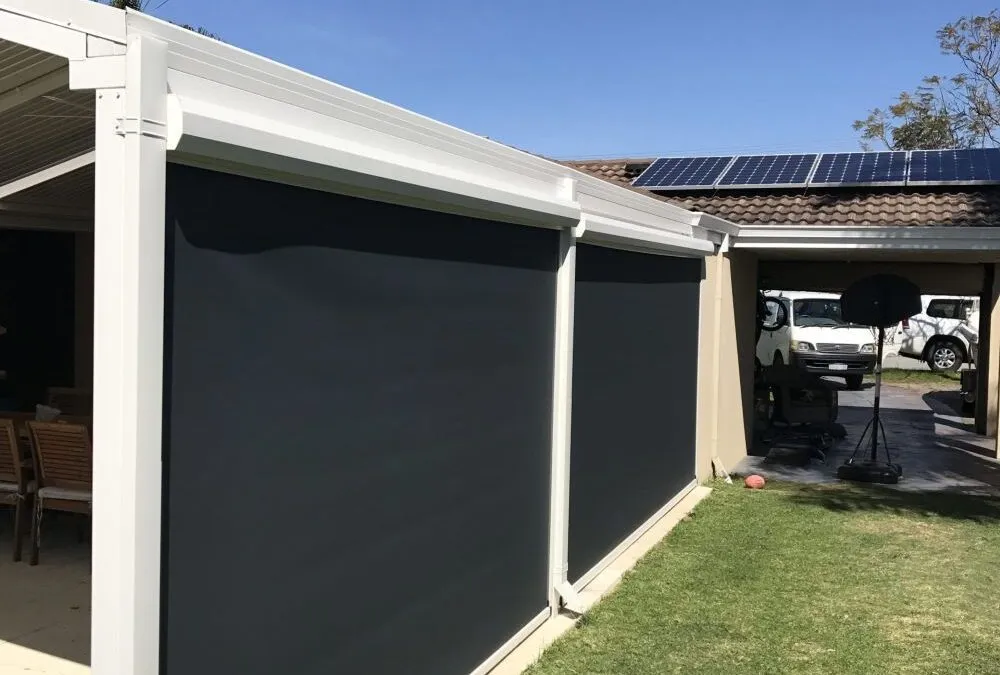
Difference between the Block Out, Translucent & Sunscreen Blinds? If you’ve ever found yourself puzzled about which type of blinds to choose for your home or outdoor area, you’re not alone. Understanding the functional differences between block out blinds, translucent blinds, and sunscreen blinds is essential for optimizing light control, privacy, and environmental comfort.
Window treatments play a vital role in regulating daylight, protecting privacy, and enhancing ambiance through appropriate light filtration and fabric choices. Advances in fabric composition—such as PVC lamination, tightly woven polyester blends, and specialized sunscreen mesh fabrics—differentiate these blinds, enabling homeowners to tailor atmosphere and comfort. Whether you seek complete darkness for better sleep, gentle light diffusion for a calming workspace, or UV protection for outdoor living areas, understanding these options ensures the right fit for your needs.
Choosing the right blinds is crucial. Incorrect choices can lead to excessive glare, insufficient privacy, or lowered energy efficiency. Block out blinds deliver absolute privacy and darkness, ideal for bedrooms and media rooms, while translucent and sunscreen blinds provide varying levels of light diffusion and privacy, enhancing room ambiance, natural illumination, and comfort. Advances in fabric technology—including PVC lamination on polyester or cotton blends for block out, semi-transparent polyester weaves for translucent blinds, and robust PVC-coated polyester mesh for sunscreens—directly influence light filtration, privacy, durability, and ambiance enhancement.
For practical solutions and tailored products for patios and living spaces, explore our range of outdoor blinds in Perth to find a perfect match.
Introduction to Block Out, Translucent & Sunscreen Blinds
Window treatments serve to regulate daylight, protect privacy, and enhance ambiance in both indoor and outdoor spaces. Among the spectrum of options, three main types stand out due to their distinct light filtration and fabric technology: block out blinds, translucent window shades, and sunscreen roller shades. Each provides unique benefits—from total light blockage to gentle light diffusion and effective UV protection—helping homeowners customize their environments for comfort and style.
Block out blinds deliver absolute privacy and darkness, perfect for bedrooms and media rooms, effectively eliminating light penetration for improved sleep quality and glare reduction. Translucent blinds softly diffuse daylight while offering moderate privacy during daytime, enhancing natural light while reducing glare in living areas and offices. Sunscreen blinds use tightly woven mesh fabrics to protect against UV rays and reduce heat gain, ideal for outdoor patios, verandahs, and commercial spaces where maintaining outward visibility and airflow is important.
Advances in fabric technology—including PVC lamination on polyester or cotton blends for block out fabrics, semi-transparent polyester weaves for translucent blinds, and weatherproof PVC-coated mesh for sunscreen fabrics—shape light filtration, durability, thermal insulation, and ambiance enhancement. This guide provides detailed insights into these blinds, empowering you to make an informed choice for your home or outdoor space.
Understanding Block Out Blinds
Fabric Technology Behind Block Out Blinds
Block out blinds employ specially engineered fabrics designed to prevent any light penetration. Typically, these feature bases made from polyester or cotton blends laminated with PVC or similar synthetic layers to add density and opacity. Foam cores and reflective coatings may be incorporated to improve thermal insulation properties, making these blinds effective for energy savings and temperature control.
Light Control & Privacy Level Features
Block out blinds provide nearly 100% light filtration, ensuring rooms remain dark throughout the day. This absolute opacity offers unmatched privacy control, completely preventing views from inside or outside at any time. These features make block out blinds especially suited for bedrooms, media and home theatre rooms, nurseries, and sensitive office environments.
Typical Indoor and Outdoor Applications
Primarily used indoors, block out blinds are preferred wherever complete darkness and privacy are crucial. However, specially designed weatherproof block out blinds with UV and moisture resistant coatings extend their use to outdoor patios and verandahs to combat glare and heat buildup. Their durable fabrics stand up well to direct sunlight and moderate outdoor conditions but are not suitable for extreme weather exposure.
DIY Block Out Blinds: Possibilities and Considerations
DIY block out blinds offer cost-effective customization options. Quality blackout fabrics with PVC lamination are widely available, and with suitable roller or Roman blind mechanisms, creating your own blinds is feasible. Key points include accurate window measurements, selecting smooth roller kits that can support fabric weight, and ensuring sturdy bracket mounting. Real-world users have reported satisfaction when adhering to careful measuring and quality fabric selection, resulting in well-functioning blinds that rival professional installations in appearance and effectiveness.
DIY Block Out Blinds Tips:
- Choose high-quality blackout fabric with PVC lamination for maximum opacity and durability.
- Take precise measurements to eliminate light gaps at edges.
- Select roller kits designed for your fabric weight and operation style.
- Use professional-grade adhesives or sewing techniques for long-lasting construction.
- Test fabric opacity under actual room lighting before finalizing installation.
Maintenance Tips for Block Out Blinds
Maintenance involves regular dusting and occasional wiping with a damp cloth to preserve fabric integrity. Avoid harsh chemicals that might degrade the PVC lamination. Proper care helps maintain opacity and thermal properties for long-term energy efficiency and durability.
Pros and Cons of Block Out Blinds
- Pros: Complete darkness, excellent privacy, thermal insulation benefits, reduces glare, and improves sleep quality.
- Cons: Blocks all natural light (may create a closed-in feel), less breathable fabric, potential heat trapping outdoors, tends to be more expensive.
Exploring Translucent Blinds and Translucent Window Shades
What is Translucent Fabric and How it Diffuses Light
Translucent blinds use woven or knitted semi-transparent fabrics that allow natural light to softly filter into a room. These fabrics scatter direct sunlight, reducing glare and creating a gentle, evenly lit ambiance similar to frosted glass. This balance maintains brightness while limiting harsh shadows and sharp contrasts.
Light Filtration Levels Compared to Block Out and Sunscreen Blinds
Translucent blinds typically filter between 50% to 80% of sunlight, providing a soft light diffusion that falls between the complete darkness of block out blinds and the higher light penetration through sunscreen fabrics. This soft diffusion supports bright interiors without glare, ideal for rooms where natural daylight is desired.
Privacy Offered by Translucent Blinds
During daytime, translucent blinds offer moderate privacy, obstructing clear views into the interior while allowing occupants to see out. However, at night with interior lights on, their privacy diminishes unless paired with additional layers like curtains or block out blinds, making them suitable where daylight privacy is prioritized more than nighttime privacy.
Ideal Use Cases and Locations
- Living rooms, dining areas, and home offices or studios benefiting from natural, glare-free light.
- Situations where aesthetic ambiance and gentle light are more important than complete privacy.
- Commercial spaces desiring bright interiors while reducing direct solar glare.
Material Types and Roller Mechanisms Typical for Translucent Blinds
Commonly made from polyester blends with slight textural variation, some translucent fabrics incorporate micro-perforations to improve airflow. Mechanisms include chain-operated, cordless, or motorized rollers, supporting easy handling due to the lightweight nature of the fabric. These features make translucent blinds versatile and user-friendly across residential and commercial settings.
Maintenance Tips for Translucent Blinds
Routine dusting and gentle vacuuming with a brush attachment help maintain fabric cleanliness. Avoid abrasive cleaners to prevent damage. Their moderate durability calls for timely replacement when exposed to prolonged sun and moisture.
Deep Dive into Sunscreen Blinds and Sunscreen Roller Shades
What is Sunscreen Shade Fabric? (Material Composition & Technology)
Designed for effective sun and UV protection, sunscreen shade fabric consists of a tightly woven PVC-coated polyester mesh. The weave is engineered to block harmful ultraviolet rays while allowing significant light transmission and outward visibility. UV stabilizers and anti-fading coatings extend lifespan in direct sunlight. Some variants incorporate mesh openings optimized for airflow to reduce ambient heat.
Light Filtration and UV Protection Characteristics
Sunscreen blinds typically filter between 10% to 40% of sunlight, depending on fabric openness and colour, effectively reducing glare and harmful UV exposure without darkening interiors excessively. According to the CSIRO 2023 study, fabrics with 3%-5% openness optimally balance heat reflection (up to 86%) with airflow, enhancing energy efficiency and occupant comfort.
Privacy Level and Visibility Through Sunscreen Blinds
The mesh structure provides good daytime privacy by obscuring interior views while maintaining outward visibility for occupants. However, like translucent blinds, sunscreen blinds lose privacy at night when interior lights are on, requiring additional coverings for complete privacy after dark.
Black Sunscreen Roller Blinds: Style and Functional Differences
Black sunscreen roller blinds employ darker yarns and coatings, offering superior glare reduction by absorbing excess sunlight rather than reflecting it. This results in enhanced visual comfort and improved shading. Their sleek look complements modern architectural styles and commercial facades, combining fashion with function.
Typical Indoor & Outdoor Applications for Sunscreen Roller Blinds
- Outdoor patios, verandahs, cafés, and alfresco areas needing sun protection while preserving breeze flow.
- Large sun-exposed windows and glass walls requiring glare reduction without obstructing views.
- Office spaces looking to combine daylight use with solar control.
- Commercial buildings balancing customer visibility with privacy and sun protection.
Mechanisms and Operation Types of Sunscreen Roller Shades
Chain-operated, cordless spring, and motorized systems are common for sunscreen blinds, offering smooth operation calibrated for fabric weight and frequent use. Smart-home compatibility and remote controls add convenience, particularly for larger commercial or outdoor installations.
Maintenance Tips for Sunscreen Blinds
Outdoor sunscreen fabrics require periodic cleaning using mild detergents and soft brushes to remove dust and prevent mildew. Avoid abrasive tools to preserve coating integrity, lengthening blind lifespan significantly. For comprehensive cleaning and maintenance advice, see our guide on how to clean and maintain outdoor blinds.
Side-by-Side Comparison of Block Out, Translucent & Sunscreen Blinds
Comparative Table: Fabric Types, Light Control, Privacy, and Durability
| Aspect | Block Out Blinds | Translucent Blinds | Sunscreen Blinds |
|---|---|---|---|
| Fabric Composition | Thick polyester with PVC lamination/foam core | Lightweight semi-transparent polyester weave | PVC-coated polyester mesh with UV stabilizers |
| Light Filtration | 0% (total blackout) | 50-80% filtered, soft diffusion | 10-40% filtered, maintains brightness |
| Privacy | 100% opaque | Moderate (daytime privacy only) | Good daytime privacy, see-through at night |
| UV Protection | Excellent (blocks all UV) | Minimal to moderate (fabric dependent) | High UV protection (especially black sunscreen) |
| Durability | High indoors; variable outdoors | Moderate; less weather resistant | Very high, weatherproof with UV resistance |
| Typical Application | Bedrooms, media rooms, patios | Living areas, offices, bright rooms | Outdoor seating, sun-exposed spaces, commercial |
| DIY Feasibility | High (DIY block out blinds popular) | Moderate (lighter fabrics easier to handle) | Lower (requires precision and motorized options) |
Practical Scenarios Illustrating When to Use Each Blind Type
- Block Out: Ideal for bedrooms requiring total darkness for restful sleep or home cinemas where light control enhances viewing experience.
- Translucent: Suited to home offices where natural light is preferred with glare reduction and moderate privacy to boost productivity.
- Sunscreen: Best for outdoor verandahs protecting from sun and UV, or commercial storefronts that require glare reduction but wish to maintain outward visibility.
Impact of Weather and Lighting Conditions on Blind Performance
Environmental factors strongly affect fabric longevity and performance. Block out blinds indoors avoid undue sun or weather exposure, but outdoor use demands weatherproof coatings. Translucent fabrics tend to fade and degrade faster under harsh sunlight and moisture due to lighter composition. Sunscreen blinds are engineered to withstand sun, rain, and wind, boasting UV resistance and durable weatherproof properties, especially suited to external applications.
Maintenance & Longevity Considerations
Proper cleaning and routine care extend the lifespan of all blinds. Material differences influence cleaning frequency and techniques, with sunscreen fabrics requiring more diligent upkeep due to external exposure.
DIY Considerations: Crafting and Installing Block Out Blinds
Selecting Materials for Effective DIY Block Out Blinds
Start with premium blackout fabric that features PVC lamination for durability and opacity. Additional supplies include precision-cut roller tubes or battens, sturdy mounting brackets, and smooth roller mechanisms. Essential tools comprise fabric scissors, measuring tape, cordless drills, and quality adhesives or sewing kits for secure assembly.
Step-by-Step Basic Installation Tips
- Accurately measure window width and drop, allowing space for brackets and hems.
- Cut blackout fabric to the required size, including hems or border allowances.
- Secure mounting brackets firmly using anchors appropriate for wall type.
- Attach fabric to the roller mechanism as specified by manufacturer guidelines.
- Install the roller mechanism in brackets and test smooth operation.
- Adjust tension settings as needed and check for even rolling without fabric folds or light gaps.
Cost and Time Efficiency vs Professional Installation
DIY block out blinds can reduce costs by 30-50% and take approximately 2-4 hours per window depending on skill level. While DIY allows customization and budget savings, professional installation ensures precise fit, warranty coverage, and expertly calibrated mechanisms for long-term reliability.
Common DIY Pitfalls and How To Avoid Them
- Failing to measure accurately leading to poor fit and unwanted light leaks.
- Using subpar fabric prone to curling or fading quickly.
- Improper bracket installation risking instability or blind failure.
- Neglecting safety when working at heights or with power tools.
- Inadequate testing leading to uneven rolling or fabric damage.
Maintenance Tips for DIY Block Out Blinds
Maintain by regular dusting and gentle wiping to preserve fabric integrity. Monitor fabric and mechanism condition to address issues early, enhancing durability and preserving appearance over time.
Environmental and Contextual Factors Influencing Blind Choice
Effects of Outdoor vs Indoor Environment on Fabric and Functionality
Environment determines fabric suitability. Indoor settings allow use of delicate translucent fabrics; outdoor locations demand durable, weatherproof materials to withstand UV radiation, humidity, dust, and wind. For optimal outdoor performance, select weatherproof outdoor blinds with UV protection designed to resist fading, mildew, and warping.
Weatherproofing and UV Resistance Considerations
Modern weatherproof fabrics repel water, resist UV degradation, and prevent mold growth. Sunscreen blinds especially benefit from these features, maintaining structural and visual integrity over years of sun exposure. Per CSIRO 2023, fabrics with low openness (3-5%) optimally block solar heat while allowing airflow, reducing cooling loads.
Energy Efficiency and Heat Reduction Capabilities
Blinds contribute significantly to energy savings by controlling heat gain and loss. Block out blinds with reflective backings minimize summer heat intrusion up to 70%, aiding cooling efficiency. Sunscreen blinds reduce solar heat by up to 80%, balancing ventilation with sun protection. Translucent blinds moderate heat and glare but lack thermal insulation properties.
Light Penetration and Impact on Room Ambiance
The interplay of fabric openness and colour affects mood and usability. Block out blinds create dark, controlled environments; translucent blinds produce soothing natural light; sunscreen blinds allow bright interiors with less glare and filtered views. Selecting fabrics aligned with your ambiance goals enhances wellbeing and reduces artificial lighting dependency.
These environmental insights combined with fabric technologies allow for informed choices tailored to climate, usage, and aesthetics.
Conclusion: Making the Informed Choice for Your Blinds Needs
Key Takeaways for Selecting Between Block Out, Translucent, and Sunscreen Blinds
- Block Out Blinds offer total darkness and complete privacy, ideal for bedrooms and media rooms.
- Translucent Blinds provide balanced light diffusion with moderate privacy, suited for living spaces and offices.
- Sunscreen Blinds deliver UV protection, heat reduction, and daytime privacy while maintaining outward views, perfect for outdoor areas and commercial settings.
Matching Blind Type to Privacy, Light, and Environmental Requirements
Assess your needs clearly: total blackout or partial light diffusion? Indoor delicate fabric or tough weatherproof material? Privacy priority balanced with visibility? Make your choice considering these alongside style preferences and budget constraints.
Encouragement for Testing Samples and Consulting Specialists
Prior to purchase, test fabric samples in situ for accurate assessment of light filtration and colour under natural and artificial lighting. Consulting blinds specialists can provide expert recommendations, ensuring your selection is optimized for local climate, room function, and durability.
Embark on your blinds journey equipped with knowledge for a smart, lasting investment.
Frequently Asked Questions
What are the key differences between block out, translucent, and sunscreen blinds?
Block out blinds provide complete darkness and privacy with thick opaque fabrics, ideal for bedrooms and media rooms. Translucent blinds diffuse light softly with moderate daytime privacy, suited for living areas and offices. Sunscreen blinds offer UV protection and heat reduction with mesh fabrics, maintaining outdoor views and daytime privacy, perfect for outdoor and commercial spaces.
Can sunscreen blinds provide privacy at night?
No. Sunscreen blinds offer good daytime privacy by obscuring interior views, but at night, when indoor lights are on, they can become transparent from outside. For nighttime privacy, additional coverings like curtains or block out blinds are recommended.
Are DIY block out blinds as effective as professionally installed ones?
When made with high-quality blackout fabric and proper hardware, DIY block out blinds can perform comparably to professional installations. However, professionals ensure precise fit and mechanism calibration, often accompanied by warranties.
How does the fabric type affect the durability of different blinds?
Heavier, laminated fabrics like block out blinds offer high durability indoors. Translucent fabrics are lighter and less weather-resistant, thus less durable outdoors. Sunscreen fabrics are designed for outdoor durability with UV-resistant, weatherproof coatings extending lifespan in harsh conditions.
What are the benefits of black sunscreen roller blinds compared to regular ones?
Black sunscreen roller blinds absorb more sunlight and reduce glare better than lighter counterparts, improving visual comfort and reducing reflective glare. Their stylish, modern look also makes them a popular choice for contemporary designs.
How do different blinds impact indoor temperature and energy efficiency?
Block out blinds with reflective backings reduce heat gain significantly, improving cooling efficiency. Sunscreen blinds block substantial solar heat while allowing airflow, also aiding energy savings. Translucent blinds moderate heat minimally, focusing more on light diffusion.
Which blind type is best for outdoor patios and verandahs?
Sunscreen blinds are best suited for outdoor patios and verandahs due to their UV protection, heat reduction, and breathable mesh design, which allows airflow while providing daytime privacy and reducing glare.
How should I maintain and clean these different types of blinds to extend their lifespan?
Block out and translucent blinds benefit from regular dusting and gentle wiping. Sunscreen blinds, especially outdoors, require periodic cleaning with mild detergents and soft brushes to prevent mildew and fabric degradation. Avoid harsh chemicals on all types to maintain fabric and coating integrity.