
Outdoor Blinds Value for Commercial Properties | Guide
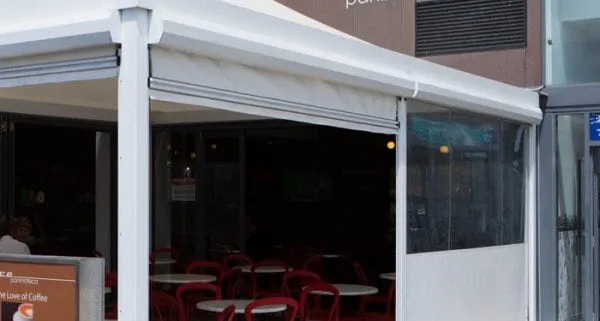
Can outdoor blinds enhance the value of a commercial property? In many cases, yes. For commercial owners and investors, outdoor blinds can improve curb appeal, support tenant comfort, reduce solar heat gain, and protect building finishes from weather exposure. Those benefits may translate into stronger leasing performance, lower operating costs, and better long-term asset positioning.
The value uplift is rarely from the blinds alone. Instead, it comes from the combined effect of versatile shading solutions, improved weather resistance, stronger UV protection, and a more polished commercial facade. For practical solutions and installation options.
Used well, outdoor blinds can support broader value drivers such as tenant retention, energy efficiency in commercial buildings, facade aesthetic enhancements, and weather protection for commercial buildings. They are especially relevant for properties that rely on external presentation, outdoor usability, or reduced maintenance over time.
This guide covers how outdoor blinds work in commercial settings, where they deliver the most value, how they compare with alternatives such as curtains and shade cloth, and what to consider before investing. For broader context,
Understanding Outdoor Blinds in Commercial Properties
Outdoor blinds are exterior shading systems installed to manage sunlight, privacy, glare, wind, rain, and heat before they reach the building envelope. In commercial environments, they are more than a cosmetic upgrade. They function as practical building components that can improve thermal comfort, reduce fading, protect finishes, and make outdoor or semi-outdoor areas more usable throughout the year.
From an investment perspective, the appeal is straightforward: well-selected blinds can improve how a property looks and performs at the same time. That combination matters in commercial real estate, where tenants often judge a building by first impressions, functional comfort, and the reliability of the premises. For many owners, outdoor blinds become part of a wider strategy that includes energy-efficient facade upgrades, entrance improvements, and exterior maintenance planning.
Modern systems such as Ziptrak, Slidetrack, café blinds, and plantation blinds are commonly specified depending on the site’s exposure, aesthetic goals, and operational needs. For example, zip-guided systems can be useful where wind resistance and smooth operation matter, while café-style blinds often suit hospitality venues needing flexible enclosure.
Outdoor blinds also have a place in commercial asset protection. In high-sun locations, they reduce UV exposure to glazing, surfaces, signage, and furnishings. In wetter or dust-prone environments, they can help shield entries and outdoor areas from the elements, improving usability and reducing wear on surrounding materials. That protection can support lower lifecycle costs and more consistent presentation across seasons.
Another reason they are increasingly considered in commercial property upgrades is that tenants are paying more attention to amenity. Businesses want workplaces and customer-facing areas that feel comfortable, modern, and usable. Outdoor blinds can help create shaded breakout zones, sheltered dining spaces, and better-controlled loading or service areas without needing a full structural extension.
In practical terms, that means outdoor blinds can suit more than just hospitality sites. Offices, retail tenancies, medical practices, education facilities, warehousing, and mixed-use buildings can all benefit depending on layout and exposure. The key is matching the blind type to the function of the space, the local climate, and the building’s design intent.
Because commercial properties have different needs from residential buildings, it is worth comparing outdoor blinds with other exterior treatments before making a decision. In some cases, the best result comes from a combination of shading, security, and facade improvement measures rather than a single product alone.
Defining Outdoor Blinds and Common Commercial Applications
Outdoor blinds are engineered for sun exposure control, shading for seating areas, privacy, and building preservation. They are typically made from weather-resistant fabrics, PVC, mesh, or similar materials designed to handle exterior conditions more effectively than indoor window coverings. In commercial applications, they are usually chosen for both operational value and visual consistency across the facade.
Common uses include protecting alfresco dining areas, reducing glare in reception zones, controlling heat on western-facing elevations, and improving comfort around entrances or loading zones. In office and retail environments, they can also improve the presentation of glass-fronted areas by softening harsh sunlight and creating a more refined street presence. In industrial buildings, they may assist with dust reduction and light management around service areas.
Because they can be opened or closed as needed, outdoor blinds offer flexibility that fixed shading structures do not. That adaptability is useful for businesses that operate across different weather patterns or trading hours. If you are comparing operating features, our outdoor blinds maintenance tips and types of outdoor blinds resources can help you assess which system is best suited to your property.
Differentiation from Curtains and Shade Cloth
Outdoor blinds differ from curtains and shade cloth in several important ways. Curtains can look attractive in enclosed spaces, but most are not designed for prolonged outdoor exposure, wind load, or commercial weather resistance. They also offer limited value where UV protection, rain control, or facade protection are priorities.
Shade cloth by the metre can be a cost-effective solution for temporary or low-cost coverage, but it often lacks the operability, tailored finish, and architectural coherence of purpose-built outdoor blinds. It may also require extra support structures and more frequent replacement depending on exposure.
By comparison, outdoor blinds generally provide better durability, stronger weatherproof performance, and a more polished appearance. That makes them more suitable for properties where tenant expectations, brand presentation, and long-term asset value matter. For a side-by-side view of material and mechanism choices, see our types of outdoor blinds comparison and the outdoor blinds cost guide.
Suitable Commercial Property Types
Outdoor blinds can add value across a wide range of commercial property types. Office buildings often use them to improve facade coherence, manage glare, and create more comfortable breakout or collaboration areas. Hospitality venues rely on them to protect outdoor dining spaces and improve trading continuity in variable weather.
Healthcare facilities may use them to moderate sun exposure in waiting areas or courtyards, while retail spaces benefit from better street presentation and improved customer comfort. Warehousing and industrial sites can use blinds around openings, service zones, or loading areas where dust control, weather protection, and equipment preservation matter. In each case, the objective is the same: improve usability, appearance, and operating resilience without overcomplicating the building.
For commercial owners, the most important question is not whether outdoor blinds suit every site, but whether they suit the property’s use, exposure, and tenant expectations. When those factors line up, they can become a practical value-enhancing improvement.
How Outdoor Blinds Enhance Commercial Property Value
Outdoor blinds influence commercial property value through several channels at once. They can strengthen market attractiveness, support rental income and occupancy rates, reduce the impact of weather on building materials, and improve the usability of external spaces. In commercial real estate, these effects matter because valuation is tied not only to the building’s condition, but also to its income potential and tenant demand.
Unlike purely decorative upgrades, shading systems can contribute to both perceived quality and operational performance. A property that looks more modern, feels more comfortable, and requires less maintenance is generally more appealing to occupiers and better positioned in the rental market. That is especially relevant for buildings competing in submarkets where amenity upgrades are increasingly expected rather than optional.
Visual Appeal and Market Attractiveness
Visual presentation is one of the fastest ways outdoor blinds can influence value. A well-chosen blind system can improve facade coherence, soften hard architectural lines, and create a more complete and intentional appearance. For customer-facing properties, that may translate into stronger brand perception and more foot traffic. For office and industrial assets, it can improve the first impression that occupiers, clients, and prospective tenants form on arrival.
Commercial tenants often compare multiple spaces before signing a lease. Properties with modern shading solutions can stand out because they suggest better care, better planning, and a more responsive landlord. Outdoor blinds also create opportunities for brand alignment through colour matching and style coordination, which can be particularly useful for retail, hospitality, and professional services tenancies.
There is also a practical market effect: when a building appears more usable and better maintained, it can support higher perceived quality in the leasing process. That does not guarantee a rent premium, but it can improve negotiating position and reduce the discount required to secure a tenant. For related design ideas, see our energy-efficient facade upgrades resources.
Impact on Rental Income and Occupancy Rates
Tenant comfort is closely linked to leasing outcomes. Outdoor blinds help reduce glare, limit overheating, and improve usability of shared or outdoor spaces. That can make a property more attractive to occupiers looking for practical amenity improvements without major structural works. In many cases, the result is better tenant retention, reduced vacancy risk, and stronger lease appeal.
For hospitality and retail properties, usable outdoor space can directly affect trading potential. For offices, more comfortable breakout or frontage areas can help support employee satisfaction and tenant perception. Some landlords also find that amenity improvements like outdoor blinds make lease negotiations smoother because the property feels better equipped for contemporary use.
Industry commentary from groups such as JLL has repeatedly highlighted the importance of tenant experience in commercial leasing decisions, while broader market reporting from CoreLogic and other agencies points to differentiation through practical amenity as an ongoing trend. In that context, outdoor blinds are a relatively contained upgrade that may produce outsized perception benefits when paired with other facade improvements.
Weather and Environmental Protection
Outdoor blinds can also protect a building’s exterior from UV exposure, wind, rain, and dust ingress. This matters because prolonged exposure to the elements can accelerate fading, warping, corrosion, and surface degradation. Over time, reducing that exposure can help preserve paints, seals, glazing-adjacent materials, and fixtures.
Environmental protection also supports operational continuity. If external spaces are less affected by wind-driven rain or harsh sun, businesses can use them more consistently. That can be valuable in cafés, clinics, showrooms, and service-based premises where customer comfort directly influences revenue opportunity.
Financial Analysis: ROI of Outdoor Blinds
The return on investment (ROI) for outdoor blinds depends on property type, climate, installation quality, and how heavily the property uses its outdoor or facade-exposed areas. The financial case is usually strongest when blinds contribute to tenant attraction, energy savings, and reduced maintenance costs at the same time. In other words, ROI is not just about purchase price; it is about lifecycle performance.
For commercial investors, a proper ROI analysis should consider upfront costs, expected lifespan, maintenance complexity, likely energy efficiency gains, and any value added through improved occupancy or lease terms. Outdoor blinds are often best viewed as a capital improvement that supports both income and cost control rather than as a direct cash-return asset alone.
Comparative Cost Analysis
Commercial buyers often compare outdoor blinds with other shading and facade options, including vertical blinds, shade cloth, and fixed awnings. While indoor vertical blinds can be cheaper to buy, they do not offer the same weather resistance or facade protection. Shade cloth can reduce initial outlay, but it may have a shorter useful life and a less refined appearance.
| Shading Option | Average Cost per sqm (AUD) | Typical Lifespan | Maintenance Complexity |
|---|---|---|---|
| Vertical Blinds (Indoor) | $80–$120 | 5–7 years | Moderate |
| Outdoor Blinds | $150–$250 | 10–15 years | Low to moderate |
| Shade Cloth by the Metre | $50–$100 | 5–10 years | Variable |
From a cost-benefit perspective, outdoor blinds are usually justified when longevity, presentation, and operational performance matter more than the lowest upfront price. If you are comparing product classes and budgets, our outdoor blinds cost guide provides a useful starting point.
It is also worth noting that products such as Ziptrak and Slidetrack can carry different price points because of hardware, automation, wind performance, and finish quality. That is why ROI analysis should always be linked to the specific property use case rather than a simple square metre estimate.
Energy Efficiency and Operating Expense Reduction
External shading can materially improve energy efficiency in commercial buildings by intercepting solar heat before it reaches the glazing. In summer, that helps reduce cooling loads and HVAC demand. In winter, well-designed systems can still support passive solar heating strategies where appropriate, depending on orientation and operation.
Studies referenced by ASBEC and other built environment groups have consistently shown that external shading can reduce cooling energy demand, particularly in buildings with large glass areas and strong western or northern exposure. In practical terms, that can lower electricity use, reduce peak demand pressures, and improve thermal comfort for staff and customers.
For commercial owners focused on operating expenses, that matters because utility savings and improved comfort can improve net operating income. Even modest annual savings can become meaningful when they are sustained over a long asset life. If the blinds also improve occupancy or allow a rent premium, the ROI case strengthens further.
Longevity and Maintenance Savings
Outdoor blinds can reduce maintenance pressure on surrounding surfaces by limiting UV exposure, moisture contact, and wind-driven debris. That can mean less repainting, fewer surface repairs, and slower material degradation over time. In some commercial settings, they may also help reduce wear on nearby fixtures, seals, and door systems.
Where blinds protect garage openings, loading areas, or facade elements, they can help preserve equipment and minimise disruption. Good maintenance practices—such as regular cleaning, checking fixings, and inspecting tracks or motors—extend service life and protect the investment. See our outdoor blinds maintenance tips for practical guidance.
Integration with Commercial Property Infrastructure
Outdoor blinds should be selected with the rest of the building in mind. Mechanical compatibility, facade design coordination, and compliance with local building regulations all affect whether the installation will function well over the long term. This is especially important on commercial sites where access, security, and durability expectations are higher than in a typical residential setting.
In practice, the best installations are those that align with entrances, glazing lines, signage, service areas, and any nearby automated systems. A good design review should consider mounting points, wind exposure, drainage, maintenance access, and how the blinds interact with doors, awnings, and structural elements. Where required, installers should also confirm whether the project needs approval under local planning rules, strata requirements, or building permit processes.
Compatibility with Garage Doors and Roll a Door Systems
Compatibility with commercial garage doors and roll a door garage doors is one of the most important technical considerations. Clearance requirements must be checked so the blind does not obstruct the movement of doors, tracks, or associated control systems. In industrial and logistics environments, this helps avoid downtime and safety issues.
Corrosion-resistant fittings are also advisable where blinds are installed near high-use access points, coastal environments, or areas exposed to moisture and dust. Automated controls can be beneficial when blinds need to operate in conjunction with entry systems, but they must be planned carefully to avoid conflicts with access schedules or security procedures.
For facilities managers, the value comes from reducing operational friction. A blind system that interferes with loading access or maintenance procedures will quickly lose its appeal, no matter how good it looks on paper. That is why integration should be assessed alongside other upgrade plans, including any commercial garage doors integration work.
Coordination with Facade and Architectural Elements
Good facade design depends on consistency. Outdoor blinds should ideally match or complement existing materials, colours, branding, and architectural proportions. This is particularly important for commercial buildings where visual harmony affects tenant perception, council presentation, and street appeal.
Colour matching, uniform shading styles, and coordinated placement can help the property feel deliberate rather than patched together. For multi-tenanted assets, consistent blind selection can also support a cleaner and more professional look across different tenancies. In branded environments, the blind system may even become part of the visual identity.
Architectural cohesion is not just aesthetic. It can influence how easily future improvements are integrated and how well the property adapts to changing tenant needs. For further planning guidance.
Case Studies of Successful Installations
Experience from real properties shows how outdoor blinds can contribute to value in different ways. In Osborne Park, a multi-tenant office complex installed zip-guided outdoor blinds across western-facing windows and breakout areas. The property manager reported a 15% occupancy improvement over 12 months, alongside better tenant feedback on thermal comfort.
In Belmont, a hospitality venue fitted café-style PVC blinds around its alfresco dining area. The owner noted a 30% increase in usable outdoor seating time across the year, which helped support revenue on windy or rainy days. The blinds also improved street presentation and gave the venue a more finished appearance.
In Wangara, a distribution centre upgraded exposed openings with durable outdoor shading and weather protection. Maintenance costs tied to facade cleaning and repainting reportedly fell by around 25%, while the roll a door systems were better protected from harsh sun and airborne dust. These examples show that location-specific design and correct product selection are central to ROI.
Market Trends and Industry Data
Commercial property amenities are becoming more important as tenants compare buildings on comfort, sustainability, and overall usability. Outdoor blinds fit neatly into this trend because they are relatively low-disruption upgrades that can support both environmental performance and perceived quality. They are also aligned with wider interest in flexible, indoor-outdoor use of commercial space.
JLL research and other market commentary suggest that occupiers increasingly notice whether a building offers practical comfort features, not just base floor area. At the same time, sustainability expectations continue to influence capital improvement decisions. Outdoor blinds can contribute to these goals by reducing heat gain, supporting passive design, and improving the resilience of facade elements.
Industry Insights and Demand Drivers
Demand for shading upgrades is being driven by several factors. First, energy costs remain a material concern for building owners and tenants, so external shading that reduces cooling demand is increasingly attractive. Second, tenant experience has become a stronger differentiator in leasing discussions, particularly for office, retail, and hospitality assets.
Third, more owners are looking for capital improvements that deliver visible impact without major structural work. Outdoor blinds can often be installed with comparatively limited disruption, especially when the design is aligned with existing building forms. Industry references such as the Property Council of Australia and ASBEC have also highlighted the growing importance of energy-efficient facade upgrades in commercial building performance.
From a market positioning perspective, this means outdoor blinds are no longer just a comfort accessory. They are part of a broader set of amenity upgrades that help properties remain competitive. If you are assessing fit and style choices, our outdoor blinds regulations in WA and outdoor blinds for commercial properties pages can help frame the decision.
Commercial Property Market Preferences
CoreLogic and broader commercial market commentary suggest that occupiers are showing greater interest in buildings that support comfortable, flexible use. Indoor-outdoor workspaces, sheltered customer areas, and upgraded exterior amenity are increasingly associated with premium tenants and better leasing outcomes.
For landlords, this matters because amenity differentiation can support occupancy and protect value in competitive markets. The strongest properties are often those that combine practical improvements, visual appeal, and easy operation. Outdoor blinds can contribute to all three when they are chosen to suit the building rather than just the budget.
Some owners also use outdoor blinds alongside other improvements such as landscaping, repainting, and upgraded access systems. When combined thoughtfully, these upgrades can create a stronger overall market position than any single improvement on its own.
Alternatives to Outdoor Blinds and Comparative Analysis
Outdoor blinds are not the only option for commercial shading and facade improvement. Depending on the site, curtains, shade cloth, roller shutters, or other exterior treatments may be considered. Each option has strengths, but they differ significantly in cost, durability, appearance, and adaptability.
The best choice usually depends on how the property is used. A hospitality venue may need flexible weather protection and presentation, while a warehouse may prioritise dust control, durability, and access compatibility. Comparing alternatives helps investors avoid over-specifying or underinvesting in a solution that does not match the building’s actual demands.
Outdoor Blinds vs Curtains
Outdoor blinds generally outperform curtains in commercial settings because they are built for exterior weather resistance, improved light control, and stronger energy savings. Curtains can be suitable in enclosed or decorative environments, but they are usually not designed to withstand wind, rain, or prolonged UV exposure.
For commercial properties, that makes outdoor blinds the more practical choice where environmental control and facade protection are required. Curtains may still play a supporting role indoors, but they do not usually offer the same ROI potential or maintenance advantages as a purpose-built exterior system.
Shade Cloth by the Metre Cost-Benefit
Shade cloth by the metre can be appealing because of its lower upfront cost. However, the value equation changes when durability, appearance, and maintenance demands are considered. In some installations, shade cloth may be an efficient temporary or budget-conscious solution, but it often provides less architectural refinement and shorter service life.
For owners focused on value uplift, outdoor blinds usually deliver a better balance between presentation and performance. The right choice depends on exposure, expected lifespan, and how important brand image is to the property’s leasing strategy.
Other Exterior Improvements
Other exterior improvements such as roller shutters, facade security enhancements, and multi-layer shading solutions can complement outdoor blinds. In some buildings, these measures work best together, particularly where security, weather protection, and thermal control are all priorities.
Roller shutters may be more suitable where security is paramount, while blinds are often preferred where a softer presentation and occupant comfort are equally important. A layered strategy can be especially useful for mixed-use and industrial properties with multiple operational needs.
Final Considerations for Property Owners and Investors
Outdoor blinds tend to make the most sense when they are part of a broader capital improvement plan. Timing, tenant demand, facade condition, and energy retrofit goals all influence whether the investment will produce strong returns. A blind upgrade is often most effective when it solves a real problem rather than simply adding a decorative feature.
For example, if a facade is already due for repainting or repairs, it may be efficient to integrate blinds into the same project. Similarly, where tenants are asking for improved comfort or outdoor usability, the installation may support lease renewal, better occupancy, or improved property reputation. Compliance should also be checked early so the chosen product aligns with local building regulations and any applicable planning or strata requirements.
When to Invest in Outdoor Blinds
The best time to invest is often when the property is already undergoing an exterior refresh, energy retrofit, or tenant improvement works. If the building suffers from glare, overheating, or poor presentation, outdoor blinds may provide a relatively efficient way to address multiple issues at once.
Owners should also consider the investment when tenant expectations are rising or when competing buildings in the area are upgrading their amenity offering. In those cases, the blinds can help preserve market position and reduce the risk of lease churn.
Combining Outdoor Blinds with Other Investments
The strongest ROI is usually achieved when outdoor blinds are combined with related improvements such as landscaping, repainting, lighting upgrades, and garage door upgrades. Together, these works can create a more coherent and appealing asset while spreading benefits across comfort, presentation, and operational efficiency.
Where the site includes service areas or loading zones, combining blind installation with repairs to commercial garage doors or roll a door systems can improve both appearance and functionality. That integrated approach is often more effective than tackling each element separately.
Summary of ROI Drivers and Value Benefits
In summary, outdoor blinds can support rental income increase, operational cost savings, asset longevity, and stronger market positioning. They do this by improving comfort, reducing solar gain, protecting building components, and helping the property present more professionally.
The value case is strongest where the blinds improve a real commercial function, align with the facade design, and are maintained properly over time. When those conditions are met, outdoor blinds can be a practical and defensible investment rather than a cosmetic extra.
Final takeaway: outdoor blinds are most valuable when they solve multiple commercial problems at once—comfort, presentation, weather exposure, and ongoing maintenance. If you are assessing an upgrade, compare product types, confirm compliance, and consider the blind system as part of a broader asset improvement strategy. To explore options or discuss the right solution for your property, review our outdoor blinds for commercial properties range or speak with an experienced specialist.
Frequently Asked Questions
How do outdoor blinds increase the value of commercial properties?
Outdoor blinds can increase commercial property value by improving curb appeal, reducing heat gain, protecting facade materials, and making outdoor or semi-outdoor areas more usable. These benefits can improve tenant satisfaction, support stronger leasing outcomes, and reduce maintenance costs over time, which all contribute to asset performance.
What types of commercial properties benefit most from outdoor blinds?
Properties with strong sun exposure, customer-facing outdoor areas, or prominent facades tend to benefit most. Offices, hospitality venues, retail spaces, healthcare facilities, and warehousing sites can all gain from better comfort, presentation, and weather protection, especially where tenant experience or operational resilience is a priority.
How do outdoor blinds compare to curtains and shade cloth in commercial use?
Outdoor blinds are usually more durable, more weather-resistant, and more visually refined than curtains or shade cloth. Curtains are typically better suited to indoor use, while shade cloth can be cost-effective but may offer less operability and shorter service life. Outdoor blinds often deliver stronger long-term value.
What is the typical return on investment (ROI) for installing outdoor blinds commercially?
ROI varies by property type, climate, and use, but it is usually driven by a mix of energy savings, improved occupancy, stronger tenant retention, and reduced maintenance. In some cases, the payback is indirect rather than immediate, making lifecycle value more important than upfront cost alone.
Can outdoor blinds reduce energy costs and improve tenant comfort?
Yes. Outdoor blinds can block solar heat before it enters the building, which may reduce cooling demand and lower electricity use. They also help reduce glare and improve comfort in offices, retail areas, and outdoor spaces, which can positively affect tenant satisfaction and day-to-day usability.
Are outdoor blinds compatible with commercial garage doors and roll a door systems?
They can be, provided clearance, mounting, and control systems are planned correctly. Corrosion-resistant fittings and careful positioning are important near commercial garage doors and roll a door systems. A professional site assessment helps ensure the blinds operate safely without obstructing access or maintenance.
What maintenance is required to ensure outdoor blinds last longer and protect my investment?
Routine maintenance usually includes cleaning the fabric or PVC, checking fixings, inspecting tracks or guide systems, and servicing motors where fitted. Regular attention helps prevent premature wear, keeps the blinds operating smoothly, and protects the surrounding building materials from unnecessary exposure.
Do outdoor blinds help in complying with local building regulations and sustainability goals?
They can support compliance and sustainability objectives when selected and installed in line with local building codes, planning requirements, and strata rules. In some cases, they may help reduce energy demand or improve facade performance, but approvals and design details should always be checked for the specific site.