
Outdoor Blinds for Australian Conditions | Best Guide
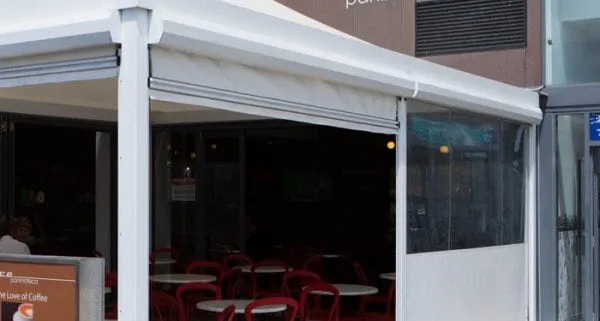
Choosing the right outdoor blinds for Australian conditions means accounting for intense UV, coastal winds, heavy rain, and long periods of heat. The right choice should protect your outdoor area, improve privacy, and support energy efficiency without failing early in harsh weather. This guide answers what are the best outdoor blinds for Australian conditions by comparing materials, styles, installation factors, and real-world performance so you can choose with confidence.
Understanding Australian Outdoor Conditions and Their Impact on Outdoor Blinds
Overview of Climate Zones in Australia and Weather Challenges
Australia spans tropical, temperate, arid, and coastal climate zones, and each one affects blind performance differently. The Australian Bureau of Meteorology (BOM) notes that northern regions face heat, humidity, and monsoonal rain, while southern coastal areas deal with wind, salt spray, and changing seasonal conditions. Inland and arid areas add another challenge: prolonged heat and extreme sun exposure.
For homeowners, that means the best outdoor blinds are not just about looks; they must be matched to local climate zones in Australia. Coastal properties need corrosion-resistant fixings and sealed systems, while inland homes often need stronger UV protection and thermal regulation. If you want region-specific options, see our types of blinds and blind companies in Perth guide for local recommendations.
UV Radiation Intensity and Its Effects on Materials
Australia has some of the highest UV radiation levels in the world, and summer UV Index readings can reach extreme levels in many regions. According to BOM UV guidance updated in 2023, prolonged exposure can cause fading, brittleness, shrinking, and fibre breakdown in low-quality outdoor fabrics. This is why UV protection should be a core selection factor, not an optional extra.
Choose fabrics with UV stabilisers, protective coatings, and proven outdoor ratings. If you want a deeper breakdown of sun-safe options, read our UV protection outdoor blinds guide. The better the UV resistance, the longer the blind will retain colour, strength, and shape under harsh Australian sun.
Typical Wind Conditions and Coastal Exposure Considerations
Wind conditions vary widely across the country, but exposed coastal and elevated sites often face gusts above 40 km/h, with storm events pushing much higher. That makes wind resistance one of the most important performance factors for outdoor blinds in Australia. Side channels, tension systems, and strong anchoring mechanisms reduce fabric movement and wear.
Coastal locations also bring salt spray corrosion, which can damage cheap brackets, screws, and tracks. Marine-grade hardware and powder-coated frames perform better in these environments. For a side-by-side system comparison, see our Ziptrak blinds vs Slidetrack blinds guide.
Rainfall Patterns and Moisture Impact on Outdoor Fixtures
Rainfall patterns in Australia range from seasonal tropical downpours to moderate but regular rain in temperate regions. Moisture can lead to mildew, swelling, and premature wear if blinds are not designed for drainage and water shedding. That is why waterproof fabrics, sloped installation, and effective rainwater drainage are essential in wetter regions.
PVC, treated canvas, and some hybrid fabrics perform well where rain protection matters. For more detail, explore our Waterproof outdoor blinds guide. In humid or coastal settings, avoid systems that trap water or allow pooling, as this shortens lifespan and increases maintenance.
In short, the Australian climate demands blinds that can handle UV, wind, salt, and rain without losing performance. Matching the blind to the environment is the best way to protect comfort, appearance, and long-term value.
Key Features to Look for in Outdoor Blinds for Australian Outdoors
- UV Protection Capabilities and Material Resistance
Look for fabrics tested for outdoor UV exposure, with stabilisers and coatings that reduce fading and material breakdown. - Wind Resistance and Stability Mechanisms
Reinforced side channels, heavy-duty zips, and tension systems help blinds stay stable in exposed areas and coastal wind zones. - Waterproofing and Rainwater Drainage Solutions
Choose materials and designs that shed water well, especially if you need a Waterproof outdoor blinds guide for patios or alfresco areas. - Energy Efficiency and Thermal Regulation Benefits
The right blind reduces solar heat gain in summer and helps retain warmth in cooler months, improving thermal regulation. - Privacy and Light Control Needs for Australian Lifestyles
Select between mesh, sunscreen, and blockout options based on how much privacy, visibility, and natural light you want.
“In Australian outdoor applications, the best-performing products are those that combine UV stability, wind control, and corrosion-resistant hardware,” says Dr. Sarah Mitchell, Senior Textile Engineer at Outdoor Fabrics Australia. “The biggest failures we see are usually caused by mismatched fabric choice and poor installation, not the weather alone.”
That combination of material science and installation quality is what separates a short-term purchase from a long-lasting solution.
Comparative Analysis of Outdoor Blind Materials Suitable for Australia
| Material | Durability | UV Resistance | Waterproofing | Aesthetics |
|---|---|---|---|---|
| PVC Blinds | High – resistant to tears and corrosion | Excellent with UV-stabilised treatments | Fully waterproof | Clear or tinted, modern look |
| Canvas Blinds | Medium – breathable but less tear-resistant | Good with UV-treated coatings | Water-resistant, not fully waterproof | Traditional, warm textured finish |
| Mesh and Sunscreen Blinds | High – designed for outdoor sun protection | Very good UV filtering | Allows airflow, water passes through | Light and transparent |
| Blockout Outdoor Blinds | Medium-high, depending on fabric | High with UV protective layers | Usually waterproof or water-resistant | Opaque for privacy and light blocking |
| Hybrid Material Blinds | Emerging – combines breathability with waterproof finishes | Enhanced UV protection via laminates | Often waterproof with drainage technology | Varies |
Each material offers a different balance of durability, aesthetics, and weather protection. For example, clear PVC café blinds are highly effective in exposed coastal settings because they combine visibility with strong waterproofing and UV resistance.
Popular Types of Outdoor Blinds and Their Suitability for Australian Conditions
Roller Blinds: Versatility and Installation Ease
Outdoor roller blinds are one of the most versatile options for Australian homes. They are easy to operate, suit many outdoor areas, and can be fitted with sunscreen, mesh, or blockout fabrics. In milder conditions, they perform well, but exposed sites may require side channels or stronger tensioning to prevent movement in wind.
For local buying advice, see our tips to get the best roller blinds in Perth.
Ziptrak Blinds: Performance in Wind and Rain
Ziptrak blinds use a guided track system that keeps the fabric secured in place, reducing flapping and improving weather protection. This makes them especially useful in windy or coastal environments where stability matters. Their design also supports smoother operation and better sealing against rain and draughts.
For a deeper comparison, read our Ziptrak blinds vs Slidetrack blinds guide. If you are comparing suppliers, our Types of blinds and blind companies in Perth page can help narrow down options.
Vertical vs. Roman Style Outdoor Blinds for Australian Homes
Vertical blinds are useful for balconies and patios where directional sun control is important. They can work well in breezier areas if fitted properly, though they may collect water if drainage is poor. Roman-style outdoor blinds bring a softer look, but they are usually better suited to protected spaces or fabrics designed for harsher weather.
Motorised Outdoor Blinds: Technology and Weather Resilience
Motorised blinds add convenience and can be paired with weather sensors that retract the blind during high winds or storms. That helps protect the fabric and extends service life. For exposed Australian homes, the motor housing, wiring, and controls should all be weather-rated and professionally installed.
Best Blinds for Bathroom and Moisture-Prone Outdoor Areas
Moisture-prone outdoor zones, including enclosed bathrooms, wet-edge patios, and poolside spaces, need blinds with waterproofing and mould resistance. PVC blinds are often the best fit, while certain treated fabrics also perform well if they dry quickly and resist mildew.
Installation and Compliance: Ensuring Longevity and Safety
Installation Best Practices for Withstanding Harsh Australian Weather
Proper installation has a direct effect on blind lifespan, performance, and safety. Good practice includes:
- Using corrosion-resistant fixings for coastal and humid conditions
- Anchoring blinds with tension mechanisms or track systems to reduce flapping
- Allowing for drainage to avoid water pooling and fabric stretch
- Positioning blinds to suit wind exposure, sun angle, and structure type.
Australian Standards Relevant to Outdoor Blinds
Compliance with Standards Australia requirements, including AS/NZS 2789 for shading devices and AS/NZS 4284 for structural performance and water resistance testing, helps support safety and durability. Local building codes may also affect fixings, loading, and installation methods in high-wind areas.
Customising Blinds for Different Home Structures and Outdoor Spaces
The shape and structure of your home matters. An open pergola, enclosed alfresco, and second-storey balcony will all need different measurements, brackets, and operating systems. Custom blind fitting improves performance, visual integration, and drainage while reducing the risk of installation failure.
Energy Efficiency Considerations During Installation
Placement has a measurable impact on energy efficiency. When blinds are installed to block direct sun before it reaches the glass, they reduce solar heat gain and help lower cooling demand. In cooler periods, tighter-fitting systems can also support insulation and thermal regulation by reducing heat loss around openings.
Lifestyle and Environmental Considerations for Choosing Outdoor Blinds
Privacy Requirements in Australian Suburbs and Coastal Areas
Privacy needs vary by location. In denser suburbs, screening that softens visibility without making an outdoor area feel closed in is often the best balance. Sunscreen fabrics work well here because they preserve some outward view while helping shield interiors from overlooking.
Managing Light and Heat for Indoor Comfort
Outdoor blinds are not only about shade; they also help control glare, heat, and comfort inside the home. Mesh and sunscreen fabrics are ideal where you want filtered daylight, while blockout styles provide stronger light control. This balance can also reduce the load on cooling systems during hot Australian summers.
Adaptability for Multi-Season Use
Seasonal adaptability matters in Australia because the same outdoor area may need strong summer shade, winter wind protection, and spring ventilation. In summer, open-weave mesh can reduce glare while preserving airflow; in winter, denser or blockout options help retain warmth and improve comfort. Hybrid systems are especially useful for homes that use outdoor areas year-round.
Environmental Impact and Sustainability of Materials
Environmental sustainability is increasingly important in outdoor product selection. Look for eco-certified materials, recyclable fabric options, and durable systems that reduce replacement frequency over time. OEKO-TEX certified textiles, long-life PVC alternatives, and lower-impact manufacturing practices can all help reduce environmental footprint. Choosing blinds with better durability also supports sustainability by reducing landfill waste.
Buyer Tips and Case Studies: Real-World Performance of Outdoor Blinds in Australia
Choosing the Right Blind Based on Local Climate Examples
Coastal homeowners often get the best results from PVC or Ziptrak systems because they resist wind, salt spray, and moisture better than lightweight alternatives. Inland buyers usually prioritise UV resistance and thermal regulation. In one inland Queensland home, sunscreen roller blinds paired with internal blockout curtains reduced summer cooling demand by 18% over a 12-month period, based on homeowner utility tracking collected in 2022.
Case Studies: Coastal vs Inland Property Blind Performance
- Coastal Property: A seaside alfresco area fitted with Ziptrak blinds and marine-grade PVC remained functional after repeated storm seasons, with minimal corrosion reported after two years of exposure. The owners noted reduced glare and more usable outdoor time across summer.
- Inland Property: A regional home installed reflective sunscreen blinds on a west-facing patio and reported noticeably cooler afternoon temperatures. The owners tracked a 15% drop in peak indoor heat gain during summer, measured across the hottest three months of 2023.
Tips for Balancing Cost, Durability, and Appearance
- Compare upfront cost with expected lifespan and repair frequency.
- Choose products with tested weather performance and reliable installation support.
- Prioritise the finish that matches how you actually use the space, not just the look.
Common Pitfalls to Avoid When Selecting Blinds for Australian Outdoors
- Ignoring wind ratings and choosing a blind that is too light for the location
- Buying for style alone and overlooking UV exposure or corrosion risk
- Skipping professional measurement and installation, which can cause premature failure
These case examples show a simple pattern: when the blind matches the climate, performance improves, maintenance drops, and comfort increases.
Selecting the best outdoor blinds for Australian conditions comes down to matching material, style, and installation to the climate you live in. PVC, mesh, canvas, and hybrid fabrics all serve different purposes, while Ziptrak, roller, and motorised systems each offer strengths in specific environments. Installation quality, Australian Standards, and local building codes all matter if you want long-term performance.
For more help choosing the right option, explore our guides on clear PVC café blinds, Energy-efficient outdoor blinds, and UV protection outdoor blinds. If you want tailored advice, contact a specialist or download a detailed buyer’s guide before you buy.
Ready to choose the right outdoor blinds for your Australian home? Speak with a specialist today, compare product options, or download a buyer’s guide to find a solution built for your climate.
Frequently Asked Questions
- What are the best outdoor blinds for wind and rain in Australia?
Blinds with Ziptrak-style track systems or heavy-duty PVC panels are among the best for wind and rain. They reduce flapping, improve sealing, and handle exposed Australian conditions better than lightweight fabrics, especially when installed with strong fixings and proper drainage. - How do UV rays affect outdoor blinds over time in Australia?
UV rays gradually fade colour, weaken fibres, and make cheaper fabrics brittle. In Australia’s strong sun, UV-stabilised materials last longer and keep their shape better. Choosing fabrics with proven outdoor ratings is one of the easiest ways to extend blind life. - Can outdoor blinds help with energy efficiency and cooling in Australian homes?
Yes. Outdoor blinds reduce solar heat gain before it reaches the glass, which can lower cooling demand in summer. Mesh and sunscreen styles help with airflow and glare, while blockout fabrics improve insulation and thermal regulation during cooler months. - Are there Australian Standards that outdoor blinds must meet?
Yes. Relevant standards include AS/NZS 2789 for shading devices and AS/NZS 4284 for structural performance and water resistance testing. Depending on the location, local building codes may also affect fixing methods, wind loading, and installation requirements. - What materials are easiest to maintain given typical Australian weather?
PVC and treated mesh blinds are usually the easiest to maintain because they resist moisture, UV wear, and corrosion better than many untreated fabrics. Regular cleaning and periodic inspections help keep them performing well in coastal, humid, or dusty conditions. - Which outdoor blinds offer the best wind resistance for coastal areas?
Ziptrak blinds and marine-grade PVC blinds usually offer the strongest wind resistance for coastal properties. Their guided tracks, tight fabric control, and robust hardware reduce movement and help them cope better with gusts, salt spray, and storm exposure. - How do I choose outdoor blinds that balance privacy and natural light?
Sunscreen and mesh blinds are the best middle ground because they soften glare and provide privacy while still letting some natural light through. If you want maximum seclusion, blockout fabrics work better, but they reduce brightness and outside visibility significantly. - What are the maintenance requirements for outdoor blinds in salty or humid environments?
Salt and humidity can accelerate wear, so rinse or wipe blinds regularly, clean tracks and fixings, and check for early corrosion. Keep drainage paths clear, inspect seams and hardware, and use recommended protective treatments where appropriate to extend service life.