
Outdoor Blinds Regulations in Perth, WA | Full Guide
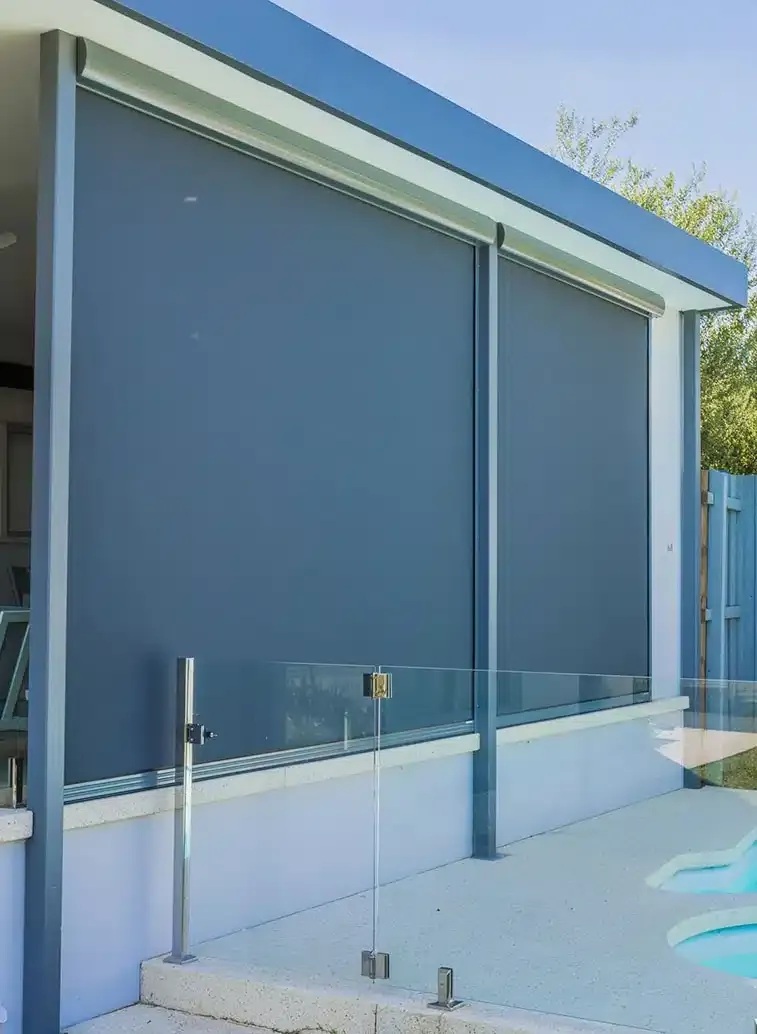
Installing outdoor blinds in Perth and across Western Australia (WA) means working within a layered regulatory framework that includes state legislation, Australian Standards, council planning schemes, and bushfire compliance rules. If you are comparing product options, retractable outdoor blinds Perth can be a practical choice, but only when the design, materials, and installation method meet local approval requirements.
This guide explains the main rules for homeowners, contractors, and building professionals who need to understand Outdoor Blinds Regulations in WA. It covers permits, safety standards, weatherproofing, durability, local council processes, compliance risks, and the steps needed to avoid delays or refusals. Throughout this article, we link to official sources such as the WA Building Commission, the Australian Building Codes Board, and Standards Australia.
Overview of Outdoor Blinds Regulations in Perth and WA
Outdoor blinds regulations in Western Australia sit within a multi-layered system. The main state law is the Building Act 2011 (WA), which governs building work, permits, approvals, and compliance responsibilities. The technical benchmark is the Building Code of Australia (BCA), which is part of the National Construction Code and sets performance expectations for structural safety, weather resistance, and fire-related construction outcomes.
At the local level, councils such as the City of Perth apply planning schemes, heritage controls, setback rules, zoning restrictions, and sometimes environmental overlays. Depending on the property and blind type, you may need a Development Application (DA) for planning approval, a Building Permit for construction approval, or both. In bushfire-prone areas, a Bushfire Attack Level (BAL) assessment may also be required. A BAL assessment measures the likely exposure to ember attack, radiant heat, and direct flame contact.
Because outdoor blinds can be treated as semi-permanent external structures, regulators may consider them more than a simple decorative addition. That is why material selection, wind loading, fixing methods, and installer competency matter. A compliant installation helps protect safety, avoid enforcement action, and preserve insurance validity. For homeowners seeking practical guidance, our outdoor blinds in Perth category page is a useful starting point, while installers should also review permit application process in Perth resources before lodging documents.
Understanding State-Level Building Codes and Standards
Building Act 2011 (WA) Requirements
The Building Act 2011 (WA) is the key legal framework for building work across the state. In plain English, it sets the rules for when building approvals are needed, who can certify work, and how non-compliant installations are handled. For outdoor blinds, the Act matters because a blind system may be treated as building work if it changes the external structure, affects safety, or needs formal approval under a council or state process.
The Act works alongside building regulations and local government rules to ensure installations are safe, documented, and properly inspected where necessary. It also supports enforcement powers when work is done without approval or does not match approved plans. Homeowners should keep copies of permits, drawings, invoices, certificates, and inspection reports so they can demonstrate compliance later if needed.[Building Act 2011 (WA)]
If you are unsure whether your project is classified as building work, a licensed building surveyor or council planning officer can help determine the correct pathway. Early advice is usually much cheaper than fixing a refusal or rectifying unapproved work later.
Building Code of Australia (BCA) Impact on Outdoor Blinds
The Building Code of Australia (BCA) sets technical performance requirements for construction across Australia, including external additions and semi-permanent structures. For outdoor blinds, the BCA is relevant where the blind system must perform safely under wind, weather, fire exposure, and structural loading conditions. Even when a product is marketed as “simple” or “retractable,” it still needs to meet the relevant performance expectations for its location and use.
In practical terms, the BCA influences how installers choose anchor points, frame strength, fabric types, fixings, and whether additional certification is needed. It also affects how councils and building surveyors assess risk in locations exposed to strong coastal winds, heavy rain, or bushfire conditions. Compliance with the BCA is often checked during permit assessment or sign-off by a licensed building surveyor.[Australian Building Codes Board]
For property owners, the key takeaway is simple: a blind that looks suitable is not automatically compliant. Structural details and installation method matter just as much as the product itself.
Relevant Australian Standards (AS 1562.1, AS 1939, AS 2047)
Several Australian Standards are commonly relevant to outdoor blinds in WA. These standards provide technical benchmarks for design, materials, and performance:
- AS 1562.1: Covers the design and installation of metal sheet roof and wall cladding, including wind loading and fixing principles that are often used as a reference for external attachment and anchoring performance.
- AS 1939: Relates to textile and fabric performance, including outdoor fabric suitability, UV exposure resistance, waterproofing, and durability characteristics.
- AS 2047: Focuses on windows and external glazed door units, and is often used as a reference point for frame strength, serviceability, and structural performance expectations.
These standards help explain whether a blind system is likely to survive WA conditions, particularly in coastal areas, high-wind suburbs, or bushfire-prone zones. For a homeowner, the standards can feel technical, but the practical message is straightforward: the fabric, frame, fixings, and installation all need to work together.[Standards Australia]
Where a supplier claims compliance, ask for the supporting documentation. That may include product specifications, wind-rating information, warranty conditions, and installer certification. A quality installer should be able to explain how the system matches the site’s environmental and regulatory conditions.
Role of Local Government Authorities and Approvals
Local Council Permit Requirements and Processes (e.g., City of Perth)
Local councils play a major role because they manage planning approvals, zoning compliance, heritage controls, and local policy overlays. In the City of Perth, for example, a Development Application may be required when outdoor blinds alter the external appearance of a building, affect a heritage façade, or create a structure visible from the public realm. A Building Permit may also be needed when the installation is considered building work under the relevant rules.[City of Perth Planning]
In practice, councils often ask for scaled plans, product specifications, photographs, site details, and sometimes a BAL report if the property sits in a bushfire-prone area. Some councils also want details of drainage impacts, boundary setbacks, and how the proposed blind will interact with existing structures. Pre-lodgement discussions can save time by identifying issues before formal submission.
For homeowners, the best approach is to treat the council as a project partner, not an obstacle. Clear drawings, complete documents, and early questions usually reduce processing delays.
Variations Across WA Local Government Areas
Requirements vary across Western Australia because councils apply different planning schemes, local policies, and risk controls. For example, a metro council may focus more on heritage streetscapes or streetscape presentation, while a regional shire may place greater emphasis on bushfire risk, environmental restrictions, or setback controls. The Shire of Mundaring is often cited as a local government area with stricter bushfire-related controls due to its landscape setting, vegetation, and fire exposure profile.
Some areas may allow minor works to proceed with limited approval, while others treat the same installation as a more formal planning matter. That is why it is important to check the local government’s planning portal and speak to the relevant officer before ordering products or booking installation. The bushfire-prone area compliance WA rules can also affect whether a product is suitable at all.
To reduce risk, ask the council these questions: Is a DA required? Is a Building Permit required? Are there heritage or environmental overlays? Are there wind, setback, or material restrictions? Getting those answers early can prevent avoidable redesigns.
Permits and Documentation for Outdoor Blinds Installation
Types of Permits (Development, Building, Bushfire Compliance)
Outdoor blinds projects in WA may require different approvals depending on the property location, blind design, and council rules:
- Development Permit: A planning approval that considers appearance, zoning, heritage, setbacks, and land-use impacts. A Development Application is the formal request for this approval.
- Building Permit: A construction approval confirming the work meets safety and structural requirements under the BCA and related WA rules.
- Bushfire Compliance Approval: This may involve BAL-related documentation, fire-resistant material selection, ember protection details, or certification confirming compliance in a bushfire-prone area.
Depending on the site, the approval path may be simple or highly detailed. A straightforward suburban installation might need only basic council confirmation, while a property in a heritage precinct or bushfire-prone area could require multiple documents and specialist reports. When in doubt, treat the project as if approvals are needed until the council confirms otherwise.
Permit Application Procedures and Required Documents
A well-prepared application is one of the easiest ways to avoid delays. Councils and building surveyors usually expect the following:
- Completed application forms with the full project description.
- Scaled site plans and installation drawings showing dimensions, fixings, and setbacks.
- Product data sheets outlining materials, wind rating, and fire performance.
- BAL assessment reports where the property is in a bushfire-prone area.
- Evidence that the installer is licensed or appropriately qualified.
- Heritage, zoning, or environmental approvals where relevant.
- Application fees and any supporting correspondence requested by the council.
For many homeowners, the easiest way to understand the permit application process in Perth is to follow a simple rule: identify the site constraints first, then match the product and documents to those constraints. That means checking zoning, overlays, and bushfire status before filling out forms.
If your application needs technical drawings, use a professional who understands both building compliance and local council expectations. Councils are more likely to approve applications that clearly explain what is being installed, where it is going, and why it complies.
Common Permit Refusal Reasons and How to Avoid Them
Permit refusals are often caused by avoidable issues. The most common reasons include missing documents, inaccurate drawings, using non-compliant materials, failing to address bushfire or heritage rules, and relying on installers who cannot prove relevant competency. Councils may also reject applications where the proposed blind would affect a protected streetscape or conflict with zoning controls.
To reduce refusal risk, submit complete and consistent paperwork, answer council requests quickly, and make sure the product specifications match the actual installation. It also helps to speak with a licensed building surveyor or experienced installer before lodging. If the council raises concerns, address them directly rather than resubmitting the same documents unchanged.
Another useful tip is to keep all product brochures, technical sheets, emails, and revised drawings in one folder. When a council asks for clarification, fast and organised responses improve the chance of approval.
Safety, Environmental, and Weatherproofing Standards
Wind Load and Fire Resistance Safety Standards
Outdoor blinds must be able to handle the environmental conditions of their location. In WA, that usually means strong sun, coastal corrosion, heavy rain, and in some areas, significant wind exposure. The BCA and AS 1562.1 help establish the structural and anchoring expectations that installers should follow. Poorly fixed blinds can fail during storms, become a hazard, or create damage to the building façade.
Fire resistance is equally important, especially in bushfire-prone areas. Fire-retardant fabrics, non-combustible frames, and appropriate clearances can reduce risk. The point is not only to survive a fire event, but also to ensure the installation does not increase danger by providing an easy ignition source or trapping embers near the structure.[Department of Fire and Emergency Services WA]
If the supplier does not provide wind-rating or fire-performance information, that is a warning sign. Reliable compliance starts with evidence, not assumptions.
Bushfire-Prone Area Regulations
The Department of Fire and Emergency Services (DFES) WA identifies bushfire-prone areas and issues guidance that affects construction and external additions. Where a property is in a bushfire-prone area, outdoor blinds may need a Bushfire Attack Level (BAL) assessment. As noted earlier, BAL is the measure of expected exposure to ember attack, radiant heat, and direct flame contact.
Depending on the BAL rating, the project may need fire-retardant fabrics, ember-resistant design details, non-combustible fixings, or stricter separation from combustible elements. Councils and certifiers may also require evidence that the chosen blind system will not compromise passive fire protection or create a new risk pathway to the dwelling.[BAL Assessment Information]
Homeowners should also understand that bushfire compliance is not just a one-time formality. If the design changes after approval, the documentation may need to be updated. That is why it is better to finalise product choice and installation method before submission.
For practical site planning, our guide to bushfire-prone area compliance WA explains how BAL reports, material selection, and local approvals work together.
Environmental Impact and Assessment Requirements
Some outdoor blind projects require environmental impact assessment or at least a council environmental review, especially where the property is near wetlands, remnant bushland, conservation corridors, foreshore reserves, or other sensitive areas. In WA, environmental restrictions may be triggered by protected habitats, drainage protection zones, local biodiversity policies, or planning schemes that aim to preserve native vegetation and habitat corridors.
Examples include installations near coastal dune systems, watercourses, or urban bushland where councils want to prevent vegetation clearing, shading impacts, erosion, or changes to stormwater flow. A council may also require confirmation that fixing points will not damage significant trees or interfere with protected habitat edges. In some cases, a development application may need to address environmental management measures, such as limiting construction disturbance, using corrosion-resistant materials, or avoiding reflective surfaces that affect amenity and wildlife.
Local government policies can differ significantly. Some councils publish environmental guidelines that require applicants to show how the proposal avoids impacts on protected flora and fauna. Others may ask for a site map, arborist input, or simple written statements explaining why the installation will not harm sensitive land. When a project sits near a reserve or environmentally constrained area, early discussion with the council is essential.
For homeowners, the safest approach is to assume environmental review may be required if the site is near a protected or sensitive area. If you are unsure, ask whether the property is affected by environmental overlays, local biodiversity policies, or habitat protection rules before finalising your installation plan.[WALGA Environmental Policies]
Weatherproofing Materials and Durability
Weatherproofing is not just about comfort; it is part of compliance because the chosen materials must be suitable for WA conditions and the installation must remain safe over time. Perth and many regional WA areas expose outdoor blinds to high UV levels, sudden wind changes, summer heat, coastal salt air, and winter rain. Materials that degrade too quickly can fail structurally, lose tension, or become non-compliant after installation.
Suitable weatherproofing usually means selecting UV-stable, waterproof, corrosion-resistant, and wind-rated components. In many cases, durability is also tied to maintenance expectations, because damaged or deteriorated blinds may no longer perform as originally approved. Councils and building surveyors may expect the selected product to remain fit for purpose for the life of the approval.
When assessing materials, consider the following compliance factors:
- UV stability: Helps prevent fading, cracking, and premature fabric failure in strong WA sunlight.
- Water resistance: Reduces mould, swelling, and moisture-related degradation during heavy rain or humidity.
- Wind resistance: Supports the structural performance required under local wind conditions and product testing.
- Corrosion resistance: Important in coastal suburbs where salt exposure can affect frames and fasteners.
- Fire retardancy: Essential where bushfire compliance is required or where council policy asks for reduced ignition risk.
The table below summarises common materials and the compliance points that matter most:
| Material Type | Durability Criteria | Regulatory Reference |
|---|---|---|
| Polyvinyl Chloride (PVC) | UV stabilised, fire retardant, waterproof, and suitable for wind exposure when correctly installed | AS 1562.1; Building Act 2011 (WA) |
| Canvas & Acrylic Fabrics | Treated for mould resistance, water resistance, UV stability, and fire performance where required | AS 1939 (Outdoor textile fabrics) |
| Aluminium Frames | Corrosion resistant, strong enough for wind load performance, and suitable for long-term external use | AS 2047 (Windows & external glazed doors) |
When comparing products, ask the supplier how the material choice affects compliance, not just appearance. A blind that is visually attractive but lacks the right wind, fire, or corrosion performance may be rejected, may fail inspection, or may trigger insurance issues later. For related product examples, see Clear PVC Café Blinds in Perth, which can offer strong weather resistance when installed within the appropriate approval framework.
Compliance Enforcement and Legal Consequences
Inspection and Monitoring Agencies
Compliance is monitored by the Western Australian Building Commission, local government authorities, and licensed building surveyors. These bodies may inspect work, review permit records, and assess whether the final installation matches the approved documentation. In bushfire-prone or heritage areas, scrutiny is usually higher because the potential risks are greater.[WA Building Commission]
If an issue is found, the owner may be asked to provide records, amend the installation, or submit retrospective approval documents. The process is usually easier when the homeowner has kept clear records and worked with licensed professionals from the start.
Penalties and Enforcement Case Examples
Penalties for non-compliance may include:
- Financial fines, sometimes amounting to several thousand dollars.
- Orders to modify, remove, or replace non-approved blinds.
- In serious cases, prosecution in the WA Magistrates Court.
2023 Case Study: In a Perth enforcement action, a homeowner was fined $5,000 and ordered to remove outdoor blinds that failed wind load standards because the work had not been properly approved. The case is a useful reminder that even seemingly minor external additions can attract serious enforcement action when permits and standards are ignored.
Dispute Resolution and Appeals
If a permit is refused or an enforcement notice is issued, homeowners can seek review through the WA State Administrative Tribunal (SAT). A typical process involves reviewing the decision notice, gathering supporting documents, lodging an appeal within the required timeframe, and participating in mediation or a hearing if the matter is not resolved earlier. The SAT website provides forms, contact details, and procedural guidance for applicants.[WA State Administrative Tribunal]
Before appealing, it is usually wise to ask the council or building authority whether the issue can be resolved by correction, additional documentation, or a revised design. In many cases, a practical amendment is faster and less costly than a formal hearing. If the matter is technical, a licensed building surveyor or planning consultant can help prepare evidence for review.
Homeowner Responsibilities and Consumer Protection
Ensuring Compliance and Liability Issues
Homeowners remain legally responsible for ensuring outdoor blinds are installed in line with permit conditions, planning controls, and building requirements. Even if a contractor carries out the work, the property owner can still face consequences if the installation is non-compliant. That can include fines, rectification notices, project delays, and difficulties with future property sale or insurance claims.
It is also important to understand that some consumer protections operate alongside building law. Under WA consumer law, homeowners may have rights if work is not completed with reasonable care and skill, or if it does not match what was promised. Keep all written quotations, product brochures, and emails so you can show what was agreed if a dispute arises.
From a liability perspective, the safest approach is to work only with licensed professionals, confirm the approval pathway before work starts, and store compliance documents securely. That paperwork can become very important during insurance claims, property inspections, or future renovations.
Consumer Rights and Contractor Obligations
The WA Consumer Protection Division can assist where a contractor misrepresents product suitability, approval needs, or installation capability. Contractors are expected to perform work with due care and skill, use appropriate materials, and provide accurate information about compliance. If a contractor says a blind is “permit free” or “always compliant” without checking the site, that may amount to contractor misrepresentation.
Homeowners may be protected by statutory warranties, contract law, and consumer protection rules that allow for repairs, replacement, refunds, or other remedies depending on the problem. These protections are strongest when the homeowner has a written contract and can show what was promised. If you are uncertain, seek help early rather than waiting until the problem becomes more expensive to fix.[Consumer Protection WA]
For broader renovation rights and responsibilities, our consumer protection for home renovations WA guide explains practical steps for checking contracts, warranties, and dispute pathways.
Insurance Considerations
Insurance should be checked before work starts, not after. Confirm whether the installer carries valid public liability insurance and whether the policy covers the specific type of outdoor blind work being completed. Also confirm with your own home insurer that the completed installation will not affect coverage. Some insurers may require proof of approval, professional installation, or product certification.
- Ask for current insurance certificates before signing a contract.
- Keep permit approvals and installer certificates for claims evidence.
- Check whether unapproved work could void part of your policy.
If an installation is non-compliant, insurance complications may arise after storm damage, fire exposure, or injury claims. That is why compliance paperwork is not just administrative—it is part of financial protection.
Choosing Certified Installers and Contractors in WA
Licensing and Accreditation Requirements
Choose installers who are properly licensed and familiar with WA compliance obligations. The Builders Registration Board is a key source for checking registration status, and working with a properly registered professional helps reduce the risk of structural issues or permit problems.[Builders Registration Board]
A qualified installer should understand how to assess site conditions, interpret council requirements, and identify whether the project needs a Building Permit, Development Permit, or bushfire-related documents. They should also be able to explain how the chosen blind system fits WA Outdoor Blinds standards and the applicable site risk profile.
Verifying Compliance and References
- Check the installer’s registration or licensing details on the official register.
- Request proof of insurance, including public liability coverage.
- Ask for examples of similar jobs in your council area.
- Confirm that the installer understands the permit application process in Perth.
- Request product data sheets and compliance statements before payment.
It is also worth asking for references from recent customers and checking whether the installer has experience with heritage properties, bushfire-prone areas, or coastal sites. Experience in the right type of project often matters more than general experience alone.
Risks of Non-Certified Installers
Using an uncertified installer can lead to permit refusal, poor workmanship, unsafe fixings, and insurance complications. In some cases, the homeowner may be left paying twice: once for the original job and again for rectification by a qualified professional. Non-certified work also increases the risk of council enforcement if the installation does not meet the approved plan or local code requirements.
Step-by-Step Guide to Permit Applications and Compliance Checklist
- Confirm the site rules: Check zoning, heritage overlays, environmental restrictions, bushfire-prone status, and any council-specific conditions that may affect the installation.
- Seek professional advice: Speak with a licensed building surveyor, council planning officer, or certified outdoor blind installer before choosing the final product.
- Prepare accurate documents: Gather scaled plans, product specifications, BAL reports if needed, and installer credentials.
- Lodge the application: Submit through your council portal or the correct council office, making sure the forms match the actual proposal.
- Respond quickly: If the council requests more information, provide it promptly and keep your answers consistent with the original submission.
- Wait for formal approval: Do not start work until the relevant permit or written confirmation is issued.
- Arrange inspections: If the permit requires an inspection, book it during installation and after completion.
- Keep records: Store all approvals, correspondence, invoices, warranties, and completion documents in one file for future reference.
Common Pitfalls to Avoid: Incomplete forms, missing BAL documents, using products that do not match the approved plans, forgetting heritage rules, and relying on installers who cannot prove their credentials. If your project is complex, treat the documentation as part of the work itself, not as an optional extra.
For product planning and local inspiration, you can also explore outdoor blinds in Perth WA options while keeping compliance requirements front and centre.
Recommended Contacts for WA Outdoor Blinds Regulations and Support
- Western Australian Building Commission: Building and Energy WA
- WA Local Government Association: WALGA
- Department of Fire and Emergency Services WA (DFES): DFES WA
- City of Perth Planning Services: City of Perth
- Consumer Protection WA: Consumer Protection WA
If you are also comparing shading solutions, related content such as outdoor blinds maintenance for Perth residents can be useful after installation, though maintenance should always follow the compliance conditions set at approval stage. For broader comparison, consider related categories like roller shutters and cafe blinds where relevant to your property and local rules.
Frequently Asked Questions
Do I need a permit to install outdoor blinds in Perth, WA?
It depends on the property, blind type, and local council rules. Simple replacements may be exempt, but many installations still need planning or building approval. Always check with your council before starting work to avoid delays, fines, or removal orders later.
What building codes and Australian Standards affect outdoor blinds in WA?
The main references are the Building Act 2011 (WA), the Building Code of Australia (BCA), and Australian Standards AS 1562.1, AS 1939, and AS 2047. Together, they guide structural safety, material suitability, wind performance, and installation quality.
How do bushfire-prone area regulations impact outdoor blinds installations?
Properties in bushfire-prone areas may need a BAL assessment, fire-retardant materials, ember-resistant details, and council or certifier approval. The higher the BAL rating, the stricter the compliance requirements usually become for the blind system and its installation.
What types of permits are required for outdoor blinds in different WA local government areas?
Common approvals include Development Permits, Building Permits, and sometimes bushfire-related compliance documents. Exact requirements vary by council, zoning, heritage controls, and site conditions, so you should confirm the process with your local government authority before purchasing.
How can I avoid common reasons for permit refusal when installing outdoor blinds in WA?
Submit complete documents, use accurate drawings, choose compliant materials, and check zoning, heritage, environmental, and bushfire rules early. Working with a licensed installer or building surveyor also helps ensure the application matches the council’s expectations from the start.
Why should I hire certified installers for outdoor blinds, and how do I verify their credentials in WA?
Certified installers are more likely to understand permit rules, safety standards, and insurance requirements. Verify their registration through the Builders Registration Board, ask for insurance certificates, and request examples of similar compliant work in your area before proceeding.
What penalties apply if outdoor blinds are installed without the necessary approvals in WA?
Penalties can include fines, removal or modification orders, and possible court action in serious cases. Non-compliant work may also create insurance problems and extra rectification costs, especially if the installation fails wind, bushfire, or planning requirements.
How do weatherproofing and material choices affect compliance with WA outdoor blinds regulations?
Material choice affects whether the blind can meet wind, fire, UV, and corrosion requirements. UV-stable, waterproof, fire-retardant, and wind-rated materials are more likely to comply with WA rules, while poor-quality products can trigger refusals, failures, or insurance issues.
What is the difference between Development Permits and Building Permits for outdoor blinds in WA?
A Development Permit covers planning issues such as appearance, zoning, and heritage impacts. A Building Permit focuses on structural safety and code compliance. Many outdoor blind projects need both, depending on the council and the type of installation proposed.
How do outdoor blinds regulations in WA compare to other Australian states?
WA often places strong emphasis on bushfire-prone area compliance, BAL assessments, and local council planning controls. Other states may use similar concepts, but approval pathways, council rules, and enforcement practices can differ, so local advice is essential.
When should a homeowner engage a licensed building surveyor for outdoor blinds installation in WA?
Engage a licensed building surveyor early, ideally before buying the product or lodging an application. They can confirm whether the project needs approval, check technical compliance, and help prevent delays caused by incorrect drawings or missing documents.
Can outdoor blinds installations be exempt from permits in some WA local government areas?
Yes, some minor installations in low-risk areas may be exempt, but the rules vary by council and property type. Never assume an exemption applies. Confirm the requirement with your local government before starting any installation work.
Which Australian Standards are essential to comply with when installing outdoor blinds in WA?
Commonly relevant standards include AS 1562.1, AS 1939, and AS 2047. These standards help guide structural performance, fabric durability, wind resistance, and installation quality, all of which are important for compliant outdoor blind systems in WA.
Is it mandatory to hire certified installers for outdoor blinds under WA regulations?
While not every job requires the same licence type, using certified installers greatly reduces compliance risk. They are more likely to understand permits, standards, and insurance requirements, which helps protect your project from costly mistakes and enforcement action.