
Outdoor Blinds for Your Home: Benefits, Materials & Installation
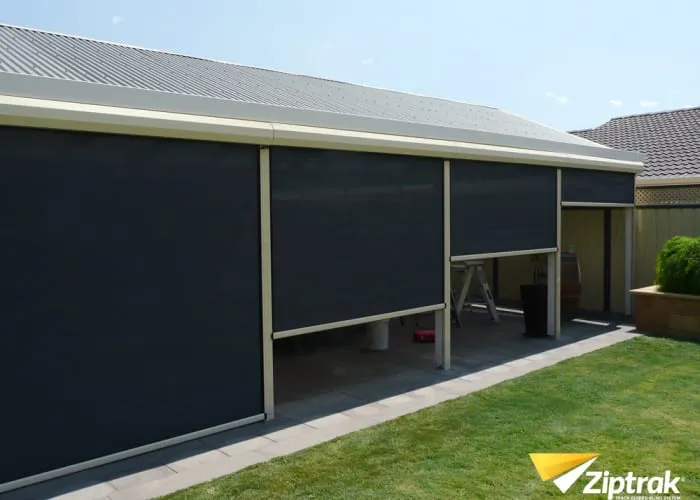
Why Should You Use Outdoor Blinds for Your Home? Enhancing your residential space with outdoor blinds offers far more than just sun protection — it transforms your lifestyle, boosts home value, and adapts your living areas to diverse weather conditions. For premium outdoor blinds in Perth, explore quality options that perfectly suit your home’s needs. This comprehensive guide reveals why outdoor blinds are a smart investment for homeowners, blending practical benefits with emotional comfort. While primarily designed for residential comfort, many outdoor blind solutions are versatile and widely used in commercial properties for sun protection and privacy. commercial uses for outdoor blinds.
Understanding Outdoor Blinds and Their Role in Residential Spaces
What Are Outdoor Blinds?
Outdoor blinds are exterior shading solutions designed to be installed on patios, verandas, balconies, and other open-air home spaces. Unlike indoor window treatments, outdoor blinds are specifically engineered to withstand exposure to sun, wind, rain, and dust while enhancing privacy and comfort. They function as protective screens that help regulate light and temperature, creating a versatile barrier between your home’s interior and the outside environment.
Outdoor window shades come in various fabric and frame styles that differ significantly from their indoor counterparts in durability and weather resistance. Their ability to enclose and shade outdoor areas effectively turns previously underutilized spaces into functional extensions of your home. It’s important for homeowners to familiarize themselves with the various types of outdoor blinds available to select what best suits their needs.
Common Materials Used in Outdoor Blinds for Homes
The choice of material strongly influences the performance and appearance of outdoor blinds. Popular fabric types include:
- Sunscreen fabric: This material features a specific fabric openness factor, which refers to the percentage of open space in the weave. A lower openness factor blocks more sun and heat, while a higher one improves airflow and outward visibility. This makes sunscreen fabric ideal for balancing privacy, UV protection, and natural light.
- Blockout fabric: Designed for full privacy and maximum sun blockage, blockout fabrics protect outdoor living areas from intense heat and glare, creating shaded retreats with high fabric opacity.
- Clear PVC blinds: These transparent options shield against wind and rain while maintaining natural light and views, often used for customizable outdoor enclosures.
Understanding the differences between blockout, translucent, and sunscreen blinds helps homeowners select the best fabric based on privacy, light control, solar heat gain reduction, and climate needs.
For more details, see the materials guide for outdoor blinds to make informed choices for your home.
Homeowners exploring different styles may also consider cafe blinds as an attractive and practical option for versatile outdoor shading. These designs offer a blend of style and function, perfect for creating charming outdoor atmospheres.
How Outdoor Blinds Differ from Indoor Window Treatments
Outdoor blinds are built to endure external conditions that indoor blinds cannot. Their fabrics and frames are UV-resistant, waterproof or water-repellent, and constructed from materials that prevent fading and corrosion over time. While indoor blinds primarily focus on style and light control, outdoor blinds prioritise weatherproofing, privacy in open areas, and thermal performance. The mounting system also varies; outdoor blinds require secure fittings to cope with wind loads, making installation more robust compared to indoor treatments.
Transitioning from understanding what outdoor blinds are, we now explore their broad range of benefits to homeowners.
Key Benefits of Outdoor Blinds for Homeowners
Sun and UV Protection to Safeguard Your Family and Furnishings
Protecting your family from UV ray exposure is crucial, as unfiltered sun can cause skin damage and accelerate fading of outdoor furniture and decking. Outdoor blinds act like a sunscreen for your patio, blocking up to 90% of harmful UV radiation depending on fabric choice. According to Cancer Council Australia (2024), shading devices can reduce UV exposure significantly, lowering health risks. Additionally, shielding your outdoor furnishings preserves material integrity and appearance, saving replacement costs long term.
Especially when paired with UV protection with Clear PVC café blinds, homeowners achieve a versatile barrier against sun damage while maintaining outdoor aesthetics.
Enhanced Privacy for Outdoor Living Areas
Outdoor blinds create a private sanctuary by screening your outdoor spaces from neighbors and passerby. This added privacy fosters a peaceful environment, allowing families to enjoy alfresco dining, playtime, or relaxation without feeling exposed. The psychological benefit of having a secluded outdoor area can reduce stress and increase enjoyment of your home.
The ability to control visibility with varying fabric types—from partially transparent sunscreen materials to opaque blockout fabrics—lets homeowners tailor privacy levels while still allowing natural light and airflow, striking a balance between solitude and openness.
Weather Resistance: Shielding Against Rain, Wind, and Harsh Conditions
Unlike curtains or umbrellas, outdoor blinds provide solid protection from the elements. They shield patios and verandas from wind gusts, light to moderate rain, dust, and even insects, making your outdoor living space usable in diverse weather. Weatherproof blinds reduce the risk of water damage to outdoor furniture and flooring by keeping wetness at bay.
Not all blinds are created equal, but many feature high-quality fabrics and frame designs that meet weatherproof standards, offering reliable outdoor comfort. Learn more about the weather protection capabilities of outdoor blinds to choose what suits your climate.
Energy Efficiency and Heat Reduction Inside Homes
Outdoor blinds contribute significantly to reducing indoor temperatures by blocking sunlight before it penetrates window glass. This solar heat gain reduction decreases reliance on air conditioning, driving down energy bills. According to the Australian Department of Energy (2024), well-installed exterior shading can cut cooling costs by up to 40% in hot climates.
Incorporating outdoor blinds into your home’s shading strategy supports sustainable living and thermal comfort. They act as an insulation layer, similar to thermal curtains indoors, but function on the exterior to intercept heat at the source. This passive shading method protects your family’s comfort and lessens your environmental footprint.
Aesthetic Enhancement and Home Value Improvement
Beyond practical perks, outdoor blinds enhance the curb appeal of your home. They provide a sleek, modern look that complements architectural styles while adding definition to outdoor areas. A well-chosen set of outdoor blinds can instantly refresh your patio or veranda, boosting your home’s marketability.
Real estate experts note that upgrades improving outdoor usability and appearance often positively affect home resale value. Impact of outdoor blinds on property value is increasingly recognised as a worthwhile investment by homeowners seeking both comfort and long-term asset growth.
Understanding these key benefits sets the stage for seeing how outdoor blinds can revolutionize your home’s outdoor spaces.
How Outdoor Blinds Transform Your Outdoor Living Spaces
Creating Comfortable, Usable Patios, Verandas, and Balconies
Outdoor blinds convert open-air patios into weather-protected retreats where family gatherings, meals, and relaxation happen year-round. They allow for shading on hot sunny days, wind protection during cooler months, and even shelter from surprise showers. This transformation makes outdoor areas more comfortable and functional, effectively adding living space without costly renovations.
To maximize the benefits of outdoor blinds, understanding effective use of indoor and outdoor roller blinds is essential.
Extending Seasonal Use of Outdoor Areas
Many homeowners experience limited use of their outdoor spaces due to adverse weather or excessive sun. Outdoor blinds extend the usable season by mitigating harsh climatic conditions. For example, in hot Australian summers, sunscreen blinds reduce glare and heat, while in transitional seasons, blockout or clear PVC blinds provide wind and rain protection.
This extension means you can enjoy your veranda, patio, or balcony through more months of the year, enhancing family time and outdoor living quality.
Real-Life Scenarios and Homeowner Testimonials Demonstrating Lifestyle Benefits
Jane, a Perth homeowner, shares: “Installing outdoor blinds on our patio made all the difference for afternoon family dinners. Before, it was unbearably hot and bright, but now it feels like an outdoor room where we relax comfortably.”
Another resident, Mark, notes: “With young kids, the wind and sun protection outdoor blinds offer means our backyard is safer and more enjoyable. It’s like adding another room without the building hassle.”
In coastal suburbs, homeowners often choose clear PVC for breezy, rain-prone afternoons, while inland families may prefer sunscreen fabric for summer shade and better airflow. These testimonials highlight the emotional and practical uplift that outdoor blinds bring — a blend of comfort, usability, and peace of mind.
Next, we turn to the practical side — installation and considerations to ensure outdoor blinds deliver their full value long term.
Installation and Practical Considerations for Residential Outdoor Blinds
High-Level Overview of Residential Installation Processes
Residential outdoor blind installation generally involves measuring the outdoor space accurately, selecting suitable mounting points on walls or eaves, and securing the blind frames and rollers. Professional installers often recommend starting with a detailed assessment to determine wind exposure, sun angles, and potential attachment surfaces.
While some DIY-savvy homeowners undertake installation themselves, engaging experts helps ensure optimal performance and longevity. Typical installation takes a few hours depending on the number and type of blinds.
For homeowners considering roller-style outdoor blinds, following expert advice on selecting the best roller blinds in Perth can simplify decision-making.
Before installing outdoor blinds, it’s important to review key considerations before choosing outdoor blinds that can influence your choice and installation success.
Choosing the Right Material Type for Your Climate and Home Style
Material choice depends largely on your local climate and aesthetic preferences. For Mediterranean or hot, sunny climates, sunscreen fabrics with a suitable fabric openness factor provide the best balance of shade and airflow while still allowing outward visibility. In cooler or windier regions, blockout or custom solutions like Clear PVC café blinds in Perth help enclose spaces more thoroughly. For many homes, the best choice also depends on whether you want a modern, open feel or a more enclosed outdoor room, so material durability, color options, and maintenance needs should all align with your home’s style and daily use. If you prefer convenience, motorized outdoor blinds.
Understanding the differences between popular systems such as Ziptrak and Slidetrack outdoor blinds can also guide your selection process.
Complying with local standards is vital, so familiarize yourself with the regulations governing outdoor blinds in WA to ensure a smooth installation.
Maintenance Insights to Ensure Longevity Without Overlap
Maintaining outdoor blinds involves routine cleaning to remove dirt, dust, and debris using gentle solutions and soft cloths. Regular upkeep prolongs fabric life and appearance. Many modern outdoor blinds feature dirt-resistant coatings and weatherproof treatments requiring minimal attention.
Refer to specialized guides for detailed cleaning and maintenance tips for outdoor blinds to keep your blinds performing at their best without risking damage.
Adaptation to climate is fundamental, so let’s next explore how outdoor blinds respond to diverse weather conditions effectively.
Climate Adaptation: Why Outdoor Blinds Are a Smart Choice for Diverse Weather Conditions
How Outdoor Blinds Help Homeowners Adapt to Hot and Sunny Climates
In hot climates, outdoor blinds reduce solar heat gain significantly, regulating the interior temperature and providing comfortable shaded zones outside. This helps homeowners cope with high UV index days by decreasing glare and lowering the radiant heat from direct sunlight. Optimizing shading using sunscreen fabrics with appropriate fabric openness factors ensures air circulation while blocking heat.
Choosing the best outdoor blinds for Australian climates helps optimise performance in challenging weather conditions.
Protective Benefits in Rainy and Windy Environments
For regions exposed to sudden rain or gusty winds, water-resistant materials and sturdy frames help outdoor blinds create seals that keep outdoor furniture dry and maintain warm zones. Windproof features prevent flapping and fabric wear, preserving blind integrity over multiple seasons. Clear PVC blinds often augment protection, especially in climates with mixed weather patterns.
Understanding the waterproof qualities of outdoor blinds helps homeowners select appropriate solutions for protection against rain.
Tailoring Outdoor Blinds Solutions Based on Regional Weather Patterns
Regional differences in climate determine the optimal outdoor blind type:
- In coastal or windy areas, heavy-duty framing with blockout blinds resists debris and wind pressure.
- Hot, dry zones benefit from high UV-blocking sunscreen fabrics that promote ventilation.
- Temperate climates might combine clear PVC blinds for rain protection with sunscreen shading for summer months.
Understanding local weather enables homeowners to choose weatherproof outdoor blinds in Perth or elsewhere, ensuring tailored solutions that maximize comfort and durability.
Finally, addressing common homeowner questions further clarifies the value and practicalities of outdoor blinds in residential settings.
Frequently Asked Questions About Using Outdoor Blinds in Homes
Frequently Asked Questions
What are the main benefits of installing outdoor blinds on my home?
Outdoor blinds improve comfort, privacy, and weather protection while helping reduce heat and glare. They can make patios and balconies far more usable, support energy efficiency, and add style to your home’s exterior. Many homeowners also view them as a practical upgrade that may improve property appeal.
How do outdoor blinds protect against sun damage and UV rays?
Outdoor blinds use UV-resistant fabrics that block or filter harmful rays before they reach your living space. This helps reduce skin exposure, protects furnishings from fading, and lowers glare. According to Cancer Council Australia (2024), effective shade is an important part of reducing UV-related risk.
What types of outdoor blind materials are best for different climates?
Sunscreen fabrics work well in hot, sunny climates because their fabric openness factor supports airflow while reducing UV exposure. Blockout fabrics suit cooler or more private spaces, and clear PVC is ideal where rain and wind protection matter most. The best choice depends on your local weather and lifestyle.
Can outdoor blinds help reduce my home’s energy bills?
Yes. Outdoor blinds reduce solar heat gain by stopping heat before it enters your home, which can lower cooling demand during warmer months. According to the Australian Department of Energy (2024), exterior shading can deliver meaningful savings in hot climates, especially when combined with passive shading strategies.
How difficult is it to install outdoor blinds, and should I hire a professional?
Installation usually requires accurate measuring, secure mounting, and attention to wind exposure. DIY may be possible for experienced homeowners, but professional installation is often recommended for better fit, durability, and compliance with local requirements. Expert installers can also advise on climate-specific placement and material selection.
Do outdoor blinds improve the privacy of my outdoor living areas?
Yes, outdoor blinds can significantly improve privacy by limiting sightlines into patios, verandas, and balconies. Sunscreen fabrics offer filtered visibility, while blockout fabrics provide a more secluded feel. This lets you enjoy alfresco meals, family time, or quiet relaxation with greater comfort and confidence.
How do I maintain and clean outdoor blinds to extend their lifespan?
Regular maintenance is simple: remove dust and debris with a soft brush or cloth, then clean with mild soap and water when needed. Avoid harsh chemicals or abrasive tools.
Are outdoor blinds suitable for all types of homes and outdoor spaces?
Outdoor blinds are highly versatile and can suit many home types, including houses, townhouses, apartments, and duplexes. They can be customised for patios, balconies, verandas, and pergolas. The best results come from matching the blind style, material, and mounting system to your space and climate.