
Indoor and Outdoor Roller Blinds: 5 Effective Ways
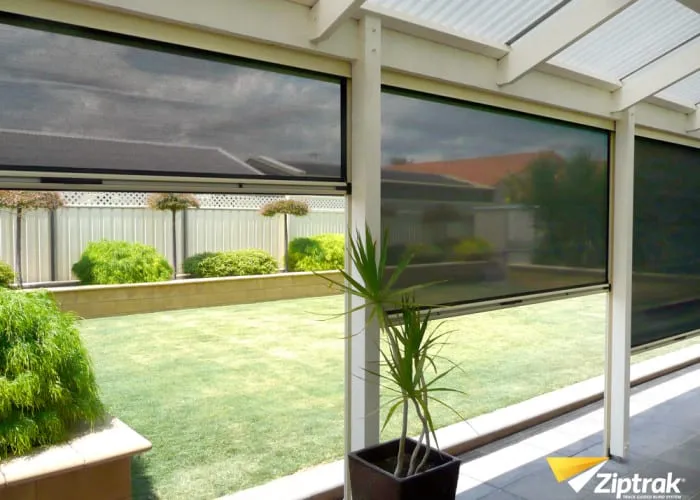
5 Effective Ways to Use Indoor and Outdoor Roller Blinds can transform your living and outdoor spaces by seamlessly blending function and style. Explore our range of outdoor blinds to find styles and materials suited to your home. From tailored light control to climate management and privacy enhancement, this guide reveals practical strategies to unleash the full potential of roller blinds with customization options like made to fit roller blinds and cut to size roller blinds.
If you are comparing products early in the process, it helps to understand the core fabric types first: blockout fabrics are designed to block most or all light; translucent fabrics soften daylight while preserving brightness; and sunscreen fabrics reduce glare and UV exposure while still allowing some outward visibility. That distinction matters because the right blind can improve comfort, protect furnishings, and reduce energy use in very different ways depending on the room and orientation.
For homeowners in Perth and surrounding suburbs, the advantage is even greater because strong sun, afternoon heat, and coastal conditions make outdoor blinds Perth a practical addition for both entertainment areas and interior windows. Whether you are planning a DIY upgrade or a professional install, the key is to match fabric opacity, mounting style, and control method to your exact needs. In many cases, a well-chosen blind is not just a window treatment; it is part of the home’s thermal and visual comfort system.
Maximizing Light Control with Indoor and Outdoor Roller Blinds
Effective natural light management is a cornerstone of comfortable and energy-efficient living environments. Indoor window shades and outdoor roller blinds allow precise adjustment of sunlight penetration, reducing glare reduction issues, protecting interiors from UV damage, and improving ambiance. Using high-quality outdoor blinds Perth on your patios and al fresco areas enhances these benefits, providing both functional shading and aesthetic improvements while contributing to solar heat gain reduction. In practice, the best setup is rarely “all open” or “all closed”; it is a controlled balance between brightness, privacy, and thermal comfort.
When planning a shading strategy, start by asking how you use the room at different times of day. A home office may need low glare for screens, a bedroom may need blockout performance for sleep, and a living room may benefit from softer filtered light. Outdoor spaces often need a different approach again, because they must manage harsh sun, maintain airflow, and create shade without making the area feel enclosed. This is where fabric opacity, control system choice, and correct placement all work together.
Understanding natural light management through indoor window shades
Indoor roller blinds use a range of fabrics with varying opacity levels—sheer, translucent, sunscreen, and blockout—to control light filtration and thermal comfort. Sheer and translucent fabrics soften incoming daylight, reducing glare without darkening rooms, ideal for mood enhancement and maintaining visual connection with outdoors. Blockout fabrics provide complete light blockage for privacy and screen severe sunlight, protecting interiors from UV damage and preventing furniture fading. Understanding the balance between light diffusion and fabric opacity is essential for customized natural light regulation, enhancing energy savings and ambience simultaneously.
In more technical terms, the way a blind handles light depends on weave density, coating, colour, and how tightly the fabric sits within the window frame. A lighter translucent blind may be perfect for a breakfast nook because it spreads daylight evenly and keeps the room feeling open. A darker blockout blind, by contrast, is often more suitable for bedrooms, nurseries, or media rooms where low light levels matter more than outward views. Sunscreen fabrics sit between these two extremes, giving you glare reduction and UV protection while still allowing daytime visibility.
To get the best result, consider the room’s wall colour, floor finish, and window size. Bright surfaces can reflect more daylight and increase apparent glare, even when the blind is partially lowered. In those cases, a slightly denser fabric or dual-layer solution may be needed. In commercial settings or street-facing homes, privacy window treatments can also help reduce distraction while keeping the space welcoming.
For a deeper technical comparison, see our guide on the differences between blockout, translucent, and sunscreen roller blinds. The Australian Window Furnishing Association (AWFA) is also a useful reference point for product standards and terminology, especially when comparing opacity, UV performance, and finish quality. If you are unsure which fabric best suits the room, request samples and view them in both morning and afternoon light before ordering.
Using cut to size roller blinds for perfect fit and optimized light filtration
The key to maximizing light control is accurately fitting your roller blinds. Cut to size roller blinds allow tailored coverage to match uniquely shaped or sized windows, eliminating gaps where unwanted light leaks and UV penetration occur. Precise measurement and a near-sealed fit curb glare hotspots and errant light beams, enabling optimized daylight filtration and visual comfort. Using professional measurement tools or guides ensures correct sizing, ultimately promoting even light dispersion and minimal heat loss or gain through window thermal bridging.
Custom sizing becomes especially important when the room has recessed windows, uneven reveals, architraves, or narrow frame clearances. Even a few millimetres of poor fit can cause light to leak along the sides, which can undermine both privacy and the visual quality of the room. A properly sized blind also looks cleaner, because it sits in proportion with the frame and avoids the “floating” appearance that can happen with off-the-shelf products.
For best results, measure width in more than one place and use the smallest reading where a recess fit is required. Then measure drop carefully to account for brackets and any obstruction such as handles, locks, or tiles. If you are comparing options, our installation tips for roller blinds article explains how to avoid common sizing mistakes and prepare the opening correctly. In many homes, made-to-measure is the difference between a blind that merely covers a window and one that genuinely performs.
Custom fitting also supports thermal performance. By reducing perimeter gaps, you reduce convective air movement near the glass and improve the blind’s effective insulating value. That is why cut to size products are often recommended in rooms where temperature control matters as much as daylight control. In hot climates like Perth, that can translate into noticeably more comfortable rooms during the afternoon peak.
Combining light control with privacy solutions indoors and outdoors
Light control and privacy solutions often intersect, as certain fabrics provide daytime visual obstruction without compromising light quality. Translucent roller blinds filter daylight, maintain indoor brightness, and shield interiors from external views, ideal for rooms facing street or communal areas. Outdoors, roller blinds with adjustable openness settings and layered installations soften direct sunlight, maintain airflow, and create private, comfortable alfresco zones. Indoor layering with curtains enhances privacy further while offering insulation and sound dampening benefits, balancing texture and functionality in any space.
Privacy is not only about stopping people from seeing in; it is also about controlling how visible your home feels from the outside. A well-chosen blind creates visual obstruction at the right moments without making the room dark or boxed in. That is particularly useful in open-plan homes, where the same window may need to support daytime brightness, evening privacy, and occasional security cover all in one day.
For outdoor spaces, privacy solutions can help define the boundary between your entertaining area and neighbouring properties. A partially lowered sunscreen blind on a patio can reduce sightlines while keeping the area breezy and usable. On verandas, layering the blind with fixed screens or side panels can create a more enclosed retreat without sacrificing too much natural light. If your priority is a more comprehensive set of privacy window treatments, consider how the blind operates at different heights and whether the fabric allows enough visibility out for comfort.
Indoor privacy can also be improved by coordinating the blind with curtains or sheers. This gives you more control across the day: blinds manage the immediate window opening, while curtains add depth, insulation, and softness. In bedrooms, for example, a translucent blind with a heavier curtain can provide daytime privacy and night-time blockout. In living rooms, the same combination gives a more polished finish while still allowing you to tune the mood.
Examples of roller blind placement for effective glare reduction
Strategic placement enhances glare control efficacy: south- and west-facing windows endure intense mid-afternoon sunlight, benefiting from cut to size roller shades with higher UV filtration and thermal resistance to block harsh glare and reduce heat absorption. East-facing rooms or breakfast nooks gain from lighter indoor blinds that diffuse early morning sun, preserving soft natural light. Outdoor roller blinds installed on verandas and patios reduce glare and maintain ambient brightness—improving enjoyment of outdoor living spaces without excessive shading. Tailoring placements according to solar orientation and fabric choice maximizes energy efficiency and visual comfort.
In practical terms, the best placement strategy depends on when the sun hits the glass, how long that exposure lasts, and what is happening inside the room. A west-facing study may need a sunscreen blind that stops screen reflection during the late afternoon. A north-facing living area may only need a translucent fabric that softens overhead light. A patio facing strong afternoon sun may benefit from a denser outdoor fabric or lower drop level to intercept direct rays before they reach seating areas.
Solar orientation matters because it determines the angle and intensity of incoming light. East-facing windows typically receive more low-angle morning sun, which can feel pleasant but still cause glare. West-facing glazing often receives the harshest heat load late in the day. South-facing areas may require more flexible control depending on season, while north-facing windows can be useful for passive daylighting. Matching blind position to orientation gives you more comfort with less reliance on artificial lighting or air conditioning.
Mastering the differences between blockout, translucent, and sunscreen roller blinds is crucial to optimizing light control. For technical standards on window shading, the Australian Window Furnishing Association (AWFA) offers authoritative guidelines on fabric opacity and performance factors, including UV protection and glare reduction.
With a solid foundation in light management strategies, let’s explore how to enhance privacy and security in your indoor and outdoor living spaces.
Enhancing Privacy and Security in Living and Outdoor Spaces
Customizing roller blinds provides effective privacy window treatments while bolstering home security. Whether indoor or outdoor, properly fitted roller blinds improve visual obstruction to deter onlookers and protect interiors, with added benefits from motorized controls for discreet operation and quick adjustment. In homes where windows open onto streets, driveways, pools, or shared boundaries, the ability to control sightlines quickly is often as valuable as the visual styling itself.
Privacy should be thought of as both daytime and night-time performance. During the day, a blind may prevent outsiders from seeing details inside while still allowing you to enjoy daylight. At night, when internal lights are on, the same blind may behave very differently. That is why fabric choice, mounting type, and whether you use additional layers all matter when selecting a privacy-focused solution.
Tailoring made to fit roller blinds for customized coverage
Made to fit roller blinds ensure complete window coverage, eliminating gaps that compromise privacy and security. This customization is essential for irregular or oversized windows, gaps near frames, or unique architectural elements. By preventing light leaks and visual intrusion, these bespoke roller blinds create a consistent privacy shield while complementing varied window configurations. Professionals recommend always opting for tailored fittings to maximize both thermal resistance and visual obstruction.
Note: Professional measurement and installation are strongly advised to guarantee precise fit and effectiveness.
Custom coverage is particularly valuable where windows have awkward returns, corner situations, or uneven wall surfaces. Standard blinds may leave a sliver of exposure at the edges, which can be noticeable from both inside and outside. Tailored products solve that problem by aligning the blind more precisely with the opening, improving appearance and performance at the same time. This is especially important for bedrooms, bathrooms, home offices, and any room where privacy is non-negotiable.
Made-to-fit options also support security by limiting what can be seen from outside after dark. While a blind cannot replace alarms, shutters, or locks, it does reduce casual visibility of valuables, interior layouts, and movement inside the home. That visual obstruction can be enough to make a property feel less exposed. If your project includes unusual openings, it is sensible to compare made to fit roller blinds with other bespoke window solutions before ordering.
Important note: if the opening involves high windows, difficult access, child safety requirements, or motor wiring, professional installation is strongly recommended. Safety and accuracy matter more than speed, and a correctly installed blind will usually last longer and perform better.
Privacy benefits of indoor roller blinds vs. outdoor roller blinds
| Feature | Indoor Roller Blinds | Outdoor Roller Blinds |
|---|---|---|
| Privacy Level | Moderate to High (depends on fabric opacity) | High (blocks direct sightlines from outside) |
| Security Enhancement | Limited (primarily visual obstruction) | Moderate (reduces visibility and limits access view) |
| Usage Context | Living spaces needing daytime privacy and light control | Outdoor patios, verandas, and commercial areas |
| Operation | Manual or motorized for smooth, discreet use | Typically motorized for durability and rapid adjustment |
This comparison helps you decide the best choice for your needs, and further guidance is available in our article on essential considerations for outdoor blinds. Remember that outdoor roller blinds not only block views but also contribute to home security by visually obstructing entry points.
Indoor blinds are usually the better choice where you need privacy inside a single room but still want easier operation and a cleaner look against the window frame. Outdoor blinds, by contrast, are more effective when the goal is to shield an entire alfresco area or reduce visibility from multiple outside angles. Because they sit externally, they can create a stronger sense of enclosure and can be particularly effective around patios and pools.
Both options can be useful, but they solve different problems. If your priority is daytime comfort in a bedroom, indoor blockout or translucent fabrics may be ideal. If your priority is shielding a veranda from neighbouring sightlines, an outdoor blind often performs better because it intercepts the view before it reaches the glass or seating area. In some homes, combining both is the most practical answer.
Layering indoor window blinds with curtains for enhanced privacy
Layering blinds with curtains offers multi-level privacy and aesthetic appeal. Sheer roller blinds beneath heavier curtains maintain daylight while ensuring privacy during the day. This layering also enhances insulation by creating an additional air barrier and helps diffuse light softly. Texture and opacity contrasts add design depth and improve sound insulation, creating quieter, cozier interiors—a crucial consideration in busy or street-facing homes.
One of the biggest advantages of layering is flexibility. The blind provides the first line of control at the window, while curtains allow you to change the room’s feel instantly without replacing the blind itself. For example, a translucent blind can soften the room throughout the day, while lined curtains can be closed in the evening for extra visual privacy and a warmer, more enclosed atmosphere.
This approach is also helpful in colder months, where the added fabric layer can reduce drafts around the glass and make a room feel more insulated. If you are comparing layered systems with simpler installations, think in terms of use case rather than appearance alone. A room that serves as both a guest bedroom and a TV room may benefit from this dual setup more than a spare room that only needs occasional light control.
Using motorized or automated roller blinds for discreet operation
Motorized or automated roller blinds improve privacy and security by enabling quick, remote control from smartphones or voice-activated smart home systems. Integration with light sensors or timers allows blinds to adjust automatically based on daylight or occupancy, enhancing convenience and energy savings. Such systems reduce wear and tear while providing sophisticated control, ideal for hard-to-reach windows or multi-blind setups. Brands offering smart sensor options include those compatible with Google Home, Amazon Alexa, and Apple HomeKit.
Automation is especially useful in homes where the same blinds are adjusted many times each day. Instead of manually lowering several blinds across a large living area, you can create schedules or scenes that respond to sunrise, sunset, or room occupancy. Common sensor types include light sensors, temperature sensors, and sometimes wind sensors for outdoor systems. Light sensors help manage glare and overheating, while temperature triggers can support climate control by closing blinds during hot periods and opening them when beneficial solar warmth is available.
Smart-home integration can also improve safety and convenience. Parents may use timers to close blinds in children’s rooms before sleep. Travellers can set routines that make the home appear occupied. People with mobility restrictions may find automation essential rather than optional. In all these cases, the blind becomes part of the home’s wider control system, not just a passive covering. If you are exploring the technology in more depth, it is worth checking which motors support hubs, apps, and voice assistants before ordering.
For comprehensive privacy and security solutions, consider combining roller blinds with roller shutters for enhanced protection, particularly for commercial and high-risk residential settings.
Explore additional uses in our articles on commercial outdoor blinds and home outdoor blinds benefits.
Hospitality venues frequently utilize cafe blinds as an elegant weather protection option that enhances privacy while maintaining visibility and airflow.
Climate and Energy Efficiency Benefits of Roller Blinds
Selected roller blinds play an important role in heat retention, climate moderation, and substantial energy savings by improving insulation and solar control around windows. The right blind can act as a simple but effective thermal layer, especially when combined with correct fitting and smart seasonal use. In hot climates, the main benefit is often blocking heat before it enters the room; in cooler weather, the benefit can shift toward reducing heat loss through the glazing area.
From an energy perspective, this is where terms like thermal resistance and R-values become important. Thermal resistance describes a material’s ability to slow the transfer of heat. A higher R-value generally indicates better resistance to heat flow. While roller blinds do not turn a single-pane window into a high-performance façade, they can still improve comfort and reduce demand on heating and cooling equipment, especially when fitted properly and used consistently.
How roller blinds contribute to heat retention and insulation
Indoor roller blinds made from insulated, thermal barrier fabrics form an effective layer trapping warm air between the blind and window glass, thus improving thermal resistance. According to the U.S. Department of Energy, well-chosen window treatments can reduce heat loss by up to 30%, significantly cutting heating costs. These fabrics often have high R-values, which quantify their resistance to heat transfer, helping maintain a comfortable indoor temperature year-round and reducing reliance on artificial heating and cooling systems.
In colder weather, the still air trapped between the blind and the glass acts as a small insulating buffer. That buffer becomes more effective when the blind is fitted close to the frame and used consistently through the evening. On a practical level, this can help reduce drafts near windows and make seating areas feel warmer even when the thermostat is unchanged. In rooms with large glass areas, those improvements can be noticeable in everyday comfort.
It is also worth noting that fabric choice affects heat retention differently from light control. A translucent blind may help with daylight but offer only modest insulation, while a denser blockout fabric or a layered system can improve both privacy and thermal performance. If your home has older windows or exposure to cold southerly winds, the blind may be doing some of the work that the glazing itself cannot do efficiently.
For households comparing the long-term cost of upgrades, improved shading can also support lower energy bills over time. A modest decrease in heating or cooling load each day can add up across a season. That is why many homeowners in Perth, where summer heat can be intense, treat blinds as part of the energy strategy rather than a decorative add-on.
Using outdoor roller blinds to manage solar heat gain
Controlling solar heat gain from outside with outdoor roller blinds is highly efficient, as shading prevents heat from passing through glass where it intensifies internal temperatures. Outdoor blinds use weather-resistant, UV-blocking fabrics that drastically cut air conditioning loads during warm months while protecting interior furnishings from fading. For patios and verandas, options such as clear PVC café blinds provide airflow and visibility while maintaining effective UV protection and glare reduction, ensuring outdoor comfort without sacrificing the view.
Exterior shading is often more effective than interior shading because it intercepts radiation before the glass absorbs and re-radiates heat into the room. That is one reason outdoor roller blinds are often recommended for west-facing windows and open entertaining areas that receive direct afternoon sun. They can also help keep floor surfaces, furniture, and glass doors cooler, which improves comfort even when the indoor temperature is not dramatically changed.
For Perth homeowners, this can be particularly useful through long warm periods. In practical terms, the blind can help reduce how often air conditioning cycles on, especially in rooms with large openings. While exact savings vary according to building design, orientation, and insulation, any reduction in peak solar load can ease the demand on cooling systems and improve livability during the hottest part of the day.
For coastal and exposed areas, choose fabrics and hardware designed to withstand weather, salt air, and wind movement. A professionally installed outdoor blind should be tensioned correctly so it does not flap excessively or suffer premature wear. If you need help selecting a suitable product, see our guide to the best outdoor blinds for Australian conditions as well as weatherproof outdoor blinds for Perth.
Custom sizing (cut to size roller shades) for sealed energy-saving fit
Precisely fitting cut to size roller shades improve energy efficiency by sealing windows to reduce thermal bridging, a common source of heat loss or gain. Gaps around imperfectly fitted blinds reduce insulating performance substantially. A snug, gapless fit enhances the blind’s effective R-value, serving as a thermal barrier that lessens drafts and maintains indoor temperatures. Accurate measuring and professional fitting is key to maximizing this benefit — reinforcing why made-to-measure options are preferred for energy-conscious homeowners.
A tight fit matters because uncontrolled air movement around the edges can weaken the blind’s thermal effect. The better the blind matches the opening, the more effectively it can reduce the exchange of indoor and outdoor air near the glass. This is particularly relevant on windows with deep recesses or irregular surrounds, where a standard-size blind may look acceptable but underperform at the edges.
If you are comparing pricing, remember that the cheapest product is not always the best value if it leaves gaps, twists under load, or needs early replacement. A correctly fitted blind may cost more upfront but can deliver better comfort and more reliable performance over time. This is why many Perth homeowners request a quote for made-to-measure solutions before committing to a final order.
Seasonal adjustments and positioning strategies for climate control
Adjusting roller blinds seasonally supports passive climate control. Opening blinds manually or automatically during winter allows beneficial solar heat ingress, reducing heating needs. Conversely, closing blinds during summer reflects sunlight and minimizes interior heat buildup. Positioning outdoor blinds slightly outside the window frame captures solar radiation earlier in the day, reducing thermal loads indoors. This approach aligns with findings from leading Australian research at the CSIRO on climate-adaptive building materials, emphasizing smart shading designs as vital energy savers.
The key is to use the blind as a dynamic tool rather than a fixed accessory. In winter, opening north-facing blinds during the day can help capture useful heat, then closing them at dusk can slow down heat loss. In summer, the reverse strategy is usually best: close early on hot sides of the house, especially west-facing windows, before the room overheats. Automated systems can make this much easier because they can respond consistently even when no one is home.
When used well, seasonal adjustment supports both comfort and cost control. It can also reduce the load on air-conditioning systems, which is especially helpful in larger homes or rooms with extensive glazing. If you are planning a new build or renovation, this is a good moment to consult with a supplier about how blind placement, shading depth, and solar orientation can work together from day one.
For more insights, explore related topics like waterproof outdoor blinds, weatherproof outdoor blinds, and detailed guides on weatherproof outdoor blinds for Perth. Selecting the best outdoor blinds for Australian conditions also ensures durability and optimal climate performance.
Integrating Roller Blinds into Home Décor and Outdoor Ambiance
Well-chosen roller blinds seamlessly integrate into home décor, enhancing both indoor ambiance and outdoor aesthetics while delivering practical benefits. The best designs do not look like an afterthought; they complement architectural lines, colour palettes, and furniture styles while still doing the hard work of managing light, privacy, and heat. For many homeowners, this is where the purchase begins to feel like an interior design decision as much as a functional one.
Material finish can change the mood of a room more than many people expect. A soft-textured blind can make a minimalist room feel warmer, while a crisp smooth finish can make a casual area look more polished. Outdoors, the blind can help create a sense of room definition, turning a patio into an intentional entertaining zone rather than just an exposed slab.
Color, texture, and material choices for indoor window blinds that match décor
Indoor roller blinds come in a vast array of color palettes, fabric textures, and finishes—from smooth matte to woven and textured patterns. Harmonizing blind colors with wall paint, furniture tones, and flooring materials creates cohesive design harmony. Neutral tones suit minimalist or contemporary styles, while vibrant or patterned fabrics serve as accent features adding personality. Selecting fabrics with different finishes affects the light diffusion and mood, helping personalize both visual and tactile elements to achieve your desired décor atmosphere.
When choosing colour, remember that darker fabrics usually absorb more light and can make a room feel more enclosed, while lighter fabrics often reflect light and maintain a more open feel. That does not mean darker fabrics should be avoided; they are often ideal where blockout performance or contrast is desired. In a room with timber floors or natural textures, for example, a warm neutral blind can complement the interior without dominating it.
Texture matters too. A woven sunscreen fabric can give a casual coastal feel, while a finely finished translucent blind may suit a modern apartment or newly renovated home. Matching the blind to the room’s architectural style helps the whole space feel planned rather than pieced together. If you are unsure, request fabric samples and view them next to furnishings at different times of day.
Outdoor roller blinds as design elements for patios and verandas
Outdoor roller blinds function as architectural accents on patios and verandas. Weather-resistant materials—such as high-grade PVC and synthetic fibers—ensure longevity and retain colour vibrancy despite exposure. Designs can range from contemporary streamlined styles to rustic textured weaves that complement natural surroundings. Using translucent fabrics modulates light without fully obscuring views, preserving openness while enhancing privacy and comfort. Consider stylish clear PVC café blinds in Perth for a modern, UV-protected glazing effect.
In outdoor settings, design decisions must also consider transparency, weather resistance, and how the blind interacts with the surrounding materials. On a timber deck, a neutral fabric may create a relaxed resort feel. On a brick or rendered facade, a cleaner architectural line might be more appropriate. If the goal is to soften a harsh western sun while still enjoying the garden outlook, a sunscreen fabric can offer the right compromise.
Outdoor blinds can also help define zones. They make a dining area feel separate from a circulation path, or a lounge zone feel more intimate. That spatial effect is often overlooked, but it is one of the strongest aesthetic benefits of a well-installed outdoor blind system. In other words, the blind is shaping the room as much as shading it.
Combining roller blinds with other window treatments for layered style
Pairing roller blinds with curtains, roman shades, or wooden venetians adds dimension and layering, enriching both form and functionality. Contrasting materials and colors bring depth and texture, while layers help control light at different times of day. This approach also enhances insulation and noise control, providing versatile style tailored to your living environment.
Layering is particularly effective when one treatment handles performance and the other handles atmosphere. For example, a roller blind can provide the precise light or privacy level, while curtains introduce softness and colour. Roman shades can create a more tailored textile look, while venetians add directional control if you want to redirect daylight. The combination you choose should reflect how much flexibility you need versus how much visual simplicity you prefer.
If you are developing a coordinated scheme, a layered approach often gives the most polished result. It also makes it easier to update the room later, because the blind remains the practical foundation while the decorative elements can change with your styling preferences. For more ideas, see our related privacy window treatments guide.
Customization options: made to fit roller blinds and their aesthetic advantages
Customization ensures roller blinds fit snugly against window frames, creating a sleek, gapless installation free from awkward light leaks or visible hardware. This tailored approach is particularly beneficial for non-standard or irregular windows, delivering both aesthetic elegance and optimal performance. Customized blinds also personalize window treatments, aligning designs with unique architectural features.
There is a strong visual advantage to custom fitting because the blind looks intentional. A blind that finishes neatly within the reveal or aligns precisely outside the frame can make a room feel cleaner and more high-end. That visual precision matters in modern homes, heritage properties with distinctive windows, and renovated spaces where the finish quality is part of the overall appeal.
Design-conscious homeowners can explore different types of outdoor roller blinds and fabric/material guides like the comprehensive outdoor blinds materials guide for Perth homes to align choices with their home’s character. Also consider creative outdoor blinds ideas for Perth homes and the ultimate guide to outdoor blinds in Perth for inspiration and practical advice.
Practical Installation Tips and Basic Maintenance for Longevity
Proper installation and ongoing upkeep are essential to maximize the lifespan, safety, and performance of your indoor and outdoor roller blinds. The best product can still underperform if it is mounted incorrectly, and even a modest blind can last for years if it is cared for properly. This section covers measuring, hardware, cleaning, and when to call in a professional.
Before starting, make sure you know whether your blind is designed for face fit, recess fit, manual operation, chain control, spring assist, or motorization. Each system has different clearance needs and fixing requirements. The same is true outdoors, where wind, moisture, and sun exposure place more demands on the fixings and the fabric.
Measuring and cutting to size: ensuring perfect installation fit
- Measure your window width and drop accurately using professional-grade tape measures, noting recess or face-fit mounting preferences.
- Allow minimal clearance (usually 1–2mm) to enable smooth operation without light gaps.
- For unusual or irregular window shapes, take additional measurements or consult expert services.
- Order cut to size roller blinds made to these precise dimensions from trusted suppliers.
Where possible, measure at least twice and record the smallest width where a recess fit is intended. Check for obstructions such as handles, locks, flyscreens, splashbacks, or skirting. Small errors can affect alignment, operation, and privacy, especially when the blind is installed close to the frame. If you are unsure, using a supplier’s measurement guide can save time and avoid costly remakes.
Cutting to size is not just about the fabric width. It also involves thinking through bracket placement, roll direction, chain side, and how the blind will stack when raised. A clean measurement plan at the beginning makes the rest of the project much easier, and it improves the chance of a professional-looking finish. If your windows are unusually high or difficult to access, treat the measuring process as a safety issue as well as a technical one.
Best practices for installing indoor and outdoor roller blinds
- Secure mounting brackets firmly into wall studs, window frames, or reinforced soffits for stability.
- Use corrosion-resistant hardware like stainless steel or coated fasteners for outdoor installations, ensuring longevity.
- Adhere strictly to manufacturer instructions, especially for motorized systems, to maintain warranty and safety standards.
- Regularly check mounts and blind tension to prevent operational issues such as sagging or uneven rolling.
- Professional installation is highly recommended for complex fittings, motorized blinds, or high windows for safety and precision.
Outdoor installations demand special care because wind movement, moisture, and UV exposure can degrade inferior hardware quickly. Use fittings rated for exterior conditions and ensure the blind is anchored securely enough to cope with weather changes. A poorly fixed outdoor blind can rattle, wear unevenly, or fail prematurely, so quality fasteners matter almost as much as the fabric itself.
For motorized products, the installation process may also involve electrical work, pairing the motor with a controller, and checking that the system is compliant with local safety requirements. In many cases, a licensed installer is the best choice not because the job is impossible, but because a precise and compliant setup protects the warranty and the product’s lifespan. If you want a more detailed process overview, see our installation tips for roller blinds.
Simple daily care and upkeep to extend roller blind lifespan
Routine cleaning prevents buildup and fabric deterioration. Dust indoor blinds gently with a soft brush or vacuum with soft brush attachment. Outdoor blinds benefit from periodic washing with mild detergent and rinsing to remove dirt and mildew. Avoid harsh chemicals or abrasive tools that can damage fabric or coatings. For comprehensive maintenance guidance, refer to our outdoor blinds maintenance tips tailored for local climate conditions.
Maintenance should be light but consistent. For indoor blinds, a quick dusting every few weeks is usually enough to prevent particulate build-up, especially near roads or open windows. For outdoor blinds, after heavy rain or dusty conditions, a rinse may be enough to remove debris before it stains or embeds in the fabric. Always allow outdoor fabrics to dry fully before rolling them up if the manufacturer recommends it, as this helps reduce mildew risk.
If your blind has a motor, check battery life or power supply regularly and keep sensors clean so they respond accurately. If you notice sticking, scraping, or uneven rolling, inspect brackets and end fittings before the issue worsens. Early attention usually prevents larger repairs later. For many Perth homes, simple routine care is enough to keep blinds looking good for years.
When to consult professionals vs. DIY tips for indoor window shades
DIY installation suits standard, straightforward window sizes with clear instructions. However, for specialty windows, heavy fabrics, motorized or automated systems, or where building codes apply, professional installation ensures compliance, safety, and optimal functionality. Many suppliers offer expert measuring and fitting services in Perth and nearby areas like Osborne Park. Always review local regulations and the outdoor blinds regulations in Western Australia to avoid compliance issues.
As a rule of thumb, DIY can be suitable for simple internal blinds when the opening is standard, the blind is lightweight, and you have clear access. Professional help is better when the windows are high, the fit is complex, the blind is heavy, or the project includes wiring, automation, or external mounting exposed to weather. Professional installers also tend to work faster and can reduce the risk of incorrect alignment or damaged surfaces.
If you are planning a larger project, local advice can be valuable. Explore trusted service options in our guides on buying roller blinds in Perth, cleaning and maintenance tips, and custom outdoor blinds solutions in Perth. Planning ahead also involves budgeting, with insights available in our cost of outdoor roller blinds guide (2025).
Local expertise is crucial—learn about trusted installers and retailers in Osborne Park and the wider Perth area. Our overview of types of blinds and blind companies in Perth helps you pick reliable professionals with appropriate accreditation.
Always consult the Australian Building Codes Board (ABCB) and relevant local building regulations to ensure your installation meets all safety and compliance requirements. Where electrical work is involved, use a qualified professional rather than attempting a DIY workaround.
By following these recommended installation and maintenance practices, your roller blinds will maintain optimal performance, aesthetic appeal, and longevity. If in doubt, a site visit or consultation can often save more time and money than trial and error.
Conclusion: Indoor and outdoor roller blinds offer five major benefits: improved light control, stronger privacy, better energy efficiency, more stylish interiors and outdoor spaces, and easier long-term maintenance. With made to fit roller blinds or cut to size roller shades, you can achieve a cleaner look, stronger thermal resistance, and fewer light leaks. Add smart controls, seasonal positioning, and proper installation for even better performance. For the best result, speak with a local Perth supplier or book a consultation to compare fabrics, fittings, and automation options for your home.
Frequently Asked Questions
What are the best ways to control natural light with roller blinds?
The best approach is to match fabric opacity to the room’s purpose. Translucent fabrics soften daylight, sunscreen fabrics reduce glare and UV, and blockout fabrics provide full light control. Window orientation and layering with curtains also improve natural light management.
How do indoor roller blinds differ from outdoor roller blinds in terms of privacy?
Indoor roller blinds usually provide privacy through fabric opacity and layering, while outdoor roller blinds create stronger visual obstruction by blocking sightlines before they reach the glass. Outdoor systems are often better for patios and verandas, where external visibility is the main concern.
Can custom-sized roller blinds improve energy efficiency in my home?
Yes. Custom-sized roller blinds reduce gaps around the frame, which helps limit thermal bridging and air leakage. That can improve thermal resistance, reduce heat loss in winter, and lower solar heat gain in summer, making your home more comfortable and potentially cheaper to run.
What fabrics are best for blocking UV rays and reducing glare?
Sunscreen fabrics are best for UV protection with outward visibility, translucent fabrics are ideal for soft glare reduction, and blockout fabrics are best when you need maximum darkness and privacy. The best choice depends on whether daylight, view, or full coverage matters most.
How should I measure my windows for cut to size roller blinds?
Measure width and height carefully in more than one place, then use the smallest relevant measurement for a recess fit. Check for handles, locks, and frame obstructions, and confirm whether you want inside or outside mounting. If the window shape is unusual, professional measuring is recommended.
Are motorized roller blinds worth the investment for privacy and convenience?
Yes, especially for hard-to-reach windows, multiple blinds, or smart homes. Motorized blinds improve convenience, allow scheduled privacy control, and can work with light or temperature sensors. They often feel more premium and may reduce wear from frequent manual operation.
What maintenance is required to keep outdoor roller blinds in good condition?
Keep outdoor blinds clean by brushing or vacuuming dust away, rinsing fabric with mild soapy water, and letting it dry properly before rolling up. Check brackets, fasteners, and tension regularly, and use corrosion-resistant hardware to help prevent premature wear or mildew.
Can roller blinds be combined with curtains or other window treatments for style and functionality?
Absolutely. Roller blinds pair well with curtains, roman shades, and venetians to create layered style, better privacy, improved insulation, and more flexible light control. This combination is especially useful in living rooms and bedrooms where both appearance and function matter.