
Waterproof Outdoor Blinds: Materials, Ratings & Tips
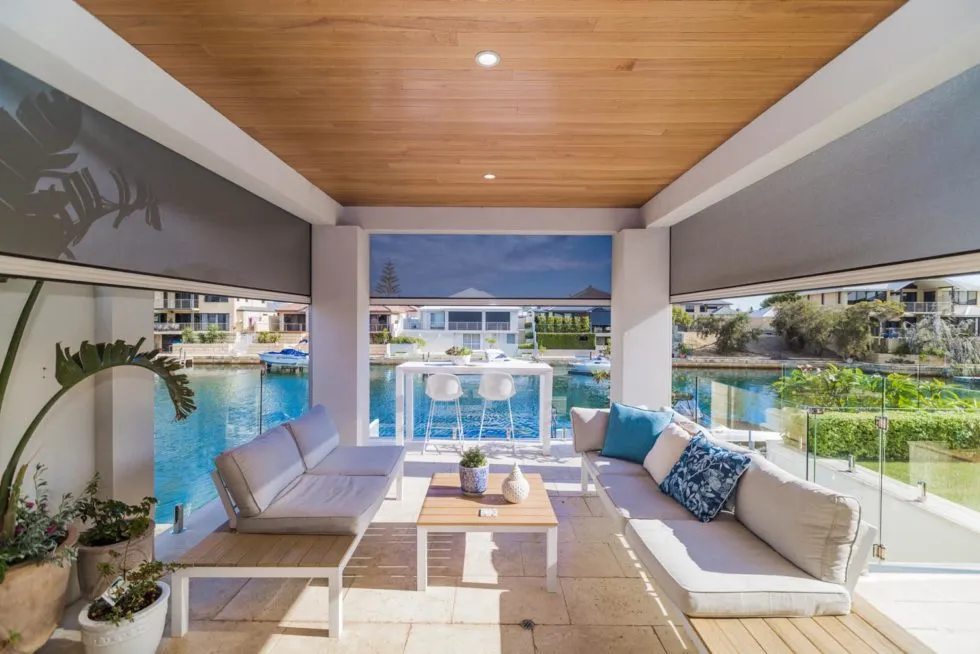
Are outdoor blinds waterproof? It’s a common and crucial question for homeowners investing in outdoor living spaces. Understanding whether your outdoor blinds can keep rain at bay or simply repel water is key to choosing the right product and maximizing longevity. This comprehensive guide breaks down the science of waterproof outdoor blinds, revealing material truths and practical insights tailored for Australian weather conditions.
Understanding Waterproofing vs Water Resistance in Outdoor Blinds
Defining Waterproof and Water-Resistant: Key Differences
The terms waterproof and water-resistant are often used interchangeably, but they describe different levels of protection. A waterproof blind or fabric acts as a true water barrier, limiting moisture ingress and stopping liquid water from passing through under normal use. Water-resistant materials, by contrast, have some resistance to penetration, but their fabric permeability still allows moisture through during prolonged rain, wind-driven showers, or pooling.
In practical terms, waterproofing usually depends on two things: the fabric or membrane itself and the way the blind is installed. A tightly sealed system can reduce water ingress far more effectively than a loose fit, even when both products use similar fabrics. Water resistance, meanwhile, is often achieved through surface finishes that encourage water to bead and roll off rather than soak in.
How Water Resistance Varies Across Outdoor Blind Materials
- PVC blinds often deliver the strongest waterproof performance because the material is naturally non-porous.
- Polyester and acrylic fabrics are usually water-resistant unless they are backed or coated for stronger protection.
- Performance also depends on weave density, coating quality, and how well the fabric is maintained over time.
For example, a tightly woven PU-coated polyester blind can shed light rain very well, but an untreated acrylic fabric may absorb more moisture and take longer to dry. That difference matters in humid Australian conditions, where damp fabrics can remain wet for extended periods and increase the risk of mildew.
Common Misconceptions About Waterproof Outdoor Blinds
- “Waterproof” does not always mean sealed in every condition. Many products are highly water-resistant, but seams, tracks, and fittings can still leak.
- Fabric quality is only part of the picture. Even the best material can underperform if installation leaves gaps or poor drainage paths.
- Waterproofing and UV protection are separate benefits. A blind may be excellent in rain yet still degrade quickly in strong sun without UV-stable materials.
It also helps to remember that consumer expectations are sometimes shaped by marketing language rather than real-world performance. A blind described as waterproof may still be designed primarily as a weather-shedding product, not a fully sealed wall replacement. Reading the specifications carefully avoids disappointment later.
Why Waterproofing Matters for Outdoor Living Areas
Outdoor living spaces like patios, verandas, and alfresco areas are exposed to rain, humidity, and sudden weather changes. In Australia, that can mean wet winters, coastal moisture, and intense sunlight in the same year. Waterproof outdoor blinds help protect furniture, reduce staining, and slow the spread of mold and mildew by limiting how much water reaches the space.
They also improve everyday usability. A dry outdoor area is easier to furnish, cleaner to maintain, and more comfortable to use year-round. For planning and product selection, it can be helpful to compare your options with a broader outdoor blinds materials guide and a guide to choosing outdoor blinds for your home.
In short, waterproofing matters because it protects both the blind and the living space behind it. The better the balance between material science, sealing, and maintenance, the longer the system will perform well in Australian conditions.
Materials Used in Outdoor Blinds and Their Waterproof Properties
PVC Outdoor Blinds: Waterproof Characteristics and Benefits
PVC (polyvinyl chloride) is one of the most reliable materials for waterproof outdoor blinds because it is non-porous and naturally resists liquid water. Clear and tinted PVC options are common in outdoor rooms where visibility, wind protection, and rain protection all matter.
Key benefits include:
- Strong waterproof barrier: Water cannot soak through the material itself.
- Good durability: PVC resists rot, warping, and many moisture-related damage issues.
- Simple cleaning: Smooth surfaces can usually be wiped down with mild soap and water.
The main trade-off is breathability. Because PVC blocks airflow much more than open-weave fabrics, it can trap humidity if the space is enclosed without enough ventilation. That is why PVC often works best where rain protection is the priority and fresh-air flow can still be managed.
Polyester and Acrylic Fabrics: Levels of Water Resistance
Polyester and acrylic fabrics are widely used because they are lightweight, versatile, and often more breathable than PVC. On their own, they are usually water-resistant rather than fully waterproof. Their performance depends on the weave, the backing, and whether they have been treated with coatings.
Polyester can be enhanced with PU or acrylic coatings to improve water shedding, while acrylic fabrics are often chosen for their UV performance and colour stability. However, if the coating wears down, fabric permeability increases and the blind may begin to absorb more moisture during heavy rain.
Specialized Coatings: Teflon, PU, and Other Water-Repellant Treatments
Coatings can dramatically improve how well a blind handles rain:
- Teflon treatments reduce surface tension so water beads and rolls away more easily.
- PU (polyurethane) coatings form a partial water barrier while still allowing some moisture vapour escape.
- Silicone and acrylic finishes can improve repellence, resistance to staining, and overall fabric performance.
These treatments do not last forever. Sun exposure, cleaning methods, and regular use gradually reduce coating performance. That is why maintenance matters as much as the original fabric choice, especially in exposed Australian backyards.
Durability and Moisture-Related Damage Risks Across Materials
When waterproofing is weak, outdoor blinds face several risks:
- Mold and mildew growth: Damp fabric creates an ideal environment for microbial growth.
- Fabric degradation: Prolonged moisture exposure can weaken fibres, cause staining, and shorten lifespan.
- Hardware corrosion: Moisture can damage tracks, brackets, and fasteners over time.
Choosing the right material for the climate, rather than just the look, is one of the most effective ways to prevent avoidable failures. For a deeper comparison of fabric types and performance, see the outdoor blinds materials guide and this practical overview of best outdoor blinds for Australian conditions.
Breathability vs waterproofing: this is often the central trade-off. A more sealed blind keeps rain out better, but it can also reduce airflow and increase condensation. A more breathable blind may feel cooler and dry faster, but it will usually sacrifice some rain protection. The right balance depends on whether your priority is storm protection, comfort, or all-season usability.
Types of Outdoor Blinds and Their Waterproof Performance
Ziptrak and Slidetrack Systems: Waterproofing Capabilities and Limitations
Ziptrak and Slidetrack systems are designed with side tracks that help guide the blind and improve seal integrity. That track-based design reduces gaps, limits water ingress, and creates a more controlled barrier than loose-hanging blinds. When paired with the right fabric, they can perform very well in wet weather.
Roller Blinds: Water Resistance in Various Fabric Options
Roller blinds can be made with a wide range of fabrics, which makes their waterproof performance highly variable. PVC or vinyl roller blinds can offer strong rain protection, while treated polyester or acrylic options usually deliver water resistance rather than a full waterproof barrier.
Because many roller blinds do not have the same side-track sealing as Ziptrak-style systems, installation quality becomes especially important. If you are comparing products, see our tips for choosing roller blinds in Perth WA and effective ways to use indoor and outdoor roller blinds.
Comparison Table: Waterproof Performance by Blind Type
| Blind Type | Typical Fabric | Waterproof Performance | Common Use Case |
|---|---|---|---|
| Ziptrak | PVC or PU-coated polyester | High to near waterproof | Patios and verandas needing strong weather sealing |
| Slidetrack | Clear PVC or treated mesh | High to near waterproof | Outdoor rooms and protected alfresco areas |
| Roller blinds | Polyester, acrylic, or PVC | Medium to high, depending on fabric | Flexible protection with style options |
| Standard fabric blinds | Untreated polyester or acrylic | Low to medium | Shade and light rain protection |
Real-World Use Cases: Effectiveness in Australian Climatic Conditions
In climates like Perth’s, where dry summers can be followed by wet winters, the best blind is often the one that can handle both sun and rain without failing early. PVC-based systems typically perform well during storms, while coated polyester products can be a good middle-ground where airflow matters more than complete sealing.
For a broader comparison, explore the comprehensive guide to different types of outdoor blinds and the weatherproof outdoor blinds in Perth guide. If style and function matter equally, café blinds are another useful option for many Australian homes.
Impact of Installation Techniques on Waterproof Efficiency
Seal Integrity and Water Ingress Prevention
Even the best fabric will underperform if the installation is weak. Strong seal integrity helps stop water ingress at the points where leaks are most likely: edges, corners, and hardware junctions. A good installation creates a continuous path for water to run away from the blind rather than through it.
- Track sealing: Side channels should sit flush against walls or frames and use suitable sealing strips.
- Edge alignment: Bottom rails need to close evenly against thresholds or sills.
- Overlap control: Fabric overlap at joins can help limit seepage through seams.
For practical fitting advice, see our outdoor blinds installation tips guide. It explains how small alignment errors can make a large difference once rain begins hitting the blind at an angle.
Positioning and Angling to Optimize Water Runoff
Water drainage is not just about sealing; it is also about giving water a sensible path to follow. A slight downward angle can help rain run off instead of sitting on the fabric. In some installations, a 5-degree fall is enough to improve drainage and reduce stress on the blind during moderate rain.
It is also worth planning the run-off path around the blind. Water should not be redirected toward electrical fittings, timber framing, or furniture. Where possible, installers should avoid flat ledges and create a clean drainage route away from the living area to prevent pooling.
Integration with Outdoor Structures: Patios, Pergolas, and Verandas
Blind performance improves when it is integrated properly with the surrounding structure. Roof overhangs, pergola beams, and veranda frames can all help reduce direct exposure if the blind is positioned correctly. In the best setups, the blind works with the structure rather than against it.
- Overlap roof edges where practical to reduce splash-back.
- Mount under eaves or recessed openings to reduce wind-driven rain.
- Use gutters, downpipes, and drainage channels to move water away from blind edges.
This drainage optimization is especially important in heavy rainfall. If water collects at the base of a blind, pooling can increase pressure on seals and lead to leaks. Good installers think about how rainwater leaves the roof, where it lands, and where it should flow next.
Common Installation Errors That Compromise Waterproofing
- Misaligned tracks that leave visible gaps.
- Bottom rails that do not sit evenly against the threshold.
- Fasteners that distort tension and create uneven fabric load.
- Insufficient clearance that causes abrasion and coating wear.
- Ignoring manufacturer limits for wind, rain, and installation angle.
These issues are often preventable with careful measuring and experience. For compliance and local installation considerations, refer to regulatory considerations impacting outdoor blind installation in WA.
Maintenance and Care to Preserve Waterproof Features
Cleaning Methods That Protect Water-Repellent Coatings
- Use a soft brush or sponge to remove dirt, dust, and salt buildup.
- Wash with mild, non-abrasive detergent and avoid bleach or harsh solvents.
- Rinse with clean water and allow the blind to dry fully before retracting it.
Cleaning gently helps preserve coatings and reduces the chance of premature fabric wear. If grime is left to build up, it can hold moisture against the surface and slowly undermine water repellence.
Identifying and Treating Mold, Mildew, and Fabric Degradation
Look for dark spots, musty smells, loss of sheen, or fabric softening. These are early signs that moisture is lingering where it should not. Treat problem areas promptly with manufacturer-approved solutions or mild cleaning methods suited to the material.
If mildew returns repeatedly, the cause is often poor drying, trapped condensation, or a drainage issue rather than the cleaning product itself. A blind that stays damp too long usually needs better airflow, better shelter, or both.
When to Reapply Waterproof Treatments
Waterproof treatments do not last indefinitely. In many cases, reapplication is needed every two to three years, although exposed coastal or high-use locations may need attention sooner. Always follow the fabric maker’s guidance, especially if the blind has a warranty tied to approved care products.
Seasonal Maintenance Tips for Humid and Rainy Australian Climates
- Inspect seals and tracks before the wet season begins.
- Clear gutters and drainage paths so runoff does not back up near the blind.
- Retract or secure blinds during severe weather where the product is not rated for exposure.
- Encourage airflow after rain to reduce condensation and drying time.
For local advice, our outdoor blinds maintenance Perth resource offers seasonal care tips suited to Western Australian conditions.
Consumer Expectations vs Product Specifications in Waterproof Outdoor Blinds
Reading and Understanding Waterproof Ratings and Labels
Some products refer to waterproof performance using technical measures such as Hydrostatic Head and IP ratings. Hydrostatic Head measures how much water pressure a fabric can resist before water penetrates. A higher number usually means better resistance to rain, though it does not replace proper installation.
IP ratings usually describe the protection of electrical items, not fabric blinds, but they are sometimes mentioned when blinds include motors or smart components. For example, an IP rating may help you understand whether a motorised blind component is protected from dust or splashing water. For a technical overview, see IEC IP ratings guidance.
In plain terms: a fabric may perform well in rain, while the motor or control housing may need separate weather protection. That distinction matters when comparing product claims.
Manufacturer Claims: What Does “Waterproof” Really Mean?
Manufacturer language can vary widely. Some brands define waterproof as resistance to normal rain exposure, while others use the term for tightly sealed systems that perform far better in storms. Trustworthy suppliers usually explain the limitations, care instructions, and warranty coverage clearly.
- Check what level of rain exposure the product is designed for.
- Review warranty terms and any exclusions tied to installation or maintenance.
- Look for testing data, certification references, or material specifications where available.
Balancing Waterproofing with UV Protection and Breathability
One of the most important buying decisions is how you balance waterproofing with comfort. A more sealed blind can keep rain out effectively, but it may also reduce airflow and trap moisture vapour. That can make the space feel warmer and increase condensation on cooler days.
By contrast, a more breathable fabric can improve comfort and drying time, but it may sacrifice some water barrier strength. The best choice depends on whether your outdoor area is mainly used for storm protection, shade, year-round entertaining, or a mix of all three.
Top Brands Known for Reliable Waterproof Outdoor Blinds (Optional Authority Section)
As an optional authority reference, brands such as Ziptrak and Slidetrack are often associated with reliable sealing systems, durable materials, and clear product support. When evaluating any brand, look for warranty terms, material testing, and installation guidance that supports real-world performance rather than marketing alone.
For more buying guidance, see key considerations before choosing outdoor blinds for your home and our local directory of blind types and companies in Perth.
Conclusion: Making an Informed Choice on Waterproof Outdoor Blinds
Summary of Key Points: Materials, Types, and Maintenance
Outdoor blinds vary widely in waterproof performance. PVC offers the most dependable water barrier, while polyester and acrylic fabrics rely more heavily on coatings and construction. Systems like Ziptrak and Slidetrack can improve sealing, but the installation quality and drainage design are just as important as the fabric itself.
Practical Advice for Selecting the Best Waterproof Outdoor Blinds for Australian Homes
- Choose PVC or heavily coated fabrics for areas exposed to frequent rain.
- Look for sealed systems that reduce water ingress at the sides and base.
- Use experienced installers who understand alignment, drainage, and seal integrity.
- Maintain the blind regularly, especially after wet or windy seasons.
- Balance waterproofing, UV protection, and breathability for the best long-term result.
Final Expert Insights on Long-Term Durability and Performance
True waterproof performance comes from the combination of material science, system design, and installation quality. Very few outdoor blinds are completely impervious in every situation, so the smartest approach is to choose a product that matches your climate, your space, and your maintenance habits.
When those three factors align, waterproof outdoor blinds can deliver reliable protection, better comfort, and longer-lasting outdoor living spaces. For further inspiration, see our stylish and functional outdoor blinds ideas for Perth homes and the guide to best outdoor blinds suited to Australian weather conditions. If you’re ready to compare suppliers, start with outdoor blinds Perth.
Frequently Asked Questions
What is the difference between waterproof and water-resistant outdoor blinds?
Waterproof outdoor blinds form a stronger water barrier and resist moisture ingress under normal use. Water-resistant blinds slow water penetration and shed light rain, but they can still let moisture through during long exposure, wind-driven showers, or poor installation conditions.
Are PVC outdoor blinds fully waterproof compared to polyester or acrylic ones?
PVC outdoor blinds are the closest option to fully waterproof because the material is non-porous. Polyester and acrylic blinds are usually water-resistant unless they include coatings or backing. In heavy rain, PVC generally performs better, especially where protection from moisture is the main goal.
What types of coatings improve the waterproofing of outdoor blinds?
Teflon, PU, silicone, and acrylic treatments can all improve water repellence. Teflon helps water bead off, while PU coatings create a partial membrane that blocks liquid water while allowing some breathability. Coating performance declines with wear, so maintenance matters.
How does proper installation influence the waterproof performance of outdoor blinds?
Installation affects seal integrity, drainage, and water ingress prevention. Even a waterproof fabric can leak if tracks are misaligned, gaps are left at the edges, or water pools at the base. Good installation ensures runoff moves away from the blind rather than through it.
Can waterproof outdoor blinds prevent mold and mildew growth effectively?
They can reduce the risk by limiting moisture absorption and helping surfaces dry faster. However, mold and mildew can still form if condensation is trapped or the blind stays damp for too long. Regular cleaning, airflow, and proper drainage remain essential for prevention.
How often should waterproof coatings on outdoor blinds be reapplied?
Most waterproof coatings need reapplication every two to three years, but heavily exposed blinds may need attention sooner. The exact timing depends on sun, rain, cleaning frequency, and the manufacturer’s instructions. Reproofing on time helps preserve water repellence and fabric life.
Are outdoor blinds with waterproof coatings breathable?
Some are, but not all. PU-coated fabrics often allow limited moisture vapour escape, while PVC is far less breathable. If airflow is important, choose a product that balances rain protection with breathability, because fully sealed options can increase condensation in enclosed areas.
What common installation mistakes reduce the waterproof effectiveness of outdoor blinds?
Common mistakes include poor track alignment, loose bottom sealing, incorrect tension, and ignoring drainage paths. Water pooling near the blind or runoff directed toward the frame can also cause leaks. Careful measuring and correct angling help prevent these problems.
How do I read IP ratings for outdoor blinds and their components?
IP ratings mainly apply to motors, remotes, and electrical parts, not the fabric itself. The first digit shows dust protection, and the second shows water protection. For example, an IP65 component resists dust and water jets, which is useful for motorised outdoor blind systems.