
Outdoor Blinds: 7 Things to Consider for Your Home
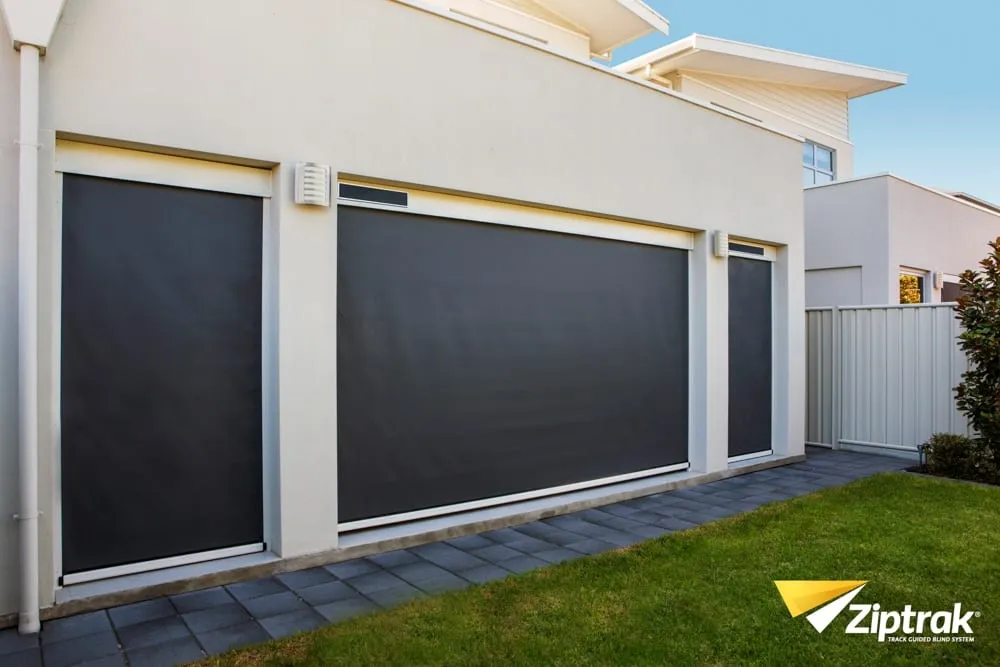
Protect your outdoor space from harsh sun, rain and wind with outdoor blinds suited to Australia’s climate. In a few minutes, you’ll know what matters most: material, weather resistance, privacy, installation, style and budget. For local options and expert installation advice, see outdoor blinds perth.
Understanding Different Outdoor Blind Materials and Their Suitability
Characteristics and Benefits of Bamboo Blinds and Subtypes
Bamboo blinds are natural fiber blinds prized for warmth and texture. Variants like bamboo roll up blinds and matchstick blinds are lightweight, breathable and good for shaded patios. Bamboo is biodegradable and often sustainably harvested, but it needs regular care to avoid moisture and UV damage in humid or coastal areas.
As a natural option, bamboo suits eco-conscious homes. Look for FSC-certified bamboo and other biodegradable materials where possible, especially if you want a lower-waste choice that still feels organic. Untreated bamboo can deteriorate quickly under sun and salt, so UV-treated finishes are worth considering for longevity.
Waterproof and Water-Resistant Fabric Options for Outdoor Use
For stronger weather protection, synthetic fabrics such as PVC and coated canvas provide waterproof or highly water-resistant performance. These outdoor fabrics often feature UV-stabilised coatings, meaning they are treated to better resist breakdown and colour fade from ultraviolet light, plus mildew inhibitors. Waterproof blinds shed rain, while water-resistant blinds repel light moisture—choose based on how exposed your area really is.
Durability and Maintenance Comparison: Rattan, Cane, Fabric, and Plastic Blinds
| Material | Durability | Maintenance | Style |
|---|---|---|---|
| Rattan Blinds | Moderate (sensitive to moisture) | Requires regular cleaning and weatherproofing | Natural, rustic aesthetic |
| Cane Window Blinds | Moderate (best under covered areas) | Avoid extended rain exposure; occasional treatment needed | Textured, tropical look |
| Fabric (Outdoor Canvas, PVC) | High (if UV treated and waterproof) | Periodic washing; quick-dry fabrics minimise mould | Varied colours and opacity |
| Plastic Blinds (Clear Plastic Outdoor Blinds) | High (weatherproof and UV resistant) | Wipe clean; less prone to mildew | Transparent or translucent, modern |
Natural fiber blinds like bamboo and rattan offer strong visual appeal but usually need more upkeep than synthetic options. Plastic and coated fabric systems often deliver a lower total maintenance burden and longer service life. When comparing products, think about cleaning intervals, replacement costs, and how long you want the blind to last.
To compare common systems before you buy, read our overview of different types of outdoor blinds and options such as cafe blinds.
Environmental Impact and Sustainability Aspects of Common Materials
Sustainability varies by material. Bamboo and other natural fiber blinds usually have lower embodied carbon and can be biodegradable at end of life, depending on coatings and fixings. Synthetic fabrics and PVC are durable but have higher petrochemical footprints, so recyclable fabrics, repairable hardware and low-waste manufacturing are better choices where available.
Look for certifications such as FSC for bamboo, supplier sustainability declarations, and product information that references recognised Australian environmental practices or standards. If energy efficiency matters, ask whether the blind supports thermal comfort goals similar to home energy-rating or green-building requirements.
Choosing sustainable materials and repairable systems reduces long-term waste and supports greener homes. For a broader overview, see our guide to weatherproof outdoor blinds in Perth.
Weather Resistance and Climate Adaptability for Australian Homes
Sun Exposure and UV Protection Requirements
Australia’s intense sun makes UV protection essential. Seek blinds with UV-stabilised fabrics or coatings, meaning they are designed to better resist fading and breakdown from sunlight. UV-rated screens and reflective backings help reduce solar heat gain, protect furnishings and improve comfort during long summers.
Handling Rain, Humidity, and Wind: Choosing Water-Resistant and Waterproof Blinds
Regional climate should guide your choice. Use fully waterproof clear plastic or PVC blinds in storm-prone coastal locations; select mildew-resistant, quick-dry fabrics for humid areas. In high-wind zones, choose wind-rated fittings and channel-anchored blinds, plus secure mounting points, to reduce flapping and premature wear.
- Coastal areas: Salt accelerates corrosion—choose synthetic fabric and anti-corrosion fittings.
- Inland/dry zones: Prioritise UV protection and dust-friendly fabrics; natural fibers need UV-stable finishes.
- High wind zones: Use wind-rated systems and reinforced fixings to increase resilience.
Plan for seasonal storage or retraction of delicate blinds during storms to extend service life. For more, consult our ultimate guide to weatherproof outdoor blinds in Perth.
Material Performance in Coastal vs. Inland Climates
Plastic outdoor blinds and waterproof curtains typically outperform natural options near the sea. Inland, with lower humidity but stronger sun, UV-treated bamboo or canvas can perform well if regularly maintained. Ask suppliers about local case studies to confirm suitability for your suburb.
Seasonal Considerations and Longevity
Consider retractable designs to stow blinds during extreme weather. Regularly inspect seams, fixings and fabrics after seasonal storms; re-tighten brackets and replace corroded hardware to avoid progressive damage.
Privacy, Light Control, and Energy Efficiency Considerations
Blackout, Blockout, and Light-Filtering Options Explained
Blackout usually means near-total light elimination for interiors, while blockout is commonly used for heavy light blocking in exterior or covered settings. Light-filtering or sunscreen fabrics reduce glare while maintaining outward visibility. This is useful if you want privacy without turning the space dark.
Enhancing Privacy Without Sacrificing Natural Light
Use sheer screens, woven bamboo or translucent sunscreen fabrics to diffuse sunlight and obscure direct lines of sight. A good outdoor setup balances ventilation and privacy: you want enough airflow for comfort, but enough screening to feel secluded. Layered systems—such as an outer sunscreen with inner roller or roman blinds—offer flexible control.
If you’re comparing options for semi-private spaces, our article on effective ways to use indoor and outdoor roller blinds explains how layering improves comfort and usability.
Contribution of Outdoor Blinds to Home Insulation and Energy Savings
Exterior blinds reduce solar heat gain before it reaches glazing, lowering cooling demand. Fabrics with reflective backing boost insulation effects, especially on west-facing openings. Combined indoor-and-outdoor shading can reduce air-conditioning runtime, potentially lowering energy bills depending on orientation, glazing and local climate.
See practical examples in our article on effective ways to use indoor and outdoor roller blinds.
Combining Blinds With Other Window Treatments for Optimal Control
Pair exterior roller or screen blinds with interior blackout or day blinds for layered thermal and light control. This approach improves comfort and helps manage glare and privacy across seasons. It also gives you more flexibility if you need brighter mornings and darker afternoons
Installation, Size, and Ease of Use Factors
Measuring and Selecting the Right Size: Considerations like 180cm and 240cm Wide Blinds
Accurate measurement is crucial. Measure twice and record width and drop in millimetres. Common widths like 180cm and 240cm suit standard openings, but made-to-measure options are usually the safest choice for a precise fit.
Inside mount means the blind fits within the window or frame for a neat finish, but it requires accurate clearance and can slightly reduce the opening width. Outside mount means the blind is fixed to the wall or architrave and overlaps the opening, giving better light block, easier fitting and more forgiveness on uneven frames. Inside mount looks cleaner; outside mount usually gives stronger coverage.
Tools and steps: use a steel tape measure, spirit level, pencil and ladder. Measure width at three points—top, middle and bottom—and use the smallest measurement for inside mount. For outside mount, add 20–50mm each side for overlap and allow 50–100mm above the opening for brackets and operation clearance. Check for awnings, eaves, screen doors and door swing before ordering. Common mistakes include using a fabric tape, forgetting bracket clearance and measuring to the wrong face of the frame.
When in doubt for large spans or complex structures, book a professional measure to ensure warranty compliance and correct operation. Learn how to get the best blinds in Osborne Park.
Ease of Installation: DIY-Friendly vs. Professional Installation Needs
Some systems are DIY-friendly, including no-drill or easy-install kits that suit sheltered, straightforward openings. Heavy blinds, automated systems, wind-rated products and installs into brick or steel usually benefit from professional fitting for safety, watertight sealing and warranty protection. Check supplier instructions before deciding.
For practical help, see our tips for installing outdoor blinds .
Retractable, Automatic, and Remote-Controlled Blinds – Convenience and Technology
Retractable blinds allow seasonal stowage. Electric outdoor blinds and remote control outdoor blinds offer convenience, timers and integration with smart-home systems—especially practical for large or high openings. Consider battery or solar-powered motors if hardwiring is costly; evaluate motor maintenance, noise levels and warranty terms before buying.
Compatibility With Different Outdoor Structures (Patios, Alfresco, Porches)
Assess eaves, patio roofs and structural fixings before selecting a blind. Systems like external venetian blinds and awning blinds suit specific architectures; consult installers on appropriate anchor points and sealing options.
Find reliable installers and types at types of blinds and blind companies in Perth.
Style, Aesthetic Integration, and Design Harmony
Modern vs. Traditional Outdoor Blind Styles: Matching Home Architecture
Traditional homes suit natural materials such as bamboo, rattan and cane for warmth, while modern homes pair well with streamlined canvas or sunscreen fabrics in neutral greys and blacks. When choosing between modern outdoor blinds styles and softer heritage looks, match the blind shape and finish to your architecture and outdoor furniture.
For more inspiration, browse modern outdoor blinds styles and our guide on coordinating outdoor furniture.
Color, Texture, and Pattern Options (Including Grey, Bamboo Natural Finish, and Canvas Fabrics)
Colour and texture set mood: cool greys for modern minimalism, warm bamboo tones for relaxed lounges. Consider fade-resistant pigments and UV-stable finishes to maintain colour over time. Texture also matters, because woven natural surfaces feel softer while smooth fabrics look more contemporary.
Coordinating Outdoor Blinds With Landscaping and Outdoor Furniture
Think about surrounding greenery, deck finish and seating. Use complementary tones and textures—matchstick window blinds with tropical planting or waterproof fabric blinds with metal outdoor furniture. For help, see our ideas on coordinating outdoor furniture.
Using Outdoor Blinds to Enhance Curb Appeal and Outdoor Living Spaces
Strategically chosen blinds improve visual continuity and can boost perceived property value by creating flexible outdoor rooms. Explore modern outdoor blinds styles to find a look that complements your home.
Commercial outdoor blinds also give businesses practical shading and style—read about their uses.
Budgeting and Long-Term Value: Balancing Cost, Durability, and Style
Initial Investment vs. Maintenance and Replacement Costs
Lower upfront cost items can mean higher maintenance and earlier replacement, while premium synthetic systems often cost more initially but lower lifetime costs. Estimate total cost of ownership by factoring cleaning, repairs, expected lifespan and how often the blind will need recoating or hardware replacement.
Cost Implications of Automated vs. Manual Outdoor Blinds
Automated systems add purchasing and installation costs but often increase convenience and property appeal. Battery or solar motor options reduce wiring costs but add maintenance considerations—check motor warranties, replacement parts availability and whether the control system suits your daily routine.
Sourcing Affordable but Quality Outdoor Blinds (Including Discount and Made-to-Measure Options)
Discount blinds can be cost-effective, but verify measurements, materials and warranty. Made-to-measure blinds ensure better fit and longer service life—compare supplier reviews and after-sales service before buying. A cheaper product that fails early can cost more over time than a slightly better-made alternative.
Warranty, Service, and Supplier Reliability Considerations
Prioritise suppliers with clear warranties and reliable service networks; this protects your investment. Keep purchase receipts and installation records to support any claims. Good after-sales support often matters as much as the first price you see.
For budgeting guidance, consult our outdoor blinds cost in Perth article.
For added security needs, consider roller shutters.
Environmental and Regulatory Factors Specific to Australian Homes
Compliance With Local Council Guidelines and Building Codes
Check local council, strata and heritage rules before installing external blinds—some suburbs limit visible changes or require approval for larger fixed systems. Verify building code implications for structural installs, especially if you’re fixing into masonry, steel or shared walls. In WA, review outdoor blinds regulations in WA or contact your council for specific requirements.
Environmental Sustainability: Materials and Manufacturing Practices
Choose manufacturers that publish sustainability credentials—FSC for bamboo, recyclable fabrics, repairable hardware and low-VOC coatings. Consider modular systems that allow parts to be replaced rather than the whole blind. Ask suppliers for lifecycle information, recycling options and whether their supply chain uses responsible material sourcing.
Impact of Blinds on Home’s Energy Star Ratings and Green Certifications
While Australia doesn’t use an “Energy Star” label for blinds, energy-efficient shading can support home energy ratings and green-building certifications. Ask your assessor whether exterior shading will contribute to your home’s energy efficiency rating, NatHERS outcomes or any local rebate program tied to thermal performance.
Future-Proofing: Selecting Blinds for Changing Weather Patterns and Climate Conditions
Invest in flexible systems—retractable, wind-rated and motorised blinds that adapt to hotter summers and extreme weather. Durable fixings and corrosion-resistant materials help future-proof outdoor shading investments, especially in coastal or high-exposure suburbs.
FAQs and Critical Considerations Often Overlooked
How Do I Maintain Outdoor Bamboo Blinds to Prevent Weather Damage?
Regular dusting and gentle wiping prevent dirt build-up. Apply a suitable weatherproof spray once or twice yearly and ensure rapid drying after wetting. Retract or remove bamboo blinds during prolonged rain or storms. Inspect for mould and re-seal or recoat annually in exposed settings.
Are Electric Outdoor Blinds Worth the Investment?
Electric blinds add convenience, especially for large, high or awkward openings where manual operation is inconvenient. They can improve daily use, reduce wear from over-handling and support smart-home scheduling. The extra cost is usually justified when accessibility, comfort and convenience matter most, though motor upkeep should be budgeted.
Can Outdoor Blinds Provide Adequate Protection During Extreme Weather (Heatwaves, Storms)?
Quality outdoor blinds with UV protection and waterproof features help during heatwaves and light rain. For storms, retractable or removable systems are safer because strong winds can damage even durable blinds. Use wind-rated products and secure anchoring for better protection in exposed locations.
What Are the Best Blinds for Balancing Privacy and Ventilation?
Woven bamboo, sheer screens and sunscreen fabrics permit airflow while obscuring direct sight lines. Adjustable slat systems or layered blinds—such as an outer sunscreen with an inner light-filtering blind—give flexible privacy control without sacrificing ventilation in alfresco areas.
How Do I Match Outdoor Blinds With Indoor Window Treatments for Cohesive Design?
Use complementary colours and textures—pair outdoor sunscreen fabrics with indoor day blinds or similar-toned roman blinds. Coordinate hardware finishes for continuity, and keep the palette consistent across rooms and outdoor zones. That creates a smoother indoor-outdoor flow and a more polished look.
What Materials Are Best for Outdoor Blinds in Australian Climates?
Coastal areas favour PVC or marine-grade synthetic fabrics and corrosion-resistant fittings. Inland, UV-treated canvas or bamboo with protective coatings can perform well. High-wind zones need channel-anchored, wind-rated systems. Choose based on exposure, maintenance willingness and local microclimate.
How Do Waterproof and Water-Resistant Outdoor Blinds Differ?
Waterproof blinds fully prevent water penetration and are typically PVC or sealed systems suitable for heavy rain. Water-resistant fabrics repel light moisture but can allow seepage under prolonged exposure. Choose waterproof systems for storm-prone areas and water-resistant options for occasional wetness.
Can Outdoor Blinds Help Reduce Energy Bills?
Yes. Exterior blinds block solar heat before it reaches glazing, reducing cooling loads and helping lower energy bills. Reflective backings and sunscreen fabrics improve thermal performance, especially on hot façades. Savings vary by orientation, glazing and climate, but exterior shading is one of the most practical upgrades.
Selecting outdoor blinds is a strategic decision—balancing material durability, climate resilience, privacy needs, installation method, aesthetic fit, budget and compliance will give you the best long-term result. For personalised advice, contact our team for a consultation, or visit our outdoor blinds pages to request a measure and quote.
Frequently Asked Questions
What materials are best for outdoor blinds in Australian climates?
Coastal areas usually suit PVC or marine-grade synthetic fabrics with corrosion-resistant fittings because they handle salt and moisture better. Inland homes can use UV-treated canvas or bamboo if maintenance is manageable. In high-wind zones, wind-rated systems and secure fixings are the safest choice.
How do waterproof and water-resistant outdoor blinds differ?
Waterproof blinds are designed to stop water penetration and are better for heavy rain or exposed spaces. Water-resistant blinds repel light moisture but may let water through during prolonged exposure. For storm-prone or coastal areas, waterproof systems generally provide better long-term protection.
Can outdoor blinds help reduce energy bills?
Yes. Outdoor blinds block heat before it reaches your windows, which can reduce cooling demand in summer. Reflective or light-coloured fabrics improve performance further. Actual savings depend on orientation, glazing, airflow and climate, but exterior shading is often a worthwhile efficiency upgrade.
What size outdoor blinds should I choose for my patio or window?
Measure the width and drop in millimetres at three points, then use the smallest measurement for an inside mount. For an outside mount, add overlap on each side and extra height for brackets. If the opening is large or irregular, made-to-measure blinds are usually best.
Are electric outdoor blinds worth the extra cost?
Electric outdoor blinds are worth considering if you have large, high or hard-to-reach openings. They make daily use easier, reduce manual wear and can integrate with timers or smart-home controls. The extra cost is higher upfront, but convenience and accessibility often justify it over time.
How do I maintain outdoor bamboo blinds to prevent damage?
Dust and wipe bamboo blinds regularly, then use a suitable weatherproof sealant once or twice a year. Keep them dry after rain and retract them during prolonged wet or windy weather. Check for mould, cracking and faded edges so you can recoat before damage spreads.
What are the local regulations regarding installing outdoor blinds?
Local councils, strata bodies and heritage rules can all affect outdoor blind installation. Some areas limit visible external changes or require approval for fixed structures. Check with your council before buying, and review outdoor blinds regulations in WA if you’re in Western Australia.
How can I balance privacy with natural light outdoors using blinds?
Choose light-filtering fabrics, woven bamboo or sunscreen screens to soften glare while maintaining privacy. Layering helps too: an outer screen can block direct sightlines while still letting in daylight and air. This approach is ideal if you want comfort without making the space feel closed in.