
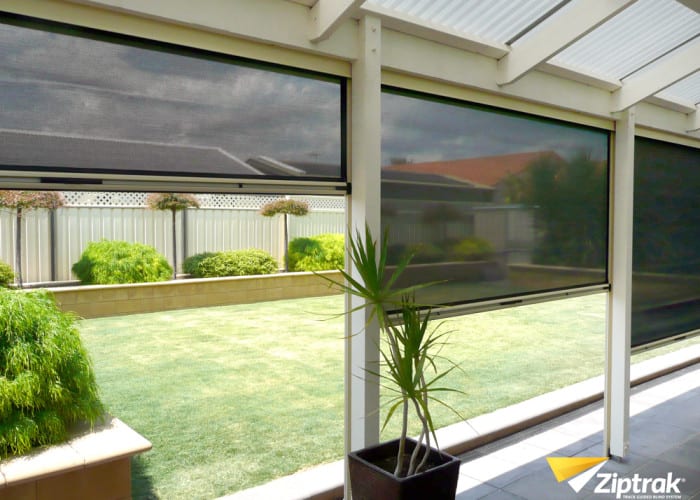
Do outdoor blinds keep out the weather? In many cases, yes — but with important limits. The right system can significantly reduce rain, wind, UV exposure, dust, and heat, helping create a more comfortable outdoor area without building a permanent enclosure. The result is practical weatherproofing for patios, balconies, cafes, and alfresco areas, especially when the blind type, fabric, and installation are matched to local conditions.
This guide explains what outdoor blinds can and cannot do in real weather, including water resistance, wind load, UV protection, thermal insulation, dust control, installation methods, maintenance, and when to consider alternatives such as roller shutters or fixed verandas. If you are comparing styles, our cafe blinds overview is a useful starting point for weatherproof outdoor entertaining areas.
For homeowners wanting a practical buying checklist, our things to consider before choosing outdoor blinds guide explains materials, site exposure, and budget trade-offs. If you are choosing a system for the local climate, our ultimate guide to outdoor blinds in Perth, Australia is also worth reading.
Introduction to Outdoor Blinds and Weather Protection
Outdoor blinds are flexible shading solutions installed on verandas, patios, alfresco areas, shopfronts, and balconies. They create a semi-enclosed space that improves privacy, blocks glare, and helps regulate temperature while offering a degree of protection from environmental elements. Unlike a fixed wall, they remain retractable or adjustable, so you can balance airflow, visibility, and weatherproofing as conditions change.
The main weather elements outdoor blinds are designed to address are rain, wind, UV radiation, dust, salt spray, and heat. Their performance depends on three factors: the fabric, the installation system, and ongoing maintenance. A high-quality product can perform very well in everyday conditions, but it is not usually a fully sealed building envelope. That distinction matters when reading claims such as waterproof, water-resistant, wind-rated, or UV-stable.
In simple terms, weatherproofing means reducing the amount of weather that enters an outdoor area. It does not always mean complete exclusion. For example, a water-resistant blind may repel light rain, while a waterproof PVC blind can better block heavier showers. Similarly, a track-guided system can reduce wind penetration more effectively than a loose-hanging roller blind.
To understand how the different styles compare in practice, see our different types of outdoor blinds guide and our explainer on why to use outdoor blinds for your home.
Key weatherproofing principles include choosing a suitable fabric, matching the system to the wind exposure of the site, ensuring professional installation, and cleaning the blind often enough to preserve coatings and drainage performance. A well-chosen blind should improve comfort in everyday weather and extend the usability of an outdoor living space throughout the year.
Effectiveness of Outdoor Blinds Against Rain
Rain protection is one of the main reasons homeowners and small businesses invest in outdoor blinds. The most important distinction is between waterproof and water-resistant fabrics. Waterproof materials, such as PVC, are designed to stop water penetration under normal use. Water-resistant materials, such as coated polyester or some meshes, repel light rain but may allow moisture through in sustained or wind-driven rainfall.
In technical terms, rain resistance is often discussed alongside hydrostatic pressure — the amount of water pressure a fabric can resist before moisture penetrates. A higher hydrostatic pressure rating generally indicates better rain performance. For homeowners, this simply means the fabric is more likely to hold back water in real-world use. However, water resistance is only part of the equation; seam quality, bottom rails, drainage, and side sealing matter just as much.
| Fabric Type | Water Resistance | Breathability | Common Use |
|---|---|---|---|
| PVC | Waterproof (hydrostatic pressure often > 1000mm) | Low (non-breathable) | Heavy rain protection, clear café blinds |
| Coated Polyester | Water-resistant (hydrostatic pressure often 300-700mm) | Medium | Light rain, sunscreen applications |
| Mesh Fabric | Water-resistant or permeable | High (breathable) | Sun and dust protection, minimal rain protection |
According to manufacturer data from Ziptrak, some PVC blind systems can resist hydrostatic pressure up to around 1500mm, which helps prevent water ingress during heavier showers. That said, the real performance also depends on how much water is forced against the blind by wind.
Rainwater penetration is affected by more than the material itself. The blind needs a path for water to drain away, otherwise pooling can cause leakage even when the fabric is technically waterproof. Good installations typically use bottom rails, drainage channels, and correctly pitched surfaces to move water away from the protected area. If the blind sits over a flat deck without drainage planning, rain can collect and seep under edges.
Installation method also changes rain performance. Ziptrak systems, for example, use side tracks that help reduce gaps and improve sealing. This is why they are often selected for weatherproof outdoor blinds in exposed locations. Roller blinds can still be useful, but they usually provide less edge sealing. Slidable systems sit somewhere in the middle, with performance depending on fit and tension.
It is also important to set expectations correctly. Even the best outdoor blinds may struggle with prolonged heavy rain, particularly if the storm is driven sideways by wind. In those situations, water can enter under the bottom rail or around mounting points. If your goal is near-complete rain protection, blinds work best as part of a broader weatherproofing plan that includes gutters, overhangs, or eaves.
For buyers comparing fabric performance, our Are Outdoor Blinds Waterproof? article gives a deeper explanation of waterproof versus water-resistant claims.
Outdoor Blinds and Wind Resistance
Wind is often the weather factor that causes the biggest difference between a good blind and a poor one. A blind that handles light showers well may still fail if it flaps excessively, pulls away from fixings, or tears under sustained gusts. Wind resistance depends on fabric tensile strength, the rigidity of the frame, the type of side track or guide used, and whether the system has been installed to suit the site’s wind exposure.
Tensile strength means how much pulling force a fabric can withstand before it stretches or tears. In practical terms, stronger fabrics and secure fittings reduce the chance of failure in gusty conditions. Australian Standard AS1170.2:2021 Wind Actions is a key reference for wind load design, while local outdoor blind regulations in WA help ensure installations are suitable for the property and its conditions. You can read more in our Outdoor Blinds Regulations in WA: A Comprehensive Guide.
Many outdoor blind systems are marketed with wind ratings, but those ratings vary by design and test method. In practical terms, some products are better suited to sheltered courtyards, while others are built for more exposed coastal or elevated locations. Blind systems are commonly rated around 40 to 90 km/h depending on the design, though real-world performance can be lower if installation is poor or if the blind is left down in severe weather.
Material flexibility also matters. A blind that is too rigid may crack or tear under repeated movement, while one that is too loose may flap, wear at the edges, and transmit force to brackets. The best systems balance stability with controlled movement. For that reason, many homeowners in coastal suburbs choose track-guided solutions because they reduce sideways movement and improve wind damage mitigation.
Practical wind protection tips include retracting blinds during storm warnings, checking brackets and fixings at least twice a year, and avoiding the temptation to treat any blind as storm-proof. A well-selected blind reduces everyday wind discomfort and helps make an alfresco area more usable, but it should not be left exposed in extreme gusts. If you are comparing systems, our Ziptrak vs Slidetrack Blinds comparison explains how sealing and movement affect performance.
Protection from Sunlight and UV Radiation
Australian outdoor spaces face intense sunlight for much of the year, so UV protection is one of the most valuable benefits of outdoor blinds. The goal is twofold: reduce glare and heat gain for comfort, and reduce photodegradation — the breakdown of material caused by ultraviolet exposure over time. Fabrics with UV-stabilising coatings usually last longer and maintain colour and strength better than untreated materials.
Sunscreen mesh fabrics can block a high percentage of UV rays while still allowing airflow and some visibility. PVC and blockout fabrics usually provide even higher UV protection because they are denser and less permeable to light. For spaces that need both weatherproofing and clear visibility, clear PVC café blinds can be a strong option. See our page on clear PVC café blinds with UV protection for a product-specific example.
Choosing between block out, translucent, and sunscreen blinds affects how much UV and visible light enters the space. Blockout materials offer the strongest shade and privacy, while sunscreen fabrics are better for airflow and outward visibility. The right choice depends on whether the area is used for dining, entertaining, staff comfort, or display protection in a commercial setting.
Australian research and manufacturer testing commonly show that high-quality outdoor blind fabrics can block most direct UV exposure. For example, some sunscreen fabrics block around 90-95% of UV, while PVC products can approach full block when installed correctly. The temperature effect is also important: by reducing direct solar radiation, outdoor blinds can lower the surface temperature of decks, furniture, and adjacent rooms.
In many homes, this translates to reduced cooling loads in summer. Blocking afternoon sun on western-facing openings can noticeably improve comfort and reduce reliance on air conditioning. The effect is strongest when blinds are combined with a shaded air gap, lighter-coloured surfaces, and good cross-ventilation. If you want to compare material performance, our outdoor blinds materials guide is a practical next read.
| Fabric Type | UV Block % | Solar Heat Reduction % |
|---|---|---|
| Clear PVC Café Blinds | 99% | 80% (blocks direct sunlight, retains heat) |
| Sunscreen Mesh Fabric (5% openness) | 90-95% | 40-60% |
| Block-Out Fabric | 99% | 70-90% |
To keep UV performance strong, clean the blinds regularly, avoid harsh chemicals that can damage coatings, and inspect for fading, embrittlement, or cracking. Those are early signs the UV-resistant layer is wearing out.
Dust and Debris Barrier Capabilities
Outdoor blinds can do a surprisingly good job of reducing dust, leaves, sand, and minor debris entering an alfresco area. They are especially useful in coastal suburbs, near main roads, and in homes that experience seasonal dust or garden debris. The level of protection depends on the fabric type, the size of gaps around the edges, and whether the blind is tensioned tightly enough to stop material being blown through.
Mesh fabrics are often the best choice when you want to balance dust control with ventilation. A tighter mesh can block larger airborne particles while still allowing air movement, which is important in warm climates. Solid fabrics provide a stronger physical barrier but can reduce airflow and trap heat. In practical terms, the user must choose between stronger filtration and better ventilation.
In coastal environments, outdoor blinds can help reduce salt spray and fine sand deposition on furniture, floors, and outdoor appliances. In urban areas, they can reduce road dust and pollen entering seating spaces. For rural or semi-rural properties, heavier dust loads may require more frequent cleaning and a more robust fabric choice. This is why ventilation trade-offs matter: a fully enclosed or blockout setup may protect better against dust, but it can feel stuffier without natural airflow.
There is no universal filtration rate for every blind because performance depends on the weave density, openness factor, and installation quality. As a practical rule, tighter weaves and side-sealed systems block more dust, but they can also reduce passive ventilation. If your priority is a usable outdoor zone rather than a sealed room, a mesh blind often offers the best compromise.
Maintenance plays a big role as well. Dust sitting on the fabric can reduce performance and shorten fabric life, so light cleaning every 2-3 months is recommended in dusty or coastal locations. A soft brush, hose rinse, and mild detergent are usually enough to remove buildup without damaging UV coatings or waterproof layers. For more maintenance detail, see our how to maintain outdoor blinds guide.
Thermal Insulation and Temperature Regulation by Outdoor Blinds
Outdoor blinds can materially improve thermal comfort by creating a buffer between the sun and the living space. The effect comes from shading, reduced radiant heat, and the presence of an air gap between the blind and the wall or opening. That air gap acts as a small insulating layer, slowing heat transfer into the room or entertaining area.
Materials such as PVC and blockout fabrics are particularly effective because they reduce direct solar penetration. Mesh fabrics can still improve comfort by filtering heat and glare while preserving airflow. In warmer climates, this matters because even a few degrees of reduction can make an outdoor area much more usable during peak afternoon heat. For homeowners comparing products, the right balance between insulation and ventilation is often the deciding factor.
Long-term energy savings depend on the building orientation, glazing type, insulation levels, and how often the blinds are used. CSIRO-referenced guidance and building science research frequently show that effective external shading can reduce cooling demand in summer by limiting heat before it reaches the glass or indoor air. In practical terms, that can translate into lower air conditioning use, less strain on cooling systems, and improved comfort during heatwaves.
Double layering — such as combining a mesh blind with an additional shade layer or using a blind alongside an awning — can further improve temperature control. This is because multiple layers trap more still air and reduce radiant load. In exposed Perth homes, a well-installed blind may noticeably cool a west-facing patio and reduce the heat radiating back through adjoining doors and windows.
Manufacturer data from systems like Ziptrak often reports temperature drops of around 5-7°C behind lowered blinds during peak sun hours, although results vary with wind, colour, and installation quality. Darker colours can absorb more heat, while lighter colours reflect more sunlight. For more detail on material choices, our outdoor blinds materials guide explains the trade-offs clearly.
| Option | Thermal Insulation | UV Protection | Cost |
|---|---|---|---|
| Outdoor Blinds (PVC, Sunscreen) | Moderate to High | High | Medium |
| Roller Shutters | High | High | High |
| Awnings | Low to Moderate | Moderate | Medium |
If the main goal is comfort, outdoor blinds are often best when combined with other passive cooling strategies such as ceiling fans, cross-ventilation, lighter hardscapes, and shaded glazing. That combination can reduce reliance on mechanical cooling over time and improve everyday usability without overbuilding the space.
Installation Methods and Their Impact on Weatherproof Performance
Installation quality is one of the biggest predictors of real-world weatherproofing. Even a premium blind can underperform if it is mounted incorrectly, tensioned poorly, or fitted to a surface that does not allow proper drainage. This is why professional installation is usually recommended, especially for exposed sites, coastal homes, and commercial premises where the blind sees frequent use.
There are three common systems: Ziptrak, roller, and slidable blinds. Ziptrak uses side tracks that hold the blind in place and reduce side gaps. This improves both rain and wind performance because the fabric stays aligned and under tension. Roller blinds are simpler and often more affordable, but they can leave more open edges. Slidable blinds sit between the two: they can be effective when well fitted, but performance depends heavily on the track alignment and the installer’s precision.
For buyers who want a direct comparison, our best roller blinds in Perth guide explains how to judge performance and value. You can also compare systems in our Ziptrak vs Slidetrack Blinds article.
Common installation pitfalls include:
- Mounting the blind on an uneven substrate, which creates gaps and weak points.
- Overlooking drainage channels, causing water to pool at the base.
- Setting the blind too loose, which increases flapping in wind.
- Installing tracks out of square, which causes friction and poor sealing.
- Using undersized fixings or poor-quality brackets for the site’s wind exposure.
Professional tips can significantly improve the outcome. Installers should measure the opening carefully, confirm the wall or beam can bear the load, and check whether water will run toward the blind or away from it. In some cases, a slight slope or an added drainage path is more important than fabric choice. Brackets should be corrosion-resistant in coastal areas, and track alignment should be tested before final tightening.
In Osborne Park and similar suburban areas, site exposure can vary block by block. Our how to get the best blinds in Osborne Park guide covers local installation considerations that affect durability and sealing. For homeowners comparing weatherproof outdoor blinds more broadly, a professional site assessment can prevent many of the issues that appear after the first heavy rain or windy week.
Maintenance Practices to Sustain Weatherproofing Efficiency
Regular maintenance protects both appearance and performance. Dirt, salt, and pollen can break down coatings over time, while moisture trapped in folds or seams can encourage wear. A good maintenance routine helps preserve UV stability, water resistance, and operating smoothness.
For most homes, a simple routine works well: vacuum or brush off loose dust, rinse the fabric with clean water, and wash gently with mild soap when needed. Avoid abrasive pads, bleach, solvent cleaners, or pressure washers, as these can damage coatings and stitching. For clear PVC, a soft microfiber cloth and a plastic-safe cleaner are usually best to maintain visibility without scratching the surface.
Product recommendations for general cleaning include warm water, a small amount of pH-neutral soap, a soft sponge or cloth, and a soft brush for corners and tracks. For stubborn marks on PVC, a manufacturer-approved vinyl cleaner may be suitable. For mesh fabrics, a low-pressure hose rinse and mild detergent is usually sufficient. If you are unsure, follow the care instructions supplied by the installer or fabric manufacturer.
Inspect blinds twice a year, ideally before and after the harshest weather season. In Perth, that often means checking before summer heat and again after winter rain and wind. Look for fading, brittleness, stitching wear, rust, loose fasteners, and water pooling issues. These are early signs that the blind’s weatherproofing is weakening.
As a general rule, clean blinds every 2-3 months in exposed or dusty areas, and inspect hardware biannually. High-use commercial blinds may need monthly wipe-downs and more frequent track cleaning. A small investment in maintenance can extend lifespan by several years and help avoid premature replacement. For a step-by-step guide, see our how to clean and maintain outdoor blinds resource and our outdoor blinds maintenance tips for Perth residents.
Replacement or repair may be needed if you notice persistent leaks, cracked PVC, broken zips, warped tracks, or repeated wind-related failures. Most quality blinds can last many years, but lifespan depends heavily on exposure, cleaning habits, and how often the system is retracted during adverse weather.
If your existing installation is underperforming, our team can help you compare weatherproof outdoor blinds options and identify the most suitable upgrade for your site. Getting the right advice early often saves money in the long run.
Limitations of Outdoor Blinds in Severe Weather Conditions
Outdoor blinds are highly useful, but they are not designed to survive every weather event. Understanding their limits helps prevent damage and set realistic expectations. In severe weather, the safest strategy is usually to retract the blind rather than test its resistance.
Extreme wind can exceed the design rating of the blind system, causing tearing, detachment, or bracket failure. Hail can puncture PVC or damage clear panels, and there is no broad guarantee that a blind will remain intact in a major hailstorm. Snow load is also a concern in cold climates; accumulated snow can place too much downward force on the fabric and hardware, so blinds should be retracted or removed where relevant.
For that reason, outdoor blinds should be viewed as weather management tools rather than storm-proof barriers. In locations with repeated exposure to severe weather, supplementary weatherproofing solutions are usually necessary. These may include roller shutters, fixed verandas, awnings, or more substantial architectural cover. Our guide on roller shutters for business and home protection explains why rigid systems can be better suited to extreme events.
Real-world experience in Perth shows the importance of this limitation. During strong summer fronts, some homeowners report excellent protection from sun and light rain but choose to retract their blinds when gusts increase. That decision often prevents expensive repairs. If you are comparing options, the ultimate guide to weatherproof outdoor blinds in Perth provides a useful overview of what to expect in the local climate.
Compliance also matters. If a system is installed in a way that conflicts with local outdoor blind regulations in WA, it can create unnecessary risk and make future repairs more complicated. Always match the product to the site, not the other way around.
Alternative and Complementary Weather Protection Solutions
When you need stronger weatherproofing than outdoor blinds alone can provide, complementary structures become important. The right solution depends on whether your priority is rain, wind, hail, privacy, heat control, or a combination of these factors.
| Solution | Weather Protection | Cost | Flexibility |
|---|---|---|---|
| Roller Shutters | High (wind, rain, hail) | High | Moderate |
| Outdoor Blinds | Moderate (sun, rain, wind) | Medium | High |
| Awnings | Low to Moderate (sun, light rain) | Medium | High |
| Fixed Verandas | High (permanent barrier) | High | Low |
Roller shutters are the strongest choice for storm-prone areas because they provide a rigid barrier against wind, rain, and hail. Awnings work well for shade and light rain but are less effective in strong wind. Fixed verandas provide the most dependable overhead cover and can be ideal where permanent weather protection is required, though they reduce flexibility and may cost more upfront.
Combination strategies often deliver the best value. For example, a restaurant may use outdoor blinds to improve ambience and block afternoon sun, while relying on a fixed roof structure for overhead rain protection. A home might combine blinds with eaves and gutter upgrades to improve drainage and limit wind-driven rain.
To compare budgets and expected outcomes, read our cost of outdoor roller blinds in 2025 guide and our broader article on outdoor blinds cost in Perth. If you are weighing flexibility against protection, it is often worth considering the whole outdoor area rather than the blind alone.
Case Studies and User Experiences
Perth homeowner — coastal exposure in Scarborough: A family installed Ziptrak blinds on a west-facing patio to reduce glare and wind chill. They reported that the system performed very well during everyday sea breezes and light rain, but they also learned that the blind needed to be retracted before stronger fronts. Their main takeaway was that weatherproofing worked best when paired with a simple maintenance routine and a habit of checking wind forecasts.
Perth café — Fremantle hospitality use: A small café chose clear PVC café blinds to keep an outdoor seating zone usable through cooler months. The owner found that the blinds improved comfort, reduced wind, and supported revenue by extending seating capacity. However, the team also learned that fingerprints, dust, and salt spray required frequent cleaning. They now schedule weekly wipe-downs and seasonally inspect zips, tracks, and fixings.
Commercial alfresco dining — Joondalup restaurant: A larger restaurant fitted track-guided outdoor blinds around a covered dining terrace. The owner noted a measurable improvement in customer comfort on hot afternoons because the blinds reduced radiant heat and direct sun. The lesson was that professional installation and correct tensioning were essential; the first survey identified uneven posts that would have caused sealing problems if left uncorrected.
Residential courtyard — South Perth townhouse: A homeowner installed mesh blinds on a compact courtyard to control dust from nearby traffic while preserving airflow. The result was a noticeably cleaner seating area and better usability during windy days. The owner said the best outcome came from choosing the right openness factor rather than simply opting for the darkest fabric available.
These real-world examples reinforce a simple point: the best blind is the one suited to the site, the weather exposure, and the way the space is actually used. For more examples, see our outdoor blinds ideas for Perth homes and uses of commercial outdoor blinds articles.
Frequently Asked Questions (FAQs) Covering Advanced Weatherproofing Concerns
Do outdoor blinds keep out the weather? Yes, they can significantly reduce rain, wind, UV, and dust exposure, but they do not create a fully sealed enclosure. Their effectiveness depends on fabric type, installation quality, and weather severity. For everyday conditions, they provide strong weatherproofing; for storms, they should be paired with other protection.
What types of fabrics are best for waterproof outdoor blinds? PVC is usually the best choice when water exclusion is the priority because it is non-porous and highly resistant to rain penetration. Coated polyester can be suitable for lighter rain, while mesh is better for airflow and shade than for full waterproofing. Always check product specifications and installation quality.
How do outdoor blinds reduce heat and UV exposure? Outdoor blinds block direct sunlight before it reaches furniture, floors, and windows, which reduces radiant heat and glare. UV-stable fabrics also limit photodegradation and help protect skin and furnishings. The best results come from external shading, good airflow, and correct fabric openness for the space.
Are outdoor blinds effective against dust and debris in coastal areas? Yes, especially when fitted tightly and made from mesh or solid fabrics that reduce gaps. They can help block sand, salt spray, leaves, and road dust. However, very fine particles may still enter, so regular cleaning is important to preserve performance and appearance.
What installation methods improve outdoor blinds’ weather resistance? Track-guided systems such as Ziptrak usually provide the best sealing against rain and wind because they reduce side gaps and keep the fabric tensioned. Professional installation also matters, especially for drainage, bracket strength, alignment, and selecting fixings that suit the site’s exposure.
How often should outdoor blinds be cleaned and maintained for maximum protection? Clean outdoor blinds every 2-3 months in normal use, and more often in coastal, dusty, or commercial settings. Inspect them biannually for wear, corrosion, and loose fixings. Regular cleaning preserves coatings, improves weatherproofing, and helps extend the blind’s lifespan.
Can outdoor blinds withstand hail or snow conditions? Most outdoor blinds are not designed for severe hail or snow load. Hail can puncture PVC or crack clear panels, while snow can overload the fabric and hardware. In these conditions, retraction is usually the safest option, and stronger alternatives may be needed.
What are good alternatives or complements to outdoor blinds for severe weatherproofing? Roller shutters, fixed verandas, and sturdy awnings offer stronger protection in harsh weather. Many homeowners and businesses use outdoor blinds alongside these solutions to gain flexibility, shade, and comfort without sacrificing storm resilience. The best option depends on site exposure and budget.