
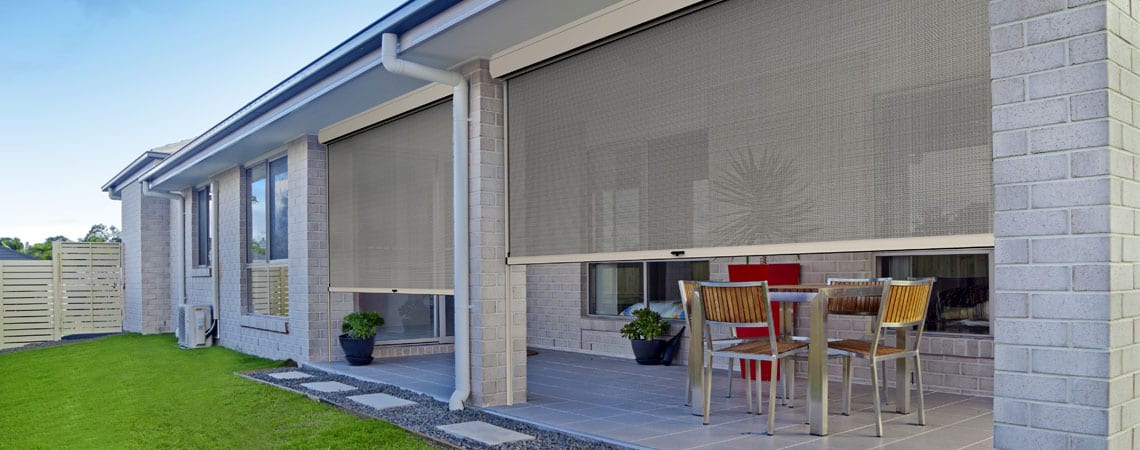
Commercial outdoor blinds are now a core part of modern business design, not just a finishing touch. For facility managers, owners, and commercial property decision-makers, they solve practical challenges that affect comfort, compliance, operating costs, and presentation. From protecting outdoor areas from sun, rain, and wind to improving energy efficiency, privacy, and security, these systems can materially improve how a site performs day to day. In competitive markets, businesses are also using them to strengthen brand identity, extend usable floor space, and create more comfortable customer experiences. For local products and installation expertise, see our outdoor blinds for Perth guide.
Demand for commercial shading solutions has grown as businesses respond to hotter summers, higher energy costs, and the need for flexible indoor-outdoor spaces. Outdoor blinds are especially valuable in hospitality, retail, offices, warehouses, and mixed-use developments because they help spaces work harder across more of the year. In many cases, they are a strategic investment with measurable returns, not an accessory purchase.
This article explains what are the uses of commercial outdoor blinds, how they support weather protection and thermal regulation, and why they matter for long-term ROI, brand image, and compliance in Western Australia.
Introduction to Commercial Outdoor Blinds and Their Importance
Defining Commercial Outdoor Blinds vs. Residential
While outdoor blinds are used in both residential and commercial settings, commercial outdoor blinds are built to a higher standard of durability, performance, and operational reliability. They are engineered for larger openings, more frequent use, heavier exposure to wind and sun, and tighter compliance expectations. Unlike many domestic systems, commercial installations must also support accessibility, business branding, and long-term usability in public-facing environments.
Overview of Business Needs Addressed by Outdoor Blinds
Businesses need shading solutions that do more than reduce glare. Commercial outdoor blinds can shield customers and staff from harsh weather, improve energy efficiency, enhance privacy, strengthen security, and create a more polished commercial frontage. They also help businesses maximise outdoor seating or work areas, reducing wasted space and supporting year-round usability.
Brief Snapshot of Sectors Benefiting from Commercial Blinds
Common commercial sectors include:
- Hospitality (cafes and restaurants): Extending dining areas and improving all-weather comfort with cafe blinds.
- Office buildings: Reducing glare, improving privacy, and supporting thermal control.
- Retail outlets: Creating attractive storefronts and controlled display areas.
- Warehouses and industrial sites: Assisting with site protection, access control, and weather management.
These applications show why commercial outdoor blinds are better understood as business assets. For companies comparing options, see our different types of outdoor blinds for commercial use and custom outdoor blinds solutions in Perth.
Weather Protection: Shielding Commercial Spaces from Sun, Rain, and Wind
Sun and UV Protection in Outdoor Commercial Areas
UV radiation can damage furniture, flooring, merchandise, and even staff wellbeing over time. Commercial outdoor blinds fitted with UV-resistant fabrics or clear PVC café blinds with UV protection reduce glare and help block harmful rays while preserving visibility where needed. This makes outdoor seating, shopfronts, and reception areas safer and more comfortable in peak sunlight.
Rain Resistance and Maintaining Usable Outdoor Space
Rainproof outdoor shading solutions extend the usable hours of decks, courtyards, and alfresco areas. For hospitality venues, that means fewer weather-related cancellations and more consistent trading conditions. Businesses comparing weatherproof outdoor blinds options should look for sealed edges, water-resistant fabrics, and drainage-friendly designs that support practical year-round use.
Wind Protection and Safety Considerations for Businesses
Wind-resistant outdoor blinds help reduce gust impact, flying debris, and uncomfortable drafts, which is especially important on exposed sites and coastal properties. Commercial-grade hardware, reinforced tracks, and correct tensioning improve safety and reduce the risk of operational downtime during adverse weather.
Case Studies: Cafes and Restaurants Using Weatherproof Outdoor Blinds
A Perth café that installed weatherproof outdoor blinds reported a 25% increase in outdoor seat occupancy during rainy days, supporting higher revenue and better customer retention. In another hospitality venue, blind installation helped stabilise service during afternoon wind changes, reducing the number of tables that had to be closed unexpectedly. These examples show how weather protection can directly support trading performance.
Beyond hospitality, a retail strip in a windy coastal suburb used commercial outdoor blinds to protect entrance zones and maintain a more inviting frontage, while an industrial lunch area improved usability for staff breaks during summer heat. For more product comparisons, see our best outdoor blinds for Australian weather conditions.
Enhancing Energy Efficiency Through Thermal Regulation
How Outdoor Blinds Lower Cooling and Heating Costs in Commercial Buildings
Commercial buildings often lose efficiency through glass and exposed openings. Outdoor blinds help slow heat transfer by blocking direct sun before it reaches the building envelope. In practical terms, this can lower cooling demand in summer and reduce heat loss in cooler months, supporting better HVAC performance and lower operating costs.
Role of Blinds in Controlling Heat Gain and Loss
The effectiveness of a blind depends on fabric type, openness, and placement. Two useful metrics are Solar Heat Gain Coefficient (SHGC) and U-value. SHGC measures how much solar heat passes through a system; lower values generally mean less heat enters the building. U-value measures thermal transmittance, or how quickly heat moves through a material; lower is better for insulation. In simple terms, SHGC tells you how much sun gets in, while U-value tells you how easily heat escapes or enters.
Insulation fabrics and sunscreen materials are often selected to balance daylight, visibility, and thermal performance. According to the Australian Building Energy Efficiency Initiative, well-designed external shading can reduce cooling loads by up to 30% in suitable climates, depending on orientation and usage patterns.
Example: Office Buildings Reducing Energy Consumption
A corporate office in Western Australia implemented commercial outdoor blinds and reported a 12% quarterly reduction in electricity use linked to air conditioning. The blinds also improved screen visibility by reducing glare in meeting rooms and reception spaces, supporting productivity and comfort for staff and visitors.
Energy Efficiency Metrics Relevant to Commercial Use
- Solar Heat Gain Coefficient (SHGC): Measures solar heat admitted through the system.
- U-value: Measures how much heat passes through the material.
- Visible Light Transmission (VLT): Indicates how much daylight is allowed through.
- Air Permeability Ratings: Show how much air can pass through the fabric.
For businesses assessing thermal performance, these metrics are more useful than appearance alone. Comparing them helps facilities managers choose a product that suits the building, climate, and operating hours. You can also explore our comprehensive guide to outdoor blinds materials in Perth for more detail.
Related reading: getting the best blinds in Osborne Park and the projected costs of outdoor roller blinds in 2025.
Ensuring Privacy and Security in Commercial Settings
Using Outdoor Blinds for Customer and Staff Privacy
Privacy is a practical requirement in many commercial settings. Outdoor blinds can function as visual barriers that shield seated guests, protect staff from unwanted attention, and help create a calmer and more controlled environment. In offices, they can support confidentiality in meeting areas or reception spaces. In retail, they can help manage sightlines and focus attention where it is needed.
Impact on Security: Deterring Theft and Vandalism
Commercial-grade blinds can contribute to site security by limiting visibility into valuable areas and making opportunistic theft less likely. When paired with secure locking mechanisms or additional protection systems, such as roller shutters for enhanced business security, they create a stronger physical deterrent. This is especially useful after hours or in locations with limited supervision.
Privacy Use Cases: Retail Shops and Office Fronts
Retail outlets often use blinds to provide changing-room privacy, reduce glare on merchandise, or shield back-of-house areas from public view. Offices use them to keep sensitive discussions private while maintaining a professional street presence. Adjustable transparency options allow businesses to balance visibility, daylight, and discretion.
Balancing Transparency and Privacy with Commercial Blinds
Many commercial systems are designed to move between open, filtered, and closed positions. This flexibility supports co-working spaces, hospitality venues, and mixed-use sites that need different levels of visibility throughout the day. It also improves perceived safety and helps businesses manage customer flow more effectively.
Boosting Commercial Property Value and Brand Image
Visual Appeal and Customization for Brand Identity
Commercial outdoor blinds can reinforce corporate identity through colour selection, logo integration, and fabric choice. For customer-facing properties, a well-designed blind system improves first impressions and helps the building feel more coherent and intentional. Businesses seeking custom outdoor blinds solutions can often align the design with their façade, signage, and interior branding.
Increasing Commercial Property Market Value with Outdoor Blinds
Market value is influenced by functionality as well as appearance. According to industry commentary from the Australian Retailers Association and related valuation discussions, properties with professionally installed external shading can be more attractive to tenants and buyers because they offer usable outdoor space, lower operating costs, and better presentation. In commercial leasing, even modest improvements in comfort and efficiency can improve lease appeal and reduce vacancy risk.
A practical example: if outdoor blinds convert an underused 20-seat café area into a consistent trading zone, even a conservative uplift in weekly turnover can improve annual income significantly. For offices and retail tenancies, better thermal control can also support lower service costs, which strengthens net operating income and, in turn, valuation assumptions.
Branding Examples: Restaurants, Boutique Shops, and Corporate Offices
Restaurants use retractable branded blinds to create a seamless indoor-outdoor experience that matches their service style. Boutique retailers coordinate fabrics with storefront décor to present a polished visual identity. Corporate offices generally favour neutral finishes that communicate professionalism while still supporting practical shading and privacy.
Aesthetic Considerations and Color/Design Options
Markets now offer a broad range of fabrics, frame colours, and operating systems, making it easier to match different commercial environments. The right choice can lift curb appeal, improve tenant perception, and support longer-term asset positioning.
Improving Customer Comfort and Experience in Outdoor Business Spaces
Creating Comfortable Outdoor Seating Areas in Hospitality
Commercial outdoor blinds help transform exposed outdoor areas into comfortable, usable spaces. In hospitality settings, that means customers can dine outdoors with better protection from sun, wind, and light rain. This improves trading continuity and helps venues make better use of premium floor area.
Impact on Customer Dwell Time and Repeat Business
Research from hospitality industry groups suggests that comfortable outdoor zones can increase average customer dwell time by up to 20%, which may lift spend per visit and encourage repeat business. Reduced glare, better airflow control, and more stable temperatures all contribute to a better overall customer experience.
Case Study: Outdoor Blinds in Food Courts and Cafes
A Perth food court installed high-quality blinds and recorded a 15% increase in foot traffic during summer months. Patrons reported that the space felt cooler and more inviting, which supported longer visits and better tenant turnover. In a separate café example, blind installation helped maintain service levels during midday sun and light rain, improving seat utilisation.
Noise Reduction and Enhanced Ambiance
While not a complete acoustic solution, some commercial outdoor blinds can soften external noise and help create a calmer ambiance. This is valuable in busy urban precincts, where traffic sound, wind, and crowd movement can otherwise reduce the quality of the customer experience.
For more layout inspiration, explore creative outdoor blinds ideas suitable for Perth commercial venues.
Compliance with Local Regulations and Commercial Standards
Overview of Relevant Local Regulations (With Focus on Western Australia)
Commercial installations in Western Australia must align with the National Construction Code, local planning requirements, and site-specific safety obligations. Depending on the location and scale of the project, approvals may be needed through the local council or relevant planning authority. This is especially important where blinds alter façades, affect awnings, or change the use of outdoor areas.
Outdoor Blinds and Fire Safety Compliance
- Materials should meet applicable flame-retardancy expectations where required by the project specification.
- Placement must not obstruct emergency exits, sprinkler coverage, or evacuation paths.
- Ongoing inspection helps ensure compliance is maintained over time, not just at installation.
Building Codes and Permits for Commercial Outdoor Blinds
In many commercial cases, permits are required for fixed structures, large spans, or installations that affect building appearance or structural loading. A structural assessment may be needed to confirm load-bearing capacity and wind performance, particularly in exposed or coastal areas. Businesses should also keep records of approvals, product specifications, and maintenance schedules as part of ongoing compliance management.
Ensuring Accessibility and Safety Standards Are Met
Commercial blinds must be installed so they do not create hazards for people with disability or reduced mobility. That includes ensuring operating mechanisms are accessible where relevant, maintaining safe head clearance, and avoiding trip hazards around tracks or base components. Accessibility considerations should be assessed alongside building code requirements and workplace safety obligations.
For a more detailed local overview, consult the compliance guidelines for outdoor blinds in Western Australia. Related installation planning resources include types of blinds and leading Perth blind companies.
Material Durability and Maintenance Considerations in Commercial Use
Durability Requirements for High-Traffic Commercial Spaces
Commercial outdoor blinds must withstand repeated operation, prolonged UV exposure, rain, wind, and contamination from dust or coastal air. Because commercial environments place more stress on hardware and fabric than domestic settings, wear resistance and weatherproof construction are essential. Businesses should consider the total cost of ownership, not just the purchase price.
Weather Resistance Materials Commonly Used
| Material | Durability Features | Common Uses |
|---|---|---|
| PVC | Waterproof, UV resistant, flexible | Cafes, patios |
| High-density polyester fabrics | Mildew resistant, strong tensile strength | Retail storefronts, office screening |
| Aluminium frames | Corrosion resistant, lightweight, strong | Blind frameworks and roller systems |
Maintenance Frequency and Operational Longevity in Commercial Environments
Routine cleaning and scheduled inspections can significantly extend product life. Businesses should align maintenance with trading hours to minimise customer disruption and protect revenue. Following outdoor blinds maintenance tips helps preserve fabric condition, smooth operation, and compliance with warranty requirements. In most commercial sites, a monthly visual inspection and seasonal deep clean are sensible starting points.
Impact of Material Choice on Performance and Costs
Premium materials can raise the initial investment, but they often reduce replacement frequency, lower repair costs, and improve performance over several years. That makes them stronger from a cost-benefit perspective in busy commercial environments. Guidance is also available in our cleaning and maintenance techniques for outdoor blinds and key considerations before choosing outdoor blinds.
Installation Considerations Specific to Commercial Properties
Structural Requirements and Load Bearing in Commercial Buildings
Commercial installations must account for wall integrity, fixings, wind load tolerance, and the building’s existing structure. A structural assessment is often required before work begins, particularly on larger spans or older buildings. This helps ensure the system is safe, compliant, and suited to local environmental conditions.
Integration with Existing Architectural Features
Blinds should complement the building rather than compete with it. Good design planning ensures signage, lighting, windows, emergency equipment, and façade lines remain functional and visually balanced. In commercial settings, architectural integration can be as important as product performance.
Professional Installation vs. DIY for Commercial Sites
Professional installation is strongly recommended for commercial properties because it reduces risk, supports warranty coverage, and improves compliance outcomes. It also helps limit business disruption by ensuring the work is planned around trading hours, staged efficiently, and completed with minimal interference to staff or customers. If you are comparing systems, our tips for selecting quality roller blinds in Perth WA can help inform the decision.
Minimizing Business Disruption During Installation
Experienced installers typically schedule work outside peak hours, coordinate access in advance, and use efficient methods to shorten onsite time. This matters for hospitality, retail, and office environments where interruptions can affect trading or productivity. Budget planning should also factor in product type, structural requirements, and fit-out timing. See comparison of Ziptrak and Slidetrack commercial blinds and the projected costs of outdoor roller blinds in 2025.
Industry-specific Use Cases and Applications of Commercial Outdoor Blinds
Restaurants and Cafes: Extending Usable Outdoor Space
Hospitality venues use commercial outdoor blinds to protect patrons from changing weather, improve seat turnover, and make alfresco dining more reliable. Retractable systems are particularly useful because they allow operators to adjust coverage across the day as conditions change.
Office Buildings: Controlling Light and Enhancing Privacy
Office buildings use blinds to reduce glare, create more comfortable meeting and reception areas, and improve visual privacy. In workplaces with strong solar exposure, the effect on comfort and productivity can be significant. Some businesses also pair outdoor shading with indoor solutions for even more control over light and temperature.
Retail Outlets: Branding and Customer Engagement
Retailers use branded or colour-matched blinds to improve storefront presentation, guide customer attention, and protect goods from sun damage. These systems are especially useful in high-visibility shopping strips where aesthetics and functionality both matter. For tailored options, explore custom outdoor blinds solutions in Perth.
Warehouses and Industrial Settings: Protection and Security
Warehouses and industrial sites benefit from blinds that control exposure, protect loading or break areas from weather, and support site security. Industrial fabrics are selected for durability, easy cleaning, and resilience in harsher operating environments. In some sites, blinds also help separate work zones and improve environmental control.
Strategic Benefits and Future Trends in Commercial Outdoor Blinds
Summarizing Key Functional Benefits for Businesses
Commercial outdoor blinds deliver a strong mix of practical and financial benefits. They protect against weather, improve energy performance, support privacy and security, raise comfort levels, and strengthen the visual appeal of business premises. In many settings, they also help businesses generate more value from existing space.
Emerging Technologies and Smart Outdoor Blinds
Smart blind technology is advancing quickly. Current systems may include motorised operation, wind and sun sensors, occupancy-based automation, and integration with building management systems (BMS). In practice, this means blinds can lower automatically as solar exposure increases or retract when wind speeds rise, improving both convenience and safety. Some WA businesses are now specifying smart controls for hospitality terraces, office façades, and mixed-use developments where operating efficiency matters.
Final Thoughts on ROI and Business Advantages
The ROI case for commercial outdoor blinds is stronger when businesses evaluate revenue protection, energy savings, and asset value together. For example, improved shading can lower HVAC demand, support more consistent trading in hospitality, and help create lease-friendly, marketable spaces in retail and office environments. Australian commercial property guidance consistently shows that amenities improving usability and operating efficiency can strengthen tenant appeal and valuation assumptions.
For businesses seeking a practical next step, explore product ranges, compare materials, and review compliance before specifying a system. If you need help matching performance to your site, contact a commercial shading specialist and assess options that balance durability, presentation, and long-term return.
Frequently Asked Questions
What are the primary benefits of commercial outdoor blinds for businesses?
Commercial outdoor blinds provide weather protection, energy savings, privacy, and added security while improving customer comfort and brand presentation. They can also extend usable outdoor space, support better trading continuity, and reduce operating costs by limiting heat gain and glare in commercial environments.
How do commercial outdoor blinds protect against weather conditions like sun, rain, and wind?
These blinds use durable fabrics, sealed edges, and commercial-grade hardware to block UV rays, resist rain penetration, and reduce wind exposure. They help keep outdoor dining areas, entrances, and work zones usable for longer periods, even when conditions change quickly.
Can outdoor blinds help reduce energy costs in commercial buildings?
Yes. Outdoor blinds reduce solar heat gain before it enters the building, which can lower cooling demand and improve HVAC efficiency. In some commercial settings, they also help retain warmth in cooler weather. The result is often lower electricity use and better thermal comfort.
What security advantages do commercial outdoor blinds provide?
Commercial outdoor blinds can limit visibility into sensitive areas, discourage opportunistic theft, and add another layer of physical deterrence after hours. When combined with locks or roller shutters, they can improve site security and protect merchandise, equipment, or private work areas.
Are there specific regulations for installing commercial outdoor blinds in Western Australia?
Yes. Installations may need to comply with the National Construction Code, local planning approvals, fire safety requirements, and accessibility standards. Depending on the site, permits or structural assessments may also be required. Businesses should check local council rules and maintain compliance over time.
What materials are best suited for durable commercial outdoor blinds?
PVC, high-density polyester fabrics, and aluminium frames are common choices because they offer good weather resistance, strength, and longevity. The best option depends on exposure, usage frequency, and whether the site prioritises visibility, insulation, waterproofing, or low maintenance.
Is professional installation recommended for commercial outdoor blinds?
Yes. Professional installation is usually the best option for commercial sites because it supports safety, correct structural fixing, warranty protection, and minimal disruption to trading. Installers can also account for wind load, building integration, and compliance requirements more reliably than DIY methods.
How can commercial outdoor blinds improve customer comfort and experience?
They improve comfort by reducing harsh sun, blocking light rain, softening wind, and creating a more inviting atmosphere. In hospitality and retail settings, that often leads to longer dwell time, better customer satisfaction, and a more polished environment that encourages repeat visits.