
Roller Shutters Types: Materials, Motors & Smart
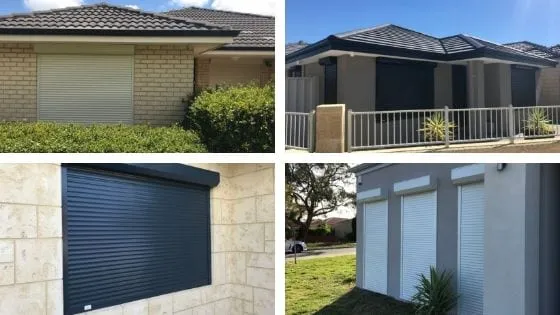
What are the Different Types of Roller Shutters? Choosing the right roller shutter can have a direct impact on comfort, security, energy costs, and long-term maintenance. The best option depends on how you plan to use it, where your property is located, and whether you want manual control, automation, or smart home integration. This guide breaks down the main types of roller shutters so you can make a confident, practical decision.
Introduction to Roller Shutters: Purpose and General Overview
Definition and Basic Functionality of Roller Shutters
Roller shutters are window and door coverings made of horizontal slats that interlock and roll up or down to open or close. They provide window protection solutions by improving security, privacy, insulation, and noise reduction. When closed, they form a solid physical barrier that helps protect against weather, sunlight, dust, and unauthorised access.
This versatility makes roller shutters valuable property shading options for homes and businesses alike. Depending on the design and material, they can function as simple light-blocking shutters or as advanced weather-resistant systems with added thermal and security performance.
Discover the multiple benefits and reasons to opt for roller shutters in our article on benefits of installing roller shutters.
Roller shutters provide significant protection, as detailed further in our article on security advantages of roller shutters.
Compare roller shutters alongside other outdoor protections like awnings in roller shutters compared to awnings.
See how roller shutters stack up against outdoor blinds in roller shutters versus outdoor blinds for Perth homes.
Stay updated with the latest roller shutter trends in Perth.
Common Applications Across Property Types
Roller shutters are used across a wide range of properties, from family homes to retail fronts and industrial sites. Residential users often choose them for privacy, noise reduction, and thermal insulation, while commercial properties value durability, security, and frequent daily operation. Specialized forms such as bay window shutters are custom-made to suit unique architectural features and unusual angles.
Understanding these uses helps explain why shutters can improve overall property value and usability. In fact, industry observers note roller shutters substantially contribute to benefits of installing roller shutters, including energy savings and aesthetic enhancement.
How Roller Shutters Enhance Property Utility Beyond Security
Beyond acting as a physical barrier, roller shutters improve everyday property performance in several ways:
- Energy efficiency: They reduce heat gain in summer and heat loss in winter, which can lower energy bills.
- Noise attenuation: Certain materials help dampen external noise, which is especially useful in urban areas.
- Weather protection: They help shield interiors and furnishings from UV rays, rain, wind, and dust.
- Privacy control: Adjustable opening levels allow flexible privacy without sacrificing ventilation or natural light entirely.
These advantages show why roller shutters are a practical upgrade for both homes and commercial buildings.
Classification by Operation Mechanism: Manual vs Electric Roller Shutters
For a concise overview of available products, installation options and supplier details, see our dedicated roller shutters page.
Manual Roller Shutters – Features and Typical Use Cases
Manual roller shutters operate by hand-crank, pull strap, or spring-assisted mechanism. They are often chosen because they:
- Remain reliable during power outages.
- Have lower upfront costs and simpler mechanics.
- Are easier to repair because they contain fewer moving parts.
Manual shutters suit rural or off-grid homes, smaller properties, and budget-conscious buyers who want strong protection without motorised components. They also appeal to owners who prefer a low-maintenance, non-electric solution.
Electric / Automated Roller Shutters – Features and Advantages
Electric or automated roller shutters use motors controlled by wall switches, remote controls, timers, or smart home systems. Their main advantages include:
- Convenience: Easy operation for large windows, hard-to-reach openings, and commercial doors.
- Better control: Timers, sensors, and app controls support programmed operation.
- Improved security features: Some models include automatic locking or alarm integration.
These shutters are ideal for modern homes and commercial premises where convenience and automation matter. The trade-off is a higher initial cost and the possibility of motor servicing or electrical troubleshooting over time.
Comparative Analysis: Efficiency, Cost, and Convenience
| Aspect | Manual Roller Shutters | Electric / Automated Roller Shutters |
|---|---|---|
| Upfront Cost | Lower | Higher (motor + controls) |
| Operational Convenience | Manual effort required | Remote and automated control |
| Maintenance | Simple, less frequent | Motor servicing may be required |
| Power Dependency | No | Yes |
| Smart Home Integration | Limited/none | High compatibility |
This comparison highlights the trade-offs between manual reliability and electric convenience. Manual shutters often cost less over time, while electric systems deliver greater ease of use but can involve higher long-term costs through motor replacement, control upgrades, or periodic maintenance.
Hybrid Roller Shutters – Combined Operation Types
Hybrid roller shutters combine manual and electric operation in one system, usually through a motorised shutter that also includes a manual override or backup crank. This can be useful during outages or where flexibility is important. Hybrid systems improve resilience and convenience, but they typically cost more to install and may require more complex servicing.
They are especially useful on properties where uninterrupted access is essential, such as family homes, small businesses, or security-focused premises. However, the added components can increase installation complexity and long-term maintenance requirements.
Classification by Material: Aluminum, Steel, and PVC Roller Shutters
Aluminum Roller Shutters – Characteristics and Ideal Uses
Aluminum roller shutters are popular because they are lightweight, durable, and corrosion-resistant, especially when powder coated—a protective finishing process that adds colour and improves resistance to corrosion and wear. Their main advantages include:
- Strong yet lightweight construction.
- Good thermal insulation and noise reduction.
- Wide colour and finish options for modern styling.
They suit urban and inland environments well, and they can also perform effectively in humid areas when correctly finished and maintained. Their balance of strength and weight makes them a versatile residential choice.
Steel Roller Shutters – Strengths and Drawbacks
Steel roller shutters are chosen for maximum strength and security, particularly in commercial or high-risk settings. Their strengths include:
- Excellent impact resistance and high-security performance.
- Strong suitability for frequent commercial use.
- Effective physical deterrence for storefronts and warehouses.
However, steel is heavier, can be noisier in operation, and may rust if not properly galvanised or coated. This makes maintenance more important in humid or coastal conditions. For that reason, steel is usually best for inland properties or sites with strong security priorities.
PVC Roller Shutters – Lightweight and Weather Resistance
PVC roller shutters are lightweight, affordable, and naturally resistant to moisture and many weather effects. They are often selected for:
- Coastal or humid environments where corrosion is a concern.
- Residential projects needing privacy, UV blocking, and modest insulation.
- Applications where lower weight and easier handling matter.
For those interested in weather-resistant solutions, this section ties into related offerings such as PVC roller shutters and weather-resistant café blinds, providing effective UV protection.
Also, for a broader understanding of materials, consult the roller shutter materials guide.
Material Suitability to Different Climates and Environments
Each material responds differently to climate conditions:
- Aluminum: Suitable for urban and dry climates; powder coating improves coastal performance.
- Steel: Best for inland areas with anti-corrosion treatment; less ideal near the sea unless specially coated.
- PVC: Well suited to humid and coastal environments because it resists corrosion naturally.
Choosing the right material means balancing security, durability, maintenance, and environmental resilience. In many cases, the best option is the one that matches both the climate and the intended level of use.
Classification by Property and Application Type
Residential Roller Shutters – Design and Functionality Focus
Residential roller shutters focus on appearance as well as performance. Common features include:
- Colour, finish, and slat options to suit home design.
- Prioritisation of privacy, noise reduction, and climate control.
- Manual or electric operation depending on convenience and budget.
They are commonly installed on windows, patio doors, and bay windows, where custom solutions help preserve the home’s style while improving comfort and efficiency.
Commercial Roller Shutters – Durability and Operational Needs
Commercial roller shutters must handle frequent use, strong security demands, and long service hours. Typical features include:
- Heavy-duty steel or reinforced aluminum construction.
- Electric motors designed for repeated daily cycles.
- Integration with security systems and fire compliance requirements where relevant.
For detailed insights, our commercial roller shutter user guide offers an extensive overview of this application.
Learn more about the security benefits of commercial roller shutters specifically designed for commercial needs.
Bay Window Roller Shutters – Customized Solutions and Benefits
Bay window roller shutters are bespoke systems designed to fit protruding or angled window layouts. They:
- Provide tailored protection without compromising aesthetics.
- Improve insulation by helping seal extended glass areas.
- Can be installed with manual or electric control depending on the property.
For more on specialised solutions, see our article on roller shutters for bay windows.
Specialized Uses and Hybrid Types
Beyond standard residential and commercial options, specialised shutter types address specific performance needs. These include:
- Fire-rated shutters for corporate or industrial sites.
- Bushfire-resistant shutters for fire-prone regions.
- Noise-reducing shutters designed for busy urban areas.
Hybrid roller shutters, which combine manual and electric operation, also sit within this category because they are designed for flexibility and backup use. They suit properties where convenience matters but outage resilience is still important.
Safety and Security Features
Locking Systems, Impact Resistance, and Compliance Factors
Safety and security are major reasons people choose roller shutters. Common features include reinforced end locks, internal locking bars, and motor locks that make it harder to force the shutter open from outside. Stronger slats improve impact resistance, while guided tracks help prevent prying or lifting.
In commercial and higher-risk applications, performance may also be linked to recognised standards or certifications. Depending on the product, this can include tested wind resistance, fire rating, or security rating requirements based on local building codes and manufacturer specifications.
Fire and Bushfire Resistance Where Applicable
Some roller shutters are manufactured for fire-prone environments or emergency-use applications. Fire-rated or bushfire-resistant shutters may use special materials, tighter seals, and tested construction methods to help slow heat transfer and protect vulnerable openings. These products should always be selected and installed according to local regulations and the supplier’s certification documentation.
For properties in higher-risk zones, it is important to verify the relevant standards, product testing, and compliance claims before purchase. Security and safety should never be assumed; they should be documented and matched to the site’s specific risks.
Roller Shutter Suitability Matrix: Matching Types to Needs
Matrix Overview: Operation, Material, Property Type, Climate, and Smart Integration
| Shutter Type | Operation | Material | Property Type | Climate Suitability | Smart Home Integration |
|---|---|---|---|---|---|
| Manual Aluminum | Manual | Aluminum | Residential, Bay Windows | Urban, Inland, Mild Coastal | Limited |
| Electric Aluminum | Electric | Aluminum | Residential, Commercial | Urban, Inland | High |
| Manual PVC | Manual | PVC | Residential | Coastal, Humid | Limited |
| Electric PVC | Electric | PVC | Residential | Coastal, Humid | High |
| Manual Steel | Manual | Steel | Commercial | Inland, Dry | Limited |
| Electric Steel | Electric | Steel | Commercial, Security-focused | Inland, Dry with coatings for Coastal | High |
Using the Matrix to Select the Best Roller Shutter for Your Property
When selecting a shutter, consider these decision factors:
- Preferred operation method and power availability.
- Material resistance, maintenance needs, and appearance for the local climate.
- Frequency of use, especially for commercial or high-traffic openings.
- Whether smart features and automation are important now or in the future.
For practical tips on finding the best window roller shutters, explore how to choose the best roller shutters.
Also consider our affordable roller shutter options in Perth when budget is a concern.
For installation guidance, see the roller shutters installation guide and the comprehensive step-by-step guide to roller shutters.
For budgeting assistance, refer to the roller shutter cost guide 2025.
Explore key questions to ask before purchasing roller shutters before making your decision.
Consider professional help detailed in professional installation of roller shutters.
Case Studies and Example Scenarios
- Scenario 1: A coastal residential property with bay windows chose electric PVC shutters for corrosion resistance and smart automation to schedule shading during sunny hours.
- Scenario 2: An urban commercial storefront selected electric steel roller shutters for enhanced security and fast daily operation through remote control.
- Scenario 3: A rural home adopted manual aluminum shutters for cost efficiency and functionality despite frequent power outages.
These cases illustrate how the matrix applies in real-world settings and why local climate, budget, and usage patterns matter.
Weather Resistance and Climate Adaptation of Different Roller Shutters
Impact of Humidity, Heat, and Cold on Material Performance
Environmental conditions affect each material differently:
- Humidity and moisture: Can cause rust in untreated steel, while PVC and coated aluminum resist well.
- Heat and UV exposure: Can fade or weaken some PVC products unless UV-stabilised; aluminum handles heat well but still expands and contracts.
- Cold climates: May make materials more brittle or expose installation issues if thermal movement is not allowed for.
Periodic maintenance extends lifespan by addressing these effects, though maintenance specifics are covered elsewhere in our maintenance tips for roller shutters.
Choosing the Best Shutter Type for Coastal vs Inland vs Urban Environments
For coastal areas, salt-laden air speeds up corrosion, which is why PVC and powder-coated aluminum are often preferred, as explained in our guide on salt resistant shutters for coastal homes.
In inland and dry climates, steel becomes a stronger option, especially where security is the main concern.
Urban environments often benefit from noise-reducing materials such as aluminum and PVC with sound-absorbing properties.
Additional Weatherproofing Features by Type
Advanced weatherproofing enhancements include:
- Powder coating, a protective surface finish that improves corrosion resistance and helps shield metal shutters from UV damage.
- Sealing strips that reduce water ingress during storms.
- Thermal breaks, which are design features that interrupt heat flow through the shutter slats to improve insulation.
These features support better durability and performance across varied climates.
Similar to how clear PVC café blinds offering UV protection in Perth protect outdoor spaces, certain roller shutter materials help shield interiors from harsh sunlight.
Installation Considerations and Professional Services
Installation Complexity, Timelines, and When to Use Professionals
Installation requirements vary by shutter type. Manual shutters are usually simpler to fit, while electric and hybrid systems require motor wiring, control setup, and testing. Bay window and custom-shaped shutters often need precise measuring and bespoke fabrication, which adds time and complexity.
For a standard residential installation, the process may be completed within a day, while custom or motorised systems can take longer depending on access, sizing, and electrical work. Professional installation is recommended for electric shutters, large openings, and any project where alignment, compliance, or safe wiring is critical.
If permits or compliance checks are needed, they typically depend on the property type, location, and local building rules. For practical guidance, see the roller shutters installation guide and our resource on professional installation of roller shutters.
Smart Home Integration: Roller Shutters in Modern Automated Homes
Overview of Smart Technology Compatibility
Modern electric roller shutters often support smart home protocols such as Zigbee and Z-Wave, which are low-power communication standards that let devices connect with home automation hubs, as well as Wi-Fi for app-based control. This compatibility makes remote operation, scene setting, and sensor integration easier to manage.
Features Enabled by Automation—Remote Control, Schedules, Sensors
- Remote control: Operate shutters from anywhere using a mobile app.
- Automation scheduling: Open or close shutters based on time, sunlight, or weather conditions.
- Sensors: Connect to light, temperature, or motion sensors for responsive adjustments.
Comparison of Manual and Electric Shutters in Smart Home Contexts
Manually operated shutters do not support automation unless they are retrofitted with motors and control units, which can add cost and complexity. Electric shutters offer easier smart integration from the start, though they introduce potential motor servicing needs and a higher upfront investment. If smart control is a priority, electric systems are generally the more practical choice.
Popular Automation Systems Compatible with Roller Shutters
- Amazon Alexa
- Google Home
- Apple HomeKit
- Zigbee and Z-Wave hubs such as Samsung SmartThings
Implementation usually involves compatible motors, control modules, and linked devices. For best results, professional installers can help ensure smooth setup and reliable operation, especially if the shutters must work with other home automation features.
Conclusion: Making an Informed Choice About Roller Shutter Types
Choosing the right roller shutter means balancing operation mechanism, material performance, climate suitability, property type, and automation goals. Manual vs electric affects convenience and cost, while material selection shapes durability, weather resistance, and maintenance demands. Residential, commercial, bay window, and specialised shutter types each serve different needs.
- Operation: Manual, electric, or hybrid
- Material: Aluminum, steel, or PVC
- Application: Residential, commercial, bay window, or specialised
- Climate: Coastal, inland, urban, or humid conditions
- Integration: Smart control, sensors, and automation
Revisit the key questions to ask before purchasing roller shutters and the suitability matrix above to narrow your choice. The best shutter is usually the one that meets your security needs, supports your climate, and fits your long-term budget, including maintenance and servicing.
For supplier options, see the top roller shutter suppliers in Perth.
Frequently Asked Questions
What are the main types of roller shutters available?
The main types of roller shutters are manual, electric, and hybrid models. They are also commonly classified by material, such as aluminum, steel, and PVC, and by application, including residential, commercial, bay window, and specialised security or weather-resistant shutters.
How do manual and electric roller shutters differ in operation and cost?
Manual shutters use a crank, strap, or spring system and usually cost less upfront. Electric shutters use motors, switches, or remotes, which makes them easier to operate but more expensive to install and maintain over time.
Which roller shutter materials are best suited for coastal or humid climates?
PVC and powder-coated aluminum are usually best in coastal or humid climates because they resist corrosion better than untreated steel. Steel can still be used, but it needs strong anti-rust protection and regular maintenance to perform well near salt air.
Can I combine manual and electric roller shutters on the same property?
Yes, many properties use a mix of manual and electric shutters. This is useful when some windows are hard to access, some openings need automation, or budget limits mean not every shutter can be motorised. Planning the controls carefully is important.
How do roller shutters improve home security and energy efficiency?
Roller shutters improve security by creating a strong physical barrier with locking mechanisms and impact-resistant slats. They improve energy efficiency by reducing heat gain in summer and heat loss in winter, which can reduce reliance on heating and cooling systems.
What smart home technologies work with electric roller shutters?
Electric roller shutters commonly work with Wi-Fi apps, Alexa, Google Home, Apple HomeKit, Zigbee, and Z-Wave systems. These technologies support remote control, scheduling, and sensor-based automation, but compatibility depends on the motor and control hardware installed.
Are custom roller shutters available for bay windows or unique window shapes?
Yes, custom roller shutters are available for bay windows and other unusual shapes. They are measured and made to suit the opening precisely, which helps preserve the look of the property while improving insulation, privacy, and weather protection.
What maintenance is required for different roller shutter materials?
Steel shutters need the most upkeep because they can rust without protection. Aluminum usually needs only cleaning and occasional inspection, while PVC needs light maintenance and UV care. Electric shutters also need motor and control checks over time.