
Roller Shutters Good for Security? A Homeowner’s Guide
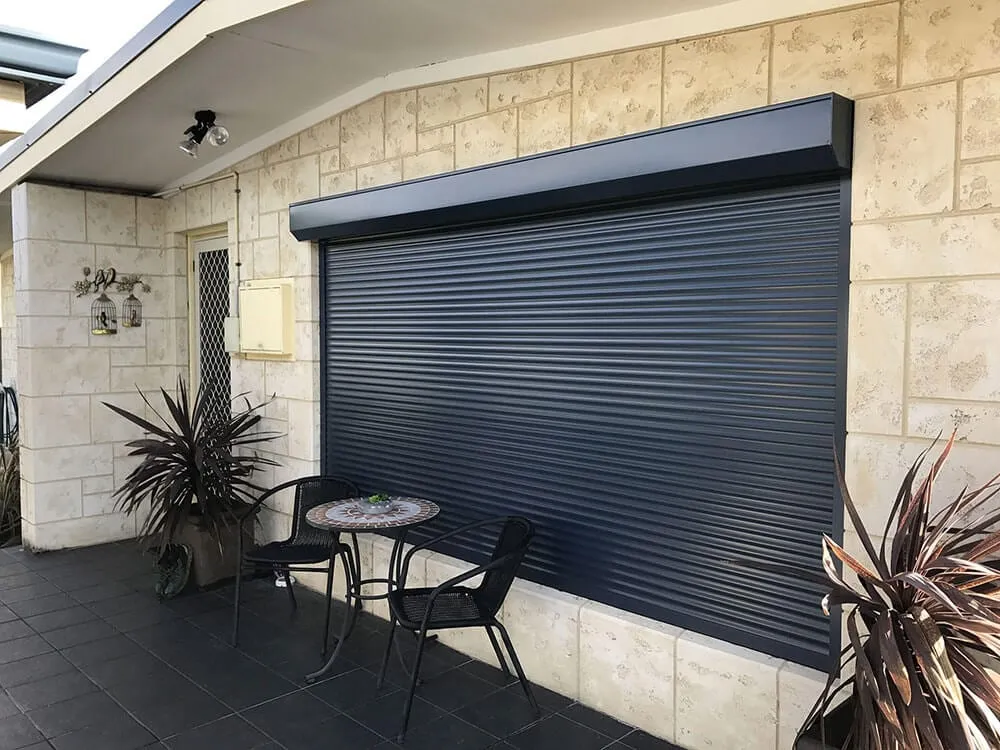
Are roller shutters good for security? For many homeowners, the answer depends on what you expect from a home security upgrade. Roller shutters are not a magic shield, but they can be a highly effective physical security barrier when the material, locking system, and professional roller shutter installation are done well. In practical terms, they help with target hardening, increase forced entry delay, and raise the noise, effort, and risk involved in a break-in.
This article gives a balanced, homeowner-friendly assessment of roller shutter security. We’ll explain how they work, how aluminium and steel compare, why installation quality matters, how they stack up against security bars and window grilles, and where they fit in a layered security approach with alarms and CCTV. We’ll also cover limitations, emergency egress, maintenance and durability, insurance considerations, and real-world burglary deterrence statistics. If you’re comparing options, you may also want to review our roller shutter materials guide and our broader roller shutter security resource.
To put it simply: roller shutters can be excellent for security, but only when chosen and fitted correctly. The best results usually come from combining strong shutters with good locks, proper maintenance, visible deterrents, and other home security solutions such as alarms, lighting, and CCTV.
Understanding How Roller Shutters Enhance Home Security
The Security Mechanism Behind Roller Shutters
At their core, roller shutters are a physical security measure designed to make windows and doors harder to penetrate. They typically consist of interlocking slats that roll down into side channels and create a solid barrier. That barrier adds mechanical resistance, reduces access to the glazing, and gives the opening far more forced entry delay than bare glass or lightweight coverings.
The security value comes from a few linked principles. First is target hardening, which simply means making one part of the home harder to attack so the intruder looks elsewhere. Second is forced entry delay: if an opening takes too long to breach, the burglar faces more noise, more effort, and a higher chance of being seen. In burglary prevention, those few extra minutes can matter a great deal.
Roller shutters also reduce common attack points. The slats create interlocking resistance, while the side channels limit leverage and prying. Good systems also use secure end clips, strong guide rails, and tight fitting around the frame so there is less room for a screwdriver, pry bar, or crowbar. When shutters are properly engineered, the whole assembly works as a mechanical shield rather than just a cover.
For homeowners researching practical upgrades, it is worth viewing shutters as one part of a home security solutions strategy rather than a stand-alone fix. That is especially true in streets where opportunistic burglary is more common than prolonged attacks. A visible shutter tells an intruder the property has been hardened and that the window is no longer an easy target.
Materials and Construction: Aluminium vs Steel and Their Impact on Security
The material used in a shutter strongly affects its strength, weight, service life, and resistance to attack. The two most common options are aluminium and steel, and both can be effective if manufactured and installed properly. However, they do not offer the same level of security.
- Aluminium roller shutters are lighter, easier to operate, and naturally corrosion resistant. Many use foam-filled or reinforced slats to improve rigidity. Aluminium can still provide good security, but it generally has lower tensile strength and may deform more easily under repeated impact or heavy prying than steel.
- Steel roller shutters usually provide greater impact resistance and higher mechanical strength. Steel’s higher tensile strength makes it harder to bend, twist, or force apart. For high-risk properties or vulnerable ground-floor openings, steel is often the stronger security choice.
Construction matters just as much as the raw material. Different manufacturing methods create different results: rolled-form slats, extruded profiles, foam-filled systems, galvanised finishes, and reinforced end locks all influence real-world performance. A well-made aluminium shutter may outperform a poorly built steel one. That is why homeowners should compare not just the material, but the entire design.
For steel shutters, rust prevention is an important issue. Galvanised coatings and quality powder coating help protect against corrosion, which preserves the shutter’s structural integrity over time. If corrosion weakens slats, tracks, or fixings, the shutter becomes easier to damage and less reliable as a security barrier. In coastal or humid areas, durability and maintenance are especially important.
It is also worth noting that security is not just about brute force resistance. Some shutter profiles are made to reduce flex, noise, and access to fixing points. Others include reinforced slats or thicker gauge metal around vulnerable areas. These features can improve resistance to forced entry attempts and make tools less effective.
Installation Features and Locking Systems That Boost Security
Even high-quality shutters can underperform if the installation is poor. In fact, installation quality is one of the biggest factors in how secure a roller shutter actually is. Gaps, loose mounting points, poor alignment, weak anchors, or badly fitted side channels can all create weaknesses an intruder may exploit.
Professional installers focus on frame fitting, secure fixings, correct guide alignment, and reliable integration with the chosen locking system. This is where professional roller shutter installation makes a practical difference. A properly fitted shutter is harder to lever, harder to rattle open, and less likely to jam during daily use or in an emergency.
Common locking systems include:
- Manual locks: Typically key locks, deadbolts, or internal latches that secure the shutter in the down position. These are straightforward and can be very effective if used consistently.
- Automatic locking systems: These engage as the shutter lowers, reducing the chance of user error. They are especially useful for motorised shutters because security is engaged every time the shutter closes.
- Side channel locks and reinforced guides: These help keep the shutter aligned and reduce pry points along the edges. Better guide design also improves prying resistance and keeps the curtain seated firmly in place.
Security is not only about the lock itself; it is also about the interaction between the lock, rails, slats, and wall substrate. If the wall fixing is weak, the entire assembly is weaker. If the shutter is out of square, the curtain may not seat correctly into the side channels. That is why measurements, bracket spacing, and anchoring into sound building materials matter.
For homeowners comparing options, it helps to read key questions to ask before buying roller shutters before committing to a purchase. The right product choice usually depends on your risk level, property layout, and whether the shutter is mainly for everyday convenience, noise reduction, privacy, or roller shutters vs security bars performance.
Installation can also affect safety features. If you choose an electric model, you should understand how the manual override works and whether the shutter can be opened safely in a power outage or emergency. Good installers will explain these details clearly.
Overall, the security mechanism behind roller shutters is strongest when the materials, side channels, and locking systems all work together. That integrated design is what turns a shutter from a simple screen into a meaningful physical barrier.
Roller Shutters as a Deterrent Against Forced Entry and Burglary
Physical Barriers and Forced Entry Delay Principles
One of the main reasons roller shutters are good for security is that they create forced entry delay. Burglars usually prefer quick, quiet access. Anything that increases noise, tool use, time, or physical effort can push them toward an easier target. This is a classic burglary prevention strategy: if a property is harder to enter, it becomes less attractive.
Crime prevention research consistently shows that offenders are influenced by time, visibility, and detection risk. A shuttered opening usually means the intruder must spend longer trying to gain access, which increases the chance of being noticed by neighbours, security cameras, or a passing patrol. That added exposure is often enough to make the attempt unattractive.
In practical terms, roller shutters slow down the most common entry methods: prying, smashing, lifting, and cutting. Even when a burglar has tools, the shutter creates a sturdier barrier than plain glass. The more effort required, the less likely the intruder is to continue. In other words, the shutter does not need to be unbreakable to be valuable; it only needs to create enough delay to disrupt the attack.
Noise matters too. Metal-on-metal noise, slat distortion, and repeated impact can be very noticeable. A burglar using power tools also faces sparks, sound, and longer exposure, all of which increase the chance of detection. This is why visible shutters can function as both a physical barrier and a psychological deterrent.
For a broader look at the value of target hardening and home security upgrades, see our guide on why installing roller shutters boosts home security.
How Roller Shutters Deter Different Types of Intruders
Different intruders have different patience thresholds, tools, and risk tolerance. Roller shutters can discourage them in different ways:
- Opportunistic burglars: These offenders usually look for the easiest, fastest target. A shuttered window often sends them elsewhere because it removes the quick-glass-break option and signals that the home is better protected.
- Determined burglars: These individuals may carry pry bars, screwdrivers, or cutting tools. Strong shutters with reinforced slats, secure side channels, and good locks force them into a much longer and noisier attack.
- Burglars using power tools: Angle grinders, saws, and other tools can eventually defeat many barriers, but the process is loud, conspicuous, and time consuming. Good shutters delay this type of entry and can make the risk of being interrupted too high.
In many cases, the deterrent effect works before the physical attack begins. A burglar may not even try if the home looks hardened. Visible shutters reduce perceived reward and increase perceived effort, which is exactly what target hardening is designed to do.
This is also why shutters are often discussed alongside other physical security barriers such as grilles and bars. The aim is not just to stop one method of attack, but to make the entire property less convenient to target. For homeowners comparing layouts, it can also help to read about roller shutters versus outdoor blinds and roller shutters versus awnings.
Real-World Scenarios: Case Studies and Crime Prevention Statistics
Real-world examples help show how shutter security performs outside theory. Consider a home in a suburban street where an intruder tries to pry up a window with a crowbar. If the property has a properly mounted steel shutter, the side channel locks and tight guide rails may prevent enough movement for the burglar to gain leverage. The attempt becomes noisy, slow, and risky. In many cases, that is enough to stop the attack.
Security testing also supports the idea that delay matters. When a barrier takes several minutes to defeat, the chances of interruption rise sharply. Even a determined offender may abandon the attempt if the opening does not yield quickly. That is why shutter systems are often evaluated not only by whether they fail, but by how long they delay entry.
Burglary deterrence statistics from crime prevention agencies and insurance industry reports generally show the same pattern: visible physical security lowers risk, especially where offenders rely on speed. For example, burglary prevention studies referenced in UK and Australian crime prevention guidance consistently note that layered measures, including window barriers, reduce the likelihood of successful entry because they increase effort and time-to-breach. For readers who want to dig deeper, local law enforcement guidance and insurance risk advice are useful sources to review alongside product specifications.
Here is a simple summary of how delay can influence outcomes:
| Security Feature | Average Time to Breach | Deterrent Impact |
|---|---|---|
| Standard glass window | Under 2 minutes | Low |
| Aluminium roller shutter | Several minutes | Moderate to strong |
| Steel roller shutter with locking system | Often much longer | Strong to very strong |
While exact results vary by product, installation, and tools used, the general rule is consistent: more delay means less convenience for the burglar and more time for detection. That is why roller shutters are frequently recommended as part of a broader security upgrade.
Comparing Roller Shutters to Other Home Security Solutions
Roller Shutters vs Security Bars and Window Grilles
Roller shutters and security bars both create physical barriers, but they serve the homeowner differently. Bars and grilles are fixed, visible, and generally very resistant to forced entry. They can be effective as a permanent fixed barrier, especially in high-risk situations, but they also come with trade-offs.
Security bars and window grilles can reduce ventilation, change the appearance of the home, and feel intrusive. In some properties, they may also be less convenient for cleaning or emergency use. Roller shutters, by contrast, are retractable. You can close them for protection and open them for light, airflow, and everyday use. That flexibility is one of their biggest practical advantages.
From a security perspective, both options can be strong. From a lifestyle perspective, roller shutters usually offer more comfort and versatility. They can also be a better fit where homeowners want to avoid the permanent visual intrusion of bars while still achieving target hardening. In some cases, combining shutters with other measures creates a more balanced solution than relying on a single barrier.
Roller Shutters vs Security Blinds and Curtains
Security blinds and curtains are useful for privacy concealment, glare reduction, and interior comfort, but they are not true physical security products. They may prevent outsiders from seeing valuables, but they do not stop an intruder from forcing the window or door open. In that sense, they help with concealment, not structural resistance.
Clear PVC blinds deserve a more careful comparison. These products can provide weather protection, visibility, and some outdoor enclosure benefits, especially in entertaining areas. However, even strong clear PVC blinds do not offer the same intrusion resistance as roller shutters. They may slow down casual access or offer a visual boundary, but they are not designed as a robust anti-burglary barrier. If you are comparing comfort, weather protection, and appearance, they can be useful; if you want security, they are not a substitute for a locked shutter.
That is why many homeowners treat blinds and curtains as a lifestyle product and shutters as a security product. For related outdoor options, you may also want to explore our clear PVC blinds for outdoor security and style page and our outdoor blinds & awnings comparisons.
Synergy Between Roller Shutters and Electronic Security Devices (Alarms, CCTV)
Physical and electronic security work best together in a layered security approach. Roller shutters create delay, while alarms and CCTV improve detection and response. This combination is often more effective than relying on any single device.
- Roller shutters provide the physical barrier.
- Alarms alert occupants and neighbours when an intrusion is attempted.
- CCTV records activity and can deter offenders who do not want to be identified.
In many homes, the best protection comes from combining automatic locking systems with monitored alarms and visible cameras. That way, if an intruder does attempt forced entry, the delay introduced by the shutter gives the alarm system more time to trigger and a better chance of capturing the event. This is a strong example of layered security in practice.
For homeowners considering broader system design, the goal should be to reduce easy access points and increase the chance that an attempt is seen, heard, or recorded. Roller shutters can do the first part very well. Electronics help with the second.
Common Myths and Misconceptions About Roller Shutter Security
Myth: Roller Shutters Alone Can Guarantee Absolute Security
This is one of the most common misconceptions. Roller shutters are effective, but they are not invulnerable. No product can guarantee absolute security against every possible attack. A determined offender with enough time, the right tools, and no interruption may still defeat many physical barriers.
What roller shutters do exceptionally well is increase the cost, noise, and time associated with a break-in. That means they reduce risk, but they do not eliminate it. Their security value is strongest when they are part of a comprehensive security system that includes lighting, alarms, secure locks, good visibility, and sensible household habits.
In practice, a home with shutters, sensors, and strong perimeter security is much harder to attack than a home with only one layer of protection. The lesson is not that shutters are weak; it is that security is cumulative. When homeowners treat shutters as one part of a broader plan, the overall result is far stronger.
One practical example is a property that has shutters on vulnerable ground-floor rooms, a monitored alarm, and motion lighting. The shutter slows the intruder, the alarm increases urgency, and the lighting raises detection risk. That combination often does more than any single product could achieve alone.
Myth: All Roller Shutters Offer the Same Level of Protection
Another mistaken assumption is that all shutters are equal. In reality, there are major differences in shutter types, materials, slat thickness, track design, lock quality, and manufacturing methods. A lightweight decorative shutter is not the same as a reinforced security model.
For example, a thin aluminium shutter without strong end locks may provide privacy and weather protection, but only moderate burglary resistance. A heavier-duty shutter with reinforced slats, secure side channels, better tensile strength, and an integrated locking system offers much stronger security. The difference can be significant in a real forced entry attempt.
Installation precision also matters. Even premium shutter hardware can be undermined by poor measuring, loose fixings, or weak wall anchors. If the shutter sits out of alignment, the curtain may not close properly and the side channels may not resist prying as intended. In many cases, installation quality can be just as important as the product itself.
This is why comparing products means looking beyond price. A low-cost shutter that is poorly fitted may not deliver the security outcome you expected. A properly specified and installed model, by contrast, can offer much better long-term protection. If you are researching your options, our best type of roller shutters guide can help you understand the differences.
Myth: Roller Shutters Are Unsafe for Emergency Egress
Some homeowners worry that shutters could trap occupants during a fire or other emergency. That is a fair concern, but modern compliant systems are designed to address it. Residential products should support safe emergency egress through appropriate manual overrides, internal release mechanisms, or other compliant access features where required.
In many installations, the key is choosing the right product and making sure household members understand how it operates. A well-designed shutter should not create a dead end. Emergency releases, breakaway components in some systems, and clear operating instructions all help support occupant safety. The goal is to balance security with quick exit capability.
It is also important to follow local building requirements and manufacturer guidance. Depending on the application, regulations such as IBC-related safety principles and NFPA life safety requirements can influence how shutters are specified. For homeowners, that means never treating emergency egress as an afterthought. It should be part of the buying and installation conversation from the start.
For more detail on compliance and local rules, see our roller shutter regulations guide.
When these myths are understood correctly, roller shutters become easier to evaluate honestly: very useful, but best used intelligently and in context.
The Practical Impact of Roller Shutters on Residential Security
How Installation Quality Influences Security Performance
Installation quality has a direct effect on security performance. A shutter that is neatly fitted, firmly anchored, and correctly aligned can resist prying and impact far better than one with gaps, loose brackets, or a weak mounting surface. Security hardware only performs as well as the structure that holds it.
Good installers assess the wall substrate, bracket spacing, fixings, and roller box positioning before they begin. They also check how the curtain sits in the tracks and whether the locking points engage fully. If these details are missed, a shutter may look secure while still leaving weak points around the edges.
This is why homeowners should prioritise installation quality from the outset and not just compare product brochures. A lower-cost shutter professionally installed may be a better security investment than a premium shutter fitted badly. For anyone comparing options, our professional roller shutter installation article explains why expertise matters so much.
Another practical point is alignment over time. Even a good installation can shift slightly if the building moves, fixings loosen, or components wear. That is why security performance is not a one-time event; it is something that should be checked regularly.
Integration with Home Security Systems and Insurance Implications
Roller shutters may improve a home’s security profile in the eyes of insurers because they increase target hardening and reduce the chance of a successful break-in. Some insurers may take shutters into account when assessing risk, especially when shutters are fitted to vulnerable openings and supported by alarms or monitored systems.
It is important, however, not to assume automatic discounts. Insurance outcomes depend on policy type, insurer, location, claim history, and the overall security package. Some providers may want evidence of certified installation or product specification before recognising a benefit. If you are considering a claim or a renewal, it is wise to ask the insurer directly how shutter upgrades affect the premium.
Here is the practical takeaway: roller shutters can support a lower-risk profile, but the financial benefit varies. The strongest case usually comes when the shutters are part of a broader security upgrade, including alarm monitoring, secure door hardware, and good external lighting. That combination is more persuasive to insurers than a single product on its own.
User Safety Considerations: Emergency Egress and Maintenance Effects
Security only works well when the system is safe to use. For that reason, emergency egress and maintenance and durability should always be part of the conversation. A shutter that sticks, misaligns, or loses power unexpectedly can become a hassle at best and a safety issue at worst.
Routine maintenance supports both convenience and security. Homeowners should check tracks for debris, inspect slats for dents, test locks, confirm motor operation, and make sure any manual override still functions. These tasks are simple, but they matter. A shutter that closes smoothly is more likely to be used consistently, and a shutter that is used consistently provides more reliable security.
Steel systems also benefit from rust prevention checks. Even if the shutter is galvanised, damaged coating or neglected fixings can allow corrosion to start. Corrosion can weaken the system, reduce smooth operation, and eventually create points of failure that a determined intruder may exploit. This is why a maintenance schedule is part of security, not just upkeep.
Recommended maintenance activities include:
- Visual inspections of slats, guides, and fixings
- Testing manual and automatic locks
- Checking for unusual noise, binding, or uneven travel
- Cleaning tracks and removing dust, leaves, or grit
- Confirming emergency release or manual override functions
- Scheduling periodic professional servicing, especially for motorised shutters
There is also a human factor. Households should know how to open shutters in an emergency, who is responsible for maintenance, and when to call a technician. This is especially important for families, older residents, or properties used as short-term rentals.
For practical durability advice, our maintenance tips for roller shutters article explains how regular care supports both long-term performance and security.
In short, the practical impact of roller shutters depends on three things working together: quality product choice, professional installation, and ongoing care. When all three are in place, shutters can be a very strong part of residential security.
So, are roller shutters good for security? Yes — especially when the shutter type, material, lock, and installation quality are matched to the property’s risk level. They are not a standalone solution, but they are one of the most effective physical barriers a homeowner can add to reduce forced entry risk and improve peace of mind.
If you are ready to improve your home’s protection, explore our installation guide, review roller shutter materials, and speak with a specialist about the right roller shutter security setup for your home. For tailored advice and a quote, contact us today to arrange a professional consultation.
Frequently Asked Questions
What materials are roller shutters made from and which is more secure?
Roller shutters are usually made from aluminium or steel, with some products using reinforced or foam-filled slats. Steel generally offers greater tensile strength, impact resistance, and prying resistance, making it the stronger choice for high-security needs. Aluminium is lighter and corrosion-resistant, and can still be effective when well designed and installed.
How do different locking systems improve roller shutter security?
Locking systems help keep the curtain seated firmly in the side channels and make prying more difficult. Manual deadbolts, automatic locks, and reinforced guide locks all reduce gaps and improve resistance to forced entry. Automatic systems are especially useful because they engage consistently when the shutter closes, reducing user error.
Can roller shutters prevent all types of break-ins?
No. Roller shutters can greatly delay and discourage many break-in attempts, but they cannot guarantee absolute security. A determined intruder with enough time and the right tools may still defeat a shutter. The best result comes from combining shutters with alarms, lighting, secure doors, and good security habits.
How do roller shutters delay forced entry and deter burglars?
Roller shutters increase the time, noise, and effort required to enter a home. That forced entry delay raises the chance of detection and often pushes burglars toward easier targets. The visible barrier also signals target hardening, which can discourage opportunistic offenders before they even attempt a break-in.
Are roller shutters safer than window bars or security grilles?
Both can be effective physical security barriers, but they suit different priorities. Window bars and grilles are fixed and very strong, but they can be visually intrusive and reduce flexibility. Roller shutters are retractable, preserving light, airflow, and appearance when open while still offering strong resistance when closed.
Can roller shutters be integrated with alarms and CCTV systems?
Yes. Roller shutters work well with alarms and CCTV as part of a layered security approach. The shutters provide the physical delay, while alarms and cameras handle detection and monitoring. This combination is especially valuable because it slows the intruder and increases the chance that the attempt is recorded or interrupted.
Do roller shutters allow emergency exits during a fire or other emergencies?
They can, provided the system is designed and installed to support safe emergency egress. Many compliant shutters include manual overrides or internal release mechanisms so occupants can exit quickly if needed. Households should test these features, understand how they work, and follow local building and safety requirements.
How does professional installation affect the security effectiveness of roller shutters?
Professional installation is crucial because security depends on correct alignment, strong fixings, and proper fit in the side channels. Even a high-quality shutter can be weakened by gaps, poor anchoring, or misalignment. Expert installation helps ensure the shutter performs as intended and maintains its resistance to prying and impact.