
Roller Shutters for Doors: Installation Guide
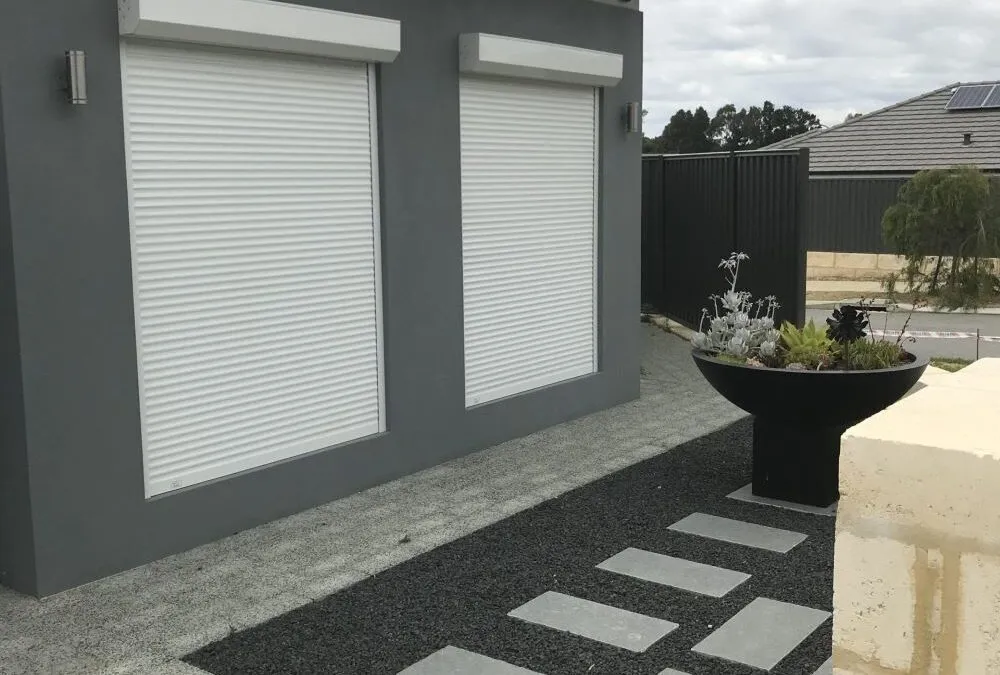
Roller shutters for doors can transform everyday door protection into a stronger security layer, better insulation, and a more comfortable home. For many homeowners, they also deliver the practical upside of reduced noise, improved privacy, and better control over heat, glare, and weather resistance.
If you are comparing retractable coverings for your front entrance, patio, or garage, this guide explains how roller shutters work, how to choose the right material, how to measure accurately, and how to install and maintain them safely. You’ll also see when DIY is realistic and when a professional should take over.
Introduction to Roller Shutters on Doors
What Are Roller Shutters?
Roller shutters are protective coverings made from interlocking horizontal slats that roll into a compact roller housing above a doorway. They are designed for door protection, security, weather resistance, and energy efficiency, making them a versatile choice for residential front doors, sliding patio doors, and garage doors.
Unlike fixed shutters or decorative panels, roller shutters retract when open and form a solid barrier when closed. That retractable design is one of the main reasons they remain so popular in Australian homes, especially where security, sun control, and thermal performance all matter.
Benefits of Installing Roller Shutters on Doors
- Enhanced security: A strong physical barrier that helps deter break-ins.
- Weather protection: Shields doors from wind, rain, dust, and harsh sun.
- Energy efficiency: Helps reduce heat gain in summer and heat loss in winter.
- Noise reduction: Can soften outside traffic and neighbourhood noise.
- Privacy control: Lets you block visibility into the home when needed.
- Durability: Built from materials such as aluminium or steel for long-term performance.
There are several compelling reasons to install roller shutters on doors, especially when security and energy savings are both priorities.
Understanding the security advantages of roller shutters helps explain why many homeowners choose them over lighter window coverings.
For many households, a cost-benefit analysis of roller shutters is useful when deciding whether the upfront spend is justified by the long-term gains.
If you are also improving other exterior openings, outdoor window shutters in Perth can complement your broader home protection strategy.
Homeowners in Subiaco and nearby suburbs can also explore our roller shutters Subiaco guide for location-specific advice.
Common Door Types Suitable for Roller Shutters (Residential, Patio, Garage)
- Residential front doors: Benefit from compact, secure shutters that suit the front façade and daily use.
- Patio doors: Sliding or hinged glass doors need smooth guide rails and careful clearance.
- Garage doors: Larger openings often require reinforced systems and, in many cases, electric operation.
Each door type brings different installation challenges, clearance requirements, and aesthetic considerations, so selecting the correct system early saves time later.
Overview of Manual vs. Electric Operation Mechanisms
Roller shutters generally operate in two ways:
- Manual operation: Uses a strap, winder, or crank handle. It is simpler and usually cheaper, but it requires physical effort.
- Electric operation: Uses a motor, wall switch, remote, or smart controller. It is more convenient for larger shutters and frequent use.
Choosing between these systems depends on shutter size, budget, accessibility needs, and how often the door will be used. If you want a deeper comparison, read our manual vs electric roller shutters guide.
Preparing for Installation: Tools, Materials, and Measurements
Essential Installation Tools (Drill, Screwdriver, Measuring Tape, Level)
Before installation begins, gather the right tools and safety equipment so the job moves smoothly and safely:
- Drill: Variable-speed drill with the correct timber or masonry bits.
- Screwdrivers: Flathead and Phillips for brackets and fixings.
- Measuring tape: For exact doorway and frame measurements.
- Spirit level: Helps keep brackets and housing aligned.
- Marker or pencil: For marking drill points.
- Safety gear: Gloves, eye protection, and a dust mask.
Good preparation reduces mistakes and helps the shutter operate smoothly once installed. If you are still comparing product options, you may also want to review a roller shutter materials comparison before buying.
Selecting the Right Roller Shutter Material for Doors (Aluminum, Steel, PVC)
Choosing the right material affects security, lifespan, appearance, and maintenance. Here is a simple breakdown:
| Material | Advantages | Considerations |
|---|---|---|
| Aluminum | Lightweight, corrosion-resistant, strong thermal performance | Less impact-resistant than steel, but ideal for most residential doors |
| Steel | Very strong, excellent security, high durability | Heavier and should have anti-rust protection, especially near the coast |
| PVC (Polyvinyl Chloride) | Affordable, lightweight, low maintenance | Best for lighter-duty applications or internal use |
In coastal suburbs, aluminium is often the most practical choice because it balances corrosion resistance with manageable weight. Steel remains the security-first option, while PVC suits lighter-duty needs and budget-focused projects.
Understanding Door Dimensions and Measuring Accurately
Accurate measurements are essential for a snug fit and reliable operation. Before ordering shutters, measure the opening carefully and use consistent reference points. For a step-by-step reference,.
- Measure the full width and height of the frame, including trim where brackets will attach.
- Take measurements at several points to account for uneven walls or warped frames.
- Allow a small operating clearance so the curtain does not bind in the guide rails.
- Check whether the door is single, sliding, double, or hinged, as that changes the shutter layout.
For complex openings, it can be worth having a professional verify your measurements before you order. A small error at this stage can lead to poor fit, noisy operation, or unnecessary rework.
Identifying Mounting Brackets and Hardware Required
Roller shutters depend on the right hardware to stay secure and aligned. The exact parts vary by model, but most installations involve:
- Mounting brackets: Hold the roller housing above the door.
- Fixings: Heavy-duty screws or anchors matched to timber, brick, or concrete.
- Roller housing: The enclosure that stores the shutter curtain when open.
- Guide rails: Vertical channels that keep the slats aligned as the shutter moves.
Check the manufacturer’s specifications before drilling. Bracket size, anchor type, and fastener spacing should all match the door structure and shutter weight. For homeowners comparing products, our roller shutter materials comparison can also help you understand how weight affects hardware choice.
Step-by-Step Installation Process for Roller Shutters on Doors
Pre-Installation Safety Precautions and Personal Protective Equipment (PPE)
Installing roller shutters can involve lifting heavy parts, drilling into masonry, and, for electric models, working near wiring. Safety should come first:
- Wear safety goggles to protect your eyes from dust and debris.
- Use gloves to reduce the risk of cuts from sharp edges.
- Wear a dust mask when drilling into brick or concrete.
- Keep the work area clear and well lit.
- Check that power tools are in good condition before use.
Marking and Drilling for Mounting Brackets
- Use a tape measure and spirit level to mark bracket positions accurately.
- Confirm the marks suit the roller housing dimensions and do not obstruct the door opening.
- Select drill bits that match the wall or frame material.
- Drill carefully at each marked point, avoiding hidden services or structural damage.
- Clear dust from each hole before inserting anchors or screws.
Precision here affects the whole installation. If the brackets are off-level, the shutter curtain may rub, jam, or wear unevenly over time.
Installing Mounting Brackets and Roller Shutter Housing
- Secure the brackets using the appropriate fixings for the surface.
- Lift the roller housing into position and seat it correctly on the brackets.
- Tighten the locking screws or bolts according to manufacturer instructions.
- Check the housing is level and stable before moving on.
A level housing supports smooth curtain travel and reduces strain on the motor or manual control system. This stage is also where a professional can save time on more complex openings or heavier shutters.
Fitting the Roller Shutter Curtain and Testing Operation
- Attach the curtain to the roller tube inside the housing as instructed by the manufacturer.
- Fit the guide rails vertically on both sides of the doorway.
- Feed the slats into the rails and check they interlock cleanly.
- Test the shutter manually for smooth rise and fall.
- For electric units, connect the system only in line with electrical requirements and test the motor carefully.
Electric installation should always be approached with care. The Australian Wiring Rules AS/NZS 3000 apply to electrical work, and motor wiring should be completed or verified by a licensed professional where required.
If you want a fuller walkthrough, our roller shutters installation guide covers the process in greater depth.
Installing Locking Mechanisms and Security Features
To improve door security, fit locking features that suit the shutter type and your daily routine:
- Manual key locks or slide bolts for basic closure security.
- Electric locks for motorised systems that secure the shutter when closed.
- Anti-lift devices that help prevent forced raising.
- Alarm contacts or sensors for extra protection.
Adding Weather Seals and Insulation Strips for Door Protection
Weather seals improve thermal performance and help protect the doorway from dust and moisture. They also support the efficiency of energy efficient shutters by reducing air leakage around the edges.
- Install rubber or silicone seals along the guide rails and bottom bar.
- Use insulation strips between the housing and frame where suitable.
- Make sure seals do not interfere with movement or create drag.
When fitted correctly, seals support comfort, reduce drafts, and contribute to better year-round performance.
Usage and Practical Tips for Roller Shutters on Different Door Types
Operating Manual Roller Shutters Safely
- Raise and lower the shutter slowly to reduce strain and avoid jamming.
- Use the correct handle or strap position to prevent overloading the mechanism.
- Keep guide rails free from dirt, grit, and small obstructions.
- Do not force the curtain if resistance occurs; stop and inspect first.
Manual systems are straightforward, but they still need careful use. A smooth operating routine protects the slats, brackets, and control mechanism from unnecessary wear.
Tips for Using Electric Roller Shutters Efficiently
- Use timers or sensors to automate opening and closing where appropriate.
- Replace remote batteries before they fail completely.
- Keep the motor housing dry and protected from heavy weather.
- Check wiring connections if the system behaves unpredictably.
Electric shutters are especially useful where convenience matters, and they can be linked to smart home protocols for scheduled operation and remote access. In modern homes, Zigbee and Z-Wave are commonly used to connect shutters with lighting, alarms, and broader automation routines.
Addressing Unique Challenges: Patio, Front, and Garage Doors
Every door type has its own operational challenges:
- Patio doors: Ensure the shutter clears the slider track and does not interfere with handles or screens.
- Residential front doors: Match the finish and housing style to the façade for better street appeal.
- Garage doors: Use heavier-duty components and safer motor controls for larger, more frequent use.
When shutters are used consistently, these practical details matter just as much as the installation itself.
Troubleshooting Common Usage Issues
Common problems include sticking, rattling, noisy travel, and slow motor response. In many cases, the fix is simple:
- Clean and lubricate guide rails and moving parts.
- Check that brackets and housing remain level.
- Inspect locks and fasteners for wear or looseness.
- Book service for motor faults or damaged wiring.
If your priority is low-maintenance outdoor living as well as door protection, you may also be interested in clear PVC café blinds for adjacent entertaining areas.
Businesses considering a stronger perimeter should also review choosing roller shutters for business doors in Perth for a commercial perspective.
For buyers looking ahead, our summary of latest roller shutters trends in Perth for 2025 covers newer finishes, automation features, and practical design updates.
When to Call a Professional: Limits of DIY and Ensuring Safety
Complex Door Types and Structural Considerations
Some installations are better handled by a professional from the start. That is especially true for:
- Double or French doors that need custom layouts.
- Damaged, uneven, or unusual door frames.
- Fire-rated or heavily insulated doors with specialist requirements.
Where the structure is uncertain, professional assessment reduces the risk of poor fit, damaged finishes, or unsafe operation.
Handling Electric Operation Mechanism Installation
Electrical work should be treated as a compliance issue, not just a convenience issue. The Australian Wiring Rules AS/NZS 3000 are central to safe installation of motorised shutters, and wiring should be completed in line with these requirements by a licensed electrician where applicable.
- Correct circuit protection and safe power connections.
- Secure integration with switches, remotes, or automation systems.
- Emergency stop or manual override features where required.
Local Regulations and Building Code Compliance (Perth focus)
In Perth, compliance may involve council rules, building requirements, and product-specific installation standards. Depending on the property and the scope of work, permits or approvals may be necessary. Always verify current requirements before cutting, drilling, or altering the doorway.
For a local overview, see roller shutters regulations Perth to understand how compliance affects domestic and commercial projects.
- Check whether the installation affects fire egress or emergency access.
- Confirm any council expectations for façade changes or structural modifications.
- Ensure locks, motors, and manual overrides meet safety expectations.
Clear compliance planning helps prevent delays and supports a safer, more durable result.
Finding Experienced Installation Services
When the job is beyond DIY, choose a company with experience in both product selection and compliant installation. Look for:
- Trade licences and insurance.
- Experience with electric and manual shutter systems.
- Solid customer reviews and after-sales support.
- Knowledge of local standards and building requirements.
There are strong reasons to use professional installation services, especially for compliance, safety, and long-term reliability.
If you are still comparing businesses, this guide to choosing the right roller shutter company can make the selection process easier.
Maintenance of Door Roller Shutters
Cleaning and Lubrication Tips for Door Roller Shutters
Regular upkeep keeps shutters quiet, smooth, and safe to use. Our roller shutters maintenance tips guide offers more detail, but the essentials are simple:
- Wash slats and guide rails with mild detergent and water.
- Use a silicone-based lubricant on moving parts once or twice a year.
- Remove grit, salt, and debris before they build up.
Consistent cleaning helps extend the life of both manual and electric systems, especially in exposed or coastal locations.
Inspecting Locking Mechanisms and Weatherproofing
- Check locks, bolts, and anti-lift devices for smooth engagement.
- Inspect seals and insulation strips for cracks, hardening, or detachment.
- Replace worn weatherproofing before leaks or drafts worsen.
A quick inspection after storms or periods of heavy use can prevent minor wear from becoming a larger repair job.
Identifying Wear and When to Repair or Replace Parts
- Watch for bent slats, loose brackets, or uneven curtain travel.
- Listen for new grinding or scraping noises.
- Look for slow motor response or inconsistent switching on electric units.
Small faults often start with visible or audible changes. Acting early protects the shutter system and usually keeps repair costs lower.
Maintenance Differences Between Door and Window Roller Shutters
Door roller shutters typically endure more frequent operation and greater mechanical stress than many window shutters. That means their guide rails, locks, and control systems can wear faster, so maintenance should be slightly more frequent and more thorough.
If you want extra guidance on upkeep, the tips to maintain window roller shutters for durability resource is still useful, especially for comparing routine care across different shutter types.
For interior access and cleaning ideas, see cleaning roller shutters from the inside.
Frequently Asked Questions and Advanced Considerations
How to Adjust Roller Shutter Fit for Irregular Door Frames?
Custom mounting brackets and adjustable guide rails are the most common solution for uneven or non-standard door frames. Measuring at several points, checking for out-of-square openings, and confirming available clearance all help ensure the shutter fits properly without binding or scraping during daily use.
Can Roller Shutters Be Installed on Double or French Doors?
Yes, roller shutters can be fitted to double or French doors, but the layout usually needs custom planning. Many systems use split curtains, dual housings, or tailored guide rail arrangements so each door leaf can function safely and independently without obstructing access.
What Are the Best Security Practices for Door Roller Shutters?
The strongest setup combines quality materials, anti-lift devices, secure locks, and regular inspections. You should also keep rails clean, fix loose hardware early, and use automation or alarms where appropriate. These habits reinforce the security advantages of roller shutters over time.
How to Integrate Roller Shutters with Home Automation Systems?
Electric shutters can connect to smart home protocols such as Zigbee and Z-Wave, allowing app control, scheduled opening and closing, and voice commands in compatible systems. Integration can improve convenience, security, and energy management, especially when shutters respond automatically to heat, time, or occupancy patterns.
How Do Weather Seals Affect Roller Shutter Performance on Doors?
Weather seals improve insulation, reduce draughts, limit moisture ingress, and help the shutter sit more cleanly against the doorway. When seals are damaged or missing, the shutter may lose efficiency, become noisier, and wear faster because the system no longer closes as neatly.
What are the main benefits of installing roller shutters on my doors?
Roller shutters improve door protection, privacy, weather resistance, and energy efficiency in one product. They also reduce outside noise and can make a home feel more secure, especially when fitted with proper locking mechanisms and maintained regularly.
How do I measure my door accurately for roller shutter installation?
Measure the width and height of the doorway at several points, then compare those readings to identify any uneven sections. Include trim or frame areas where brackets will sit, and always allow for the guide rails and roller housing so the shutter can operate without binding.
What are the differences between manual and electric roller shutters?
Manual shutters are simpler, usually cheaper, and easier to maintain because they do not rely on motors or electrical wiring. Electric shutters are more convenient, especially for larger doors, and they work well with remotes and automation, but they require more complex installation and compliance checks.
Which materials are best for roller shutters in coastal areas?
Aluminium is usually the best choice near the coast because it resists corrosion and stays relatively light. Steel can also work well if it has strong anti-rust treatment, but it is heavier and may need more upkeep in salty, humid conditions. PVC is generally less suitable for harsh exposure.
Can I install roller shutters myself, or should I hire a professional?
You can often install a simple manual shutter yourself if the opening is standard and you have the right tools, but complex frames, heavy shutters, and electric systems are better left to a professional. Compliance, safety, and warranty protection are important reasons to get expert help.
How do locking mechanisms enhance the security of door roller shutters?
Locks make it much harder to lift or force open a shutter, especially when combined with anti-lift devices and sturdy guide rails. On electric systems, locking features can also work with the motor to secure the shutter automatically after closing, improving everyday peace of mind.
Are roller shutters compatible with smart home automation systems?
Yes, many electric roller shutters can connect to smart home systems through compatible controllers and smart home protocols. Zigbee and Z-Wave are common options, and they can support remote control, scheduling, and sensor-based automation that improves convenience and energy savings.
How often should door roller shutters be maintained and serviced?
A basic visual check should be done every few months, with cleaning and lubrication usually carried out once or twice a year. If the shutter is used heavily, exposed to coastal air, or fitted with a motor, more frequent inspections are a smart way to prevent faults.
For more local information, you can also review our frequently asked questions about roller shutters in Perth resource.
In summary, roller shutters for doors are a practical investment for security, comfort, and energy efficiency. When you measure carefully, choose the right material, follow safe installation steps, and stay on top of maintenance, you get a durable upgrade that performs well for years.
If you are ready to improve your home’s security and functionality, contact qualified installers or explore trusted suppliers to start your project with confidence.