
Roller Shutters vs Awnings: Best Outdoor Protection
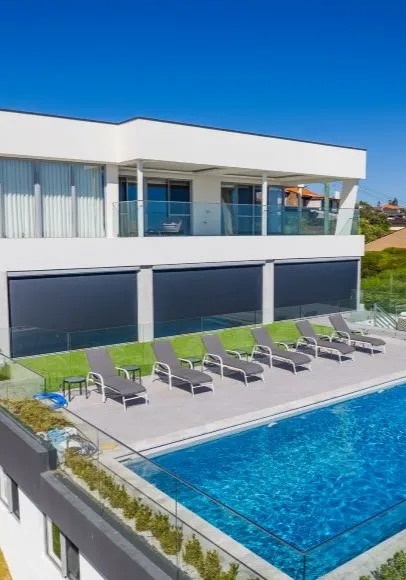
When it comes to safeguarding your home or business from harsh weather, intrusive eyes, and harmful UV rays, roller shutters and awnings stand out as two of the most popular outdoor protection options. Yet they solve different problems. One is built for security and insulation; the other is designed for shade, comfort, and style. If you’re weighing up roller shutters vs awnings, the right choice depends on your climate, budget, privacy needs, and how much maintenance you’re prepared to handle.
That decision matters more than many property owners realise. Outdoor protection is not just about blocking sun or keeping rain off a patio. It can also affect home security, energy efficiency, comfort, and long-term property value. For a suburban homeowner in Perth, that might mean choosing shutters to reduce heat and improve night-time security. For a café owner, it might mean selecting an awning that creates a welcoming alfresco space without overcommitting to a high-cost fitout. In other words, the best solution is rarely the same for every property.
There’s also a practical side to the choice. Some people want a product that can be left in place year-round with minimal upkeep. Others want something they can retract when the weather changes or when they want a different look. In busy suburbs, on exposed coastal blocks, and in commercial settings where presentation matters, the trade-offs become even more important. A product that looks ideal on paper can become inconvenient if it demands too much maintenance, struggles in wind, or doesn’t suit the building’s use case.
This guide breaks down the practical differences between roller shutters and awnings across security, weather resistance, thermal insulation, appearance, materials, maintenance, installation, and return on investment. We also include real-world examples, climate-specific advice, and internal resources to help you explore related products such as energy-efficient roller shutters for Perth homes, Outdoor Blinds, If you want a broader comparison of home protection systems, this article is designed to help you make a confident, informed choice.
Introduction to Outdoor Protection Solutions: Roller Shutters and Awnings
Overview of Roller Shutters — Functionality and Common Uses
Roller shutters are robust exterior window or door covers made primarily of interlocking slats, often aluminium-based, that roll up and down inside a housing box. They create a physical barrier between your property and the outside world, which is why they’re widely used for burglary deterrence, privacy, weather protection, and thermal control. Depending on the model, roller shutters can be operated manually or through motorisation, including wall switches, remotes, timers, and smart-home controls.
They are common in urban homes, coastal properties, rental homes, and commercial premises where security and durability matter. Business owners often choose shutters for shopfronts, storage rooms, and ground-floor windows, while homeowners may use them for bedrooms, street-facing rooms, or sun-exposed openings. In areas such as Subiaco, tailored options can help match local expectations for appearance, performance, and council-friendly fitouts. If you’re comparing local product types, see roller shutters options in Subiaco.
Roller shutters are also chosen by property owners who want a product that feels “set and forget.” Once installed, they can sit neatly above the opening, disappear into a slim box, and only become visible when needed. That can be useful in homes where the owners want privacy at night, or in businesses that need fast open-and-close routines each day. They are also a strong match for properties with exposed windows, bedrooms facing street lighting, or rooms that overheat in summer.
Overview of Awnings — Types and Typical Applications
Awnings are typically fabric or acrylic covers mounted above windows, doors, or outdoor spaces, extending outward to provide shade and shelter. They come in several forms, including fixed, retractable, motorised, and manual designs. Their main purpose is to reduce sun exposure, improve outdoor comfort, and add visual character to a property.
Awnings are especially popular for residential patios, alfresco areas, balconies, shopfronts, and café seating zones. A retractable awning gives you flexibility: shade when you need it, open sky when you don’t. Fixed awnings are simpler and often lower cost, while motorised awnings improve convenience for larger spans or more frequent use. For businesses, the right awning can boost curb appeal and create a more usable outdoor customer area, especially in warm climates. For homeowners seeking additional shade systems.
In practical terms, awnings suit people who want a softer visual finish and flexible shade control. A small café in Perth, for example, may use a retractable awning to encourage outdoor dining during lunch service, then retract it in the evening to protect the fabric and preserve a tidy streetscape. A homeowner may use a motorised awning over a deck to make the space usable on hot afternoons without permanently darkening the room behind it.
Why Comparing Roller Shutters and Awnings Matters for Homeowners and Businesses
While roller shutters and awnings both offer outdoor protection, their functions, benefits, and limitations differ significantly. Homeowners and business owners benefit from a direct comparison because the “best” option usually depends on what you value most: burglary resistance, sun control, visual appeal, weather shielding, or long-term savings. A property facing coastal corrosion, for example, needs different materials than a shaded suburban patio in a dry inland suburb.
That’s why the comparison is useful for more than just product selection. It helps you match the right solution to real-world conditions, including climate, maintenance effort, installation complexity, and ROI. It also gives you a clearer picture of where each product performs best. If your priority is security, shutters will usually lead. If your goal is comfort and shade with a softer visual finish, awnings may be the better fit. For a deeper look at commercial applications, explore Commercial Roller Shutter.
In many cases, the right answer is a layered approach. A property owner might install roller shutters on front bedrooms and street-facing windows, then add awnings over a patio or café seating area. That allows the building to benefit from both security and comfort without forcing one product to do the job of two.
Detailed Comparison of Features and Benefits
Security and Safety
Roller shutters excel in security by providing a formidable physical barrier equipped with anti-lift mechanisms and robust locking systems. In simple terms, they are harder to force open because the slats interlock and the curtain is secured in place. According to a 2023 Crime Prevention Through Environmental Design (CPTED) study, properties retrofitted with roller shutters experienced up to a 40% reduction in burglary attempts. That makes them especially attractive for urban homes, corner sites, and businesses that leave stock or equipment behind after hours.
Awnings, by contrast, do not offer meaningful burglary resistance. They may create shade and visual softness, but they are not a security product. They can even become vulnerable in high winds if left extended. For this reason, many property owners treat awnings as a comfort feature and shutters as a security feature. If you want a deeper explanation of the protection side, read the security advantages of residential roller shutters .
From a safety perspective, shutters can also help reduce the risk of broken glass in a storm or during vandalism, which matters in family homes and ground-floor commercial premises. Awnings may help keep people dry and shaded, but they won’t protect windows from impact the way a shutter curtain can.
Weather Resistance and Climate Suitability
When it comes to weather protection, both roller shutters and awnings have strengths, but they behave very differently under pressure. Roller shutters are designed to resist heavy rain, strong wind, dust, and even hail, with many aluminium models rated for wind resistance up to 140 km/h. Because they fully cover the opening, they also reduce drafts and help protect windows from debris during storms. This makes them a strong choice for coastal, windy, and storm-prone areas.
Awnings perform well in mild to moderate conditions. Waterproof acrylic and vinyl-coated fabrics can handle light rain and provide good sun shelter, but they are more vulnerable to storm damage if left extended in strong wind. Retractable models offer a practical workaround because they can be pulled in when weather turns. In hot, sunny suburbs, awnings are excellent for outdoor comfort and glare control. In exposed coastal or rain-heavy regions, shutters generally deliver better long-term resilience.
If you live in a location with frequent gusts or sudden weather changes, this difference becomes important day to day. A shutter is usually the “leave it and forget it” option, while an awning is more of a managed feature that needs retraction during poor weather. For people who prefer low effort and predictable performance, that distinction often tips the decision toward shutters.
Energy Efficiency and Insulation Benefits
Energy savings are a significant consideration for many homeowners. Roller shutters improve thermal insulation by creating an air barrier between the shutter and the window, which helps reduce heat loss in winter and heat gain in summer. That air gap acts as a buffer against outdoor temperatures, and the result is often lower reliance on heating and cooling systems. According to a 2024 Australian Government Energy Rating report, external shading and insulation measures can deliver measurable cooling benefits, with roller shutters often among the stronger-performing options in the right installation context.
Awnings primarily reduce solar heat gain by shading windows, glass doors, and outdoor living areas. That can make a substantial difference in hot climates, especially for west-facing windows or entertainment zones that are exposed to afternoon sun. However, awnings do not provide the same insulation benefit in winter because they do not create a sealed barrier. If you’re focused on reducing energy bills as part of a broader home upgrade strategy, review energy-efficient roller shutters for Perth homes. For added context on heat control, see thermal insulation benefits of roller shutters.
In practice, the best energy choice depends on the problem you’re solving. If your main issue is summer overheating, an awning may be enough. If you want year-round temperature control, a shutter generally offers more value. A café owner in a sunny Perth strip, for example, might use awnings to cool an outdoor seating area while still choosing shutters for the rear stock room to keep the building more efficient overall. Similarly, a family home with an air-conditioned living area may choose shutters for the most exposed windows and awnings for the patio to reduce the overall cooling load.
Aesthetic and Customization Options
Awnings offer abundant design options with a wide palette of colours, patterns, and styles—such as drop arms, dome, and valance styles—that can improve curb appeal and outdoor ambience. They are a natural fit for cafés, heritage-style facades, and patios where visual presentation matters. Many businesses use awnings as part of their brand identity because the fabric can complement signage, paintwork, and street-facing design.
Roller shutters are more functional in appearance, though modern options are far from plain. Slimline housings, colour-matched finishes, and decorative slats make it easier to integrate shutters with contemporary architecture. They usually suit homeowners who want a clean, secure, low-profile look rather than a decorative feature. In short, awnings win on style flexibility, while shutters win on understated practicality and discreet protection.
Materials, Durability, and Maintenance
Material Types and Weatherproofing Coatings
Material choice has a major impact on durability, appearance, and climate performance. Roller shutters are usually made from aluminium, steel, or PVC. Aluminium is the most common because it combines strength with light weight and corrosion resistance. Steel can offer extra rigidity, while PVC shutters are typically used in lighter-duty applications where moisture resistance and affordability matter more than maximum impact resistance. PVC is also valued for low maintenance in some residential settings, although it is generally not as strong as aluminium or steel for security-focused installations.
For homeowners comparing finish quality, powder coating is one of the most useful upgrades because it helps protect against UV fading, surface scratching, and corrosion while creating a cleaner visual finish. On shutters, a good powder coat can significantly improve how well the product handles sun exposure and day-to-day wear. In salty or coastal environments, salt-resistant aluminium alloys and marine-grade coatings provide extra defence against corrosion caused by airborne saline. That makes a noticeable difference for properties near the ocean, where untreated metals can deteriorate faster. For local advice on coastal performance, see salt-resistant shutters for coastal homes in Perth.
Awnings are commonly made from acrylic fabric, vinyl, canvas, or polyester. Acrylic fabrics are popular because they balance colour retention, UV resistance, and weather performance. Vinyl and PVC-coated fabrics can improve waterproofing, making them better suited to light rain or damp environments. Most quality awnings also include UV-resistant treatments and water-repellent coatings, but these finishes need care over time to remain effective. If you’re considering a shade-first solution, also look at Awning Maintenance Tips to understand how the fabric and hardware hold up over time.
For buyers comparing products in a coastal suburb, the material question often comes down to what lasts longest with the least hassle. Aluminium shutters with a powder-coated finish are generally the safer option where corrosion is a concern. Awnings can still work well, but they need higher attention to fabric grade, waterproof treatment, and retraction habits to stay in good condition.
| Feature | Roller Shutters | Awnings |
|---|---|---|
| Primary Materials | Aluminium, steel, PVC | Acrylic fabric, vinyl, canvas, polyester |
| Weatherproof Coatings | Powder-coated, anodized for corrosion resistance | UV-resistant, waterproof coatings |
| Climate Suitability | Ideal for coastal and storm-prone zones; salt-resistant alloys available | Best for sunny, moderate climates; less suited for heavy storms |
| Maintenance Complexity | Low; periodic cleaning and occasional lubrication of moving parts | Moderate; fabric cleaning, re-coating, and tension adjustments |
Lifespan and Wear Resistance Comparison
Aluminium roller shutters typically last 15–25 years under normal conditions, and in some cases longer if maintained well and protected from extreme corrosion. Their slats and tracks are designed to withstand UV exposure, salt air, and everyday use. Steel models can be durable too, though they are usually more dependent on protective coatings to resist rust.
Fabric awnings generally have a shorter lifespan of 7–15 years, depending on material quality, sun exposure, and how often they are retracted during poor weather. Acrylic fabrics with UV and mildew resistance perform better over time than cheaper vinyl or untreated canvas, but fabric fading, stretching, and seam wear remain common aging signs. In high-sun locations, the lifespan difference can be a major deciding factor.
Wear resistance also affects how often the product feels “old” before it truly fails. A shutter might still function well after many years if the motor, bearings, and guides are serviced properly. An awning, on the other hand, may remain mechanically sound but look tired earlier because the fabric has faded or lost tension. That visual aging can matter for shopfronts and hospitality venues where presentation is part of the investment.
Maintenance Routines and Effort
Roller shutters require relatively low upkeep. A typical routine includes wiping down slats and housings every 3–6 months, clearing tracks of dust or grit, and lubricating guide rails once or twice a year. For most homes, this takes about 15–30 minutes per shutter set for basic cleaning and 10–15 minutes for lubrication. If the system is motorised, an annual check of the motor, remote operation, and alignment is sensible. See tips to maintain your window roller shutters for longevity .
Awnings need a little more attention. Fabric should be brushed or washed every few months to remove dirt, bird droppings, and mildew risk, which often takes 20–40 minutes depending on the size of the awning. Retractable arms and joints should be checked for smooth movement, and tension may need periodic adjustment as the fabric stretches with age. Some fabrics may need re-coating or waterproof treatment every few years, and damaged covers can require full replacement. In coastal or damp areas, a quick monthly inspection can prevent minor wear turning into expensive repairs. For practical upkeep advice, visit Awning Maintenance Tips.
One practical example: a small café owner in Perth reported that a professionally installed motorised awning over a footpath seating area took roughly half a day to complete, while a set of two roller shutters for street-facing windows was installed in under a day with only a brief electrical connection step. That kind of comparison matters because maintenance and installation time affect business downtime as well as cost. In another residential example, a homeowner in Subiaco found that quarterly shutter cleaning and one annual service took less than an hour combined for two openings, whereas the patio awning needed more frequent washing because of tree debris and bird droppings.
If you want the lowest-effort option over time, shutters usually win. If you’re comfortable with a bit more upkeep in exchange for flexible shade and a softer look, awnings can still be a good fit. The key is matching the product to the lifestyle of the property rather than assuming all outdoor protection requires the same maintenance routine.
Impact of Different Climate Zones on Material Performance
In coastal areas, salt-laden air accelerates corrosion of metals unless protective coatings and salt-resistant materials are used. Salt-resistant aluminium alloys are recommended for roller shutters, while awnings need fabrics with enhanced UV and salt spray resistance. In hot, sunny regions, awnings with UV-protective fabrics are effective at reducing glare and solar load, whereas roller shutters offer both shading and insulation. Rainy and windy climates favour roller shutters for their storm-hardiness, with retractable awnings needing to be stored during inclement weather to avoid damage. If your property sits in a high-risk zone, climate-specific advice from a local installer can be worth the consultation cost.
Cost Analysis, Installation, and ROI
Purchase and Installation Costs
Roller shutters generally have a higher upfront cost, ranging between $600 and $1,200 per window including installation for standard manual systems. Motorised versions usually add around $150 to $400 per opening, depending on the motor type, control method, and wiring requirements. Awnings tend to be more affordable initially, typically $300 to $900 per installation depending on size, fabric quality, and whether the system is fixed, retractable, or motorised. Motorised awnings commonly add $250 to $700 or more, especially when sensors or automation are included. Prices can climb for custom sizes, premium fabrics, colour-matched housings, or difficult access.
DIY installation is sometimes possible for smaller, simpler awnings, but professional installation is usually recommended for both products when you want clean alignment, reliable operation, and warranty protection. Roller shutters in particular should be installed carefully because poor fitting can affect security, track movement, and motor performance. For value-focused buyers, compare options such as affordable roller shutters options in Perth and seasonal promotions like half-price roller shutters deals in Perth.
As a rule of thumb, a manual shutter may be the better budget choice if the opening is used infrequently and easy to reach. A motorised shutter may cost more upfront, but it can be worthwhile if the window is large, high, or part of a group of shutters that need regular daily operation. The same logic applies to awnings: a motorised unit costs more, but if it’s a large patio cover used often, the convenience may quickly justify the extra spend.
Installation Process and Timeframes
Roller shutters typically require precise measuring, bracket mounting, slat housing placement, track alignment, and, for motorised units, electrical connection. A straightforward manual shutter may take 2–4 hours per window, while a motorised system may take 3–6 hours per opening depending on wiring access and site conditions. Larger commercial jobs often require longer scheduling and may be staged over multiple visits.
Awnings are usually faster to install. A simple fixed or retractable awning may take 1–3 hours, while a larger motorised unit can take half a day or more once wiring and testing are included. Professional installation reduces the chance of sagging, poor pitch, or premature fabric wear. If the awning is part of a broader exterior upgrade, some homeowners also combine the job with Outdoor Blinds or other shading improvements to improve overall comfort.
For a straightforward residential project, the whole process from measure-and-quote to final install can often be completed within a few days to a few weeks, depending on product availability and site access. Complex commercial fitouts may take longer, especially if electrical work, access equipment, or custom colours are involved. That’s why it helps to ask installers for a clear timeline before committing.
Long-Term Cost of Ownership and Maintenance
While roller shutters have a higher initial cost, their long lifespan and low maintenance can produce stronger long-term value. Annual upkeep is often modest, and energy savings can accumulate over time, especially in homes with high air-conditioning use or street-facing windows exposed to afternoon sun. Awnings can be cheaper to buy, but over a 10- to 15-year period the cost of fabric cleaning, component repairs, and eventual re-covering can narrow the initial price advantage.
In practical terms, the most important question is not just “What costs less today?” but “What costs less over the life of the property?” A shutter may amortise better if it replaces another security measure, reduces cooling costs, and needs fewer repairs. An awning may offer better value if the goal is simply to create an attractive shaded outdoor zone without requiring high-level protection.
For example, a business owner who spends more upfront on shutters for a shopfront may avoid the cost of repeated break-in repairs, insurance claims, and downtime. A homeowner who chooses a good-quality awning for a patio may save money compared with building a permanent roof structure, even if the fabric eventually needs replacement. Both can be financially sensible; the question is which outcome you value most.
Expected Lifespan and Financial Value
Roller shutters often deliver financial value through several channels: security, energy efficiency, privacy, and potential property value uplift. For some homeowners, the appeal is less about direct payback and more about the reassurance of a more secure, better insulated property. Awnings, meanwhile, may return value through livability and presentation, especially where outdoor entertaining or café seating improves day-to-day use.
In a simple comparison, roller shutters usually justify their cost best when security and insulation are high priorities. Awnings justify their cost best when shade, aesthetics, and outdoor comfort are the primary goals. If you’re weighing the investment side more seriously, you may also want to review how roller shutters increase home value in Perth.
On ROI, it helps to think in layers: direct savings, avoided losses, and lifestyle gains. Roller shutters can reduce energy use and improve security; awnings can increase usable outdoor space and improve street appeal. Depending on the property, either of those outcomes may be more valuable than a simple payback calculation suggests.
| Feature | Roller Shutters | Awnings |
|---|---|---|
| Expected Lifespan | 15–25 years | 7–15 years |
| Maintenance Cost per Year | Low to moderate | Moderate to high if fabric replacement is needed |
| ROI Factors | Security, energy efficiency, property value increase | Shade comfort, aesthetic appeal, energy savings |
Practical Use-Case Scenarios for Decision Making
Best for High-Security Needs
If security is your top priority, roller shutters are usually the best fit. They’re ideal for ground-floor apartments, suburban homes in higher-risk areas, shopfronts, medical clinics, and commercial properties that keep valuable stock or equipment on-site. The physical barrier alone can deter opportunistic break-ins, while locking systems and anti-lift features add another layer of protection. A small warehouse that closes overnight, for example, will usually benefit more from shutters than from a shade-only solution.
This is also where professional advice can be helpful. A shop owner in inner Perth may choose shutters for front windows and a rear loading area, while a family home might install them on bedrooms and living spaces facing the street. For more commercial guidance, see roller shutters suitability for Perth businesses, comprehensive commercial roller shutters user guide, security benefits of commercial roller shutters,.
A realistic profile might be a suburban pharmacy, a boutique office, or a trades workshop that needs dependable after-hours protection. In those environments, the cost of the shutter is often justified by the value of the assets it protects and the peace of mind it provides to staff and owners.
Ideal for Hot and Sunny Environments
Awnings shine in hot, sunny environments because they create shade before sunlight reaches glass and hard surfaces. That makes them particularly useful for patios, courtyards, balconies, and café seating where comfort is the goal. A retractable awning can turn a bright, exposed area into a usable outdoor space within minutes, which is valuable for families entertaining outside or hospitality venues serving lunch and afternoon trade.
For a property in a hot suburb with moderate security concerns, awnings may be the more efficient first step if the biggest problem is glare and overheating rather than break-ins. A homeowner with west-facing windows might pair awnings with internal curtains, or later upgrade some openings to shutters for extra insulation. In other words, awnings are often best when outdoor comfort is the priority and the security risk is relatively low.
Typical users here include family homes with alfresco areas, apartment balconies, and small businesses that want a welcoming frontage. A motorised awning can be especially useful if staff need to set up and pack down quickly during the day. That convenience can make a noticeable difference in busy hospitality settings.
Suitable Choices for Rainy and Windy Regions
Rainy and windy regions usually favour roller shutters because they stay stable in harsh weather and can seal openings more effectively. They are particularly useful in storm-prone suburbs, coastal strips, and homes exposed to gusty conditions. Awnings can still work in these areas if they are retractable and retracted promptly when weather turns, but leaving them extended during wind or heavy rain can shorten their lifespan quickly.
For coastal homes, salt-resistant materials are essential, and some property owners may combine shutters with other protective products depending on exposure. If your location faces bushfire risk as well as coastal weather, reviewing Bushfire Protection Shutters is a smart next step. In a practical sense, a family in a windy beachside suburb often chooses shutters for bedrooms and awnings only for the most sheltered outdoor areas.
A good rule of thumb is this: if the weather regularly forces you to pack things away, shutters become more attractive. If your outdoor area is sheltered and the main issue is sun rather than storms, awnings can still provide strong day-to-day value.
Budget-Friendly Recommendations with Trade-Offs
When budget is tight, standard awnings offer an affordable way to add shade, improve outdoor comfort, and reduce some solar heat gain. The trade-off is shorter lifespan, lower security, and more regular maintenance. Basic roller shutters cost more at the outset, but they can be a stronger long-term investment if they replace multiple solutions or reduce cooling costs and replacement frequency over time.
If cost is the deciding factor, look for package pricing, seasonal offers, or smaller staged upgrades rather than cutting corners on product quality. For example, a homeowner might start with a single south- or west-facing awning, then add shutters later to the most exposed or vulnerable rooms. Explore affordable roller shutters options in Perth or deals like half-price roller shutters deals in Perth to balance cost and performance.
A practical budget strategy is to prioritise the opening with the biggest payoff first. For example, a homeowner might install a shutter on the main bedroom window for privacy and security, then choose a lower-cost awning for the patio later. That staged approach can make higher-quality products more affordable without forcing a compromise on the most important area.
Summary Table: Pros and Cons of Roller Shutters vs Awnings
| Aspect | Roller Shutters | Awnings |
|---|---|---|
| Security | Strong physical barrier; high burglary resistance | Minimal to none |
| Weather Protection | Excellent against storms, rain, wind, UV | Good for sun and light rain; vulnerable in storms |
| Energy Efficiency | Provides insulation; reduces heating/cooling costs | Shades windows; reduces solar heat gain only |
| Aesthetics | Functional, modern look with limited styles | Highly customizable with diverse fabrics and colours |
| Maintenance | Low; occasional cleaning and lubrication | Moderate; fabric cleaning, re-coating, and repairs |
| Cost (Initial) | Higher upfront cost | Lower upfront cost |
| Lifespan | 15–25 years | 7–15 years |
Conclusion: Making the Right Choice for Your Property Needs
Choosing between roller shutters and awnings comes down to your priorities. If you want the strongest mix of security, storm protection, privacy, and thermal insulation, roller shutters are usually the smarter long-term investment. If your goal is to create shaded outdoor comfort, improve curb appeal, and keep costs lower upfront, awnings are often the better fit. For many properties, the ideal answer is not one or the other, but a combination of both: shutters for protection and awnings for livable outdoor space.
Before deciding, consider your climate, the way you use the space, your maintenance tolerance, and whether you’re trying to improve security, comfort, or both. A well-chosen solution should match the property’s real needs rather than just the lowest quote. If you’d like tailored advice or a quote based on your home, business, or climate zone, contact our team to discuss the best option for your property.
For more guidance, explore how roller shutters increase home value in Perth, Roller shutters Perth, and our local product pages to compare options before you buy. If you want help choosing the right fit, a quick consultation can save time, avoid mismatched products, and improve long-term value.
Frequently Asked Questions
What are the main differences between roller shutters and awnings?
Roller shutters provide strong security and weather protection by creating a physical barrier, while awnings primarily offer shade and light weather shelter. Shutters also improve insulation and privacy, whereas awnings focus more on outdoor comfort, sun control, and visual appeal.
Which option offers better security for my home or business?
Roller shutters are the better security option because they include interlocking slats, anti-lift features, and locking systems that help deter forced entry. Awnings are designed for shade and shelter, so they add almost no burglary protection for homes or businesses.
How do maintenance requirements differ between roller shutters and awnings?
Roller shutters usually need only light cleaning, track checks, and occasional lubrication, while awnings need more frequent fabric cleaning, tension checks, and weather-related inspections. In most cases, shutters are simpler to maintain and have lower ongoing upkeep costs.
Can roller shutters help reduce energy costs?
Yes. Roller shutters can reduce heat gain in summer and heat loss in winter by creating an insulating air gap over the window. That can lower air-conditioning and heating use, especially on exposed or west-facing openings. Awnings help too, but mainly through external shading.
Are awnings suitable for rainy or windy climates?
Awnings can work in rainy or windy areas if they are retractable and made with quality waterproof fabric, but they are more vulnerable to damage than shutters. In harsher climates, they should be retracted during bad weather to reduce wear and avoid costly repairs.
Is motorising roller shutters worth the extra cost?
Often, yes. Motorising roller shutters adds convenience, especially for larger windows, hard-to-reach openings, and properties with multiple shutters. The extra cost can be worthwhile if you value easier daily use, smart-home control, and less physical effort. Manual shutters may still suit tighter budgets.
How long do roller shutters and awnings typically last?
Roller shutters often last 15–25 years or more with good care, while awnings usually last around 7–15 years depending on fabric quality, sun exposure, and weather conditions. Regular maintenance and climate-appropriate materials can extend the life of both products.
Can I use both roller shutters and awnings together for outdoor protection?
Yes, and in many cases that’s the best approach. Roller shutters can handle security, privacy, and storm protection, while awnings provide shade and outdoor comfort during the day. Used together, they create a more flexible and balanced outdoor protection system.