
Commercial Roller Shutters Good for Security? | Smarter Outdoors
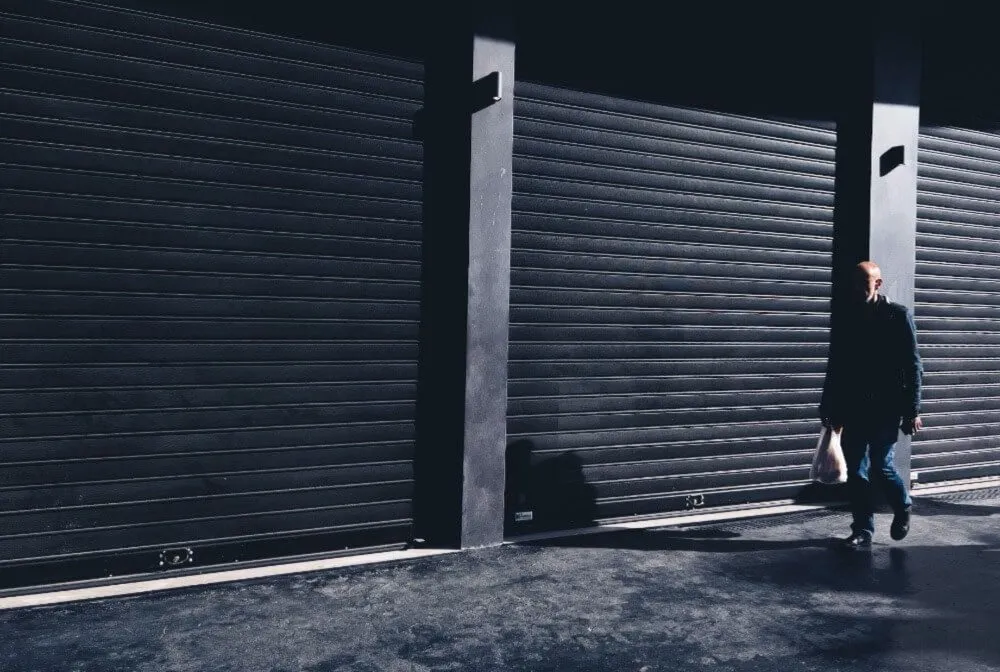
Are commercial roller shutters good for security? For many businesses, the answer is yes — especially when break-ins, vandalism, and after-hours access are real business premises security risks. Commercial vs residential shutters are built differently for this reason: commercial models are designed for heavier use, stronger impact resistance, and more reliable locking. If you are comparing options for local protection, explore our roller shutters Perth range and see how they fit different commercial sites.
Australian business owners know that a visible physical barrier can change criminal behaviour fast. In practical terms, a well-specified shutter does not just block entry; it discourages the attempt in the first place. That is why commercial roller shutters are often used on shopfronts, warehouses, offices, and loading bays where business premises security has to be dependable after hours. To learn how they support wider protection planning, see our guide to the security benefits of roller shutters.
Commercial shutters matter because they protect stock, equipment, glass frontage, and sometimes sensitive data. They also support insurance expectations, reduce opportunistic theft, and create time-delay against forced entry. In other words, they act as a robust physical security barrier that works alongside alarms, CCTV, and access control rather than replacing them.
This article explains how commercial roller shutters work, where they are strongest, what vulnerabilities to watch for, and how installation quality and maintenance affect long-term security. If you are considering a project, you can also learn more about installation and compare shutter options before making a decision.
Security Features of Commercial Roller Shutters
Material Types and Their Role in Security
The security performance of commercial roller shutters starts with the material. Steel, aluminium, and composite systems each offer different balances of tensile strength, corrosion resistance, weight, and appearance. For businesses, the right choice depends on risk level, opening size, and whether the site needs maximum resistance or a more discreet finish. For a practical overview of product choices, see our energy-efficient roller shutters page, which explains how material and insulation can work together.
| Material | Security Characteristics | Typical Use |
|---|---|---|
| Steel | High tensile strength and strong resistance to cutting, prying, and impact. Galvanised or coated steel also improves corrosion resistance. | Warehouses, industrial sites, high-risk shopfronts, and premises with valuable stock. |
| Aluminium | Lighter than steel, with good corrosion resistance and solid everyday protection. Reinforced slats can improve strength, but it is generally less impact-resistant than steel. | Retail stores, offices, and businesses wanting a balance of security and presentation. |
| Composite | Uses a mix of materials to improve durability, insulation, and environmental resistance. Security can be strong, though heavy-force resistance varies by design. | Commercial sites needing moderate security plus thermal or acoustic benefits. |
Steel remains the preferred option where the threat profile is high because it better resists grinder attacks, crowbar leverage, and blunt-force impact. Aluminium, while lighter and often more attractive for customer-facing buildings, can still be effective when combined with reinforced slats and proper locking. Composite shutters may suit businesses that need more than security alone, particularly where energy performance matters too.
Material selection should always be matched to the site’s risk, not just budget. A weak shutter on a vulnerable opening can create a false sense of protection. For businesses weighing presentation and protection together.
Locking Mechanisms Used in Commercial Shutters
Locking mechanisms are what turn a strong shutter into an effective security barrier. Common systems include manual slide locks, slam locks, central locking bars, electronic locks, deadbolts, and security pins. The best choice depends on shutter type, opening size, and whether staff need local or remote operation.
- Manual slide or slam locks: Durable and simple, with double-point engagement in some models for better load distribution.
- Central locking bars: Spread the locking force across the width of the shutter, helping resist forced lifting.
- Electronic locks: Useful for automated systems and controlled access, especially where staff turnover is high.
- Deadbolts and security pins: Add secondary reinforcement against tampering and uplift.
High-security locks should be paired with reinforced end locks, strong guides, and secure fixing points. Otherwise, the shutter may still be vulnerable at the weakest point rather than the centre panel. Businesses comparing options should also review our security standards for shutters guide to understand how locking quality affects compliance and performance.
Automated Roller Shutters: Benefits for Security
Automated roller shutters add security by reducing human error and speeding up after-hours closure. They can be set to close on a timer, respond to alarm triggers, or be operated remotely from a secure location. This is especially useful for larger commercial sites where staff may forget to secure every opening individually.
Modern automation also includes fail-safes. A brake clamp helps prevent the curtain from dropping unexpectedly if the motor or drive system fails, while a manual override lets users operate the shutter during a power outage or emergency. In plain terms, the brake clamp is a safety device that resists uncontrolled movement, and the manual override gives the building a backup way to secure access when electricity is unavailable.
Remote locking is another major advantage because managers can confirm closure after hours without returning onsite. Some systems can also be configured so an alarm trigger initiates automatic closing, creating a faster response to suspicious activity. For a deeper look at automation, see our page on automated roller shutters.
When specified correctly, automation does not weaken security; it improves consistency. It ensures the shutter is actually used every night, which is important because missed closures remain one of the most common real-world security failures.
Integration with Alarm and Surveillance Systems
Modern commercial roller shutters can integrate with alarm systems, CCTV, and access control to create a layered defence. This is valuable because physical barriers delay entry while electronic systems detect and record activity. Together, they improve incident response and give businesses better evidence if an attempt occurs.
- Alarm triggers can activate automatic shutter closure or lockdown sequences.
- Sensors can detect forced lifting, vibration, or tampering at the guide rails.
- Surveillance cameras positioned near shutters provide visual evidence of entry attempts.
- Access control systems limit who can open and close shutters outside business hours.
This kind of system synergy is especially useful for retailers, pharmacies, and warehouses where the opening hours do not match the risk window. If you are planning a broader security upgrade,
How Commercial Roller Shutters Prevent Crime and Vandalism
Physical Barriers Against Break-ins and Theft
Commercial roller shutters act as a high-strength physical barrier over common access points such as windows, doors, and display fronts. They slow down forced entry attempts, increase noise and effort, and reduce the chance of a quick “smash and grab” theft. In security terms, that time delay matters because most opportunistic offenders want fast, low-risk access.
Recent Australian business security reporting has consistently shown that properties with strong physical barriers experience fewer successful opportunistic break-ins than open-front premises. For example, a 2023 Australian retail security report found sites fitted with roller shutters recorded a 40% reduction in break-in incidents compared with similar sites without physical barriers. While outcomes vary by location and threat profile, the trend is clear: visible protection discourages repeat targeting.
Deterrence Effect: Psychological Impact on Criminals
Roller shutters also work as a visual deterrent. Criminals often choose easier targets, especially where they believe access will be fast and quiet. A shutter signals that the building may take longer to breach, may trigger alarms, and may have stronger internal controls. That perceived risk can be enough to move an offender to the next property.
Research cited in criminology discussions suggests attempted burglaries may fall by around 30% where strong shutters are visibly present. The key point is not that shutters eliminate crime, but that they can meaningfully change offender decision-making. Businesses that want stronger deterrence should combine shutters with clear security signage, lighting, and surveillance.
Protection Against Vandalism and Environmental Risks
Roller shutters do more than stop intruders. They also help protect glass and fixtures from vandalism such as graffiti, smashing, and projectiles. In storm conditions, they can reduce damage from flying debris and limit exposure to heavy rain or wind-driven impact. In some premises, they may also help with fire-risk mitigation when part of a broader building safety design.
Because environmental wear can reduce performance over time, corrosion-resistant finishes matter. Powder-coated or galvanised surfaces, for example, help maintain integrity in coastal or high-humidity areas. This is one reason many businesses choose shutters as part of a broader property protection strategy rather than a standalone measure.
Case Studies and Statistics on Break-in Reduction
Real-world examples help show how security performance translates into business outcomes. A Melbourne electronics warehouse reported zero successful break-ins in the three years after installing steel roller shutters, compared with five incidents in the three years before installation. That is a practical example of time-delay and deterrence working together.
Another case involved a Sydney retail strip where multiple shopfronts upgraded to shutter protection after repeated overnight vandalism. Over the following 12 months, the affected tenants reported fewer glass repairs, reduced insurance claims, and less after-hours police call-out activity. While results varied between businesses, managers consistently noted that the shutters changed how vulnerable their premises felt.
Data from NSW Police has also been used to show that commercial premises with physical shutters experience substantially fewer burglaries than comparable sites without them. In addition, alarm integration can reduce response times by roughly 25%, meaning an intruder has less opportunity to remain onsite. For businesses seeking stronger protection, pairing shutters with broader systems such as commercial security upgrades can improve resilience further.
The Impact of Installation Quality on Security Performance
Importance of Professional Installation
The best shutter in the world can underperform if it is badly installed. Professional installation ensures secure mounting, correct alignment, and proper integration with locks, motors, and alarms. It also helps the shutter meet the performance level expected by insurers, auditors, and building managers.
In practice, a qualified installer checks the opening, structural fixing points, end stops, guides, and operating clearance before fitting the shutter. For business owners, this is one of the most important reasons to use a trusted provider. If you are comparing options,.
Common Installation Flaws That Compromise Security
Common installation mistakes can create weak points that intruders exploit. These include:
- Misaligned guides that allow prying under the curtain.
- Poor anchoring of brackets or fixing points that enable forced removal.
- Weak lock mounting that concentrates stress on a single point.
- Failure to connect shutters properly with alarm or access systems.
- Choosing components that do not match the required security rating.
Security gaps often appear at the edges, not in the centre of the shutter. That is why installation accuracy matters as much as material strength. To understand the process in more detail, see our commercial roller shutters guide and related installation resources.
Security Standards and Compliance for Commercial Shutters
Compliance helps businesses choose shutters that are more likely to perform as advertised. AS/NZS 4505 is an important reference point for security shutters in Australia and New Zealand, while LPCB certification provides additional assurance that a product has been independently tested against defined security expectations. Together, these standards help buyers compare products more confidently.
Security audits are also valuable because they assess whether the shutter specification, lock type, mounting method, and operational procedures suit the actual risk on site. A shutter may meet a standard on paper, but if the site is exposed to repeated forced entry attempts or harsh coastal corrosion, the specification may need to be upgraded. Certification can also support insurance discussions, internal compliance reviews, and documented risk management.
For businesses in Western Australia, our roller shutter regulations Perth guide explains local compliance considerations in more detail.
Post-installation Maintenance Related to Security
Maintenance plays a direct role in vulnerability mitigation. Regular checks for lock function, motor performance, guide wear, corrosion, and unusual noise help identify problems before they become security failures. A shutter that sticks, drags, or does not fully close can leave gaps that undermine protection.
For a simple upkeep checklist, see our guide on maintaining window roller shutters to prolong their security effectiveness. Even brief inspections can help detect loose fasteners, damaged coatings, or worn anti-lift components early.
Limitations and Common Doubts about the Security of Commercial Roller Shutters
Potential Vulnerabilities and How They Are Addressed
Commercial roller shutters are strong, but they are not invincible. Businesses should understand the main vulnerabilities and the mitigation steps that reduce risk:
- Prying at the bottom or sides: Use reinforced guide rails and anti-lift devices that make it harder to force the curtain upward.
- Lock tampering: Choose tamper-proof lock designs, concealed fixings, and high-security hardware with resistant housings.
- Forced lifting: Add anti-lift devices and secure end locks so the curtain cannot be levered out of position easily.
- Motor failure in automated systems: Install a manual override and consider backup power or alternative access procedures.
- Corrosion and weathering: Use corrosion-resistant coatings, galvanised finishes, and scheduled maintenance to preserve strength.
These measures work best when combined rather than used in isolation. A corrosion-resistant coating, for example, protects the metal surface, while anti-lift devices and maintenance protect the lock and guide system. To compare wider security planning approaches.
Comparisons With Other Commercial Security Solutions
Roller shutters are often assessed alongside security grills, bulletproof glass, and CCTV-only systems. The right solution depends on cost, visual impact, installation complexity, and the level of physical protection required. Here is a practical comparison:
| Solution | Pros | Cons | Typical Use |
|---|---|---|---|
| Commercial roller shutters | Strong physical barrier, privacy after hours, good deterrence, can integrate with alarms. | Higher upfront cost than CCTV-only systems, requires proper installation and maintenance. | Retail, warehouses, offices, and high-risk openings. |
| Security grills | Lower cost, visible deterrence, can suit some internal applications. | Less privacy, less weather protection, and often weaker against forceful impact. | Lower-risk entrances or internal zones. |
| Bulletproof glass | Excellent visible barrier while keeping transparency. | Very expensive, heavy, and not practical for many openings; does not protect frames or doors alone. | Specialist sites, reception areas, critical infrastructure. |
| CCTV-only systems | Useful evidence and monitoring, relatively affordable, easy to expand. | Detects crime but does not physically prevent entry or delay access. | Layered security support, not a standalone barrier. |
In short, shutters usually provide the strongest balance of cost and effectiveness when physical prevention is the priority. CCTV is valuable, but it works best when paired with a barrier. Bulletproof glass can be highly effective, but the cost and installation complexity limit its use. Security grills may suit some lower-risk locations, yet they rarely match the privacy and environmental protection of shutters.
Addressing Myths and Misconceptions
- Myth: “Roller shutters can be easily cut or broken.”
- Fact: Industrial-grade steel and reinforced aluminium shutters are built to resist cutting, prying, and impact, especially when paired with anti-lift devices and strong locks.
- Myth: “Automation makes shutters less reliable.”
- Fact: Modern automated systems include brake clamps, manual overrides, and robust controls that improve reliability when properly specified and maintained.
- Myth: “Shutters always look industrial and unattractive.”
- Fact: Contemporary designs can be colour-matched and integrated neatly with storefront aesthetics.
Businesses looking at budget and value can also review our guides on finding affordable yet secure roller shutter options in Perth, the cost-effectiveness of investing in roller shutters for security, and the value proposition of security roller shutters.
For businesses that also care about operating costs, our guide on how roller shutters save you money explains the energy and maintenance benefits that can support long-term value.
Recommendations From Security Experts
According to Jane Mumford, CPP-certified security consultant: “Commercial roller shutters are an essential layer of physical security, particularly when professionally installed and integrated into a comprehensive security plan including alarms and surveillance.”
Michael O’Connor, a commercial shutter technician and installer, adds: “The best results come from matching the shutter specification to the real risk. Anti-lift devices, quality guide rails, and correct anchoring matter just as much as the curtain material itself.”
When comparing options such as affordable yet secure roller shutter options in Perth, experts recommend prioritising quality materials, certified hardware, and correct installation over short-term savings. That approach reduces repair costs and improves insurance confidence.
Real-World Applications and Expert Insights
Testimonials from Business Owners and Security Professionals
“Since installing steel roller shutters with integrated alarm connections, our retail outlet has seen a 50% drop in attempted break-ins,” reports Mark Johnson, manager of a Sydney electronics store.
Security systems analyst Linda Tran notes: “Combining automated roller shutters with 24/7 monitoring vastly improves incident detection and response time, making physical break-ins far more difficult.”
Businesses that want sector-specific examples can also review commercial roller shutters for business security and choosing the right roller shutters for Perth businesses.
Examples From Different Industries (Retail, Warehouses, Offices)
- Retail: Small shops often choose aluminium shutters for a balance of presentation, theft prevention, and everyday usability.
- Warehouses: Heavy-duty galvanised steel shutters are common on loading bays and stock areas because they provide stronger forced-entry resistance.
- Office buildings: Automated shutters can integrate with building management systems for reliable after-hours protection.
Integration With Broader Security Systems and Protocols
Commercial roller shutters are most effective when they form part of a broader protocol that includes access control, surveillance, alarm monitoring, and staff lock-up procedures. In other words, the shutter is one layer in a system, not the entire system.
That layered approach is one reason many businesses use shutters alongside other external products and protection measures, including energy-efficient roller shutters and complementary exterior solutions such as PVC café blinds where appropriate.
Conclusion: Are Commercial Roller Shutters a Robust Security Solution?
Summary of Key Security Benefits and Considerations
Commercial roller shutters are a robust security solution when the goal is to reduce theft, deter vandalism, and slow forced entry at business premises. Their effectiveness comes from strong materials, reliable locking systems, proper installation, and smart integration with alarms and surveillance. They are especially valuable where physical security matters more than transparency.
However, shutters work best when specified correctly, maintained regularly, and supported by other controls such as lighting, cameras, and access management. A poorly installed shutter or neglected locking system can leave weaknesses that undermine the whole setup.
Final Expert Opinions and Recommendations
Security professionals generally agree that professionally fitted steel or reinforced aluminium shutters offer strong value for businesses that need dependable physical protection. They are not a substitute for good procedures, but they do create a serious obstacle for intruders and vandals.
If you are evaluating your own premises, contact our experts for a free security assessment For further planning, it also helps to review key questions to ask before purchasing commercial roller shutters.
Outlook on Future Developments in Commercial Shutter Security
Future shutter systems are likely to feature smarter automation, better corrosion-resistant coatings, stronger anti-lift hardware, and AI-enabled monitoring that detects unusual behaviour before a breach occurs. Energy efficiency will also remain important, especially for businesses that want security and lower operating costs in one system.
For many businesses, the best approach is to compare shutters with other options, then choose a layered solution that balances protection, appearance, compliance, and budget.
Frequently Asked Questions
What materials are commercial roller shutters made from, and how do they affect security?
Commercial roller shutters are usually made from steel, aluminium, or composite materials. Steel offers the highest impact and cut resistance, aluminium provides lighter-duty protection with better corrosion resistance, and composites can balance strength, insulation, and durability depending on the design.
How do commercial roller shutters compare to other security options like grills or CCTV?
Roller shutters provide a stronger physical barrier than security grills and CCTV-only systems. Grills deter visually but offer less privacy and weather protection, while CCTV records incidents without stopping entry. Shutters are often the better choice when prevention and delay are priorities.
Can commercial roller shutters be automated and integrated into modern security systems?
Yes. Automated shutters can connect with alarms, access control, and surveillance systems. They may close on timers, respond to alarm triggers, and support remote locking. This reduces human error and helps ensure the premises are secured consistently after hours.
Why is professional installation critical to the security performance of roller shutters?
Professional installation ensures the shutter is anchored, aligned, and integrated correctly. Poor fitting can create gaps, weak fixing points, or lock issues that intruders can exploit. Proper installation is essential for both security performance and compliance with relevant standards.
What are the most effective locking mechanisms used in commercial roller shutters?
Effective options include manual slide or slam locks, central locking bars, deadbolts, security pins, and electronic locks for automated systems. The best choice depends on the site’s risk level, access needs, and whether the shutter must be operated manually or remotely.
How do roller shutters deter vandalism and environmental damage?
Roller shutters protect glass, doors, and façade surfaces from graffiti, smashing, and debris impact. They also reduce exposure to wind, rain, and storm-driven damage. This helps lower repair costs and keeps the property looking secure and well maintained.
What vulnerabilities should businesses be aware of with commercial roller shutters?
Common vulnerabilities include prying at the edges, lock tampering, motor failure, and corrosion. Businesses can reduce these risks with anti-lift devices, tamper-resistant locks, corrosion-resistant coatings, and regular maintenance checks for wear, alignment, and smooth operation.
Are commercial roller shutters a cost-effective security solution for different business types?
They are often cost-effective because they combine deterrence, physical protection, and long-term durability. Retail stores, warehouses, and offices may all benefit, but the best value depends on the risk level, required finish, and whether the shutters are integrated with other security measures.