
How Roller Shutters Save You Money | Cost Guide
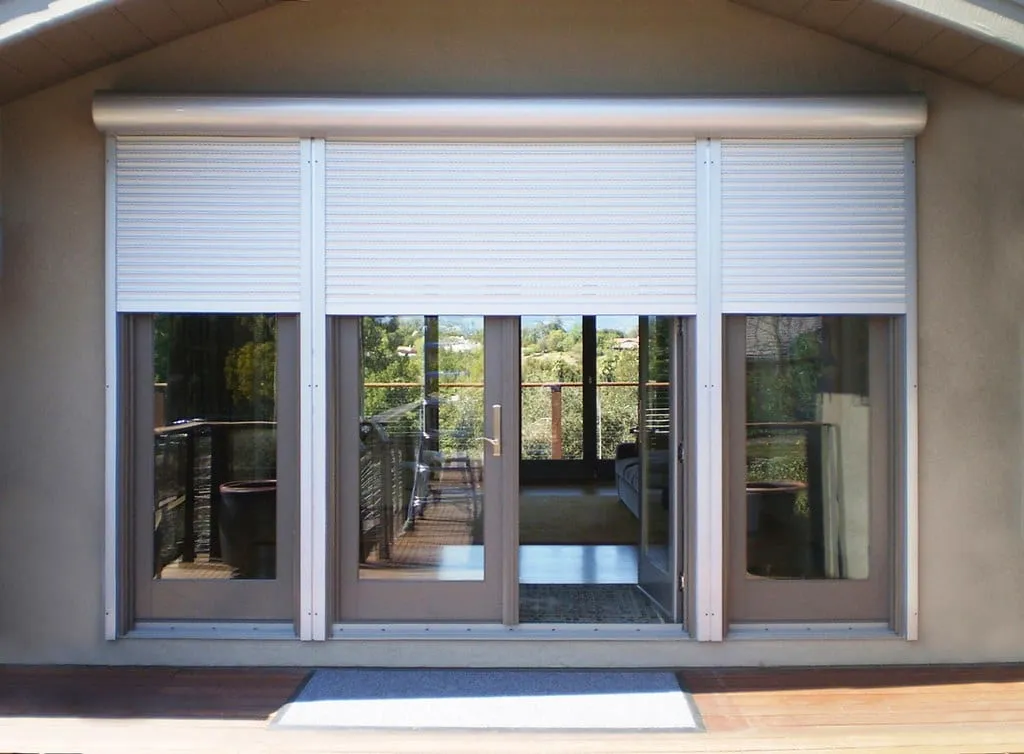
Introduction to How Roller Shutters Save You Money
How roller shutters save you money is a practical question for homeowners and small business owners who want real financial benefits, not just better-looking windows. The answer goes beyond security and privacy. Roller shutters can lower energy bills, reduce damage from weather extremes, support insurance premium discounts, and improve the long-term investment lifecycle of a property.
In simple terms, they help cut homeowner savings leakage across day-to-day costs, repair expenses, and replacement cycles. By improving thermal insulation, blocking solar radiation, and adding a strong physical security layer, shutters can reduce both electricity and gas usage while protecting the property from burglary, hail, storms, and harsh sun. For many buyers, that means a clearer ROI than they first expect.
This guide explains short-, medium-, and long-term savings in plain English, including payback period estimates, material trade-offs, and regional differences. If you are comparing roller shutters Perth options or reviewing pricing, it will help you judge whether the upfront cost is justified over the full ownership cycle. We also note where outcomes vary by climate, insurer, and product selection so you can make a better-informed purchase decision.
Short-Term Savings: Immediate Financial Benefits of Installing Roller Shutters
Reduction in Energy Bills Through Thermal Insulation
One of the quickest financial benefits comes from better thermal insulation. Roller shutters create a barrier that reduces heat transfer through glass, which helps keep hot air out in summer and warm air in during winter. That means less running time for air conditioning and heating, and in turn, lower utility cost savings from reduced electricity and gas usage.
For many homes, windows are a major source of heat gain and heat loss. This is where the concept of thermal bridging matters. Thermal bridging simply means heat moving through a less insulated part of the building envelope, such as a bare window. When shutters cover the window, they interrupt that path and improve thermal efficiency.
According to government and industry energy guidance, well-fitted window coverings can significantly reduce unwanted heat transfer, especially in homes with large west-facing windows. In climates with strong sun exposure such as Perth, the effect is often more noticeable because roller shutters also block solar radiation before it enters the home.
In real terms, this can show up quickly on bills. A household that previously relied on heavy air-conditioning during summer may notice lower peak electricity use almost immediately after installation. In cooler months, the savings may also extend to gas heating, particularly where windows were previously the weak point in insulation. That is why energy savings with roller shutters are often among the first benefits owners notice.
Quick Decrease in Utility Costs During Extreme Weather
During heatwaves, cold snaps, and other weather extremes, roller shutters can stabilize indoor temperatures more effectively than curtains or basic blinds. They reduce the need to “fight” the weather with constant heating or cooling, which can make utility costs more predictable from the first season onward. That predictability is valuable for households and businesses trying to budget.
This matters most in places where temperatures swing sharply between day and night. In Perth, for example, the combination of high solar radiation and hot afternoons can push cooling demand up quickly. By reducing direct sun exposure and slowing heat flow through windows, shutters help homes hold a more stable internal temperature. The result is often a noticeable drop in cooling bills during summer and a smaller heating burden in winter.
For commercial users, this can also help protect stock, staff comfort, and operating margins. A small business with front-facing glass may save on air-conditioning while reducing the stress placed on HVAC systems. That lower operating load can contribute to a better short-term return on investment, especially during extreme weather periods.
If you are comparing product options, our price guide can help you match upfront cost against expected utility savings and property type.
Early Insurance Premium Discounts Due to Enhanced Security
Roller shutters are also a strong security investment. Their visible presence can deter opportunistic break-ins, vandalism, and attempted forced entry. Because of that, some insurers may consider them when reviewing risk, which can lead to insurance premium discounts in certain cases. These savings are not guaranteed, but they can arrive early in the ownership lifecycle if the insurer recognises the upgrade.
The size of the discount depends on the insurer, the property, the suburb, and whether the shutters form part of a broader security setup. In practice, a claims-free period combined with shutter installation may strengthen the case for lower premiums at renewal. For more detail, read our guide on insurance premium discounts for roller shutters and how insurers typically assess risk.
Some providers may look for evidence that shutters reduce burglary exposure, improve window protection, or supplement alarms and monitored systems. In those cases, the saving is not just about cheaper premiums; it is also about avoiding the cost of a claim, excess payment, and disruption after a break-in. That broader loss avoidance is part of the immediate financial case for shutters.
Minimizing Repair Costs from Weather-Related Window Damage
Windows are vulnerable to hail, strong winds, flying debris, and harsh UV exposure. Roller shutters provide a protective shell that can reduce glass breakage and the follow-on costs of emergency repairs. If a storm damages a window, the expense may include glass replacement, labour, temporary boarding, interior damage, and sometimes moisture-related fixes as well.
By shielding the glass, shutters can reduce the chance of these expensive surprises. In coastal or storm-prone regions, the repair cost avoidance can be material over just a few years. That is especially true for homes with large windows, upstairs rooms, or exposed façades. In some cases, the weather protection alone may help justify the investment even before energy savings are counted.
Roller shutters also help limit sun-related wear on furniture and window furnishings by reducing UV exposure. This can extend the life of nearby items and reduce replacement costs elsewhere in the home. For comparison, clear PVC café blinds Perth can help in some outdoor settings, but shutters generally provide more complete window protection for the glazing itself.
Overall, the short-term story is simple: lower electricity and gas usage, fewer weather-related repairs, and potential insurance benefits can start delivering value soon after installation.
Medium-Term Savings: Cost Reductions Over the First 3 to 5 Years
Energy Efficiency Gains and Seasonal Utility Cost Stabilization
Over the first few years, the savings from roller shutters become easier to measure because they accumulate across multiple seasons. Instead of a one-off reduction in a single summer bill, owners often see a more stable pattern in energy spending. That can help with household budgeting and business cash flow, especially when electricity prices rise.
This is where utility cost savings become more meaningful. A home that used to experience sharp summer spikes and winter heating surges may see a smoother year-round profile after installation. That is partly because the shutters reduce direct solar gain during high-radiation months and limit heat loss during colder periods. The result is less dependence on heaters, split systems, and other energy-hungry equipment.
In regions such as Perth, where sunny days are common and weather extremes can be intense, the seasonal benefits tend to be stronger than in mild coastal climates. Still, even in moderate climates, the combination of reduced electricity and gas use can create measurable medium-term savings. Over three to five years, those savings may cover a significant portion of the installation cost, particularly when paired with any insurance discount.
Lower Maintenance and Repair Frequencies
Another major medium-term saving is reduced maintenance. Roller shutters help protect windows, frames, and interior furnishings from sun, wind, dust, and rain. That means fewer minor fixes and a lower chance of expensive repairs caused by environmental wear. It also helps preserve the condition of the property, which can matter to both homeowners and landlords.
Material choice has a big impact here. Aluminum shutters typically offer stronger durability and better resistance to UV exposure, impact, and warping. PVC shutters may be cheaper at first, but they can be more vulnerable to discoloration or deformation in hot or coastal environments. In practical terms, that can mean more frequent repair costs or a shorter replacement cycle.
Routine care still matters. Simple cleaning, checking moving parts, and keeping tracks clear can improve performance and delay wear. Our maintenance tips for roller shutters page explains how to keep shutters cost-effective with minimal effort. This is especially important for homes near the coast, where salt corrosion may affect exposed components and make upkeep more important.
When maintenance is done properly, the savings are not only about avoiding repairs. They also come from maintaining energy performance. A shutter that fits well and operates smoothly is more likely to keep delivering thermal insulation benefits year after year.
Theft and Burglary Prevention Leading to Direct Cost Avoidance
Security savings are often underappreciated because they are harder to measure than utility bills, but they can be substantial. Roller shutters create a physical barrier that slows down intruders and increases the noise and effort involved in a break-in attempt. That alone can shift a criminal to an easier target.
For residential owners, the avoided cost may include stolen property, damaged windows, smashed doors, insurance excess, and emotional stress. For businesses, the financial impact can be even broader because burglary can interrupt trading, delay deliveries, and force unplanned closures. These indirect costs are a key reason roller shutters can be considered a true security upgrade rather than just a window covering.
Some owners also combine shutters with alarms, cameras, and access control systems. In those situations, the overall risk profile improves further, and some insurers may view the property more favourably. If you want a deeper breakdown of security-focused financial benefits, see our article on security advantages of roller shutters.
Over a three- to five-year window, avoiding even one significant theft or vandalism incident can offset a large part of the installation cost. That makes the cost-benefit calculation especially compelling in higher-risk suburbs or for businesses holding valuable stock.
Material Choices (Aluminum vs PVC) Influencing Lifecycle Savings
Material selection affects almost every part of the savings story. Aluminum shutters usually have a higher upfront cost, but they often last longer, handle harsher weather better, and need less maintenance. That combination can improve lifecycle savings because the total cost of ownership stays lower over time. In contrast, PVC may appeal to buyers focused on first-price affordability.
To compare the trade-offs clearly, it helps to think in terms of replacement frequency, repair needs, and durability. If a lower-cost product needs replacement sooner, the apparent saving can disappear. This is why a cost-benefit analysis should look beyond installation price and include upkeep, expected lifespan, and the impact on energy bills and property protection.
For many buyers, the right answer depends on location. Coastal homes may benefit more from robust aluminum models due to salt exposure, while some smaller inland properties may find PVC acceptable if the climate is milder and the use case is lighter. To explore the technical differences further, consult our roller shutter materials resource before choosing.
Medium-term savings are therefore a mix of lower energy spend, lower maintenance, lower repair frequency, and lower security-related losses. When combined, they create a much stronger financial case than one benefit alone.
Long-Term Savings: Return on Investment and Financial Benefits Over a Decade or More
Payback Period Analysis and Durability Impact on Cost Savings
The payback period is the time it takes for savings to equal the original installation cost. For roller shutters, that period often falls in the 5 to 10 year range, although the exact timing depends on climate, energy prices, property size, shutter material, and how often the shutters are used. In high-sun areas like Perth, payback may be closer to the shorter end because energy savings are stronger.
Durability also shapes the long-term return. A shutter that performs well for 20 years spreads the original cost over a much longer period, reducing the annual cost of ownership. This is called amortisation in simple terms: the upfront investment is effectively “shared out” over the life of the product. The longer the lifespan, the better the long-term value proposition tends to be.
| Material Type | Average Payback Period (Years) | Expected Lifespan (Years) | Typical Maintenance Frequency |
|---|---|---|---|
| Aluminum | 5–7 | 20+ years | Low (annual cleaning) |
| PVC | 6–9 | 10–15 years | Moderate (repair discoloration, warping) |
These numbers are indicative only, because the real-world payback period is influenced by local electricity and gas tariffs, house orientation, and the amount of direct sun exposure. If you are researching value-focused purchase options.
Integration with Home Security Systems for Sustained Insurance Benefits
Long-term savings can improve further when roller shutters are integrated into a wider home security system. That combination can create a stronger deterrent than any one device alone and may support better policy outcomes over time. For some insurers, a claims-free period with documented upgrades can help maintain or improve premium pricing at renewal.
The phrase claims-free period simply means a stretch of time without an insurance claim. Maintaining a claims-free history may strengthen your position when negotiating renewals, especially if the property has become harder to break into. That said, insurer rules differ, and savings are never guaranteed.
In commercial settings, the security impact can extend beyond insurance. Fewer disruptions mean fewer downtime costs, lower replacement expenses, and less risk to customer trust. For that reason, roller shutters can support long-term financial stability as well as direct premium savings. If you are comparing security-related products, you may also find our insurance premium discounts for roller shutters guide helpful.
Combined with alarms and monitoring, shutters can help preserve both assets and operating continuity. Over a decade, that can be a meaningful part of the overall ROI.
Value Preservation of Residential and Commercial Properties
Roller shutters can support property value retention by reducing visible wear, improving resilience, and demonstrating that the property has practical protection measures in place. Buyers often value homes and premises that appear easier to maintain and less exposed to weather damage. While shutters may not directly increase valuation dollar-for-dollar, they can improve market appeal and reduce the chance of costly pre-sale repairs.
This matters more over long ownership periods. A property that suffers repeated sun damage, storm damage, or security incidents can become expensive to restore. Roller shutters help slow that decline and protect the condition of windows, frames, and nearby fixtures. That preservation effect becomes part of the long-term savings picture because it reduces renovation cost pressure.
For commercial sites, this can also support business continuity. A shopfront or office with added protection may be easier to insure, easier to maintain, and less likely to suffer interruption from weather events. In that sense, the value is both physical and financial.
Reduced Replacement Costs Compared to Alternative Window Treatments
When compared with blinds, curtains, and café-style covers, roller shutters usually have a more durable lifecycle. Standard blinds may need replacing due to UV fading, bent slats, or cord failure. Curtains may wear out, stain, or go out of style. Roller shutters tend to last longer because they are built for protection first and decoration second.
This difference matters when estimating total lifecycle expenses. A lower upfront price can be misleading if the product needs replacing sooner or does less to lower utility bills and damage costs. The table below illustrates how replacement cycles can affect long-term value.
| Window Treatment | Typical Replacement Cycle | Average Cost per Replacement (AUD) | 10-Year Cost Estimate (AUD) |
|---|---|---|---|
| Roller Shutters (Aluminum) | 20+ years | 1,200 | 1,200 |
| Blinds | 5 years | 400 | 800 |
| Curtains | 7 years | 300 | 600 |
That table only covers replacement cost, not energy savings, security benefits, or storm protection. Once those are included, the value proposition often shifts further in favour of roller shutters. For readers comparing alternatives,
Over a decade or more, the combination of energy savings, reduced repair costs, stronger security, and less frequent replacement can make roller shutters one of the more financially resilient home upgrades available. That is especially true in climates with strong sun, regular weather extremes, or elevated burglary risk.
Quantitative Case Studies and Cost-Benefit Analysis
Real-World Examples Showing Yearly Energy Savings in Different Climates (Including Perth)
A 2023 study by CSIRO tracked energy consumption across 150 homes in different Australian climates. Perth households using roller shutters recorded average yearly reductions of 18% in energy expenditure, equivalent to about AUD 230 saved annually per household. In cooler climates like Melbourne, savings averaged 15%, while in tropical Queensland, reductions were closer to 22% due to stronger shading needs and higher cooling loads.
These results matter because they show that climate impact on savings is real. The amount saved depends on solar radiation, house orientation, window size, and how much the shutters are actually used. A west-facing home in Perth will generally capture more value than a shaded property in a mild climate, but both can still benefit from reduced utility costs and improved comfort.
Insurance Premium Reduction Case Studies Post-Installation
Allianz Australia reported that a sample cohort of 200 insured homes retrofitted with roller shutters experienced a 12% average discount on premiums after a two-year claims-free period. One Perth homeowner documented an annual insurance saving of AUD 180 after installation. AAMI and other insurers may assess risk differently, so the same product can produce different results depending on the policy and suburb.
That is why case studies are useful: they demonstrate how security upgrades can translate into financial gains, but they also show the variability involved. A home in a low-crime area may receive a smaller discount than one in a higher-risk location. The key point is that roller shutters can strengthen the insurance conversation even when they do not guarantee a fixed reduction.
ROI Calculations Incorporating Installation Costs and Utility Savings
Consider a typical installation cost of AUD 3,000 for a five-window home in Perth. If the property saves roughly AUD 230 per year in energy costs and AUD 150 per year in insurance, total annual savings may reach AUD 380. That does not include avoided repair costs, which can make the return even stronger if the property is exposed to storms or heat damage.
| Year | Energy Savings (AUD) | Insurance Savings (AUD) | Cumulative Savings (AUD) |
|---|---|---|---|
| 1 | 230 | 150 | 380 |
| 2 | 230 | 150 | 760 |
| 3 | 230 | 150 | 1,140 |
| 4 | 230 | 150 | 1,520 |
| 5 | 230 | 150 | 1,900 |
| 6 | 230 | 150 | 2,280 |
| 7 | 230 | 150 | 2,660 |
| 8 | 230 | 150 | 3,040 |
By year eight, the example exceeds the original installation cost. In a stronger climate or with better insurance terms, the payback could arrive earlier. In a milder region, it may take longer. That is why local pricing, energy tariffs, and property characteristics matter so much.
Comparative Cost Analysis: Roller Shutters vs. Blinds and Curtains
Compared with blinds and curtains, roller shutters usually offer a stronger mix of energy savings, weather protection, and security. Blinds and curtains can still be useful, but they are typically weaker at blocking heat transfer and provide little physical protection from intrusion or storm damage. Over time, that difference affects both maintenance and replacement cycles.
When assessing value, it helps to compare the total cost of ownership, not just the purchase price. A cheaper treatment that needs replacing twice in a decade may cost more than a better-built shutter that lasts for decades and also saves on electricity and gas bills. That is the essence of a proper cost comparison.
For readers planning around budget, the Half-Price Roller Shutters option may reduce initial outlay, while still preserving the long-term benefits described above. Used wisely, commercial offers can improve the financial case without changing the core value of the product.
These metrics underscore the multifaceted nature of roller shutters’ financial advantages. However, external factors can influence these savings considerably.
External Factors Influencing Money Saved by Roller Shutters
Impact of Local Climate and Weather Patterns on Energy Efficiency
Local weather plays a major role in determining how much money roller shutters save. High solar radiation, frequent heatwaves, and strong seasonal swings usually increase the value of shading and insulation. In Perth, for example, the combination of bright sun and hot afternoons can make shutters especially effective at reducing cooling demand.
In milder climates, the savings may be smaller but still worthwhile. Properties with large glass areas, poor insulation, or west-facing rooms often see stronger gains than shaded homes. The comparison with other window treatments also becomes important here: shutters tend to outperform curtains or blinds when weather extremes are severe because they create a more complete barrier.
If the goal is to manage outdoor and indoor comfort differently, some homeowners compare shutters with products like outdoor blinds. However, for window-level protection, shutters generally provide better resistance to heat, wind, and impact. For related weather protection ideas, see shutters for coastal homes Perth.
Security Risk Levels and Insurance Incentives in Various Regions
Insurance savings can vary significantly by region because burglary rates and risk models differ from suburb to suburb. Properties in higher-risk urban areas may be more likely to attract insurer attention if shutters are installed, while lower-risk areas may see smaller changes. This makes local context important when estimating insurance premium discounts.
Commercial and residential properties can also be treated differently by insurers. A shopfront with visible after-hours exposure may benefit more from added physical protection than a home with a lower-risk layout. In both cases, the security advantages of roller shutters can strengthen the overall financial case, even if the premium reduction itself is modest.
Material Durability and Costs Affected by Environmental Conditions
Environmental conditions can shorten or extend the useful life of shutters. Coastal properties face salt corrosion, while very sunny regions can accelerate material fatigue or colour fade. That means product selection should match the site, not just the budget. A salt-resistant model may cost more initially but deliver better long-term value if it avoids frequent repairs.
For homes exposed to harsh weather, a durable installation can preserve both appearance and performance. In practice, this affects not only maintenance costs but also the amount of energy saved over time. A poorly fitting or degraded shutter may reduce thermal efficiency and erode the financial return.
That is why our roller shutter materials guide can be a useful starting point before choosing a specification. Matching material to climate is one of the simplest ways to protect ROI.
Usage Differences Between Residential and Commercial Properties
Residential properties generally save more through lower energy bills and improved comfort, while commercial properties may gain more from reduced security risk and business continuity. A family home may use shutters to cut summer cooling costs and protect windows during storms. A retail or office property may value the ability to deter break-ins and protect stock overnight.
Commercial savings can therefore be larger in absolute dollar terms, especially where valuable equipment or inventory is involved. Residential savings may be smaller but more consistent. In both cases, the decision should be based on the property’s exposure to weather, sun, and theft rather than on price alone.
Understanding these external variables enables tailored financial expectations and informed decision-making, leading us to expert insights and customer testimonials that validate these findings.
Expert Insights and Customer Testimonials on Financial Benefits
Quotes from Industry Experts on Cost Savings and ROI
“Roller shutters do more than improve comfort. In high-sun areas, they can materially lower electricity use while also supporting a stronger security profile, which is why the ROI can be compelling over time.” — Jane Thompson, Energy Efficiency Consultant.
“When installed correctly, aluminum roller shutters often deliver the best lifecycle value because they combine durability, lower maintenance, and better protection against weather-related repair costs.” — Mark Reynolds, Home Security Specialist.
“From a financial point of view, the biggest gains usually come from stacking benefits: lower cooling bills, fewer repairs, and possible insurance premium reductions. That combination is what makes the payback period shorter in warmer cities like Perth.” — Priya Nair, Building Performance Advisor.
Customer Testimonials Emphasizing Realized Financial Benefits
“After installing roller shutters, my summer electricity bills dropped much faster than I expected. I’ve already saved around $200, and the house is noticeably cooler in the afternoon.” — Sarah L., Perth homeowner.
“The added security gave us peace of mind and a 10% cut on our commercial insurance premiums. We also had less wear on the front windows, so the investment felt justified from multiple angles.” — David M., retail shop owner.
“We live near the coast, so the shutters have helped protect the windows from wind and salt exposure. The maintenance costs are low, and that was a big part of our decision.” — Ellen R., coastal property owner.
Analysis of Economic Trends Affecting Utility and Insurance Savings
Rising electricity prices, persistent inflation, and ongoing pressure on household budgets have made energy efficiency more valuable than it was a few years ago. That means the same shutter system can produce better savings simply because utility costs are higher. Insurance prices can also move upward when claim frequency or risk conditions change, which can make security-related upgrades more attractive.
As a result, roller shutters may become even more financially relevant over the next decade. If energy tariffs continue to rise, the savings from reduced electricity and gas use can compound more quickly. In the same way, if insurers continue to reward claims-free periods and property hardening measures, premium reductions may improve the total ROI.
Predictions for Future Savings with Advancements in Roller Shutter Technology
Improvements in electric and automatic roller shutters are likely to increase ease of use and adoption. Better motors, smarter controls, and integration with timers or sensors can improve energy management while making it easier to close shutters at the right time each day. That can support more consistent savings without requiring extra effort from the owner.
Technology may also improve durability and reduce maintenance needs over time. If that happens, the long-term financial case will become even stronger because the product will deliver the same protection with less upkeep. For many homeowners and small businesses, that combination of convenience and cost reduction is likely to remain attractive.
Conclusion: Why Roller Shutters Make Financial Sense
Roller shutters can save money in three distinct stages. In the short term, they reduce electricity and gas use, limit damage from weather extremes, and may support insurance premium discounts. In the medium term, they help stabilize seasonal utility costs, reduce maintenance and repair expenses, and lower losses from theft or burglary. In the long term, they can deliver strong ROI through a manageable payback period, durable performance, and lower replacement costs than many alternative window treatments.
The exact savings depend on climate, materials, property type, and insurer rules, but the financial logic is consistent: a well-chosen shutter system protects the property while reducing recurring costs. For buyers in high-sun or high-risk regions such as Perth, the value proposition is often especially strong.
If you are comparing options, speak with a local supplier for a tailored cost analysis based on your home, business, and climate. A proper quote should include installation costs, expected energy savings, security benefits, and likely maintenance needs so you can judge the true investment lifecycle before making a decision.
Frequently Asked Questions
How much can roller shutters reduce my energy bills annually?
Depending on climate, window size, and existing insulation, roller shutters can reduce annual energy bills by around 10% to 20%. Homes with strong sun exposure or large west-facing windows often see the biggest gains, especially in cities like Perth where cooling demand can be high.
Will installing roller shutters lower my home insurance premiums?
It may, but it depends on your insurer, suburb, and overall security setup. Some providers offer premium discounts for roller shutters because they improve burglary resistance and reduce window damage risk. Always ask your insurer whether the upgrade qualifies before assuming a saving.
What is the typical payback period for roller shutters?
The typical payback period is often 5 to 10 years, though warmer climates and higher energy prices can shorten that timeframe. In Perth, stronger sun exposure may improve savings, while installation cost and insurer discounts can also change the result.
How do aluminum and PVC roller shutters compare in terms of cost savings?
Aluminum shutters usually deliver better long-term savings because they are more durable, need less maintenance, and last longer. PVC may cost less upfront, but it can require earlier replacement or more repairs, which can reduce the total financial advantage over time.
Can roller shutters protect my windows during severe weather?
Yes. Roller shutters can help shield windows from hail, wind, debris, and strong sun, which lowers the chance of glass breakage and expensive repairs. They are especially useful in areas that experience storms, intense heat, or repeated weather exposure.
Are roller shutters cost-effective in all types of climates?
They are most cost-effective in climates with extreme heat, strong solar radiation, or cold winters. In milder areas, the energy savings may be smaller, but security, weather protection, and insurance benefits can still make them worthwhile for many properties.
What maintenance do roller shutters require to stay cost-effective?
Basic maintenance usually includes regular cleaning, checking tracks, and making sure moving parts operate smoothly. This helps preserve thermal efficiency, reduce repair costs, and extend lifespan. Aluminum models often need less upkeep than PVC options, especially in harsh or coastal environments.
How do roller shutters compare to blinds and curtains in lifespan and replacement costs?
Roller shutters generally last far longer than blinds or curtains and are replaced less often. That reduces long-term replacement costs and helps justify the higher upfront price. They also offer extra benefits like security and weather protection that soft furnishings usually cannot provide.
What makes roller shutters a better value than other window treatments?
Roller shutters often outperform blinds and curtains because they combine insulation, security, weather protection, and durability in one product. That broader value can reduce energy bills, repair costs, and replacement frequency, creating stronger lifecycle savings over the long term.
Do roller shutters help in coastal areas with salt exposure?
Yes, but material choice matters. Coastal homes should usually choose corrosion-resistant options and follow maintenance advice carefully. Salt exposure can shorten lifespan if products are not suited to the environment, so the right model helps protect both performance and financial return.