
Are Roller Shutters Worth the Money? Costs & ROI
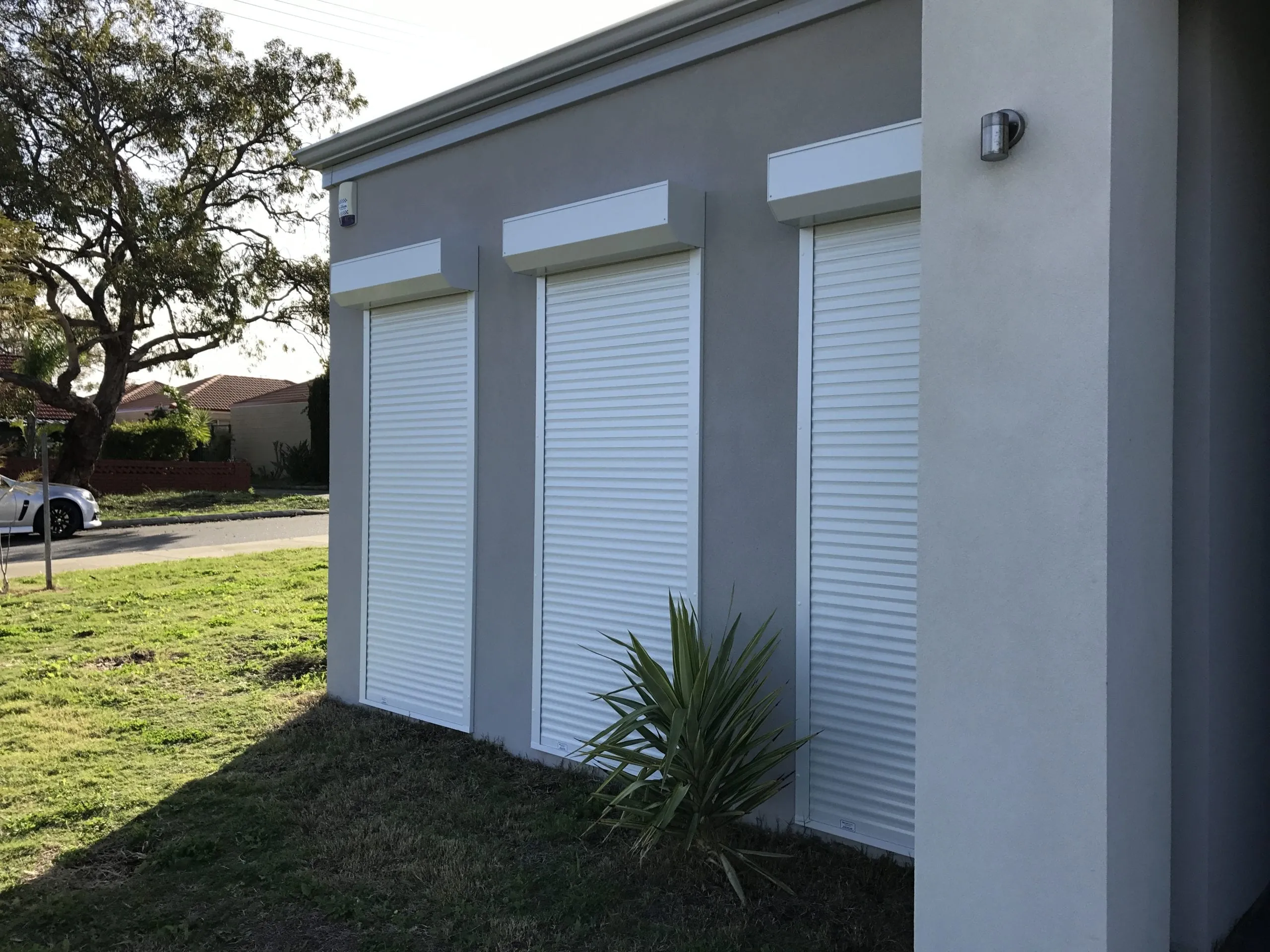
Are roller shutters worth the money? For many homeowners and business owners, the answer depends on how much they value energy efficiency, security, durability, and comfort over time. This guide breaks down the costs, benefits, ROI, and trade-offs so you can make a practical buying decision. Note: pricing, savings, and compliance requirements vary by property, region, and installer.
Understanding Roller Shutters: Definition and Types
What Are Roller Shutters? Basic Overview
Roller shutters are protective window coverings made from interlocking slats that roll up and down to cover windows and doors. They function as a physical barrier, improving insulation, reducing noise, increasing privacy, and helping deter burglary. Depending on the setup, they can be manually operated or automated for convenience.
Common Types of Roller Shutters (Material-based: Aluminum, PVC, Steel)
Roller shutters are commonly classified by material:
- Aluminum roller shutters: Lightweight and corrosion-resistant, making them a strong choice for coastal homes. They offer good durability and moderate insulation.
- PVC roller shutters: Economical and low-maintenance, PVC shutters provide reasonable weather resistance but can be less durable in extreme climates.
- Steel roller shutters: Heavy-duty and highly secure, steel shutters excel in burglary deterrence and impact resistance, though they may require more upkeep to prevent rust.
The right material depends on your budget, climate, and whether your priority is security, insulation, or low maintenance. For a deeper product breakdown, see our roller shutters versus awnings comparison.
Manual vs. Automated Roller Shutters: Pros and Cons
The operation mode of roller shutters significantly affects cost and usability:
- Manual roller shutters use hand-cranks or pull straps, offering simpler installation and lower upfront costs but requiring physical effort.
- Automated roller shutters operate via electric motors controlled by wall switches or remotes, providing convenience, timed scheduling, and smart home integration.
Understanding the types, materials, and operation of roller shutters sets the foundation for evaluating overall value. Next, we explore the financial factors involved in the investment.
Cost Factors Influencing Roller Shutter Investments
Material Costs and Quality Variations
The initial investment is driven largely by material choice and build quality. Aluminum and steel models usually cost more upfront than PVC alternatives because they offer stronger durability and security. For context, industry pricing commonly places aluminum shutters around $350 to $650 per window, while PVC options may range from $200 to $400, though local market conditions can shift those figures.
Higher-grade materials with thicker slats, improved coatings, and better corrosion resistance often cost more but can extend service life and reduce repair frequency over time.
Installation Expenses (Brief Overview Without Step-by-Step)
Installation costs vary by window size, shutter type, access difficulty, and local labor rates. Professional installation is strongly recommended to ensure proper alignment, weather sealing, and safe operation. Typical installation fees can add 20–40% to material costs.
In Perth, installation may also be influenced by local planning requirements, wind-load considerations, and strata or heritage rules in certain areas. That can affect both product selection and labor time, so it is worth confirming compliance before ordering. For local guidance, review our roller shutter regulations in Perth.
Maintenance and Repair Considerations (High-Level)
Maintenance affects total cost of ownership. Aluminum and steel shutters may need periodic lubrication and occasional checks for corrosion, while PVC models usually need simple cleaning to keep them looking good. Proper installation reduces the likelihood of mechanical failure and uneven wear.
Local Market Price Trends and Regional Differences
Prices for roller shutters can differ by region due to demand, labor availability, and supply-chain conditions. Perth’s market has seen some price movement in recent years, especially where custom sizing or compliance checks are required. Local climate and coastal exposure can also influence material choice and final cost.
Because pricing varies, request multiple quotes and compare inclusions carefully. For a regional example, our roller shutters Subiaco comprehensive guide offers localized context.
Having outlined the cost drivers, let’s consider the energy efficiency benefits that often help justify the initial expenditure.
Evaluating Energy Efficiency Benefits and Savings
How Roller Shutters Improve Insulation
Roller shutters act like an additional thermal barrier over windows, reducing heat transfer. In simple terms, they slow down heat escaping in winter and heat entering in summer. A R-value measures how well a material resists heat flow; higher R-values mean better insulation. Thermal bridging happens when heat moves through weak points, such as untreated window frames, and shutters can help reduce that loss.
According to Australian Sustainable Built Environment Council resources, properly installed external shading can improve comfort and reduce reliance on heating and cooling. Learn more at the Australian Sustainable Built Environment Council.
Impact on Heating and Cooling Bills
By improving insulation, roller shutters can reduce the load on heating and cooling systems. Energy Star-style guidance and broader building-efficiency studies suggest that effective external shading can significantly reduce cooling demand in hot climates. Many homeowners report monthly savings of $20 to $50, though results depend on house size, window exposure, insulation, and usage habits.
These figures are estimates, not guarantees. Actual savings vary by climate zone, occupancy patterns, and whether shutters are used consistently day and night.
Energy Savings Compared to Other Window Treatments
Compared with blinds or curtains, roller shutters often deliver stronger energy performance because they sit outside the glass and create a more effective barrier. Blinds block sunlight, but they generally do less to stop heat transfer. Roller shutters also help reduce thermal bridging more effectively than many internal treatments.
Environmental Impact and Sustainability
Lower energy use can reduce greenhouse gas emissions, making roller shutters a practical comfort upgrade with sustainability benefits. Aluminum options may also support recyclability at end of life. For homeowners and businesses trying to lower their energy footprint, that adds another layer of value beyond direct bill savings.
Energy efficiency is a strong financial and environmental argument. Next, we assess durability and weather protection as long-term value factors.
Durability, Lifespan, and Weather Protection
Expected Lifespan of Different Materials
Durability varies by material:
- Aluminum shutters typically last 15–25 years with proper care.
- Steel shutters can exceed 20 years but may require rust prevention.
- PVC shutters usually last 10–15 years depending on exposure.
Environmental conditions and usage frequency also affect longevity. Aluminum generally offers strong corrosion resistance, which matters in coastal and humid areas. High-quality shutters that meet relevant weathering standards tend to maintain performance longer under UV exposure and repeated use.
For upkeep advice, see our tips to maintain window roller shutters for extended durability.
Resistance to Weather Conditions (UV, Rain, Wind)
Roller shutters provide useful protection against harsh weather:
- UV resistance: Treated slats help reduce fading and material breakdown.
- Rain and moisture: Quality coatings and sealed components help limit water ingress and rust.
- Wind resistance: Properly installed shutters can help shield windows from storm-driven debris and pressure changes.
For homeowners seeking extra weather protection, clear PVC café blinds in Perth can complement outdoor living areas, while shutters protect enclosed spaces.
Regular care like cleaning roller shutters from the inside can extend service life and preserve appearance.
Noise Reduction Benefits in Various Environments
Roller shutters also work as sound barriers, lowering external noise pollution. In urban or high-traffic areas, they can reduce perceived noise by roughly 10 to 15 decibels, which can make sleeping, studying, and working indoors more comfortable.
See our guide on noise blocking capabilities of roller shutters for more detail.
Durability, weather protection, and noise control all add to overall comfort and value. Security benefits are another major reason buyers consider roller shutters.
Basic Security Benefits and Peace of Mind
How Roller Shutters Deter Burglaries (Brief Coverage)
Roller shutters create a strong physical barrier that can discourage opportunistic break-ins. Their tough construction makes forced entry more difficult, which is why they are often considered a useful burglary deterrence measure. Security research from the National Crime Prevention Council supports the value of layered physical barriers in reducing easy access points.
For business owners, explore the security benefits of commercial roller shutters. Homeowners can also review the security advantages of residential roller shutters.
Comparison with Other Security Measures (Minimal Overlap)
Compared with cameras or alarms, roller shutters provide passive protection that still works during power outages or internet failures. They are not a replacement for electronic systems, but they do strengthen the property’s physical barrier at the window or door level.
Impact on Homeowner and Buyer Perceptions of Safety
Visible security features often increase buyer confidence because they signal lower risk and better protection. Real estate agents frequently note that homes with shutters can stand out in competitive markets, especially where theft prevention and privacy are important to buyers.
For a broader view, see our reasons to install roller shutters for enhanced security and ways to enhance roller shutter security.
Security benefits protect assets and can improve resale appeal, which leads into the next section on property value.
Influence of Roller Shutters on Property Value and Resale
Studies and Data on Property Value Increases
Energy-efficient and secure upgrades can contribute to property value uplift, though the exact amount varies by market and buyer demand. In many cases, roller shutters may support a modest value increase by improving comfort, safety, and overall presentation.
Our guide on comprehensive guide on home value added by roller shutters explores this in more detail.
Buyer Preferences and Market Appeal
Properties with roller shutters often appeal to buyers who prioritize lower energy bills, improved privacy, and security. That combination can improve listing appeal and, in some markets, help properties sell faster or attract more serious enquiries.
Business Properties: Commercial Value Enhancement
Commercial landlords and business owners can also benefit. Secure shutters may reduce exposure to vandalism, improve tenant confidence, and support insurance discussions. Over time, those advantages can contribute to stronger occupancy and asset protection.
If you manage commercial stock, see our user guide for commercial roller shutters and our guide on choosing roller shutters for business properties in Perth.
For residential market context, read about the effects of roller shutters on residential property value.
Understanding how roller shutters compare to alternatives sharpens the investment analysis further.
Comparing Roller Shutters with Alternative Window Treatments
Roller Shutters vs. Blinds: Cost and Functionality
| Feature | Roller Shutters | Blinds |
|---|---|---|
| Initial Cost | Higher due to materials and installation | Lower upfront costs |
| Energy Efficiency | Superior insulation and heat reflection | Moderate shading effect, less insulation |
| Security | Provides physical barrier | No security benefit |
| Durability | Long-lasting, weather resistant | Less durable, prone to damage |
| Maintenance | Periodic upkeep needed | Generally low |
Roller Shutters vs. Awnings and Other Shades
Awnings mainly offer sun protection and curb appeal. While less costly, they lack the insulation, privacy, and security performance of roller shutters. Roller shutters are a year-round solution, whereas awnings are usually more seasonal and weather dependent.
See our roller shutters versus awnings comparison for a side-by-side breakdown.
Long-Term Value Comparison
Because they combine energy savings, privacy, weather resistance, and security, roller shutters often deliver better long-term value than many alternatives even if the upfront cost is higher.
With alternatives considered, let’s focus on the critical financial question — return on investment.
Return on Investment (ROI) Analysis and Real-World Examples
Calculating ROI for Residential Properties
ROI becomes easier to judge when you separate savings into measurable parts. A simple payback formula is:
Payback period = initial cost ÷ annual savings
Example: if a home spends $5,000 on roller shutters and saves $300 a year on electricity, the simple payback period is:
$5,000 ÷ $300 = 16.7 years
That does not mean the purchase is poor value, because shutters may last 15 to 25 years and also deliver comfort, noise reduction, and security benefits. If you add even a modest property uplift or avoided repair cost, the effective return improves further.
For a second example, consider a $7,500 installation saving $600 annually across energy and maintenance. The payback period is 12.5 years. At a 5% discount rate, the net present value can still be positive if savings continue for 15 years or more.
Case Studies: Homeowners’ Experiences and Testimonials
Jane, a Perth homeowner, said: “After installing automated aluminum shutters, our summer electricity bills dropped by more than 30%, and we feel safer at night.” Mark, a small business owner, reported: “The shutters helped deter vandalism, improved street-facing privacy, and made our premises more attractive to tenants.”
A third example comes from a coastal property owner who chose corrosion-resistant aluminum units after repeated salt-air damage to blinds and screens. The higher upfront cost paid off through fewer replacements, better comfort, and lower maintenance over time.
These anecdotes align with broader renovation trends, though results will vary by property, usage, and climate. External property-improvement benchmarks from sources such as CoreLogic and local industry reporting can help frame expectations.
Business Owner ROI Examples and Considerations
For commercial buildings, security-grade shutters may reduce insurance risk and improve tenant retention. For example, if a business spends $12,000 on shutters and saves $1,200 a year through reduced losses, maintenance, and premium pressure, the simple payback period is 10 years. Larger sites may also realize value from lower downtime after storms or vandalism.
Decision-Making Framework for Potential Buyers
- Assess window exposure and energy loss potential.
- Calculate total installation and material costs using local market prices.
- Estimate annual savings on energy and insurance premiums.
- Consider added security value and property market improvements.
- Factor in maintenance costs and expected lifespan.
- Use ROI calculators or consult professionals for personalized figures.
Learn more about whether security roller shutters are cost-effective investments by reviewing real-world results.
Besides financial returns, roller shutters can improve comfort and environmental performance.
Environmental and Comfort-Related Benefits Beyond Cost
Protection from Extreme Weather Events
Roller shutters protect windows from hail, storms, and bushfires by shielding glass surfaces from debris impact and heat. In severe weather regions, that can help reduce damage and provide peace of mind.
They are a useful part of preparing your property for bushfires, especially when combined with other safety measures.
Noise Pollution Reduction and Impact on Comfort
Reducing external noise can improve sleep, concentration, and overall wellbeing. This benefit is especially valuable for properties near busy roads, schools, industrial zones, or airports.
Enhanced Privacy and Light Control Features
Roller shutters offer precise light control, from near blackout to partial daylight, while also improving privacy. That flexibility makes them useful for bedrooms, nurseries, street-facing rooms, and commercial spaces that need discretion after hours.
With the full picture in view, here is the final assessment.
Conclusion: Holistic Evaluation—Are Roller Shutters Worth the Money?
Summary of Costs vs. Benefits
- Upfront investment is higher than many alternatives but balanced by multifunctionality.
- Energy savings can reduce heating and cooling bills over time.
- Security benefits improve protection and buyer appeal.
- Lifespan and durability support long-term value.
- Property value effects may help offset costs at resale.
Key Considerations for Homeowners and Businesses
- Evaluate climate, property type, and security needs to choose the right shutter type.
- Compare local quotes carefully and check what installation includes.
- Consider automation where convenience and access matter.
- Review payback period, maintenance, and likely use patterns before deciding.
Final Recommendations and Decision Criteria
Roller shutters are generally a worthwhile investment for buyers who want a combination of energy efficiency, security, weather protection, and comfort. They are especially compelling for exposed, noisy, or security-conscious properties. Because actual costs and ROI vary by property and region, the best decision is based on your specific needs, budget, and local regulations.
Ready to explore your options? Compare products, ask for detailed quotes, and consult a qualified installer to maximize value from your investment.
Frequently Asked Questions
What are the main types of roller shutters and how do they differ?
The main types are aluminum, PVC, and steel. Aluminum is lightweight and corrosion-resistant, PVC is the most budget-friendly, and steel offers the strongest security. The best choice depends on your climate, security needs, and how long you expect the shutters to last.
Should I choose manual or automated roller shutters for my home or business?
Manual shutters suit smaller budgets and simpler installations, while automated shutters are better for convenience, frequent use, and hard-to-reach windows. For commercial properties or larger homes, automation often improves everyday practicality and can make the shutters more likely to be used consistently.
How much do roller shutters typically cost to buy and install?
Prices vary by material, size, and location, but a typical range is about $200 to $650 per window before installation. Professional fitting can add 20% to 40% more. Exact costs depend on labor rates, access, custom sizing, and compliance requirements in your area.
Can roller shutters really reduce my heating and cooling bills?
Yes, they can help reduce energy use by adding an external thermal barrier that limits heat gain and heat loss. Savings depend on climate, window exposure, and how often the shutters are closed. Homes with strong sun exposure usually see the biggest benefit.
How do roller shutters improve home security compared to other options?
Roller shutters add a strong physical barrier that makes forced entry harder than with blinds, curtains, or many screen products. They work even during power outages and can complement alarms or cameras. That extra layer often discourages opportunistic burglary attempts.
Will installing roller shutters increase the value of my property?
They can improve resale appeal by adding comfort, privacy, security, and energy efficiency. The value impact varies by market, property type, and buyer demand, so it is best viewed as a support factor rather than a guaranteed dollar-for-dollar return.
What maintenance is required to keep roller shutters in good condition?
Basic maintenance usually includes cleaning the slats, checking the tracks, and lubricating moving parts. Steel shutters may need extra rust prevention, while automated systems should be checked for motor issues. Regular care helps preserve appearance, smooth operation, and long-term durability.
How do roller shutters compare with blinds, curtains, or awnings in terms of long-term value?
Roller shutters usually offer better long-term value because they combine insulation, security, privacy, noise reduction, and weather protection. Blinds and curtains are cheaper upfront, and awnings can shade well, but neither typically matches shutters for all-around performance or lifespan.