
Window Roller Shutters: Best Tips for Your House
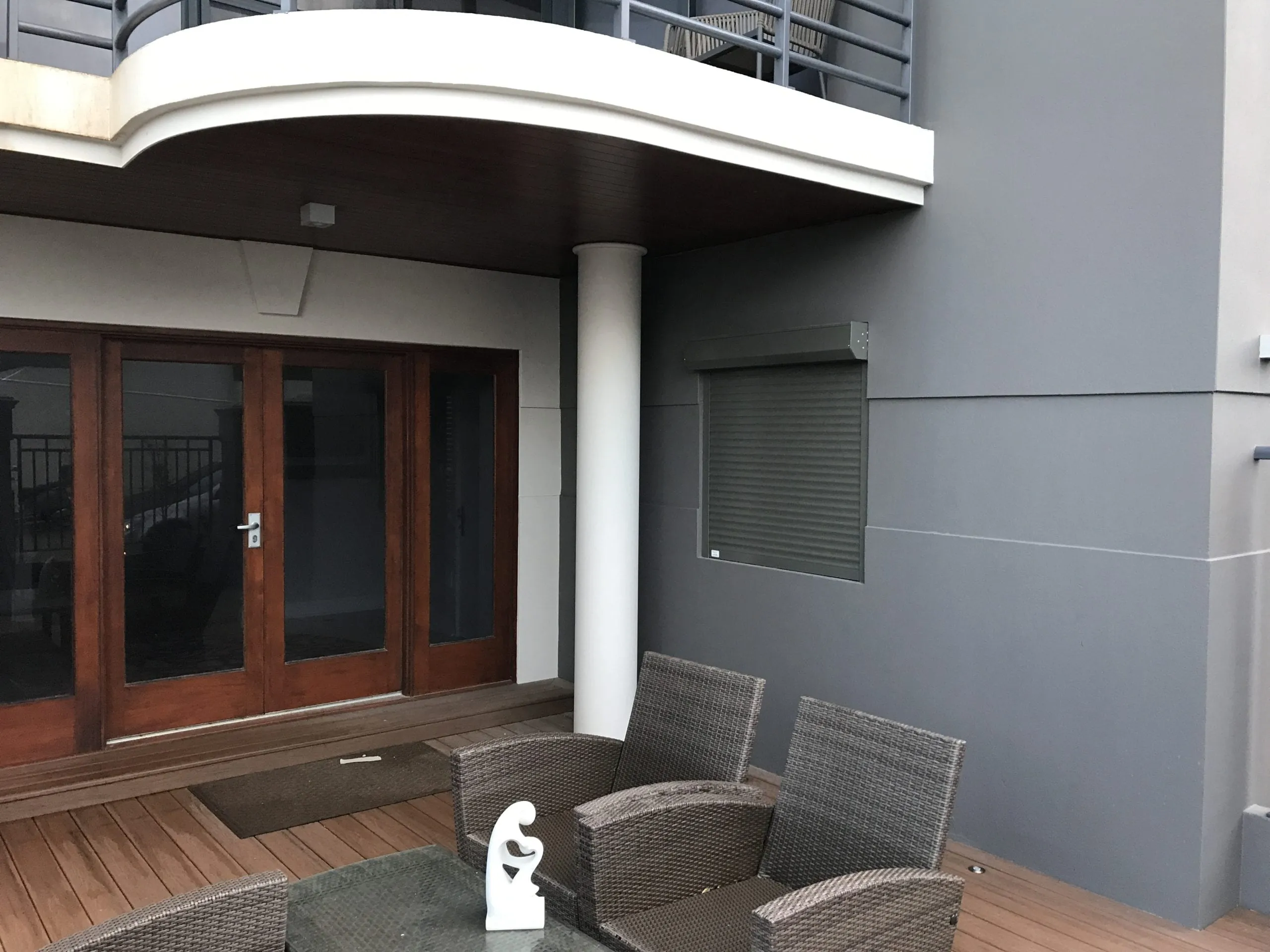
Tips to Find the Best Window Roller Shutters for Your House! If you want better comfort, privacy, and security without guessing which product to choose, window roller shutters are a smart place to start. In the first few minutes of research, most homeowners are trying to answer the same questions: Which material lasts longest? Will it reduce heat and noise? Is it worth paying more for motorised operation? This guide gives you clear, practical answers so you can choose with confidence.
Understanding Window Roller Shutters and Their Benefits
What Are Window Roller Shutters?
Window roller shutters are protective window coverings made from horizontal slats that roll into a compact housing when opened. They can be installed externally or, in some designs, internally, and they’re commonly available with manual or motorised controls. Many homes use custom sizing so the shutters fit tightly, improve performance, and look more polished on the façade.
Because they combine light control, privacy, and a physical barrier, roller shutters are more than a decorative finish. They are a functional upgrade that can support energy savings and day-to-day comfort. If you’re comparing broader product options, our guide on key reasons to install roller shutters is a useful starting point.
Advantages Over Other Window Coverings
Compared with curtains, blinds, and fabric shades, roller shutters deliver stronger thermal insulation, better weather resistance, and more reliable privacy. The slatted design helps create an insulating air pocket between the shutter and the glass, which reduces heat transfer in summer and winter. That means a more stable indoor temperature and less strain on heating and cooling systems.
They also offer better noise reduction because the solid outer layer helps buffer sound from traffic, neighbours, or nearby worksites. For homes exposed to storms, dust, or strong wind, shutters create a much tougher security barrier than standard indoor coverings. In short, they combine durability, control, and protection in a way most other window coverings cannot match.
Typical Residential Applications
Homeowners often install roller shutters on bedrooms, living rooms, and patio openings where light control, privacy, and temperature comfort matter most. They are especially useful in homes with strong afternoon sun, noisy streets, or security concerns. They also suit many architectural styles, from contemporary homes to more traditional facades, because the housing designs and colour options can be selected to blend in neatly.
Key Factors to Consider When Choosing Window Roller Shutters
Material Types and Their Impact (Aluminum, PVC, Steel, Timber)
Choosing the right material is one of the most important decisions because it affects durability, appearance, maintenance, and value. Here’s a practical comparison of the main shutter materials.
| Material | Pros | Cons | Best For |
|---|---|---|---|
| Aluminum | Lightweight, corrosion-resistant, strong, good thermal performance, recyclable | Higher upfront cost, can dent under impact | Coastal areas, humid climates, modern homes |
| PVC | Budget-friendly, UV resistant, low maintenance, insulated | Less impact-resistant, may fade or become brittle over time | Sunny, dry climates, cost-conscious homeowners |
| Steel | Very strong, durable, excellent physical barrier | Heavier, can rust without coating, less thermally efficient | Homes prioritising security and impact resistance |
| Timber | Natural look, warm aesthetic, good basic insulation | Higher maintenance, can warp or weather if not protected | Traditional homes, mild climates, heritage-style designs |
Aluminum is often the most balanced choice for residential use because it offers corrosion resistance, UV protection, and long-term reliability with relatively low maintenance. PVC is usually the more affordable option, but you should confirm that it is UV-stabilised if your home receives intense sun. Steel can be excellent where security is the top priority, while timber suits homeowners who value appearance and natural texture over low maintenance. For deeper comparison, see our shutter materials comparison guide.
If your property is in a harsh environment, you should also think about salt resistance, impact resistance, and the amount of care required each year. Coastal homes usually benefit from powder-coated aluminum or properly treated systems because salt air can damage untreated surfaces. Timber can look beautiful, but it may need repainting, sealing, or replacement sooner if exposed to moisture.
For homeowners comparing material durability in practical conditions, our UV protection with Clear PVC café blinds guide offers additional insight into material performance in bright, sun-heavy environments.
Energy Efficiency and Thermal Insulation Benefits
One of the biggest advantages of window roller shutters is their ability to improve energy efficiency. When closed, the slats help trap an insulating air layer between the shutter and the glass, slowing heat transfer. In simple terms, that means less heat escapes in winter and less hot air enters in summer. The result is lower heating and cooling costs and a more comfortable indoor environment.
Manufacturers often refer to U-values, which measure how much heat passes through a product—the lower the U-value, the better the insulation. The Australian Energy Efficiency Council notes that effective window coverings can reduce energy losses significantly, and shutters are often among the strongest performers. For more detail, read our energy efficiency benefits of roller shutters page.
Noise Reduction Capabilities
For homes in noisy neighbourhoods, roller shutters can make a noticeable difference. The denser the material and the tighter the fit, the better the sound buffering. Aluminum and steel usually perform well because their solid slats help reduce outside noise from traffic, dogs, or nearby construction. While they do not make a room completely soundproof, they can noticeably soften everyday noise.
Durability and Weather Resistance in Different Climates
Different climates place different demands on shutters. Coastal environments need corrosion resistance and strong salt resistance, while hot inland areas need UV stabilisation to protect against cracking, fading, and heat damage. In storm-prone regions, reinforced slats and sturdy guides are worth considering because they improve storm resistance and overall durability. If your home gets strong sun, western exposure, or coastal wind, material choice matters even more.
Homeowners in seaside suburbs should consider options specifically designed for harsh conditions. Explore our salt resistant shutters for coastal homes guide for more targeted advice.
Security Features Relevant to Home Use (Non-technical)
Roller shutters can act as a strong physical barrier that discourages opportunistic break-ins. Many models include lock mechanisms, lockable slats, and sturdy guides that make it harder to lift or force open the shutter. They are not a substitute for every home security measure, but they add a practical layer of protection compared with standard blinds, shades, or curtains.
If security is a major concern, it is worth reviewing our security advantages of roller shutters guide before you buy.
Style, Colors, and Aesthetic Considerations
Modern shutters are available in a wide range of colour options, slat widths, housing designs, and finishes, including woodgrain effects that can suit more traditional homes. The best choice should complement your curb appeal rather than distract from it. If your home has a sleek exterior, narrower slats and subtle colours may work best. If it’s more classic, softer finishes and larger housings may blend more naturally.
It is also worth considering the relationship between the shutter and the rest of the façade. Window frames, walls, and roof tones should all work together. In some cases, integrated insect screens or a low-profile housing design can improve both visual harmony and daily function.
Environmental Impact, Sustainability, and Long-Term Value
Environmental impact is becoming an important factor for many homeowners. Aluminum is often considered the more sustainable option over the long term because it is recyclable and durable, which can reduce replacement frequency. PVC can be cost-effective, but buyers should look carefully at manufacturing quality, expected lifespan, and disposal considerations. If sustainability matters to you, ask suppliers about recycled content, low-VOC finishes, and product certifications.
Checking membership or recognition from reputable industry bodies can also help. The Green Building Council of Australia is a useful reference point when assessing eco-conscious building products, while broader guidance from the Australian Energy Efficiency Council can support decisions about reducing energy use at home. In many cases, a durable shutter that lasts longer is more sustainable than a cheaper product that needs replacing sooner.
Once you understand the core product features, it becomes much easier to compare roller shutters with blinds, shades, and curtains.
Comparing Window Roller Shutters with Other Window Coverings and Shades
Roller Shutters vs. Window Shades
Window shades are popular because they are simple, stylish, and available in many fabrics. They can offer useful light filtering, but they usually cannot match the thermal insulation, weather protection, or blackout capability of roller shutters. Shades also have a smaller protective role because they sit indoors and do not create the same physical barrier against wind, dust, or impact.
Another difference is mounting footprint. Roller shutters require an external housing and guide system, while shades often take up less visible space indoors. That makes shades easier to integrate into soft interior styling, but shutters are usually the better choice when performance matters more than decorative layering. If you want local product examples, our outdoor window shutters in Perth resource may help.
Roller Shutters vs. Blinds and Curtains
Blinds and curtains work well as decorative layering and can be adjusted quickly for daily light control. However, they are limited when it comes to security, noise reduction, and thermal performance. Fabric materials are also more vulnerable to fading, dust, and wear over time, especially in rooms with strong sun exposure.
Roller shutters are generally the more practical choice for homeowners who want privacy, insulation, and long-term durability. Blinds and curtains still have a place, particularly indoors where style and softness are priorities, but they rarely match shutters for overall protection and year-round comfort.
Functional Differences: Insulation, Light Control, Privacy
Roller shutters are strong performers when it comes to blackout light control, privacy levels, and draft prevention. When fully closed, they block light very effectively and help stop warm or cool air escaping through the window area. Many fabric products rely on thermal liners to improve performance, while shutters deliver built-in insulation through their structure.
Cost and Maintenance Considerations
Roller shutters usually involve a higher upfront investment than blinds or curtains, but they can offer better cost-effectiveness over time because they last longer and require less ongoing replacement. Maintenance is usually simple: occasional washing, track cleaning, and visual checks are often enough. Fabric coverings may need more regular cleaning and earlier replacement, especially in high-use rooms.
If you are comparing value over time, also think about professional installation, warranty length, and the cost of any motorised upgrades. Those factors can change the true long-term price more than the sticker cost alone.
Practical Tips for Selecting the Best Window Roller Shutters for Your Home
Assessing Your Home’s Climate and Sun Exposure
- Evaluate climate: Coastal homes should prioritise corrosion-resistant finishes, while dry inland homes may place more value on UV resistance and heat control.
- Check sun exposure angles: West-facing and north-facing windows can benefit most from strong thermal performance, especially during summer.
- Plan for seasonal adjustment: Choose shutters that can be easily opened or closed so you can balance winter warmth and summer shade.
Homes exposed to harsh weather should also be assessed for wind load, salt spray, and storm resistance. These practical checks help ensure the shutters you choose are well matched to your local conditions rather than just your preferred style.
Matching Shutter Style to Architectural Design and Interior Décor
- Architectural harmony: Match slat size, frame profile, and housing designs to your home’s façade for a natural fit.
- Colour coordination: Choose colours that work with your walls, roof, and window frames to improve curb appeal.
- Functional extras: Consider insect screens and discreet housings if you want a cleaner look without losing convenience.
If appearance matters as much as performance, ask to see product samples in daylight before committing. Shutters can look very different on a showroom wall than they do on your actual home.
Balancing Budget with Desired Features and Longevity
- Prioritise needs: Decide whether security, insulation, or appearance is the main goal before comparing models.
- Compare material costs: Aluminum often costs more upfront but tends to deliver stronger long-term value than lower-cost alternatives.
- Consider motorised upgrades: Motorised operation adds convenience, especially for large windows, but it also raises initial cost and may require electrical work.
For homeowners comparing value, our affordable roller shutters in Perth guide can help you explore budget-conscious options. If you are specifically looking for savings, see half price roller shutters in Perth for pricing ideas and special offers.
Prioritizing Functionality: Security, Insulation, and Noise Reduction
- Security features: Focus on lock systems and strong slats if you want better break-in deterrence.
- Thermal performance: Ask about U-values and insulation design if energy savings are important.
- Noise blocking: Denser materials and tighter installation generally perform better in busy streets or high-noise suburbs.
In many cases, the best choice is the one that solves your biggest problem first. A home near traffic may benefit most from noise reduction, while a coastal property may need better weather resistance and lower maintenance.
How Size and Operation Type Affect Choice (Manual vs Motorised)
- Window dimensions: Large or high-set openings are usually easier to manage with motorised roller shutters.
- Manual operation: This is often the more affordable option and works well for smaller, easy-to-reach windows.
- Smart-home convenience: Motorised shutters can integrate with timers or smart home systems, adding convenience for daily use.
For many homeowners, manual operation is perfectly adequate. But if you have multiple windows, heavy shutters, or difficult access, motorised roller shutters can improve usability and encourage more frequent use, which means you get more value from the product.
To see how the process works from start to finish, review our step-by-step guide to roller shutters and the roller shutters installation guide. If you are comparing automation options, our motorised roller shutters page explains features and benefits in more detail.
FAQs and Common Considerations Before Purchase
How to Evaluate Warranty and Manufacturer Reputation
A good warranty can protect you if parts fail or installation issues appear after purchase, so always check what is covered and for how long. Just as important is manufacturer reputation. Look for clear product details, responsive customer service, local reviews, and a track record of consistent quality before committing.
Are Custom Sizes or Features Worth the Investment?
Custom-sized roller shutters are often worth it for unusual window shapes, large openings, or homes where a precise fit is needed to reduce gaps and improve insulation. They can also look cleaner and more integrated. Standard sizes may be cheaper, but custom options usually provide better performance and appearance where fit matters.
Understanding the Impact of Shutter Installation Type (Built-in vs. External)
Built-in shutters can create a streamlined appearance because they integrate more closely with the building structure, but they usually require more planning and professional installation. External shutters are generally easier to retrofit and may suit renovations or existing homes better. Your choice should balance looks, budget, and installation complexity.
Environmental Impact and Sustainability of Materials
Sustainability depends on more than the material itself. Aluminum is widely recyclable and durable, which supports long product life and less waste over time. PVC may be lower cost, but it is worth asking about recycled content, manufacturing standards, and expected lifespan. Certifications and supplier transparency can help you make a greener choice.
Seasonal Considerations: Maintenance Tips to Maximize Lifespan
Simple maintenance can significantly extend shutter life. Clean tracks, remove dust, check for wear, and inspect moving parts seasonally so small issues do not become expensive repairs. For a detailed care routine, see our tips to maintain your window roller shutters to extend their life guide.
Choosing the best window roller shutters comes down to matching the product to your home, your climate, and your priorities. Focus on material, insulation, noise reduction, security, style, and long-term value rather than price alone. If you want help narrowing down the right option, contact a specialist, request a quote, or speak with a professional supplier who can recommend shutters tailored to your home’s needs.
If you are still comparing products, start with the essentials: get your measurements checked, ask about warranty coverage, compare motorised and manual options, and confirm whether the recommended material suits your climate. A short consultation now can save you years of frustration later.
Frequently Asked Questions
What materials are best suited for window roller shutters in humid or coastal environments?
Aluminum is usually the best choice for humid or coastal homes because it resists corrosion and handles salt air better than many alternatives. Properly coated steel can also work, but it needs more protection. PVC is cheaper, but constant sun and salt exposure can shorten its lifespan if it is not UV-stabilised.
How do window roller shutters improve home energy efficiency compared to traditional window coverings?
Window roller shutters improve energy efficiency by creating an insulating air layer that reduces heat transfer through the glass. That helps keep rooms cooler in summer and warmer in winter. Curtains and blinds can help, but they usually do not provide the same level of thermal performance or draft prevention.
Why are roller shutters considered more secure than standard window shades or curtains?
Roller shutters provide a solid physical barrier that is far more difficult to push through or tear than fabric-based coverings. Many models also include lock mechanisms or tight-fitting slats that make lifting them harder. While they are not the only security measure you should use, they do add meaningful deterrence.
Which operation type is best for large or hard-to-reach windows: manual or motorized roller shutters?
Motorized roller shutters are usually best for large, heavy, or hard-to-reach windows because they are easier to open and close regularly. Manual shutters can still work well for smaller openings and are often more affordable. If convenience matters, motorised roller shutters are generally the better long-term choice.
How do window roller shutters compare to blinds in terms of noise reduction?
Roller shutters generally reduce noise much better than blinds because they use denser materials and sit outside the window, where they can block and soften sound before it reaches the glass. Blinds can improve privacy and light control, but they do very little to reduce outside noise in busy areas.
What factors should homeowners consider when matching roller shutters to home architectural style?
Homeowners should look at slat size, colour options, frame profile, and housing designs to make sure the shutters suit the overall façade. A modern home may suit subtle colours and clean lines, while a traditional property may benefit from warmer finishes or woodgrain effects. The goal is to improve curb appeal without overpowering the design.
Can custom-sized roller shutters provide better insulation than standard sizes?
Yes, custom-sized roller shutters can improve insulation because they fit more precisely and reduce gaps that allow drafts or heat transfer. A snug fit also improves appearance and can help the shutters work more effectively overall. Standard sizes may be cheaper, but custom products often deliver better performance for unusual windows.
What are the cost and maintenance differences between roller shutters and other window coverings?
Roller shutters usually cost more upfront than blinds, curtains, or fabric shades, but they often last longer and need less maintenance over time. Most only need occasional cleaning and inspection. Fabric coverings may need washing, replacement, or more frequent care, which can make shutters more cost-effective in the long run.