
Professional Window Roller Shutter Installation Guide
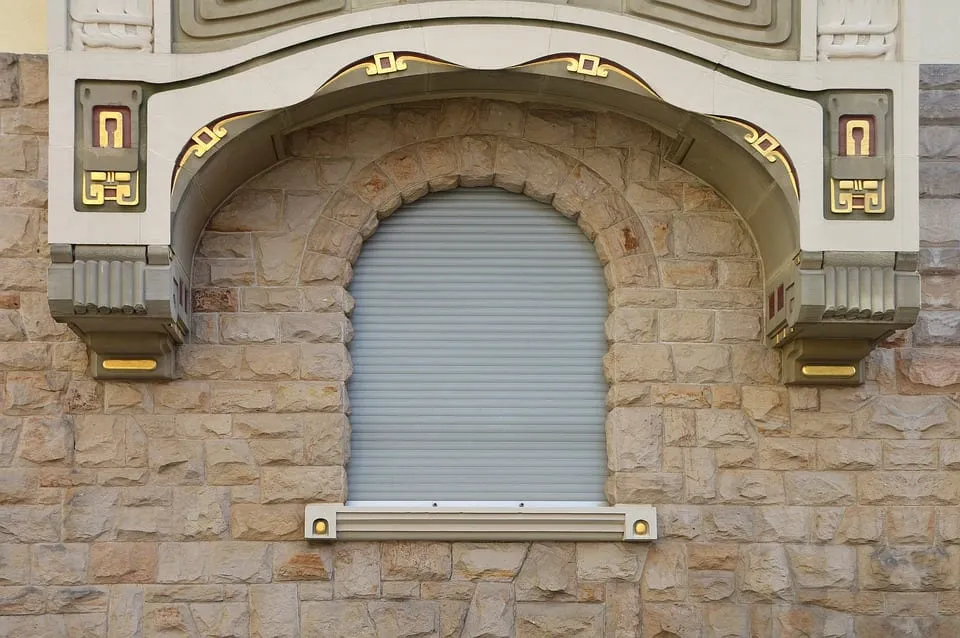
Why to Call Professionals to Install Window Roller Shutters? If you want security, smooth operation, and warranty protection, installation quality matters as much as the shutter itself. A poorly fitted shutter can jam, leak light, weaken security, or even fail during harsh weather. In many DIY cases, the true cost only appears later in repairs, warranty disputes, and avoidable safety risks.
Did you know that more than 60% of DIY roller shutter installation failures reported by installers involve either alignment problems, faulty fastening, or electrical issues that could have been avoided with professional fitting? While the exact figure varies by product and home type, the pattern is clear: precision matters. That is why many homeowners choose professional window roller shutter installation for peace of mind, compliance, and long-term value..
Understanding Window Roller Shutters and Their Installation Complexity
Window roller shutters are designed to do more than cover a window. They improve security, reduce heat gain, block glare, reduce noise, and add privacy. But those benefits depend on a system that is fitted accurately and safely. A roller shutter is made up of multiple interdependent parts, and each one must be aligned to within a very small tolerance for the shutter to operate correctly.
The main components include the shutter curtain—the interlocking slats that form the visible body of the shutter—guide rails that hold the curtain in place on each side, mounting brackets that secure the unit to the wall or frame, and the operating mechanism, which may be manual, spring-assisted, crank-driven, or motorized. If one element is off, the whole system can feel stiff, noisy, or unreliable.
Installation is also affected by the type of window opening. Bay windows, sliding windows, corner windows, and bathroom windows all create different challenges. Bay windows often need custom angles and exact measurements to keep the shutter flush. Sliding windows may require clearances for tracks and handles. Bathroom windows can involve moisture resistance and ventilation considerations. That is why installers usually assess the window type before recommending the final fit.
For homeowners comparing options for non-standard openings, it helps to read about the best roller shutters for bay windows. It explains why custom fitting is often necessary and why generic sizing rarely gives the best result.
Motorized models add another layer of complexity because they require safe wiring, correct control placement, and proper integration with switches, timers, or remotes. This is where motorized roller shutter wiring becomes a specialist task rather than a simple DIY job. A wiring mistake can affect performance, trip breakers, or create a safety hazard.
Professionals also consider the shutter material and the frame material. The brief for this article includes metal, timber, bamboo, and rattan considerations, and although true roller shutters are most commonly aluminum or steel, some home improvement buyers confuse shutters with other window-covering products. In practical terms, professionals distinguish between rigid security shutters and decorative or hybrid coverings. Metal shutters are typically the most durable and secure. Timber can add warmth but is heavier and more maintenance-sensitive. Bamboo and rattan are more commonly used in shade or blind products, but if they are part of a broader exterior solution, moisture, warping, and fixing strength must still be considered.
That distinction matters because the installer must choose the right fasteners, sealants, and spacing for the product and substrate. More information on product selection is available in our guide to roller shutter materials in Perth.
Homes in coastal areas need additional corrosion protection. Salt air can shorten the life of exposed components if the wrong fixings or finishes are used. That is why coastal properties benefit from shutters for coastal homes Perth, where installation methods are adapted for harsh conditions.
For a broader overview of parts, functions, and installation flow, see our comprehensive roller shutters guide. It complements this article by explaining how each component contributes to the final result.
Overview of Window Roller Shutters and Their Components
The core components include:
- Shutter curtain: Interlocking slats forming the shutter body.
- Guide rails: Vertical channels guiding the curtain movement.
- Mounting brackets: Fixings anchoring the assembly to the window frame or wall.
- Operating mechanism: Chain-drive, spring-assisted, or motorized systems.
- Bottom bar: Provides weight and stability at the shutter’s base.
- End caps and retention parts: Help keep the assembly secure and tidy.
- Control unit or switch gear: Used on electric or automated models.
Each component must be compatible with the others. The curtain must roll evenly, the rails must be parallel, and the brackets must support the load without flexing. A small error at this stage can lead to rattling, binding, or premature wear.
Technical Challenges in Installing Roller Shutters
Key challenges include:
- Precise measurement: Inaccurate dimensions lead to operational failure or security vulnerabilities.
- Alignment: Misaligned guide rails cause shutters to stick or wear unevenly.
- Electrical wiring: For motorized units, correct installation avoids electrical hazards and ensures remote operation.
- Sealing: Proper fitting prevents drafts, noise seepage, or light leaks, critical for blackout performance.
- Structural integrity: Maintaining window frame stability during installation prevents damage to walls or glass.
- Weather exposure: Outdoor installations must resist wind load, heat, rain, and UV exposure.
- Clearance and obstruction checks: Handles, locks, window reveals, and flyscreens can interfere with shutter travel if not planned properly.
Professional installers typically follow a repeatable workflow. A brief version looks like this:
- Measure the opening in multiple places to confirm width, height, and squareness.
- Check the wall substrate, frame condition, and any hidden services.
- Confirm shutter type, rail depth, and fixing method.
- Mark drilling points with a laser level or spirit level.
- Install brackets and rails, then test fit the curtain.
- Check smooth travel, locking, and weather seals.
- For motorized shutters, test polarity, isolation, controls, and load response.
- Explain operation and maintenance to the homeowner before sign-off.
This kind of walkthrough is one reason professionals produce more consistent results than first-time DIY installers.
Tools and Equipment Used by Professionals
Professionals employ the right tools for the job rather than improvising with whatever is available. Typical equipment includes:
- Power drills and screwdrivers.
- Laser levels and spirit levels for alignment.
- Measuring tapes, squares, and installation templates.
- Electrical multimeters for wiring checks.
- Specialized tension and alignment tools for curtain calibration.
- Anchor and fixing kits matched to the wall substrate.
- Safety gear, including gloves, goggles, and harnesses where working at heights.
With the right tools, installers can work accurately and safely. Without them, even a small measurement error can become a long-term performance problem.
Risks and Pitfalls of DIY Roller Shutter Installation
DIY installation may seem attractive because it appears cheaper up front. In practice, many homeowners underestimate the technical load involved. The risks include damaged frames, poor security, electrical hazards, lost warranty coverage, and insurance complications if the installation causes an incident or property loss. For readers who want a deeper breakdown, see DIY roller shutter installation risks.
Common Mistakes Made by Unqualified Installers
- Improper Measurement and Fit: Measuring errors result in shutters that are too tight or too loose, causing jamming or ineffective sealing.
- Incorrect Alignment: Uneven guide rails cause shutters to stick or wear unevenly.
- Faulty Wiring: Motorized shutters wired without compliance to electrical codes pose fire risks or malfunction.
- Insecure Fastening: Poorly anchored brackets can loosen during storms or heavy use.
- Damage to Window Frames or Walls: Inexperience can crack plaster, distort frames, or weaken the surrounding structure.
- Overlooking Safety Protocols: Neglecting fall protection or safe tool usage leads to accidents.
- Incorrect product choice: Some DIY buyers select a shutter system that is too heavy, too large, or unsuitable for the window type.
- Failure to test operation: Skipping final checks means hidden faults often appear only after the installer has left.
Safety Hazards During DIY Installation
- Risk of falls, especially on multi-story properties or when working from ladders.
- Exposure to electrical shocks during motorized shutter wiring.
- Using incorrect tools causing physical injury or property damage.
- Inadequate handling of heavy shutter components leading to muscle or back injuries.
- Eye injuries from drilling debris or metal filings.
- Pinch-point injuries when loading the shutter curtain into its track.
Fall protection is especially important. A stable ladder, a spotter, safe ladder angle, and clear working space are basic requirements. For higher installations, professionals may use harness systems, exclusion zones, and controlled access. These are not optional extras; they are core safety controls.
Legal, Insurance, and Liability Risks of DIY Installation
DIY installation can also create legal and insurance problems. If a motorized shutter is wired incorrectly, the work may breach local electrical regulations and expose the homeowner to liability if the installation causes injury or fire. If a poorly fixed shutter falls and damages property, an insurer may investigate whether the work was done by a licensed or competent person.
In Australia, electrical work is governed by AS/NZS 3000, and many insurers expect electrical tasks to be completed by a licensed electrician. If a homeowner performs unlicensed electrical work and a claim arises later, the insurer may reduce, delay, or reject coverage depending on the policy wording and circumstances. Even where a claim is not denied outright, the process can become more complex and stressful.
Structural attachment also matters. AS/NZS 4505 is commonly referenced in relation to roller shutter performance and installation expectations, especially around wind resistance, fixing integrity, and safe installation practices. If the shutter is not secured properly, the product may fail under load or during severe weather.
That is why many homeowners prefer to use certified window shutter installers Perth rather than taking on legal and insurance exposure themselves.
Examples and Case Studies of Failed DIY Installations
Case Study 1: A homeowner in Perth attempted to install automatic exterior shutters on a second-story window. The brackets were set correctly on one side but not level on the other, and the motor cable was routed without proper isolation. The shutter worked for two days, then jammed and short-circuited. The repair required a licensed electrician, new fixings, and a replacement control unit. The owner also lost warranty support because the manufacturer required certified installation.
Case Study 2: A DIY installer fitted blackout shutters to a timber window frame using generic fasteners. The frame was old and slightly warped, so the load was distributed unevenly. During a storm, the lower bracket loosened, the shutter shifted, and the curtain scraped the frame. A professional later explained that the frame should have been reinforced before installation.
Case Study 3: A homeowner tried to save money by installing a manual shutter on a bay window without checking for angle variance across the opening. The rails were cut to the same length, but the reveal was not square. The curtain snagged from day one, and repeated forcing damaged the slats. The eventual rectification cost more than the original installation quote.
Case Study 4: A small rental property owner performed the installation personally, assuming the work would be covered by building insurance. After a shutter detached from a poorly anchored wall during high wind, the insurer requested proof of compliant installation and tradesperson details. Because those documents were missing, the claim became difficult to pursue and repairs were delayed.
These examples show why poor planning, rushed workmanship, and non-compliant work can be expensive. If you want to avoid these mistakes, the step-by-step roller shutters installation guide explains the process in more detail.
The Benefits of Professional Window Shutter Installation
Choosing certified professionals improves the result at every stage, from design confirmation to post-install support. The benefits are not only practical but also financial, because a correctly installed shutter lasts longer, performs better, and is less likely to require urgent repairs.
Increased Installation Precision and Alignment Accuracy
Professional installers use precision tools and tested methods to ensure measurements are correct, rails are parallel, and fixings are secure. That reduces the likelihood of:
- Operational jamming.
- Premature mechanical wear.
- Increased noise from misaligned components.
- Light leaks and reduced privacy.
- Loss of thermal performance.
Accurate installation also means the shutter looks better. Clean lines, flush edges, and even operation all contribute to a more polished finish.
Enhanced Security and Operational Reliability
Professionally installed shutters maximize security benefits through correct anchoring and integration. Poorly installed shutters leave gaps exploitable by intruders or fail to withstand storm forces. Certified installers know how to optimize window roller shutters for burglary resistance and weather protection, enhancing:
- Home security.
- Energy efficiency.
- Durability.
- Noise reduction.
- Operational consistency.
Professionals often provide expertise also for related outdoor shading solutions. For example, many installers specialize in outdoor window shutters in Perth, ensuring integration of shutters with other external awnings or shading products seamlessly.
Professional installation ensures you enjoy several reasons to install roller shutters effectively, including enhanced security and energy savings.
Professionally installed shutters deliver enhanced operational reliability and security advantages of roller shutters as confirmed in recent studies.
One added benefit of professional installation is optimizing the performance of energy-efficient roller shutters in Perth.
Experts emphasize that professional installation is essential in enhancing roller shutters security in Perth for both residential and commercial premises.
Compliance with Safety Standards and Regulations
Professional installation complies with Australian/New Zealand safety standards, building codes, and electrical wiring regulations. Two of the most relevant standards are AS/NZS 4505 and AS/NZS 3000. AS/NZS 4505 is often used as a benchmark for roller shutter performance expectations, especially around structural suitability, wind loading, and installation quality. AS/NZS 3000, commonly known as the Wiring Rules, governs electrical installation safety and is essential for any motorized shutter connected to mains power.
In practical terms, this means the installer should confirm that:
- Fixings are suitable for the substrate and expected load.
- Electrical components are installed by a licensed or appropriately qualified person.
- Cable routing is protected from abrasion, pinch points, and moisture exposure.
- Switches, isolators, and controls are positioned safely and logically.
- The final product operates without creating a hazard for occupants.
Professional installers also consider local council or state requirements, strata rules where relevant, and the manufacturer’s own installation instructions. These requirements can overlap. If a product manual calls for a specific fixing pattern, for example, that instruction becomes part of the compliance process.
Such compliance reduces liability, a critical factor for insurance and legal coverage. It also gives homeowners greater confidence that the installation has been done to an accepted standard rather than to guesswork.
Additionally, professional installers often provide certification proof, offering customers recourse if standards are not met. That documentation can be useful later for warranty claims, insurance enquiries, and maintenance records.
Warranty, Longevity, and Cost-Benefit Analysis of Hiring Professionals
How Professional Installation Protects Warranty Validity
Manufacturers typically specify professional installation as a warranty condition. DIY installation often results in:
– Voided warranty claims.
– Lack of manufacturer support for repairs.
– Increased repair expenses due to installation errors.
Some warranties require installation receipts, compliance statements, or proof that the work was completed by a qualified installer. If those documents are missing, claims can be delayed or rejected. For a related overview of upkeep responsibilities, see warranty and maintenance for roller shutters.
Impact of Installation Quality on Product Durability and Maintenance
Proper installation reduces:
- Wear and tear on moving components.
- Need for frequent maintenance.
- Risk of premature replacement.
- Rattling, vibration, and friction-related damage.
Following installation, customers should adopt recommended maintenance routines such as those in the article on maintaining window roller shutters for durability. Regular cleaning, lubrication where appropriate, and periodic visual checks can extend the life of the shutter and keep it operating smoothly.
Comparing Initial Costs Versus Long-Term Savings
| Installation Approach | Initial Cost | Potential Risks | Long-Term Savings |
|---|---|---|---|
| DIY Installation | Low | High risk of damage, voided warranty, safety hazards | Low due to repair costs and possible replacement |
| Professional Installation | Moderate to High | Minimal when done by certified installers | High—warranty protection, longer product lifespan, reduced repairs |
To make the comparison more concrete, consider a simple example. A DIY installer may save on the initial labour fee, but if a shutter is misaligned and later requires rectification, the total cost can climb quickly. A common correction job may involve a service call, re-drilling, replacement fasteners, and reprogramming a motor. When labor, materials, and lost time are added together, the DIY route can become more expensive than the original professional quote.
Mini case study: On a two-window installation, a homeowner saved roughly the cost of installation at the start by doing the work personally. However, because one shutter rubbed against the frame and the motor cable had to be redone, the rectification cost included an electrician call-out, replacement fixings, and a second-site visit. The final amount exceeded the original professional installation quote by a noticeable margin, and the warranty issue remained unresolved.
That is why comparing only the upfront price can be misleading. If you are evaluating whether shutters are worth the investment overall, our guide on are roller shutters worth the money is useful.
Detailed pricing information can be found in the roller shutters installation cost guide.
Professional installation also supports how roller shutters save you money through energy efficiency and reduced maintenance.
Properly installed roller shutters contribute to adding value with roller shutters, boosting property worth over time.
Expert Insights and Industry Best Practices
Quotes and Recommendations from Industry Professionals
“The difference between a professional installation and a DIY job is night and day. We ensure each shutter fits perfectly and operates reliably, which directly protects the home’s security and energy efficiency.” – Jane Smith, Certified Installer, Perth Window Shutters Pty Ltd.
“Motorized shutters require complex electrical knowledge and compliance with safety standards. Improper wiring not only risks damage but endangers occupants.” – Mike Johnson, Licensed Electrician and Shutter Installation Specialist.
Certified Installer Training, Accreditation, and Quality Assurance
Certified installers usually complete a mix of manufacturer training, on-site supervision, and compliance education before they work independently. Industry bodies such as the Australian Window Association help support professional standards through training pathways, technical guidance, and industry expectations. Good installers also stay current with evolving product systems, electrical requirements, and fixing methods.
Accredited teams typically assess the site before work begins, confirm the shutter specification, and verify that the chosen fixings suit the wall material. They also keep job records, product details, and any special instructions supplied by the manufacturer. This quality assurance process helps reduce installation variation from one job to the next.
Many installers also use a pre-start checklist that includes the following:
- Confirm window dimensions and squareness.
- Check for hidden cabling or plumbing.
- Inspect the wall or frame for weakness.
- Confirm correct shutter size, color, and operation type.
- Verify access equipment and fall protection.
- Test all controls before handover.
That checklist may seem simple, but it is one reason professional installations tend to be more reliable and more consistent than rushed DIY attempts.
Installation Safety Protocols and Post-Install Client Education
Safety protocols matter throughout the job, not only while drilling. Professionals commonly use stable ladders, secure work platforms, protective eyewear, dust control, and a clear exclusion zone below the work area. For motorized shutters, they isolate electrical supply before any wiring is touched, test circuits with approved instruments, and confirm the final circuit behaves correctly before closing up.
Post-install education is just as important. A good installer explains how to operate the shutter, how to avoid forcing the curtain, what to do if the system jams, and how to clean the rails. Clients should also be told when to stop using the product and call a technician, such as after storm damage, unusual noise, or a failed motor response.
This kind of handover reduces preventable service calls and helps homeowners protect their investment. It also reinforces confidence that the shutter has been installed in line with industry best practice.
Best Practices Advised by Certified Installers
- Conduct thorough pre-installation site assessments.
- Use manufacturer-recommended tools and fasteners.
- Follow rigorous safety protocols, especially for heights and electrical work.
- Perform post-installation testing and client education on operation and maintenance.
- Document the installation for warranty and compliance purposes.
- Recheck fasteners after the first settling period if recommended by the manufacturer.
For further in-depth industry knowledge, professionals often consult the all-inclusive commercial roller shutters user guide.
Making the Decision: DIY vs Professional Installation — What Customers Should Consider
Assessing Personal Skill Level and Available Tools
If you possess advanced handyman skills, specialized tools, and experience with electrical wiring, DIY installation might be feasible for a basic manual unit. However, the technical complexity rises quickly when the shutter is large, motorized, fitted to an uneven opening, or installed on a higher level of the home.
Ask yourself whether you can measure accurately in more than one direction, drill into the correct substrate, and troubleshoot alignment problems if they appear. If the answer is uncertain, professional installation is usually the safer choice.
Safety and Liability Considerations
DIY installers face personal risk from working at heights and electrical hazards. Moreover, homeowner insurance policies may not cover damages or injuries caused by unlicensed work, posing legal and financial liabilities. If the shutter fails and harms a person or damages a vehicle or window, the homeowner may be responsible for the consequences.
There is also the issue of compliance. Even a well-intentioned DIY project can become a problem if the installation does not meet electrical requirements, structural fastening expectations, or warranty conditions. For many households, the hidden risk outweighs the initial savings.
Evaluating Installation Complexity Based on Window Types and Shutter Models
Complex window configurations like sliding or bay windows, and shutters featuring automation—such as double roller window shades or electric window shutters—require professional expertise for safe and compliant installation. Bathroom windows, coastal properties, and large rear openings can also need specialized solutions because of moisture, corrosion, or wind exposure.
If you are comparing service providers, see guidance on choosing the right roller shutter company. If you are looking for a local option, our page for certified window shutter installers Perth can help you understand what to ask before booking a site measure.
Complementary shading solutions such as clear PVC café blinds in Perth also offer UV protection and style, rounding out outdoor shading options.
Frequently Asked Questions About Professional Window Roller Shutter Installation
This section answers common questions buyers ask before deciding whether to install shutters themselves or hire an expert.
Can I install window roller shutters myself or should I hire a professional?
You can install a simple manual shutter yourself if you have strong DIY skills, the right tools, and a straightforward window opening. However, professional installation is usually safer and better for warranty protection, especially for motorized shutters, complex openings, and homes where compliance matters.
What are the signs of improper shutter installation?
Common signs include shutter misalignment, sticking or jamming, unusual noises during operation, gaps between the shutter and window frame, and visible damage to mounting points. If the shutter moves unevenly or looks crooked, it should be checked quickly before wear becomes worse.
How to verify if an installer is certified or qualified?
Ask to see licenses, certifications from recognized bodies such as the Australian Window Association, manufacturer installation authorizations, and client references. For electrical work, confirm that the electrician is licensed and experienced with motorized roller shutter wiring.
Are there insurance or legal implications for DIY installation?
Yes. Improper DIY installation can void home insurance coverage for related damages or injuries and may breach local building codes or electrical regulations. If a fault causes property damage or injury, the homeowner may face liability and extra costs for rectification or claims handling.
How soon after installation can I expect durability issues if done incorrectly?
Faulty installations may cause issues within weeks or months, such as mechanical failure, increased wear, or safety hazards, depending on environmental exposure and usage frequency. In many cases, the problem appears the first time the shutter is used heavily or after poor weather.
What tools do professionals use that DIY installers usually don’t have?
Professionals use precision measuring devices, laser and spirit levels for alignment, electrical multimeters for wiring checks, tensioning tools for curtain calibration, and safety gear. These tools help prevent errors that are easy to miss during a first-time installation.
How does professional installation improve the security of roller shutters?
Professionals anchor the shutter securely, align the rails correctly, and make sure there are no weak points around the frame. That reduces gaps, improves resistance to forced entry, and supports the shutter’s ability to withstand daily use and severe weather.
How does professional installation protect my warranty on window roller shutters?
Many manufacturers require compliant installation by a qualified tradesperson and may ask for proof if a claim is made. Professional installation helps keep the warranty valid, while DIY work can void coverage if the product fails or is damaged by incorrect fitting.
For more detailed inquiries, visit our roller shutters FAQs for Perth residents.
In conclusion, calling professionals to install window roller shutters safeguards your investment, enhances security, ensures compliance with standards, and prolongs product lifespan. By weighing the upfront cost against potential DIY risks and long-term savings, professional installation emerges as the smartest choice.
Ready to elevate your home’s security and efficiency? Contact certified window shutter installers today for expert installation backed by warranty and peace of mind.