
Best Blinds in Osborne Park | Local Buying Guide
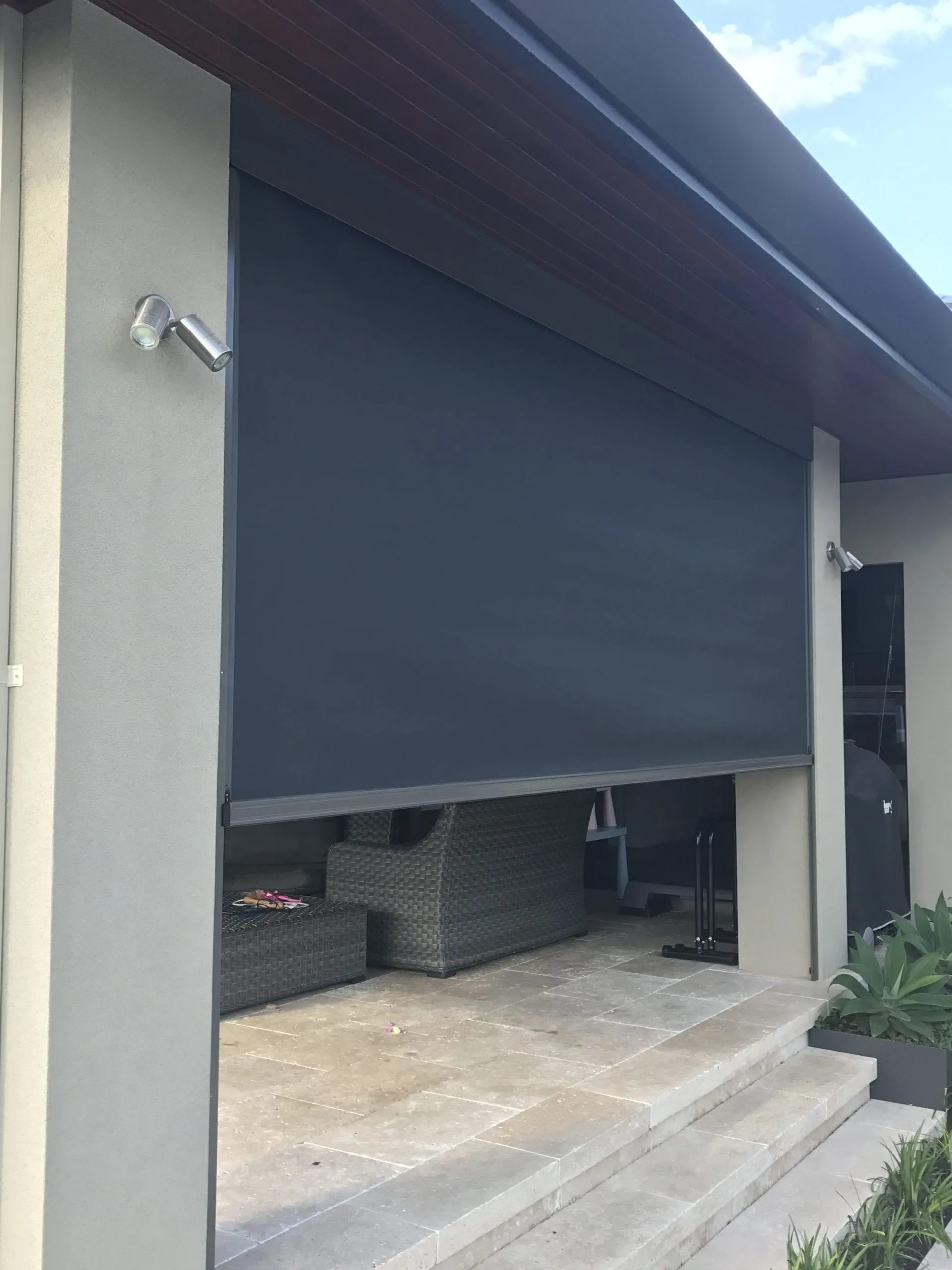
Finding the perfect blinds in Osborne Park requires more than just a quick visit to the nearest store. Whether you’re aiming for privacy, sun protection, or style, knowing exactly how to get the best blinds in Osborne Park empowers you to make an informed decision tailored to your home’s unique needs. This comprehensive guide walks you through local climate influences, trusted retailers, installation tips, and practical buying considerations specific to Osborne Park. For durable, weather-tested options and local installations, check outdoor blinds perth.
Understanding Osborne Park’s Unique Needs for Blinds
Osborne Park Climate and Its Impact on Blinds Selection
Osborne Park experiences a Mediterranean climate with hot, dry summers and mild, wetter winters. According to the Bureau of Meteorology, Perth regularly sees summer daytime temperatures above 30°C, while annual rainfall is concentrated in the cooler months. In practical terms, that means west- and north-facing windows in Osborne Park can cop intense afternoon heat, glare, and UV stress for much of the year.
UV exposure is a major factor in blind selection. Perth’s high UV index can fade fabrics, warp lower-quality components, and accelerate wear on exposed surfaces. For that reason, weather-resistant fabrics, UV-stable coatings, and corrosion-resistant hardware are worth prioritising. Mesh and sunscreen fabrics help reduce glare while preserving airflow, while PVC and waterproof outdoor materials are better for exposed alfresco areas.
Rainfall matters too. Osborne Park may not see constant rain, but seasonal downpours and moisture can damage untreated materials, especially on outdoor blinds, café enclosures, and patio curtains. If you’re shopping for the best blinds in Osborne Park, think beyond appearance: choose products that suit heat, UV, wind, and moisture all at once.
Common Home Styles and Architectural Features in Osborne Park
Osborne Park’s residential landscape features a mix of mid-century homes, renovated character properties, modern townhouses, and light industrial-commercial buildings. Many homes include generous glazing, sliding doors, and open-plan living zones that invite natural light but also increase heat gain.
This architectural profile calls for flexible window furnishings. Roller blinds suit clean-lined interiors and narrow frames, while plantation blinds add texture and allow more precise light control. For larger openings, outdoor blinds and café-style solutions are often a better fit because they reduce glare before it reaches the glass.
Local Lifestyle and Usage Patterns Influencing Blinds Choice
Many Osborne Park residents value indoor-outdoor living, with patios, balconies, and alfresco dining spaces used throughout much of the year. That lifestyle increases demand for robust outdoor blinds and best outdoor curtains waterproof solutions that help create comfortable entertaining areas without sacrificing airflow or visibility.
Indoor spaces also need privacy blinds that still allow daylight and help control cooling costs. In homes where air conditioning is used heavily during summer, blinds that block radiant heat can reduce the load on cooling systems and improve comfort in living rooms, bedrooms, and home offices.
Understanding these lifestyle patterns gives you a practical framework for choosing blinds that suit both the home and the local environment. If you want to compare finishes and functions more closely, explore our guide to cafe blinds perth for weather protection and outdoor living spaces.
After exploring Osborne Park’s climate, architecture, and lifestyle influences, we now turn to a structured approach for finding the perfect blinds.
Step-by-Step Guide to Finding the Best Blinds in Osborne Park
Defining Your Requirements: Style, Budget, and Functionality
Begin your search by clarifying exactly what you need. A short checklist makes the process easier:
- Style: Do you want a minimalist look, a textured finish, or a more classic interior?
- Budget: Include product cost, measurement fees, and installation in your total.
- Functionality: Decide whether your top priority is heat control, privacy, blackout performance, or waterproofing.
- Size and fit: Measure windows carefully, especially for sliding doors, corners, and non-standard openings.
Clear priorities reduce decision fatigue and help you compare products more objectively. If you are still refining your shortlist, our Best roller blinds Perth guide is a useful starting point for balancing style and performance.
Where to Search: Local Brick-and-Mortar Stores vs Best Online Blinds Australia
Osborne Park has several specialist blinds retailers that offer personalised service, custom measurements, and installation support. Visiting a local showroom allows you to inspect fabric textures, test mechanisms, and get advice for unusual window shapes or outdoor applications.
Online shopping can also work well, especially for buyers seeking broader selection or competitive pricing. Reputable national suppliers serving WA often provide measurement guides, delivery tracking, and warranty documentation. Just confirm shipping times to Osborne Park, return policies, and whether installation support is included.
How to Assess Quality: Materials, Mechanisms, and Warranty
The durability and performance of your blinds depend on the materials and mechanisms used. Look for UV-resistant fabrics, reinforced stitching, corrosion-resistant fixtures, and smooth operating systems that won’t bind or twist over time. For motorised units, check the quality of the motor, controls, and backup override options.
- Materials: Prioritise UV-stable fabrics, powder-coated hardware, and outdoor-grade finishes.
- Operating mechanisms: Smooth chains, quality springs, and reliable motorised controls improve day-to-day use.
- Warranty: Confirm what is covered, how long it lasts, and whether labour is included.
Good quality blinds cost more upfront but often last longer and require fewer repairs. A strong warranty is a useful sign that the supplier stands behind the product.
Reading and Evaluating Customer Reviews and Testimonials from Osborne Park Residents
Customer feedback is one of the best ways to judge service quality and product performance in real-world conditions. Look at Google Reviews, ProductReview.com.au, and local Facebook groups for comments about punctuality, communication, installation quality, and how the blinds hold up in heat and wind.
Pay attention to repeated themes. If multiple reviews mention poor fitting, slow warranty response, or fading fabrics, treat that as a warning sign. If they praise clean installation and reliable after-sales support, that is a positive indicator.
Jane, an Osborne Park homeowner, shared: “We chose mesh outdoor blinds for our patio and they’ve made summer lunches much more comfortable. The installer measured carefully, the finish looks neat, and the blinds still look great after two hot seasons.”
Another local customer, Michael, said: “Our motorised roller blinds were worth the upgrade. The west-facing rooms are cooler now, and using the remote every morning is far easier than adjusting each blind manually.”
With your requirements clearly identified and search strategy framed, next is a detailed comparison of leading Osborne Park blinds specialists.
Comparative Analysis of Top-Rated Blinds Retailers in Osborne Park
Overview of Leading Local Suppliers – Product Range and Services
| Supplier | Product Range | Custom Options | Installation | Warranty |
|---|---|---|---|---|
| Osborne Blinds & Curtains | Roller, Plantation, Outdoor Blinds | Custom sizing, fabrics, motorised upgrades | Professional onsite fitting | 5-year manufacturer warranty; product and workmanship support available on request |
| Perth Window Furnishings | Roman, Venetian, Motorised Blinds | Bespoke design service, premium fabrics | Certified installers | Standard 3-year warranty; terms vary by product line |
| Budget Blinds Osborne Park | Basic roller, vertical blinds | Limited custom options | DIY or optional installation | Limited warranty; best checked before ordering |
For business owners in Osborne Park, understanding the Commercial blinds value enhancement can guide investment choices, especially for cafés, showrooms, and offices.
Budget planning is crucial — see our analysis of the Cost of outdoor roller blinds to inform your purchase.
Familiarise yourself with blind types and companies serving Perth area including Osborne Park suppliers.
Besides outdoor blinds, roller shutters are another robust option for property protection in Osborne Park. For more information, see our guide on protecting your business or home with roller shutters.
Pricing Comparison and Value for Money
Prices vary by material, size, operating system, and installation complexity. As a rough guide:
- Standard roller blinds range from about $150 to $400 per window, including installation.
- Premium plantation blinds may cost $400 to $900, depending on size and finish.
- Outdoor waterproof blinds and curtains typically start at $500 and can rise significantly for larger openings or motorised systems.
Obtaining multiple quotes is a smart way to compare value. Look beyond the headline price and weigh warranty length, installation quality, after-sales support, and long-term durability.
Special Deals, Customisation Options, and Installation Services
Some Osborne Park retailers offer seasonal specials, free in-home measurements, and no-obligation consultations. Custom features such as motorisation, child-safe control systems, and eco-friendly fabrics may also be available, giving you more control over comfort and energy use.
Professional installation is usually recommended for large windows, outdoor applications, and motorised systems. It reduces fitting errors and helps preserve the product warranty. DIY may be suitable for simple indoor blinds if you have the right tools and confidence.
Example: Customer Experience and Expert Insights from Osborne Park Retailers
Jane, a local Osborne Park homeowner, shared: “We chose mesh outdoor blinds from Osborne Blinds & Curtains for our patio. Installation was quick, and the blinds effectively block the afternoon sun without blocking airflow. The 5-year warranty gave us peace of mind.”
Another customer, Leanne, said her custom roller blinds “still operate smoothly after three summers and a house move,” which she credited to precise measuring and a sturdy chain mechanism. Small details like hardware quality and correct installation can make a big difference in longevity.
Experts advise confirming lead times, manufacturing windows, and after-sales support upfront, especially for custom orders, to avoid surprises.
With retailer options assessed, it’s essential to understand how to install and maintain your blinds for optimal performance.
Practical Tips for Blinds Installation and Maintenance Specific to Osborne Park Homes
How to Fit Window Blinds – Tools and Step-by-Step Process
Installing window blinds requires precision and the right tools: a drill, screws, measuring tape, spirit level, pencil, screwdriver, and suitable wall plugs if needed. For heavier blinds, a second set of hands can help keep the headrail aligned while you secure the brackets.
- Measure each window accurately and confirm the mounting style.
- Mark drill points using the brackets as a guide.
- Drill pilot holes and secure the brackets firmly.
- Clip or screw the headrail into position.
- Test the blind for smooth movement and check for even alignment.
If you’re installing into masonry, steel, or fragile surfaces, take extra care with fixings. For motorised blinds, electrical work should be handled by a licensed professional where required.
Tips for Installing Outdoor Blinds & Best Outdoor Curtains Waterproof Options
Outdoor blinds and waterproof curtains need strong anchoring to handle wind and rain. Use corrosion-resistant fixings, check that anchor points are sound, and make sure tracks or guides are level before tensioning the blind. If the product is exposed, choose marine-grade or outdoor-rated components where possible.
For clear enclosures and patio applications, refer to our detailed Clear PVC café blinds installation resource for practical fitting advice and care tips.
For ongoing upkeep, see our Outdoor blinds maintenance tips guide to reduce wear from dust, salt air, and UV exposure.
How to Repair Plantation Blinds – Local Services and DIY Advice
Plantation blinds can suffer from loose slats, broken tilt rods, snapped cords, or worn staples. Minor issues are often manageable at home if you have replacement parts and patience. You can sometimes replace individual slats, tighten fittings, or swap a damaged wand.
For complex repairs, uneven louvers, or broken internal components, professional service is usually the safer option. If the blind is still under warranty, check before attempting repairs that could void coverage. For more detailed help,.
- Check whether the issue is cosmetic or structural.
- Gather replacement parts from the original supplier where possible.
- Test one small fix before dismantling the whole blind.
- Stop if the mechanism feels jammed or the slats are cracking.
Installation Considerations for Different Home Types in Osborne Park
Older Osborne Park homes with unusual window shapes may need custom brackets or made-to-measure products. Modern homes with large glass doors often benefit from motorised blinds for convenience and cleaner operation. For heritage properties, be mindful of exterior appearance and mounting restrictions.
Commercial buildings and homes with uneven surfaces, hard-to-reach windows, or electrical requirements may need professional assessment before installation. This is especially important where safety, access, or structural integrity could be affected.
Armed with installation knowledge, refining your buying decisions around climate and lifestyle factors is vital.
Buying Considerations Tailored to Osborne Park Climate and Lifestyle
Material Choices: PVC, Canvas, Mesh – Durability and Weather Resistance
Material choice has a major impact on durability, appearance, and ease of maintenance in Osborne Park’s climate.
- PVC: Strong waterproof protection, easy cleaning, and excellent for fully exposed areas.
- Canvas: Breathable and attractive, with moderate water resistance; often suits covered alfresco areas.
- Mesh: Balances airflow, visibility, and UV reduction, making it ideal for heat control.
- Sunscreen fabric: A tightly woven fabric that reduces glare and UV while preserving outward views and daylight.
If you want a more detailed breakdown of fabric performance, our guide to Differences between block out, translucent and sunscreen blinds explains how each option behaves in different rooms.
To achieve strong UV protection and a neat finish outdoors, consider clear PVC café-style enclosures or screened patio solutions that balance weather protection with visibility.
Managing Sun Exposure and Privacy with the Best Window Blinds
Effective window blinds reduce solar heat gain while improving privacy. Sunscreen blinds are ideal when you want daytime light and outward views without the harsh glare. Block-out blinds are best for bedrooms, media rooms, and shift workers who need darkness and insulation.
For Osborne Park homes, a layered approach often works best: sunscreen blinds in living areas, block-out blinds in bedrooms, and outdoor blinds on west-facing openings. This combination improves comfort without making the home feel closed in.
Motorised Blinds, Convenience, and Smart Home Benefits
Motorised blinds are increasingly popular in Osborne Park because they make daily use easier and improve control over heat and light. They are especially useful for large windows, high openings, and outdoor installations where manual operation can be awkward.
Benefits include smoother operation, better child safety by reducing cords, and the ability to integrate with timers, remotes, or smart-home systems. In warm weather, you can lower blinds before the heat builds up, which supports energy efficiency and helps protect furnishings from UV damage.
If you are comparing premium options, ask whether the supplier offers battery-powered, hardwired, or solar-assisted motorisation. Each system has different installation and maintenance requirements.
Waterproof and Weatherproof Features for Outdoor Blinds and Curtains
Waterproof and weatherproof characteristics protect outdoor blinds from moisture damage, mould, and fading. Look for outdoor-rated fabrics, UV-resistant coatings, and hardware designed to resist corrosion. In exposed areas, wind ratings and anchoring quality matter just as much as water resistance.
It’s important to know whether outdoor blinds are waterproof especially given Osborne Park’s weather patterns and seasonal rain.
Energy Efficiency Benefits of Appropriate Blinds in Osborne Park
Blinds contribute to energy savings by reducing the need for air conditioning during hot months and helping retain warmth during winter. According to the Australian Department of Energy, well-chosen shading can meaningfully reduce cooling demand, particularly on sun-exposed windows.
In Perth-style climates, the biggest gains usually come from stopping heat before it enters the home. External shading, such as outdoor blinds and café blinds, can outperform internal blinds for west-facing windows because they intercept solar heat earlier. Reflective coatings, tighter edge seals, and layered window coverings can also improve performance.
In practical terms, that means a combination of outdoor blinds for afternoon sun and insulating indoor blinds for bedrooms can reduce temperature swings and improve comfort throughout the day. For more product ideas, explore our guide to the best outdoor blinds for Australian conditions.
Energy efficiency also links closely to compliance and product suitability. If you’re planning a new installation, review outdoor blinds regulations in Western Australia to help ensure your setup is appropriate for local conditions and building expectations.
Compliance, Regulations, and Local Installation Standards in Western Australia
In Western Australia, outdoor blind installations may need to account for building approvals, boundary setbacks, wind exposure, and fire safety considerations depending on the property type and location. If blinds extend close to neighbouring lots, cover shared areas, or attach to a commercial façade, it is wise to confirm any relevant council or strata requirements before ordering.
For motorised blinds, electrical work should comply with WA safety requirements and be completed by appropriately licensed professionals where needed. Product literature should also be checked for wind ratings, cleaning instructions, and warranty conditions, since non-compliant installation can affect both safety and cover.
When in doubt, ask the retailer or installer to explain applicable standards, especially for large outdoor systems, rental properties, and commercial sites. This is one area where professional advice can prevent costly rework later.
Before concluding, here are answers to common questions about blinds in Osborne Park.
Frequently Asked Questions & Addressing Common Consumer Concerns
How quickly can I get custom blinds delivered to Osborne Park?
Custom blinds usually take 2–4 weeks from measure to delivery, although complex orders or busy seasons can take longer. Local Osborne Park retailers may be faster than some online suppliers because they handle measurements, ordering, and installation locally. Always confirm lead times before paying a deposit.
Are online blinds retailers reliable for Osborne Park customers?
Yes, reputable online retailers can be reliable if they provide clear measurement instructions, local delivery options, warranty details, and strong customer reviews. Check return policies, product specifications, and shipping times to Osborne Park. For custom blinds, local support often makes the process easier if anything needs adjustment.
What types of blinds suit Osborne Park’s climate best?
For Osborne Park’s heat and UV exposure, sunscreen roller blinds, mesh outdoor blinds, plantation blinds, and waterproof PVC café blinds are strong choices. West-facing rooms usually benefit from external shading, while bedrooms often need block-out options. The best result often comes from mixing blind types by room.
Can I install blinds myself or should I hire a professional?
Basic indoor blinds can often be installed DIY if you can measure accurately and use a drill safely. However, large outdoor blinds, motorised systems, and awkward openings are usually better handled by a professional. Hiring an installer reduces the risk of poor fit, damage, and warranty issues.
How do I choose between roller, plantation, and outdoor blinds?
Choose roller blinds for a simple, modern look and easy light control. Plantation blinds suit rooms where you want adjustable airflow and a more textured finish. Outdoor blinds are best for patios, balconies, and sun-exposed windows because they reduce heat before it reaches the glass.
What maintenance is required to keep my blinds durable in Osborne Park weather?
Wipe indoor blinds regularly, vacuum fabric surfaces gently, and check cords or motorised parts for wear. Outdoor blinds need more frequent cleaning to remove dust, salt, and debris. Re-tension loose fittings after windy weather and follow the manufacturer’s care instructions to avoid premature fading or corrosion.
What warranties do local blinds suppliers in Osborne Park typically offer?
Local suppliers commonly offer warranties from 3 to 5 years, though coverage varies by product type and brand. Ask whether the warranty includes fabric, hardware, motors, and installation labour. Always get the warranty terms in writing and check for exclusions related to weather exposure or misuse.
How do blinds help reduce energy costs in Osborne Park homes?
Blinds reduce energy costs by limiting solar heat gain in summer and adding a layer of insulation in winter. External blinds are especially effective on west-facing windows because they block heat before it enters the room. Over time, that can reduce air-conditioning use and improve comfort.
Choosing blinds that suit Osborne Park’s unique environment and lifestyle doesn’t have to be overwhelming. With this guide as your roadmap, you can confidently select quality products from trusted local suppliers, ensure proper installation, and enjoy lasting comfort and style.
Ready to upgrade your home with the best blinds Osborne Park offers? Start by contacting top-rated local retailers like Osborne Blinds & Curtains or Perth Window Furnishings, or explore trusted online options through our guides on outdoor blinds perth and Best roller blinds Perth.