
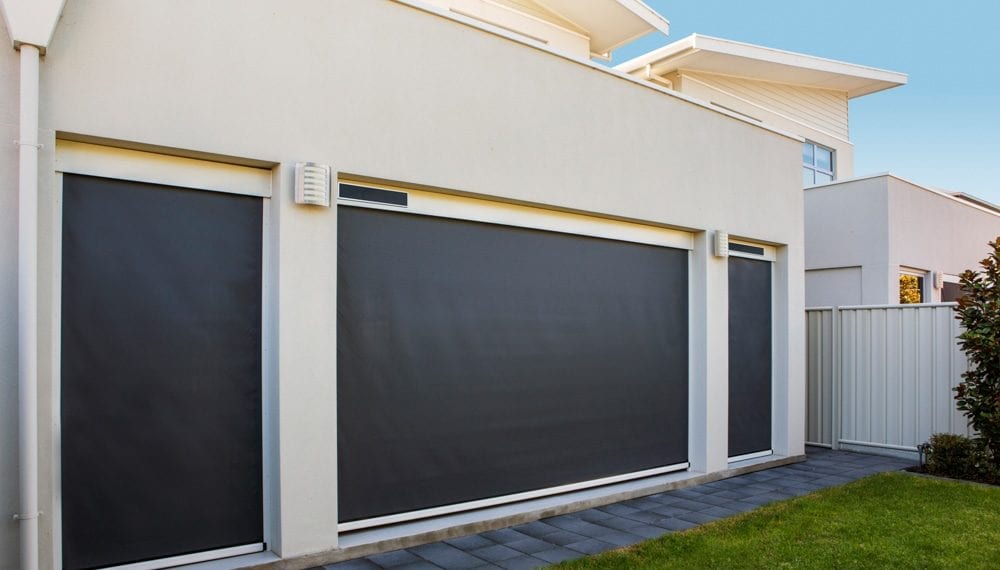
Commercial roller shutters are a practical security and access-control solution for retail shops, warehouses, loading docks, parking facilities, and other commercial premises. They combine asset protection, vandalism deterrence, operational ease, and building insulation benefits in one rolling door system.
This guide explains the full lifecycle of commercial roller shutters: materials, construction, security features, installation, operation, maintenance, troubleshooting, costs, energy efficiency, and real-world use cases. If you want a broader overview of why businesses choose them, see our top reasons to install commercial roller shutters.
Whether you manage a storefront, secure a warehouse, or improve facility access control, the right shutter system can protect assets, support smoother daily operations, and improve thermal performance. For local product options and installation support, explore our roller shutters Perth.
Introduction to Commercial Roller Shutters
Commercial roller shutters are rolling door systems designed to secure openings while supporting day-to-day operational ease. They are typically used to reduce theft risk, deter vandalism, limit weather exposure, and improve thermal performance by creating an extra insulating layer over doors and windows.
These shutters are widely used in commercial property management because they protect assets, improve access control, and help manage indoor temperatures without sacrificing usability. In many settings, they also reduce glare, dust ingress, and unwanted noise.
In practical terms, a well-chosen shutter is not just a barrier; it is part of a site’s wider risk-management strategy. The right solution can make opening and closing routines simpler for staff, reduce wear on doors and locks, and support building insulation at the same time.
What Are Commercial Roller Shutters?
Commercial roller shutters consist of interlocking horizontal slats that travel vertically and coil around a roller tube. The roller tube is the cylindrical shaft above the opening that stores the curtain when the shutter is open. When closed, the slats form a durable barrier for security, privacy, and weather protection.
Core Components: Rolling Mechanism, Roller Tube, Slats
The rolling mechanism includes the roller tube, side guides, end locks, and either a manual or motorized drive system. Slats make up the curtain and are selected based on strength, insulation, and appearance. The slat profile refers to the shape and interlocking design of each slat, which influences strength, wind resistance, and how tightly the shutter rolls.
Differences from Residential and Industrial Shutters
Compared with residential shutters, commercial roller shutters generally place greater emphasis on durability, access frequency, and compliance with commercial standards. Industrial shutters, by contrast, are often built for wider spans, heavier duty use, and more specialized loading or factory applications.
With the fundamentals covered, the next section explains how materials affect performance, durability, and cost. For more detail, see our comprehensive guide to roller shutter materials in Perth.
Materials and Construction of Commercial Roller Shutters
| Material | Advantages | Suitability for Commercial Use | Considerations |
|---|---|---|---|
| Steel | High strength, durable, excellent impact resistance | Ideal for high-security areas like warehouses and industrial doors | Heavier; usually galvanized or coated for corrosion resistance |
| Aluminum | Lightweight, corrosion-resistant, easier manual operation | Suitable for storefronts and areas where reduced weight is important | Less impact resistant than steel; may dent more easily |
| PVC | Cost-efficient, good insulation, weather resistant | Used where energy efficiency and noise reduction are priorities | Lower physical strength compared with metal options |
Steel Shutters: Advantages and Use Cases
Steel roller shutters are favoured for their strength and durability, making them well suited to high-risk sites. They are often galvanized, meaning a protective zinc coating is applied to help prevent corrosion, or powder-coated for added weather resistance and finish quality. This makes steel a strong choice for logistics facilities, storage yards, and secure back-of-house openings.
Aluminum Shutters: Lightweight and Corrosion Resistance
Aluminum shutters offer a practical balance between strength and reduced weight. That can make manual operation easier and lower strain on motors. Their corrosion-resistant properties also make them useful in coastal or humid environments where rust resistance matters.
PVC Shutters: Cost Efficiency and Insulation Benefits
Among the available options, PVC shutters can be attractive for businesses focused on insulation and budget control. Their slats can improve thermal performance and reduce sound transfer, which may help lower HVAC demand. They generally provide less impact resistance than steel, so they are best suited to lower-risk openings where energy efficiency is a higher priority than heavy-duty security.
For businesses comparing options, our PVC café blinds page also shows how transparent PVC solutions can support weather protection and comfort in commercial settings.
With material choices clarified, the next section focuses on security enhancements that protect commercial premises more effectively.
Security Features and Enhancements
Security is a core function of commercial roller shutters. The best systems combine physical strength, anti-tampering design, and optional electronic monitoring to delay intrusion and reduce loss.
Locks and Reinforced Slats: Physical Security
Commercial shutters can include slam locks, key locks, bolt locks, and reinforced end locks to help prevent forced entry. Slats may be reinforced through double-wall construction, thicker gauge materials, or added structural ribs. These features increase resistance to prying, cutting, and impact.
Alarm Systems and Sensors Integration
Many systems can integrate with alarms and sensors that detect vibration, forced movement, or unauthorised opening attempts. This helps improve response time and supports wider site security strategies. In connected buildings, these sensors may also feed into monitoring platforms for event logging and alerts.
Impact Resistance and Anti-Tampering Features
Anti-tampering features can include protected motor housings, concealed fixings, and reinforced guides that make it harder to remove or dislodge the curtain. Impact resistance is often assessed using relevant product testing methods or rating systems, such as wind-load and impact-performance standards used in commercial applications. These ratings help buyers compare suitability for high-risk environments.
For more practical guidance, review our security features of commercial roller shutters guide and our security advantages of roller shutters article. You can also compare related protection systems in our commercial security solutions overview.
Choosing stronger shutters or upgraded locks often depends on risk level, opening size, and the type of goods being protected. For high-exposure sites, impact resistance should be considered alongside access control, alarm integration, and the quality of installation.
Next, we review installation and compliance considerations, including professional setup and regulatory requirements.
Installation Overview and Compliance Considerations
- Site Assessment: Measure the opening and assess structural suitability, power access, and operating space.
- Material and Configuration Selection: Choose shutter type, slat profile, material, and automation options based on security and usage needs.
- Preparation: Prepare the mounting area, checking framing, clearance, and substrate condition.
- Mounting Roller Tube and Guides: Secure brackets and side guides precisely so the curtain travels smoothly.
- Slat Assembly: Assemble the curtain and connect it to the roller tube, ensuring end locks are seated correctly.
- Automation Installation (if applicable): Fit the motor and controls, then set safety devices and limit adjustments.
- Testing and Adjustment: Verify smooth rolling, secure locking, and correct safety operation.
- Final Inspection: Confirm compliance with local building requirements before handover.
Step-by-Step Installation Outline
Commercial shutter installation is best handled by licensed professionals because alignment, motor setup, and safety testing all affect performance. Our commercial roller shutters installation guide provides a helpful foundation for the process.
Relevant Building Codes and Regulatory Requirements
Commercial properties should comply with local and national building codes covering fire safety, accessibility, structural loading, and electrical requirements. The Australian Building Codes Board (ABCB) provides an important reference point for compliance expectations in Australia. Requirements can vary by state and application, so a licensed installer should confirm site-specific obligations.
Importance of Professional Installation and Inspections
Professional installation helps reduce the risk of misalignment, electrical issues, premature wear, and warranty problems. Inspectors and installers can also document compliance, which is valuable for insurance, asset registers, and future servicing. See our detailed commercial roller shutter installation instructions for additional context.
After installation, correct operation and automation setup become the next priorities for daily use and long-term reliability.
Operation and Automation Technologies
Manual Operation: When and Why It’s Used
Manual shutters remain useful for lower-traffic sites, smaller openings, or locations where simplicity and lower upfront cost matter more than convenience. They may use hand chains or push-up/pull-down operation and are often chosen where power dependence should be minimal.
Electric Roller Shutters and Motor Types
Electric shutters use motors, typically tubular or surface-mounted, to raise and lower the curtain. Motor selection should account for size, weight, and frequency of use. A motor’s duty cycle is the limit on how long or how often it can run before it needs to cool down; matching duty cycle to usage helps prevent overheating and early failure.
Automation Systems: Remote Controls and Integration
Modern automation may include wall switches, key fobs, timer controls, smartphone access, and sensor-based operation. In larger sites, BMS integration refers to connecting shutters to a building management system so they can work alongside lighting, HVAC, alarms, and access control. That can improve both convenience and energy management.
Operational Safety Guidelines and Accident Prevention
- Keep clear of the shutter travel path and install suitable safety sensors, such as photocells or obstruction detection.
- Test the emergency override system regularly. This is the manual backup that allows operation if power fails or the motor is disabled.
- Train staff on opening, closing, and lock procedures, including what to do if a shutter stops mid-cycle.
- Confirm electrical components and control panels meet relevant safety standards before commissioning.
These operational practices support safe daily use and reduce downtime. Next, we look at maintenance routines that protect performance and extend service life.
Maintenance Procedures for Longevity and Performance
- Cleaning Techniques: Removing Debris and Dirt
Use a soft brush or cloth to remove dust, leaves, and grit from slats, guides, and the roller tube. Mild detergent and water are usually sufficient, but avoid abrasive products that can damage coatings. - Lubrication Points and Recommended Products
Apply lubricant sparingly to bearings, guide channels, and locks using manufacturer-approved silicone or lithium-based products. This reduces friction without attracting excess dust. - Regular Inspection Checklist for Early Issue Detection
- Check slat alignment and condition for dents, cracks, or corrosion;
- Test locking mechanisms for smooth engagement;
- Inspect motor operation and wiring for unusual noise, overheating, or wear;
- Verify that safety sensors and emergency overrides work correctly.
- When to Schedule Professional Maintenance
Professional servicing is recommended annually or biannually, depending on use. A technician can carry out deeper cleaning, motor diagnostics, safety checks, and part replacement to reduce the risk of costly failure and preserve warranty cover.
Regular upkeep is one of the easiest ways to avoid breakdowns. For more detail, see our maintenance tips for roller shutters and our guide to extending shutter life.
Next, we examine the financial side of ownership, including initial costs, ongoing expenses, and lifecycle value.
Cost Factors and Economic Considerations
Commercial roller shutter pricing depends on opening size, material, automation, and installation complexity. A basic manual aluminum shutter may start around AUD 1,200–2,500, a steel shutter may range from AUD 1,800–4,500, and automated or insulated systems often fall between AUD 3,000–8,000+ depending on size and controls. Large or high-security installations can cost more.
To budget well, it helps to separate upfront purchase costs from ongoing lifecycle costs. Material choice, access frequency, and control requirements all affect the final spend, but the lowest quote is not always the best value over five to ten years.
- Installation costs: Labour, access equipment, site preparation, electrical work, and compliance testing affect the final quote. Complex openings or high-rise access can increase installation time and cost.
- Material costs: Steel usually costs more than aluminum or PVC because of its weight and strength, while insulated products and custom slat profiles raise pricing further. A higher-grade finish may also increase durability and reduce future repainting or corrosion repairs.
- Maintenance expenses: Budget for cleaning, lubrication, annual servicing, lock replacements, and possible motor repairs over time. Lower-cost shutters may save money upfront but require more frequent adjustments or part replacement.
- Automation costs: Motors, control panels, sensors, remote controls, and BMS integration increase upfront cost but can improve convenience and security. Automation can also reduce staff time and lower wear from repeated manual handling.
The economic case should be considered across the full lifecycle, not just the purchase price. A shutter with better insulation may lower HVAC demand, and a system that reduces heat gain or heat loss can contribute to operational savings over many years. In some commercial settings, insulated shutters have been linked to up to a 20% reduction in heating and cooling demand, which can help offset higher upfront costs through lower utility bills.
For budgeting support, compare our affordable commercial roller shutters in Perth guide with the more detailed cost of commercial roller shutters resource. If you are weighing value against performance, our energy-efficient roller shutters guide can help you estimate longer-term savings.
A practical way to assess return on investment is to compare the extra upfront cost of insulated or automated shutters against reduced energy use, fewer call-outs, and lower damage risk. For many sites, a more durable shutter with reliable automation pays back through lower repair frequency, better security continuity, and time saved in daily operation.
When making a decision, consider total cost of ownership: purchase price, expected service life, maintenance frequency, likely repair exposure, energy savings, and business downtime. In many cases, a slightly higher upfront investment in better materials or automation can reduce lifecycle costs and improve reliability.
With the financial picture in mind, the next section covers common faults and how to approach troubleshooting safely.
Common Issues and Troubleshooting Guide
Commercial roller shutters can develop issues over time, especially in high-use environments. Identifying the problem early can prevent larger failures and improve security continuity.
- Jamming and Slat Alignment Problems: Debris in the guides, damaged slats, or a misaligned curtain may cause jamming. Clear visible blockages carefully and inspect for bent or broken components.
- Motor Failure and Electrical Issues: Motor stalls, intermittent movement, or complete failure may indicate wiring faults, overload, or worn internal components. Always check the power supply first before arranging a technician.
- Lock Malfunctions and Security Compromises: Corrosion, wear, or impact damage can prevent locks from engaging correctly. Clean and lubricate the lock, then replace worn parts if needed.
- DIY Trouble Checks vs. Professional Repairs: Cleaning, inspection, and lubrication are usually suitable for managers, but motor faults, electrical repairs, and structural damage should be handled by licensed professionals.
For more support, refer to our broader troubleshooting roller shutters resource and document issues carefully for warranty or insurance purposes.
Next, we look at energy efficiency and the environmental benefits of choosing the right shutter type.
Energy Efficiency and Environmental Impact
Commercial roller shutters can improve building insulation by creating a thermal barrier over glazed or exposed openings. This helps reduce heat transfer, solar gain, drafts, and temperature fluctuations, which can ease HVAC demand and improve comfort for staff and customers.
How Roller Shutters Contribute to Building Insulation:
- Insulated PVC or insulated aluminum slats act as thermal barriers.
- Closing the shutter adds a second layer to the building envelope, reducing air leakage.
- By lowering heating and cooling demand, shutters may contribute to up to a 20% HVAC reduction in suitable commercial settings, based on industry reporting and climate conditions.
For buyers comparing performance options, see our energy-efficient roller shutters guide and our guide to energy-efficient commercial shutters. Energy outcomes can also improve when shutters are paired with other envelope upgrades or low-emission materials, especially in buildings with high solar exposure.
Eco-friendly choices may also include recyclable metals, durable coatings that extend service life, and product selections that reduce replacement frequency over time. Better insulation can also reduce HVAC runtime, which may cut operating costs while lowering a building’s overall energy footprint.
After energy performance, the next section shows how commercial roller shutters are used in real-world environments.
Practical Use Cases and Best Practices for Commercial Environments
Retail Store Front Protection
Shutters help protect glass storefronts from vandalism, theft, and weather exposure after hours. Automated systems improve opening and closing convenience, while alarms and access controls support site security. Good daily practice includes scheduled operation and quick checks of sensors and locks.
Warehouse and Loading Dock Security
Steel shutters are commonly used on warehouses and loading docks where impact resistance and security are priorities. Staff should inspect shutters after vehicle movement or heavy equipment work and keep guides clear of debris to prevent operational problems.
Parking Garage and Facility Access Control
Automated shutters can regulate access to parking areas and restricted facilities by integrating with keypads, remotes, or access control platforms. Emergency override drills and backup power planning are important where uninterrupted entry or exit may be required.
Best Practices to Optimize Daily Operations
- Train staff on correct shutter operation and emergency procedures.
- Record maintenance and faults for warranty, insurance, and service history.
- Close shutters during extreme weather to support energy and protection goals.
- Review automation settings and service logs periodically to maintain performance.
Choosing the right shutter depends on usage, security needs, and budget. For more guidance, see choosing the right roller shutters for business in Perth.
If you want to see how shutters support operations beyond security alone, explore how installing roller shutters can help your business.
With the main topics covered, the final section answers common questions and offers practical next steps.
Frequently Asked Questions and Final Recommendations
For further help beyond these FAQs, consult our detailed guides, speak with a licensed installer, or request a site assessment tailored to your property.
Conclusion
Commercial roller shutters are versatile assets that support security, insulation, access control, and operational efficiency across a wide range of commercial environments. Choosing the right material, automation level, and maintenance routine can meaningfully improve performance and reduce long-term costs.
If you are planning a new installation, upgrading an older shutter, or comparing repair versus replacement, the safest next step is to speak with a licensed professional. Explore our installation guide, review the linked resources in this article, or sign up for commercial property management tips and updates to stay informed.
For tailored advice, contact a qualified installer and request recommendations based on your site’s risk profile, usage frequency, and compliance requirements.