
Roller Shutter Maintenance Tips to Extend Life | Smarter Outdoors
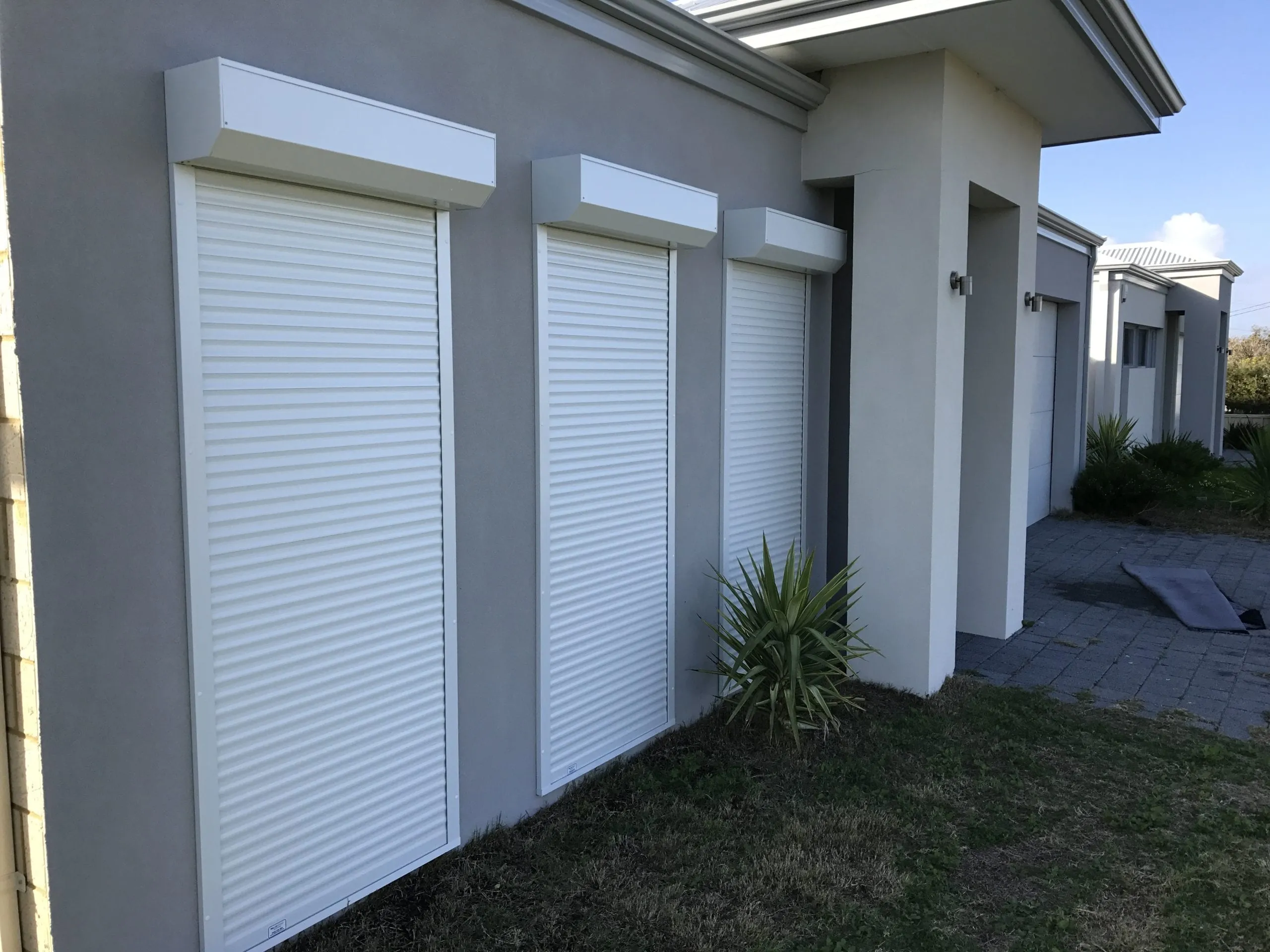
Tips to Maintain Your Roller Shutters to Extend Their Life give homeowners and small business owners practical, step-by-step ways to keep these essential fixtures working smoothly for years. With regular care, roller shutters can improve security, support energy efficiency, and withstand harsh weather better, protecting your investment in the long run. This guide covers maintenance routines, cleaning, lubrication, rust prevention, DIY repairs, and troubleshooting for real-world problems.
Understanding Roller Shutter Components and Common Issues
The foundation of good maintenance is understanding roller shutter components and the issues that commonly affect them. A roller shutter includes several moving parts, and each one has a job to do. If you’re comparing systems before buying, our key questions before purchasing roller shutters can help you choose a setup that’s easier to maintain.
Different shutter materials like aluminium, steel, or PVC need different care routines. For a deeper comparison, see our roller shutter materials guide.
Understanding how maintenance supports protection and comfort is also useful when reviewing the security advantages of residential roller shutters.
Key Parts of Roller Shutters and Their Functions
- Shutter Slats: Horizontal strips that roll around the roller tube to open and close the shutter.
- Roller Tube: The cylindrical shaft that holds and winds the shutter slats.
- Guide Rails: Vertical tracks that keep the shutter aligned while moving.
- Shutter Box: The housing that protects the rolled-up shutter and internal parts.
- Shutter Bearings: Components that help the roller tube spin smoothly.
- Shutter Locks: Mechanisms that secure the shutter when closed.
- Shutter Motors: Electric motors used in automated systems, which need safe electrical care.
Knowing what each part does helps you target maintenance properly, such as lubricating shutter bearings or checking shutter locks for wear.
Common Mechanical Issues Impacting Longevity
- Jamming or Sticking: Often caused by dirt buildup, misaligned slats, or damaged rollers.
- Mechanical Wear: Springs, cords, bearings, and rollers can degrade over time.
- Rust Spots: Common on steel shutters or exposed components and can spread quickly if ignored.
- Broken Cords or Springs: These can stop manual shutters from lifting or lowering properly.
- Squeaking Noises: Usually a sign of poor lubrication or worn bearings.
Typical problem we see: a homeowner notices a shutter making a grinding sound after a windy week. In many cases, the cause is debris in the guide rails, and a careful clean plus light lubrication restores smooth movement before the issue becomes a bigger repair.
Weather-Related Wear and Its Effects on Shutters
Environmental exposure affects roller shutters more than many owners expect:
- UV Radiation: Can fade finishes and weaken some plastic parts over time.
- Salt Air: Coastal homes face faster corrosion on metal parts and fittings.
- Rain and Moisture: Encourage rust and can lead to swelling or warping in certain materials.
- Dust and Debris: Build up in guide rails and moving parts, increasing friction and jams.
- Temperature Fluctuations: Cause expansion and contraction, which can loosen screws and fixings.
Safety Considerations When Inspecting and Maintaining
Safe maintenance starts with simple habits:
- Disconnect power before working on motorised shutters.
- Use a stable ladder and wear gloves when reaching high or sharp edges.
- Respect spring tension handling on manual shutters, since sudden release can cause injury.
- Keep the shutter supported while inspecting or repairing moving parts.
- Call a professional if the problem involves wiring, broken springs, or major mechanical damage.
If you live in Perth, it’s also worth noting that compliance and safety expectations around shutter repairs and electrical work should be followed carefully. For local guidance, see our roller shutter regulations in Perth summary and always use licensed help for electrical faults.
Understanding these parts and risks sets you up for a maintenance routine that protects both the shutter and the people using it.
Establishing a Comprehensive Maintenance Routine
Explore our full range of roller shutters to compare models and materials that suit your property and maintenance preferences.
Creating and following a structured maintenance routine is one of the easiest ways to extend shutter lifespan. A good routine blends visual inspections, cleaning, lubrication, and scheduled servicing. If you want more extended durability tips, see our extended durability tips for window roller shutters. For business owners, our business roller shutter selection and care article is also helpful. When a system needs expert attention, choosing the right roller shutter company matters.
Daily and Weekly Visual Inspection Checklist
- Check shutter slats for dents, bends, or misalignment.
- Inspect guide rails for dirt buildup, leaves, or blockages.
- Look for rust spots, chipped paint, or early corrosion.
- Listen for squeaks, grinding, or unusual vibration during operation.
- Test shutter locks and handles to make sure they move freely.
- For electric systems, watch for slow, uneven, or jerky movement.
Monthly and Seasonal Maintenance Tasks
- Clean slats, rails, and exposed components with the right cleaning method.
- Lubricate moving parts such as bearings, rollers, and spring points.
- Check cords, springs, and fixings for wear or loosening.
- Apply rust inhibitors to vulnerable metal areas if needed.
- Inspect motorised shutters for unusual noises, heat, or electrical issues.
Creating a Customized Maintenance Calendar for Your Climate
Because environmental conditions influence wear, tailor your calendar to local weather:
| Climate Type | Maintenance Focus | Frequency |
|---|---|---|
| Coastal (Salt Air) | Rust prevention, salt residue removal | Quarterly or more often |
| Humid/Rainy | Moisture prevention, drying, mould checks | Bi-monthly |
| Hot/Dry | Dust removal, UV protection | Monthly |
| Cold/Wintery | Lubrication checks, freeze damage prevention | Pre-winter and post-winter |
Good maintenance also improves energy efficiency. When slats close properly, seals stay intact and drafts are reduced, so your roller shutters help keep indoor temperatures more stable. That means less strain on heating and cooling systems and better long-term energy savings.
Professional Servicing vs. DIY Maintenance – When to Call Experts
Many maintenance tasks are safe for homeowners, but some issues should be left to professionals:
- Electrical faults or motor repairs in automated shutters.
- Severe mechanical failures such as broken springs or a damaged roller tube.
- Heavy rust that has weakened the shutter structure.
- Repeated jamming even after cleaning and lubrication.
- Installation-related problems that affect safe operation.
For service support, our professional roller shutter maintenance page explains what to expect, and our Smarter Outdoors roller shutter services team can help with repairs, servicing, and replacement advice. For ongoing upkeep ideas, revisit our extended durability tips for window roller shutters.
Cleaning Techniques That Support Longevity
Regular cleaning removes dirt, salt, and other contaminants that speed up wear. The right tools and cleaning agents depend on the shutter material and the environment around your property.
Recommended Cleaning Agents and Tools for Roller Shutters
- Mild Detergents: Safe for aluminium, steel, and PVC when diluted correctly.
- Non-Abrasive Cloths or Microfibre Brushes: Help prevent scratches and surface damage.
- Salt Residue Removers: Useful in coastal areas to reduce corrosion risk.
- Avoid: Harsh solvents, bleach, high-pressure cleaning, and abrasive pads.
Step-by-Step Cleaning Process for Different Shutter Materials
- Close the shutter fully before cleaning.
- Remove loose dust with a soft brush or vacuum cleaner.
- Mix warm water with a mild detergent.
- Wipe slats and guide rails gently using a microfibre cloth.
- Rinse with clean water to remove any soap residue.
- Dry thoroughly with a soft towel to prevent water marks and rust.
Preventing Damage during Cleaning – Do’s and Don’ts
- Do: Test the cleaner on a hidden section first.
- Do: Use light pressure to avoid bending slats.
- Do: Pay attention to rollers and guide rails where grime collects.
- Don’t: Use steam cleaners or hard nozzles that force water into components.
- Don’t: Scrub with abrasive tools that can damage coatings.
Managing Environmental Factors Like Coastal Salt or Rain
For coastal properties, rinse shutters with fresh water weekly to remove salt deposits. After rain, dry shutters promptly to reduce rust and mould risk. If your property also uses other outdoor products, our clear PVC café blinds UV protection benefits article offers related care ideas for harsh environments.
Lubrication and Mechanical Care for Smooth Operation
Lubrication reduces friction, protects moving parts, and helps shutters run quietly. The key is to choose the right product and apply it correctly.
Choosing the Right Lubricants for Shutter Mechanisms
- Silicone Spray: Suitable for many metal and plastic parts because it resists water and doesn’t attract much dust.
- Graphite Lubricant: Useful for locks and fine mechanical points.
- Grease: Best used sparingly on heavy-duty bearings when extra protection is needed.
- Avoid: Using general-purpose oils as a long-term solution, since they can attract grime and create buildup.
How and When to Lubricate – A Seasonal Approach
- Lubricate at least twice a year, ideally before winter and summer.
- Increase frequency in dusty, humid, or coastal conditions.
- Apply only a small amount to bearings, rollers, pulley points, and spring mechanisms.
- Run the shutter several times so the product spreads evenly.
Troubleshooting and Fixing Jamming or Stiff Rollers
- Clean guide rails and remove debris, insects, or hardened dirt.
- Apply the correct lubricant to rollers and bearings.
- Check for bent slats or damaged rollers causing obstruction.
- If the jam continues, inspect cords, springs, and alignment before forcing the shutter.
Expert Tips on Avoiding Over-Lubrication or Using Wrong Products
Too much lubricant attracts dust and can make the problem worse. Use only products made for shutter components, and keep liquid products away from electrical parts in motorised systems. Electric roller shutters also need careful handling around switches and wiring, so always disconnect power first. Learn more about automated models in our articles on What Makes the Electric Roller Shutters a Popular Choice? and Why You Should Make the Switch to Automatic Roller Shutters.
Rust Prevention and Corrosion Control
Rust is one of the biggest threats to steel and metal roller shutters. Catching corrosion early protects both appearance and structural strength.
Identifying Early Signs of Rust and Corrosion
- Orange or brown discoloration on exposed metal parts.
- Pitting or rough surfaces where coatings have failed.
- Stiff, noisy, or uneven shutter movement caused by corrosion.
Rust Prevention Techniques Tailored to Different Climates
- Apply rust inhibitors or anti-corrosion sprays quarterly in humid or coastal areas.
- Choose galvanised or powder-coated shutters where possible.
- Keep shutters clean and dry to reduce moisture buildup.
DIY Rust Removal and Treatment Methods
- Use a wire brush or sandpaper to remove loose rust.
- Apply a rust converter to stabilise remaining corrosion.
- Repaint or coat the area with rust-resistant protective paint.
Protective Coatings and Their Application
| Coating Type | Description | Best Use |
|---|---|---|
| Galvanization | Zinc coating that provides long-term rust protection | Steel shutters in high-corrosion environments |
| Powder Coating | Durable finish that resists scratches and weather | Residential and commercial shutters |
| Anti-Corrosion Paint | Paint with rust inhibitors for touch-ups and treatment | DIY rust repair and maintenance |
If rust keeps returning or the damage looks severe, professional restoration is the safer choice. For service comparisons, see our professional roller shutter maintenance page. If replacement becomes the better option, finding affordable roller shutters in Perth can help you weigh quality against budget.
DIY Repairs and Troubleshooting Common Problems
Small repairs done early can prevent bigger and more expensive failures later. With the right tools and safety steps, homeowners can handle some basic fixes.
Handling Minor Mechanical Repairs Safely
Always disconnect power before working on motorised shutters and secure the shutter before adjusting parts. Use the right tools, including pliers, screwdrivers, and a suitable lubricant. Follow the manufacturer’s instructions carefully when dealing with cords or springs, because spring tension handling can be dangerous if rushed.
Fixing Misaligned or Damaged Slats
- Identify bent, loose, or out-of-place slats.
- Gently guide them back into position or replace cracked slats.
- Secure any loose sections with the correct clips or screws.
Repairing or Replacing Broken Cords and Springs
- Replace frayed or snapped cords with the exact matching part.
- Adjust spring tension only if you are confident and the system is designed for DIY access.
- If the repair involves strong tension or hidden components, call a professional.
Example from the field: one common callout involves a manual shutter that won’t stay open because a cord is fraying and the spring is losing tension. In those cases, a safe replacement restores operation quickly, while trying to force the shutter often causes more damage.
When DIY Maintenance Could Cause More Harm
Do not attempt electrical motor repairs without training. Avoid forcing a stuck shutter, since that can bend slats or damage the roller tube. Complex misalignment, repeated jams, or hidden electrical faults should be handled by professionals. This guide pairs with our step-by-step roller shutter guide and our installation procedures for roller shutters article for related guidance.
If replacement becomes necessary, our finding affordable roller shutters in Perth page can help you plan the next step. Preventive maintenance also supports the many benefits of installing roller shutters for home protection.
Seasonal Maintenance Blueprint for Different Environmental Conditions
Adapting maintenance to the seasons keeps roller shutters in better condition all year. It also helps improve insulation performance, which can reduce heat loss in winter and heat gain in summer. Our energy-efficient roller shutters guide explains how good upkeep supports lower energy use and more stable indoor comfort.
Winter Preparation: Protecting Shutters from Cold and Moisture
- Lubricate moving parts before temperatures drop.
- Dry shutters after rain to reduce rust and sticking.
- Inspect seals and close gaps that may let in cold drafts.
Summer Routine: Managing Heat and Dust Buildup
- Clean dust and debris more often, especially in dry climates.
- Check for UV fading and consider protective coatings where suitable.
- Watch for heat-related expansion that can cause alignment issues.
Handling Rainy Seasons: Preventive Measures for Water Damage
- Make sure water can drain away from the shutter box area.
- Inspect sealant and fix gaps that could let moisture in.
- Clean and dry more frequently to reduce mould and corrosion.
Coastal Area Considerations: Salt Air and Humidity Effects
- Rinse shutters regularly with fresh water to remove salt.
- Use anti-corrosion sprays on exposed metal components.
- Choose aluminium or powder-coated finishes where possible for better salt resistance.
For more climate-friendly exterior solutions, see our weather-resistant outdoor blinds and shutters in Perth article.
Preventive Maintenance Habits That Save Costs Over Time
Small habits done consistently can prevent expensive shutter repairs:
- Check operation daily for smooth opening and closing.
- Keep guide rails free of leaves, dust, and debris to avoid jams.
- Fix minor damage or unusual noises before they spread.
- Keep a maintenance log for cleaning, lubrication, and repairs.
- Arrange professional checkups every 1 to 2 years to catch hidden wear early.
Preventive care supports the benefits of installing roller shutters for home protection and helps you get better long-term value from your investment. It also improves energy efficiency by keeping slats aligned, seals effective, and draughts under control, which can lower heating and cooling costs.
FAQs and Troubleshooting Guide for Roller Shutter Maintenance
Here is a quick troubleshooting reference for common issues: if the shutter is jamming, clean the rails and check for bent slats; if it is noisy, inspect bearings and lubrication; if rust is appearing, dry the surface, treat it early, and apply protection. If the issue involves springs, wiring, or repeated failure, call a professional.
For local support, review our roller shutter maintenance FAQs for Perth, and for commercial owners, the commercial roller shutter user guide offers further insight.
For safety and compliance, see our roller shutter regulations in Perth guide before doing electrical or structural work.
Regular upkeep suited to your shutter type, climate, and usage will keep them running smoothly for longer. A few consistent habits now can help you avoid costly repairs later and maintain better security, energy efficiency, and appearance.
Ready to protect and prolong your roller shutters? Start these proven maintenance steps today to avoid costly repairs and ensure your roller shutters keep your home secure, energy-efficient, and looking great for years to come.
Frequently Asked Questions
How often should I perform maintenance on my roller shutters?
Perform a basic visual check weekly, clean them monthly, and do lubrication or deeper inspections every six months. In coastal, dusty, or humid areas, you may need to do some tasks more often. The more exposure your shutters face, the shorter your maintenance interval should be.
What are the key components of roller shutters I should know to maintain them?
The main parts are the slats, roller tube, guide rails, bearings, shutter box, locks, cords, springs, and motor on automated models. Each component affects movement, security, and durability. Knowing what each part does makes it easier to clean, lubricate, and spot wear early.
How does maintenance differ between manual and motorised roller shutters?
Manual shutters need closer attention to cords, springs, and tension, since those parts wear mechanically. Motorised shutters still need cleaning and lubrication, but they also require electrical checks, safe power disconnection, and attention to motors, controls, and wiring. DIY repairs are more limited on automated systems.
What are the best cleaning methods for aluminium, steel, and PVC shutters?
Use warm water with a mild detergent and a microfibre cloth for all three materials. Aluminium and PVC are usually more forgiving, while steel needs extra drying to prevent rust. Avoid abrasive pads, harsh chemicals, and high-pressure cleaning because they can damage the finish or force water into parts.
How can I prevent rust and corrosion on my roller shutters?
Clean shutters regularly, dry them after rain, and apply rust inhibitors or anti-corrosion sprays where needed. Powder-coated or galvanised finishes offer better protection, especially in coastal and humid climates. Early treatment matters most, because small rust spots can spread quickly if ignored.
When should I call a professional instead of doing repairs myself?
Call a professional if the problem involves broken springs, electrical faults, a damaged motor, severe rust, or repeated jamming that cleaning does not fix. These issues can be unsafe to handle without training. A technician can diagnose the cause and prevent further damage or injury.
How do environmental factors like coastal salt air affect roller shutter maintenance?
Salt air speeds up corrosion on metal parts, fixings, and bearings, so coastal shutters need more frequent rinsing and rust protection. Humidity also increases moisture buildup, which can lead to sticking and rust. Regular cleaning and drying are essential in these conditions to keep shutters working well.
Can proper maintenance improve the energy efficiency of roller shutters?
Yes. When shutters close properly and seals stay in good condition, they help reduce draughts and unwanted heat transfer. That means less strain on heating and cooling systems. Good maintenance doesn’t just protect the shutter; it also helps the building stay more comfortable and efficient.