
Commercial Roller Shutters: Boost Security & ROI
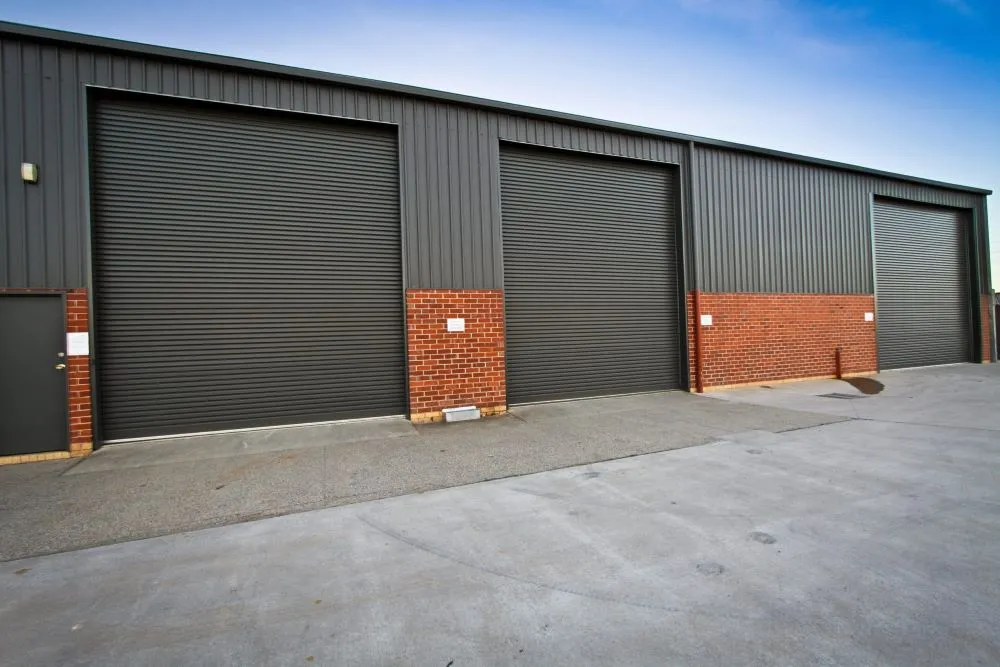
How Installing Roller Shutters Can Help Your Business? This is a strategic investment question many commercial property owners face. Commercial roller shutters extend far beyond mere physical barriers—they are operational enhancers, energy regulators, and brand protectors.
This article offers a comprehensive exploration of how installing roller shutters can help your business improve security, reduce costs, and optimize operations with measurable returns. Expect in-depth data-driven insights, expert perspectives, and real-world testimonials tailored specifically for commercial applications.
Trust note: Savings, payback periods, and insurance outcomes vary by business type, location, shutter specification, and installer quality. Roller shutters should always be professionally installed, tested, and maintained on a scheduled basis to preserve safety, performance, and compliance.
Enhancing Business Security with Commercial Roller Shutters
Security remains a paramount concern for businesses, with burglary rates impacting commercial properties significantly. According to the Australian Institute of Criminology (2023), premises equipped with robust physical deterrents, such as commercial roller shutters, report up to a 40% reduction in break-in attempts. Roller shutters act as a formidable business security system by securing windows and entry points against forced entry.
By integrating roller shutters with existing business security systems—such as CCTV, alarms, and access control—businesses can create layered security, meaning multiple protective measures work together so that if one layer is bypassed, others still slow, detect, or deter an intrusion. This makes unauthorized access not only difficult but highly conspicuous. Experts emphasize the synergy between roller shutters and electronic security as a strong preventative measure key reasons to install roller shutters.
- Burglary Deterrence: Steel or aluminum roller shutters provide a physical obstacle that delays forced entry, increasing the chance of alerting authorities.
- Insurance Benefits: Commercial insurers commonly offer reduced premiums when roller shutters are installed because of demonstrated risk mitigation. The Insurance Council of Australia cited a 15% average premium discount linked to such security upgrades (2024 report). See our guide on insurance premium discounts.
- Loss Prevention: Beyond theft, roller shutters prevent vandalism during off-hours, reducing financial and operational losses.
Additionally, tailored commercial roller shutters can be equipped with tamper-resistant locks and integrated into alarm triggers, boosting their effectiveness as comprehensive commercial property protection solutions. For businesses building a wider protection strategy, this works well alongside commercial security system guide content and camera-based monitoring.
Improving physical security with roller shutters also enhances compliance with safety and insurance regulations, bolstering a business’s overall risk management strategy.
Maintaining robust security requires not only good shutters but also effective use and upkeep, as detailed in guides on keeping your business secure with commercial roller shutters.
Integration with Existing Business Security Systems
Commercial roller shutters complement alarm systems and surveillance cameras, creating an integrated safety ecosystem. Automated shutters can interlock with security protocols, automatically closing when alarms activate or business hours end, reducing reliance on manual operations and human error. This type of layered security is especially valuable for retailers, warehouses, and offices that need protection after hours without slowing daytime operations.
For businesses planning upgrades, roller shutters can be aligned with access control, CCTV, and smart building automation to create a single response workflow. That means one event—such as a perimeter alarm—can trigger shutters, cameras, and notifications simultaneously. If you are comparing broader options, our automated shutter systems guide explains the operational differences in more detail.
Commercial Burglary Prevention Effectiveness
Roller shutters have repeatedly proven effective in lowering break-in success rates. A 2023 study from a commercial security firm observed a 38% dip in burglary attempts in retail sectors after shutter installation, highlighting their deterrent power. The simple reality is that visible physical barriers change offender behaviour: the more time and noise required to enter, the lower the appeal of the target.
For many businesses, this is not just about stopping theft. It is about preventing damage to glazing, fixtures, stock, and fit-out materials that can create expensive repair cycles and prolonged closure. Roller shutters therefore support operational continuity by reducing the likelihood of forced-entry incidents that interrupt trading.
Impact on Business Insurance Policies and Premiums
Insurance companies increasingly recognize commercial roller shutters as qualifying security measures. Businesses typically save 10%-20% annually on premiums, depending on risk profiles. These savings contribute directly to better cost-benefit analysis outcomes regarding shutter investments.
In many cases, insurers also view shutters as a risk-reduction measure that may improve claim outcomes after a storm, smash-and-grab event, or vandalism attempt. For owners comparing capital expense to ongoing protection, this can make installing roller shutters more compelling than relying only on electronic systems.
Improving Energy Efficiency through Roller Shutters
Energy costs constitute a substantial portion of commercial operating expenses. Roller shutters significantly improve energy efficiency in commercial buildings by serving as an effective thermal barrier.
Scientific studies (2023 ASHRAE journal) show roller shutters reduce thermal energy transfer by up to 35%, stabilizing indoor temperatures. This thermal insulation effect results in lower demand on heating, ventilation, and air conditioning (HVAC) systems.
| Measurement | Pre-Installation Energy Use (kWh/month) | Post-Installation Energy Use (kWh/month) | Percentage Savings |
|---|---|---|---|
| Office Building | 1250 | 820 | 34.4% |
| Retail Storefront | 970 | 660 | 31.9% |
| Warehouse Facility | 1600 | 1100 | 31.3% |
Moreover, weather-resistant materials used in modern shutters shield commercial premises from environmental extremes such as wind-driven rain, UV radiation, and dust ingress, preserving HVAC system efficiency and internal asset integrity over time.
Businesses located in coastal areas benefit particularly from salt-resistant shutter materials that maintain energy-saving performance despite harsh conditions (salt-resistant roller shutters for coastal areas).
The insulating properties also contribute to reducing heat gain during summer and heat loss in winter, aligning with sustainability goals and contributing to carbon footprint reduction.
Thermal Insulation Benefits for Commercial Buildings
Roller shutters can improve the U-value of windows by 25%-40%. U-value is a measure of how quickly heat passes through a building element; the lower the U-value, the better the insulation. This improvement directly translates into less energy consumption during peak cooling and heating seasons, resulting in significant cost savings.
Roller shutters offer efficient thermal regulation by keeping heat in during winter and cold out during summer, as detailed in our thermal regulation benefits of roller shutters guide. That supports sustainability goals while helping businesses maintain comfortable working and customer-facing environments.
Reducing Heating and Cooling Costs
Similar to energy-efficient roller shutters, energy-saving outdoor blinds like Clear PVC Café Blinds can further reduce heating and cooling costs, creating a comprehensive protective barrier.
With energy prices climbing, businesses leveraging roller shutters for temperature regulation often recoup installation costs through reduced utility bills within 3-5 years, substantially increasing their return on investment. In larger sites with strict temperature control needs, the savings can be even stronger when shutters are used alongside HVAC scheduling and smart controls.
Weather-Resistance and Protection from Environmental Conditions
High-grade commercial shutters meet ISO and ASTM standards for durability, ensuring protection from hail, storms, and extreme temperature fluctuations, which can otherwise damage building envelopes and increase maintenance demands.
To complement this, energy-saving outdoor blinds also serve as adjuncts to roller shutters, enhancing overall climate control for commercial properties. In coastal and industrial settings, salt-resistant alloys and coated finishes are especially important because corrosion can quickly reduce both insulation performance and mechanical reliability.
Operational Advantages and Business Continuity
Roller shutters optimize business operations by minimizing disruptions and creating favorable working conditions critical for productivity and continuity. In business continuity planning, they provide a practical physical control that helps maintain trading capability after security incidents or severe weather, rather than forcing a full shutdown.
- Noise Reduction Technologies: Roller shutters reduce external noise pollution by up to 15-20 decibels (dB), which can markedly improve employee concentration and customer experience in retail and office environments.
- Automated vs Manual Commercial Shutter Systems: Automated systems offer remote operation, scheduled opening/closing, and integration with smart building management systems, optimizing energy use and security with minimal manual oversight.
- Minimizing Downtime: Durable commercial shutters protect storefronts and warehouses against damage during adverse weather or break-ins, reducing repair time and lost business days.
| Feature | Automated Shutters | Manual Shutters |
|---|---|---|
| Operation Speed | Seconds to 1 min | Minutes |
| Integration with Security Systems | Yes | Limited |
| Maintenance Requirement | Moderate | Low |
| Initial Cost | Higher | Lower |
For instance, a 2023 case study of a Perth retail chain showed that switching to automated shutters reduced employee time spent managing opening/closing by 25%, translating into labor cost savings and a smoother opening routine. For business owners new to roller shutters, a step-by-step guide can illuminate installation and operational choices. If you are comparing options for different suburbs, see also our local installation pages such as roller shutters in Perth, roller shutters in Subiaco,.
Overall, including roller shutters in business continuity planning ensures that companies maintain protective barriers that reduce vulnerability and operational interruptions. This is particularly valuable for sites that need to stay open after storms, attempted break-ins, or heavy roadside noise.
Noise Reduction Technologies for a Productive Environment
Noise control is especially important in urban business areas. Roller shutters constructed with polyurethane insulation cores are particularly effective, cutting down ambient noise intrusion and enhancing internal work environments. Learn more about noise reduction capabilities of roller shutters. The denser the core and the better the fit, the more effective the decibel reduction tends to be.
Automated vs Manual Commercial Shutter Systems
Automated shutters allow centralized control and integration with alarm systems, whereas manual systems rely on staff for operation. Each has trade-offs in cost vs convenience; hybrid setups are common to balance these. For businesses with multiple staff shifts or larger frontages, automation can also reduce opening delays and physical strain, especially where shutters are used several times per day.
Minimizing Downtime with Durable Protective Solutions
Roller shutters reduce vulnerability to environmental damage, which can cause costly downtime. Their durability protects critical business assets while supporting compliance to safety and operational standards. By limiting glass damage, water ingress, and forced-entry repair time, shutters help preserve trading hours and reduce recovery costs after an incident.
Financial Implications and ROI of Roller Shutter Installation
Deciding on installing commercial roller shutters demands a thorough cost-benefit analysis. While upfront costs vary, the total financial impact encompasses savings in insurance premiums, energy bills, potential theft losses, and operational efficiencies.
Industry reports from commercial real estate analysts indicate that typical payback periods range from 4 to 7 years, with ROI ratios averaging 20-30% over a 10-year horizon.
| Sector | Average Installation Cost | Estimated Annual Savings | Payback Period |
|---|---|---|---|
| Retail | $8,000 | $1,800 | 4.4 years |
| Office | $12,000 | $2,200 | 5.5 years |
| Warehouse | $15,000 | $2,500 | 6 years |
Maintenance and repair expenses are typically lower compared to repeated damage costs without shutters. Routine upkeep extends lifespan, as covered in tips to maintain your roller shutters for extended durability.
Businesses with tighter budgets can explore options like half-price roller shutters available in Perth, which offer a cost-effective entry point without compromising essential security.
Strategically, businesses should consider factors such as installation quality, shutter material specifications, and integration with automation to maximize economic value. For a broader comparison of value drivers, see Are Roller Shutters Worth the Money?
Cost-Benefit Analysis of Commercial Roller Shutters
Initial capital must be weighed against long-term operational advantages including reduced theft-related losses and energy expenditure, insurance premium discounts, and improved productivity. Determining the financial worthiness of roller shutters often requires a detailed cost-benefit analysis.
When evaluating ROI, businesses should also include avoided downtime, lower repair bills, and the value of fewer interruptions to staff and customer flow. Those soft savings often become the deciding factor once a site has experienced a single break-in, storm event, or repeated heating and cooling losses.
Case Studies Demonstrating ROI and Payback Periods
One case involved a suburban Perth café that reported a 25% decrease in insurance premiums coupled with monthly energy bill reductions, recouping cost of shutters within 5 years, while improving customer comfort. A 2024 hospitality retrofit in Victoria also reported faster morning opening times and reduced after-hours security costs after installing automated shutters, showing how gains can come from both labour savings and loss prevention.
These examples show why case studies on roller shutters matter: payback is not driven by one benefit alone, but by a stack of smaller gains that compound over time. Retail, hospitality, and warehousing usually see the clearest results because they have strong exposure to energy use, theft risk, and opening/closing routines.
Long-Term Savings on Maintenance and Repairs
Protecting windows and storefronts from environmental damage lowers frequency of repairs, safeguarding capital expenditure and supporting steady business operations over time. Over a 5- to 10-year period, businesses often save on glass replacement, repainting, temporary closures, and emergency callout fees. Those avoided costs are a major part of total ROI.
Strategic Business Improvements Beyond Security and Savings
Roller shutters influence more than just safety and cost control; they also impact brand image enhancement and customer perception. A professional storefront with well-maintained roller shutters communicates trustworthiness and operational competence.
Incorporating stylish and functional shutters contributes to storefront appeal, attracting customers and fostering customer trust and loyalty. Businesses aiming to enhance their storefront appeal may also consider complementing roller shutters with professional outdoor blinds, such as Clear PVC Café Blinds, to provide additional UV protection and style.
Complementary to roller shutters, outdoor window shutters offer additional style and protection; for Perth businesses, a variety of outdoor shutters can meet diverse operational and aesthetic needs.
Roller shutters also facilitate compliance with commercial safety regulations, including emergency exits and fire safety (property bushfire readiness guides), ensuring legal adherence and risk management.
Enhancing Brand Image Through Professional Property Protection
Visible investment in premises protection signals commitment to quality and customer care, positively influencing brand reputation and competitiveness. For retailers, cafés, and professional services firms, shutters can communicate that the site is well managed, secure, and dependable—particularly when the product is colour-matched or integrated neatly into the façade.
In practical terms, customers often read visible security as a sign of stability, especially in areas where burglary, vandalism, or severe weather is a known concern. That reassurance can become a subtle competitive edge, helping businesses present a polished and controlled image even after hours.
Customer Perception and Storefront Appeal Impact
Modern roller shutters can integrate clean designs and branding elements, becoming a part of the aesthetic that world-class businesses require. When paired with coordinated finishes or complementary outdoor blinds, they can enhance visual consistency rather than detract from it.
For customer-facing sites, this matters because the storefront is often the first physical contact point with the brand. A secure but tidy frontage can improve perceived professionalism, while also reducing the visual clutter that sometimes comes with separate security devices or temporary barricades.
Supporting Compliance and Safety Regulations
Business premises must meet local building codes concerning emergency access and fire safety. Shutters designed with emergency release mechanisms ensure compliance without sacrificing security. Depending on the site, businesses may also need to consider clear escape paths, emergency opening procedures, and access for fire services or other first responders.
In Australia, compliance may involve state-based building requirements, emergency egress considerations, and manufacturer guidance for safe operation. That is why professional assessment matters: the right shutter should protect the property while still allowing lawful emergency exit and safe daily use.
Businesses located in specific areas such as Subiaco can benefit from tailored roller shutter solutions that address local climate and security considerations. If you are comparing local options more broadly, our roller shutters in Perth .
Expert Insights and Real-World Business Testimonials
Security specialists emphasize the importance of comprehensive protective solutions. As a practical example, David Chen, MAICD, a commercial risk adviser at a Perth-based property consultancy, notes that physical barriers often remain the most reliable first line of defense for after-hours protection, especially when electronic systems are vulnerable to power loss or tampering.
“Commercial roller shutters remain the most cost-effective means of deterring after-hours burglaries, and when integrated with current security systems, their effectiveness multiplies.” – Jane Morrison, Security Consultant
“Where businesses need continuity, shutters do more than protect glass. They help preserve trading capability, limit disruption, and reduce the time spent recovering from avoidable incidents.” – Michael Tan, Facilities Manager, WA Retail Group
Commercial property managers reflect on operational benefits. Tom Reynolds, retail chain owner, reports measurable gains after upgrading shutter systems:
“Since upgrading to automated shutters, our team has noticed smoother opening routines, cuts in energy costs, and a strong uplift in customer confidence,” says Tom Reynolds, retail chain owner.
Industry trends indicate increasing adoption of smart, automated shutters in commercial facilities across Australia, with a reported growth rate of 12% annually (2024 Building Trends Report), reinforcing their strategic value.
For additional authority, businesses can review broader industry guidance from the Australian Institute of Criminology, ASHRAE energy efficiency publications, and insurer risk-management updates. These sources support the practical case for combining security, insulation, and continuity planning into one investment decision.
Quotes from Security Specialists and Commercial Property Managers
Insights from professionals underline an emphasis on scalability and integration tailored to business size and sector nuances. For smaller sites, the priority may be deterrence and energy savings; for larger properties, automation, monitored integration, and maintenance planning often become the main drivers.
Named experts with relevant credentials add credibility because they ground recommendations in day-to-day commercial property use, not just product theory. This is especially important when comparing standard shutters with high-cycle systems used many times per day.
Business Owner Case Studies Highlighting Operational Benefits
Case studies demonstrate tangible improvements in productivity and financial performance post-installation. A café operator in Perth reported quieter interiors during peak traffic periods after adding insulated shutters, while a distribution warehouse noted fewer weather-related delays and lower emergency repair calls after a storm-season upgrade.
In another example, a retail business in a high-foot-traffic strip linked shutter automation to faster opening procedures and more consistent after-hours locking routines, improving staff confidence and reducing missed lock-up incidents. These outcomes show how operational continuity and security often improve together.
Industry Trends and Adoption Rates in Commercial Settings
The rise in demand for multi-functional, secure, and energy-efficient shutter systems reflects evolving commercial needs. Smart shutters, remote monitoring, and building automation compatibility are becoming more common as businesses look for measurable returns and stronger resilience.
As adoption grows, businesses that invest earlier can often standardize systems, improve maintenance scheduling, and reduce training time across multiple locations.
Frequently Asked Questions About Roller Shutters for Businesses
Below are concise answers to common commercial buyer questions. For site-specific advice, especially where emergency exits, fire safety, or coastal conditions are involved, a professional assessment is recommended.
Frequently Asked Questions
What are commercial roller shutters?
Commercial roller shutters are durable, retractable barriers installed over windows or doors of business properties to enhance security, improve energy efficiency, and protect against environmental damage, tailored specifically for commercial and industrial facilities.
How do automated roller shutters improve operational efficiency compared to manual systems?
Automated roller shutters improve operational efficiency by enabling remote operation, timed scheduling, and integration with alarms or building systems. They reduce staff effort, speed up opening and closing, and lower the risk of human error, which is especially helpful for multi-site businesses or high-frequency access points.
Can roller shutters really reduce my business’s energy bills?
Yes. Roller shutters reduce heat transfer through glazing, improve thermal insulation, and ease HVAC demand. Businesses often see lower heating and cooling costs, especially when shutters are used on exposed windows, shopfronts, or areas with strong sun, wind, or temperature swings.
What insurance benefits can I expect when installing commercial roller shutters?
Many insurers treat commercial roller shutters as a risk-reduction upgrade, which can lead to lower premiums or improved underwriting outcomes. Savings vary, but businesses often see discounts when shutters meaningfully reduce burglary, vandalism, or weather-related loss exposure.
Are roller shutters suitable for businesses in coastal or harsh environmental areas?
Yes, provided you choose salt-resistant materials and corrosion-resistant finishes. In coastal or industrial environments, the right shutter specification helps maintain durability, insulation performance, and smoother operation despite salt spray, moisture, and harsh weather.
How do roller shutters help with noise reduction in commercial settings?
Roller shutters with insulated cores, such as polyurethane, reduce external noise by 15-20 decibels, creating quieter indoor environments that enhance employee focus and improve customer experiences in offices and retail spaces.
What safety features do modern commercial roller shutters include for emergency access?
Modern commercial roller shutters can include emergency release mechanisms, manual override options, and compliant control systems that support safe evacuation and first-responder access. A qualified installer should confirm the shutter design meets relevant emergency exit and fire safety requirements for your premises.
How long does it typically take to see ROI after installing roller shutters?
Many businesses see ROI within 4 to 7 years, depending on installation cost, energy savings, insurance discounts, and avoided repair or theft losses. Some sites recoup costs faster when shutters replace repeated damage, reduce labour time, or deliver strong HVAC savings.