
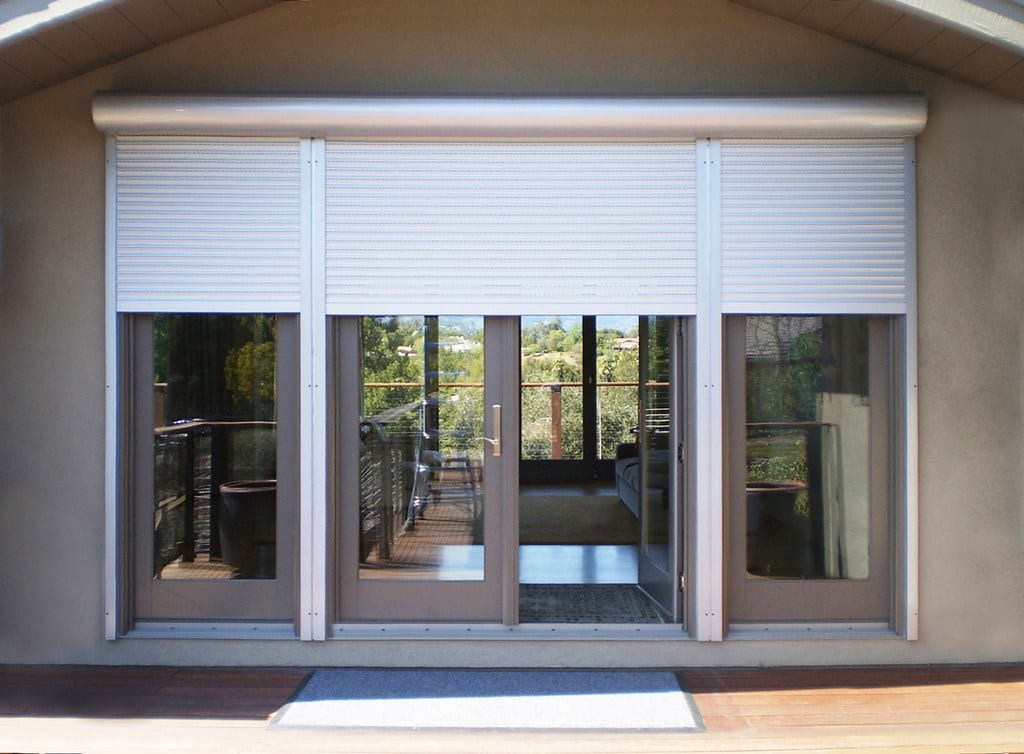
Do roller shutters keep the heat in and the cold out? This critical question lies at the heart of energy-efficient home design, especially for homeowners in Perth’s variable climate. In this comprehensive guide, we examine the science and practical performance of roller shutters as thermal insulation devices—exploring how they influence heat transfer, protect against temperature extremes, and reduce energy bills.
Understanding the Thermal Insulation Properties of Roller Shutters
What Is Thermal Insulation and Why It Matters
Thermal insulation refers to a material’s ability to reduce heat transfer between the inside and outside of a building. Efficient insulation helps maintain comfortable indoor temperatures by limiting heat loss in winter and heat gain in summer. This not only enhances occupant comfort but also lowers energy consumption by reducing heating and cooling demands—translating into tangible savings on energy bills.
In the context of windows, which are traditionally weak points in the building envelope, enhancing insulation is crucial because windows easily transmit heat through conduction, convection, and radiation mechanisms.
Physics of Heat Transfer: Conduction, Convection, and Radiation
Heat moves via three primary processes:
- Conduction: Heat transfer through direct contact of materials, such as through a window pane or shutter slat. Materials with low thermal conductivity slow conduction.
- Convection: Heat transfer via fluid movement, like warm air currents near windows. Air gaps and still air layers act as insulators by minimizing convection.
- Radiation: Heat transfer via electromagnetic waves, such as solar radiation entering through glass, or infrared radiation escaping from indoor surfaces.
Roller shutters impact all three heat transfer modes by creating physical barriers and air pockets which reduce conductive and convective heat flow and block radiant heat.
How Roller Shutters Impact Heat Transfer Through Windows
When installed outside or inside windows, roller shutters form an additional layer that interrupts the heat flow path. By closing tightly over windows, they reduce the conduction of heat through glass and frames, and minimize air movement that would otherwise lead to convective losses.
Moreover, the shutter’s surface reflects a portion of solar radiation during summer, reducing solar heat gain. In winter, the shutter traps a still air layer between itself and the window, acting as a thermal barrier that slows heat escape.
A well-fitted roller shutter therefore functions as an effective secondary insulation system, complementing the window’s own properties and improving overall energy efficiency.
Materials Used in Roller Shutters and Their Thermal Conductivity
Material selection strongly influences roller shutters’ insulating power. Common shutter materials have different thermal conductivity values:
- Aluminum: Lightweight and durable but a strong conductor of heat, aluminum shutters require additional insulating measures to improve thermal performance.
- PVC and Polymers: Naturally lower thermal conductors than metals, these materials better restrict heat conduction.
- Insulated Foam Cores: Incorporating polyurethane or polystyrene foam cores inside shutter slats greatly enhances insulation by combining low conductivity with an air-sealed structure.
Understanding these material properties clarifies why some roller shutters are more effective at keeping heat in and cold out. We explore this further in the next section.
With a solid grasp of the thermal insulation fundamentals, we now turn to specific shutter types and how they perform. For a detailed overview of the Comprehensive Guide to Roller Shutter Materials in Perth and how materials impact thermal efficiency, see our dedicated resource.
Types of Roller Shutters and Their Insulation Performance
Aluminum Roller Shutters: Characteristics and Thermal Efficiency
Aluminum roller shutters are popular due to their strength, corrosion resistance, and slim profile. However, aluminum’s high thermal conductivity (~205 W/m·K) means it readily transfers heat—making bare aluminum shutters less effective insulators.
To address this, manufacturers often add design elements like double-walled profiles and thermal breaks within slats to reduce conduction. Nonetheless, aluminum shutters primarily rely on the air gap they create between window and shutter as the main insulating component.
PVC and Polymer-Based Roller Shutters: Insulative Benefits
PVC or polymer shutters generally possess lower thermal conductivity (around 0.19 W/m·K), naturally reducing heat transfer. These materials also resist condensation and moisture ingress, which can otherwise degrade insulation quality over time.
While PVC slats are thicker and less structurally robust than metal, their intrinsic insulating nature means they complement effort to maximize heat retention without complex design.
Insulated Foam-Core Roller Shutters: Enhanced Heat Retention and Cold Exclusion
Insulated foam-core roller shutters combine rigid outer shells (often aluminum or PVC) with internal foam layers such as polyurethane or polystyrene. These cores drastically reduce conductive heat transfer by creating a solid yet lightweight layer of trapped gas-filled cells—a highly effective thermal barrier.
This type of roller shutter offers the best performance for both keeping heat in during cold months and minimizing solar heat gain during summer. Their improved R-values (thermal resistance) exceed those of standard metal or polymer shutters.
Impact of Slat Design and Thickness on Thermal Performance
The geometry of shutter slats affects insulation significantly:
- Slat Thickness: Thicker slats increase the insulation layer but may impact shutter weight and operation.
- Profile Design: Double-wall or curved slats trap more air, improving convection resistance.
- Interlocking Slats: Tight interlocks reduce air leakage and drafts that would otherwise conduct heat.
Optimizing slat design alongside material choice enhances the shutter’s ability to form a tight thermal barrier around windows.
With these insights, we can compare roller shutters’ thermal insulation performance against other window treatments.
Comparative Analysis: Roller Shutters vs. Other Window Treatments
Roller Shutters Compared to Curtains and Blinds
| Window Treatment | Insulation Mechanism | Thermal Performance | Notes |
|---|---|---|---|
| Roller Shutters | Physical barrier + air gap + reflective surface | High – especially insulated foam-core types | Blocks conduction, convection, and radiation effectively |
| Curtains | Fabric barrier + air layer | Moderate | Less effective if thin; thermal curtains improve performance |
| Blinds | Partial shading + minimal air trapping | Low to moderate | More effective at solar shading than insulation |
While roller shutters provide excellent insulation, pairing them with outdoor blinds like Café blinds as an alternative or complement to roller shutters can further improve thermal comfort; learn more about these options in our article on Clear PVC Café Blinds in Perth.
Benefits Over Double Glazing and Secondary Glazing
Double glazing improves thermal insulation by using two panes of glass separated by an inert gas-filled air space. While highly effective at reducing conductive and convective heat loss, double glazing does not inherently block solar radiation entering the home—particularly visible and near-infrared wavelengths.
Roller shutters complement glazing systems by adding an additional insulating layer and blocking solar radiation, especially during peak summer. When combined with double glazing, they provide superior year-round insulation.
Combination Strategies: Using Roller Shutters with Other Insulation Methods
Homeowners aiming for optimal energy efficiency often adopt layered approaches:
- Double glazed windows for baseline insulation
- Roller shutters for dynamic control of heat and light
- Thermal curtains or blinds for additional night insulation
Such combinations dramatically reduce heat transfer and energy needs compared to any single treatment.
Case Studies on Energy Savings from Various Window Treatments
A 2023 study by the Australian Energy Efficiency Authority measured annual energy savings in Perth homes with roller shutters and other treatments:
- Homes fitted with insulated roller shutters saw heating energy use drop by up to 25%
- Curtain installations alone achieved around 10–15% savings
- Double glazing combined with roller shutters showed over 30% reduction in HVAC energy
These results highlight roller shutters’ significant role in thermal performance and energy conservation.
Seasonal Impact of Roller Shutters on Home Energy Efficiency
Summer Heat: Reducing Solar Gain and Cooling Needs
Perth summers are hot and dry, with daytime temperatures often exceeding 35°C (95°F). Solar radiation through windows drives indoor heat gain, increasing reliance on air conditioning.
Closed roller shutters block up to 80% of direct solar radiation before it reaches the glass, reducing indoor temperatures by several degrees. By limiting heat ingress and cutting down HVAC loads, they help homeowners minimize cooling energy consumption significantly.
Winter Cold: Minimizing Heat Loss and Heating Demand
During Perth’s mild winters, indoor heating still represents a notable energy cost. Roller shutters retain warmth by sealing off cold drafts and reducing heat conduction through windows caused by cooler outdoor air.
The still air layer between shutter and window acts as an insulating buffer, preventing internal heat from escaping. This lowers heating needs and energy expenses in colder months.
Year-Round Energy Bill Reductions: Data and Real-Life Examples
A real-world case study from a Perth homeowner showed the following post-installation of insulated foam-core shutters:
- Summer electricity bills dropped by 20%
- Winter heating expenses reduced by 18%
- Overall annual savings screened at around 19%
These savings reinforce the economic value of investing in good-quality roller shutters tailored for thermal performance.
Specific Considerations for Homeowners in Perth’s Climate
Perth’s Mediterranean climate—with hot summers, mild winters, and low humidity—makes roller shutters particularly effective. Their ability to manage intense solar heat while preserving winter warmth aligns well with local energy needs and comfort demands.
Homeowners benefit the most by integrating roller shutters with building envelope improvements suitable for this climate profile.
For homeowners seeking complementary shading solutions that also enhance energy efficiency, our guide on Clear PVC Café Blinds in Perth: UV Protection & Style offers valuable insights.
Perth homeowners looking to reduce energy costs can choose energy-efficient roller shutters that significantly improve thermal comfort and save money.
Roller shutters contribute to lowering your energy bills throughout the year. Learn more about these cost-saving benefits in our detailed analysis.
Practical Tips and Best Practices to Maximize Thermal Efficiency with Roller Shutters
Optimal Usage Patterns for Different Seasons
- Keep roller shutters closed during hot summer days to block solar heat gain.
- Open shutters in winter daylight hours to harness passive solar warmth.
- Use early morning and evening to ventilate before closing shutters to trap heat.
Integration with Home Building Envelope Improvements
Enhance overall insulation by combining roller shutters with:
- Improved window sealing to reduce air leakage
- Wall and ceiling insulation upgrades
- Energy-efficient glazing technologies
To ensure your roller shutters continue to perform optimally and maintain their insulation properties, refer to our 10 Tips to Maintain Window Roller Shutters for Thermal Performance.
Asking the right questions before purchase can help ensure you select shutters with optimal thermal performance. Check out our guide: 6 Questions to Ask Before Buying Roller Shutters.
Proper installation significantly affects thermal performance — learn why in Why to Call Professionals to Install Window Roller Shutters?.
Maintenance Tips to Preserve Thermal Performance
- Regularly clean shutter slats and tracks to ensure tight closing
- Inspect seals and weatherstripping for wear
- Lubricate mechanical parts to maintain smooth operation
Innovations and Technologies Enhancing Roller Shutter Insulation
Recent advances include:
- Foam-core materials engineered for higher R-values
- Multi-layer coatings with reflective or low-emissive properties
- Smart automated controls to adjust shutter position in response to weather and occupancy
Combining these innovations with sound usage and maintenance amplifies thermal efficiency gains.
Considering the strong evidence, let’s explore the scientific research underpinning roller shutters’ performance.
Scientific Studies and Evidence Supporting the Thermal Benefits of Roller Shutters
Overview of Academic and Industry Research on Thermal Insulation
Thermal insulation efficacy of roller shutters has been subject to multiple experimental investigations by building physics researchers and energy agencies, including CSIRO and the Australian Government Department of Industry, Science and Resources.
For further foundational knowledge, refer to studies from CSIRO Energy Research and the Australian Government Department of Industry, Science and Resources.
Experimental Data on Heat Retention and Cold Exclusion
| Study | Method | Findings |
|---|---|---|
| CSIRO Thermal Performance Tests (2023) | Controlled environmental chamber testing of window + shutter assemblies | Insulated foam-core shutters reduced heat loss by up to 40% compared to bare windows |
| Australian Energy Efficiency Authority Field Study (2022) | Energy monitoring in Perth homes pre- and post-installation | Average annual heating/cooling energy use dropped 18–25% with roller shutters installed |
Energy Savings Quantified: Before and After Roller Shutter Installation
A detailed case study with temperature sensors and utility bill analysis showed the following post-installation:
- Indoor temperature fluctuations decreased by 2–4°C
- HVAC runtimes reduced by approximately 20%
- Improved comfort levels reported by occupants, especially during shoulder seasons
Expert Opinions and Recommendations from Energy Efficiency Specialists
Energy consultants emphasize roller shutters’ role as a cost-effective retrofit measure that complements glazing improvements. Dr. Helen Banks, a building physics expert, states:
“Roller shutters create an effective dynamic thermal barrier, especially when combined with insulated windows, making them a powerful tool for reducing energy consumption in Australian homes.”
Such expert testimony reinforces the practical and scientific credibility of roller shutters as thermal regulators.
With strong scientific backing, it’s important to also address common myths and potential limitations.
Common Misconceptions and Limitations Regarding Roller Shutters and Thermal Insulation
Addressing Myths About Insulation Effectiveness
| Myth | Fact |
|---|---|
| Roller shutters alone keep homes warm all winter | They reduce heat loss but are most effective combined with other insulation measures |
| Aluminum shutters insulate as well as foam-core shutters | Aluminum is highly conductive; foam cores provide superior insulation |
| Roller shutters cause condensation problems | Properly installed shutters reduce condensation by moderating temperature differences |
Thermal insulation is only one aspect; for security considerations, visit Are Roller Shutters Good for Security?.
Limitations Based on Window Orientation and Building Design
Shutters facing predominantly shaded or northern (in Southern Hemisphere) windows yield less solar gain control benefits. Also, air leakage around poorly sealed shutters or frames undermines efficiency. The building’s overall insulation and ventilation strategies influence results.
When Roller Shutters Alone Are Not Enough: Supplementary Solutions
For colder climates or homes with large glass areas, combining roller shutters with double or secondary glazing and wall insulation optimizes thermal performance.
Though effective, high-performance insulated shutters come at a premium. Affordable alternatives provide moderate insulation but may fall short under extreme conditions. For cost-conscious buyers, exploring affordable roller shutters options in Perth can still enhance comfort.
While thermal improvement is a core benefit, it is not the sole advantage of roller shutters. For security considerations, visit Are Roller Shutters Good for Security?
FAQs: Deepening Understanding of Roller Shutters’ Thermal Roles
What role does air leakage around roller shutters play in thermal insulation?
Air leaks reduce insulation effectiveness by allowing unwanted heat exchange. Properly sealed shutters with weatherstripping minimize this issue, enhancing thermal performance.
Can roller shutters replace double glazing for cold climates?
Roller shutters are a valuable thermal supplement but usually cannot fully replace double glazing, especially in extreme cold. The best results come from combining both.
How do roller shutters affect indoor humidity and condensation?
They help moderate surface temperatures, reducing condensation risk when correctly installed; however, ventilation remains essential to control indoor humidity.
Are there roller shutters designed specifically for extreme climates?
Yes, high-end models with enhanced foam cores, multi-layer construction, and low-emissivity coatings cater to extreme thermal regulation needs.
What are the measurable impacts of roller shutters on annual energy bills in Perth?
Perth homeowners typically experience 15-25% annual energy savings with insulated roller shutters, varying by house specifics and climate conditions.
For further common questions on how roller shutters improve thermal comfort, see our FAQs about Roller Shutters Perth.
Final Thoughts
Roller shutters truly keep the heat in and the cold out when selected, installed, and used appropriately. From the physics of heat transfer to material science and real-world evidence, the case for roller shutters as a dynamic thermal barrier is compelling—especially for homeowners in Perth’s demanding climate.
To maximize their benefits, integrate roller shutters with other insulation improvements and seasonal operating practices. Investing in insulated foam-core designs and maintaining tight seals unlocks substantial year-round energy savings and indoor comfort.
Consider roller shutters not merely as window coverings but as essential components of an energy-efficient building envelope that reduce carbon footprints and power bills alike.
Explore more about complementary solutions like Café blinds as an alternative or complement to roller shutters, and ensure your investment endures with our 10 maintenance tips for sustaining thermal efficiency.
Frequently Asked Questions
What materials provide the best thermal insulation in roller shutters?
Roller shutters with insulated foam cores, such as polyurethane or polystyrene, provide the best thermal insulation by drastically reducing heat conduction. PVC-based slats also offer good insulation due to their low thermal conductivity, whereas aluminum alone is less effective without added thermal breaks or foam cores.
How do roller shutters compare to thermal curtains for insulation?
Roller shutters offer superior insulation compared to thermal curtains because they form a rigid physical barrier, trap a still air layer, and reflect solar radiation. Thermal curtains rely mostly on fabric and an air gap, making them less effective at blocking conduction and radiation than properly fitted roller shutters.
Why are air gaps important in the insulation performance of roller shutters?
Air gaps between roller shutters and windows act as insulating buffers that reduce heat transfer via convection and conduction. This trapped still air layer slows heat loss in winter and blocks heat gain in summer, significantly improving overall thermal performance.
When should roller shutters be closed to maximize energy savings?
To maximize energy savings, keep roller shutters closed during hot summer days to block solar heat and in winter nights to trap indoor warmth. Opening shutters during sunny winter days allows passive solar heating, optimizing seasonal energy efficiency.
Can roller shutters alone significantly reduce heating and cooling bills?
Roller shutters can significantly reduce heating and cooling bills—by up to 25% in some cases—but they are most effective when combined with other insulation measures like double glazing and improved sealing for comprehensive energy savings.
Is the insulation performance of aluminum roller shutters improved by any design features?
Yes, aluminum roller shutters improve insulation through design features like double-walled slats, thermal breaks, and creating an air gap between the shutter and window. These elements reduce conduction and convection, partially offsetting aluminum’s high thermal conductivity.
Which type of roller shutters are most suitable for harsh climates?
High-end roller shutters with multi-layer constructions, insulated foam cores, and low-emissivity coatings are most suitable for harsh climates, providing enhanced thermal regulation by combining conduction resistance and radiation reflection.
What is thermal insulation in the context of roller shutters?
Thermal insulation in roller shutters refers to their ability to reduce heat transfer between indoor and outdoor environments by blocking conduction, convection, and radiation, thus maintaining comfortable indoor temperatures and reducing energy consumption.