
Outdoor Roller Shutters: How to Choose the Right Fit
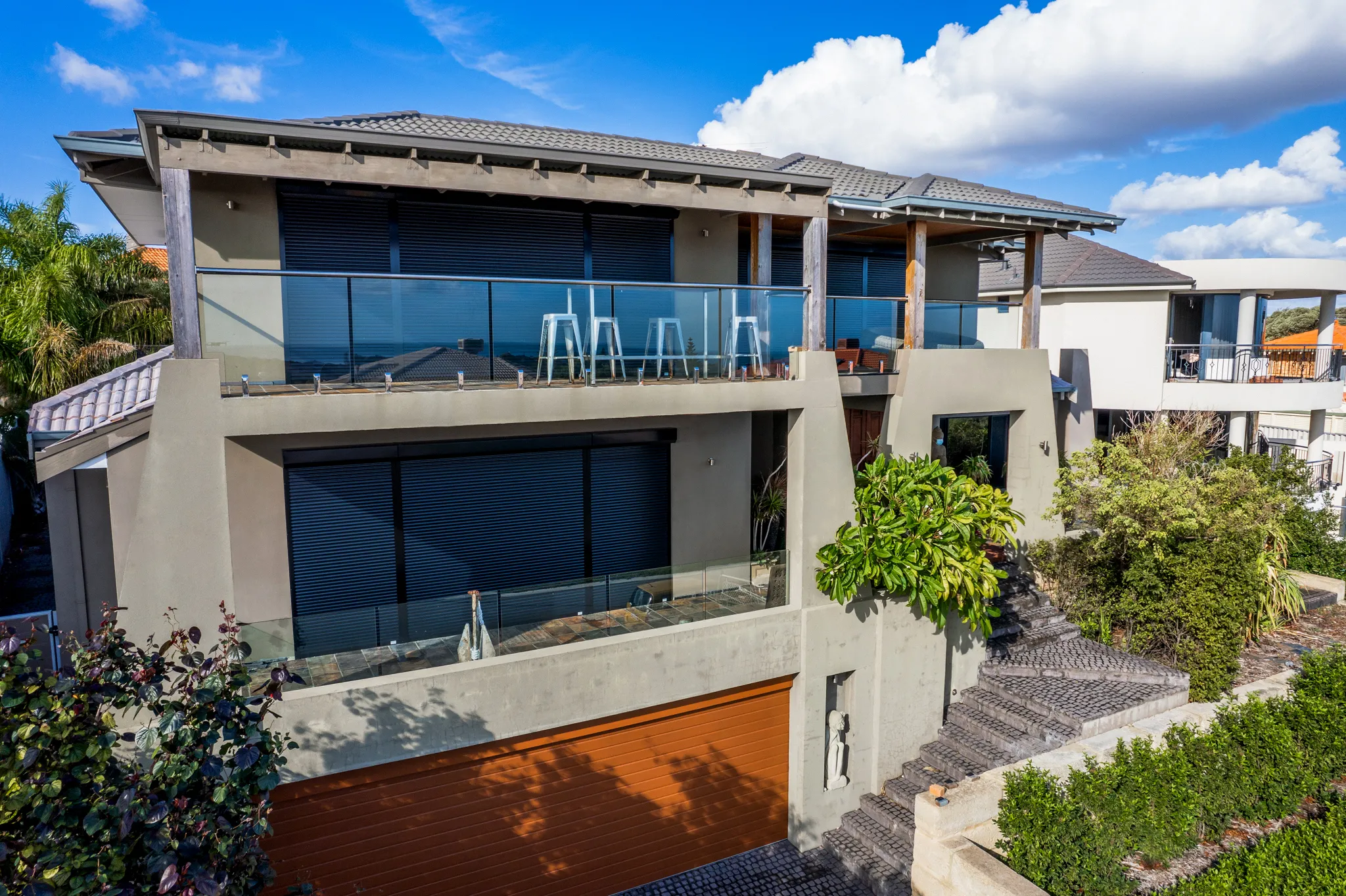
Choosing the right outdoor roller shutters for your home can make a major difference to comfort, security, energy efficiency, and street appeal. The best choice depends on your climate, your home’s style, and how you plan to use the shutters day to day. This guide walks you through the key factors so you can select a solution that performs well now and remains a smart investment for years.
For homeowners in Western Australia, reviewing local suppliers and products is essential—consider exploring trusted local options like roller shutters Perth WA to find solutions designed for regional conditions and compliance requirements.
Understanding Outdoor Roller Shutters: Basics and Benefits
What Are Outdoor Roller Shutters?
Outdoor roller shutters are protective window and door coverings installed externally, consisting of slats or panels that roll up and down within side tracks. They provide a versatile solution that enhances privacy, safety, and environmental control for residential properties. Unlike curtains or blinds, these shutters act as a robust physical barrier while allowing controlled light and ventilation.
Key Functional Benefits for Homeowners (privacy, shading, noise reduction, energy savings)
- Privacy: Outdoor roller shutters block visibility into your home from outside, perfect for street-facing windows or neighbors in close proximity.
- Shading: Adjustable shutter positions enable precise sunlight control, reducing harsh glare and safeguarding interiors from UV damage.
- Noise Reduction: According to a 2023 acoustical study published by the Australian Institute of Acoustics, properly fitted roller shutters can reduce exterior noise by up to 15 decibels, improving indoor comfort near busy roads.
- Energy Savings: The US Department of Energy notes that external shutters with insulation properties can reduce cooling costs by 25% in summer and heat loss by 20% in winter, contributing to a sustainable household.
How Outdoor Conditions Impact Shutter Performance
The effectiveness and durability of outdoor roller shutters significantly depend on how well they withstand environmental exposure. Weather elements such as UV radiation, rain, wind load, and temperature swings influence material selection and protective coatings. For example, high UV zones accelerate color fading and material brittleness without UV-stabilized finishes. Coastal homes face salt corrosion requiring specialized corrosion-resistant materials, while homes in windy regions need shutters rated for higher wind resistance.
Understanding these factors is foundational; next, we explore how to assess your own home’s environment to guide your choice.
Assessing Your Home’s Needs and Environment
Evaluating Local Climate Factors (UV exposure, rain, wind, temperature extremes)
Your home’s local climate is a primary driver in selecting the right shutter type. Key climate factors to consider include:
- UV Exposure: High UV indexes demand shutters with UV protection coatings to avoid rapid degradation and maintain appearance over time. outdoor blinds with UV protection provide an additional solution for UV defense and outdoor comfort.
- Rain and Humidity: Areas with heavy rainfall or high humidity call for water-resistant materials such as PVC or coated aluminum to prevent rust and warping.
- Wind Loads: In regions prone to storms or strong winds, shutters should comply with local building codes for wind resistance, meaning stronger materials and secure locking mechanisms.
- Temperature Extremes: Shutters with thermal insulation properties help moderate indoor temperatures, reducing heating and cooling demands.
Consult the Bureau of Meteorology for detailed climate data in your region to understand key environmental stresses on shutters.
For properties with mixed residential and commercial uses, or if you run a home-based business, it’s worth considering commercial-grade roller shutters that offer enhanced durability and security. Learn more in our commercial roller shutters guide.
Also, ensure compliance with roller shutter regulations in Perth to meet local building codes and safety requirements.
Architectural Style and Integration Considerations
Your home’s architectural style influences shutter choice to maintain aesthetic harmony. Traditional homes may favor timber shutters for natural warmth, while modern designs often pair well with sleek aluminum or steel shutters with minimalist finishes. Consider the size and shape of windows and doors—bay windows or arched openings might require custom designs.
Integration with other exterior elements such as verandahs, pergolas, or stylish café blinds that complement home exteriors can create a cohesive facade that enhances curb appeal.
Functional Goals: Insulation, Noise Reduction, Privacy, and Light Control
Define which functional benefits are priorities for your household:
- Insulation: If energy efficiency and temperature control top your list, prioritize materials and shutter designs with high R-values — a rating of thermal resistance indicating insulation effectiveness — and air-sealing properties.
- Noise Reduction: For homes near busy streets, motorways, or airports, select shutters engineered with acoustic dampening features and look for Sound Transmission Class (STC), a measure of a material’s ability to block sound transmissions.
- Privacy: Adjustable slat designs or fully opaque shutters offer different levels of visibility control.
- Light Control: Consider whether you want complete blackout capability or adjustable filtering of natural light.
After a thorough needs evaluation, the next step is to review material options that best align with these environmental and functional insights.
Choosing the Best Material for Your Outdoor Roller Shutters
Review our roller shutter materials guide to better understand options and durability before deciding.
| Material | Pros | Cons | Best Use Cases |
|---|---|---|---|
| Aluminum | Lightweight, corrosion-resistant (with coating), good thermal properties, low maintenance | Can dent under heavy impact, higher upfront cost | Coastal homes requiring salt corrosion resistance, modern architecture |
| Steel | Very strong and durable, excellent security barrier | Heavier, prone to rust without adequate coating, higher maintenance | Homes in high-wind or security-prioritized areas |
| PVC and Vinyl | Cost-effective, good water resistance, low maintenance | Less impact-resistant, can warp under high heat, limited color availability | Moderate climates, budget-conscious homeowners |
| Timber | High aesthetic appeal, natural insulation properties, customizable finishes | Requires regular maintenance, vulnerable to moisture and pests | Traditional or rustic homes, low-humidity regions |
Aluminum Shutters: Their lightweight and corrosion resistance, especially when anodized or powder-coated — a baked-on finish that improves durability and color retention — make aluminum shutters suitable for most climates, including harsh coastal areas. However, as per the ASTM standards, coating quality varies, which affects longevity significantly. Many products are also tested under ASTM G154, a laboratory method that simulates sun and weather exposure to check how finishes hold up outdoors.
Steel Shutters: Offering superior strength, steel is common where physical robustness matters, but regular inspection and coating are necessary to prevent rust, especially near water bodies.
PVC and Vinyl: These materials excel in wet environments due to good water resistance. However, exposure to high temperatures above 50°C could cause warping. For cost efficiency without sacrificing basic performance, they are a viable option.
Timber Shutters: Valued for their visual appeal and natural insulating characteristics, timber shutters require careful upkeep and are best used where humidity is controlled.
With these material facts, your selection must balance durability, climate needs, and the desired look. This understanding prepares us to explore customization and style options next.
Style, Finish, and Customization Options
Color Choices and Texture Finishes for Home Exterior Harmony
Outdoor roller shutters now come in a wide spectrum of colors and finishes—from matte pastels to metallic sheens and textured woodgrain effects. Custom paint and powder coating allow matching or complementing your home’s exterior palette, ensuring aesthetic integration rather than visual clash.
Consider finishes that resist fading and chipping under UV exposure, such as those with advanced polyester coatings verified to maintain color integrity for at least 10 years according to ISO weathering tests.
Manual Operation: Simple and Cost-Effective
| Operation Type | Advantages | Considerations |
|---|---|---|
| Manual | Lower cost, simple maintenance, less prone to technical faults | Requires physical effort, less convenient for large or multiple shutters |
| Automated | Convenient, can be integrated with smart home systems, remote control access | Higher upfront cost, requires electrical supply and occasional servicing, potential cybersecurity risks |
Automation systems commonly use integration platforms like Zigbee and Z-Wave — wireless communication protocols that help devices work together — allowing control via smartphone apps and voice assistants. However, reliability in power outage situations and securing system access are crucial factors.
Automated Operation and Smart Home Integration
Modern outdoor roller shutters often come with options to connect to home automation ecosystems. Features include automatic scheduling, weather-responsive closing/opening, and voice command control. These features enhance convenience and can contribute to energy savings by optimizing operation based on climate conditions.
Before selecting automated shutters, verify compatibility with your existing smart home infrastructure and inquire about manufacturer security protocols to protect against unauthorized access.
The next section delves into functional performance aspects beyond just basic material and operation.
Functional Features to Consider Beyond Material
Insulation and Energy Efficiency Features Explained
Roller shutters with insulation layers, including foam cores or double-walled aluminum slats, can significantly improve a home’s thermal resistance. Thermal conductivity values for typical insulated aluminum shutters range between 0.22 and 0.30 W/m·K versus 1.4 to 1.6 for single-pane glass windows, substantially reducing heat transfer. This translates to measurable savings on heating and cooling bills as supported by Energy Rating Australia data.
Noise Reduction Capabilities and Their Measurement
Shutter systems with acoustic seals and layered slat construction can achieve Sound Transmission Class (STC) ratings of 30–40, effective against traffic and environmental noise. A 2022 study published by an Australian university demonstrated that installing insulated roller shutters reduced indoor noise levels by approximately 12 dB, markedly improving bedroom and living area comfort.
UV and Weather Resistance Technologies
Coating technologies such as nano-ceramic UV blockers and hydrophobic finishes extend shutter life and maintain aesthetics by mitigating UV-induced fading and repelling water and dirt. Some products meet or exceed ASTM G154 accelerated weathering test cycles, indicating superior outdoor durability.
Security-Compatible Design Features (locks, tamper resistance – overview only)
While a detailed security guide is outside the scope here, note that many roller shutters include features compatible with enhanced security, such as reinforced locking bars, tamper-resistant fastenings, and intruder-proof mechanisms. These augment overall safety but should be selected alongside professional advice.
Homeowners interested in robust protection may also consider the commercial roller shutters security benefits that demonstrate advanced tamper resistance and locking features.
Now that we understand functional features, let’s address budgeting considerations aligned with these choices.
Budgeting Your Outdoor Roller Shutter Purchase
Understanding Cost Drivers (Material, Size, Features)
Costs vary widely depending on:
- Material: Timber and steel typically command higher prices than aluminum or PVC.
- Size and Quantity: Larger windows or more units increase total cost.
- Features: Insulation layers, automated motors, and premium finishes add to expenses.
According to recent pricing surveys in Perth, a typical mid-range aluminum roller shutter with manual operation can cost 20–30% less than an insulated automated steel shutter.
If budget is a priority, exploring ways to find affordable roller shutters in Perth can help balance cost and quality.
Planning for Long-Term Value and ROI
Investing in higher-grade shutters with energy-efficient and durability features often yields payback through reduced energy bills and lower maintenance over time. Studies from Choice Australia highlight that quality shutters can add up to 5% in property value, making them both a functional and financial investment.
Balancing Quality vs Budget Without Compromising Needs
Define your non-negotiables and explore mid-tier products offering essential benefits. For example, choosing aluminum with basic automation and UV protection may strike an effective balance for many homeowners.
For more budget insights, consider these strategies for 6 questions to ask before buying roller shutters.
Making the Final Choice: Decision Frameworks and Buyer Guides
Step-by-Step Evaluation Flowchart for Selecting Shutters
Use this tailored decision-making process:
- Assess your climate zone: coastal, arid, temperate, or variable.
- Determine your functional priorities: insulation, noise reduction, privacy, automation.
- Review architectural style and select material to complement and withstand environment.
- Choose between manual or automated operation based on convenience and budget.
- Evaluate color and finish options for exterior harmony.
- Consider cost factors and long-term value.
- Finalize choice and select reputable supplier and installer.
Refer to our step-by-step guide to roller shutters to understand installation and functionality along with your choices.
Homeowner Case Studies/Example Scenarios for Different Needs
- Coastal Home in Fremantle: The Smith family chose powder-coated aluminum shutters with enhanced corrosion protection and automation to manage constant sun and salt spray.
- Inner-city Perth Townhouse: The Nguyen family prioritized noise reduction and insulation using insulated steel shutters with manual operation to fit their budget.
- Country Home in the Swan Valley: The Parker family selected timber shutters painted with UV-resistant finishes, emphasizing aesthetic integration with their rustic design.
Common Mistakes to Avoid When Choosing Outdoor Roller Shutters
- Ignoring local building codes and regulations.
- Prioritizing cost over essential durability and insulation needs.
- Neglecting compatibility with the home’s architectural style.
- Overlooking required maintenance implications, especially with timber.
- Underestimating the benefits and limitations of automation.
For help assessing options, read essential 6 questions to ask before buying roller shutters that ensure all bases are covered.
Brief Overview of Maintenance to Consider
Maintenance is often what separates shutters that last a few years from shutters that perform well for a decade or more. As a rule, inspect your outdoor roller shutters every 3–6 months, and more often in coastal, dusty, or storm-prone areas. Look for dirt build-up in tracks, stiff movement, chipped coatings, loose fasteners, or motor hesitation. Catching these issues early helps prevent bigger repairs later.
Basic Maintenance Expectations by Material Type (deferred details)
- Aluminum and Steel: Wash with mild soap and fresh water, especially near salt air. Inspect coatings every 3–5 years and touch up scratches promptly to reduce corrosion risk.
- PVC: Wash down with mild detergent; avoid abrasive cleaners and high-pressure hoses; inspect for warping, especially after heat waves.
- Timber: Repaint or restain every 2–3 years, keep surfaces sealed, and watch for moisture damage, swelling, or pests.
For all materials, keep tracks free from grit, leaves, and insects, and use only manufacturer-approved lubricants on moving parts. Avoid oiling electrical motor components or forcing a shutter that is jammed, as that can worsen the problem.
When to Seek Professional Help vs DIY Upkeep
Simple cleaning and lubrication can usually be DIY, but any mechanical fault, automated system troubleshooting, broken slats, misaligned tracks, or extensive repainting warrants professional service. If a shutter stops halfway, makes grinding noises, or becomes uneven during operation, stop using it and arrange an inspection before the issue causes motor strain or track damage.
For detailed care and upkeep, review our comprehensive tips to maintain window roller shutters for more durability.
Learn about cleaning interior roller shutters to keep your systems in optimal condition.
Professional installation reassurance benefits maintenance—learn why professional installation of roller shutters is recommended.
With a proper maintenance routine, your shutters will continue to provide insulation, security, and curb appeal with far less downtime and fewer unexpected repair costs.
Frequently Asked Questions About Choosing Outdoor Roller Shutters
How to know if shutters are suitable for my home’s climate?
Assess local UV levels, humidity, temperature extremes, and wind patterns. Match shutter material and coatings accordingly—aluminum suits coastal conditions, PVC fits humid climates, and timber excels in dry areas.
Can I customize shutter color and finish fully?
Yes, most manufacturers offer custom powder coating and textures. Ensure finishes provide UV stability to avoid discoloration over time.
What functional features really matter for energy savings?
Insulation capabilities, airtight seals, and reflective coatings contribute the most to reducing heating and cooling costs. Automated operation can optimize energy efficiency by adjusting shutters based on temperature and sunlight.
How do I balance aesthetics with durability?
Prioritize materials that both withstand your climate and complement your home style. High-quality coatings and finishes extend aesthetic longevity while robust core materials ensure durability.
Are automated shutters worth the investment?
For convenience, security integration, and energy optimization, automated shutters deliver strong value, especially for larger homes or those with mobility considerations. However, factor in higher upfront cost and maintenance.
Explore our roller shutters FAQs for more resident-focused insights tailored to your location and needs.
Choosing outdoor roller shutters is a significant home improvement that requires thoughtful assessment of environment, materials, design, and budget. By following this guide’s expert-driven framework, you can confidently select shutters that enhance comfort, improve security, and complement your home for the long term.
Ready to elevate your home with the perfect outdoor roller shutters? Contact your local shutter experts today to customize a solution perfectly suited to your home and climate.