
What are the Pros and Cons of Plantation Shutters
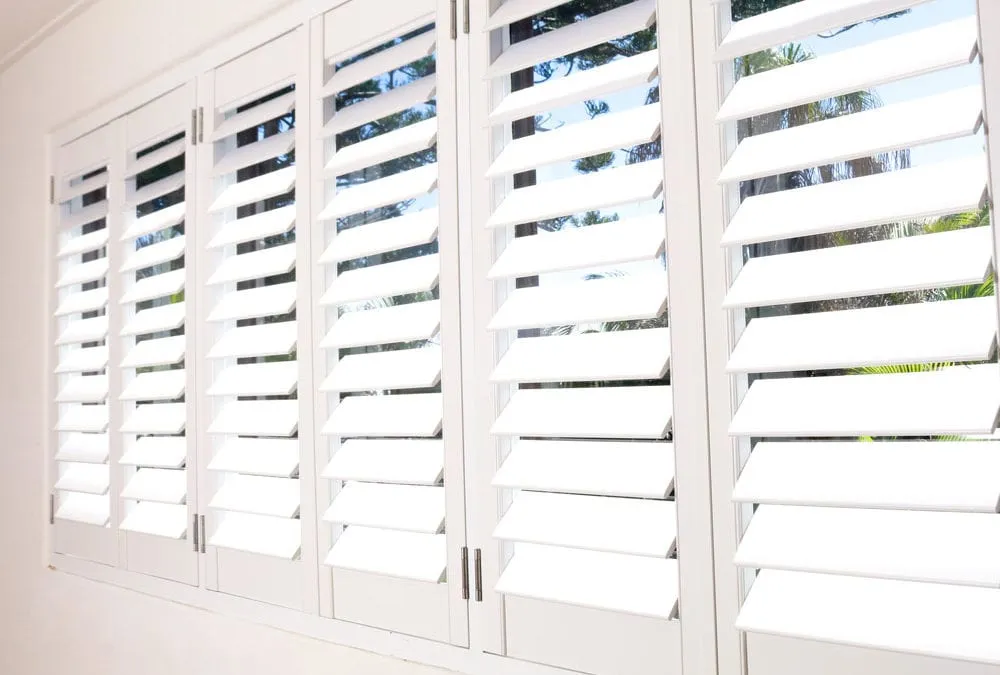
Plantation shutters have become a staple in modern home design, admired for their blend of style and function. But what are the pros and cons of plantation shutters? This comprehensive guide breaks down their advantages and drawbacks, helping you decide if these popular window treatments suit your lifestyle and space.
Introduction to Plantation Shutters
Definition and Overview of Plantation Shutters
Plantation shutters are interior window coverings featuring wide, horizontal louvers or slats that can be tilted to control light, airflow, and privacy. Originating from traditional colonial designs, these shutters have evolved, integrating various materials such as timber and composite options. Unlike typical blinds, plantation shutters are fixed window treatments that combine window framing and slats into a single, cohesive unit.
They provide a timeless aesthetic and practical benefits, including insulation and privacy control, distinguishing them from curtains or venetian blinds. When deciding between plantation shutters versus blinds, it’s important to understand the pros and cons of each option.
Popularity and Common Uses of Plantation Shutters
Plantation shutters have surged in popularity for both residential and commercial applications. Their widespread appeal owes to their durability and ability to complement various interior designs—from modern plantation shutters with sleek finishes to contemporary plantation shutters that echo minimalist themes.
Commonly installed as internal plantation shutters, they are suitable for living rooms, bedrooms, and kitchens, with specialized options such as plantation shutters bathroom designed to withstand humidity. Furthermore, plantation shutters have diversified into roles like plantation shutters as doors, used for closet or room dividers, enhancing both style and functionality.
Overview of Key Variants
- Timber plantation shutters: Favoured for their natural warmth and longevity, timber shutters add character but may require more care.
- Blackout plantation shutters: Made with thicker or layered slats, these provide enhanced light-blocking capabilities, ideal for bedrooms or media rooms.
- Motorised plantation shutters: Incorporate automation for adjusting louvers via remote or smart home systems, blending convenience with style.
These variations allow buyers to tailor plantation shutters to specific needs, balancing design preferences and functional demands.
Next, we explore their key advantages.
Pros of Plantation Shutters
Enhanced Light Control and Privacy Benefits
One of the primary reasons homeowners opt for plantation shutters is their excellent control over natural light and privacy. The adjustable louvers allow precise manipulation of sunlight intensity, direction, and glare. Unlike curtains or blinds, plantation shutters offer both privacy and visibility without fully sacrificing either.
Blackout plantation shutters enhance this by providing near-complete light blockage when fully closed, perfect for media rooms or bedrooms needing optimal darkness. This adaptability is a significant advantage over other window treatments.
Among the top benefits, plantation shutters help with light and sound control, improving home comfort.
Energy Efficiency and Insulation Advantages
Plantation shutters contribute notable energy efficiency using their thick louvers and frame to add insulation against heat loss and gain. Several studies, including research from the Australian Window Association, indicate that plantation shutters can reduce heat transfer by up to 30%, improving indoor comfort year-round.
This insulation performance works well alongside other strategies, especially in climates with extreme temperatures. As an added benefit, timber shutters offer natural thermal regulation.
Style and Aesthetic Appeal
Whether you prefer modern plantation shutters with minimalist lines or contemporary plantation shutters in classic white or more dramatic colours like black plantation shutters, these window treatments deliver on style versatility. Plantation shutters add architectural interest, clean lines, and a sense of luxury that drapes or blinds often lack.
Homeowners often use shutters alongside fabrics such as plantation shutters and curtains or plantation shutters and drapes to combine softness with structure, creating sophisticated layered looks.
Durability and Low Maintenance Compared to Other Window Treatments
Compared to fabric curtains or plastic blinds, plantation shutters are built to last. Timber plantation shutters especially are robust and can endure years of use with minimal wear when properly maintained.
They require simple cleaning, usually only needing a dust or wipe-down, resisting fading or discoloration common with fabrics exposed to sunlight. Many homeowners appreciate their long-term value and reduced upkeep efforts.
Versatility in Use
Plantation shutters are not confined to typical window applications. Their durability and aesthetic make them suitable as plantation shutters as doors, closet doors, or room dividers. Additionally, special moisture-resistant variants are designed for challenging environments like plantation shutters bathroom setups, expanding their functional use cases.
These factors contribute to the overall appeal of choosing plantation shutters.
Cons of Plantation Shutters
Initial Cost and Pricing Considerations
Despite their many benefits, plantation shutters often come with a higher upfront investment compared to curtains or standard blinds. Many consumers ask, “Are plantation shutters expensive?” The cost depends heavily on material choice, configuration, and installation complexity. High-quality timber or motorised plantation shutters significantly add to overall expenses.
For readers curious about pricing specifically, it is useful to consider that less expensive alternatives exist—such as inexpensive plantation shutters made from composite materials—but these may involve trade-offs in style or durability.
One crucial consideration is the cost of window shutters in Perth, which varies based on materials and installation complexity.
Installation Challenges and Requirements
Correct fixing plantation shutters is crucial for optimal operation and appearance. Unlike curtains or blinds, plantation shutters require precise measurements and professional installation in most cases. Improper installation can lead to issues with louver movement or structural stability.
This complexity may deter DIY enthusiasts or those seeking quick fixes. Homeowners are advised to understand installation demands and associated costs before deciding.
For those interested in DIY installation, understanding common mistakes to avoid when installing DIY plantation shutters is vital for success.
Limited Flexibility Compared to Curtains and Blinds
Plantation shutters are a permanent window treatment solution. Unlike curtains or blinds—which can easily be swapped for new styles or colours—shutters are a fixed architectural feature, making frequent aesthetic changes more difficult or costly.
Their rigid structure offers less playfulness in layering styles compared to the fluidity of fabric treatments or blinds. As such, some interior designs requiring seasonal refreshes might find shutters limiting.
Potential Maintenance Issues Over Time
While generally low-maintenance, plantation shutters can face issues such as occasional squeaking, warping (particularly timber variants in humid climates), or damage to louvre hinges. Some motorised models may also require electrical maintenance, which adds complexity.
Owners should be prepared for periodic upkeep to maintain smooth operation and appearance.
Style Limitations in Certain Interior Décors
Though widely versatile, plantation shutters might not complement every interior style. Ultra-minimal or industrial interiors sometimes clash with the classic forms of shutters, and in some contemporary or eclectic designs, shutters may seem imposing or out of place.
Colour choices like black plantation shutters can be bold but may overpower small rooms, while traditional timber finishes might feel too rustic for ultra-modern spaces.
Next, we examine how specific features influence these pros and cons.
How Different Features Influence the Pros and Cons
Blackout Plantation Shutters: Benefits and Drawbacks
Blackout plantation shutters provide superior light blocking compared to standard shutters, ideal for rooms needing darkness. They can enhance privacy and reduce glare effectively. However, their thicker slats and denser construction usually increase cost and weight, requiring sturdier fixing.
Motorised Plantation Shutters: Convenience vs. Cost
Motorised plantation shutters offer ease of use through automated louvre adjustment, often integrated with smart home systems. This adds convenience for high windows or multiple shutter sets. The downside is a significantly higher price point and potential maintenance for motor components.
Reliability over many years hinges on quality of hardware and installation expertise.
Timber Plantation Shutters: Natural Appeal and Longevity
Timber plantation shutters provide unmatched warmth and character to interiors. They tend to last longer with proper care and can be refurbished through sanding or staining. However, wood’s natural susceptibility to humidity and warping makes them less favorable for moist areas unless treated carefully.
Comparing Modern and Contemporary Plantation Shutters Styles
Modern plantation shutters often feature clean edges, minimalist louvers, and neutral colours, suiting light-filled, open-plan spaces. Contemporary plantation shutters may incorporate bolder colours or mixed materials, offering a more unique aesthetic that fits diverse interior styles.
Choosing between these styles influences the overall perception of the room and may affect resale appeal or personal satisfaction.
Impact of Colour Choices
Colour plays a vital role in the visual interplay of plantation shutters with a room. Black plantation shutters create dramatic contrast and can serve as a bold statement piece but may visually shrink rooms. Conversely, white plantation shutters brighten spaces and offer timeless neutrality.
Colour selection should consider natural light levels, room size, and existing décor to balance aesthetics with functional and emotional comfort.
Plantation Shutters and Interior Design Integration
Combining Plantation Shutters with Curtains and Drapes
Integrating plantation shutters and curtains or plantation shutters and drapes creates layered window treatments that combine the rigidity of shutters with the softness of fabric, enhancing visual depth and flexibility. This approach helps soften the architectural edges of shutters while improving insulation and sound absorption.
Select lightweight, sheer curtains to maintain natural light with shutters partly closed, or heavier drapes for additional blackout when shutters are open.
Shutters and Louvres: Complementary or Competing?
The terms shutters and louvres often overlap, but they differ mainly in function and installation style. Plantation shutters are framed units with operable louvres fixed within them, whereas standalone louvres might be decorative or part of other window systems. Together, they can complement or sometimes compete in the window treatment hierarchy depending on design intent.
Understanding the difference between plantation shutters and louvres clarifies choices in window treatments.
Plantation Shutters and Blinds: Layering and Alternatives
While plantation shutters are a robust standalone treatment, some homeowners layer them under blinds or use blinds in rooms where shutters are less practical. Combining treatments offers nuanced light control but risks visual clutter if not coordinated well.
Visual Appeal Supported by Plantation Shutters Images and Photos
Visual inspiration from plantation shutters images, pictures of plantation shutters, and photos of plantation shutters is invaluable. These resources showcase the interplay of shutter styles with different room layouts and colour palettes, helping homeowners envisage the transformative effect.
For example, plantation shutters pics featuring black shutters in minimalistic living rooms highlight their commanding presence, while images of timber shutters invite warmth and texture.
When discussing complementary outdoor treatments, it is worth noting that for outdoor areas where plantation shutters may not be suitable, many homeowners explore outdoor blinds alternatives such as clear PVC café blinds, which offer effective UV protection and flexibility.
Furthermore, while plantation shutters offer excellent indoor style, many Perth property owners complement them with outdoor café blinds in Perth to enhance outdoor comfort and protection.
Commercial properties benefit from choosing the perfect outdoor café blinds for Perth businesses to complement indoor plantation shutters.
For balcony areas, pairing plantation shutters with the right outdoor blinds suitable for balconies in Perth can enhance both indoor and outdoor living spaces, providing weather protection and style continuity.
Practical considerations may also lead homeowners to explore robust exterior options; for example, high-quality roller shutters perth offer durable weather protection, added security and privacy, and can complement interior plantation shutters when exterior shading or stronger protection is required.
Practical Considerations: Installation, Maintenance, and Use Cases
Fixing Plantation Shutters – What to Expect During Installation
Fixing plantation shutters is a precise process that demands accurate measuring and mounting. Professional installation ensures that the shutters fit snugly against window openings without gaps, allowing proper louvre operation and insulating performance.
Installers typically use specific fixing brackets and may reinforce frames depending on window type and wall material. While some homeowners attempt DIY installation, it is generally recommended to avoid common mistakes to avoid when installing DIY plantation shutters for best results.
Maintenance Tips and Concerns Over Plantation Shutters Lifespan
Maintenance mainly involves periodic dusting and gentle cleaning with mild soap and water. Avoid harsh chemicals that could damage finishes, especially on timber plantation shutters. Motorised shutters need occasional mechanical inspection to ensure controls function properly.
Use Cases: Plantation Shutters for Bathrooms, as Doors, and in Living Areas
Plantation shutters shine in multiple contexts: internal plantation shutters enhance privacy and style in living rooms and bedrooms; moisture-resistant shutters perform well in plantation shutters bathroom installations; and sturdy designs serve effectively as plantation shutters as doors in closets or partitions.
For larger openings, such as sliding doors, homeowners often wonder about the feasibility of plantation shutters for sliding doors.
Determining the best places to install plantation shutters helps maximize their functional and aesthetic benefits.
Inexpensive Plantation Shutters: Are They Worth It?
Lower-cost shutter options exist, but budget shutters often compromise on material quality and finish. While attractive for limited budgets, homeowners should weigh whether savings justify shorter lifespans or less refined aesthetics. Investing in quality generally offers better longevity and satisfaction.
Summary and Balanced Perspective: Should You Choose Plantation Shutters?
Weighing Pros and Cons for Your Home and Lifestyle
Plantation shutters offer valuable benefits in light control, privacy, energy efficiency, and style versatility. However, their higher initial cost, installation needs, and some design rigidity might not suit every homeowner’s preferences or budget.
Alongside other key home upgrades before selling, including plantation shutters, many consider these shutters for their lasting value and aesthetic appeal.
Final Thoughts on Cost, Style, and Functionality
Considering factors like room function, climate, aesthetic goals, and willingness to invest in professional installation helps determine if plantation shutters are right for you. Evaluating blackout plantation shutters for bedrooms, motorised plantation shutters for convenience, or choosing timber plantation shutters for warmth can tailor this choice to your needs.
When Plantation Shutters Are the Right Choice
If you seek a durable, elegant, and practical window treatment that enhances energy efficiency, adds architectural value, and suits long-term use, plantation shutters stand out as an excellent option.
Many homeowners question if plantation shutters add value to their home, a factor we weigh in this guide.
In 2023, key home improvements that add value in 2023 include the installation of durable plantation shutters.
Furthermore, plantation shutters help with light and sound control improves home comfort.
Frequently Asked Questions (FAQs)
Are Plantation Shutters Expensive?
Plantation shutters usually carry a higher price tag than basic curtains or blinds, particularly when made from high-quality materials like wood or equipped with motorisation. However, they offer longevity and energy efficiencies that may offset initial expenses over time.
How Do Plantation Shutters Compare to Blinds and Curtains?
Plantation shutters offer superior light and privacy control compared to blinds or curtains and typically require less maintenance. Unlike curtains and blinds, shutters add architectural interest and insulation but lack the easy flexibility of fabric-based treatments.
Can Plantation Shutters Improve Energy Efficiency?
Yes, plantation shutters provide an effective insulation layer reducing heat transfer, with studies suggesting up to 30% improvement over uncovered windows, contributing to lower energy bills and increased comfort.
Are Motorised Plantation Shutters Reliable and Worth the Investment?
Motorised shutters enhance convenience but come with increased cost and potential maintenance needs. Reliability depends on the quality of motor hardware and installation, making professional assessment vital before purchase.
What Are the Best Plantation Shutters for Bathrooms?
Moisture-resistant materials such as vinyl-coated or specially treated timber plantation shutters are recommended for bathrooms to prevent warping or mold growth while offering privacy and light control.