
What Is the Difference Between Plantation Shutters and Louvres?
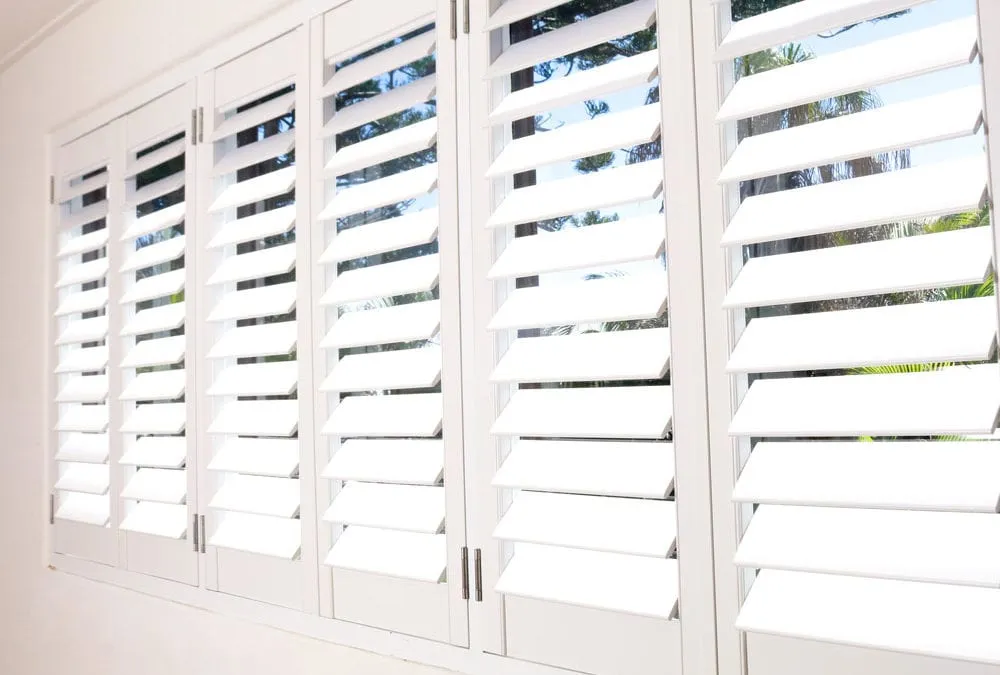
What Is the Difference Between Plantation Shutters and Louvres? is a common question among homeowners and interior designers seeking the ideal window treatment for style, function, and comfort. While both plantation shutters and louvres feature angled slats that manage light and air, their construction, materials, and practical advantages differ considerably. This article offers a comprehensive, side-by-side practical comparison, empowering you to make a well-informed choice that suits your home renovation or décor needs.
Introduction to Plantation Shutters and Louvres
Defining Plantation Shutters — Characteristics and Overview
Plantation shutters are window coverings comprised of wide, adjustable slats called louvers mounted within a solid frame that fits the window opening precisely. Typically, their slats measure between 2.5 and 4.5 inches wide, allowing for greater light control and a distinctive bold aesthetic. These shutters are hinged or sliding panels, designed for full or partial coverage of windows and doors, often used indoors for enhanced privacy and insulation.
Defining Louvres — Characteristics and Overview
Louvres (also spelled louvers) refer primarily to individual angled slats or blades arranged in a series, which can be fixed or adjustable. In window treatments, louvres are the fundamental component, but the term often applies to window coverings featuring narrower slats than plantation shutters, or external ventilated openings that control light and airflow. Louvres may be part of different systems including metal, vinyl, or wood constructions, and can be fixed in angle or adjustable.
Brief History and Evolution of Both Window Treatments
Plantation shutters originated in the American South during the 18th century to provide durable, adjustable window protection against strong sunlight and tropical weather while maintaining airflow. Louvres, originally a term describing ventilated slatted structures in architecture, evolved into a range of window coverings and ventilation devices worldwide. Over time, both have adapted materials and designs to fit modern interior styles and performance needs.
Understanding these foundational definitions clarifies the distinct identities and overlapping features of plantation shutters and louvres. Next, we explore their construction and materials.
Construction and Materials Used in Plantation Shutters and Louvres
Common Materials: Wood, Vinyl, Composite, and Their Impact
Both plantation shutters and louvres come in various materials, each impacting durability, appearance, and price:
- Wood: Offers natural warmth and high-end aesthetics. Commonly used are hardwoods like basswood and oak, often kiln-dried to prevent warping. Wood shutters generally have a premium look but require more maintenance and can be sensitive to humidity.
- Vinyl: Durable and moisture-resistant, vinyl is ideal for humid or coastal environments. It’s less expensive but can lack the warmth of wood. Vinyl louvres often come in fixed or adjustable configurations suited for ventilation.
- Composite: Made from engineered wood, resins, and polymers, composites provide a balance of strength, moisture resistance, and appearance. They are often more dimensionally stable than pure wood and maintain their finish longer.
Design Differences in Blade Structure and Frame
Plantation shutters feature sturdy, wide louvers mounted in robust frames with visible stiles and rails. Their blades are adjustable, with a tilt rod that synchronizes movement for easy control. Louvres can vary widely—some are narrower slats fixed in metal or wood frames, sometimes as part of vents or blinds rather than solid shutter panels. The frame design of plantation shutters ensures strong structural integrity, while louvre systems may be lighter and less rigid.
Manufacturing Methods and Quality Variations
High-quality plantation shutters are precision-crafted, often custom-made to fit exact window dimensions, including smooth finishes and tight tolerances to minimize light gaps. Louvres may be mass-produced in standard sizes, with materials stamped or extruded in bulk. The manufacturing process impacts durability, finish quality, and the smoothness of adjustment mechanisms.
Material choice and construction quality directly influence how each option performs in your home, which will be examined next in functional terms.
Functional Differences: Airflow, Light, and Privacy Control
Airflow Management: How Each Facilitates Ventilation
Both plantation shutters and louvres control airflow by adjusting the angle of angled slats, but their effectiveness differs:
- Plantation Shutters: With wider blades and often tighter fitting panels, plantation shutters offer controlled ventilation when slats are opened. Partial opening can direct breezes into a room while maintaining privacy. Their solid frame reduces uncontrolled airflow around edges.
- Louvres: Typically consisting of narrower, sometimes fixed slats, louvres—especially in window vents or external applications—allow more continuous airflow. Adjustable louvre windows can optimize ventilation but may sacrifice privacy when opened fully.
Similar to how outdoor blinds and shading solutions manage light and airflow, shutters and louvres also offer distinct ventilation features.
Privacy Solutions with Plantation Shutters vs Louvres
Plantation shutters provide superior privacy thanks to their wide, adjustable slats and close-fitting panels, which reduce visibility from outside, even when tilted to allow light and air. Louvres with slimmer slats may allow more sightlines through gaps, limiting privacy unless fully closed.
Light Diffusion and Control Capabilities
Their ability to manage light and sound makes plantation shutters distinct from traditional louvres; for more, see light and sound control with plantation shutters.
Noise Insulation and Thermal Efficiency Considerations
Plantation shutters with tight seals and insulating materials contribute to better thermal efficiency by reducing heat transfer and preventing drafts. Louvres usually allow more uncontrolled airflow, making them less effective for energy savings. For more on energy efficiency, consult authoritative guides on sustainable home building.
These functional differences influence the choice depending on desired ventilation, privacy, and energy savings, which are key for home renovation projects.
Aesthetic and Interior Design Implications
Styling Versatility and Popular Décor Pairings
Integrating window treatments like plantation shutters with outdoor blinds suited to balconies can enhance both style and function in your spaces.
Customization Options: Colors, Finishes, and Shapes
Plantation shutters offer extensive customization including stained or painted finishes, unusual shapes (arched, curved), and bespoke panel sizes to match windows perfectly. Louvres usually have limited finish options and are produced in standard shapes, restricting creative flexibility.
Visual Impact on Room Ambiance and Window Size Perception
Wide slats and solid framing of plantation shutters can visually enlarge small windows and add depth to rooms, creating a warm atmosphere. Conversely, louvres, especially with thinner slats, may appear less substantial and do not significantly alter window aesthetics.
Next, we examine how durability and maintenance differ between these window treatments.
Durability and Maintenance of Plantation Shutters Compared to Louvres
Lifespan Expectations Based on Materials and Use
High-quality plantation shutters crafted from hardwood or quality composites generally last 20+ years with proper care. Vinyl shutters suitable for moisture-prone areas can last slightly less but resist warping. Louvres made from vinyl or metal may have varied lifespans, often shorter due to exposure and lighter construction.
Routine Maintenance Needs and Cleaning Tips
Avoid common errors when installing or maintaining your shutters by reviewing expert tips shared on DIY plantation shutter installation mistakes. Maintenance differs notably:
- Plantation Shutters: Require dusting with microfiber cloths, occasional washing with mild detergent, and inspection for mechanical wear on tilt rods. Hardwood finishes may need periodic polishing.
- Louvres: Easier to clean when fixed; can be wiped or rinsed but may accumulate dust more readily in smaller gaps. Metal louvres can corrode if not properly treated.
Resistance to Wear and Environmental Factors
Plantation shutters with quality finishes resist UV fading and moisture better than most louvres. Vinyl louvres outperform wood in humid climates but risk brittleness over time. Exposure to temperature swings affects all slatted treatments, but robust shutter construction better withstands wear.
The choice here depends on climate, desired upkeep effort, and longevity goals. We now provide a high-level overview of installation for renovation contexts.
Installation Overview and Compatibility with Home Renovation Projects
Basic Installation Requirements and Considerations (Overview only)
Installation intersects with other shading options and impact on renovation scheduling; for more on installation considerations for outdoor blinds and shutters.
Compatibility with Various Window Types
Plantation shutters are highly customizable, fitting rectangular, arched, and even unusual window shapes. Louvres are mostly rectangular or fixed to specific window types, offering less adaptation.
Renovation Context: How Each Fits With Modern and Traditional Homes
If you have sliding doors, explore whether plantation shutters for sliding doors can be customized to fit this space effectively.
Knowing the ideal locations for plantation shutter installation optimizes both function and aesthetics.
Practical Comparison: Selecting the Right Option for Your Needs
User Personas and Ideal Use Cases (Homeowners, Designers, Renovators)
- Homeowners seeking privacy & style: Prefer plantation shutters for custom look, light control, and long-term durability in living spaces.
- Designers focused on minimalism & ventilation: May select louvres for sleek lines, high airflow, and simplicity in contemporary builds.
- Renovators in humid/climate-sensitive regions: Often favor composite or vinyl plantation shutters or vinyl louvres based on maintenance preferences.
Comparative Table Summarizing Key Features
| Feature | Plantation Shutters | Louvres |
|---|---|---|
| Material Options | Wood, Vinyl, Composite (customizable) | Vinyl, Metal, Wood (often standard sizes) |
| Blade Width | Wide (2.5″ to 4.5″) | Narrower or variable |
| Light Control | High: precise adjustable tilt | Moderate: less precise, some fixed |
| Airflow | Controlled, close fitting reduces draft | Higher airflow, less control |
| Privacy | Excellent due to blade size and frame | Lower, visible through gaps |
| Durability | Long-lasting with proper care | Variable, often less durable |
| Maintenance | Moderate (dusting, cleaning) | Lower effort (simple wipe down) |
| Customization | High: colors, shapes, finishes | Limited: mostly standard forms |
| Installation | Custom fit, professional recommended | Often easier, modular |
Decision Making: Trade-offs in Functionality, Style, and Maintenance
Select plantation shutters if your priority is sophisticated light control, superior privacy, and room insulation combined with a design statement. They align well with upscale interiors and long-term investment. Choose louvres for flexibility, higher natural ventilation, and lighter maintenance, especially in utility spaces or if budget constraints limit customization.
For homeowners considering renovations, understanding home upgrades to increase value—including window treatments—is essential.
Plantation shutters can significantly boost your home’s market appeal and resale value; learn more about the value-adding benefits of plantation shutters.
Careful weighing of the advantages and disadvantages of plantation shutters will help you decide if plantation shutters fit your needs.
Budget considerations such as cost of window shutters in Perth vary widely when choosing shutters or louvres.
With evolving home improvements that add value in 2023, plantation shutters remain a favored option to enhance property value.
Frequently Asked Questions About Plantation Shutters and Louvres
Can Louvres Be Considered a Type of Plantation Shutter?
While louvers are the individual slats that make up plantation shutters, not all louvres qualify as plantation shutters. Plantation shutters are a specific window covering style that uses louvers within framed panels, whereas louvres can refer more generally to slats used in various window and ventilation solutions.
Are Plantation Shutters Better for Privacy Than Louvres?
Yes, plantation shutters typically provide greater privacy due to their wide adjustable slats and solid framing that blocks direct sightlines even when angled for ventilation.
How Do Each Affect Energy Efficiency in a Home?
Plantation shutters with tight seals and insulating materials contribute to better thermal efficiency by reducing heat transfer and preventing drafts. Louvres usually allow more uncontrolled airflow, making them less effective for energy savings.
What Maintenance Challenges Are Unique to Each?
Plantation shutters need periodic dusting and occasional refinishing especially if made of wood, whereas louvres, especially vinyl or metal ones, require less frequent cleaning but may face issues such as corrosion or brittleness depending on the environment.
Which Is More Suitable for Different Climates or Regions?
Plantation shutters with composite or vinyl materials suit humid and coastal climates better due to resistance to warping. Louvres made of vinyl or metal are also good for moisture-prone regions but may perform best where higher ventilation is a priority.
For homeowners looking to complement interior window treatments with additional exterior or security options, consider exploring roller shutters perth wa for enhanced protection, insulation, and privacy.