
Shutters or Blinds: Which is Better?
Deciding between shutters or blinds: which is better? is a question many homeowners face when upgrading their window treatments. Both options offer distinct advantages in light control, privacy, and style, but choosing the right one requires a detailed look at your lifestyle, room function, and environmental factors. This comprehensive guide cuts through the noise to help you determine the ideal solution tailored to your home’s unique needs.
Understanding the Basics: What Are Shutters and Blinds?
Defining Plantation Shutters and Their Key Characteristics
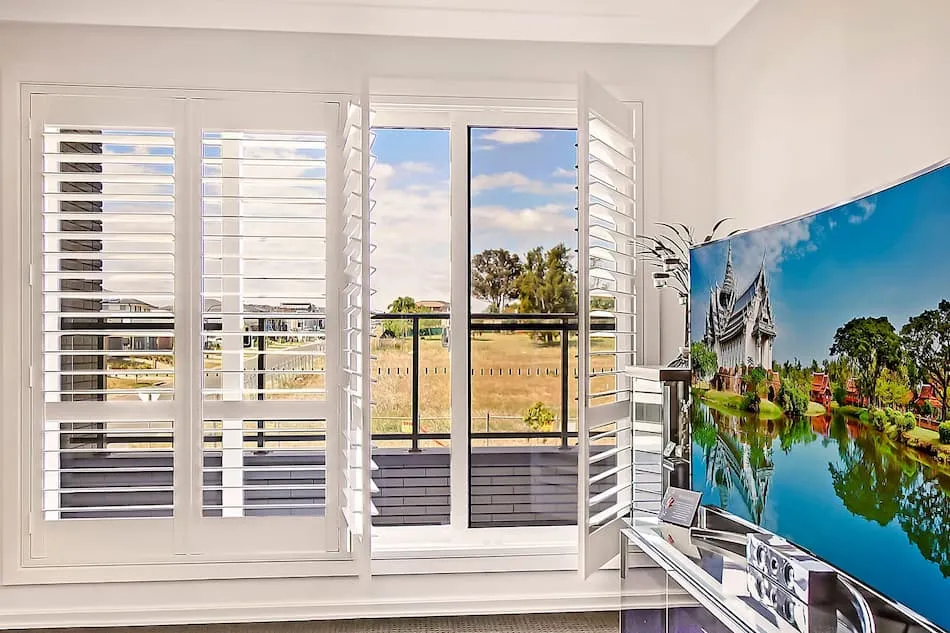
Plantation shutters are solid window coverings featuring wide, horizontal slats known as louvers. Typically made from hardwood or composite materials, these shutters are mounted within a durable frame and installed inside the window recess, providing a structured, classic aesthetic. Their rigid build allows precise adjustment of louvers to regulate light and airflow efficiently.
- Features: Fixed frame, adjustable louvers, sturdy construction
- Common Uses: Interior windows, sliding doors, wide apertures
- Function: Light control, privacy, insulation
Overview of Common Types of Window Blinds (Venetian, Roller, etc.)
Window blinds come in various styles, each with flexible light control options. The most popular types include:
- Venetian Blinds: Composed of horizontal slats made from wood, aluminum, or PVC; adjustable slat angles offer versatile light control.
- Roller Blinds: Fabric panels that roll up or down; great for blackout or sheer options to suit privacy and daylight needs.
- Vertical Blinds: Vertical slats ideal for large windows and sliding doors.
Blinds tend to be lighter and more flexible than shutters, and they usually install on the window frame or wall surface.
Materials Used in Shutters and Blinds: Wood, PVC, Aluminum, and More
The material choice significantly affects durability, maintenance, and aesthetics.
- Plantation Shutters: Commonly crafted from hardwood (oak, basswood), MDF composites, or PVC for moisture resistance.
- Blinds: Made from aluminum (durable, lightweight), PVC (moisture-resistant), wood (stylish but requires care), or fabric (in roller blinds).
Materials also influence the sustainability profile and how each treatment withstands environmental conditions such as humidity and sunlight.
Typical Installation Processes for Both Window Treatments
While both shutters and blinds require precise measurements, their installation differs.
- Shutters: Require custom fitting into the window recess, often involving a professional for frame installation and hinge mounting.
- Blinds: Usually quicker to install, mounting inside or outside the window recess with brackets; many are DIY-friendly.
For nuances on shutters, see The difference between plantation shutters and louvres.
Next, we explore how these treatments perform in key functional areas that matter most to homeowners.
Key Functional Considerations: Light Control, Privacy, and Noise Reduction
Comparing Light Control Capabilities of Shutters vs. Blinds
| Feature | Plantation Shutters | Blinds (Venetian/Roller) |
|---|---|---|
| Light Adjustment Precision | Excellent—fixed louvers adjust in increments | Moderate to Good—slats or fabric control varies by type |
| Light Leakage When Closed | Minimal due to solid frame and louvers | More common, especially with roller blinds |
| Daylight Diffusion | Even light control with louvers angled | Varies—sheer options available in fabric blinds |
| Full Blackout Capability | Poor—usually limited blackout | Excellent with blackout fabrics or tightly fitting blinds |
Adjustable louvers on shutters allow homeowners finer control over light direction, akin to adjusting a desk lamp’s angle. Blinds offer quicker changes but sometimes sacrifice precision and gap control.
To compare light and noise control efficacy, see how plantation shutters help with light and sound in various home environments: Effectiveness of plantation shutters for light and sound control.
Privacy Levels Offered by Different Styles and Materials
Privacy needs depend on window placement and room use.
- Shutters: Offer robust privacy due to sturdy panels and precise louver angles. Ideal for bedrooms and bathrooms.
- Blinds: Privacy varies by fabric opacity and slat alignment. Roller blinds provide excellent privacy when down.
- Materials such as PVC shutters are less transparent, enhancing privacy, whereas lighter fabric blinds may require layering.
Noise Reduction and Insulation Properties
Shutters generally outperform blinds in reducing noise levels due to their solid construction and insulation capabilities.
- Studies indicate plantation shutters can reduce outside noise by up to 15 decibels, acting as a sound barrier.
- Blinds, especially thin aluminum slats or fabric types, offer limited soundproofing.
Impact on Energy Efficiency in Various Climates
Energy efficiency relates to heat retention in winter and heat blocking in summer.
- Shutters: Their solid frames and adjustable louvers provide an insulating air pocket, helping regulate indoor temperature effectively, especially in cold climates.
- Blinds: While blinds can block direct sunlight, fabric types generally have less insulating value, but aluminized blinds can reflect heat in hot climates.
Energy efficiency benefits vary by material and room orientation under local climate conditions.
Lifestyle and Room-Based Decision Framework
Best Window Treatments by Room Type (Bedrooms, Living Rooms, Kitchens, Bathrooms)
- Bedrooms: Shutters provide superior light and noise control for restful sleep; blackout roller blinds excel if complete darkness is desired.
- Living Rooms: Blinds offer versatile light diffusion; shutters add a decorative, upscale look and moderate privacy.
- Kitchens: PVC shutters resist humidity and are easy to clean; aluminum or moisture-resistant blinds work well.
- Bathrooms: Moisture-resistant blinds (PVC) or shutters designed for humid spaces maintain longevity and hygiene.
Climate Influence: Choosing Based on Hot, Cold, or Humid Environments
Hot Climates: Aluminum or reflective blinds deflect heat effectively; shutters with tight seals block heat gain.
Cold Climates: Shutters perform well as insulating layers, reducing heating costs.
Humid Climates: Moisture-resistant materials like PVC shutters or aluminum blinds resist warping and mold.
Homeowner Preferences: Ease of Use, Child/Pet Safety, and Aesthetic Goals
- Ease of Use: Blinds are often lightweight and simple to operate; shutters require more effort to open/close fully but offer precise louver adjustments.
- Child/Pet Safety: Cordless blinds and shutter louvers are safer options, minimizing entanglement risks.
- Aesthetics: For traditional or high-end styles, plantation shutters are preferred; blinds suit contemporary or casual aesthetics better.
Real User Scenarios and Examples for Informed Decision Making
Consider this scenario: A family in a noisy city bedroom prefers plantation shutters for sound insulation and privacy, while a couple in a sunroom opts for roller blinds to adjust sunlight easily throughout the day.
For sliding door options, see Using plantation shutters on sliding doors. For balconies, options detailed in Outdoor blinds suitable for balcony areas provide helpful guidance.
Also, learning about Ideal locations for installing plantation shutters can further refine your choices.
Next, we examine how these treatments impact your home’s ambiance and style.
Aesthetic and Interior Design Impact
Style Options and Customization Possibilities for Shutters and Blinds
Plantation shutters offer a timeless look with customizable louver sizes, frame styles, and finishes ranging from natural wood grains to painted surfaces. Blinds come in a broad palette of textures and colours—fabric blends, metallic sheens, or matte PVC finishes—that suit casual to formal décors.
How Each Impacts Room Ambiance and Overall Interior Themes
- Shutters add architectural interest and a solid, structured feel, enhancing traditional, colonial, or transitional interiors.
- Blinds promote lightness and simplicity, complementing modern, minimalist, and eclectic styles.
Integration with Modern, Traditional, and Minimalist Décor
Choose shutters for a statement of elegance and permanence; blinds for flexibility and understated texture that stays out of the visual way.
Visual Comparison Gallery and Design Inspiration
For examples of stylish window coverings, explore options like Clear PVC café blinds for UV protection and style that blend durability and appeal. Also, businesses can benefit by selecting Selecting stylish outdoor café blinds appropriate for business spaces as inspiration for versatile window styling.
Durability and upkeep are crucial for preserving these design investments, so let’s look at what each demands over time.
Durability and Maintenance: What to Expect Long-Term
Lifespan Expectations for Different Materials and Types
Solid wood shutters, when properly maintained, can last decades, while composite and PVC shutters offer resistance to moisture damage and warping within 10-20 years. Blinds vary widely; aluminum blinds can last 5-10 years, fabric blinds 3-7 years depending on exposure.
Cleaning and Maintenance Routines for Both Treatments
- Shutters: Dusting with microfiber cloths, occasional damp wipe with mild detergent, lubricating hinges yearly.
- Blinds: Regular dusting, spot cleaning for fabric blinds, or washing aluminum/PVC slats as needed.
Resistance to Wear, Sun Damage, and Moisture
Shutters constructed from UV-stabilized PVC or sealed hardwood resist fading and cracking better in sun-exposed rooms. Blinds made from fabric may fade faster but aluminum blinds withstand sun exposure well. Moisture-heavy areas favor vinyl or PVC materials to prevent mold and deterioration.
Warranty and Repair Considerations
Most quality shutter manufacturers offer 10-year warranties covering structural defects, whereas blinds typically have warranties between 1 and 5 years. Repairs to shutters are often more durable but may require professional service, while blinds may be replaced or repaired with less expense but shorter lifespan.
Given these factors, it’s important to understand what installation entails.
Installation Considerations and Practicality
Complexity and Time Involved in Installing Shutters vs. Blinds
- Shutters: Complex measurements and custom fitting make installation more time-consuming, typically requiring professional help over several hours or days.
- Blinds: Usually quicker and simpler to install, with some models designed for DIY assembly.
DIY vs. Professional Installation: What Homeowners Should Know
DIY is common with blinds but carries risks of improper fit or damage with shutters, which require precision. Refer to professional advice about Common pitfalls in DIY plantation shutter installation to avoid typical errors.
Flexibility for Future Changes or Upgrades
Blinds allow easier future replacement or style change without significant frame modifications. Shutters are a more permanent fixture but can be repainted or replaced with effort.
Impact on Wall and Window Frames
Installing shutters requires frame adjustments or sturdy supports, while blinds use brackets mounted to window surrounds or walls, minimizing remodeling.
Installation practicality influences upfront decision-making, complementing cost/value considerations discussed below.
Cost and Value Considerations Without Pricing Details
Factors Influencing Cost but Not Specific Price Points
Material quality, custom sizing, and complexity affect investment levels, with shutters typically commanding higher up-front expense due to materials and installation. Blinds offer budget options with varied quality tiers.
Comparative Long-Term Value and Investment Perspectives
- Shutters deliver durability and performance that contributes to lasting home appeal.
- Blinds may require more frequent replacement but offer flexibility for changing décor.
Energy Savings vs. Initial Setup Considerations
Long-term energy savings may justify higher initial costs for shutters in some climates. However, if light blocking or style change is a priority, blinds bring quicker payoff.
When Higher Initial Cost May Be Justified for Function or Style
Opt for shutters when prioritizing noise reduction, superior privacy, and a design statement. Blinds suit budget-conscious or frequently updated interiors.
When considering window treatments like shutters or blinds, it’s important to understand other home upgrade areas that boost overall property value, such as those highlighted in our guide to the 5 areas you should upgrade before selling your home. Understanding whether plantation shutters add value to your home is crucial when evaluating long-term investment perspectives via The impact of plantation shutters on home value. Alongside window treatments, knowing which home improvements add value in 2023 will guide your investment decisions for maximum impact, as shown in Latest home improvements that increase house value in 2023.
While this article does not cover specific price points, understanding the typical costs involved is key to comprehensive planning. For a detailed pricing guide tailored to the Perth market, see our article on how much window shutters cost in Perth.
Summary and Decision Matrix: Which Is Better For You?
Lifestyle-Driven Decision Flowcharts or Checklists
- Need precise light and noise control + durability : Choose plantation shutters.
- Require flexibility, ease of change, or budget-friendly options : Opt for blinds.
- Live in a humid, moisture-prone room : Moisture-resistant PVC shutters or aluminum blinds.
- Desire a style upgrade aligned with traditional or luxury décor : Plantation shutters.
- Prioritise full blackout or easy cleaning : Roller blinds or aluminum blinds.
Quick Glance Comparison Table Summarizing Key Factors
| Factor | Plantation Shutters | Blinds |
|---|---|---|
| Light Control | Precise, adjustable | Variable, less sealed |
| Privacy | High | Medium to High (type-dependent) |
| Noise Reduction | Effective | Minimal |
| Energy Efficiency | High insulation | Moderate |
| Durability | Long-lasting | Shorter lifespan |
| Maintenance | Low to moderate | Low |
| Installation | Complex, professional recommended | Easy, often DIY |
| Cost (relative) | Higher initial | Lower initial |
Final Expert Tips and Recommendations for Different Buyer Profiles
For families with children or pets, prioritize cordless blinds or shutters without cords for safety. Urban dwellers facing noise pollution should choose shutters for sound dampening. Homeowners wishing to future-proof with a low-maintenance and stylish upgrade lean towards shutters. Renters or those frequently redecorating may prefer blinds for ease and affordability.
FAQs Addressing Common Reader Concerns
- Are shutters or blinds better for allergy sufferers? Shutters with smooth surfaces accumulate less dust and are easier to clean, making them preferable.
- Which is more eco-friendly? Wood shutters from sustainable forestry and aluminum blinds with recyclability certifications offer greener options.
- Can blinds be child-safe? Yes, cordless and motorized blinds enhance safety.
- Do shutters block UV better? Yes, they provide superior UV protection and reduce fading of interior furnishings.
Choosing shutters or blinds: which is better? ultimately hinges on personalized priorities like room, climate, lifestyle, and budget. By matching function to your specific needs and aesthetic goals, you’ll find the window treatment that transforms your space with comfort and style. Ready to upgrade? Explore your options confidently knowing the factors laid out here.
If you’re also considering external or security-focused options, explore our range of roller shutter perth wa for weather protection and durable roll-down solutions that complement interior shutters and blinds.
Frequently Asked Questions
What are the main differences between plantation shutters and Venetian blinds?
Plantation shutters have fixed frames with wide, adjustable louvers and offer better insulation and noise reduction. Venetian blinds consist of horizontal slats that tilt and raise, providing lighter construction, easier installation, and more versatility in materials but less insulation.
How do roller blinds compare to plantation shutters in terms of light control?
Roller blinds provide excellent blackout options and fast light blocking by fully lowering fabric panels, while plantation shutters offer precise, incremental louver adjustments for controlled light diffusion but limited full blackout capability.
Which material options are best for humid environments when choosing shutters or blinds?
Moisture-resistant materials like PVC or composite shutters and aluminum or PVC blinds work best in humid environments as they resist warping, mold, and mold-related damage better than natural wood or fabric.
Why might some homeowners prefer shutters over blinds for noise reduction?
Shutters typically have solid construction creating an insulating barrier that can reduce outside noise by up to 15 decibels, unlike lightweight blinds which provide minimal soundproofing.
Can blinds offer child and pet safety features comparable to shutters?
Yes, cordless and motorized blinds enhance child and pet safety by eliminating dangling cords, similar to shutter louvers, which naturally minimize entanglement hazards.
When is it better to choose blinds instead of shutters for interior design?
Blinds suit modern, minimalist, or eclectic styles due to their lightness and texture variety. They offer flexibility for frequent style changes and easier replacements compared to the permanent look of shutters.
What installation challenges differentiate shutters from blinds for homeowners?
Shutters require precise custom fitting and professional installation due to their fixed frames, whereas blinds are generally easier and faster to install, often as DIY projects with bracket mounting inside or outside the window recess.
How do plantations shutters and blinds differ in maintenance requirements?
Shutters need periodic dusting, occasional damp cleaning, and hinge lubrication, while blinds require regular dusting and spot or wash cleaning depending on material, with fabric blinds needing more delicate care.