
Roller Shutter Lifespan: How Long They Last by Material
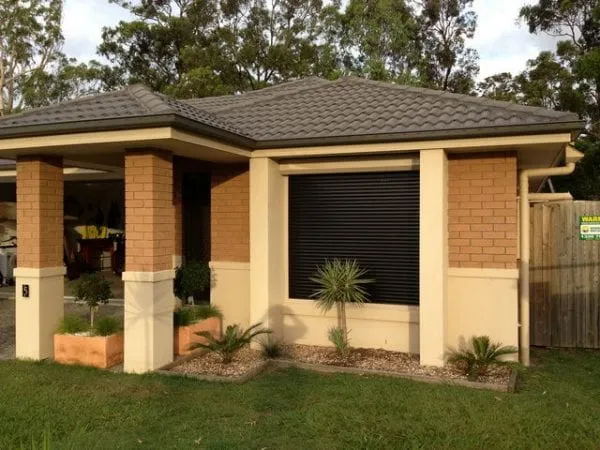
How long do roller shutters last? For most homeowners, the answer depends on material, climate, installation quality, and maintenance. In practical terms, a well-made shutter can deliver many years of reliable service—but the real-world lifespan varies widely across homes, especially in coastal, humid, or high-UV locations..
This guide on roller shutter lifespan explains what to expect from different materials, how to protect shutters from corrosion and wear, and when to choose professional servicing. If you are still planning a project, you may also want to learn about roller shutter installation and how it affects long-term performance.
As a general rule, the quoted life of a roller shutter is not just about whether the slats still look good. It also covers structural integrity, smooth operation, motor reliability, and resistance to oxidation, UV damage, and fastener corrosion. That distinction matters because a shutter may remain usable for years after cosmetic fade begins, or conversely fail mechanically before the surface shows much damage.
For readers comparing products, the most useful benchmark is a combination of manufacturer specifications, warranty terms, and field performance in similar environments. In Australia, that means considering heat, salt air, intense sunlight, and seasonal storms. It also means separating the lifespan of the shutter body from the lifespan of the motor or control system, which often have different warranty periods and replacement cycles.
In the sections below, we define the main durability factors, compare common materials, and summarise what warranty language usually tells you about expected life. You’ll also see homeowner case studies, maintenance steps, and a neutral comparison with plantation shutters and outdoor blinds so you can make a more informed choice.
Understanding the Lifespan of Roller Shutters: An Overview
Defining Roller Shutter Longevity
Roller shutter longevity means the period during which a shutter continues to operate safely and effectively with acceptable appearance, structural integrity, and mechanical performance. A shutter’s lifespan is therefore broader than cosmetic condition. Minor fading may be acceptable for years, while worn bearings, seized guides, or recurring electrical faults can make a shutter functionally “end of life” much sooner.
In industry guidance, service life is usually discussed as a range rather than a fixed date because performance depends on environment and care. Manufacturer literature and building-product durability references commonly place quality external shutters in a broad range of about 10 to 25 years, with premium products in favorable conditions often lasting longer. That range is consistent with typical warranty periods, but a warranty should not be read as a promise of maximum life; it is usually a minimum coverage period for defects under stated conditions. For background on product durability and weather exposure, see the Australian Window Association resources and technical papers referenced by members and installers: Australian Window Association.
There are a few technical terms worth clarifying. Oxidation is the chemical reaction in which a material, often metal, reacts with oxygen and begins to change at the surface. Anodizing is an electrochemical treatment used on aluminium that thickens the protective oxide layer. Galvanization is the application of a zinc coating to steel to slow rust formation. Powder coating is a dry finishing process that uses charged particles and heat to create a durable protective layer. These treatments matter because they can materially extend service life.
For homeowners, lifespan matters because it affects replacement planning, property value, and total ownership cost. A shutter that lasts 20 years with light maintenance may be cheaper than a lower-cost product that needs earlier repairs or replacement. That is why the best purchase decision is usually based on climate fit, coating quality, service access, and the reliability of the installer rather than price alone.
Common Lifespan Ranges Reported in the Industry
Across current manufacturer data sheets, installer guidance, and external-building-product case studies, the most common expected ranges are:
- Aluminium roller shutters: around 15 to 25 years in moderate conditions, sometimes longer with strong coatings and low corrosion exposure.
- Steel roller shutters: around 10 to 20 years, depending heavily on rust protection, humidity, and the condition of fasteners and guides.
- PVC/vinyl roller shutters: around 8 to 15 years, with UV exposure and thermal cycling being the main limiting factors.
These figures are best treated as planning ranges, not guarantees. A shutter in a coastal suburb with salt-laden air may age faster than the same product inland. Likewise, a product serviced regularly and installed correctly can exceed its expected range. Where possible, compare the manufacturer’s stated expected life against the actual warranty terms and the corrosion-protection method used on the product.
Why Lifespan Matters to Homeowners and Buyers
Knowing the expected life of a shutter helps with more than replacement budgeting. It also influences the choice between materials, the decision to automate or use manual operation, and the level of maintenance you are prepared to do. For example, an owner who wants minimal upkeep may prefer aluminium with a high-quality finish, while someone in a security-focused application may accept the more demanding care needs of steel.
Lifespan also informs long-term performance in relation to noise reduction, heat control, and storm protection. The product must remain structurally sound for those functions to remain reliable. If you are comparing broader exterior protection options, it can help to review related topics such as how roller shutters block out heat, whether roller shutters block out noise, and how they keep cold out.
Ultimately, lifespan is a planning tool. It tells you what you are likely to get from a product under real conditions, not just what the brochure says in ideal conditions.
Lifespan Estimates by Roller Shutter Material
Aluminum Roller Shutters: Expected Durability and Lifespan
Aluminium roller shutters are usually the strongest all-round option for homeowners who want a balance of corrosion resistance, light weight, and low operational strain on motors and tracks. The base metal naturally forms a thin oxide layer that helps resist surface breakdown. That protection is improved further with anodizing or powder coating, both of which can significantly slow weathering and improve appearance retention.
In practical use, aluminium shutters commonly last around 15 to 25 years, and in favorable inland conditions some exceed that with regular servicing. Their main failure modes are usually not catastrophic metal loss but finish degradation, pitting in harsh salt-air environments, seal wear, and mechanical fatigue in moving parts. In coastal suburbs, the risk is not aluminium “rusting” in the steel sense, but rather surface corrosion at cut edges, fasteners, or locations where salt deposits collect and remain damp.
Anodizing deserves a quick definition here: it is an electrochemical surface treatment that thickens the natural oxide layer on aluminium, improving resistance to scratching and weathering. Powder coating, by contrast, is a baked-on polymer finish that adds colour and a protective barrier. Both are common in exterior products, but the best choice depends on the local environment and how much UV resistance the coating system has been tested to provide.
When manufacturer warranty details are available, aluminium body warranties often sit in the 7-15 year range, while motors and controls can be shorter or separate. For example, motor warranties from well-known automation suppliers are often distinct from the shutter body warranty, which is why buyers should read both documents carefully. If you are comparing coated products.
Steel Roller Shutters: Longevity and Corrosion Resistance Factors
Steel roller shutters are chosen when strength, rigidity, and security are priorities. They can perform very well, but only if the corrosion-protection system is suited to the local climate and the installation details are sound. Steel itself is vulnerable to corrosion, which is the gradual deterioration of metal through chemical reaction with moisture and oxygen. Once protective layers are breached, rust can spread at edges, fasteners, hinges, and any point where water sits.
Typical service life is around 10 to 20 years, though this varies more widely than aluminium. The critical factor is surface protection. Galvanization, meaning a zinc coating applied to steel, slows rust by shielding the base metal and sacrificing itself before the steel corrodes. Powder coating adds another barrier on top, improving weather resistance and appearance retention. However, if the coating is damaged during installation or by repeated impact, water can reach the steel beneath and start localised rusting.
In steel systems, common failure points include crevice corrosion around fasteners, rust creep from scratched coatings, worn guides, and moisture retention at the bottom rail. Coastal homes, high-humidity regions, and properties exposed to irrigation overspray tend to shorten expected life. If the shutter is motorised, corrosion at brackets and fixings can also create load issues that increase strain on the motor over time.
Steel shutters often have shorter warranty periods than some aluminium products because the material is more sensitive to environmental exposure. This does not mean they are poor products; it means their durability is more dependent on correct finish selection and regular maintenance. For buyers evaluating steel, the most important question is not only “how strong is it?” but also “what protection system does it have, and where will it be installed?”
PVC/Vinyl Roller Shutters: Lifespan and Environmental Susceptibility
PVC/vinyl roller shutters are appealing for lower upfront cost and resistance to metal corrosion, but they usually have the shortest lifespan of the three material groups. A typical range is around 8 to 15 years, with heat, sunlight, and impact resistance being the main limiting factors rather than rust. For homeowners in very sunny climates, the issue is often not sudden failure but gradual embrittlement, colour fade, and reduced flexibility.
PVC is especially susceptible to UV-driven degradation. Ultraviolet exposure can break polymer chains, a process often described as chain scission, which weakens the material over time and may lead to brittleness, chalking, or cracking. Products with better UV stabilisers or co-extruded protective layers tend to perform better, but they still need more careful climate matching than metal shutters. A simple rule is that the harsher the sun and heat, the more important the formulation and finish become.
Other failure modes include thermal expansion and contraction, yellowing, and wear in the rollers or guides that support the slats. PVC is also more sensitive to impacts and may not be ideal where wind-driven debris or frequent manual handling is expected. Because the body material does not corrode, some owners assume PVC is maintenance-free; in reality, it still needs cleaning, inspection, and prompt replacement of worn moving parts. If your home also uses external shade systems, compare the product expectations with outdoor blinds so you can choose materials with a similar maintenance profile.
Warranty periods for PVC shutters are often shorter and may exclude colour change, sun exposure, or damage from extreme heat. That language is a useful clue: it tells you what the manufacturer believes will be the weakest point under normal use.
Comparing Material Lifespans: Summary Table of Durability
Methodology note: the lifespan ranges below are planning estimates based on manufacturer guidance, installer documentation, and industry durability references. Actual service life varies by climate, installation, and maintenance.
| Material | Typical Lifespan (Years) | Main Durability Factors | Typical Warranty Range | Source(s) |
|---|---|---|---|---|
| Aluminium | 15–25+ | Corrosion resistance, anodizing or powder coating, low mechanical strain | 7–15 | Manufacturer technical data; AWIA guidance; coating system datasheets |
| Steel | 10–20 | Strength, galvanization, powder coat quality, fastener corrosion resistance | 5–12 | Manufacturer warranty pages; corrosion-prevention white papers; installer guidance |
| PVC/Vinyl | 8–15 | UV stabilisers, thermal stability, impact resistance, moving-part wear | 3–10 | Manufacturer specifications; polymer durability references; warranty pages |
Used this way, the table is a quick comparison rather than a replacement for product-specific specifications. A premium aluminium shutter with a strong coating system may outperform a cheap steel product in coastal conditions, while a well-protected steel shutter can be an excellent choice inland. Always check the product page and warranty wording before assuming a generic lifespan range applies to your home.
Key Factors Influencing Roller Shutter Durability
Impact of Environmental Conditions (Climate, UV Exposure, Humidity)
Environmental exposure is one of the biggest drivers of roller shutter lifespan. The same shutter can age very differently depending on whether it is installed inland, in a coastal suburb, or in a hot region with strong seasonal sun. In Australia, UV exposure is especially important because high ultraviolet levels accelerate surface fading, polymer degradation, and the breakdown of some coatings if they are not formulated for exterior use.
For PVC, UV degradation works by breaking down polymer chains and reducing flexibility. This is why a vinyl shutter can become brittle long before its mechanical parts are worn out. Better formulations include UV stabilisers, which are additives designed to slow sunlight damage, and surface coatings that reduce the amount of radiation reaching the base material. In technical material testing, UV resistance is often assessed using standards such as ASTM G154 or ISO 4892 accelerated weathering methods, which expose samples to controlled light, heat, and moisture cycles. These tests do not predict exact years in service, but they help compare products under repeatable conditions.
Humidity and salt air add another layer of stress. Moisture increases the likelihood of corrosion on steel components, while salt deposits can remain on surfaces and create long-term damage if not cleaned off. Coastal environments can also increase wear on motors, control housings, and fasteners. For that reason, even aluminium shutters benefit from marine-grade fixings and regular washing in seaside locations. If you are comparing product suitability for damp or coastal properties.
Temperature swings matter too. Expansion and contraction place stress on slats, guide rails, seals, and end caps. Repeated cycling can loosen fixings over time, particularly if the installer did not allow for movement or used incompatible materials that expand at different rates. In short, climate does not just affect appearance; it changes the rate at which every major wear mechanism develops.
For homeowners, the practical takeaway is simple: choose the material and coating system for the climate you actually live in, not the climate you wish you had. A product suited to inland Perth may not be the right choice for a salt-exposed coast, and vice versa. That is why local advice from installers is valuable and why product pages should state the intended environment clearly.
Effects of Use Intensity and Wear & Tear Processes (Oxidation, Corrosion)
How often a shutter is opened and closed has a direct effect on wear. Every cycle adds a little strain to bearings, slats, guide rails, end caps, springs, and motors. The more frequently a shutter is operated, the sooner these parts will need attention. In a busy household, a motorised shutter might cycle multiple times per day, while a rarely used one may remain mechanically sound for years with very little wear. The difference often shows up in the moving components rather than in the main body material.
Motorised systems are usually rated by cycle life rather than just years. In plain terms, cycle life means the estimated number of open-close operations a motor or mechanism can complete before wear becomes significant. Depending on model and load, many residential motors are designed for thousands of cycles, but the actual lifespan depends on weight, alignment, environmental exposure, and correct adjustment. Frequent forced operation, partial obstruction, or poor calibration can shorten that life considerably.
Wear points to watch include guide rails, bearings, end stops, seals, and the lower rail where repeated contact can create noise and friction. If the shutter is manually operated, user technique also matters: jerky movement, forcing resistance, or operating after debris has entered the tracks can increase damage. This is one reason why early signs of wear—such as squeaking, uneven travel, hesitation, or shaking—should be addressed promptly rather than ignored.
Oxidation and corrosion deserve separate mention because they do not affect all materials in the same way. Aluminium oxidation can be relatively stable when the protective layer remains intact, but damage to the coating can expose the surface to pitting. Steel corrosion is usually more aggressive once the zinc or paint barrier has failed. In both cases, debris and trapped moisture accelerate the process. For homeowners, a small repair on one fastener can prevent a much larger repair later.
One useful rule is that higher-use shutters should be inspected more often than low-use shutters. A bedroom shutter used twice daily may need less attention than a living-room shutter cycled many times for ventilation, security, or privacy. In practice, use intensity should influence not just maintenance frequency but the original product selection, because heavier duty systems can justify their cost in high-cycle homes.
Role of Installation Quality in Longevity
Installation quality is one of the clearest predictors of whether a shutter reaches its expected lifespan. Even a well-made product can underperform if it is not aligned, sealed, fixed, and drained correctly. By contrast, a mid-range product installed carefully can outlast a premium product installed poorly. That is why the installer’s skill, fastener choice, and attention to site conditions are just as important as the brand name on the box.
Common installation errors include misaligned guide rails, incorrect spacing that causes binding, poor sealing that allows water ingress, and the use of fasteners that are not corrosion resistant enough for the environment. In coastal areas, mismatched metals can also create galvanic corrosion, where one metal accelerates the deterioration of another. This is why stainless or suitably coated fixings are generally preferred in exposed locations.
Rather than rely on a single percentage claim, it is more accurate to say that poor installation can materially reduce service life, and industry reports consistently show that avoidable fitting errors are a major reason for early repairs. In practical terms, even small alignment problems can create repeated drag, motor strain, and slat wear. Those issues often start as a nuisance and later become a costly service call.
Installers should use a simple on-site checklist:
- Confirm the opening is square, level, and structurally sound
- Check drainage paths so water cannot pool in the guide or bottom rail
- Use fasteners suitable for the local exposure class and material pairing
- Seal penetrations where required without blocking drainage
- Test travel repeatedly for smooth movement, no scraping, and no rattle
- Verify motor settings, end limits, and obstruction response where automated
If you are comparing providers, a page on roller shutter installation can help you understand what a professional fitting should include. For local buyers, it is also worth reviewing region-specific guidance such as Smarter Outdoors’ roller shutters information for Perth homes, where salt air and UV levels can place extra demands on finishes and fixings.
The takeaway is straightforward: installation errors are preventable, and preventing them is one of the cheapest ways to extend service life. Good installation protects both the structure and the warranty, because many warranty claims are weakened or rejected when the product was not fitted to specification.
Maintenance Influence: Cleaning, Lubrication, and Repair Practices
Maintenance has a direct effect on service life because roller shutters fail gradually before they fail completely. Dirt, salt, dust, spider webs, and fine grit collect in guides and around moving parts. If left in place, those contaminants increase friction and trap moisture. The result is more wear, noisier operation, and a higher chance of corrosion or electrical strain. Good maintenance is therefore not cosmetic—it is part of the shutter’s durability system.
Use a simple annual schedule. In spring, inspect after winter weather for loose fixings, damaged seals, and grime build-up. In autumn, clean the shutter thoroughly before storm season. After storms, check for impact damage, debris in the tracks, and unusual motor noise. If you live near the coast, add a light rinse with fresh water more frequently to remove salt residue. That small habit can materially slow finish breakdown.
For cleaning, use a soft cloth or sponge with a non-abrasive, non-acidic detergent and clean water. Avoid harsh solvents, pressure washing at close range, steel wool, bleach-based cleaners, and abrasive pads, as these can damage coatings or force water into electrical components. For guides and moving points, use a silicone-based spray where recommended by the manufacturer; it is usually preferred for tracks because it reduces friction without leaving heavy dirt-attracting residue. For hinges or exposed metal contact points, a light manufacturer-approved lubricant may be more appropriate. Avoid over-lubrication, which can attract grit.
A practical inspection checklist includes:
- Look for chips, scratches, bubbling paint, or white oxidation on aluminium
- Look for rust at fasteners, bottom rails, and edges on steel
- Check for cracks, fading, or chalking on PVC
- Test manual or motorised travel for smoothness and symmetry
- Listen for scraping, clicking, rattling, or buzzing motors
- Check seals, brackets, and control systems for looseness or wear
DIY cleaning is usually suitable for surface care and basic visual checks. Call a professional if the shutter is jammed, the motor is failing, the curtain is off-track, or corrosion appears structural. Repair costs vary by state and product type, but common Australian market estimates often place basic service visits in the low hundreds, with motor replacement and major component repair rising higher depending on size and access. For many homeowners, that is still cheaper than premature replacement.
If you want a broader home-care comparison, the same kind of preventive routine used for plantation shutters is useful here: gentle cleaning, prompt repairs, and regular inspection outperform reactive fixes every time.
Warranty and Manufacturer Specifications as Lifespan Indicators
Typical Manufacturer Warranty Periods per Material Type
Warranty length is one of the best clues to how manufacturers expect a product to perform under normal conditions. It is not a direct substitute for lifespan, but it usually reflects confidence in the coating system, moving parts, and general build quality. In broad terms, aluminium systems often carry longer body warranties than PVC products, while motors, remotes, and control boards are frequently covered under separate terms.
Typical examples in the market include aluminium body warranties around 7 to 15 years, steel around 5 to 12 years, and PVC/vinyl around 3 to 10 years. Many automation suppliers also publish separate motor and control warranties. For example, when reviewing branded components such as Somfy drives or compatible control systems, look for the exact product page and warranty documentation rather than relying on reseller summaries. Manufacturer pages such as Somfy Australia and product-specific distributor documents are the right place to verify exact terms.
Warranty wording often reveals the conditions that matter most. Common exclusions include UV fading, salt corrosion, accidental damage, misuse, lack of maintenance, and improper installation. If the warranty excludes a particular environment, that is a sign the product may not be the best match for your location unless extra protection measures are used. For technical buyers, this makes the warranty a practical screening tool rather than just a sales document.
How Warranty Reflects Expected Product Lifespan
Manufacturers set warranty periods after considering testing, material performance, failure rates, and expected installation quality. Longer coverage generally indicates stronger confidence in durability, but only within the stated use conditions. A 10-year warranty does not mean a product will fail at 10 years; it means the company is prepared to stand behind it for that period if defects arise under normal use and maintenance.
Another useful clue is whether the warranty differentiates between shutter body, motor, battery, and electronics. Separate terms usually mean separate wear profiles. The shutter body may last much longer than the motor, especially in a high-cycle home. If a brochure quotes “10 years” without clarifying which parts are included, ask for the full warranty schedule before purchasing. That one document can prevent surprises later.
For buyers comparing options, it is worth checking whether the warranty is pro-rata, transferable, or limited to the original owner. Pro-rata warranties reduce compensation over time, and non-transferable warranties may reduce resale value. Also check whether annual maintenance is required, because some warranties depend on proof of cleaning or servicing. When a product is marketed as premium, those details should be clear—not hidden in the fine print.
Reading and Interpreting Warranty Fine Print for Durability Clues
To read a warranty properly, check five things:
- What is covered? Body, finish, motor, remote, battery, or only some components
- What is excluded? UV damage, salt exposure, storm damage, improper cleaning, or unapproved chemicals
- What maintenance is required? Annual inspection, lubrication, or documented servicing
- Who can install it? Licensed installer only, approved dealer only, or any competent tradesperson
- What happens if it fails? Repair, replacement, pro-rata refund, or parts-only support
These clauses matter because they tell you where the product is most vulnerable. For example, if a warranty excludes coastal corrosion, then the product may still be fine in a coastal home—but only if the coating system, fasteners, and maintenance schedule are upgraded appropriately. In that sense, the warranty is both a promise and a warning.
To compare products properly, use manufacturer documentation together with broader information on maintenance tips for roller shutters and the installation process. That combination gives a much better estimate of real lifespan than a headline warranty number alone.
Homeowner Experiences and Case Studies on Roller Shutter Lifespan
Region-Based Lifespan Variances from Real-World Data
Real-world homeowner experience confirms what the technical data suggests: geography strongly shapes service life. Coastal environments typically shorten the life of steel components, while inland and lower-salt regions tend to produce the best outcomes across all materials. The difference comes from a combination of salt deposition, humidity, UV intensity, and how often surfaces are cleaned.
Field observations from installers and manufacturers regularly show that aluminium shutters with robust coatings perform better in marine environments than untreated or lightly coated steel systems. In more sheltered inland homes, the same product may remain in service for many years with only periodic cleaning and lubrication. What matters is not just the material, but the complete system: finish, fixings, motors, seals, and care routine.
User Testimonials Highlighting Longevity and Failure Cases
“Our aluminium shutters installed 18 years ago in a suburban inland area still operate smoothly. Occasional lubrication every two years has kept them functional well beyond the warranty period.” — Helen R., NSW
“Our steel shutters near the coast began rusting after 7 years, mainly around hinges and fasteners, despite regular cleaning. Once the coating was breached, corrosion spread faster than we expected.” — Michael T., QLD
These examples are typical of the feedback many installers hear: long life is possible, but the same product can age very differently depending on exposure and maintenance. In most cases, homeowners do not notice deterioration all at once. Instead, they report a gradual change in smoothness, noise, finish quality, and the amount of force needed to operate the shutter.
Additional Case Studies: Coastal vs Inland Environments
Case study 1: Perth coastal fringe, aluminium shutters, installed 2012. A homeowner on the coastal edge of Perth reported light finish dulling after 9 years, but no structural failure. The shutters were washed with fresh water every 2–3 months and serviced once every two years. The only repair so far was replacement of a worn guide insert and a small recoat at an exposed edge. Estimated maintenance cost: moderate, well below replacement cost.
Case study 2: Brisbane suburbs, steel shutters, installed 2016. A family using steel shutters on a north-facing façade saw early surface rust by year 5 around fasteners and a lower rail. The property had strong sun, high humidity, and garden sprinklers nearby. After a local repairer replaced corroded fixings and refinished affected spots, performance improved—but the owners were advised to increase cleaning frequency and monitor the lower rail after heavy rain.
Case study 3: Inland NSW, PVC shutters, installed 2014. A retired couple reported very good function for eight years, followed by visible chalking and some brittleness on the sunniest windows. The shutters were still usable, but the owner chose staged replacement rather than repairs. Their case highlights the difference between “still works” and “still worth keeping,” especially when appearance and colour retention matter.
These examples show why a lifespan number by itself is never enough. A product may technically last longer than expected if it is well cared for, but it may also become uneconomical to keep once corrosion, seal failure, or repeated motor issues begin. That is why many homeowners choose to budget for periodic servicing rather than waiting for a full replacement cycle.
Case Study Summary Table
| Location | Material | Age | Maintenance Frequency | Observed Issues | Notes |
|---|---|---|---|---|---|
| Perth coastal fringe | Aluminium | 12+ years | Wash every 2–3 months; service every 2 years | Minor finish dulling, worn guide insert | Good long-term performance with light maintenance |
| Brisbane suburb | Steel | 8 years | Clean quarterly; ad hoc repairs | Fastener rust, lower-rail corrosion | Humidity and sprinklers likely accelerated wear |
| Inland NSW | PVC | 10 years | Clean twice yearly | Chalking, brittleness on sun-facing elevations | Functional but appearance decline led to replacement planning |
For homeowners comparing broader exterior options, these experiences can be useful alongside guides on outdoor blinds and other window treatments. The main lesson is consistent: choose the product that best matches your climate, then maintain it on schedule.
Extending the Life of Roller Shutters: Essential Maintenance Tips
Good maintenance is the most cost-effective way to extend roller shutter life. It reduces friction, keeps water and salt from lingering on the surface, and helps you catch small problems before they become major repairs. A well-maintained shutter will usually outlast a neglected one of the same material, sometimes by many years.
Seasonal checklist: In spring, inspect for winter-related wear, loose fixings, and stuck debris. In autumn, clean thoroughly before storm season and check drainage around the guides. After storms, inspect for impact damage, displaced slats, and unusual motor noise. If you live near the coast or in a dusty area, increase visual checks during the year so salt or grit does not build up unnoticed.
Cleaning: Use a soft cloth or sponge with warm water and a mild, non-acidic detergent. Rinse with clean water and dry the surface where practical. Avoid abrasive powders, harsh solvents, and high-pressure washing, which can drive moisture into the mechanism or damage coatings. Painted and powder-coated surfaces should be treated gently to preserve the finish.
Lubrication: Use manufacturer-approved silicone spray on guide channels when needed. Silicone is preferred in many guide applications because it reduces friction without leaving a sticky residue that attracts dust. For hinges or metal contact points, use only the lubricant recommended by the installer or product manual. Do not over-lubricate; excess product can trap grit and create the opposite of the intended effect.
When to DIY vs call a professional: DIY is appropriate for surface cleaning, visual checks, and gentle lubrication. Call a professional if the curtain is off-track, the motor stops intermittently, the shutter binds repeatedly, there is visible structural corrosion, or electrical components are exposed. As a rough local-market guide, simple service visits are often in the low hundreds of dollars, while motor replacement or major component work is typically higher depending on access, size, and brand compatibility.
Inspection checklist:
- Check for chipped coatings, rust spots, and bubbling paint
- Inspect slats for dents, cracking, or distortion
- Listen for scraping, rattling, or buzzing
- Confirm smooth travel from fully open to fully closed
- Look for water pooling, dirt build-up, and blocked drainage
- Test remotes, switches, and manual overrides where fitted
If you are comparing maintenance expectations across products, the same proactive approach used for plantation shutters applies here: routine care, not reactive repair, protects the service life most effectively. For a broader context on costs and selections, the right maintenance habits are usually cheaper than replacing the whole system early.
Contextualizing Roller Shutter Lifespan with Other Window Treatments
Roller shutters are not the only window treatment with a long service life, but they are one of the few external solutions designed for security, insulation, and weather protection at the same time. By contrast, plantation shutters are usually interior products, which means they avoid direct rain, salt, and UV exposure. That difference alone often explains why plantation shutters can last longer on average. See also plantation shutters and how long plantation shutters last for a fuller comparison.
From a lifecycle-cost perspective, roller shutters often involve a higher installation cost but deliver stronger external protection. Plantation shutters may have similar or higher initial cost depending on material, but typically involve less weather-related wear because they sit indoors. Outdoor blinds can sit somewhere in between: they are useful for shade and privacy, but they are also exposed to sun, wind, and rain, which can shorten life depending on fabric quality and fitting.
A neutral comparison looks like this:
| Window Treatment | Typical Lifespan | Strengths | Trade-offs |
|---|---|---|---|
| Roller shutters | 8–25 years | Security, insulation, weather resistance | Outdoor exposure, mechanical wear, maintenance needs |
| Plantation shutters | 20–30+ years | Interior durability, strong aesthetics, light control | Less weather protection, not ideal for exterior security |
| Outdoor blinds | 8–20 years | Shade, privacy, flexible outdoor living | Fabric wear, wind exposure, more frequent replacement in harsh climates |
For many homeowners, the right choice depends on climate and purpose. If the priority is security and insulation, roller shutters usually deliver better value over time. If the priority is interior styling and long decorative life, plantation shutters may offer better aesthetics and lower exposure risk. Outdoor blinds suit shaded outdoor areas where comfort matters more than security. The best value-for-money option is the one that matches the environment and the job the window treatment actually needs to do.
Frequently Asked Questions About Roller Shutter Longevity
How long do roller shutters typically last?
Roller shutter lifespan usually falls between 8 and 25 years, depending on the material, location, finish quality, and maintenance. Aluminium models often last longest in most climates, while steel depends heavily on rust protection and PVC is more sensitive to UV exposure and heat.
What factors most affect roller shutter lifespan?
The biggest factors are material type, climate, installation quality, and maintenance. Salt air, humidity, UV exposure, frequent operation, and poor drainage all reduce service life. Regular cleaning, correct lubrication, and prompt repairs can slow wear and keep the shutter operating smoothly for longer.
How do aluminum, steel, and PVC shutters compare in durability?
Aluminium roller shutters usually offer the best balance of corrosion resistance and lifespan. Steel is stronger but more vulnerable to rust if coatings fail. PVC is generally the least durable outdoors because sunlight and heat can cause brittleness, fading, and slower but steady material breakdown over time.
Can environmental damage to roller shutters be repaired?
Some environmental damage can be repaired, especially light rust, faded coatings, loose seals, and worn guides. However, deeper corrosion, warped slats, cracked PVC, or damaged motors often require parts replacement. The earlier you act, the more likely a repair will be economical rather than a full replacement.
How often should roller shutters be maintained and inspected?
For most homes, a full clean and visual inspection every six to twelve months is ideal, with extra checks after storms or heavy salt exposure. Lubrication should follow the manufacturer’s guidance. High-use or coastal shutters may need more frequent attention to prevent premature wear.
Does installation quality impact the longevity of roller shutters?
Yes. Good installation helps prevent misalignment, water ingress, vibration, and fastener corrosion. Poor fitting can create drag and load the motor unnecessarily, which shortens the roller shutter lifespan. Always confirm drainage, alignment, fastener choice, and final travel testing before signing off the job.
What do roller shutter warranties usually cover and imply about lifespan?
Roller shutter warranties typically cover manufacturing defects, but they often exclude misuse, poor maintenance, storm damage, and environmental conditions such as salt exposure or UV fading. Body, motor, and electronics may have different warranty periods, so warranty length should be read as a durability clue, not a lifespan promise.
How do roller shutters’ lifespans compare to other window treatments like plantation shutters?
Compared with roller shutters, plantation shutters often last longer because they are usually installed indoors and face less weather exposure. Roller shutters can still offer excellent value where security and insulation matter more. Outdoor blinds may be less durable than both in harsh climates because fabric and fittings age faster outdoors.
Conclusion: The expected life of roller shutters is best understood as a combination of material choice, climate exposure, installation quality, and maintenance. In broad terms, aluminium usually offers the strongest all-round durability, steel suits security-focused applications when corrosion protection is strong, and PVC is more climate-sensitive but can still serve well in the right setting.
- Expected life by material: aluminium 15–25+ years, steel 10–20 years, PVC 8–15 years.
- Top maintenance actions: clean gently, inspect after storms, and lubricate guides on schedule.
- Choose the material by environment: coastal homes generally benefit from better-coated aluminium and marine-grade fixings, while inland homes can broaden their options.
For the next step, review our maintenance tips for roller shutters or explore roller shutter installation options if you are planning a new system. If you are still comparing products, start with the main roller shutters guide and match the material to your climate, usage, and budget.