
How Long Do Plantation Shutters Last — Lifespan by Material & Maintenance
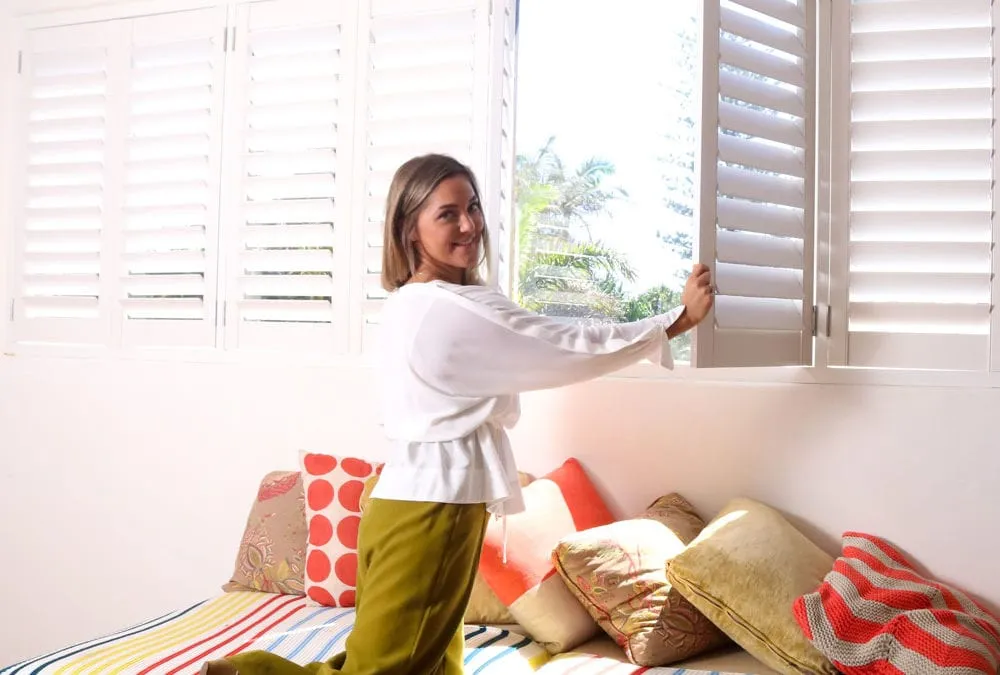
Plantation shutters are celebrated for their enduring charm and functional appeal, but a key question for homeowners and buyers alike is: how long do plantation shutters last? The answer depends on material, climate, and how the shutters are used day to day. In general, the best-performing products can stay structurally sound for decades while also holding their finish and visual appeal for a long time. If you want a broader overview of plantation shutter durability, it helps to start with the basics: what “lifespan” really means, which conditions count as normal use, and why some shutters age gracefully while others need repairs sooner.
Understanding the Lifespan of Plantation Shutters
What Defines the Lifespan of Plantation Shutters
The expected lifespan of plantation shutters is not just the number of years they remain on a window. It includes two parts: structural integrity, meaning the frame, louvers, hinges, and tilt mechanisms still work properly, and aesthetic appeal, meaning the finish still looks clean, even, and consistent. A shutter that still opens and closes but has heavy fading, peeling paint, or warped louvers may be mechanically usable but no longer performing as intended.
For most homeowners, normal usage conditions means everyday indoor use, usually about 2–4 open-close or tilt cycles per day, in a reasonably controlled interior environment. That typically means away from direct salt spray, extreme condensation, or constant full-sun exposure through uncovered windows. Under those conditions, well-made shutters can last a very long time, especially when inspected and cleaned regularly. The main durability question becomes whether the product keeps its shape, its finish, and its smooth operation over time.
Industry guidance from the National Association of Home Builders and timber research from the USDA Forest Products Laboratory both support the idea that material choice and environment strongly influence service life. That is why one home may see shutters last 25 years or more, while another sees surface wear much earlier. For buying decisions, it is useful to compare not only price, but also maintenance maintenance, finish quality, and climate fit. If you are planning a purchase, also review our guide to materials used in plantation shutters so you can match the product to the room and climate.
In practical terms, lifespan is best judged by three benchmarks: does the frame remain square, do the louvers stay aligned, and does the finish still protect the surface? Those three checks reveal more than a calendar year count ever will. A shutter that is still straight, quiet, and evenly finished is usually a sign of good material science, careful installation, and sensible use.
Common Durability Factors
Several variables shape plantation shutter durability. The main ones are easy to understand, even if the technical terms sound complex at first.
- Materials: Hardwood, basswood, composites, and vinyl/plastic each react differently to moisture, heat, and sunlight.
- Environment: UV exposure, humidity, salt air, and temperature swings can cause fading, swelling, corrosion, or brittle spots.
- Mechanical use: Frequent tilting of louvers and opening/closing of panels creates wear at hinges, pins, and joints.
- Human handling: Gentle operation lasts longer than slamming, forcing stuck louvers, or pulling the frame unevenly.
This is why two shutters of the same brand can age differently. A bedroom shutter used lightly may still look excellent after many years, while a kitchen or sunroom shutter may need hardware adjustments sooner. The best way to think about durability is as a system: material quality plus environment plus care. If you want to compare long-term options, see our page on materials used in plantation shutters and our maintenance guide for maintenance tips for plantation shutters.
Finish quality also matters. A good factory finish or site-applied topcoat slows wear and protects the surface from everyday scuffs. In the next section, we compare material types so you can see how those differences affect lifespan in the real world.
Lifespan Estimates Based on Plantation Shutter Materials
Wood Plantation Shutters: Hardwood, Basswood, and Hardwood Composites
Wood shutters remain popular because they look warm, classic, and premium. Their lifespan depends heavily on species, moisture exposure, and finish quality. In practical terms, denser woods tend to resist dents and abuse better, but lighter woods can be easier to keep stable and easier to paint neatly. Dimensional stability means how little a material changes size or shape when humidity and temperature change. A more stable shutter is less likely to twist, bow, or separate at the joints.
In plain language, oak is tough and impact-resistant, but because it is denser and more reactive to changing moisture content, it still needs a well-sealed finish. Mahogany is also valued for durability and appearance, with strong resistance to everyday wear when properly coated. Basswood is lighter and often chosen for painted shutters because it accepts finish well, though it can dent more easily than harder species. In independent wood science literature, dimensional movement varies by species and moisture exposure; hardwoods can show roughly 0.5–1% movement across typical humidity swings, while engineered composites may stay below 0.2% in controlled conditions, depending on construction and finish. For a technical reference, the USDA Forest Products Laboratory explains the role of moisture on wood movement and stability in its material guidance (Forest Products Laboratory).
For brand context, some premium manufacturers such as Hunter Douglas and Luxaflex typically offer limited warranties that vary by product line and finish, often ranging from 5 to 20 years depending on the material and region. Always check the exact warranty document for exclusions such as moisture damage, fading, and improper installation. You can also compare related buying advice in our guide to home improvement investments.
| Material | Average Lifespan | Durability Notes | Source |
|---|---|---|---|
| Hardwood (e.g., Oak, Mahogany) | 20-30 years | High-density fiber resists wear; sensitive to moisture without proper sealing | USDA FPL |
| Basswood | 15-25 years | Lightweight with good paintability; dents more easily than denser hardwoods | USDA FPL |
| Hardwood Composites | 20+ years | Engineered for improved moisture resistance and shape retention | USDA FPL |
As a rule, wood shutters do best in rooms with moderate humidity and stable indoor temperatures. Bedrooms, living rooms, and offices are usually excellent fits. Kitchens and bathrooms can still work, but only if the product is properly sealed and the room is well ventilated. Wood gives the highest-end appearance, but it also needs the most care in challenging climates.
Composite Material Shutters
Composite shutters are usually made from a blend of wood fibre, resin, and/or polymer-based materials. This combination gives them a strong advantage in moisture-prone spaces because the material absorbs less water than natural timber and tends to keep its shape better. In plain English, they are often a smart middle-ground between the look of wood and the toughness of synthetic materials.
The USDA Forest Products Laboratory has repeatedly shown that engineered wood products can deliver better dimensional stability than untreated natural wood when moisture changes are controlled. That matters because the most common failure mode in humid rooms is not complete breakage, but gradual swelling, slight warping, or joint stress. Composite shutters are also less vulnerable to fungal decay than unfinished timber when they are properly manufactured and installed.
For many homeowners, composite shutters last 20–35 years in typical indoor conditions, and sometimes longer in homes with consistent climate control. They are especially well suited to coastal suburbs, bathrooms, laundries, and sunrooms. If you are comparing options, it is worth reading our deeper guide on materials used in plantation shutters before deciding. Composite shutters are not totally maintenance-free, but they are usually the easiest wood-look option to live with over time.
Vinyl and Plastic Plantation Shutters: Resistance and Longevity Comparison
Vinyl shutters and other plastic-based shutters are popular where moisture resistance is the top priority. They are usually the lowest-risk choice for bathrooms or utility rooms because they do not absorb water like timber can. Many products also include UV stabilizers, which are additives designed to slow the breakdown caused by sunlight. That said, vinyl does not age in the same graceful way as wood, and long-term brittleness is a real issue in colder climates or rooms with wide temperature swings.
From a practical perspective, vinyl shutters often last 15–25 years, with colour and surface condition usually determining replacement before structural failure does. A white vinyl shutter may still function after many years, but if it becomes chalky, yellowed, or brittle, the visual lifespan has effectively ended. Some industry consumer tests note that products with better UV stabiliser packages retain appearance longer, but cheaper plastic systems can show fading and micro-cracking sooner, especially in strong southern or west-facing light.
Vinyl’s biggest advantage is moisture tolerance; its biggest compromise is that it can feel less substantial and may become less appealing sooner than wood or composite. In cold rooms, the material can also become more fragile if it is repeatedly flexed. For that reason, vinyl works best where humidity is high and appearance expectations are moderate. If your priority is the longest aesthetic life, a composite shutter or a well-finished wood option usually offers better long-term value. For a broader comparison, see our roller shutters lifespan comparison.
Environmental Effects on Durability
UV Exposure and Material Degradation
Photo-degradation is the breakdown of a material caused by light, especially ultraviolet light from the sun. In everyday language, it is what happens when sunlight slowly weakens paint, plastics, and some finishes. On plantation shutters, UV exposure can fade pigments, dull coatings, and eventually make synthetic parts more brittle. Wood shutters are not immune either: their finish can chalk, yellow, or thin out under strong sun if not protected.
Building science and materials research consistently show that UV-blocking topcoats, pigments, and stabilisers can slow this damage significantly. Lacquer, polyurethane, and UV-stabilised paint all help preserve the surface, but they do not stop ageing forever. In many homes, high-sun windows show visible change within 5–10 years on lower-grade finishes, while better-coated products may hold appearance much longer. On polymer-based shutters, fading is often the earliest sign of UV stress; on wood, it is usually finish wear rather than core damage. This is one reason why products installed on western elevations often age faster than those in shaded rooms.
If sun exposure is a concern, choosing the right finish is as important as choosing the right core material. For more context, see our guide to UV protection for window treatments. Homeowners often underestimate just how much daylight can affect the long-term appearance of indoor products, especially in bright Australian conditions. A well-sealed shutter still needs sensible placement, curtains, or blinds in harsh sun zones to protect the surface over time.
Moisture and Humidity Influence
Moisture is one of the biggest reasons plantation shutters age differently from one home to another. Wood can swell, shrink, or warp when humidity rises and falls, which places stress on joints and keeps the louvers from sitting square. Composite shutters are generally much more stable, which is why they are commonly recommended for bathrooms, laundries, and coastal homes. Vinyl is highly moisture resistant too, but condensation can still affect metal hardware behind the scenes.
Coastal salt air adds another layer of risk. Salt can accelerate finish wear and corrode exposed metal parts, particularly if the hardware is not stainless or well-coated. AWIA guidance for coastal conditions highlights the need for corrosion-resistant components and regular inspection in marine environments (Australian Window Industry Association). In simple terms, if you live near the ocean, choose composite shutters or well-sealed timber with marine-grade or stainless hardware. That recommendation is especially important for windows that are often opened and closed, because movement brings moisture and air exposure into contact with the fittings.
Mechanical Wear and Hardware Longevity
Even the best shutter material will wear out if the hardware is weak. Hinges, tilt rods, louver pins, and mounting screws all experience mechanical fatigue, which means repeated stress over time slowly causes loosening or failure. Ball-bearing hinges generally last longer and move more smoothly than plain hinges, especially in high-use rooms. A realistic replacement interval for basic interior hardware is often around 7–15 years, depending on use, room moisture, and product quality.
Warning signs include squeaking, sagging panels, misaligned louvers, or a shutter that no longer closes flush. In many cases, hardware replacement is cheaper than replacing the full shutter, especially if the frame and louvers are still sound. Upgrading to stainless steel or zinc-coated parts is a smart move in humid or coastal homes. If you are unsure where to source parts, ask your installer, a local window treatment specialist, or the manufacturer’s spare-parts team.
Manufacturer Warranties and Real-World Lifespan Insights
Warranty Periods by Material Type
Warranty coverage is a useful clue, but it is not the same as lifespan. Manufacturers often offer broad statements such as “limited lifetime” coverage, yet the fine print can differ sharply by material, finish, and installation method. Below are typical examples homeowners should expect to see in practice.
| Material | Typical Warranty Period | Coverage Notes | Examples |
|---|---|---|---|
| Wood (Hardwood, Basswood) | 5-15 years | Often excludes moisture damage, fading, and wear from misuse | Hunter Douglas; Luxaflex |
| Composite | 10-20 years | Usually covers defects but excludes salt corrosion, abuse, and improper cleaning | Hunter Douglas; local custom shutter brands with 10-year finish warranties |
| Vinyl/Plastic | 10-15 years | Defects covered; UV fading and cracking may be limited or excluded | Luxaflex; specialist PVC shutter ranges |
Common exclusions include moisture intrusion, coastal salt corrosion, accidental damage, poor cleaning products, and incorrect installation. In other words, if a shutter fails because the room environment was harsh, the warranty may not help. This is why warranty terms should be read as a promise against manufacturing defects, not as a guarantee of appearance forever.
Warranty vs Real-World Conditions
Real-world performance can differ from warranty expectations because homes are not laboratory test rooms. A coastal homeowner may see finish deterioration sooner than a suburban inland homeowner, even if both bought the same product. For example, manufacturers commonly reject claims where salt air, flooding, or persistent condensation caused the damage. In those cases, the issue is usually classified as environmental exposure, not product failure.
A common pattern is a homeowner expecting coverage for fading after years of west-facing sun, only to discover the warranty excludes “normal ageing” or “non-defect change in appearance.” That is not unusual. It is a reminder to check whether finish, hardware, and structural parts are all covered separately.
Warranty Terms and Product Lifespan Interpretation
When a warranty says “limited lifetime,” it rarely means the shutters will last forever. It usually means the manufacturer will cover certain defects for as long as the original purchaser owns the product, but only under defined conditions. A “10-year replacement” warranty is more specific, but it may still exclude labour, freight, cleaning damage, and environmental wear. Ask suppliers three direct questions: What exactly is covered? What is excluded? Who pays for removal and reinstall if a claim is approved?
Case Studies and User Experiences
Homeowner Testimonials
Jane T. from Melbourne reports, “Our hardwood plantation shutters have lasted over 22 years with minimal issues — just regular hinge tightening. The finish has dulled slightly, but structurally they’re sound.” Her experience is typical of well-maintained timber shutters in a temperate climate with moderate sun exposure.
Paul H., a coastal homeowner in Queensland, said, “Vinyl shutters showed noticeable fading after 12 years. We had to replace some hinges due to salt corrosion, but the shutters themselves held up well.” That is a useful reminder that in coastal homes, the hardware can fail before the shutter body.
A third case came from a Perth ensuite renovation, where a composite shutter installed in 2016 has stayed stable despite high humidity and frequent steam from showers. The owner reported only one minor hinge replacement after seven years, and no noticeable warping or frame movement. That example shows why composites are often recommended for bathrooms and moisture-prone areas.
Environmental Impact Comparisons (Coastal vs Inland)
Australian industry guidance consistently notes that coastal conditions shorten the useful life of exterior-facing finishes and hardware because salt, moisture, and sun combine to stress materials faster. AWIA’s coastal exposure guidance points homeowners toward corrosion-resistant hardware, better sealing, and more frequent inspection for marine environments (AWIA). In practice, that means a product that lasts 25 years inland may need repairs sooner near the sea, even if the shutter body remains intact.
Long-Term Wear Patterns
After 10+ years, refurbishment is often possible if the frame is square and the louvers are intact. Replacement is more likely when the shutter has delamination, cracking through the core, or repeated hinge pull-out. If the issue is only faded paint or a few worn hinges, repair usually makes more sense than a full swap.
Maximizing the Lifespan of Plantation Shutters: Maintenance Considerations (Brief Overview)
Good maintenance is the cheapest way to extend shutter life, and it does not need to be complicated. The best approach is a simple schedule that matches how the shutters are used and where they are installed.
- Every 6 months: Dust louvers, check for loose screws, inspect hinge movement, and look for early signs of warping, cracking, or finish wear. Use a soft cloth or vacuum brush, and for painted finishes choose a pH-balanced cleaner rather than harsh chemicals. If you need a cleaning refresher, see cleaning plantation shutters.
- Every 12 months: Lubricate hinges lightly with a silicone spray, test all tilt mechanisms, and confirm that the shutter opens and closes without rubbing the frame. This is also a good time to check for condensation damage in bathrooms and kitchens. For more practical care advice, visit our maintenance tips for plantation shutters page.
- Every 5 years: Consider a deeper inspection, touch-up painting, resealing of timber finishes if recommended by the manufacturer, and replacement of worn hardware with stainless or zinc-coated parts. In strong sun zones, UV-protective topcoats or premium repaint systems can help preserve the surface longer.
Call a professional if you see repeated hinge pull-out, visible frame twist, widespread delamination, or louvers that no longer align after basic tightening. Those are signs that the problem is structural rather than cosmetic. If you are choosing between updating fittings or replacing the product, a fitter can tell you whether repair will genuinely extend service life. For more context on broader value decisions, read our guide to home improvement investments.
Summary: How Long Do Plantation Shutters Really Last?
The most realistic answer is that plantation shutters can last anywhere from 15 to 35 years, depending on the material, climate, finish quality, and how often they are used. Wood shutters often deliver the richest look and can last decades if kept dry and well maintained. Composites usually offer the best balance of durability and moisture resistance, while vinyl works well where water resistance matters most and appearance demands are moderate.
For homeowners, the best longevity strategy is simple: match the material to the room, protect the finish from UV exposure, inspect hardware regularly, and clean the shutters gently. Coastal homes should lean toward composites and corrosion-resistant fittings, while inland homes can often get excellent life from properly sealed wood.
Warranties are helpful, but they should be read as a defect safeguard rather than a promise of appearance retention. If you want the longest practical lifespan, choose a product built for your climate, install it correctly, and follow a routine maintenance plan. To compare your options with other treatments.
Frequently Asked Questions
How long do plantation shutters typically last?
Most plantation shutters last 15–35 years, depending on the material, climate, and how often they are used. Composite shutters often last longest in humid rooms, while quality hardwood can last decades indoors with proper sealing and regular maintenance. For material comparisons.
What materials are plantation shutters made from?
Plantation shutters are commonly made from hardwood, basswood, composite blends, or vinyl/plastic. Hardwood offers a premium finish, basswood is lighter and paint-friendly, composites improve moisture resistance, and vinyl is best for high-humidity areas. The right choice depends on climate, aesthetics, and maintenance expectations.
Which shutter material lasts longest in humid or coastal climates?
Composite shutters usually last longest in humid or coastal climates because they resist swelling, warping, and fungal decay better than timber. If the window is close to salt air, choose stainless or coated hardware as well. Wood can still work, but only with excellent sealing and ventilation.
How does daily use affect the lifespan of plantation shutters?
Daily use slowly wears out hinges, tilt rods, and louver pivots, especially in busy rooms. Normal use is usually 2–4 cycles per day, but heavier use speeds up mechanical fatigue. Gentle operation and annual hardware checks can significantly extend service life.
When should plantation shutter hardware like hinges be replaced?
Replace hinges or other hardware when you notice squeaking, looseness, sagging, or louvers that no longer align after tightening. In many homes, basic hardware lasts about 7–15 years, but coastal humidity may shorten that. Stainless or zinc-coated replacements are often the best upgrade.
Can UV exposure shorten the lifespan of plantation shutters?
Yes. UV exposure can fade finishes, weaken paint, and make some plastics brittle over time. Photo-degradation is the sunlight-driven breakdown of materials, and it often shows first on west-facing windows. UV-stabilised coatings help, but adding curtains or blinds is still wise for harsh sun.
What maintenance practices extend the life of plantation shutters?
Clean shutters with a soft cloth, inspect them every 6 months, and lubricate hinges lightly with silicone spray once a year. Use pH-balanced cleaner on painted finishes and reseal timber if the manufacturer recommends it. For step-by-step care.
How do manufacturer warranties reflect expected plantation shutter lifespan?
Warranties usually show what the manufacturer expects from defect-free use, not the full real-world lifespan. “Limited lifetime” coverage often excludes moisture, fading, improper installation, and salt corrosion. Always ask what is covered, what is excluded, and whether labour or replacement fitting is included.