
Outdoor Shutters: Types, Materials & Style Guide
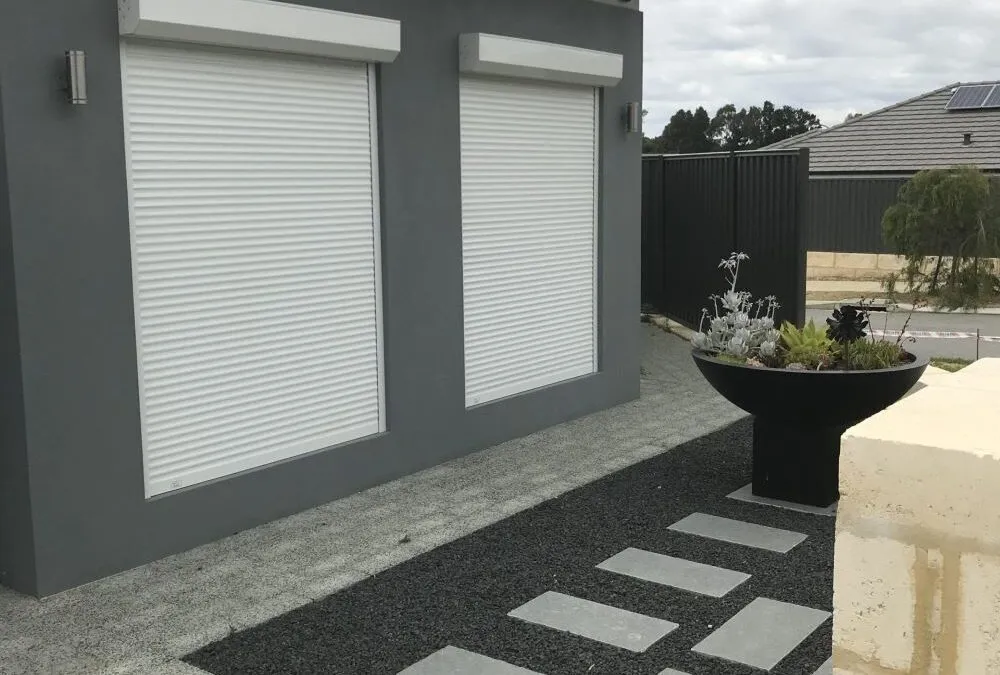
Outdoor shutters are more than decorative accents; they are functional exterior panels that can improve privacy, security, weather protection, and airflow control while adding character to a home. If you are researching what are the different types of outdoor shutters, it helps to look beyond style alone and compare how each option performs in real-world conditions. Homeowners, builders, and renovators often need a balance of appearance, durability, and maintenance, especially when choosing shutters for coastal homes, hot inland climates, or heritage-style properties. This guide explains the main shutter styles, materials, mounting options, and design considerations so you can make a practical, informed choice for your exterior windows. If you are comparing product ranges, you may also want to explore our guide to types of roller shutters for a broader exterior protection comparison.
Introduction to Outdoor Shutters
Outdoor shutters are installed on the exterior of windows, and in some cases doors, to provide a combination of function and curb appeal. Historically, they were used for weather protection and ventilation before modern glass and air conditioning became common. Today, they still play an important role in passive cooling, privacy enhancement, security, and visual symmetry. The best shutters are not only attractive; they are suited to the building envelope, climate, and architectural style of the home.
One of the most useful benefits is airflow control. Louvred and plantation-style designs allow breeze to pass through while reducing direct sun, which can help keep rooms more comfortable. Solid-panel or board-style shutters, by contrast, focus more on privacy and protection than ventilation. That distinction matters when you are selecting shutters for living spaces, bedrooms, or homes exposed to strong weather. If you are unsure where to start, our outdoor window shutters in Perth resource is a useful starting point for local homeowners.
It also helps to understand that not all exterior shutters are purely decorative. Some are fixed in place as exterior panels, while others are hinged or operable. The right choice depends on whether you want shade, storm protection, architectural balance, or a combination of all three. In warmer regions, shutters can reduce glare and heat gain. In storm-prone areas, stronger styles can provide extra protection. In heritage or classic homes, shutters can restore proportion and visual harmony while still serving a practical purpose.
For homeowners comparing broader shading options, outdoor shutters sit alongside awnings, café blinds, and roller systems. Each solution has different strengths, and the best outcome usually comes from matching the product to the climate, use case, and desired look.
Popular Types of Outdoor Shutters
There are several types of outdoor shutters, and each has a distinct balance of style, performance, and maintenance needs. Some are better suited to traditional façades, while others are designed for tropical shade, storm resistance, or modern simplicity. Below is a detailed look at the most common styles and how they are used.
Louvered Shutters – Design and Function
Louvered shutters are one of the most recognisable outdoor shutter styles. They use horizontal slats, called louvers, arranged at an angle to allow air and light to pass through while reducing direct visibility into the home. The angle of the slats, known as louver pitch, affects both airflow and shade. A steeper pitch may block more light, while a shallower angle may encourage more ventilation. This makes louvered shutters a practical choice where natural airflow matters.
From a design perspective, louvered shutters suit Colonial, Georgian, and Mediterranean homes especially well. They create a light, refined appearance that feels balanced rather than bulky. Fixed louvered shutters are simpler and lower maintenance, while operable versions offer more flexibility if you want to adjust the look or function. They are often chosen for living rooms, facades facing the street, and homes that need privacy without appearing closed off.
In everyday use, louvered shutters can soften afternoon sun and reduce glare while still letting breezes move through. This makes them valuable in warm climates where ventilation is a priority. They are not the best option if you want full blackout-style coverage, but they excel at combining style with moderate environmental control.
Raised Panel Shutters – Traditional Appeal
Raised panel shutters use solid panels with recessed or raised detailing, giving them a formal, traditional look. They are commonly used on Colonial, Federal, and Victorian-style homes where symmetry and architectural detail matter. Because the panels are solid, these shutters provide stronger visual privacy and a more substantial barrier against sun and wind than louvered designs.
Their biggest advantage is timeless appeal. Raised panel shutters can make a façade feel more grounded and finished, particularly on homes with formal proportions. They also tend to be a strong choice for homeowners who prefer a classic exterior without the busier look of slats. That said, the trade-off is reduced ventilation. If airflow is important, another shutter type may be more practical for active everyday use.
Board and Batten Shutters – Rustic Durability
Board and batten shutters are made from vertical boards held together by horizontal or diagonal battens. This simple construction creates a rustic, handcrafted look that works well on farmhouse-style homes, cottages, coastal properties, and country architecture. Because the design is straightforward and robust, these shutters are often associated with strength and durability.
For practical use, board and batten shutters are particularly effective in homes exposed to wind, rain, or salty air when they are made from suitable materials. Their solid form gives good privacy and can help shield windows from harsh conditions. In a coastal setting, they also suit the relaxed, weathered appearance many homeowners want. For more detail on longevity and performance, see our guide on board and batten shutters durability.
These shutters are less about airflow and more about dependable coverage. If you want the most visually rugged shutter option and value a strong, simple profile, board and batten is often an excellent fit.
Bahama Shutters – Tropical Weather Shields
Bahama shutters are hinged at the top and open outward from the bottom, creating an awning-like angle. This design is especially popular in coastal and tropical climates because it shades windows, helps reduce solar heat gain, and offers a degree of rain protection. The downward-facing louver angle also supports airflow while limiting direct sun.
Bahama shutters are often associated with relaxed, resort-style architecture. They can give a home a distinctive island feel while also serving a practical purpose during hot weather. In many homes, they are used on windows that receive intense afternoon sun. They are particularly effective when the goal is to reduce glare without fully blocking the view or sealing the window completely.
Because they project outward, Bahama shutters need enough clearance above the window and appropriate hardware. When specified correctly, they can be both elegant and highly functional.
Bermuda Shutters – Unique Ventilation and Shade
Bermuda shutters are similar to Bahama shutters but typically hinge at the bottom and tilt upward from the top. This creates a unique profile and provides shade while still encouraging air movement. They are often used in warm climates where sun control is essential but complete enclosure is not required.
The main appeal of Bermuda shutters is their mix of visual interest and useful performance. They can add a relaxed, coastal feel to a property while improving comfort in rooms that get strong light. In terms of airflow, they perform well because the angled opening allows breezes to move through while helping block direct sun. They may be less common than Bahama shutters, but they are a distinctive option for homeowners who want something a little different.
Plantation Shutters for Outdoor Use
Plantation shutters are known for their wide louvers and polished look. While many people associate them with interior use, outdoor versions can work well when built from weather-resistant materials. Their broad slats provide strong light control and a refined appearance, making them suitable for homes that need both functionality and elegance.
Outdoor plantation shutters are especially useful where homeowners want a design that feels substantial without being overly heavy. They can be configured for an inside mount, where the shutter fits within the window recess, or an outside mount, where it sits on the wall surface around the opening. An inside mount gives a more integrated look, while an outside mount can provide greater flexibility for unusual openings or deeper hardware clearance. If you are comparing finish options, our shutters for coastal homes guide may help with material selection and weather exposure planning.
These shutters suit homeowners who want a blend of architecture, airflow, and shade control. Their wider louvers can also make cleaning and maintenance easier than finer-slatted designs, depending on the finish and material used.
Roller Shutters – Heavy-Duty Protection
Roller shutters are a different category from traditional exterior shutters, but they are often considered in the same decision process. They provide strong coverage by rolling down over the opening, making them ideal for security, storm protection, and insulation. Roller shutters can be operated manually or mechanically, and modern systems also include motorized options for added convenience. That mechanical vs manual distinction is important: manual shutters are often simpler and lower cost, while motorized shutters are easier to use on larger openings or multiple windows.
Most roller shutters are made from aluminium or steel, and many include insulated slats to improve thermal performance. They are a practical solution where privacy and protection are top priorities. While they have a more utilitarian look than decorative shutters, they excel in environments where strength matters more than visual softness. If you are deciding between traditional styles and performance-driven products, it helps to compare design intent as well as security levels.
For homeowners who want a deeper comparison of protection systems, our guide on roller shutters Perth explains local product considerations in more detail.
Choosing the right style often comes down to the balance between appearance, ventilation, and protection. In many projects, the best result comes from matching the shutter type to the home’s architecture rather than treating all shutters as interchangeable.
Materials Used for Outdoor Shutters and Their Impact
Material choice has a major impact on how a shutter performs over time. It affects durability, maintenance, weight, appearance, and how well the shutter withstands UV exposure, rain, humidity, and salt air. A beautiful style can still be the wrong fit if the material cannot cope with the climate. That is why homeowners should consider not only the look of the shutter, but also how much upkeep they are willing to manage. For helpful upkeep guidance, see our maintenance tips for outdoor shutters.
| Material | Description | Pros | Cons |
|---|---|---|---|
| Wood | Traditional choice using hardwoods such as cedar, meranti, or mahogany, often painted or stained for exterior use. | Natural appearance, excellent customisation, strong visual warmth, easy to tailor to heritage homes. | Needs regular sealing or painting, can warp or swell in moisture, vulnerable to rot and insects if neglected. |
| Vinyl | Cost-effective synthetic material that can be solid or hollow, usually used for low-maintenance applications. | Affordable, easy to clean, resists moisture, suitable for humid or rainy environments. | Can fade or discolour under harsh UV, may look less authentic, limited repairability if damaged. |
| Composite | Engineered blend of wood fibres and synthetic binders designed to improve stability and weather resistance. | Strong durability, lower maintenance than wood, resists warping and rot, good all-round performance. | Often costs more than vinyl, finish options may be narrower, quality varies by product. |
| Metal | Usually aluminium or steel, often powder-coated for improved corrosion resistance and long-term outdoor use. | High strength, modern appearance, excellent security potential, durable when properly coated. | Can dent or scratch, may feel more industrial, thermal performance depends on construction and coating. |
In practical terms, wood remains a strong choice for character homes where authenticity is important, but it requires routine care. Vinyl is often chosen for budget-friendly projects where low maintenance is the priority. Composite is the middle-ground option for homeowners who want a more durable finish without the upkeep burden of timber. Metal suits security-focused applications and can work well when a sharper, contemporary look is acceptable.
Climate should guide the final decision. In coastal areas, salt and humidity place pressure on finishes and fasteners, so weatherproof materials with strong UV resistance are usually the safest long-term option. Inland homes with strong sun may also benefit from lighter colours and UV-stable coatings. In any setting, quality installation and regular inspection are just as important as the base material itself.
Mounting Types and Architectural Compatibility
Mounting method affects both appearance and function. It also influences how the shutter interacts with the surrounding façade, window recess, and frame depth. The two most common approaches are inside mount and outside mount.
Inside Mount vs. Outside Mount – Functional Differences
- Inside Mount: Shutters are fitted within the window frame or recess for a neat, built-in look. This is useful where the opening has enough depth and where you want the shutter to feel integrated with the architecture. On the downside, it may reduce size flexibility and limit hardware clearance.
- Outside Mount: Shutters are fixed to the wall around the window opening. This option is more flexible for shallow frames, oversized shutters, or non-standard openings, and it can create stronger visual emphasis on the façade.
In practice, inside mounts are often chosen for cleaner lines, while outside mounts are selected when the window shape, wall depth, or design effect calls for more freedom. The best option depends on both the building structure and the visual outcome you want.
Matching Shutters with Architectural Styles:
- Colonial: Symmetry and proportion are key. Louvered and Raised Panel shutters are often the best fit, especially in traditional colours like black, white, or deep green.
- Mediterranean: Stucco walls, arches, and warm tones pair well with Bahama and Plantation shutters. These styles support shade and a relaxed, elegant exterior.
- Coastal: Coastal homes need strong weather tolerance and easy maintenance. Board and Batten or Bahama shutters in composite, vinyl, or coated metal can perform well while maintaining a relaxed appearance. For homes near the coast, consider our shutters for coastal homes guide for more material and exposure advice.
When shutter style and architecture work together, the home feels more cohesive. This is one reason shutters are often treated as both a design and performance decision rather than just an accessory choice.
Advantages and Disadvantages of Each Shutter Type
Every shutter type comes with trade-offs. The right option depends on whether you prioritise ventilation, privacy, durability, maintenance complexity, or visual impact. A style that works beautifully in one climate or on one home may be less suitable in another.
| Shutter Type | Advantages | Disadvantages |
|---|---|---|
| Louvered | Excellent airflow, classic style, adjustable light control, lighter visual profile. | Louvers can gather dust and debris, privacy is moderate rather than complete, maintenance is more detailed if operable. |
| Raised Panel | Strong privacy, timeless look, solid protection from sun and wind, suits formal façades. | No ventilation, heavier appearance, can be costly in timber, less flexible for airflow control. |
| Board and Batten | Highly durable in many applications, rustic charm, strong weather protection, simple construction can improve longevity. | Bulkier look, less refined for formal homes, limited ventilation, finish quality matters in harsh climates. |
| Bahama | Good shade, rain deflection, tropical style, helps reduce heat gain, supports airflow when open. | Needs correct clearance and hinges, can obstruct views, less privacy than solid shutters. |
| Bermuda | Distinctive appearance, good shade, useful in warm climates, allows breezes through the opening. | More niche style, may not suit every façade, limited protection compared with fully solid designs. |
| Plantation | Wide louvers offer attractive light control, elegant and versatile, adaptable to various window types, strong visual appeal. | Needs weather-resistant materials outdoors, maintenance complexity rises with paint, hardware, and exposure, not ideal if full enclosure is the main goal. |
Climate suitability is often the deciding factor. For example, board and batten shutters can feel ideal for a coastal cottage because they are durable and visually grounded, while louvered shutters may be better in a milder urban setting where ventilation and style matter most. Plantation shutters can also work well when you want broader louvers and a more refined look, but they should be specified carefully for outdoor exposure.
.
Practical Applications and Design Considerations
Choosing shutters is not only about the shutter itself; it is about the job the shutter needs to do. Some homes need privacy without losing light. Others need storm resilience, sun control, or a stronger visual connection to a certain architectural style. In many cases, the best answer comes from matching the shutter type to a real use case rather than relying on one style for every window.
Which Shutter Style Works Best for Privacy?
Raised Panel and Board and Batten shutters usually provide the strongest privacy because their solid construction blocks direct views into the home. Louvered and Plantation shutters offer a middle ground, letting some light and airflow through while still reducing visibility. Bahama and Bermuda shutters are better for shade and weather protection than full privacy, especially when open.
Shutter Choices for Security Needs (excluding roller shutter details)
Traditional shutters can improve perceived security by making windows less exposed and less accessible. Solid-panel options and metal shutters provide more physical resistance than decorative slatted styles. That said, their security function is usually secondary to purpose-built systems. If maximum protection is the priority, traditional shutters should be compared with roller shutters or other dedicated security products.
Weather Protection and Ventilation Benefits by Style
Bahama and Bermuda shutters are strong choices for hot, sunny, and coastal conditions because they combine shade with airflow. Board and Batten shutters are often chosen where storm resistance and a rugged appearance matter more than ventilation. Louvered shutters help reduce heat while still allowing breezes through, and Plantation shutters can offer a more elegant version of the same idea.
Practical Use Cases Beyond Coastal Homes
Consider a heritage-style townhouse in a city fringe suburb: louvered shutters can keep the façade in proportion while adding subtle ventilation. A rural farmhouse may benefit from board and batten shutters in a hardy composite finish that handles dust, rain, and sunlight. A Mediterranean-inspired villa in a hot inland area may suit Bahama shutters that control glare while preserving airflow and character.
Another common scenario is a family home facing strong western sun. In that case, plantation or Bahama shutters can be used to reduce afternoon heat, while inside or outside mount decisions are made based on frame depth and wall construction. These practical combinations show why shutter selection should always consider climate, design, and daily use together.
Brief Comparison with Roller Shutters
Roller shutters deserve a brief comparison because they serve a similar purpose in some situations but operate very differently. Traditional outdoor shutters are usually chosen for appearance, light control, and moderate weather protection. Roller shutters are engineered more for security, insulation, and full coverage.
Functional Differences and When to Choose Outdoor Shutters Instead
Roller shutters typically offer stronger mechanical protection, with manual or motorized operation depending on the system. Manual roller shutters are generally simpler and more budget-friendly, while motorized versions provide convenience for larger or multiple windows. Traditional outdoor shutters, by contrast, rely more on fixed or hinged panels and are often preferred when maintaining architectural authenticity or a lighter visual profile matters.
If you need maximum security, insulation, or storm closure, roller shutters are often the better fit. If you want style, natural airflow, and exterior character, outdoor shutters are usually the better choice. Many homeowners compare both options before deciding because they solve overlapping but different problems.
Why This Guide Focuses on Traditional and Decorative Shutters
This guide focuses on the visual and practical variety of exterior shutters that enhance a home’s appearance while still delivering real functional benefits. For readers who are still weighing decorative shutters against more performance-driven systems, our article on choosing the right outdoor roller shutters can help narrow the decision further.
For broader exterior comfort options, you may also want to compare shutter solutions with outdoor shading solutions in Perth, especially if your project includes patios or alfresco areas.
Summary and Next Steps in Shutter Selection
Selecting the right outdoor shutters comes down to balancing style, climate, budget, and maintenance expectations. Louvered shutters are ideal for airflow and a classic appearance. Raised Panel shutters offer a solid traditional look with strong privacy. Board and Batten shutters suit rustic, coastal, and weather-exposed settings. Bahama and Bermuda shutters are practical for shade in hot climates. Plantation shutters provide a refined middle ground, while roller shutters are best for heavy-duty protection and security.
Material selection is just as important. Wood suits character homes but needs regular care. Vinyl offers a low-maintenance, budget-friendly option. Composite provides a durable balance of performance and upkeep. Metal is often chosen when security and strength are key. The best result usually comes from matching the shutter to both the building and the climate, rather than choosing purely on appearance.
If you are comparing options now, take the next step by reviewing product ranges, asking about mounting requirements, and speaking with an expert about your window sizes and exposure levels. You can also explore our maintenance tips for outdoor shutters and contact our team for guidance on the best fit for your home. If you are ready to move forward, request a quote and compare the most suitable styles side by side.
Need help choosing the right shutters? Browse the range, compare finishes, or contact a specialist to find the best combination of style, durability, and performance for your home.
Author bio: This article is prepared by the Smarter Outdoors content team, drawing on product knowledge, installation considerations, and practical exterior shading experience for Australian homes and climates.
Frequently Asked Questions
What are the main types of outdoor shutters and their uses?
The main types include louvered, raised panel, board and batten, Bahama, Bermuda, plantation, and roller shutters. Each serves a different purpose, from airflow and shade to privacy, weather protection, and security. The best choice depends on your home style, climate, and performance priorities.
Which materials are best for outdoor shutters in coastal climates?
Composite, vinyl, and powder-coated aluminium are usually the best choices in coastal climates because they resist salt air, moisture, and UV exposure better than untreated timber. If you want timber, choose a properly sealed hardwood and commit to regular maintenance and inspections.
How do louvered shutters differ from plantation shutters?
Louvered shutters typically have narrower slats and a lighter visual profile, while plantation shutters use wider louvers for stronger light control and a more substantial appearance. Both can improve airflow, but plantation shutters often feel more refined and are easier to use for broader shading control.
What are the benefits of inside mount vs. outside mount shutter installation?
Inside mount shutters fit neatly within the window recess for a built-in look, which suits clean architectural lines. Outside mount shutters attach to the wall around the opening, giving more flexibility for shallow frames, oversized shutters, and stronger visual emphasis on the façade.
Can outdoor shutters help improve my home’s energy efficiency?
Yes, outdoor shutters can reduce heat gain by shading the glass before sunlight reaches the window. Styles with louvers also help manage airflow, which can reduce reliance on cooling systems. The effect is strongest when the shutters suit the window orientation and local climate.
How much maintenance do wood outdoor shutters require compared to vinyl?
Wood shutters usually need the most care. They should be inspected regularly and repainted or resealed to protect against moisture, UV damage, and warping. Vinyl shutters are far lower maintenance, typically needing only occasional washing to remove dirt, pollen, and surface grime.
Are outdoor shutters suitable for irregularly sized or shaped windows?
Yes, many outdoor shutters can be custom-made for arches, tall windows, narrow openings, and other irregular shapes. Outside mount options are especially helpful because they offer more flexibility with sizing and placement. Custom measuring is important to maintain both function and visual balance.
When should I choose traditional outdoor shutters over roller shutters?
Choose traditional outdoor shutters when you want style, airflow, and architectural character to remain visible. Roller shutters are better when security, insulation, and full coverage are the priority. In many homes, the decision comes down to whether appearance or maximum protection matters more.
What are outdoor shutters?
Outdoor shutters are exterior panels fitted to windows or doors to improve privacy, manage sunlight, support airflow, and add weather protection. They come in a wide range of styles and materials, allowing homeowners to choose a solution that suits both the building and the climate.