
Cyclone vs Standard Shutters: Essential Protection for Perth Homes
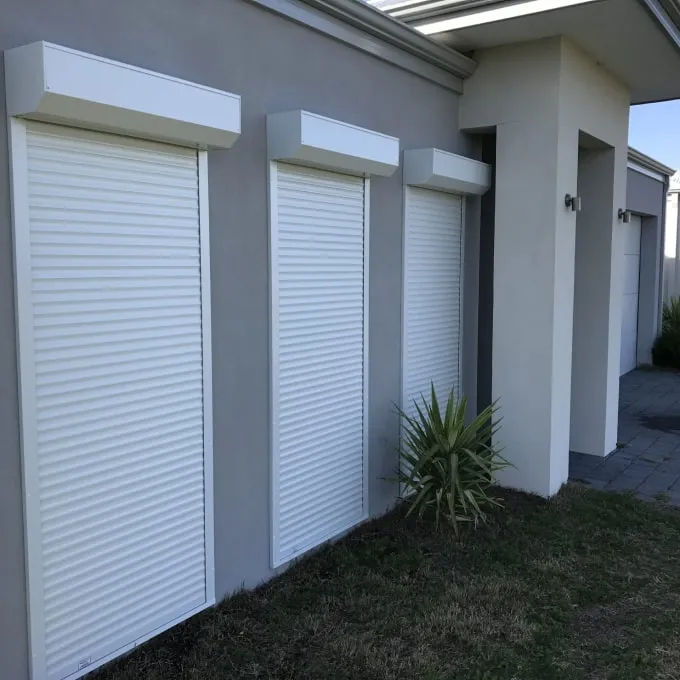
Choosing between cyclone and standard shutters is crucial for protecting Perth homes against extreme weather. With Perth’s unique cyclone wind zone classifications and stringent building codes, understanding how shutter sizes and materials influence safety can save lives and property. This comprehensive guide unpacks the functional differences between shutter types, focusing on relevant cyclone protection standards and practical sizing advice to help homeowners make informed decisions.
Cyclone Roller Shutters are typically constructed from heavy-gauge aluminium or galvanized steel with reinforced slats and secure fixings, and are tested and certified to relevant Australian cyclone protection standards to achieve required wind and impact ratings.
Understanding Cyclone and Standard Shutters: Definitions and Core Features
What Are Cyclone Roller Shutters?
Cyclone roller shutters are specially engineered window and door protectors designed to withstand the severe wind loads and flying debris typical of cyclonic events. Constructed from robust materials like heavy-gauge aluminium or galvanized steel, they feature reinforced slats and secure fixing systems to maintain structural integrity under high-pressure scenarios. These shutters are tested to meet Australian cyclone protection standards and typically incorporate locking mechanisms to prevent forced entry during storms.
What Are Standard Window Shutters?
Standard window shutters are commonly used for aesthetic appeal, privacy, and basic weather protection but lack reinforced construction for cyclone resistance. Usually made from lighter aluminium, timber, or composite materials, these shutters offer minimal wind load resistance and are not tested against cyclone-category forces. While they can deter casual break-ins and provide sun shading, their protective capabilities during Perth’s cyclonic wind events are limited.
Key Material Differences: Aluminium, Steel, and Composite
The material type plays a pivotal role in shutter performance.
- Aluminium: Favoured for its corrosion resistance and lightweight characteristics, cyclone-rated aluminium shutters often feature thick gauge profiles ensuring high wind load resistance. Standard aluminium shutters, however, use thinner materials better suited for non-cyclonic applications.
- Steel: Steel shutters offer superior strength and impact resistance but are heavier and require protective coatings to prevent corrosion, especially in Perth’s coastal environment. They’re often the material of choice for large cyclone-rated shutters where extra rigidity is needed.
- Composite: These shutters combine materials (like PVC with aluminium reinforcement), offering good durability but generally do not meet cyclone-rated standards unless specially engineered.
Typical Sizes and Dimensions Available for Both Types
Shutter sizes vary widely to accommodate the diverse window and door dimensions found in Perth homes. Standard shutters are commonly available in sizes ranging from 600mm to 1800mm wide and up to 2400mm in height.
Cyclone shutters, by design, often have more precise sizing categories dictated by Australian standards and engineering calculations to ensure compliance with cyclone wind classifications. They may range from small single-window sizes (~600mm x 900mm) to very large door and pavilion-sized openings exceeding 3000mm wide, though larger sizes may require specialized reinforcement or custom manufacturing.
Understanding these core differences in shutter types, materials, and sizes sets the foundation for exploring how each protects homes during cyclonic events — a critical consideration as we review Perth’s regulatory framework.
Cyclone Protection Standards and Regulatory Compliance in Perth
Overview of WA Cyclone Wind Zone Classifications
The Western Australian government categorizes regions into cyclone wind zones — typically A, B, C, and D — based on historical cyclone activity and expected wind gust speeds. Perth and surrounding areas mostly fall within wind zones B and C, which correspond to ultimate wind speeds between 45m/s and 60m/s, requiring homes to meet enhanced structural safety standards compared to non-cyclone zones.
Australian Cyclone Protection Standards Relevant to Shutters
The primary reference standard is AS/NZS 4505:1997, which outlines testing methods and performance requirements for cyclone-resistant shutters. It defines classifications based on wind pressure resistance and debris impact resistance. Cyclone shutters must pass stringent tests such as ultimate limit state (ULS) wind loading and missile impact to ensure survival during a Category 3 or higher cyclone event.
How Shutter Sizes Affect Compliance with Cyclone Ratings
Shutter performance under cyclone conditions scales critically with size. Larger shutters must resist proportionally higher wind loads across increased surface areas, which translates to requirements for thicker materials, reinforced fixings, and sometimes segmented shutter designs to avoid failure. For instance, a 1800mm wide cyclone-rated shutter for a typical window will have a different load rating and structural design compared to a 3000mm wide sliding door shutter.
Non-compliant sizes or oversized standard shutters that do not meet these criteria risk catastrophic failure in Perth’s cyclone-prone zones.
Building Code Requirements for Home Safety in Perth
The Building Code of Australia (BCA) incorporates requirements for cyclone-resistant building elements in designated wind zones. It mandates that window and door shutters used in wind zones B and above must comply with appropriate Australian standards, verified by product certification and often requiring engineer sign-off for custom sizes.
Failure to comply may impact insurance coverage and expose homeowners to significant risks during cyclones.
For a more detailed explanation of the regulatory landscape and legal requirements, see our Cyclone Shutter Regulations WA: A Comprehensive Guide, which breaks down compliance nuances specific to Western Australia.
With this regulatory background, we can now explore how the performance of cyclone and standard shutters diverge under Perth’s extreme weather scenarios.
Performance Comparison: Cyclone vs Standard Shutters under Extreme Weather
Wind Load Resistance and Structural Integrity by Shutter Type
Cyclone roller shutters outperform standard shutters in engineered wind load resistance. Tested to withstand pressures up to 3kPa and resist impact from flying debris (e.g., timber missiles of 4.1kg at 20m/s), cyclone shutters maintain integrity without deformation or detachment.
Standard shutters, conversely, often fail at significantly lower pressures (around 0.5 to 1kPa), with common failure modes including frame bending, panel buckling, or complete blow-off. These failures compromise both safety and house security.
Impact of Shutter Size on Protection Level and Failure Risk
Shutter size directly impacts performance — as the exposed surface area grows, wind forces increase exponentially. For example:
- A 900mm x 1200mm cyclone-rated aluminium shutter may resist up to a Category 3 cyclone gust,
- But scaling up to 3000mm x 2400mm requires stronger materials, additional ribs, or multiple mounting points to distribute load and prevent failure.
Standard shutters scaled to similar sizes rarely incorporate necessary reinforcement, increasing risks of failure in Perth’s cyclone wind zones.
Real-World Scenario Analysis: Different Window/Door Sizes in Perth
Consider a two-storey Perth home with a 1500mm x 2000mm sliding door and several 900mm x 1200mm windows:
- Cyclone shutters custom sized for each opening ensure compliance and safety; the larger door shutter uses steel with reinforced aluminium tracks for high wind resistance.
- Standard shutters on similar-sized openings might be economical but offer nominal cyclone protection, exposing the home to infiltration risks and damage.
- Post-cyclone assessments show cyclone shutters typically remain intact with minor cosmetic wear, whereas standard shutters often sustain panel damage or are ripped entirely from fixings.
For those seeking the ultimate cyclone roller shutters for WA homes, our detailed review provides comprehensive insights.
Side-by-Side Feature Table: Protection, Durability, and Longevity
| Feature | Cyclone Roller Shutters | Standard Window Shutters |
|---|---|---|
| Material Thickness and Strength | Heavy-duty aluminium/steel; engineered profiles | Light-gauge aluminium, timber, or composite |
| Wind Load Resistance | Rated up to Category 5 cyclone forces (~70m/s) | Below Category 1 cyclone standards |
| Impact Resistance | Tested for missile impact per AS/NZS 4505 | Not impact rated |
| Size Range | Custom sizes up to large openings with certification | Standardised ranges; limited large-size options |
| Durability and Lifespan | 10–20 years under cyclone conditions | 5–10 years with weather wear |
| Compliance | Fully compliant with WA cyclone regulations | Generally non-compliant in cyclone zones |
Transitioning to practical guidance, let’s examine how homeowners should measure and select shutters tailored for their Perth properties.
Selecting the Right Shutter Size and Type for Perth Homes
Measuring Windows and Doors for Optimal Protection
Accurate measurement is pivotal for cyclone compliance and effective shutter performance:
- Measure the external width and height of the window or door frame, considering any protrusions like architraves.
- Allow for a mounting overlap of at least 50mm on each side, as recommended by industry standards.
- Double-check for irregular shapes or non-standard openings which may require custom solutions.
Correct sizing reduces wind gaps and load stress, enhancing cyclone resistance.
Matching Shutter Sizes to Cyclone Categories and Home Types
Choosing shutters with size and material specifications aligned to the local cyclone category is critical: When considering shutter material strength and size trade-offs, similar to choices made for outdoor solutions such as Clear PVC café blinds in Perth, homeowners must assess protection against UV and weather alongside durability.
- For wind zone B or C, shutters up to 1800mm width typically achieve certified protection with standard cyclone-rated profiles.
- Larger openings (over 2000mm) may necessitate steel construction or multi-panel designs to maintain compliance.
- High-risk properties or homes close to coastal cyclone paths require shutters rated for Category 4 or 5, often involving bespoke sizing and engineering.
Ensuring the correct size and type is only the first step; professional cyclone shutter installation in Perth guarantees optimal protection and compliance.
Material Strength and Size Trade-offs: What Works Best Where
As shutter width and height grow, material strength must increase to withstand wind loads without excessive flex or risk of failure:
- Aluminium cyclone shutters offer excellent lightweight strength up to medium sizes; beyond 2400mm widths, steel reinforcement is often recommended.
- Steel shutters provide the required rigidity for wide doors or expansive windows but bring installation and weight considerations.
- Composite materials are seldom cyclone certified for large sizes due to inconsistent load resistance.
Considerations for Larger Openings and Custom Sizes
Custom shutters for unusually large or irregular openings can be cyclone compliant if engineered and tested per Australian standards. Challenges include ensuring:
- Appropriate bracing and fixing points to distribute wind loads.
- Maintaining missile impact resistance without sacrificing operability or aesthetics.
- Consultation with certified manufacturers or engineers to verify compliance for unique sizes.
Optimal shutter selection aligns size, material, and cyclone category for maximum home safety and regulatory adherence.
Understanding size and type interplay naturally leads to evaluating financial trade-offs and lifecycle considerations.
Cost, Lifespan, and Value: Evaluating Investment in Protection
Cost Comparison: Cyclone Roller Shutters vs Standard Shutters
Cyclone roller shutters command higher upfront costs due to reinforced materials, testing, and often custom sizing. Average Perth market prices (2024 estimates) show:
- Cyclone shutters: $500–$1500 per square metre depending on size and material.
- Standard shutters: $200–$600 per square metre, typically off-the-shelf sizes.
Despite the initial premium, cyclone shutters provide essential protection that can prevent extensive storm damage.
Expected Lifespan and Durability Under Perth Weather Conditions
Cyclone-rated shutters feature corrosion-resistant coatings and robust construction yielding 10–20 years of effective life, verified by field data from WA installers. Standard shutters, often lacking protective finishes and structural reinforcement, may degrade within 5–10 years, especially near coastal salt-air environments.
Long-Term Savings from Compliance and Damage Prevention
Investing in compliant cyclone shutters reduces risks of costly repairs to windows, frames, and interiors after cyclone events. Additionally, insurance companies increasingly offer premium discounts for verified cyclone protection installations, offsetting upfront costs. According to the Insurance Council of Australia, homes with appropriate cyclone shutters can see up to 15% reductions in cyclone-related claim payouts.
Homeowners should weigh: the risk and potential financial loss from non-compliance or substandard protection. This balanced approach parallels the long-term value of durable outdoor shading solutions, which also prioritize lifespan and functionality to maximize investment returns.
Maximising lifespan and value also depends on proper upkeep — learn essential maintenance tips for cyclone shutters in Perth to safeguard your investment.
Having covered cost-value considerations, we now address common questions homeowners face when choosing shutters for cyclone-prone Perth.
Frequently Asked Questions and In-depth Concerns
Are Standard Shutters Ever Suitable for Cyclone Zones in Perth?
Standard shutters may be suitable in low wind zones (A or less), typically outside cyclone risk areas. However, for Perth’s B and C zones, relying on standard shutters poses significant safety risks as they generally do not meet building code or cyclone standards.
How Do Size Limitations Affect Cyclone Shutter Choices?
Shutter size influences structural design and material selection. Larger sizes require stronger materials, more fixings, and sometimes segmented or multi-panel shutters to maintain cyclone compliance.
Can Standard Shutters be Upgraded for Cyclone Compliance?
While some retrofit upgrades exist, such as reinforcing frames or adding support braces, most standard shutters cannot be fully upgraded to cyclone ratings. Replacing with certified cyclone roller shutters is often the recommended approach to ensure compliance and safety.
What Are the Risks of Undersized or Incorrectly Rated Shutters?
Using undersized or non-rated shutters increases the risk of shutter deformation, panel blow-off, and window breakage during cyclone-force winds. This compromises home security, invites water ingress, and can result in significant property damage and personal injury.
Frequently Asked Questions
What are the main functional differences between cyclone shutters and standard shutters?
Cyclone shutters are engineered to withstand high wind pressures and debris impacts typical in cyclones, featuring reinforced materials and strict Australian testing. Standard shutters offer basic privacy and shading but lack the strength and certification for cyclone resistance, making them insufficient for extreme weather protection.
How do shutter sizes influence their ability to protect against cyclones?
Larger shutters face exponentially greater wind loads, requiring stronger materials, additional reinforcement, or segmented designs to maintain structural integrity. Proper sizing aligned with cyclone categories ensures shutters resist wind pressure and debris impact without failure during severe weather.
Why is building code compliance important for cyclone shutters in Perth?
Compliance ensures shutters meet mandated wind load and impact resistance standards, protecting homes against damage and personal injury. Non-compliance may void insurance claims and increase the risk of shutter failure in Perth’s cyclone-prone zones.
Can installing cyclone shutters improve home insurance conditions?
Yes, many insurers offer premium discounts or better coverage terms for homes fitted with certified cyclone shutters, as they reduce cyclone-related damage risks and claims, providing long-term financial benefits to homeowners.
Which materials are best suited for large cyclone-rated shutters?
Steel is preferred for large openings due to its superior strength and rigidity, often combined with aluminium reinforcement. Aluminium works well for small to medium sizes, while composite materials generally lack the necessary certification for large cyclone shutters.
Is it possible to custom-size cyclone shutters for irregular window or door shapes?
Yes, custom-sized cyclone shutters can be engineered to meet Australian standards, with appropriate bracing and fixings to ensure wind load resistance and missile impact protection, verified by certified manufacturers or engineers.
How do cyclone shutters compare to standard shutters in terms of longevity?
Cyclone shutters typically last 10 to 20 years due to robust materials and coatings, while standard shutters usually last 5 to 10 years, often degrading faster under harsh weather and coastal salt environments.
What is the impact of incorrect shutter sizing on cyclone protection?
Incorrect sizing can cause excessive stress, deformation, or shutter detachment during a cyclone, compromising window protection and increasing risks of water ingress, property damage, and personal injury.
“`
Choosing between cyclone and standard shutters is crucial for protecting Perth homes against extreme weather. With Perth’s unique cyclone wind zone classifications and stringent building codes, understanding how shutter sizes and materials influence safety can save lives and property. This comprehensive guide unpacks the functional differences between shutter types, focusing on relevant cyclone protection standards and practical sizing advice to help homeowners make informed decisions.
Cyclone Roller Shutters are typically constructed from heavy-gauge aluminium or galvanized steel with reinforced slats and secure fixings, and are tested and certified to relevant Australian cyclone protection standards to achieve required wind and impact ratings.
Understanding Cyclone and Standard Shutters: Definitions and Core Features
What Are Cyclone Roller Shutters?
Cyclone roller shutters are specially engineered window and door protectors designed to withstand the severe wind loads and flying debris typical of cyclonic events. Constructed from robust materials like heavy-gauge aluminium or galvanized steel, they feature reinforced slats and secure fixing systems to maintain structural integrity under high-pressure scenarios. These shutters are tested to meet Australian cyclone protection standards and typically incorporate locking mechanisms to prevent forced entry during storms.
What Are Standard Window Shutters?
Standard window shutters are commonly used for aesthetic appeal, privacy, and basic weather protection but lack reinforced construction for cyclone resistance. Usually made from lighter aluminium, timber, or composite materials, these shutters offer minimal wind load resistance and are not tested against cyclone-category forces. While they can deter casual break-ins and provide sun shading, their protective capabilities during Perth’s cyclonic wind events are limited.
Key Material Differences: Aluminium, Steel, and Composite
The material type plays a pivotal role in shutter performance.
- Aluminium: Favoured for its corrosion resistance and lightweight characteristics, cyclone-rated aluminium shutters often feature thick gauge profiles ensuring high wind load resistance. Standard aluminium shutters, however, use thinner materials better suited for non-cyclonic applications.
- Steel: Steel shutters offer superior strength and impact resistance but are heavier and require protective coatings to prevent corrosion, especially in Perth’s coastal environment. They’re often the material of choice for large cyclone-rated shutters where extra rigidity is needed.
- Composite: These shutters combine materials (like PVC with aluminium reinforcement), offering good durability but generally do not meet cyclone-rated standards unless specially engineered.
Typical Sizes and Dimensions Available for Both Types
Shutter sizes vary widely to accommodate the diverse window and door dimensions found in Perth homes. Standard shutters are commonly available in sizes ranging from 600mm to 1800mm wide and up to 2400mm in height.
Cyclone shutters, by design, often have more precise sizing categories dictated by Australian standards and engineering calculations to ensure compliance with cyclone wind classifications. They may range from small single-window sizes (~600mm x 900mm) to very large door and pavilion-sized openings exceeding 3000mm wide, though larger sizes may require specialized reinforcement or custom manufacturing.
Understanding these core differences in shutter types, materials, and sizes sets the foundation for exploring how each protects homes during cyclonic events — a critical consideration as we review Perth’s regulatory framework.
Cyclone Protection Standards and Regulatory Compliance in Perth
Overview of WA Cyclone Wind Zone Classifications
The Western Australian government categorizes regions into cyclone wind zones — typically A, B, C, and D — based on historical cyclone activity and expected wind gust speeds. Perth and surrounding areas mostly fall within wind zones B and C, which correspond to ultimate wind speeds between 45m/s and 60m/s, requiring homes to meet enhanced structural safety standards compared to non-cyclone zones.
Australian Cyclone Protection Standards Relevant to Shutters
The primary reference standard is AS/NZS 4505:1997, which outlines testing methods and performance requirements for cyclone-resistant shutters. It defines classifications based on wind pressure resistance and debris impact resistance. Cyclone shutters must pass stringent tests such as ultimate limit state (ULS) wind loading and missile impact to ensure survival during a Category 3 or higher cyclone event.
How Shutter Sizes Affect Compliance with Cyclone Ratings
Shutter performance under cyclone conditions scales critically with size. Larger shutters must resist proportionally higher wind loads across increased surface areas, which translates to requirements for thicker materials, reinforced fixings, and sometimes segmented shutter designs to avoid failure. For instance, a 1800mm wide cyclone-rated shutter for a typical window will have a different load rating and structural design compared to a 3000mm wide sliding door shutter.
Non-compliant sizes or oversized standard shutters that do not meet these criteria risk catastrophic failure in Perth’s cyclone-prone zones.
Building Code Requirements for Home Safety in Perth
The Building Code of Australia (BCA) incorporates requirements for cyclone-resistant building elements in designated wind zones. It mandates that window and door shutters used in wind zones B and above must comply with appropriate Australian standards, verified by product certification and often requiring engineer sign-off for custom sizes.
Failure to comply may impact insurance coverage and expose homeowners to significant risks during cyclones.
With this regulatory background, we can now explore how the performance of cyclone and standard shutters diverge under Perth’s extreme weather scenarios.
Performance Comparison: Cyclone vs Standard Shutters under Extreme Weather
Wind Load Resistance and Structural Integrity by Shutter Type
Cyclone roller shutters outperform standard shutters in engineered wind load resistance. Tested to withstand pressures up to 3kPa and resist impact from flying debris (e.g., timber missiles of 4.1kg at 20m/s), cyclone shutters maintain integrity without deformation or detachment.
Standard shutters, conversely, often fail at significantly lower pressures (around 0.5 to 1kPa), with common failure modes including frame bending, panel buckling, or complete blow-off. These failures compromise both safety and house security.
Impact of Shutter Size on Protection Level and Failure Risk
Shutter size directly impacts performance — as the exposed surface area grows, wind forces increase exponentially. For example:
- A 900mm x 1200mm cyclone-rated aluminium shutter may resist up to a Category 3 cyclone gust,
- But scaling up to 3000mm x 2400mm requires stronger materials, additional ribs, or multiple mounting points to distribute load and prevent failure.
Standard shutters scaled to similar sizes rarely incorporate necessary reinforcement, increasing risks of failure in Perth’s cyclone wind zones.
Real-World Scenario Analysis: Different Window/Door Sizes in Perth
Consider a two-storey Perth home with a 1500mm x 2000mm sliding door and several 900mm x 1200mm windows:
- Cyclone shutters custom sized for each opening ensure compliance and safety; the larger door shutter uses steel with reinforced aluminium tracks for high wind resistance.
- Standard shutters on similar-sized openings might be economical but offer nominal cyclone protection, exposing the home to infiltration risks and damage.
- Post-cyclone assessments show cyclone shutters typically remain intact with minor cosmetic wear, whereas standard shutters often sustain panel damage or are ripped entirely from fixings.
Side-by-Side Feature Table: Protection, Durability, and Longevity
| Feature | Cyclone Roller Shutters | Standard Window Shutters |
|---|---|---|
| Material Thickness and Strength | Heavy-duty aluminium/steel; engineered profiles | Light-gauge aluminium, timber, or composite |
| Wind Load Resistance | Rated up to Category 5 cyclone forces (~70m/s) | Below Category 1 cyclone standards |
| Impact Resistance | Tested for missile impact per AS/NZS 4505 | Not impact rated |
| Size Range | Custom sizes up to large openings with certification | Standardised ranges; limited large-size options |
| Durability and Lifespan | 10–20 years under cyclone conditions | 5–10 years with weather wear |
| Compliance | Fully compliant with WA cyclone regulations | Generally non-compliant in cyclone zones |
Transitioning to practical guidance, let’s examine how homeowners should measure and select shutters tailored for their Perth properties.
Selecting the Right Shutter Size and Type for Perth Homes
Measuring Windows and Doors for Optimal Protection
Accurate measurement is pivotal for cyclone compliance and effective shutter performance:
- Measure the external width and height of the window or door frame, considering any protrusions like architraves.
- Allow for a mounting overlap of at least 50mm on each side, as recommended by industry standards.
- Double-check for irregular shapes or non-standard openings which may require custom solutions.
Correct sizing reduces wind gaps and load stress, enhancing cyclone resistance.
Matching Shutter Sizes to Cyclone Categories and Home Types
Choosing shutters with size and material specifications aligned to the local cyclone category is critical: When considering shutter material strength and size trade-offs, similar to choices made for outdoor solutions such as Clear PVC café blinds in Perth, homeowners must assess protection against UV and weather alongside durability.
- For wind zone B or C, shutters up to 1800mm width typically achieve certified protection with standard cyclone-rated profiles.
- Larger openings (over 2000mm) may necessitate steel construction or multi-panel designs to maintain compliance.
- High-risk properties or homes close to coastal cyclone paths require shutters rated for Category 4 or 5, often involving bespoke sizing and engineering.
Material Strength and Size Trade-offs: What Works Best Where
As shutter width and height grow, material strength must increase to withstand wind loads without excessive flex or risk of failure:
- Aluminium cyclone shutters offer excellent lightweight strength up to medium sizes; beyond 2400mm widths, steel reinforcement is often recommended.
- Steel shutters provide the required rigidity for wide doors or expansive windows but bring installation and weight considerations.
- Composite materials are seldom cyclone certified for large sizes due to inconsistent load resistance.
Considerations for Larger Openings and Custom Sizes
Custom shutters for unusually large or irregular openings can be cyclone compliant if engineered and tested per Australian standards. Challenges include ensuring:
- Appropriate bracing and fixing points to distribute wind loads.
- Maintaining missile impact resistance without sacrificing operability or aesthetics.
- Consultation with certified manufacturers or engineers to verify compliance for unique sizes.
Optimal shutter selection aligns size, material, and cyclone category for maximum home safety and regulatory adherence.
Understanding size and type interplay naturally leads to evaluating financial trade-offs and lifecycle considerations.
Cost, Lifespan, and Value: Evaluating Investment in Protection
Cost Comparison: Cyclone Roller Shutters vs Standard Shutters
Cyclone roller shutters command higher upfront costs due to reinforced materials, testing, and often custom sizing. Average Perth market prices (2024 estimates) show:
- Cyclone shutters: $500–$1500 per square metre depending on size and material.
- Standard shutters: $200–$600 per square metre, typically off-the-shelf sizes.
Despite the initial premium, cyclone shutters provide essential protection that can prevent extensive storm damage.
Expected Lifespan and Durability Under Perth Weather Conditions
Cyclone-rated shutters feature corrosion-resistant coatings and robust construction yielding 10–20 years of effective life, verified by field data from WA installers. Standard shutters, often lacking protective finishes and structural reinforcement, may degrade within 5–10 years, especially near coastal salt-air environments.
Long-Term Savings from Compliance and Damage Prevention
Investing in compliant cyclone shutters reduces risks of costly repairs to windows, frames, and interiors after cyclone events. Additionally, insurance companies increasingly offer premium discounts for verified cyclone protection installations, offsetting upfront costs. According to the Insurance Council of Australia, homes with appropriate cyclone shutters can see up to 15% reductions in cyclone-related claim payouts.
Homeowners should weigh: the risk and potential financial loss from non-compliance or substandard protection. This balanced approach parallels the long-term value of durable outdoor shading solutions, which also prioritize lifespan and functionality to maximize investment returns.
Maximising lifespan and value also depends on proper upkeep — learn essential maintenance tips for cyclone shutters in Perth to safeguard your investment.
Having covered cost-value considerations, we now address common questions homeowners face when choosing shutters for cyclone-prone Perth.