
Cyclone Shutter Installation in Perth: Protect Your Home
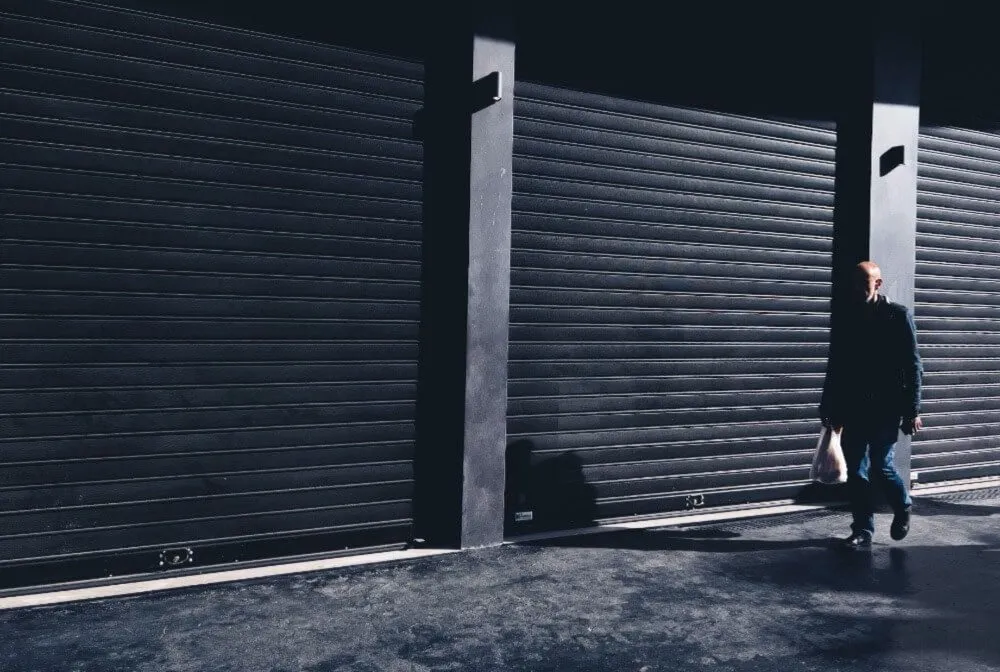
Ensuring your Perth home can withstand severe weather starts with quality cyclone shutter installation. These robust barriers are crucial for protection against damaging winds and debris unique to Perth’s cyclone season. Whether you’re seeking professional installation services or detailed guidance on fitment, this comprehensive localised article offers practical advice, cost insights, and trusted installer contacts tailored to Perth’s diverse home structures and regional climate.
Understanding Cyclone Shutters and Their Role in Perth Homes
What Are Cyclone Shutters? Types and Materials (Aluminum, Steel, etc.)
Cyclone shutters are specialized window and door coverings engineered to resist extreme wind forces and flying debris during severe storms. In Perth, where cyclone-resistant shutters are vital, materials such as aluminum and steel are most common due to their high strength-to-weight ratio and corrosion resistance.
For tested, high-performance options tailored to Western Australia, see Cyclone Roller Shutters Perth.
Aluminum shutters offer excellent durability combined with lightness, helping with easier operation and installation. They often feature hurricane-grade materials with reinforced ribs to withstand impact. On the other hand, steel shutters provide superior protection with their tensile strength, ideal for homes near the coast where wind load ratings are higher, though they may require additional anti-corrosion coatings to combat Perth’s coastal humidity.
Some modern shutters incorporate polycarbonate panels for transparency and impact resistance, combining visibility with protection, though less commonly used in cyclone-specific installations.
Homeowners new to cyclone shutters may benefit from our dedicated article on ultimate protection features of cyclone roller shutters in WA to understand performance benchmarks.
How Cyclone Shutters Protect Against Perth’s Specific Weather Patterns
Perth faces a unique challenge where cyclonic activity mostly occurs during summer months with sudden, intense downbursts and wind gusts averaging between 120 to 180 km/h in severe storms, as reported by the Bureau of Meteorology Perth. Cyclone shutters act as an armor shield, preventing structural damage to glass, frames, and other façade elements by absorbing and deflecting debris impact.
Installing cyclone shutters reduces the risk of glass breakage, which not only prevents wind-driven rain intrusion but also avoids hazardous flying glass, enhancing overall home safety during these severe weather events.
Common Home Structures in Perth and Best Shutter Compatibility (Brick, Timber Frame)
Perth’s residential buildings primarily feature brick masonry and timber framing. These differences impact shutter selection and installation methods.
- Brick homes: Typically allow for secure fixed mounting directly into the mortar or brick with heavy-duty mounting brackets and fasteners suited for rigid anchoring. Aluminum or steel cyclone shutters are highly compatible here.
- Timber-framed houses: Require consideration of frame spacing and nailing surfaces for shutter attachment. Lightweight aluminum shutters or modular systems are often recommended to avoid structural stress, with careful penetration into studs.
Matching shutter type with home siding compatibility ensures durability and optimal performance under Perth’s climatic conditions.
Visual aids showing examples of shutter types mounted on these home structures help homeowners visualize suitability and confirm reinforcement requirements.
Transitioning from the basic understanding of cyclone shutters, the next section walks you through the precise installation process specific to Perth homes.
Step-by-Step Guide to Cyclone Shutter Installation in Perth Homes
Pre-Installation Preparation: Site Assessment and Measurements
Professional shutter installation begins with a thorough site assessment tailored to the Perth environment:
- Measure accurately: Use a steel tape to record height and width of windows or doors, accounting for overlap margins to ensure full coverage. Measure at multiple points (top, middle, bottom) to detect structural variations common in older Perth homes.
- Assess wall material: Identify whether the mounting surface is brick, timber frame, or another substrate to select the correct mounting hardware and drilling methods.
- Evaluate accessibility: Check for obstacles like external fixtures, verandas, or planting that may affect shutter operation or installation.
- Inspect weather exposure: Note prevailing wind directions common in your locality (Perth’s coastal and inland zones differ) to recommend shutter placement optimized for windward sides.
Tools and Equipment Required for Professional Installation
- Power drill and masonry bits: For brick wall fastener holes, using carbide-tipped hammer drill bits ensures clean penetration.
- Measuring tools: Steel tape, spirit level, and calipers for precision.
- Mounting hardware: Stainless steel screws, heavy-duty anchor bolts, mounting brackets designed for cyclone resistance.
- Sealants and weatherproofing: High-grade silicone or polyurethane sealants to prevent water ingress around mounted shutters.
- Safety equipment: Gloves, goggles, dust masks, and harnesses for elevated installations.
Installation Process Details: Mounting, Securing, and Testing Shutters
- Mark drilling points: Using installation templates, align shutters ensuring level and full coverage, mark precise drill locations on mounting surfaces.
- Pre-drill holes: For brick walls, hammer drill at marked points to embed anchor bolts; for timber, pilot holes minimize splitting.
- Secure mounting brackets: Fix robust mounting brackets with stainless screws or wedges to resist uplift forces from cyclonic winds.
- Attach the shutter panels: Slide or bolt shutters onto brackets following manufacturer guidelines, ensuring smooth operability for roll-down or hinged models.
- Seal gaps: Apply sealants around edges to restrict water and dust ingress, enhancing weatherproofing.
- Functional testing: Perform opening and closing operations repeatedly to verify smooth operation and that locks or fasteners engage securely.
Professional installers typically use a detailed installation checklist ensuring compliance with safety standards and local building codes.
Installation Timing: Best Period to Install Before Cyclone Season
Perth’s cyclone season generally spans from November through April, with peak activity between December and March (Bureau of Meteorology cyclone calendar). Ideally, installations should be completed by October to allow timely inspection and adjustment.
Early installation provides homeowners with peace of mind and adequate time for any unforeseen issues before cyclone warnings. Contractors confirm weather windows and adhere strictly to timing to avoid rushed jobs vulnerable to error.
Next, we’ll look at how to select the most appropriate cyclone shutters for your Perth home, focusing on local climate and architectural factors.
Selecting the Right Cyclone Shutters for Your Perth Home
Evaluating Material Options: Aluminum vs. Steel vs. Polycarbonate
| Material | Advantages | Disadvantages | Best Use |
|---|---|---|---|
| Aluminum | Lightweight, corrosion resistant, easy to install, affordable | Less impact resistant than steel, prone to denting | Suburban coastal and inland homes needing balance of durability & ease |
| Steel | Highest strength, excellent impact resistance | Heavier, requires maintenance against corrosion | Homes in high-wind zones and exposed coastal properties |
| Polycarbonate | Transparent, impact resistant, UV stable | Higher cost, less common, may require framing for support | Homes valuing natural light with protection, e.g., patios or cafes |
For homeowners exploring complementary options, consider other outdoor protection solutions in Perth such as Clear PVC café blinds for weather protection that enhance UV shielding and style alongside cyclone shutters.
Matching Shutter Style to Home Architecture and Aesthetic Preferences
Perth residents can choose from rolling shutters, hinged panels, or accordion styles. For traditional brick homes, roller or hinged shutters with powder-coated finishes complement the façade. Timber homes often benefit from lighter, modular designs that align visually with exposed framing.
Integration of shutters that match existing window profiles preserves aesthetic appeal. Some modern designs utilize colour-matched finishes or custom profiles for minimal visual disruption.
Understanding the differences in protection levels can help you choose wisely; read our comparison of cyclone versus standard shutters for Perth homes.
Considerations on Durability vs. Cost for Long-Term Investment
A cost-benefit analysis weighing upfront material and installation costs against expected lifespan informs purchase decisions. Steel shutters offer durability exceeding 20 years with proper care but come at a premium. Aluminum shutters typically last 15+ years with less maintenance. Polycarbonate’s transparency offers lifestyle benefits with moderate longevity.
Homeowners should factor in local microclimate exposure and corrosion potential, balancing long-term protection with budget constraints.
Recommendations for Different Perth Suburbs Considering Microclimates
- Coastal areas (e.g., Fremantle, Cottesloe): Recommend steel or treated aluminum for enhanced corrosion resistance and maximum wind load endurance.
- Inland suburbs (e.g., Perth Hills, Midland): Aluminum shutters suffice given lower humidity, with focus on UV protection and ease of use.
- Urban centres (e.g., Perth CBD): Style and integration with modern architecture, with moderate strength shutters paired with local council guidelines.
Also, consider complementary outdoor protection solutions in Perth, such as Clear PVC café blinds for weather protection.
Now that you understand material and style choices, it is critical to know local regulations and safety standards that govern your installation.
Local Regulations, Permits, and Safety Standards for Perth Installation
Overview of Building Codes Relevant to Cyclone Shutters in Western Australia
The installation of cyclone shutters in Perth must comply with the Western Australia Building Code requirements (WABC), specifically addressing cyclone-resistant construction under the Australian Standard AS/NZS 1170.2. This standard outlines wind load design parameters and structural testing protocols ensuring shutters meet minimum safety criteria.
Permit Application Procedures and Documentation
Most local councils in Perth require a building permit for fixed cyclone shutter installation. The process includes:
- Submission of detailed product specifications and test certifications
- Site plans showing window/door locations and structural attachment points
- Compliance checklists verifying adherence to local council requirements
Timely application is advised as permit processing times can extend several weeks.
Safety Standards to Ensure Compliance and Homeowner Protection
- Use of certified mounting hardware capable of withstanding rated wind forces
- Secure locking mechanisms to prevent shutters dislodging during storms
- Safe operational clearances allowing emergency egress
- Proper sealing for water and debris ingress prevention
A compliance checklist issued by certified installers helps homeowners document adherence for insurance and resale purposes.
For further details, review the Western Australia cyclone shutter regulations guide.
With compliance assured, understanding installation costs and budgeting considerations is the next step.
Cost Estimation and Budgeting for Cyclone Shutter Installation in Perth
Breakdown of Typical Costs: Materials, Labour, Permits
Costs vary widely depending on shutter type, home size, and installation complexity. Typical breakdowns include:
| Cost Component | Estimated Range (Per Window/Door) |
|---|---|
| Materials (Aluminum or Steel Shutters) | $500 – $1500 |
| Labour and Installation Charges | $300 – $700 |
| Permits and Compliance Fees | $100 – $300 |
Factors Influencing Cost: Home Size, Shutter Type, Complexity of Installation
Larger or irregularly shaped windows require custom manufacturing, increasing material costs. Materials like steel are priced higher than aluminum. Structural complexities, such as retrofitting on timber frames or installing on higher floors, increase labour fees. Fast turnaround times ahead of cyclone season may attract premium charges.
Potential Government or Insurance Rebates/Discounts
The Insurance Council of Australia offers rebate programs for compliant cyclone-proof home improvements, which residents of Perth can leverage to offset installation costs. Check with your insurer for eligibility.
Insurance Council of Australia
How to Evaluate Quotes from Local Installers
- Request detailed written quotes itemizing materials, labour, permits, and contingencies.
- Verify installer licensing, insurance, and compliance certifications.
- Confirm warranty terms and post-installation support.
- Compare at least three quotes to identify competitive market rates.
The next section identifies how to choose trusted local contractors to ensure quality workmanship and peace of mind.
Choosing Trusted Local Contractors and Suppliers in Perth
How to Identify Reputable Cyclone Shutter Installers
Look for installers licensed under the Western Australian Building Commission, certified with demonstrated experience in Perth cyclone shutter projects. Membership in local trade associations or supplier partnerships indicate professionalism.
Questions to Ask Before Hiring a Contractor
- Are you licensed and insured to carry out cyclone shutter installation in WA?
- Can you provide references or testimonials from Perth homeowners?
- Do you supply certified materials compliant with AS/NZS 1170.2 standards?
- What safety measures do you implement during installation?
- What warranty and post-installation service do you offer?
List of Certified and Experienced Local Providers with Contact Info
- Perth Coastal Shutters – [email protected] | Phone: (08) 9200 1234
- Western Shield Cyclone Services – (08) 9354 1234 | westernshieldcyclone.com.au
- SafeHome Perth Shutters – safehomeperthshutters.com.au | Phone: (08) 9322 4321
Customer Reviews, Testimonials, and Service Guarantees
“Perth Coastal Shutters transformed our home’s protection before cyclone season—professional, timely, and trustworthy.” – Jane M., via Google Reviews
“Western Shield’s certified team ensured full compliance with WA building codes; excellent aftercare service.” – David L., Perth Hills
Service guarantees typically offer 5-year warranties on workmanship and materials, reinforcing installer reliability.
After selecting your installer, preparing your home and family for cyclone season with these shutters is vital.
Preparing Your Home and Family for Cyclone Season with Proper Shutters
Timing Installation to Align with Perth’s Cyclone Season Cycles
Plan installation by early spring (September–October) to coincide with weather projections from the Bureau of Meteorology cyclone season calendar. Early preparation avoids last-minute rushes and ensures operability during peak summer storms.
Additional Home Protection Tips During Severe Weather
- Secure loose outdoor items to prevent debris hazards.
- Trim overhanging branches that may damage shutters or home exterior.
- Check and reinforce roof and gutter fixtures.
- Have an emergency kit with essentials and clear family communication plans.
Post-Installation Testing and Emergency Procedures
Regularly operate shutters to maintain familiarity. Conduct emergency drills to practice manual shutter operation if electric systems fail during power outages. Keep instructions visible near shutter controls for quick reference.
For ongoing care details, see our sibling article on cyclone shutter maintenance tips for Perth homes.
By following these steps closely, your Perth home will be ready for the harsh cyclone season with robust, professionally installed shutters.
Content Gaps and Additional Insights
Perth’s coastal microclimates elevate corrosion risks, influencing the preference for treated steel with protective coatings over untreated alternatives common in other states.
DIY installations often fail to consider soil types impacting anchoring options. Perth’s sandy soils require specialized expanding anchors rather than basic masonry screws to ensure secure fixing.
Temporary or modular shutter systems offer quick deployment during cyclone warnings but may not meet full Australian Standards, making permanent systems preferable for long-term security.
The typical lifespan of well-maintained cyclone shutters in Perth’s climate ranges between 15–25 years, depending on material and exposure, underscoring the importance of proper installation and material choice for cost-effective protection.
Conclusion
Achieving effective cyclone shutter installation in Perth involves an intentional balance of understanding local weather risks, choosing fit-for-purpose materials, and adhering to building codes. Early installation before cyclone season, combined with expert contractor selection and compliance with safety standards, ensures comprehensive home protection.
By following the detailed guidance in this article, homeowners can make informed, confident decisions to secure their properties against Perth’s unique storm challenges. Ready to safeguard your home? Contact local certified installers today to discuss bespoke cyclone shutter solutions tailored for your property.
Frequently Asked Questions
What factors affect the choice between aluminum and steel cyclone shutters in Perth?
Choose aluminum for lightweight, corrosion-resistant shutters suited to suburban and inland Perth homes. Steel is preferred for higher wind zones and coastal areas due to superior strength, though it requires anti-corrosion treatments to withstand Perth’s coastal humidity and salt exposure.
How do Perth’s home structures influence cyclone shutter installation methods?
Brick homes allow secure mounting directly into mortar using heavy-duty fasteners, while timber-framed homes need careful attachment to studs using lighter shutters to avoid structural damage. Installation hardware and techniques must suit the wall type for optimal shutter performance.
Why is early installation recommended before Perth’s cyclone season?
Installing cyclone shutters before October allows for thorough inspection, adjustments, and ensures shutters are fully operational prior to peak cyclone months, reducing last-minute risks and avoiding weather-related installation delays during Perth’s June to March cyclone season.
When is the best time to schedule cyclone shutter installation in Perth?
The best time for installation is between September and October, just before Perth’s cyclone season begins in November. This timing ensures shutters are installed and tested well before severe storms typically occur from December to March.
Can polycarbonate shutters provide the same level of protection as metal cyclone shutters?
Polycarbonate shutters offer good impact resistance and UV stability but generally provide less protection against extreme wind loads than aluminum or steel shutters. They are best suited for areas requiring natural light with moderate storm exposure, like patios, rather than primary storm defence.
Is a DIY cyclone shutter installation advisable for Perth homes?
DIY installation is not recommended due to the complexity of meeting local building codes and ensuring secure anchoring into Perth’s diverse wall materials. Professional installers ensure compliance, proper sealing, and safety standards, which are critical for effective cyclone protection.
Which tools are essential for a professional cyclone shutter installation in Perth?
Key tools include a power drill with masonry bits for brick, stainless steel fasteners, measuring tapes, spirit levels for accuracy, sealants for weatherproofing, and safety equipment like gloves and goggles to ensure safe and precise installation.
What are the main benefits of professional cyclone shutter installation versus aftermarket kits?
Professional installation guarantees compliance with Perth’s building codes, secure attachment to local wall types, proper sealing against water ingress, and expert functional testing, resulting in enhanced safety and durability compared to aftermarket kits often lacking tailored fit and certified components.