
Cyclone Shutter Maintenance: Essential Tips for Perth Residents
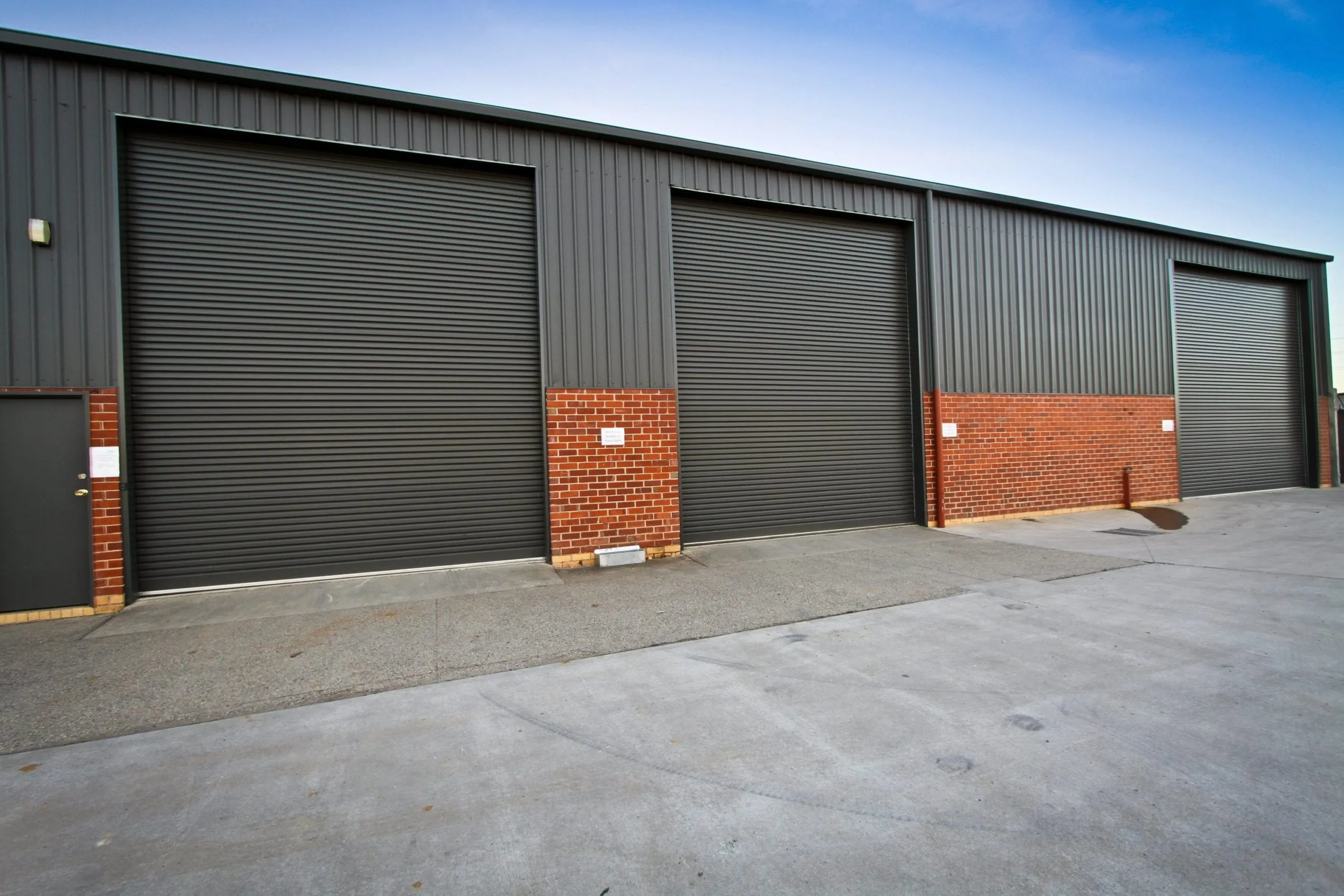
Cyclone shutter maintenance: essential tips for Perth residents is crucial to keeping your home protected against the unique and harsh environmental conditions Western Australia’s capital faces. This comprehensive guide offers step-by-step, practical advice tailored to Perth’s coastal climate, helping you extend the lifespan and performance of your cyclone roller shutters.
Understanding Cyclone Roller Shutters and Perth’s Unique Environmental Challenges
In addition to cyclone shutters, Perth residents often install Clear PVC café blinds as an effective UV and weather barrier alternative, which provide excellent protection against Perth’s harsh sun and coastal weather. To understand why cyclone roller shutters are considered the ultimate protection benefits of cyclone roller shutters for Perth homes, refer to our detailed guide. Additionally, knowing the key differences between cyclone and standard shutters helps homeowners choose the best level of defense for their property.
What Is a Cyclone Roller Shutter?
A cyclone roller shutter is a reinforced, high-strength shutter system specifically designed to withstand severe weather conditions such as cyclones and high winds. Constructed from durable materials like aluminum or steel, these shutters protect windows, doors, and openings by providing a physical barrier against flying debris, wind pressure, and rain. Unlike standard shutters, cyclone shutters meet stringent Australian Standards such as AS 5039 and AS 3959, ensuring they can handle Perth’s weather extremes.
Key Features of Roller Shutters for Doors, Sliding Glass Doors, and Kitchen Cupboards
Cyclone roller shutters come in a variety of applications, including sturdy roller shutter for door models guarding entryways, specially designed shutter doors for sliding glass doors, and even smaller scale roller shutter doors for kitchens cupboards that offer security and protection indoors. Door shutters generally feature thicker slats and enhanced locking mechanisms. Sliding glass door shutters are engineered for smooth operation and weather sealing, often incorporating tracks that can handle heavy-duty use while maintaining a sleek appearance. Meanwhile, kitchen cupboard roller shutters prioritize space-saving and convenience but still must meet basic cyclone shutter maintenance standards to avoid corrosion and jamming, especially in coastal homes.
How Perth’s Climate Impacts Cyclone Shutters (Wind, Salt Air, Dust)
Perth’s coastal location presents unique challenges for cyclone shutter upkeep. The area’s persistent wind patterns often exceed 90 km/h during storm events, placing mechanical strain on shutter systems. Additionally, exposure to salt air corrosion from the nearby Indian Ocean accelerates rust and degrades metal components rapidly if not properly protected. Fine dust accumulation from Perth’s dry inland winds can clog rollers and tracks, disrupting smooth operation. This trifecta of wind, salt air, and dust demands a tailored maintenance approach to keep your cyclone roller shutters performing optimally throughout the year.
Understanding these factors is the foundation for effective upkeep — let’s explore the tools that make maintenance manageable.
Comprehensive Maintenance Tools and Materials Checklist for Perth Residents
Essential Cleaning Supplies for Cyclone Shutters
- Soft-bristle brush or microfiber cloth – to remove dust and debris from shutter surfaces without scratching
- Mild detergent or biodegradable cleaning solution – effective at cleaning metal slats without damaging protective coatings
- Bucket of warm water – for mixing cleaning solutions and rinsing
- Garden hose with gentle spray nozzle – to wash away loose dirt and salt residues
Recommended Lubricants and Corrosion-Prevention Products
- Silicone-based lubricant spray – for smooth operation of roller mechanisms without attracting dust
- Rust inhibitors or anti-corrosion sprays – specially formulated for marine environments to protect exposed metal parts
- Protective wax coating – optional layer for enhanced surface protection against salt air
Inspection Tools for Spotting Wear and Tear Early
- Bright flashlight – for detailed visual checks inside tracks and under slats
- Magnifying glass – to inspect fine cracks, rust spots, or wear on locking mechanisms
- Measuring tape – to detect any misalignment or warping of shutter doors
- Small screwdriver set – useful for adjusting screws during minor repairs
Safety Equipment and PPE for DIY Maintenance
- Gloves with good grip and cut resistance – to protect hands when handling metal surfaces
- Safety goggles – essential when spraying lubricants or rust inhibitors to avoid eye irritation
- Dust mask or respirator – especially during heavy dust presence or chemical applications
With these tools ready, you can confidently proceed to scheduled maintenance tasks designed specifically for Perth’s environment.
Step-by-Step Seasonal Maintenance Routine for Cyclone Shutters in Perth
Autumn and Winter: Preparing for Stormier Weather
- Clean all shutter surfaces: Use a brush or cloth to remove dust and debris accumulated over summer, then wash with mild detergent to remove salt residues.
- Inspect all moving parts and tracks: Use a flashlight to check for signs of corrosion caused by salt air, rust spots, or debris buildup.
- Apply rust inhibitor spray: Focus on exposed metal areas, hinges, and joints prone to corrosion.
- Lubricate roller mechanisms and locks: Use silicone-based lubricant to ensure smooth operation during frequent use in storm months.
- Test safety locks and manual overrides: Make sure locking systems engage easily and securely to withstand high winds.
Spring and Summer: Cleaning and Corrosion Control Post-Cyclone Season
- Thorough wash down: Use a garden hose with a gentle spray to rinse off dust and salt deposits accumulated during winter storms.
- Inspect for mechanical damage: Check slats and tracks for dents or misalignment caused by storm debris or wear.
- Remove minor rust spots: Sand lightly if needed and apply touch-up corrosion protection.
- Clean kitchen cupboard roller shutter doors: Wipe with damp cloth and mild detergent to remove kitchen dust and grease that can impair movement.
- Check sliding glass door shutters: Verify smooth rolling action and aligned tracks for effortless operation during summer usage.
Monthly Inspection and Minor Repair Tips for Roller Shutters on Various Door Types
- Visual inspection: Check all shutter slats and doors for fresh rust or debris accumulation.
- Operate shutters fully up and down: Listen for abnormal noises like grinding or squeaking that indicate lubrication needs.
- Test locks and safety mechanisms: Ensure all bolts and locking points are secure and functional.
- Clear dust and dirt from roller paths: Use compressed air or a soft brush to prevent jamming.
- Address minor alignment issues: Use basic tools to adjust guides and tracks for sliding glass doors or cupboard rollers.
Maintaining this routine can significantly reduce the risk of unexpected failures and extend your cyclone shutters’ working life. Next, we will look deeper at the common wear and tear issues you might encounter.
Addressing Common Wear and Tear Issues in Cyclone Roller Shutters
Identifying Corrosion and Salt Air Damage
Early signs of salt corrosion include reddish or powdery rust on metal slats, stiff roller mechanisms, and color changes on paint coatings. In Perth’s saline environment, these often develop around the base of shutter doors and locking edges. If left untreated, corrosion compromises structural integrity, so prompt treatment with rust inhibitors or professional refinishing is essential.
Wear Patterns on Roller Shutter Doors for Kitchens and Sliding Glass Doors
Shutter doors used frequently, such as roller shutter doors for kitchen cupboards or shutter doors for sliding glass doors, commonly develop wear where rollers contact tracks or slats overlap. Kitchen shutters might accumulate grease residues causing sluggish motion, while sliding glass door shutters suffer from dust and sand abrasion. Careful cleaning and lubrication reduce friction and noise, preserving smooth function.
Repairing or Replacing Safety Locks and Mechanisms
Lock failures often result from corrosion, mechanical wear or accidental damage. If locks do not securely engage or release, immediate attention is required. Some minor issues such as loose screws or bent components can be fixed DIY, but complete replacement of lock cylinders or bolts should be handled by specialists to ensure WA cyclone shutter regulations and compliance requirements are maintained.
Troubleshooting Roller Malfunctions and Noise Issues
Common roller problems include noisy operation, sticking in one position, or incomplete closing/opening. These generally stem from:
- Accumulated dust and debris in tracks
- Inadequate lubrication causing friction
- Damaged rollers or guide wheels
- Misalignment due to loose mounting brackets
Systematic cleaning, targeted lubrication, and realignment usually restore function. Persistent problems warrant inspection by a professional servicing company knowledgeable in cyclone-grade shutters.
Understanding when to perform DIY maintenance versus seeking professionals is critical for both safety and longevity, which we discuss next.
DIY Maintenance Versus Professional Servicing: What Perth Residents Need to Know
When to Conduct DIY Cyclone Shutter Maintenance
Routine tasks like cleaning, lubricating moving parts, inspecting surfaces for minor corrosion or damage, and verifying lock function can usually be performed safely by homeowners equipped with proper tools and protective gear. This helps maintain your investment while keeping costs manageable. Perth residents should always prioritise safety through the use of gloves, goggles, and adherence to manufacturer instructions during any hands-on work.
Recognizing Signs That Require Professional Intervention
Some situations demand expert attention, including:
- Structural damage or severe corrosion weakening shutter panels
- Faulty or jammed locking systems posing security risks
- Rollers or mechanisms requiring replacement or complex adjustments
- Electrical issues for automated shutter systems
Attempting complex repairs without training can void warranties or cause irreversible damage. In such cases, professional cyclone shutter installation services in Perth is the safest and most cost-effective approach.
Selecting Reliable Cyclone Shutter Servicing Companies in Perth
When hiring professionals, verify their experience with local cyclone roller shutters and compliance with Australian standards. Look for companies offering warranties, transparent pricing, and positive customer reviews from Perth clients. Getting multiple quotes can help identify a trusted provider offering good value and expertise.
Cost-Benefit Analysis of DIY vs Professional Maintenance
| Aspect | DIY Maintenance | Professional Servicing |
|---|---|---|
| Cost | Lower (tools purchase only) | Higher, but includes warranty and expertise |
| Risk of Damage | Moderate, if inexperienced | Minimal due to expert handling |
| Time | Flexible, depends on availability | Scheduled service, quicker for complex fixes |
| Warranty Impact | May risk voiding if improper repairs | Safer, supports warranty compliance |
| Effectiveness | Good for minor upkeep | Best for repairs and safety checks |
Leveraging both approaches depending on the task can optimize upkeep while managing costs effectively. Strategic professional servicing after DIY checks ensures longevity and peace of mind.
Safety Considerations and Lock Systems in Cyclone Shutter Maintenance
Ensuring Proper Engagement and Functionality of Lock Mechanisms
Cyclone shutters rely on robust locking systems to provide security during high wind events. Regular maintenance should include testing bolts, latches, and manual overrides for firm engagement. Lubricate moving lock components to avoid stiffness caused by salt air and dust. If locks feel loose or fail to secure properly, repair or replacement is necessary to comply with WA cyclone shutter regulations and compliance requirements.
Safety Tips for Handling Roller Shutter Doors on Sliding Glass and Kitchen Cupboards
When performing maintenance:
- Always wear safety goggles and gloves to prevent injury from sharp edges or chemical sprays.
- Operate shutters gently to avoid damaging delicate sliding glass door tracks or folding kitchcupboard slats.
- Avoid excessive force when clearing jams; identify root causes before attempting fixes.
- Keep children and pets away during maintenance tasks to avoid accidents.
Australian Standards Compliance and Safety Best Practices Post-Installation
Maintaining compliance with Australian standards such as AS 5039 ensures not only protection but also reduces liability risks. Regular inspections and professional servicing help meet these standards and maintain valid warranties. Homeowners should retain records of all maintenance to demonstrate due diligence, which is especially important in insurance claims after severe weather.
Having established key safety strategies, next we explore ways to maximize your shutters’ lifespan through tailored maintenance schedules and practical tips. For Perth homeowners seeking specialist cyclone-grade options and advice, see Cyclone Roller Shutters Perth.
Maximizing the Lifespan of Your Cyclone Roller Shutters: Best Practices Tailored to Perth
Prolonging Performance Against Salt Air Corrosion
Salt air presents a persistent corrosion threat. To mitigate:
- Apply regular rust inhibitor treatments, especially near coastal areas or homes within 2 km of the shore.
- Rinse shutters with fresh water monthly during dry periods to wash off salt deposits.
- Consider protective clear coats or wax finishes recommended for outdoor metal surfaces exposed to salt air.
Dust and Debris Prevention Strategies Unique to Perth’s Environment
Perth’s frequent dust storms require proactive measures such as:
- Installing dust seals or weather strips on shutters to limit ingress into roller tracks.
- Using silicone lubricants instead of oil-based to reduce dust attraction.
- Cleaning surrounding gutters and ledges to prevent debris falls onto shutters.
Maintenance Scheduling and Record-Keeping Tips for Homeowners
Maintaining a written log or digital record of all maintenance activities including dates, tasks performed, and products used helps:
- Stay on track with seasonal upkeep aligned to Perth’s weather cycles
- Provide evidence for warranty and insurance claims
- Identify recurring issues or parts requiring replacement more frequently
Incorporating reminders every 3 to 6 months ensures shutters remain in optimal condition year-round. For holistic outdoor protection, outdoor protection solutions such as Clear PVC café blinds compliment cyclone shutters by further safeguarding your home from salt air and UV damage.
FAQ: Additional Perth-Specific Queries on Cyclone Shutter Maintenance
How often should I perform maintenance on my cyclone roller shutter in Perth?
Perform general inspections monthly, with deeper cleaning and lubrication at least twice a year—typically before and after cyclone season for optimal results given Perth’s climate.
Can I safely maintain roller shutter doors for kitchen cupboards by myself?
Yes, routine cleaning and lubrication are feasible DIY tasks. However, if you notice mechanical issues or damage, consult a professional to avoid causing further harm.
What are the warning signs of severe shutter corrosion in a salt-air environment?
Look for widespread rust spots, flaky metal, discoloration of paint, and sticking or jamming mechanisms. These signs indicate urgent maintenance is needed to avoid failure.
Are there any Perth local suppliers for maintenance tools and lubricants?
Yes, many hardware and specialised marine supply stores in Perth stock rust inhibitors and silicone lubricants suited for cyclone shutter upkeep. Consider stores servicing the coastal and construction sectors for high-quality products.
How does shutter maintenance impact insurance or warranty in cyclone-prone areas?
Regular maintenance documented according to manufacturer recommendations and local regulations helps validate insurance claims and maintain warranty coverage in the event of cyclone damage. Neglect can void warranties or reduce claim eligibility.
Frequently Asked Questions
What materials are cyclone roller shutters typically made from?
Cyclone roller shutters are usually constructed from durable metals like aluminum or steel, designed specifically to resist strong winds, flying debris, and corrosion caused by salt air, providing enhanced protection during severe weather events.
How do cyclone roller shutters differ from standard roller shutters in maintenance requirements?
Cyclone roller shutters require more frequent inspection and corrosion prevention due to exposure to harsh weather, especially salt air and high winds, whereas standard shutters generally need less rigorous upkeep and fewer corrosion controls.
Why is it important to use silicone-based lubricants on cyclone shutter mechanisms in Perth?
Silicone-based lubricants prevent dust attraction and provide lasting smooth operation in Perth’s dusty and salty environment, unlike oil-based lubricants which may trap debris and accelerate wear.
When is the best time of year to perform comprehensive maintenance on cyclone roller shutters in Perth?
The optimal times are before and after cyclone season—typically autumn and spring—allowing thorough cleaning, lubrication, and corrosion treatment to prepare for storms and recover from environmental exposure.
Can I maintain both sliding glass door shutters and kitchen cupboard roller shutters using the same cleaning methods?
While both require cleaning and lubrication, sliding glass door shutters need attention to track alignment and weather sealing, whereas kitchen cupboard shutters focus on grease removal and space-saving operation, requiring slightly different maintenance approaches.
Is DIY maintenance as effective as professional servicing for cyclone roller shutters?
DIY maintenance is effective for routine tasks like cleaning and lubrication, but professional servicing is recommended for structural repairs, lock replacements, or electrical issues to ensure compliance and safety.
Which inspection tools are most useful for early detection of wear on cyclone shutter doors?
Bright flashlights to spot corrosion, magnifying glasses for detailed cracks, and measuring tapes to detect misalignment are essential tools for early wear detection on cyclone shutter doors.
How does regular maintenance impact the warranty and insurance on cyclone roller shutters in Perth?
Regular, documented maintenance helps maintain warranty validity and supports insurance claims by showing due diligence, reducing the risk of claim rejection or warranty voidance in cyclone-prone Perth areas.