
Introduction: Why Choose Between Roller Shutters and Blinds?
Choosing between roller shutters and window blinds is a common homeowner decision, especially when you want the right balance of style and security. At first glance, both are practical window covering options, but they serve very different priorities. Blinds often win on interior décor flexibility and lower upfront cost, while shutters offer stronger functional benefits such as weather protection, insulation, privacy, and burglary deterrence.
If you are comparing window treatments for a new build, renovation, or commercial upgrade, it helps to think beyond appearance. The best choice should improve comfort, reduce heat gain and heat loss, support better sleep and noise control, and suit your lifestyle over the long term. In many homes, roller shutters deliver a noticeable comfort improvement because they can reduce glare, block drafts, and create a more controlled indoor environment. In this guide, we’ll compare materials, durability, energy efficiency, installation, cost, and real-world use cases so you can make a confident, informed choice.
Understanding Roller Shutters and Window Blinds: Features & Differences
What Are Roller Shutters? Types and Material Properties
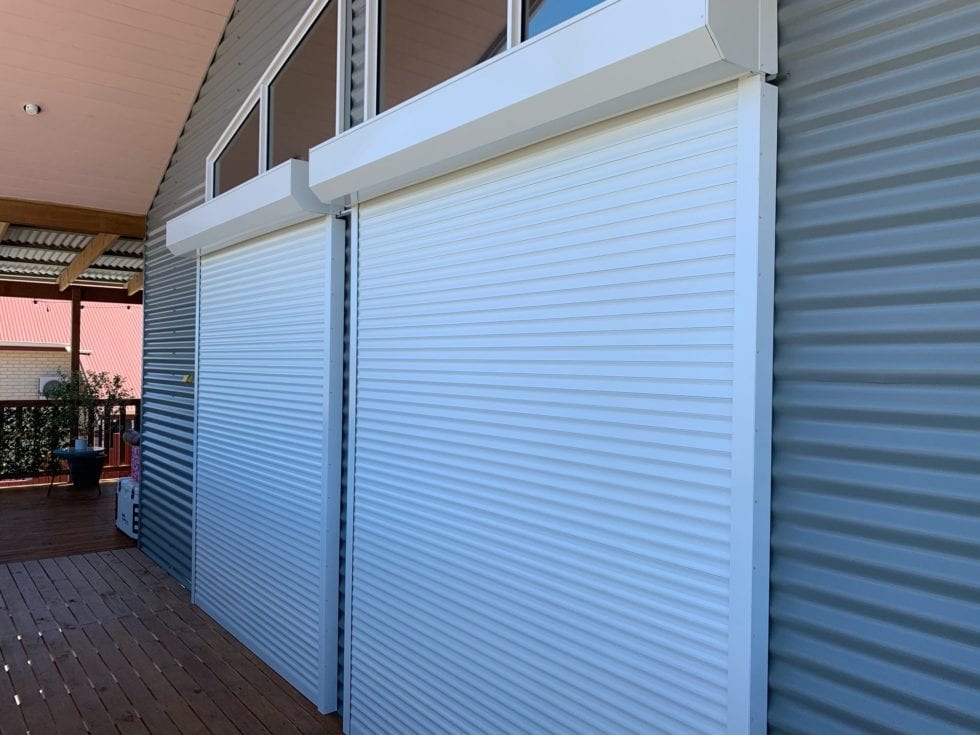
Roller shutters are exterior window coverings made from interlocking slats that roll into a compact box above the opening. The slats are typically manufactured from aluminum, steel, or PVC, with aluminum being the most common residential option because it balances weight, strength, corrosion resistance, and ease of motorization. Steel alloys are stronger and may be preferred where security is the top priority, while PVC shutters can be economical but usually offer less impact resistance and less long-term durability in harsh climates.
The slats themselves may be insulated with foam filling, perforated for airflow, or designed as double-wall profiles for better thermal and acoustic performance. Manual systems rely on a strap, winder, or crank, while motorized units use a tubular motor hidden in the roller box. Motorized shutters can be paired with timers, remotes, sun sensors, or smart-home controls for improved convenience. For a deeper comparison of profiles, finishes, and applications, see our roller shutters material guide.
Overview of Window Blinds and Popular Variants
Window blinds are generally interior treatments that use slats, vanes, or fabric panels to manage light and privacy. Venetian blinds use horizontal slats that tilt, vertical blinds feature hanging vanes that move across a track, and roller blinds use a fabric sheet that rolls up and down. Material choices include aluminum, timber, faux wood, PVC, and woven or blackout fabrics.
Blinds are popular because they are versatile, lightweight, and available in many colors and textures. They can soften a room, frame a view, and complement interior décor more easily than exterior shutters. However, because they sit inside the window, they do not form a true weatherproof sealing layer. That means they are better for light filtering and visual privacy than for security, insulation, or external noise reduction.
Key Operational and Material Differences
The main difference between shutters and blinds is that shutters act as an exterior physical barrier, while blinds primarily manage what happens inside the room. Shutters can reduce wind intrusion, block sunlight before it reaches the glass, and add a layer of protection against impact. Blinds, by contrast, tilt or fold to control light levels but do not materially strengthen the window opening.
- Material strength: Roller shutters use heavier materials such as aluminum slats or steel alloys; blinds typically use lighter fabrics, timber, or slim slats.
- Weatherproof sealing: Shutters sit outside the glass and help seal the opening against wind, rain, and dust.
- Light control: Blinds allow slat tilting and partial filtering; shutters can provide near-blackout coverage.
- Security comparison: Shutters create a real physical barrier, while blinds mainly offer visual privacy.
- Comfort impact: Shutters reduce heat, glare, and outside noise more effectively.
In short, blinds are usually an interior design solution, while shutters are a performance solution with broader functional benefits.
Durability and Weather Resistance: How Roller Shutters Outperform Blinds
Durability is one of the clearest reasons many buyers choose shutters over blinds. Exterior shutters are designed to tolerate direct sun, rain, dust, and wind, while blinds are usually protected only by the building envelope. That makes shutters especially valuable in harsh or climate-sensitive regions such as coastal suburbs, high-sun areas, and homes exposed to frequent storms.
Aluminum shutters generally offer excellent corrosion resistance, especially when powder-coated or finished with marine-grade protection. Steel shutters are even harder to force or dent, but they are heavier and can require more robust hardware and maintenance against corrosion if coating systems are damaged. PVC shutters are lighter and budget-friendly, yet they tend to age more quickly under UV exposure and may not match the lifespan of metal alternatives. For more details on product selection by environment, our seven reasons to install roller shutters guide covers real-world durability benefits.
| Feature | Roller Shutters | Blinds |
|---|---|---|
| Material Strength | Aluminum, steel alloys, or PVC with impact-resistant profiles | Fabrics, lightweight vinyl, wood, or slim slats |
| UV/Sun Resistance | Coated metals resist fading and degradation | Fabric and plastic can fade, dry out, or warp |
| Water & Rain Resistance | Weatherproof sealing; corrosion-resistant finishes | Moisture can cause mold, staining, or warping |
| Wind Resistance | Better resistance to gusts and debris | Vulnerable to damage or detachment in strong winds |
| Lifespan | 10–20+ years with routine care | 3–7 years depending on material and usage |
In practical terms, this means a homeowner near the coast may replace blinds multiple times over the years, while shutters can continue performing with only periodic servicing. That difference matters when you calculate total ownership cost, not just the purchase price.
Security and Privacy Control: Ensuring Safety and Discretion
Security is where roller shutters typically separate themselves most clearly from blinds. A shutter closes over the outside of the window, creating a solid barrier that slows forced entry, hides valuables from sight, and discourages opportunistic theft. This is especially important for ground-floor rooms, street-facing properties, and commercial security applications where discretion and asset protection are essential.
Modern shutters may include reinforced slats, guide rails, anti-lift devices, concealed fasteners, and advanced locking mechanisms. When fitted correctly, these features make it much harder for intruders to pry the shutter open or access the glass beneath. Some commercial-grade systems are engineered to support security classifications or test standards depending on model and market, which is why businesses often choose them for storefronts, storerooms, and sensitive workspaces. If security is your main concern, see our commercial roller shutters security guide for a more detailed breakdown.
Privacy is equally strong. With shutters fully closed, you get blackout capability that prevents sightlines into a room even at night with lights on inside. Blinds can provide good daytime privacy, but light gaps often remain, and silhouettes may still be visible after dark. For families, that means better peace of mind in bedrooms and living areas. For businesses, it means safer storage, tighter confidentiality, and less exposure of inventory or equipment.
- Reinforced locking: Extra hardware helps resist lifting, prying, and forced opening.
- Break-in prevention: The exterior barrier delays entry and increases the chance a burglar moves on.
- Commercial security: Useful for shops, offices, warehouses, and clinics needing a visible deterrent.
- Privacy levels: Full closure provides superior discretion compared with most blinds.
For comparison, blinds are excellent for softening light and protecting against casual visibility, but they are not designed to physically protect windows or doors.
Thermal Insulation, Energy Efficiency, and Noise Reduction Advantages
Roller shutters help improve indoor comfort by reducing heat transfer through the window. That matters because windows are often one of the weakest points in a building’s thermal envelope. In summer, shutters block direct solar radiation before it reaches the glass. In winter, they add an insulating air gap that helps slow heat loss. The result is less reliance on heating and cooling systems and, in many homes, a measurable reduction in running costs.
To understand the term R-value, think of it as a measure of resistance to heat flow. A higher R-value means better insulation performance. Roller shutters do not replace wall insulation or double glazing, but they can improve the overall thermal performance of a window assembly by creating that additional barrier. Performance varies by slat profile, fit, glazing type, and local climate, so manufacturer claims should be viewed in context. The Australian Energy Rating Council and similar authorities emphasize that actual savings depend on the whole-building setup, not just one product.
Noise reduction is another important advantage. Because shutters are a solid outer layer, they can reduce external sound more effectively than fabric or lightweight blinds. Homeowners near busy roads, schools, or commercial districts often notice the difference immediately, especially in bedrooms and home offices. Typical acoustic improvement is often discussed in dB attenuation, meaning how many decibels of sound are reduced before they enter the room.
| Benefit | Roller Shutters | Blinds |
|---|---|---|
| Thermal Insulation (R-value) | Typically adds around 0.5–1.0, depending on profile and installation | Minimal contribution |
| Energy Savings | Often up to 25% reduction in heating/cooling costs in suitable conditions | Usually 5–10% at best, mainly from solar control |
| Noise Reduction (dB) | Up to 15 dB attenuation in some installations | Usually around 1–3 dB |
That said, savings vary by building design and climate. A well-fitted shutter on a west-facing bedroom window may deliver a much larger comfort gain than the same product on a shaded south-facing wall. If you are also comparing outdoor shading options, our energy-efficient window treatments and sibling shading guides can help you compare solutions more accurately.
Aesthetic Design and Customization Options
Although shutters are often chosen for function first, they can also look sharp and intentional when matched to the property’s architecture. Modern roller shutters are available in a wide range of colors, from neutral whites and creams to darker tones and metallic finishes. Some systems also offer woodgrain textures or low-profile box covers that blend more easily into façades.
Blinds still lead in interior styling because they offer finer control over texture and visual softness. Timber blinds can create warmth, vertical blinds can suit office environments, and fabric roller blinds can disappear into modern minimalist interiors. The choice often comes down to whether the priority is exterior integration or internal décor. Shutters can be designed to complement the building, while blinds are usually selected to complement the room.
Customization options for shutters increasingly include smart controls, concealed motors, perforated slats for filtered light, and matched finishes for architectural integration. In other words, you do not have to sacrifice design to get performance.
- Color matching to coordinate with trim, walls, or façade materials
- Metallic or woodgrain finishes for visual refinement
- Perforated slat options for partial light and ventilation
- Automated controls for modern convenience
- Box housing and guide rail choices that suit different architectural styles
If you are comparing exterior shading styles, our sibling article on automated blinds systems may also help if your priority is smart-home convenience rather than full exterior protection.
Maintenance and Upkeep: Frequency, Costs, and Procedures
Maintenance is another area where shutters often prove easier over time, provided they are installed correctly and serviced at sensible intervals. The good news is that most routine care is simple and can be done by a homeowner. The key is to keep dirt out of moving parts and catch small issues before they become costly repairs.
Roller shutter care routine: Start by visually inspecting the slats, guide rails, and housing every few months. Remove dust, salt spray, leaves, and cobwebs with a soft brush or cloth. Wash the exterior gently with mild soapy water, then rinse and dry. If the unit is manual, check strap tension or winding smoothness. If it is motorized, listen for changes in noise, speed, or stopping position, which can indicate a motor or alignment issue. For best results, follow our maintenance tips for roller shutters.
Blinds, by comparison, often need more frequent dusting and careful spot-cleaning. Fabric blinds may stain or fade, wooden blinds can warp in humidity, and aluminum slats may bend. Repairs are generally less expensive per incident, but the frequency of replacement can be higher.
| Maintenance Activity | Roller Shutters | Blinds |
|---|---|---|
| Cleaning Frequency | Annually or biannually, with light wipe-downs as needed | Monthly to quarterly, depending on dust and usage |
| Repairs and Parts Replacement | Low; occasional motor, strap, or guide adjustments | Moderate; fabric fading, slat damage, and cord wear are common |
| Longevity Without Major Upkeep | 10–20 years or more | 3–7 years in many homes |
A practical maintenance example: a family home near the ocean may hose off salt residue from the shutter exterior every few months, lubricate moving parts once or twice a year, and schedule a professional inspection if the shutter starts to sound strained. That small routine can significantly extend service life. By contrast, a home with fabric blinds in a sunny room may need replacements sooner due to fading alone.
Cost Considerations: Comparing Initial Investment and Long-Term Value
At purchase, blinds are often easier on the budget. They are usually cheaper to supply and install, and some styles can be fitted by a capable DIY homeowner. Roller shutters require more material, more accurate measuring, and often professional installation, so the upfront cost is higher. But the more relevant question is often long-term value rather than price on day one.
When you factor in energy savings, reduced replacement frequency, stronger weather resistance, and added security, shutters frequently deliver a better return over the life of the property. This is particularly true for homes in hot climates, on exposed sites, or in areas where security is a major concern. If budget is the deciding factor, our guide to choosing affordable roller shutters can help you balance cost and performance without overbuying features you do not need.
| Cost Factor | Roller Shutters | Blinds |
|---|---|---|
| Upfront Cost (Per Window) | $400–$1500 | $50–$500 |
| Installation Fees | Usually higher due to complexity | Usually lower, with many DIY options |
| Long-Term Cost Efficiency | Often stronger due to durability, comfort, and energy savings | Lower initial spend, but more frequent replacement |
Another way to look at value is by use case. A basic blind may be sufficient for a spare bedroom or low-risk interior space. However, for a master bedroom, a busy roadside home, or a shopfront, the extra spend on shutters can be justified by better insulation, better protection, and fewer replacements. In other words, the cheapest option at checkout is not always the cheapest option over ten years.
Installation Process and Practical Usability
Installation differs substantially between the two products. Blinds are usually simpler, with bracket-mounted systems that can suit many DIY projects. Roller shutters are more technical because they require exact measurements, secure fixing points, and, in many cases, wiring for automation. Some retrofit shutters are suitable for existing homes, while others are easier to integrate during construction or major renovations.
A professional shutter installation usually begins with a site measure, followed by a check of the window reveal, lintel space, headroom, and wall structure. The installer then confirms whether the shutter will be face-fixed or reveal-fixed, where the motor or crank will sit, and how cable routing will work if the system is powered. This stage is important because poor alignment can affect smooth operation, sealing, and lifespan. For homes with unusual openings, window style adaptability should be assessed early so the selected product can suit arched windows, deep reveals, or awkward dimensions.
In everyday use, shutters are often easier than they first appear. Motorized controls improve ease of use for large windows, second-story openings, and commercial spaces where frequent operation is needed. Timers and smart controls can automate open and close times to follow sun exposure or daily routines. Manual shutters remain reliable and can be a lower-cost choice where electrical work is not practical. Blinds are simpler to install, but they generally do not provide the same level of environmental control once fitted.
Typical installation workflow for shutters:
- Measure the opening carefully and confirm the mounting method.
- Check clearance for the shutter box, guide rails, and motor housing.
- Install brackets, rails, and housing with correct leveling.
- Connect wiring for automation if the system is motorized.
- Test the slat travel, limit stops, and sealing performance.
- Explain operation and maintenance to the owner before handover.
Before deciding, it is worth reviewing our key questions before buying roller shutters so you can assess installation feasibility, power access, and long-term fit.
Real-World Use Cases and Buyer Personas
Family Homes: Safety and Efficiency Priorities
In family homes, the decision often comes down to child safety, comfort, and energy efficiency. Roller shutters can help parents keep bedrooms dark for sleep, reduce early morning glare, and create a quieter environment in suburban or urban settings. They also add a layer of deterrence for homes where the family may be away during the day.
For example, a household with young children living near a busy main road may find that shutters improve nap times, reduce traffic noise, and keep rooms cooler in summer. Blinds may still be used inside for decorative reasons, but the shutter does the heavy lifting on insulation and security.
Commercial Spaces: Durability and Privacy Needs
Commercial buildings often need privacy, after-hours protection, and robust hardware that can handle repeated daily use. Retail stores, clinics, offices, and storage facilities all benefit from roller shutters where vandal resistance and break-in prevention matter. In these settings, the combination of reinforced slats, locking systems, and strong guide rails can reduce risk while supporting a professional look.
Businesses with sensitive information or valuable stock may also appreciate blackout capability after closing time. That helps protect assets from view and can discourage opportunistic theft. By comparison, blinds may suit internal meeting rooms, but they are rarely enough for exterior security.
Climate-Sensitive Regions: Weather Resistance as a Deciding Factor
In coastal, windy, or high-UV areas, shutters often outperform blinds simply because they are built to face the elements. Salt spray can be corrosive, strong sun can fade fabrics, and gusty weather can damage lightweight interiors. A well-finished aluminum shutter offers far better resilience than a standard blind, and the difference becomes more obvious over time.
Homes in climate-sensitive regions may see lower cooling costs in summer, better protection during storm season, and less maintenance overall. That combination makes shutters especially appealing where performance and reliability matter more than decorative softness.
If you are still weighing options, our related guide on outdoor shading solutions can help you compare shutters with other exterior covers for different environments.
Conclusion: Making an Informed Choice Between Roller Shutters and Blinds
- Roller shutters offer stronger durability, security, thermal comfort, and noise reduction, making them a high-value long-term investment.
- Blinds are more affordable upfront and better for interior styling, but they provide less protection, insulation, and weather resistance.
- The best choice depends on your lifestyle, climate, security needs, budget, and design preferences.
Use this quick checklist before you buy:
- Do you need robust protection from weather and intruders?
- Is reducing energy costs a priority in your home or business?
- Will you benefit from blackout privacy or stronger noise control?
- Do you want motorized convenience or are you comfortable with manual operation?
- Does your budget support a higher upfront cost for better long-term value?
Choosing roller shutters over blinds is often the smarter decision when comfort, security, and efficiency are top priorities. For a tailored recommendation, contact a qualified installer or review our related guides to compare materials, styles, and automation options before making your final choice.
Frequently Asked Questions
What are the main differences between roller shutters and window blinds?
Roller shutters are exterior coverings that form a solid protective barrier, while blinds are usually interior fittings that control light and privacy. Shutters offer better security, weather resistance, insulation, and noise reduction, whereas blinds are generally cheaper and more decorative.
How do roller shutters improve energy efficiency compared to blinds?
Roller shutters reduce heat transfer by adding an insulating air gap and blocking direct sun before it reaches the glass. That can lower cooling and heating demand more effectively than blinds, which mainly manage light and glare rather than thermal performance.
Are roller shutters more secure than window blinds?
Yes. Roller shutters provide a physical barrier with reinforced slats and locking mechanisms that help deter forced entry. Blinds can hide the interior from view, but they do not stop break-ins or protect the glass in the same way.
What types of roller shutters are available and how do they differ?
Common types include manual, motorized, insulated, perforated, aluminum, steel, and PVC shutters. Aluminum is lightweight and corrosion-resistant, steel is stronger, and insulated slats improve thermal and acoustic performance. The best option depends on security, climate, and budget.
Can roller shutters be customized to match my home’s design?
Yes. Roller shutters can be selected in different colors, finishes, and slat profiles, including neutral tones, metallic looks, and some woodgrain styles. Many systems also offer slim box housings and automated controls to integrate more cleanly with modern façades.
How often do roller shutters need maintenance versus blinds?
Roller shutters usually need light cleaning and occasional inspection once or twice a year, plus periodic checks of motors or moving parts. Blinds often require more frequent dusting and may need slat, fabric, or cord repairs sooner, especially in sunny or humid rooms.
What is the typical installation process and cost for roller shutters?
Installation usually involves measuring the opening, confirming the mounting method, fitting rails and housing, and wiring automation if needed. Costs are higher than blinds because of materials and labor, but the added durability and performance often justify the investment.
Which is more cost-effective over time: roller shutters or blinds?
Roller shutters are often more cost-effective over time because they last longer, reduce energy use, and usually need fewer replacements. Blinds are cheaper upfront, but their shorter lifespan and lower performance can make them more expensive across several years.