
Plantation Shutters Benefits: Energy, Privacy & Value
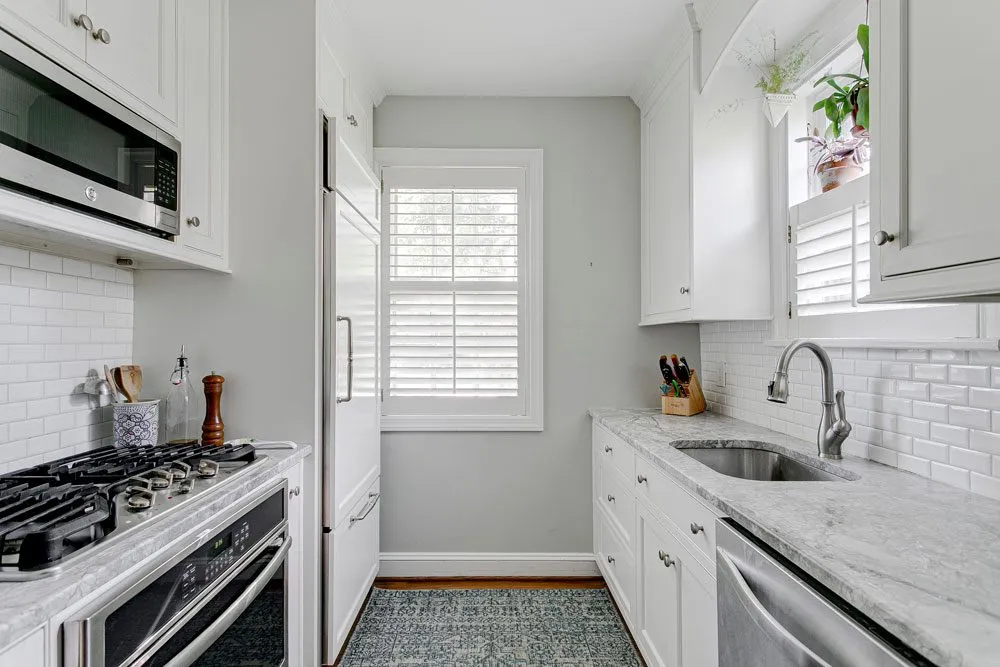
Plantation shutters are one of the few window treatments that can improve comfort, appearance and practicality at the same time. If you’re researching what are the benefits of plantation shutters, the short answer is this: they can help regulate temperature, improve privacy, support natural ventilation, and add a premium finish that often appeals to buyers.
They also compare well with other options when you want a balance of light control, airflow and durability. In the sections below, we’ll break down the main plantation shutters benefits homeowners care about most, with practical notes on materials, climate suitability and upkeep.
Energy Efficiency Benefits Beyond Insulation
Role of Plantation Shutters in Regulating Indoor Temperature
Plantation shutters do more than cover a window. Their adjustable louvers (slats) create a buffer between the glass and your room, which helps reduce solar heat gain in summer and slow heat loss in winter. That buffer supports better thermal comfort because rooms feel more stable instead of swinging hot and cold around the window area. In practical terms, you can open the louvers to admit winter sun, then angle them downward in summer to cut glare and direct heat.
The Australian Department of Energy notes that well-chosen window coverings can reduce heating and cooling demand, particularly when paired with insulation and sensible ventilation. In some homes, that can mean up to 15% energy reduction when window treatments are used alongside ceiling insulation and other efficiency upgrades. Read more on the Australian Government energy efficiency guidance.
Here’s the most useful way to think about the savings: in a hot climate, shutters can reduce the load on cooling systems by limiting direct sun and hot glass surfaces; in cooler climates, they can help keep warm air in by reducing drafts near windows. A household cutting even 400 kWh a year from heating and cooling could reduce emissions by roughly 0.3 tonnes of CO2, depending on the grid mix and appliance used. That improves both your bills and your carbon footprint.
Contribution to Sustainable Living Through Energy Savings
Energy savings are also a sustainability win. Lower heating and cooling demand means less strain on household systems and less electricity or gas use over time. That can be especially helpful in homes with large west-facing windows, where solar heat gain is often most intense in the afternoon.
There are trade-offs, though. Plantation shutters are not as airtight as roller shutters, so they are not a complete thermal seal. Roller shutters may block more heat and cold, but they also block more daylight and airflow. For many homeowners, plantation shutters are the better balance between efficiency, comfort and liveability.
If sustainability matters to you, it’s worth comparing materials as well. FSC-certified timber and recycled composite options can support sustainable window treatments while still delivering a refined finish. For homeowners planning broader upgrades, shutters can sit alongside insulation, draught sealing and efficient glazing as part of a whole-home strategy.
“The biggest energy gains usually come when window coverings are part of a package, not a standalone fix,” says Mark Ellison, building performance consultant at GreenHome Advisory. “Plantation shutters can improve thermal comfort, but they work best when the home also has good insulation and shading.”
Elevating Privacy and Security in Residential Spaces
Adjustable Louvers for Customized Privacy Levels
Privacy control is one of the strongest reasons homeowners choose shutters. Because the louvers can be tilted to precise angles, you can block direct views into a room while still keeping daylight. That is especially useful in street-facing bedrooms, bathrooms and ground-floor living spaces where curtains feel too dark or blinds feel too exposed.
Unlike sheer coverings that still reveal silhouettes, plantation shutters let you fine-tune the level of visibility from the street. You can close the louvers fully for complete coverage, or keep them partly open so the room feels bright without feeling on display. That flexibility is why many readers searching for plantation shutters benefits also end up prioritising privacy as much as style.
Enhancing Exterior Visibility Control Without Compromising Airflow
Shutters also help with residential security by limiting what people can see from outside. If valuables, screens or family routines are less visible, homes tend to feel less exposed. As Dr. Lisa Montgomery of the Home Security Institute explains, “Visibility control matters because it reduces casual observation of the home’s interior, which is often the first step in opportunistic targeting.”
That said, plantation shutters are not a replacement for physical security hardware. They are best viewed as a layered measure that supports privacy, while locks, sensors and stronger window systems provide the real barrier. Roller shutters do offer a tougher physical barrier against intrusion, but they also shut out light and airflow. If you want to compare roller shutters and plantation shutters, the main trade-off is security strength versus day-to-day livability.
Noise reduction is another useful benefit. While shutters are not soundproof, closed louvers can soften outside noise, especially when paired with double glazing or heavy curtains. Independent acoustics guidance shows that layered window systems can reduce perceived noise by a noticeable margin, often more effectively than simple blinds. In a typical room, plantation shutters can sit between curtains and roller shutters for sound control: better than standard blinds, but usually not as strong as a fully sealed roller shutter system. For a home near traffic, that small reduction can make evenings feel calmer and sleep more restful.
“A layered approach is always smarter than relying on a single product,” says Dr. Lisa Montgomery. “Privacy, visibility control and window hardware all play a role in perceived and real security.”
Airflow and Ventilation Benefits for Healthier Indoor Air Quality
Controlling Ventilation While Maintaining Privacy and Light
Plantation shutters support natural ventilation because the louvers can be angled to guide air in and out while still providing privacy. That makes them a strong choice for cross-breezes on mild days, especially in rooms where you want fresh air without opening the window completely to street view. In humid weather, that airflow can help reduce stuffiness and condensation around glass.
For summer, a slightly open louver angle can encourage more moving air while limiting direct sun. For winter, a narrower opening can admit some daylight while keeping drafts under control. This is one of the reasons shutters are often preferred over fixed coverings in family homes: they allow airflow regulation without forcing you to choose between comfort and privacy.
Plantation Shutters’ Impact on Air Circulation Compared to Other Window Treatments
Compared with curtains, which can trap air behind them, shutters encourage steady circulation. Compared with roller shutters, they are much less restrictive because they don’t fully seal the opening. That makes them a better fit where indoor air quality, humidity control and everyday usability all matter.
If you’re weighing the trade-offs, it helps to compare roller shutters and plantation shutters in terms of airflow, light and privacy. Roller shutters offer stronger blackout and weather protection, but plantation shutters generally give you more control over how the room breathes.
Enhancing Comfort Through Optimized Airflow
Good airflow does more than make a room feel fresh. It can help reduce humidity build-up, lower the risk of mould in damp spaces, and support a healthier indoor environment by moving stale air out more easily. The Australian Government’s indoor air quality advice recommends ventilation as a key strategy for reducing pollutants and moisture accumulation. That makes shutters useful in bathrooms, kitchens and bedrooms where natural ventilation matters.
For homeowners who use fans or mechanical ventilation, shutters can complement those systems by helping air move more predictably. In short, they support comfort, ventilation and light management in one product.
How Plantation Shutters Increase Home Value and Property Worth
Market Perception of Plantation Shutters as a Premium Feature
Buyers often read plantation shutters as a sign that a home has been carefully finished. They create a clean, built-in look that feels more permanent than standard blinds and more tailored than off-the-shelf curtains. That premium perception can influence both first impressions and resale conversations.
CoreLogic’s housing data consistently shows that presentation and renovation quality affect buyer interest and sale outcomes. You can review their market insights here: CoreLogic property research. While shutters alone won’t guarantee a higher sale price, they can contribute to a stronger real estate premium when combined with good paintwork, flooring and lighting.
Contribution to Curb Appeal and Resale Attractiveness
From the street, shutters can make a façade look more orderly and finished. Inside, they add consistency across rooms, which can lift perceived quality during inspections. That matters because buyer perception often shapes what people are willing to pay. In that sense, the resale value benefit is partly practical and partly emotional: the home feels move-in ready.
As a simple ROI example, if a homeowner spends $8,000 on plantation shutters and later achieves even a small perceived uplift in market interest or a faster sale, the investment return can be worthwhile. The exact figure depends on location, home type and finish quality, so treat that as an illustrative example rather than a promise. For a deeper breakdown, see home value improvements with shutters.
For homeowners comparing improvements, premium window furnishings are often more visible to buyers than technical upgrades hidden behind walls. That makes them a useful mid-tier renovation choice for both owner-occupiers and investors.
Durability and Longevity: Quality that Supports Long-Term Benefits
Material Selection Impact on Lifespan (Brief Overview)
Durability depends heavily on the material you choose. Wood shutters can last 15 to 30 years when installed and maintained well, especially in dry climates. They look beautiful and feel solid, but they are more sensitive to humidity and temperature swings. Sealed or painted timber performs better if it has quality protective finishes.
Faux wood shutters and composite PVC options generally offer 20 to 40 years of service because they are more moisture resistant and less likely to warp. That makes them ideal for bathrooms, laundries and coastal homes where weather resistance is important. Composite materials can also be a smart choice where you want a timber look without the same upkeep burden.
Resilience of Plantation Shutters in Varied Climates
Climate suitability should guide material choice. In arid or temperate areas, timber can be a great fit if the room is not excessively humid. In coastal or high-moisture environments, faux wood or composite options usually make more sense because they resist swelling, cracking and finish failure more effectively.
A practical rule: if the room regularly sees steam, salt air or heavy condensation, prioritise moisture resistance over natural grain. If the room is dry and you want a more traditional finish, timber remains attractive and long-lasting. Either way, shutters tend to outlast cheaper blinds and many fabric-based window coverings.
Good installation also matters. Correct fixing, accurate measurements and the right finish can add years to the product’s working life. That is why shutters are often valued as a long-term home upgrade rather than a short-term décor item.
Brief Overview of Maintenance and Care (With Link to Detailed Guide)
Directing Readers to In-depth Maintenance Resources
Plantation shutters are low-maintenance, but they still benefit from regular upkeep. For routine cleaning, dust the louvers weekly or fortnightly with a microfiber cloth, soft brush attachment or feather duster. This prevents dust from settling into corners and keeps the finish looking fresh. For deeper cleaning, use a slightly damp cloth with mild detergent, then dry the surface immediately.
For stain removal, avoid soaking timber shutters, as excess water can damage the finish or cause swelling. Instead, spot-clean gently and test any cleaner on a hidden area first. Painted shutters may also benefit from occasional inspection of the protective finishes on edges and handles. If screws loosen, tighten them carefully; if louvers stick, check for dust or alignment issues before forcing them.
For step-by-step instructions, see how to clean plantation shutters. Good cleaning tips and simple upkeep habits go a long way toward longevity enhancement, especially in high-use rooms. If you notice chips, warped panels or hardware damage, it is usually best to call a professional rather than risk making the issue worse.
Why Plantation Shutters Are a Smart Long-Term Choice
When you combine energy efficiency, privacy control, airflow, durability and visual appeal, plantation shutters stand out as one of the most balanced window treatment options available. They are not the cheapest choice upfront, but they often deliver value over time through lower maintenance, better room comfort and stronger buyer appeal.
If you are planning a renovation, the best next step is to measure your windows, compare materials for your climate, and request a quote from a trusted installer. You can also review our plantation shutters benefits guide again, or explore related resources on installation and care before making your final decision. For many homeowners, shutters are the rare upgrade that feels practical every day and still looks premium years later.
Frequently Asked Questions
What exactly are plantation shutters and how do they work?
Plantation shutters are solid window coverings with wide louvers, or adjustable slats, set inside a frame. You tilt the louvers to control light, privacy and airflow. Because they mount neatly to the window, they look built-in and work more precisely than many standard blinds.
How do plantation shutters improve energy efficiency in a home?
They reduce solar heat gain in summer and help slow heat loss in winter by creating an air gap near the glass. According to the Australian Department of Energy, window treatments can contribute to up to 15% energy reduction when used with insulation and ventilation strategies.
Can plantation shutters increase the resale value of my property?
They can support resale value by improving presentation, buyer perception and the sense of quality in a home. CoreLogic data shows that presentation matters in buyer decision-making. See our home value improvements with shutters guide for more context.
What materials are best suited for plantation shutters in humid climates?
Faux wood and composite PVC are usually the best choices in humid areas because they resist moisture, swelling and warping better than natural timber. They are especially practical for bathrooms, laundries and coastal homes where weather resistance matters most.
How do plantation shutters compare to roller shutters in terms of privacy and airflow?
Plantation shutters offer flexible privacy and allow ventilation through angled louvers, while roller shutters provide stronger blackout and security but restrict airflow and light. If you want to compare roller shutters and plantation shutters, the trade-off is comfort and openness versus a tougher physical barrier.
Are plantation shutters easy to maintain and clean?
Yes. Most can be kept in good condition with regular dusting and occasional wiping using a microfiber cloth and mild detergent. For timber, avoid soaking the surface. For detailed cleaning tips and stain removal advice, see how to clean plantation shutters.
Can plantation shutters be custom-made for non-standard window shapes?
Yes, plantation shutters can often be custom-made for arched, angled, circular and other non-standard windows, depending on the manufacturer and frame depth. Accurate measurement is important, but most reputable suppliers can design solutions that match unusual openings while keeping the finish neat.
How do plantation shutters contribute to better indoor air quality?
They support natural ventilation by letting you open the louvers for airflow while keeping privacy. That can help reduce humidity, stale air and mould risk, especially in kitchens and bathrooms. Better airflow can also support lower reliance on mechanical ventilation in mild weather.