
How to Clean Plantation Shutters | Expert Care Guide
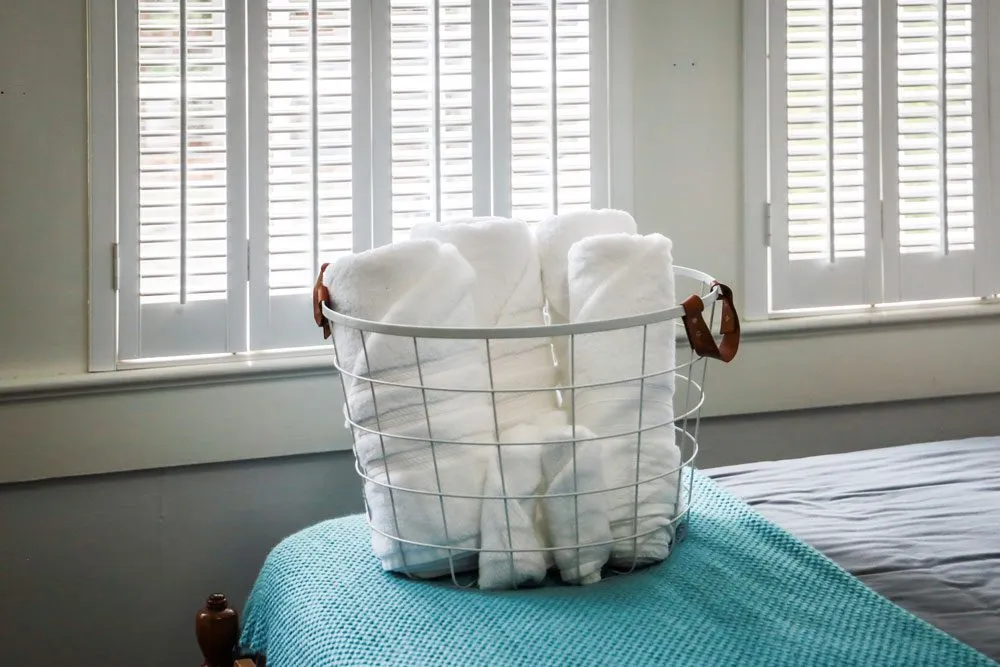
How to clean plantation shutters is a question many homeowners ask when they want to protect both the look and lifespan of their window coverings. With the right tools, material-specific methods, and a simple seasonal routine, you can keep shutters looking crisp without damaging finishes, hinges, or louvers.
Updated: 23 May 2026
By Morgan Ellis, Window Coverings Specialist — 12 years in shutter installation, cleaning, and maintenance.
Morgan Ellis has worked on residential and light-commercial shutter projects across timber, vinyl, and composite systems, with a focus on safe cleaning methods and finish preservation. If you need advice beyond routine care, you can contact our team or explore our related guides on plantation shutters and maintenance.
Understanding Plantation Shutters: Types and Materials
Overview of Plantation Shutters
Plantation shutters are a classic window covering made from wide, adjustable slats mounted within a frame. They’re often called louvered shutters because the angled slats, or louvers, control light, airflow, and privacy while creating a clean architectural look. Compared with curtains and standard blinds, they tend to feel more permanent, more insulating, and easier to integrate into a home’s style.
There are also two broad categories to understand: interior plantation shutters, which are fitted inside the home and cleaned regularly, and exterior plantation shutters, which face weather, UV, and moisture more directly. Most homeowners reading this guide will be caring for interior shutters, but the same material logic applies: the more exposure a shutter gets, the more important finish protection and gentle cleaning become.
If you are still weighing the value of plantation shutters, it helps to know that their durability is one of the main reasons people choose them. A well-kept wooden shutter can last 20–30+ years, vinyl shutters often last 15–25 years, and composite shutters commonly last 20–30 years. Those ranges depend on sun exposure, humidity, daily use, and whether the finish is maintained. Direct western sun, coastal air, and rooms like kitchens and bathrooms typically shorten lifespan unless you clean and inspect them regularly.
Common Shutter Materials: Wood, Vinyl, Composite
| Material Type | Description | Common Uses | Typical Finish |
|---|---|---|---|
| Wood | Natural timber such as basswood, oak, or poplar | High-end interiors, warm classic looks | Painted, varnished, stained |
| Vinyl | Synthetic PVC-based, moisture-resistant | Bathrooms, kitchens, high-humidity areas | Moulded or painted white |
| Composite | Wood fibers blended with polymers | Durability with wood-like appearance | Painted or sealed |
Each material has distinct cleaning needs. For example, timber shutters need low-moisture care because water can swell fibres and weaken coatings, while vinyl and composite surfaces can handle slightly wetter wiping as long as you avoid abrasives. If you are comparing finishes, builds, and design choices, our guide to plantation shutter materials is a helpful starting point.
Material choice also affects how quickly dust and grime show up. Wood can telegraph fingerprints and dullness sooner if the finish is worn. Vinyl is easier to wipe but can show scuffs. Composite sits between the two, offering good stability with a finish that still needs regular care to prevent surface dulling and hardware buildup.
Essential Tools and Cleaning Agents for Plantation Shutters
Recommended Cleaning Tools (microfiber cloths, dusters, vacuum brushes)
To clean shutters well, you don’t need a large toolkit, but you do need the right one. A microfiber cloth with a dense weave works best for trapping dust rather than pushing it around. Look for cloths with a soft feel and no rough edging. An electrostatic duster is ideal for quick maintenance because it lifts dust from slats and recesses without scratching.
A vacuum with a soft brush attachment is useful for hinges, corners, and deep grooves. Use low suction so the attachment glides rather than pulls at slats. For most homes, that means starting on the gentlest setting and testing on a single area first. A small spray bottle, a bucket, and non-abrasive sponges round out the basic kit.
For homeowners who want longer-term guidance, our guide to plantation shutter materials also explains why different surfaces respond differently to water, heat, and cleaning products.
Effective Cleaning Solutions (mild detergents, wood cleaners, homemade options)
The safest cleaners are usually the simplest. For most vinyl and composite shutters, a mild dish soap solution mixed at roughly 1–2 drops per litre of warm water is enough for routine wiping. For sealed wood, use a pH-neutral wood cleaner or a manufacturer-approved cleaner designed to protect varnish and sealants. pH-neutral cleaners are important because they clean without aggressively changing the surface chemistry of the finish.
- pH-neutral cleaner: Best for sealed wood and finish-sensitive surfaces.
- Mild dish soap solution: Best for vinyl and composite when grime is light.
- Vinegar solution: Useful for vinyl or sealed composite only; avoid on unsealed or waxed wood.
- Non-bleach mildew spray: Better for humid areas where mold prevention matters.
For eco-conscious cleaning, choose biodegradable soap, citrus-based degreasers, or low-VOC spray cleaners. Wear gloves when you handle solvents, keep windows open for airflow, and avoid oversaturating cloths. If you use reusable rags, wash them after cleaning; if a cloth has absorbed oil or solvent, let it dry fully before disposal to reduce risk.
Tools and Solutions to Avoid
- Abrasive scrubbers or steel wool, which can damage surfaces
- Strong chemical cleaners containing bleach or ammonia that degrade paint and finishes
- Excess water that can lead to warping, especially on wooden shutters
- High-pressure steam cleaners which might compromise sealants and cause moisture damage
When in doubt, use the least aggressive cleaner first and reserve stronger products for spot treatment only. That approach protects the finish, keeps the louvers smooth, and reduces the chance of costly repairs.
Step-by-Step Cleaning Processes for Plantation Shutters
If you want to clean plantation shutters safely, work in stages: dust first, then wipe, then deep-clean only where needed. That sequence prevents grit from being dragged across the finish and helps you spot damage early.
Routine Dry Dusting Techniques
- Close the shutters fully so the flat face of the louvers is exposed. Starting at the top, wipe across each slat with a microfiber cloth or electrostatic duster.
- Move one row at a time, spending about 1 minute per slat row on average windows. If the shutter is tall, open it halfway and repeat on the opposite side.
- Use a vacuum brush on the lowest suction setting for corners, tracks, and hinge areas. Keep the brush moving so it does not mark the surface.
- Finish by flipping the louvers to remove dust from the back edges and frame. This is the quickest maintenance step and is usually enough for weekly upkeep.
Wet Cleaning and Wiping Procedures
- Mix the correct solution for the material. Use pH-neutral wood cleaner for sealed timber, or mild dish soap and warm water for vinyl and composite.
- Dampen, don’t soak a microfiber cloth. The cloth should feel barely moist, not dripping. Wipe each slat from one end to the other.
- Work from top to bottom so dirty moisture does not streak finished areas you have already cleaned. Rinse the cloth often, especially on kitchen shutters.
- Dry immediately with a clean microfiber cloth. On wood, this step matters most because lingering moisture can swell fibres or soften finishes.
Deep Cleaning and Stain Removal Methods
For grease, finger marks, or ink spots, move slowly and follow the manufacturer’s guidance. A full deep clean normally takes 15–30 minutes per window, depending on size and buildup.
- Spot test first: Apply the cleaner to a hidden 2×2 cm area and wait 24 hours to confirm there is no dulling, discoloration, or tackiness.
- For grease on vinyl or composite: Use a small amount of diluted dish soap first. If needed, a cloth lightly moistened with isopropyl alcohol can help, but only after testing.
- For sealed wood: Use a wood-safe cleaner or manufacturer-approved stain product. Avoid strong solvents, which can strip the finish or leave a pale patch.
- For ink or dye transfer: Blot, don’t rub. Gentle repeated passes are safer than aggressive scrubbing. If the stain does not shift, stop and seek professional advice.
Handling Hard-to-Reach Areas and Hinges
Dust and grime build up around hinges, brackets, and frame corners. A soft brush, cotton swab, or vacuum attachment can reach these spaces without forcing moisture into joints. If hinges feel stiff, clean away dust first, then apply a tiny amount of hardware-safe lubricant. Silicone spray or graphite lubricant is usually preferable to oily products because it attracts less dust.
Safety & Environment
- Wear nitrile gloves when using solvents or stronger stain removers.
- Use protective eyewear if spraying cleaner upward or working above shoulder height.
- Keep windows open and avoid cleaning in enclosed rooms without airflow.
- Choose biodegradable, low-VOC cleaners where possible, especially for regular maintenance.
- Dispose of solvent-heavy rags safely and keep them away from heat sources until fully dry.
Regular, careful cleaning is the best way to prevent buildup from becoming a bigger repair job later.
Seasonal Cleaning and Maintenance Routines for Plantation Shutters
Shutters respond to weather changes, indoor humidity, and sunlight. A seasonal routine helps protect the finish, reduce mold risk, and extend the lifespan of the hardware. If you want a broader context for home maintenance planning, our seasonal shutter maintenance guide offers useful timing ideas for different room exposures.
Spring Cleaning: Deep Refresh and Dust Removal
- Do a full dry dusting and wet wipe to remove pollen, dust, and winter residue.
- Inspect the finish for peeling, chalking, or hairline cracks.
- Check hinges, tilt rods, and framing for stiffness or loose fixings.
- Spot-clean stains before they are baked in by warmer weather.
Summer Care: Managing Humidity and Preventing Mold
- Keep indoor relative humidity between 30–50% where possible.
- If humidity climbs above 60%, increase ventilation and treat moisture-prone areas proactively.
- In bathrooms and kitchens, check for mold monthly and wipe with a suitable non-bleach cleaner.
- Avoid leaving shutters damp after cleaning or after condensation-heavy mornings.
For mold prevention, a light wipe with a vinyl-safe or sealed-surface cleaner can help, but wood should still be dried immediately. If you notice recurring moisture, it may be a ventilation issue rather than a cleaning issue.
Autumn Preparation: Removing Debris and Wear Inspection
- Remove pollen, dust, and airborne debris more frequently as windows are opened and closed.
- Tighten loose screws before cold weather causes contraction in frames and hardware.
- Lubricate hinges with silicone or graphite lubricant if movement has become noisy or stiff.
- Check protective coatings and plan touch-ups before winter moisture settles in.
Winter Dust and Minimal Cleaning for Low Usage
- Dust every 2–3 weeks if the room is dry and shutters are lightly used.
- Watch for condensation on glass and wipe any trapped moisture quickly.
- Inspect wood for dry cracking or finish shrinkage caused by heating systems.
- Use only light wet cleaning in winter so the surface dries fully and evenly.
Seasonal maintenance does not need to be complicated, but it should be consistent. Small checks throughout the year prevent larger problems later, especially in rooms exposed to sun, steam, or salty air.
Expert Tips and Best Practices to Maintain Plantation Shutters
Good shutter care is not only about removing dust; it is also about protecting the surface that makes the shutters last. If you are comparing care methods across finishes, our guide to protective finishes for shutters can help you think about moisture resistance, cleaning frequency, and surface protection more clearly.
Protecting Shutters with Finishes: Varnish and Sealants
Water-based polyurethane is a common choice for indoor wooden shutters because it dries quickly, has low odour, and usually resists yellowing better than older oil-based finishes. Oil-based varnish can provide a richer look and durable protection, but it tends to take longer to cure and may be more sensitive to strong cleaners during early curing.
As a rule, use gentle, pH-neutral cleaners on finished wood and avoid soaking the surface. If a finish begins to look dry or uneven, a touch-up may be due. Most interior wooden shutters benefit from re-finishing every 3–5 years, depending on sun exposure and traffic.
- Lightly sand damaged areas with 220-grit paper for touch-ups.
- Wipe away dust before applying finish.
- Apply two thin coats rather than one thick coat.
- Allow proper drying time between coats according to the product label.
Avoiding Common Cleaning Mistakes
- Never saturate shutters with water, especially wooden ones, as this can cause swelling or warping.
- Avoid harsh chemicals that strip finishes or discolor paint.
- Do not use abrasive tools that scratch and damage surface finishes.
- Resist the temptation to clean shutters only when visibly dirty; regular upkeep prevents buildup and surface degradation.
- Do not overapply sealants or polish; too much product can attract dust and leave a sticky film.
How to Preserve Shutter Longevity and Appearance
- Maintain a cleaning schedule matched to the room: weekly for dusty rooms, monthly for low-use rooms.
- Seal small cracks early to prevent moisture ingress and swelling.
- Tighten screws in a simple sequence: top hinge, bottom hinge, then frame fixings, so alignment stays even.
- Use silicone or graphite lubricant sparingly on metal hardware.
- Keep shutters out of prolonged direct heat where possible to avoid finish fatigue.
Understanding the expected lifespan of plantation shutters helps set realistic maintenance intervals and shows why regular care is more cost-effective than repair. For homeowners comparing upkeep with broader value improvements, see our guide to value-adding home improvements including plantation shutters.
When to Seek Professional Cleaning or Repairs
- If you encounter stubborn stains that resist home treatment, professional cleaning can safely restore finishes.
- Cracks, deep scratches, or hardware damage beyond minor fixes should be handled by specialists to prevent costly replacements.
- Every few years, a professional inspection can catch issues early, especially for high-end wooden or composite shutters.
- If finishes are peeling, slats are warped, or mold keeps returning, professional assessment is usually the safer option.
For high-value shutters, professional cleaning is often cheaper than replacing damaged louvers or frames later on.
Frequently Asked Questions About Cleaning Plantation Shutters
For more background on long-term maintenance, the guide on wooden shutters care explains how material choice, cleaning frequency, and humidity all influence durability.
How often should I clean my plantation shutters to keep them in good condition?
Dust shutters every 1–2 weeks with a microfiber cloth or electrostatic duster. Perform a gentle wet wipe every 3 months and a seasonal deep clean in spring and autumn. Increase frequency in high-traffic, high-humidity, or kitchen areas. Regular upkeep prevents buildup and protects finishes and hardware.
What cleaning methods are best for wooden plantation shutters?
For sealed wood, use a pH-neutral wood cleaner or diluted mild dish soap, lightly dampen a microfiber cloth, wipe slats and edges, then dry immediately. Avoid vinegar on unsealed wood, steam, or excess water. Spot test before use and reapply protective finish every few years.
Can I use vinegar or homemade solutions to clean my shutters?
Vinegar diluted 1:3 with water can safely remove grime on vinyl and sealed composites. Avoid vinegar on unsealed or stained wood—it can dull finishes. For wood, prefer manufacturer or wood-specific cleaners. Always spot test a hidden area first.
What tools are safest to use on vinyl and composite shutters?
Use soft microfiber cloths, low-suction vacuum brush attachments, soft-bristled brushes and non-abrasive sponges. Avoid wire brushes, high-grit scouring pads and harsh scrubbing that will scratch molded surfaces. Gentle, repeated cleaning is safer than vigorous abrasion.
How do I remove tough stains like grease or ink from plantation shutters?
Start with diluted dish soap and a microfiber cloth; blot, don’t rub. For grease, a small amount of isopropyl alcohol on a cloth can work on vinyl (spot test first). For wood, use a wood cleaner compound or consult the manufacturer; avoid strong solvents that strip finishes.
Is it necessary to remove plantation shutters for cleaning?
No — most shutters are designed for on-the-spot cleaning. Use dusters, cloths and vacuum attachments to clean in place. Remove panels only when recommended by the manufacturer or for thorough refinishing or repairs. Removing unnecessarily increases risk of damage.
What are common mistakes to avoid when cleaning plantation shutters?
Avoid saturating wood with water, using bleach or ammonia, and abrasive tools that scratch finishes. Don’t skip spot tests and avoid steam cleaners or high heat. Also avoid over-applying protective coatings—two thin coats are better than a single heavy one.
When should I call a professional for shutter cleaning or repairs?
Call a professional if finishes are peeling, slats are warped, hardware is damaged or when stains like ink or dye resist home treatments. Professionals are also recommended for full refinishing, structural repairs and annual inspections on high-end wood or composite shutters.
If stains persist or your shutters need refinishing, contact our professional team for an inspection and repair recommendation. A timely fix can save the finish, preserve the hardware, and extend the life of your investment.