
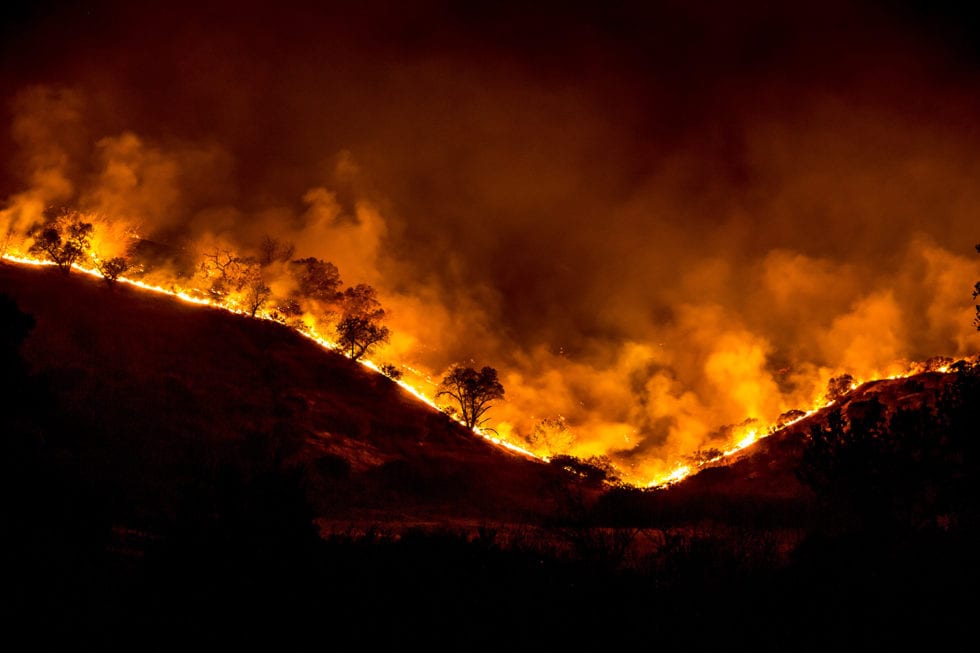
When bushfire season approaches, safeguarding your home becomes paramount. To Get Your Property Bushfire Ready with this Guide, you need more than basic precautions—you need a comprehensive, practical strategy that includes one of the most effective barriers: bushfire shutters. This article will walk you through every step, from understanding bushfire risks to integrating bushfire window shutters as part of your property’s defense.
Understanding Bushfire Risks and Preparing Your Property
Bushfires pose a significant threat to properties in vulnerable regions, driven by factors such as weather conditions, fuel loads, and ember attacks. Embers—small burning twigs or leaves—can travel kilometers ahead of the fire front, igniting homes and vegetation. Understanding their behavior is key to effective protection.
One of the most critical documents guiding construction in fire-prone areas is the Australian Standard AS 3959—Construction of buildings in bushfire-prone areas. This standard outlines building methods and materials designed to resist radiant heat, ember penetration, and direct flame contact. Compliance with AS 3959 significantly reduces property risk and is often mandated by local regulations.
In line with these standards, using fire-resistant building materials is essential. These include non-combustible cladding, tempered glass, and Class A or 1-rated roofing products. Roof valleys and gutters should be designed to avoid debris accumulation, minimizing ember ignition points.
Effective firebreaks and landscape management reduce combustible vegetation within defensible spaces around your property. Create zones where fuel load is minimized by clearing leaf litter, pruning lower tree limbs, and maintaining green healthy lawns or gravel beds. Regular maintenance prevents fuel build-up and slows fire spread towards buildings.
Visual diagrams showing ember attack paths and defensible space zoning can clarify how embers travel and where protection is most critical.
Understanding these risks and proactively preparing your property layer by layer lays the foundation for bushfire safety. Next, we will detail the comprehensive steps you can take with a practical property checklist.
Comprehensive Property Bushfire Preparedness Checklist
- Pre-Bushfire Season Maintenance and Inspections: Inspect and clean gutters, downpipes, and eaves; remove all leaf litter and debris. Check roof and wall vents for ember guards and replace damaged screens.
- Establishing Defensible Space: Clear all flammable vegetation at least 20 meters from your home; prune trees to keep branches 2 meters above the ground; maintain irrigated green zones immediately around structures.
- Emergency Bushfire Plans and Evacuation Routes: Develop a clear, written bushfire action plan including triggers for evacuation, safe routes, and family meeting points. Ensure these routes are kept clear and accessible at all times.
- Tools and Equipment Every Property Should Have: Stock fire extinguishers, hoses with adequate pressure, bushfire blankets, fire-resistant gloves, and a battery-powered radio. Consider ember-proof protection items like bushfire window shutters to physically shield from ember attack.
Key Tip: Keep a check-box document for these steps and conduct quarterly reviews, especially before bushfire season. Consult your local fire authority website for region-specific guidance.
With your property physically prepared, the next section explores the integral role of bushfire shutters in property protection, a critical technology in defending your home.
The Role of Bushfire Shutters in Property Protection
What Are Bushfire Shutters and How Do They Work? Bushfire shutters are specialised protective covers designed to shield windows, doors, and openings from intense heat, flame contact, and the critical threat of ember attack. Unlike standard shutters, they are manufactured with fire-resistant materials and tested against strict bushfire standards. For local options, see our roller shutters perth wa.
| Feature | Bushfire-Rated Shutters | Standard Roller Shutters |
|---|---|---|
| Fire Resistance | Tested to resist radiant heat and direct flame for specific durations (BAL ratings) | No fire testing, mainly for security or aesthetics |
| Ember Protection | Designed with sealing edges and fine mesh or solid face to prevent ember penetration | Often gaps that allow ember entry |
| Material | Made from metal alloys or fire-resistant composites | Various materials including plastic or light metals, not fire-resistant |
| Certification | Compliant with AS 3959 and relevant bushfire safety standards | Not certified for bushfire protection |
How Bushfire Window Shutters Protect Against Ember Attacks and Smoke: Windows are highly vulnerable points due to glass breakage by heat and ember ignition. Bushfire window shutters act as a sealed barrier, blocking embers from entering gaps and igniting interior materials. Additionally, by preventing smoke ingress, they reduce toxic fume exposure for occupants.
For additional options in outdoor window protection, consider solutions like protective roller shutters that also offer UV protection and style.
Understanding their importance sets the stage to explore various types and classifications of bushfire shutters available.
Types and Classifications of Bushfire Shutters
Manual vs. Automated Bushfire Shutters: Pros and Cons
- Manual Shutters: Operated by hand-crank or pulley systems, manual shutters are robust, reliable without power, and cost-effective. However, deployment speed during a fire threat might be slower, which can be risky.
- Automated Shutters: Equipped with motorised mechanisms and sensors, these shutters can close quickly at fire alarms or via remote control, improving safety. Potential drawbacks include dependency on power (mitigate with battery backups) and higher cost.
Bushfire Rating Classifications and What They Mean
Bushfire shutters are classified according to the Bushfire Attack Level (BAL) rating system, which defines the expected intensity of heat and ember exposure:
| BAL Rating | Heat Exposure | Recommended Shutter Features |
|---|---|---|
| BAL-LOW to BAL-12.5 | Low heat; ember attack possible | Basic ember protection and fire-resistant materials |
| BAL-19 to BAL-29 | Moderate heat; ember attack likely | Higher heat resistance, sealed edges, metal construction |
| BAL-40 to BAL-FZ (Flame Zone) | Extreme heat and direct flame contact | Highest fire resistance certification, tested for radiant heat and flame exposure |
Material Considerations for Bushfire Shutters
Materials must withstand high temperatures without warping or failing. Common options include:
- Aluminium Alloys: Lightweight, highly fire resistant, corrosion resistant.
- Steel: Very strong but heavier; requires corrosion protection.
- Composite Fire-rated Materials: Engineered to resist fire while offering insulation.
Understanding roller shutters materials and styles can help you select bushfire shutters that blend safety and aesthetics.
Next, we cover the all-important installation best practices, ensuring your bushfire shutters perform as intended.
Installation Best Practices for Bushfire Shutters
Selecting the Right Shutters for Your Property Zone
Begin by identifying your property’s BAL rating through local government maps or certified assessors. Choose bushfire shutters rated equal to or higher than your BAL zone to ensure compliance and maximum protection.
Professional vs. DIY Installation: Key Considerations
Professional installation is highly recommended to guarantee compliance with AS 3959 and local bushfire safety regulations. Professionals understand precise shutter fitment, sealing requirements, and structural integration, reducing risk of failure during fire events.
However, smaller scale or low-risk properties might opt for DIY installations if confident, provided strict attention is paid to manufacturer instructions and compliance etiquette.
Integration with Existing Windows and Structural Elements
Proper alignment and secure fastening to window frames prevent ember ingress through gaps. Sealing shutter edges with fire-rated seals and installing ember-proof ventilation screens in other openings maximises effectiveness.
Expert installers often test shutter operation after fitting to ensure smooth, reliable deployment in emergencies.
For detailed procedures, consult a step-by-step roller shutter installation guide for practical insights and a checklist of dos and don’ts.
Equipped with shutters properly installed, integrating them into a broader fire protection strategy ensures maximum safety for your home.
Integrating Bushfire Shutters into a Broader Fire Protection Strategy
While shutters are a vital protective barrier against ember attack and heat, they form just one layer of a comprehensive bushfire readiness approach. Consider the following:
- Combining Shutters with Fire-Resistant Landscaping and Materials: Maintain firebreaks, manage vegetation (removing undergrowth, dead trees), and use non-combustible fencing and cladding alongside your shutters.
- Maintenance and Regular Testing of Bushfire Protective Measures: Inspect shutters annually for mechanical wear and damage. Test manual and automated shutter operations before bushfire season to guarantee functionality.
- Coordinating with Local Fire Authorities and Following Updates: Stay informed about evolving bushfire regulations, official advice, and emergency alerts. Register your property with local fire services if available.
Regular upkeep is critical. For detailed tips to maintain roller shutters, ensure they remain in top condition to withstand bushfire threats.
For additional answers to common questions about roller shutters in Perth, including maintenance, installation, and product options, you can explore our FAQs about Roller Shutters Perth and the comprehensive Roller Shutters FAQs Guide.
Additionally, you can consult resources from the Fire Protection Association Australia and insurance bodies for rebates or incentives on approved bushfire-rated shutters.
Finally, preparedness includes knowing how to respond effectively should a bushfire threaten your property.
Emergency Response and Recovery After a Bushfire
Immediate Actions When a Bushfire Threatens Your Property
- Activate your emergency bushfire plan immediately as per alerts.
- Close all bushfire shutters and secure doors and windows to minimize ember penetration and smoke ingress.
- Turn off gas supplies and electrical devices to reduce risk of secondary fires.
- Evacuate as early as possible to a safe location, following planned evacuation routes.
Using Your Emergency Bushfire Plan Effectively
Ensure family members know roles, emergency kit locations, and safe assembly points. Keep radios or phones tuned to emergency services for updates. Having an up-to-date plan is crucial to reduce panic and confusion under stress.
Post-Bushfire Property Inspection and Damage Assessment
After the fire threat passes, carefully inspect for damage such as structural weaknesses, shattered glass, or soot ingress through shutters. Photograph damage for insurance. Consult with professional fire inspectors or qualified builders before re-entry or beginning repairs.
Document any damage and contact authorities or insurers promptly to initiate claims or further safety assessments.
Following these steps enhances your resilience and helps you recover efficiently.
Summary
To Get Your Property Bushfire Ready with this Guide means adopting a multi-layered approach. Start by understanding bushfire risks, comply with key safety standards, and maintain defensible spaces. Installing bushfire shutters, particularly bushfire window shutters, offers a highly effective barrier against ember attack and radiant heat. Choose shutters matching your BAL rating and have them professionally installed for guaranteed protection. Integrate this measure with landscaping and building materials, maintain your systems regularly, and coordinate with local fire authorities.
When emergencies arise, deploy your emergency plan with confidence. Remember, bushfire shutters are essential but part of a broader strategy—investing in them is investing in peace of mind.
Stay safe, stay prepared, and protect what matters most.
Frequently Asked Questions
What is the difference between bushfire shutters and standard roller shutters?
Bushfire shutters are specifically designed and tested to resist radiant heat, direct flame, and ember penetration, complying with bushfire safety standards. Standard roller shutters mainly provide security or aesthetic benefits, lack fire resistance, and often have gaps that allow embers to enter.
How do bushfire window shutters protect a property during a fire?
Bushfire window shutters form a sealed, fire-resistant barrier that blocks embers and radiant heat from entering windows, preventing glass breakage and ember ignition inside the home. They also reduce smoke infiltration, minimizing toxic fume exposure to occupants.
When should I install bushfire shutters on my property?
Bushfire shutters should be installed before bushfire season begins, ideally after determining your property’s BAL rating. Early installation ensures your home is protected and compliant with safety standards ahead of any fire threats.
Can I install bushfire shutters myself, or is professional installation recommended?
Professional installation is recommended to ensure compliance with bushfire safety standards and proper sealing to prevent ember ingress. DIY installation is possible for low-risk properties if done carefully according to manufacturer guidelines.
Which materials are best suited for durable bushfire shutters?
Aluminium alloys, steel with corrosion protection, and composite fire-rated materials are ideal for bushfire shutters due to their strength, fire resistance, and ability to withstand high temperatures without warping.
Why is maintaining defensible space important alongside installing bushfire shutters?
Maintaining a defensible space reduces combustible vegetation near your property, limiting fuel for fires. Combined with bushfire shutters, it creates multiple safety layers, significantly lowering the risk of fire damage.
Does having automated bushfire shutters provide better protection than manual ones?
Automated shutters close quickly via sensors or remote controls, improving response speed during fire threats. Manual shutters are reliable without power dependency but may be slower to deploy, which can affect timely protection.
What factors determine the appropriate BAL rating for bushfire shutters?
The Bushfire Attack Level (BAL) depends on expected heat intensity, ember exposure, and proximity to vegetation or flame zones. Selecting shutters with a BAL rating equal or higher than your property’s risk ensures adequate fire resistance.