
Cyclone Shutters vs Standard Shutters: The Complete WA Homeowner’s Guide
- Introduction
- Understanding Shutter Types
- How Roller Shutters Work (& Relevance for WA Storms)
- Cyclone Shutters: Features, Ratings & Compliance
- Standard Shutters: Everyday Protection & Comfort
- Feature-by-Feature Comparison Table
- How to Choose the Right Shutter (Decision Guide)
- Installation & Compliance: WA Requirements
- Cost, Value & ROI Breakdown
- Shutter Maintenance & Troubleshooting
- Step-by-Step Buying Checklist (WA Homeowners)
- People Also Ask (Quick Answers)
- Frequently Asked Questions – Cyclone vs Standard Shutters
- Glossary of Shutter Terms
Introduction
When you live in Perth or anywhere in WA, protecting your home from fierce winds and storm events means understanding your window and door shutter options. This in-depth guide reveals how cyclone shutters and standard shutters differ in performance, durability, design, and cost—empowering you to choose the best solution for your situation. With local cyclones and severe storm risk on the rise, many property owners now prioritise cyclone roller shutters for peace of mind.
Understanding Shutter Types
Modern roller shutters and window shutters serve several purposes in Western Australian homes: storm protection, insulation, noise reduction, security, and privacy. Whether you’re safeguarding against wind-driven debris or just enhancing comfort, the right type makes all the difference.
- Protection: Both cyclone and standard shutters help shield glass and entry points, but only cyclone models are engineered for extreme events.
- Value: Insulation, kerb appeal, and energy savings can boost long-term ROI (return on investment).
- Comfort: Adjustable privacy, shading, and temperature management.
How Roller Shutters Work (& Relevance for WA Storms)
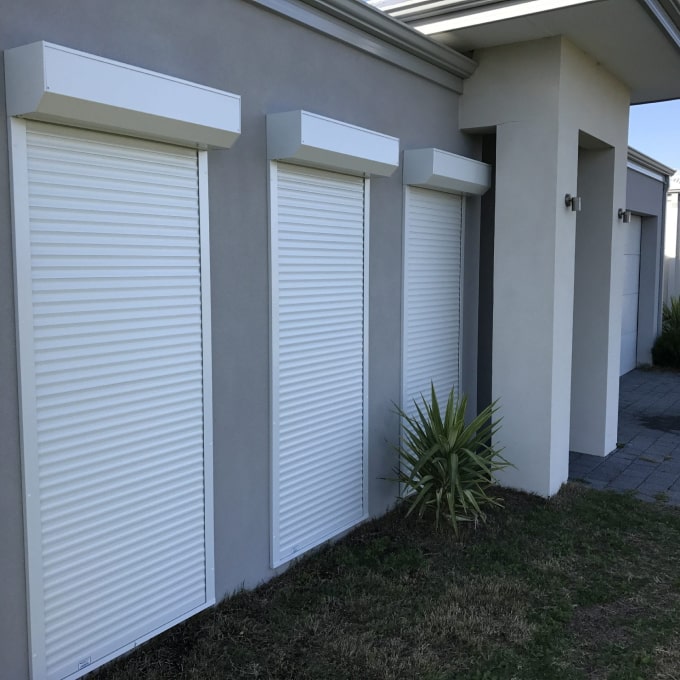
Roller shutters work via locking slats connected inside vertical side tracks and a protective headbox. During storms, the entire system must resist wind load and debris strikes. The most robust systems feature wind locks and reinforced fastenings, engineered to meet local cyclone codes.
- Energy Efficiency: Fully closed roller shutters reduce solar gain in summer and retain warmth in winter.
- Security Bonus: Shutters are a visible deterrent—especially sturdy cyclone models.
Expert Insight: “Wind exposure category and proven impact resistance are non-negotiable for homes in Perth’s northern suburbs and coastal areas.” — WA Building Consultant
Cyclone Shutters: Features, Ratings & Compliance
Cyclone shutters are the only option if you need certified wind and impact resistance for extreme weather events. Here’s what sets them apart:
- Material Strength: Heavy-gauge aluminium or steel, impact-resistant by design.
- Wind & Impact Rating: Designed, tested and certified to withstand 200+ km/h wind speeds and flying debris, per Australian cyclone standards. Always check product documentation matches your region’s requirements.
- Compliance: Confirm alignment with the National Construction Code (NCC) and state/local building regulations.
- Wind Locks & Reinforcement: Deep side channels and purpose-built slats to resist pull-out under suction pressure.
- Operation Types: Manual winder, mains motorised, or smart remote—with battery back-up highly recommended.
- Installation Quality: Only professional, code-compliant installation preserves performance and insurance coverage.
For more technical details or to view product specs, see our comprehensive cyclone roller shutters guide.
Standard Shutters: Everyday Protection & Comfort
Standard roller shutters are popular for Perth’s suburban homes due to their cost-effectiveness and range of custom finishes. They tick the boxes for privacy, energy savings, and noise dampening—but are not engineered for hurricane-force winds or major debris.
- Materials: Lightweight aluminium, timber, PVC, or even vinyl.
- Wind Tolerance: Most models rated up to 120 km/h, suitable for everyday storms but not cyclone events.
- Personalisation: Dozens of colours, profile shapes, and compact headbox options.
- DIY Options: Available, though professional fit ensures best results and longevity.
Inspiration and examples available in our shutter designs roundup.
Feature-by-Feature Comparison Table
| Feature | Cyclone Shutters | Standard Shutters |
|---|---|---|
| Material | Heavy-gauge aluminium/steel, impact-resistant | Timber/vinyl/light aluminium/PVC |
| Wind Speed Rating | 200+ km/h (certified) | Up to 120 km/h (varies) |
| Debris Resistance | Certified impact-tested | None/limited |
| Installation | Professional only | DIY or professional |
| Security Level | Maximum (locks, heavy profiles, wind locks) | Moderate (visual deterrent) |
| Design Choices | Fewer; robust look | Wide colour/profile range |
| Cost | Higher upfront | Lower upfront |
| Best Use | Coastal/storm-prone sites, large spans | General comfort, street-facing windows |
Ownership & Maintenance Comparison
| Factor | Cyclone Shutter | Standard Shutter |
|---|---|---|
| Lifespan | 20+ years with servicing | 10-15 years typical |
| Maintenance | Annual professional checks & owner cleaning | Simple cleaning & occasional tune-up |
| ROI | High—critical in exposed zones | High—comfort & energy payoff |
| Noise/Light Control | Superior | Very good |
How to Choose the Right Shutter (Decision Guide)
Selecting cyclone or standard shutters is not just about price—it’s about local risks, peace of mind, and total home value. Key considerations:
- Location/Exposure: Is your home coastal, elevated, or in a known high-wind corridor? BOM and government maps can help assess risk.
- Compliance & Insurance: Only cyclone shutters deliver certified protection and may qualify for insurance resilience savings.
- Opening Sizes: Floor-to-ceiling, sliding, or corner windows may require heavy-duty solutions.
- Control Type: Manual, motorised, app-connected? Power outages argue for battery back-up.
- Budget: Lifecycle value often favours cyclone shutters for at-risk homes; standard shutters suit most suburban scenarios.
- Appearance: Choose profiles/colours that match your façade for kerb appeal (especially in urban areas).
- Local Regulations: Check council/strata rules and cyclone shutter regulations for WA.
- Installer Quality: Only choose licensed, specialist installers who provide credentials and compliance documentation. See WA Building and Energy guidance at commerce.wa.gov.au.
Expert Tip: “In storm-exposed locations, investing in cyclone shutters upfront can save tens of thousands in damage down the road.” — Perth Insurance Adjuster
Installation & Compliance: WA Requirements
Getting the best from any shutter means correct, code-compliant installation. Key compliance and performance points:
- Site Assessment: Confirm building materials, opening types, and exposure category.
- Document Proof: Demand installation instructions, wind rating results, and compliance certificates for each window/door type.
- Anchors/Fixings: Only use system-specified fasteners, drilling depths, and side channels as tested for cyclones.
- Electricals: Have motorised systems fitted by a licensed electrician, with backup power for outages.
- Commissioning: After install, get a signed handover with operation and care instructions.
For cyclone-rated shutters, annual professional inspections are strongly recommended.
Cost, Value & ROI Breakdown
Shutter system pricing varies by opening size, cyclone rating, finish, motorisation, and installation complexity. Cyclone-certified systems cost more—but so does avoidable window and water damage!
- Direct Value: Reduces storm claims, insurance excess, and injury risk.
- Comfort Value: Solar and acoustic insulation, plus increased privacy/security.
- Resale Appeal: Cyclone or heavy-duty shutters can lift market value in eligible suburbs.
Consult our team for a line-by-line quote adapted to your façade, goals, and exposure risk.
Shutter Maintenance & Troubleshooting
Seasonal Maintenance Checklist
- Wash exterior slats and side tracks with non-abrasive soapy water. Rinse and dry fully.
- Clear grit, sand, salt, and leaves from headbox and tracks.
- Check all visible screws, channels, and fixing points for corrosion or movement at least biannually.
- Lightly lubricate moving parts with approved products—never over-apply to painted surfaces.
- Test all control functions, including auto-stop limits and battery back-up before storm season starts.
- Organise annual servicing for cyclone shutters; call a pro if you notice jamming, scraping, or irregular movement.
Troubleshooting Tips
- Binding or Rattling: Remove debris, check for slat misalignments.
- Non-Responsive Motor: Check power, battery, and control alignment. Pause use if it stalls to avoid burnout.
- Wind Noise or Drafts: Ensure full closure and correct locking; partial closure multiplies vibration risks.
For cyclone shutter owners: follow these maintenance tips especially during the WA summer storm season.
Step-by-Step Buying Checklist (WA Homeowners)
- Define your priorities: Storm safety, energy savings, privacy—or all three?
- List each window/opening’s size and type (noting oversize or corner units).
- Confirm your site exposure: Coastal, open, or protected suburb?
- Create a shortlist: Match tested wind/debris ratings to openings, request compliance paperwork.
- Pick your preferred operation: Manual, remote, app, with backup for blackouts.
- Arrange a home measure and a transparent, all-inclusive quote.
- Coordinate installation: Confirm access, electricals, and any council/strata paperwork needed.
- Get written commissioning and care instructions after install.
People Also Ask (Quick Answers)
What is the best material for cyclone shutters?
Reinforced aluminium or steel with wind locks—certified for both strength and corrosion resistance—is optimal for most WA coastal sites.
How much do cyclone shutters cost?
Pricing is influenced by window size, cyclone rating, controls, and installation complexity. Large, motorised, or high-rating jobs cost more; always ask for an itemised quote.
Are there style options for cyclone shutters?
Yes, multiple slat profiles, colours, and headbox shapes are available—though cyclone shutters may have a more robust appearance than standard models.
Can I use standard shutters in a cyclone area?
Not for critical windows and doors—only cyclone-certified shutters provide tested wind and debris resistance.
How do I confirm a product’s wind rating?
Ask your installer for test certificates and ensure your chosen configuration matches the tested and certified system.
Frequently Asked Questions – Cyclone vs Standard Shutters
Are cyclone shutters worth the extra investment in WA?
For homes in high-risk zones (northern suburbs, coastlines), absolutely—preventing storm or debris damage saves money and stress in the long run.
How often should cyclone shutters be serviced?
Annual professional service is recommended for cyclone-rated systems, with routine owner cleaning in between (more frequently in coastal environments).
Can standard shutters be upgraded for cyclone use?
No—cyclone rating requires purpose-built slats, locks, channels, and formal certification, not just retrofitting or beefed-up fasteners.
Will I need council approval to install shutters in WA?
Requirements vary by local council or strata. Always check before installing, especially in visually sensitive or cyclone-classified areas.
What are wind locks and are they essential?
Wind locks are mechanical clips that prevent the curtain from being pulled out of the channels during strong suction; essential for cyclone rating and peace of mind in any storm.
Glossary of Shutter Terms
- Wind Locks: Clips or lugs that prevent the shutter from being ripped out of its side guides during high wind suction.
- Side Channels: Deep vertical rails on both sides of the window/door opening—crucial in resisting wind pressure.
- Headbox: Enclosure at the top where slats roll up; differs in size for cyclone/standard shutters.
- Suction Pressure: Negative wind pressure acting to pull the shutter away from the frame—highest in cyclones.
- Commissioning: The process of final inspection, testing, and handing over after installation.
This enhanced guide gives you the practical, certified, and design considerations needed to select the right roller shutters for your Perth or WA property. Whether you require battle-tested storm security or stylish daily comfort, we’re here to help—explore more on our homepage or talk to a local specialist today.