
Café Blinds Cost in Perth — Prices, Installation & Tips
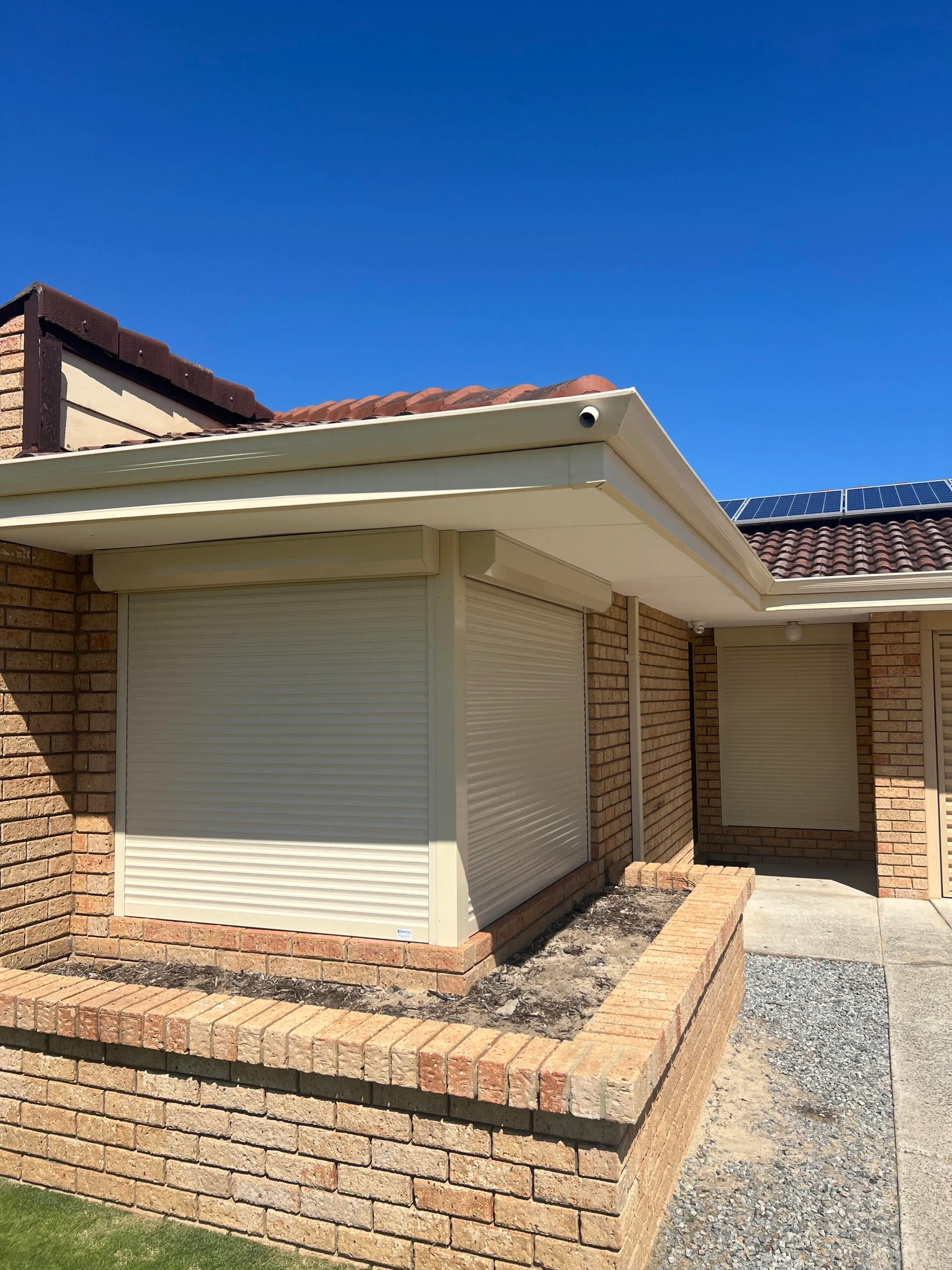
If you’re planning an alfresco upgrade in Perth, cost is the number-one question. This guide shows realistic Perth prices, installation costs, optional extras and how to budget for café blinds so you avoid surprises. We focus on outdoor living spaces, the Perth climate, practical shading solutions and step-by-step budget planning.
What you’ll learn: definitions and local use-cases for café blinds; how material choice, size and motorisation affect the final bill; supplier and installer comparisons; budgeting tools; and answers to common buyer questions. Pricing insights are informed by a Q1 2024 market survey of five Perth suppliers (methodology in the supplier section).
Understanding Café Blinds and Their Popularity in Perth
What Are Café Blinds? Definition and Uses
Café blinds are roll-down or zip-track screens used to enclose patios, verandas and alfresco dining areas. They offer sun protection, wind shielding and rain cover while allowing natural light and sightlines. Common materials include PVC-coated polyester (a polyester base with a welded PVC layer for durability), acrylic (a woven, UV-stable fabric) and clear vinyl (also called clear PVC or clear vinyl, a transparent flexible sheet). Definitions on first use: PVC-coated polyester (tough, washable fabric), acrylic (breathable, colour-fast textile) and clear vinyl/clear PVC (transparent weather barrier).
Why Choose Café Blinds in Perth?
Perth’s long, sunny summers, high UV levels and coastal breezes make café blinds a cost-effective way to extend usable outdoor living spaces. They protect furniture from UV fading, reduce glare and let residents and businesses manage airflow without permanent construction. For example, a Fremantle café (anonymised) installed clear vinyl side blinds to keep sea breezes at bay without blocking views — staff reported fewer wind‑related service interruptions in busy afternoons (anecdotal).
Residential example: a Scarborough family enclosed a 4m veranda with acrylic fabric blinds, reducing indoor cooling loads in summer and increasing year-round use. Estimated energy-efficiency benefits vary by fabric and installation but can reduce afternoon solar heat gain by an estimated 20–30% depending on orientation and fabric choice (estimate).
Commercial venues often choose heavy-duty systems and integrated motorisation for rapid weather response; see our section on commercial café blinds for outdoor dining in Perth for examples.
Types of Café Blinds Available Locally
Perth suppliers commonly offer three families of materials:
- Fabric (PVC-coated polyester or acrylic): Breathable, available in colours/patterns; good UV protection and value for residential patios.
- Solid PVC: Thicker, opaque or tinted vinyl suited to heavy wind and rain protection for commercial spaces.
- Clear vinyl / clear PVC (clear vinyl): Transparent sheet for unobstructed views; needs UV-stable grades and heavier gauges to resist abrasion and yellowing.
Key Price Factors Influencing Café Blinds Cost in Perth
Material Types and Impact on Price
Material is the single largest price driver. Typical price ranges per m² (materials only) vary with quality, UV rating and gauge. Below are practical pros and cons to help compare options.
- Fabric (PVC-coated polyester / Acrylic)
- Pros: Good UV resistance, wide colour range, lower cost.
- Cons: Can stretch or sag over time in heavy exposure; may need re-tensioning.
- Typical durability: 7–10 years. Price estimate: $80–$150/m².
- Solid PVC
- Pros: Excellent wind and rain protection; robust for commercial use.
- Cons: Heavier, less breathable; aesthetic options limited.
- Typical durability: 10+ years. Price estimate: $120–$200/m².
- Clear Vinyl / Clear PVC
- Pros: Maintains views while protecting weather; ideal for coastal sites.
- Cons: Prone to yellowing if low-grade; needs UV-stable formulations.
- Typical durability: 8–12 years with UV treatment. Price estimate: $150–$250/m².
UV stability is often expressed via UPF ratings or manufacturer lab data; look for fabrics tested to AS/NZS standards where available. See our guide on UV protection for outdoor blinds for recommended treatments and specifications.
Size and Customisation: Cost Examples
Size affects both material and labour. Reinforcements, multiple seams, and special tracks add cost. Sample cost estimates (materials + basic installation) illustrate the impact:
- Small (2m × 2m = 4m²): Fabric blinds — Material $320–$600; install $120–$250; total approx. $450–$850.
- Medium (5m × 3m = 15m²): Fabric blinds — Material $1,200–$2,250; install $250–$400; total approx. $1,650–$3,050.
- Large (10m × 3m = 30m²): Clear vinyl — Material $4,500–$7,500; reinforced rails & multiple motors if motorised; install $400–$1,200; total approx. $5,000–$9,000.
Custom options (double-insulated, patterned fabric, or reinforced seams) typically add 5–25% depending on complexity.
Installation Fees Specific to Perth
Installation costs depend on access, mounting type and travel. Typical scenarios:
- Simple single-blind, accessible location: $100–$250
- Complex install (high access, structural reinforcement): $300–$600
- Motorised install (per motor, wiring included): additional $250–$800 depending on wiring and electrician time
- Travel surcharge for outer suburbs: commonly $50–$150
Local compliance note: some council areas require planning approval for permanent-looking enclosures. Check your local WA council guidance or contact installers for permit advice.
Optional Features and Their Price Impact
Optional upgrades add upfront cost but can improve functionality and longevity:
- UV protective coatings: typically +10–20% material cost; add long‑term value by slowing colour fade (estimate).
- Motorisation: Basic motor only: $250–$500 (motor unit price); Installed motor package with wiring & controls: $500–$2,000 depending on smart-home integration.
- Wind sensors & smart automation: $200–$800 per sensor + integration costs; may require additional wiring or hub devices.
Note: vendor quotes sometimes list “motor only” vs “motor + install”. Ensure quotes specify whether wiring, limit-setting, and remote/hub setup are included.
Detailed Cost Breakdown: Perth Supplier and Installer Pricing Comparison
Average Price Ranges by Supplier Type and Brand
Surveyed prices (Q1 2024) for product + basic installation typically fall into these bands:
| Supplier Type | Entry | Mid | Premium | Avg Install |
|---|---|---|---|---|
| Local Independent Suppliers | $100–$130/m² | $140–$180/m² | $190–$230/m² | $150–$300 |
| National Chains | $120–$150/m² | $160–$210/m² | $220–$270/m² | $200–$350 |
| Specialist Outdoor Solutions | $130–$160/m² | $180–$230/m² | $240–$300/m² | $250–$400 |
Survey methodology: Between Jan–Mar 2024 Smarter Outdoors surveyed five Perth-based suppliers (2 independents, 2 national retailers, 1 specialist). Prices reflect typical product + basic installation for standard residential projects; area variations apply. For transparency, suppliers were anonymised; quotes sampled include typical mid-range fabric installs and clear vinyl systems.
Installer Insights and Local Experience Signals
Industry-standard installer comments (anonymised):
“For exposed coastal sites we recommend reinforced seams and rated track systems — clients should budget 15–25% more.” — Installer A, Perth (Q1 2024).
“Motorisation is frequently underspecified; many customers assume ‘motor only’ covers installation and wiring — it rarely does.” — Installer B, Specialist Outdoor Systems (Q1 2024).
Warranty and After-Sales Service Impact
Warranty lengths vary by supplier and product tier. Typical terms:
- Entry-level: 3–5 years on fabric, 1–2 years on motors
- Mid-range: 5–7 years on fabric/mechanisms
- Premium: up to 10 years on fabric; 5 years on motors is common
Common exclusions: UV discolouration beyond a stated percentage, damage from storms or misuse, and warranties voided if not professionally installed (check small-print). Example: Brand X (example) offers a 10-year fabric warranty; Brand Y provides 5-year fabric + 2-year motor cover (example — check supplier terms).
For maintenance advice, see our café blinds maintenance tips to extend lifespan and maintain warranty compliance.
Practical Budgeting and Cost-Saving Tips for Café Blinds Buyers
How to Estimate Your Total Project Cost Accurately
Use a clear formula: Material Cost (m² × rate) + Installation + Extras + Contingency (10–15%) + Travel/permits. Include electrician fees for motorised projects (typical electrician: $90–$120/hour). Ask suppliers for itemised quotes showing motor price, wiring, and installation as separate line items.
Budget Planner and Worked Example
Worked example (medium job—5m × 2m = 10m²):
- Material (mid-range fabric at $140/m²): 10 × $140 = $1,400
- Installation: $300
- UV coating: $140 (10%)
- Motor (installed): $900
- Contingency (10%): $274
- Total estimated cost: $3,014
Downloadable CSV: create a quick planner by listing area, unit cost, installation, motor, sensors and apply 10% contingency. (Upload to CMS as small_budget_planner.csv)
Tips to Lower Costs Without Losing Quality
- Order multiple blinds together for bulk discount
- Choose stocked, local fabrics to reduce lead times and freight
- Schedule installation off-peak (winter) to negotiate lower labour rates
- Prefer manual operation where daily convenience of motorisation is not essential
Seasonal Offers and Local Incentives
Occasional WA energy-efficiency rebates target fixed shading and glazing upgrades. Check the WA Department of Finance and your local council for current schemes and eligibility. Suppliers may run seasonal promotions — request firm written quotes and promotion expiry dates.
Installation Process and Its Effect on Budget
Step-by-Step Installation Overview
- Site inspection: Measure, assess mounting surfaces and check for wiring needs.
- Design & measure-up: Confirm sizes, overlap, tracks and motor positions.
- Fabrication: Blinds cut and reinforced to spec; motors tested before dispatch.
- Mounting: Brackets and tracks installed; structural anchors used for masonry or timber.
- Wiring (if motorised): Electrician completes permanent wiring and switch integration if required.
- Commissioning: Limit setting, functional testing and owner handover.
DIY Installation: Feasibility, Tools and Risks
DIY suits simple, low-height installs with good access. Required tools: drill, masonry bits or timber screws, level, tape and helper. Risks: incorrectly set limits, poor sealing, voided warranties and hidden structural issues. If you DIY, keep receipts for materials and follow manufacturer instructions.
When to Opt for Professional Installation
Use professionals for motorised systems, high or hard-to-reach installs, complex multi-blind systems or where council approvals may be necessary. Professionals reduce long-term costs by ensuring correct tensioning, seal integrity and warranty compliance.
Post-Installation Checks and Hidden Costs
Check for loose fixings, even operation, water ingress and proper motor limits within the first 14 days. Hidden costs can include remedial carpentry, additional waterproofing, electrician hours beyond initial quote, and council inspection fees.
Optional Features and Their Effect on Pricing
Motorised Blinds: Cost and Benefits
Motorisation increases upfront cost but adds convenience and longevity by preventing misuse. Pricing clarifications:
- Motor only (unit price): $250–$500
- Motor + professional install (per motor): $500–$1,200 including wiring and limit-setting
- Smart-home integration: add $150–$600 for hub, setup and optional app linkage
Large spans often require multiple motors or centralised drives; always confirm whether quotes include electrician time for hard-wired setups.
UV Protection: Why It Matters and Price Impacts
UV protective finishes and UV-stable fabrics reduce fading and extend usable life. Expect a 10–20% price premium for treated materials — a worthwhile investment on Perth’s sun‑exposed facades. See our guide to UV protection for outdoor blinds for specifications and test standards.
Additional Customisation Options
Custom colours, branding, double-glazed style seals and sensor automation are available. Expect lead times to increase for specialty orders and price premiums of 5–25% depending on rarity of material.
Conclusion — Key Takeaways and Next Steps
Café blinds in Perth vary widely in cost depending on material, size and optional features like motorisation and sensors. Budget realistically: materials + installation + extras + 10–15% contingency. For coastal or commercial sites, budget 15–25% extra for reinforcements. To get a personalised price, request a free measure and quote from local specialists.
Café blinds in Perth — request a free measure & quote via our contact form to get a tailored estimate today.
Explore our full range and get tailored pricing at outdoor blinds perth for product details, photos and free quotes.
Frequently Asked Questions
What is the average cost of café blinds in Perth for a typical outdoor area?
For a typical 5m x 3m patio, expect a total price between $1,500 and $3,000 including materials and professional installation, depending on material choice, motorisation and any reinforcement needed for exposed sites.
How much does professional installation add to the total café blinds cost?
Professional installation typically adds 15–25% to the total project cost and commonly ranges between $150 and $400 for standard residential jobs in Perth, with higher fees for complex or high-access installs.
Can I save money by installing café blinds myself in Perth?
DIY can save approximately $150–$400 in labour, but carries risks including voided warranties, improper sealing and potential damage. DIY suits simple, low-height installs if you have the correct tools and a helper.
Which materials for café blinds offer the best value and durability in Perth’s climate?
PVC-coated polyester and acrylic fabrics offer strong value for most residential sites with 7–10 year lifespans. Solid PVC and high‑grade clear vinyl are more durable for coastal or commercial sites, typically lasting 8–12 years with proper care.
How does motorisation affect the price and functionality of café blinds?
Motorisation increases the upfront cost — basic motors start around $250–$500, while installed motor packages typically range $500–$2,000 depending on wiring and smart-home integration. Benefits include convenience, automation and longer useful life when used correctly.
Are there local rebates or incentives for café blinds in Perth?
Occasional WA energy-efficiency rebates and local council incentives exist for shading and efficiency upgrades. Check WA Department of Finance and your local council for current programs and eligibility before purchasing.
What warranty coverage can I expect when purchasing café blinds in Perth?
Warranties vary: entry-level suppliers often offer 3–5 years on fabric, mid-range 5–7 years, and premium brands up to 10 years on fabric. Motor warranties commonly cover 1–5 years; always confirm exclusions such as UV discolouration or void clauses for DIY installation.
How do I accurately budget for a café blinds project including optional features and installation?
Calculate material cost (m² × unit rate), add installation, optional extras (motor, sensors), and contingency of 10–15%. Request itemised quotes from multiple suppliers and confirm whether motor prices include wiring and electrician time.