
Café Blinds Maintenance: Expert Care & Cleaning Guide
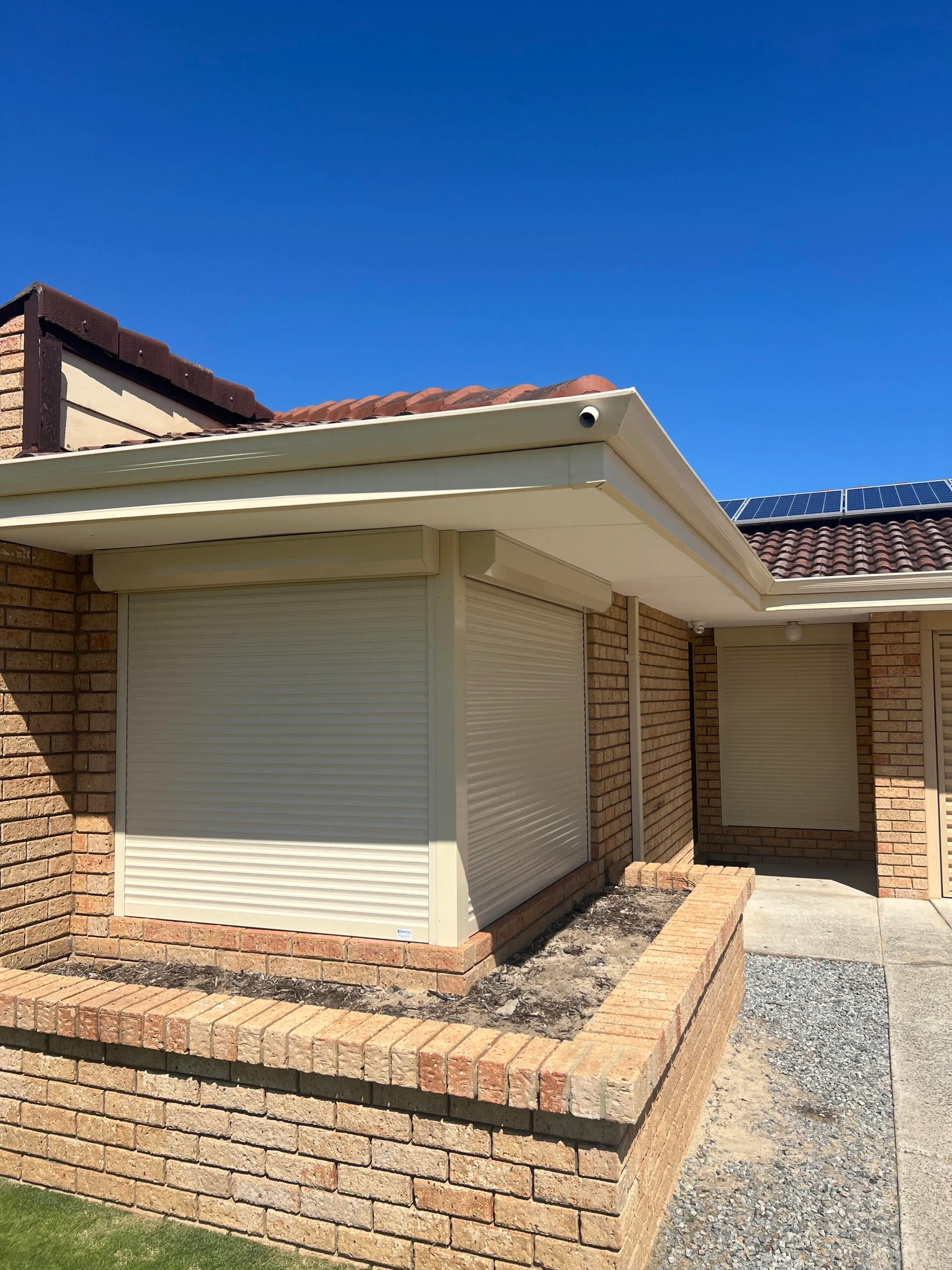
Understanding Café Blinds and Their Maintenance Needs
Café blinds are outdoor shades installed around patios, verandas and alfresco dining areas to protect from sun, wind and rain while maintaining sightlines and airflow. Common café blind materials are PVC (clear or tinted panes), canvas (woven fabrics with water‑repellent coatings), and mesh (open-weave screens). Each material has distinct environmental vulnerabilities and maintenance demands tied to fabric porosity, coating systems and mechanical hardware.
Outdoor shade materials differ in water repellency (repellant coatings) versus fully waterproof membranes. “Waterproof” implies no water penetration under normal exposure, usually achieved via welded seams or laminated films (common in PVC), whereas “water repellent” often uses a durable water‑repellent (DWR) finish that beads water but may allow saturation over time (common on canvas).
Material science fundamentals that affect lifespan:
– UV degradation: Ultraviolet (UV) radiation breaks polymer chains in plastics and synthetic fibers, causing embrittlement, loss of tensile strength, fading and surface cracking. UV‑stabilizers and pigments slow this process but do not stop it entirely.
– Tensile strength: Measured in newtons or MPa for fabrics and in N/mm for coated textiles; typical outdoor fabrics have breaking strengths ranging from 1000–4000 N depending on weave and coating.
– Porosity: Fabric porosity (air and water permeability) influences breathability and mold risk—higher porosity improves airflow but may allow water ingress in heavy rain.
According to industry findings (AATCC 2023 accelerated weathering review and AODA 2023 outdoor textile guidance), unprotected fabrics exposed to high UV can show significant tensile loss and colour fade within 1–3 years in harsh climates. Manufacturers often publish expected lifespan ranges: untreated canvas 5–10 years with maintenance; clear PVC panels 3–7 years in high-sun exposures without additional UV protection. These ranges vary by exposure, installation angle and care routines (AATCC 2023; AODA 2023).
Warranty requirements frequently reference maintenance: documented cleaning, approved chemical lists, and prompt repair. Keep dated photos, invoices and a maintenance log to support future warranty claims. Small, consistent tasks reduce cumulative damage from environmental wear.
For commercial client guidance on robust solutions for dining spaces, see our related page on commercial café blinds.
Overview of Common Café Blind Materials (PVC, Canvas, Mesh)
PVC café blinds (clear or tinted vinyl) provide weatherproof visibility. Pros: excellent water resistance, easy-to-clean smooth surfaces. Cons: susceptible to UV-induced yellowing and brittleness; seams and welds are stress points. Lifespan: commonly 3–7 years under constant sun without UV treatment. See technical datasheets for exact composition and UV stabiliser levels.
Canvas blinds (woven cotton blends or acrylic-coated fabrics) offer a traditional look and strong UV and water repellency when treated. Pros: good insulation, longer colourfastness with pigmented acrylic coatings. Cons: higher porosity can trap moisture and dirt, increasing mildew risk. Lifespan: 5–10+ years with regular maintenance and reproofing treatments.
Mesh blinds (PVC-coated polyester or vinyl-coated screens) balance visibility, wind flow and shade. Pros: reduce wind load, limit glare. Cons: fine debris accumulation and edge abrading; cleaning requires gentle suction and low-pressure rinsing. Lifespan: typically 4–8 years depending on weave density and exposure.
Material vulnerabilities: welded PVC seams may peel under ozone and cyclic temperature stress; canvas coatings can wear at fold lines; mesh edges can fray under chafing. Choose materials and installation details (e.g., hem pockets, protected seams) appropriate to site exposure to extend service life.
Key Factors Affecting Durability and Longevity
Major durability factors include UV index exposure, proximity to salt (coastal corrosion), airborne pollutants (soot, grease from kitchens), wind loading, and moisture cycles. Accelerated weathering test results (AATCC accelerated lightfastness studies, 2023) show UV index and temperature cycles are primary drivers of tensile loss and coating failure.
Tensile strength metrics and UV resistance ratings (e.g., ISO 4892‑2/ASTM G154 accelerated weathering tests) are useful when comparing products. For example, outdoor PVC with UV stabilisers rated for 5000-hour xenon exposure will outperform untreated PVC in high sun. Manufacturer warranty conditions often require specific products and maintenance intervals to remain valid (WCMA guidelines and major suppliers’ instructions).
Regular mechanical inspection (fasteners, tracks, bottom rails) is essential: loose rivets, corroded fixings or worn pulleys create stress concentrations that cause fabric failure. Track misalignment under wind loading accelerates seam stress and edge wear. Log torque readings and visual checks monthly to capture trends early.
Importance of Regular Maintenance for Warranty Compliance
Manufacturers usually require documented maintenance to validate warranty claims. Typical warranty conditions include: regular cleaning with pH‑neutral detergents, use of manufacturer‑approved cleaners for stains, and immediate repair of small tears. Keep a dated maintenance log and photos of service work and receipts—these are often requested during claims.
Sample maintenance log entry:
– Date: 2025‑03‑12
– Task: Monthly PVC cleaning (mild detergent 1 tsp/L), lubrication of tracks (silicone spray), inspected bottom rail anchors. Photos attached. Technician: James Carter.
Store maintenance records digitally and in hard copy. If a manufacturer issues specific cleaning products or disallows certain solvents, following those rules is mandatory to avoid voiding coverage—so always cross-check your product against the warranty manual.
Cleaning Protocols Tailored to Café Blind Material Types
Below are material-specific, step‑by‑step cleaning protocols, dilution ratios, recommended frequencies and environmental safety notes. Follow manufacturer instructions first and always test a hidden area before wide application.
Cleaning PVC Café Blinds: Tools, Agents, and Techniques
PVC café blinds—especially clear PVC panels—need gentle cleaning to avoid micro-scratching, yellowing or removal of UV stabiliser layers. Monthly cleaning is a good baseline for high-exposure sites; increase to fortnightly near kitchens or heavy traffic.
- Remove loose dirt: Use a soft bristle brush or a microfiber cloth to remove dust and grit—work top to bottom.
- Prepare solution: Mix 1 teaspoon (≈5 mL) of pH‑neutral detergent per 1 L warm water (approx. 1:200 dilution). For light mildew or mineral deposits: 1 part white vinegar to 9 parts water (10% v/v) is effective.
- Wash: Apply solution with a soft sponge; avoid abrasive pads. Use horizontal strokes to reduce streaking on clear panels.
- Rinse: Low‑pressure hose or bucket rinse immediately to avoid soap residue build-up.
- Dry: Blot with a clean microfiber towel. Avoid leaving wet in direct sun to reduce spotting; if drying in sun, ensure full rinsing first.
- Stubborn yellowing: Use a PVC-specific cleaner labelled “UV‑stabiliser safe”—follow product label and test in an inconspicuous area.
Yellowing prevention tips: avoid prolonged storage folded on edges; store flat or rolled; use UV protection sprays rated for PVC. Recommended frequency: monthly for high exposure, quarterly for low exposure. For more detailed product/installation notes, see our clear PVC café blinds resource and our anchor page on UV protection for café blinds.
Best Practices for Canvas Blind Cleaning and Stain Removal
Canvas fabrics require gentler handling due to porosity and coatings. Recommended schedule: light cleaning every 1–3 months; deep clean and reproof annually or biannually depending on exposure.
- Dry-brush loose dirt and dust using a soft brush.
- Spot clean: Prepare mild detergent solution (same 1 tsp/L). Lightly dab stains with a sponge—do not rub aggressively as that abrades fibers.
- Oil/grease stains: Use manufacturer-recommended solvent or an enzyme-based cleaner; test on hidden seam first.
- Mold/mildew: Use a diluted vinegar solution (10%) applied for 5–10 minutes, then rinse thoroughly. For heavy mildew, use an oxygen-based (non‑chlorine) cleaner as recommended by the fabric supplier.
- Dry: Air dry completely on a flat or hung surface; avoid rolling while damp to prevent trapped moisture and mildew.
- Reproof: Apply DWR or fabric reproofing treatment per product instructions (usually yearly in harsh climates).
Always refer to the fabric manufacturer’s cleaning code. For canvas stain help, see our linked resource on canvas blinds stain removal.
Maintaining Mesh Blinds: Dust and Debris Removal
Mesh blinds function by permitting airflow; therefore maintain breathability while cleaning. Recommended frequency: monthly in dusty zones; more often in coastal or kitchen-adjacent locations.
- Vacuum: Use low-suction settings and a soft brush nozzle to remove surface dust. Avoid aggressive suction that distorts weave.
- Rinse: Use a garden hose on low pressure or a bucket and soft brush with mild detergent. Avoid pressure washers that can delaminate coatings.
- Dry: Hang or lay flat to dry. Ensure edges and hem pockets are dry to prevent mildew.
For embedded grime, enzyme-based cleaners are effective. For perimeter fraying, nip loose threads and apply UV-resistant edge sealant designed for outdoor mesh.
Environmental Safety and Suitable Cleaning Agents
Safety & Warranty Disclaimer: Always wear gloves and eye protection when using chemicals. Test cleaners in an inconspicuous area. Use manufacturer-approved products to avoid voiding warranties. The author and publisher are not responsible for improper chemical use.
Choose cleaning agents that are biodegradable, non‑chlorinated, non‑solvent and, where applicable, EPA‑approved. In Australia, consult the local EPA guidance on cleaning agents and prefer enzyme-based cleaners for organic stains. Avoid household bleach and acetone on fabrics and PVC unless manufacturer permits them.
For product selection, prioritise: biodegradable label, no‑VOC or low‑VOC, manufacturer compatibility, and clear safety data sheets (SDS). Keep SDS records for warranty and occupational health compliance.
Seasonal and Weather-Specific Maintenance Routines
Weather exposure cycles influence how often and what type of maintenance is necessary. Seasonal prep reduces acute damages from storms, sun and moisture.
Maintenance Tips for UV Protection and Sun Exposure
UV is a key accelerated aging factor. Steps to protect against sun damage:
– Clean surfaces thoroughly before any UV‑stabiliser application.
– Use UV‑stabiliser sprays specifically labelled for the substrate (fabric or PVC); follow manufacturer’s cure time (commonly 24–48 hours).
– Application frequency: annually for high sun exposure; every 18–24 months in moderate climates.
– Retractable use: reduce continuous extended exposure by retracting blinds during non‑service hours where practical.
See our pillar content on UV protection for café blinds and product datasheets for exact cure and reapplication windows. Use PPE when spraying and avoid application at temperatures below manufacturer-specified limits.
Rain and Moisture: Mold and Mildew Prevention Strategies
Persistent moisture invites mold. Preventive and treatment steps:
– After heavy rain, open and dry blinds fully; wipe trapped water from hem pockets.
– For mildew: 1:9 vinegar:water (10% v/v) applied for 5–10 minutes, then rinse; for canvas, consider oxygen‑based cleaners if vinegar is insufficient. Enzyme cleaners work well for organic stains.
– PPE: wear gloves and eye protection; ventilate work areas.
– If two treatments fail, engage professional cleaning to avoid irreversible damage and health risks.
Document treatments (date, solution used, photos) for warranty records. For product-specific rulings, consult your manufacturer to confirm acceptable chemicals.
Wind and Storm Preparedness: Securing and Inspecting Blinds
Before forecasted storms:
– Retract blinds fully when possible and secure bottom rails with quick-release anchors.
– Remove loose items (menu boards, heaters) within the sheltered area.
– Photograph pre-storm condition and note serial numbers or installation tags for insurance/warranty records.
– Post-storm: inspect fixings, tracks, and cable tension; replace corroded fasteners promptly.
Off-Season Storage and Care for Shut-Down Periods
For businesses closing seasonally:
– Clean and dry completely before storage.
– Roll (not fold) blinds onto a breathable core; place in a breathable fabric storage bag—avoid plastic sheeting that traps humidity.
– Store in a cool, dry place—avoid direct sunlight and damp basements. Ideal storage: 10–20°C, relative humidity <60%.
– Inspect quarterly for pest activity or mold; re‑air and refold/roll to relieve creases if needed.
DIY Troubleshooting and Repairs for Common Café Blind Issues
Small repairs reduce replacement costs. Use quality repair kits and follow curing times carefully.
Detecting and Treating Mold and Mildew Early
Detect early: musty smell, patchy discoloration, or soft spots. Isolate the area and test a small hidden patch before full treatment. Safe treatment steps:
1. Mix 1 part white vinegar to 9 parts water; apply and leave 5–10 minutes.
2. Rinse thoroughly and air dry.
3. For fabrics: use an enzyme-based cleaner or oxygen bleach when manufacturer allows.
If mold returns after two treatments, stop and call a professional—persistent growth can indicate deeper issues like trapped moisture or insulation problems.
Repairing Tears, Holes, and Fabric Wear
Minor tears can be repaired with surface patches or sewn repairs; major seam failures require professional re-welding or replacement. Repair steps and materials:
– Canvas: surface prep (clean, dry), apply outdoor fabric adhesive or sewn patch; allow adhesives to cure 24–48 hours depending on temperature/humidity.
– PVC: use UV‑resistant PVC repair kits—clean weld area, apply adhesive/patch per kit instructions and allow recommended cure time (commonly 24–72 hours).
– Mesh: edge frays can be sealed with UV-resistant fabric glue and edge binding tape; replace hem cords if frayed.
Always match adhesive type to substrate (silicone‑based for tracks and hardware; polymer adhesives for fabric). Record repair dates and materials used for warranty transparency.
Lubrication and Mechanical Troubleshooting for Moving Parts
Recommended cadence: lubricate tracks, pivots and rollers every 3–6 months. Use silicone-based lubricants (non-silicate) that do not attract grit. Procedure:
– Clean tracks of debris with damp cloth.
– Apply light spray of silicone lubricant to rollers and tracks, operate blind to spread lubricant.
– Check cable tension and fastener torque; re‑tighten to manufacturer torque specs where available.
Tools and Sealants for Efficient Blind Repairs
Essential kit: soft-bristle brush, microfiber cloths, pH‑neutral detergent, vinegar, silicone spray, UV‑resistant sealant, fabric adhesive, replacement hem cords, spares (pulleys, rollers, rivets). Download our printable Quick Troubleshooting Flowchart for onsite reference.
Maintenance Scheduling and Longevity Best Practices
Creating a Maintenance Calendar: Daily, Monthly, and Seasonal Tasks
Use a maintenance calendar to systematise tasks and preserve warranty compliance. Download the printable checklist: Café blinds maintenance tips (PDF).
Sample schedule (summary):
– Daily: Visual inspection for obstructions, quick wipe of handprints or smudges.
– Monthly: Light clean (material‑specific), lubricate moving parts, check fasteners.
– Seasonal (spring/autumn): Deep clean, reproof canvas if required, apply UV protection, inspect seams and hem pockets.
– Annually: Professional deep clean and safety check; replace worn components.
Use calendar reminders and log each task with date, technician, and photos to maintain comprehensive records.
Tips to Maximise Lifespan and Maintain Appearance
- Choose the right fabric/coating for your climate—ask for UV ratings and tensile data at purchase.
- Rotate operational patterns where possible (retract during midday sun if not required) to avoid prolonged unidirectional stress and fading.
- Avoid continuous contact with heat sources (heaters) and aggressive cleaners.
- Address minor stains and mechanical noises immediately—deferred repairs amplify damage.
For product selection, installation guidance and local service options in Western Australia, see our outdoor blinds perth.
How Proper Maintenance Affects Manufacturer Warranty
Proper upkeep documents correct usage and approval of cleaning agents, which is essential for successful warranty claims. Keep dated photos, invoices and maintenance logs. Use only manufacturer‑approved cleaners when specified and always test new products in an inconspicuous area. For more, see our café blinds warranty compliance page.
When to Call Professional Cleaning Services
Call professionals for: persistent mold, large-area stains, structural seam failures, complex mechanical faults, or when annual deep cleaning is required for warranty compliance. Ask potential service providers for insurance certificates, SDS for products used, references, and a scope-of-work quote. See our professional café blind cleaning services page for vetted providers and cost guidance.
Related Care for Outdoor Furniture and Surrounding Areas
Coordinated maintenance of furniture and landscaping protects blinds and improves overall aesthetics. Use compatible cleaning agents that won’t stain timber, powder-coated metal or cushions. Examples: pH‑neutral wood cleaners for timber benches and mild detergent for metal frames.
Coordinated Cleaning Routines for Blinds and Outdoor Furniture
Plan combined cleaning days—clean upholstered cushions first, rinse and dry, then wipe blinds to prevent cross-contamination of grease or tannins. Avoid bleach on timber or fabrics unless specifically recommended. For furniture care tips, see our outdoor furniture maintenance guide.
Landscaping and Weatherproofing Around Café Blinds
- Prune trees and hedges to reduce debris fall and reduce sap/leaf staining on blinds.
- Grade site drainage away from blind fixings; ensure ground water does not pool near foundations.
- Consider windbreak planting or architectural screening to reduce sustained wind loads on blind hardware.
Preventing Environmental Damage to Blinds Through Area Care
Position heaters and fans to avoid direct heat on fabric edges. Use cover mats or sheltering canopies to reduce exposure when blinds are retracted for long periods. These area-level controls address secondary causes of blind degradation and help maintain warranty conditions.
FAQs and Expert Insights on Café Blinds Maintenance
Below are the most common maintenance questions and concise, practical answers to guide your routines.
Frequently Asked Questions
How often should I clean my café blinds to maintain their appearance and function?
Clean PVC panels monthly in high-exposure sites; canvas needs light cleaning every 1–3 months with deep cleaning biannually. Mesh should be dusted monthly. Increase frequency after storms, spills or heavy kitchen grease exposure. Keep a maintenance log to track and adjust schedules.
What are the best cleaning methods for different café blind materials like PVC, canvas, and mesh?
PVC: soft brush and pH‑neutral detergent (1 tsp/L), rinse and blot dry. Canvas: dry-brush, spot clean with mild detergent, air dry, reproof annually. Mesh: low-suction vacuum, low-pressure rinse, air dry. Always test in a hidden area first.
How can I prevent mold and mildew growth on my outdoor café blinds?
Ensure blinds dry fully after rain or cleaning, use mold-resistant treatments on canvas biannually, maintain airflow around blinds and inspect hem pockets frequently. Treat early with a 10% vinegar solution; persistent mold needs professional cleaning.
What types of cleaning agents are safe for café blinds without damaging the material or voiding warranty?
Use biodegradable, non‑chlorinated, pH‑neutral detergents and enzyme-based cleaners. Avoid acetone, concentrated bleach or strong solvents unless manufacturer-approved. Retain SDS and test cleaners on an inconspicuous area before full application.
How should I prepare my café blinds for extreme weather conditions like storms or strong sun exposure?
Retract blinds before storms, secure bottom rails and anchor points, remove loose nearby items, and photograph pre-event condition. For sun, apply UV stabiliser annually and reduce continuous exposure by retracting when not needed.
What are common signs of mechanical wear, and how do I troubleshoot retractable blinds?
Watch for uneven movement, squeaking, increased effort to operate, and visible cable fraying. Clean tracks, lubricate with silicone spray, check cable tension and replace damaged pulleys or cables promptly to prevent escalation.
When is it necessary to hire professional cleaning or repair services for café blinds?
Hire pros for persistent mold, large-area stains, seam or weld failures, complex mechanical issues, or for annual deep cleans required by warranties. Verify insurances, ask for SDS for products used and obtain a clear quote and scope of work.
How does regular maintenance affect my manufacturer’s warranty and product longevity?
Regular maintenance documents correct care and use of approved cleaners, which supports warranty claims. It reduces accelerated degradation from UV, moisture and mechanical stress—often extending practical service life by 20–30% when performed consistently.
Expert Insights
“Consistent maintenance is the cornerstone of café blind longevity. Operators who adhere to scheduled care routines often extend handheld life and avoid major replacement costs.” – Sarah Johnson, Lead Technician, Outdoor Shade Experts Australia.
“Documenting each maintenance session with photos and receipts is often the difference between a successful warranty claim and a denied one—store records off-site in case of damage or theft.” – Mark Lee, Warranty Specialist, ShadeTech Solutions.
Sources & Further Reading
- AATCC — textile testing & accelerated weathering (2023)
- Clear PVC café blinds — UV protection & care
Frequently Asked Questions
How often should I clean my café blinds to maintain their appearance and function?
Clean PVC panels monthly in high-exposure sites; canvas needs light cleaning every 1–3 months with deep cleaning biannually. Mesh should be dusted monthly. Increase frequency after storms, spills or heavy grease exposure. Keep a maintenance log to track and adjust schedules.
What are the best cleaning methods for different café blind materials like PVC, canvas, and mesh?
PVC: soft brush and pH‑neutral detergent (1 tsp/L), rinse and blot dry. Canvas: dry-brush, spot clean with mild detergent, air dry, reproof annually. Mesh: low-suction vacuum, low-pressure rinse, air dry. Always test in a hidden area first.
How can I prevent mold and mildew growth on my outdoor café blinds?
Ensure blinds dry fully after rain or cleaning, use mold-resistant treatments on canvas biannually, maintain airflow around blinds and inspect hem pockets frequently. Treat early with a 10% vinegar solution; persistent mold needs professional cleaning.
What types of cleaning agents are safe for café blinds without damaging the material or voiding warranty?
Use biodegradable, non‑chlorinated, pH‑neutral detergents and enzyme-based cleaners. Avoid acetone, concentrated bleach or strong solvents unless manufacturer-approved. Retain SDS and test cleaners on an inconspicuous area before full application.
How should I prepare my café blinds for extreme weather conditions like storms or strong sun exposure?
Retract blinds before storms, secure bottom rails and anchor points, remove loose nearby items, and photograph pre-event condition. For sun, apply UV stabiliser annually and reduce continuous exposure by retracting when not needed.
What are common signs of mechanical wear, and how do I troubleshoot retractable blinds?
Watch for uneven movement, squeaking, increased effort to operate, and visible cable fraying. Clean tracks, lubricate with silicone spray, check cable tension and replace damaged pulleys or cables promptly to prevent escalation.
When is it necessary to hire professional cleaning or repair services for café blinds?
Hire pros for persistent mold, large-area stains, seam or weld failures, complex mechanical issues, or for annual deep cleans required by warranties. Verify insurances, ask for SDS for products used and obtain a clear quote and scope of work.
How does regular maintenance affect my manufacturer’s warranty and product longevity?
Regular maintenance documents correct care and use of approved cleaners, which supports warranty claims. It reduces accelerated degradation from UV, moisture and mechanical stress—often extending practical service life by 20–30% when performed consistently.