
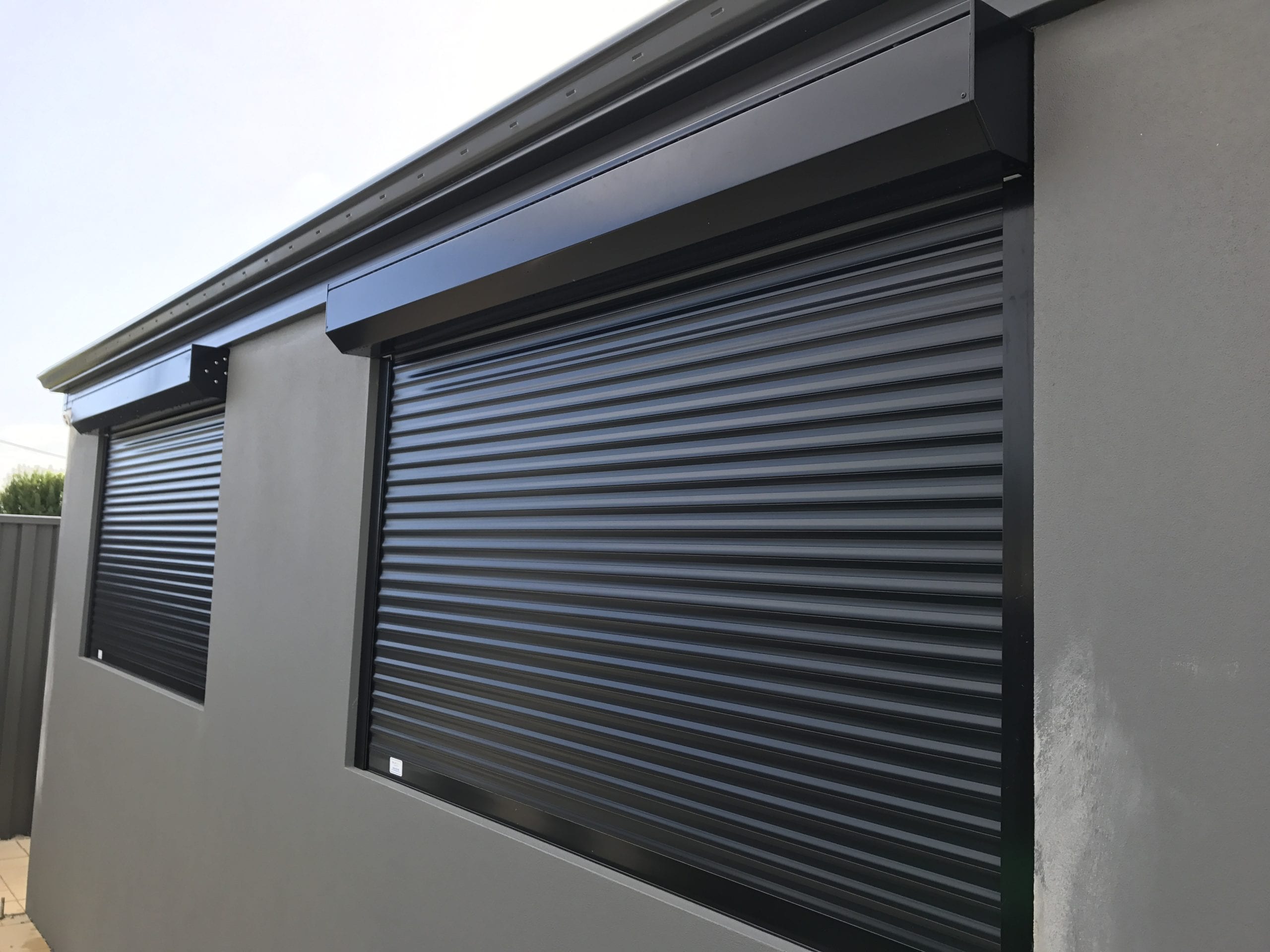
In Perth, roller shutters are more than just a practical solution for enhancing security, thermal performance, privacy, and noise reduction; they are also subject to council rules and state building laws. When considering installing roller shutters in Perth, it’s crucial to be aware of all relevant local council regulations and requirements. Learn more about the technical, safety, and design standards that apply to roller shutters in this region. For compliant, high‑quality options and guidance, explore our selection of security shutters perth wa.
If you’re considering new window furnishings, double‑check your local government regulations before purchasing. Explore our wide range of compliant roller shutters designed for homes in Perth. This guide explains approvals, permits, and best‑practice installation so you can move from quote to install with confidence.
Table of Contents
- Overview of Roller Shutter Regulations
- Quick Definitions
- Planning vs Building Approval (WA)
- Do You Need Council Approval?
- Shutter Permits in Perth
- WA Building Rules for Shutters
- Residential vs Commercial vs Heritage
- Local Council & Strata Considerations
- Compliance & Installation Workflow
- Documents & Specifications Checklist
- Typical Costs and Timelines
- Permit & Material Comparison
- Common Mistakes to Avoid
- People Also Ask
- Frequently Asked Questions
- FAQ Schema (for search engines)
Overview of Roller Shutter Regulations
Roller shutters serve multiple purposes: improving security, reducing heat gain, boosting privacy, and cutting street noise. In Perth, councils regulate external additions so streetscapes remain attractive and buildings stay safe. Rules vary by suburb and property type, so plan your installation with approvals in mind and keep records from day one.
Why Regulations Matter
- Protect life safety: maintain escape routes and safe operation during power loss.
- Preserve streetscape: keep façades consistent with local character and heritage overlays.
- Ensure durability: use correct fixings and ratings for wind and bushfire conditions.
- Avoid rework: non‑compliance can lead to infringement notices, removal orders, or costly retrofits.
Quick Definitions
Key Terms
- Planning (Development) Approval: Council permission assessing appearance, streetscape, and heritage impacts.
- Building Permit: Permission under WA building laws confirming structural, safety, and technical compliance.
- NCC/BCA: National Construction Code (Building Code of Australia) setting minimum performance requirements.
- BAL: Bushfire Attack Level rating influencing product selection near bushfire‑prone land.
- Wind Classification: Site wind category (e.g., N2–N3) informing fixings and product limits.
- Egress Window: A window or opening required for emergency escape that must not be blocked.
- Visual Amenity: How a building element looks from the street and to neighbours.
Planning vs Building Approval (WA)
Most shutter projects touch two systems: planning and building. Planning focuses on how shutters look from the street and their impact on neighbourhood character. Building focuses on whether the product, fixings, and electrical work meet safety and performance standards. Some minor residential works may be exempt from one or both, but the thresholds differ by council and scenario.
Do You Need Council Approval?
Many residential roller shutter installations are straightforward, but approval requirements differ by council, façade, and heritage status. As a rule of thumb:
- Street‑facing elevations: More likely to require planning approval due to visual impact.
- Side/rear elevations: Often simpler; some councils may not require planning approval.
- Heritage‑listed or character areas: Expect stricter controls and design conditions.
- Commercial/shopfront shutters: Usually require planning and signage/advertising consideration.
Electrical work for motorised shutters must be carried out by a licensed electrician. Where a building permit applies, it typically focuses on structural fixings, wind performance, and not obstructing required exits.
Shutter Permits in Perth
Before installing roller shutters, assess whether you need planning approval, a building permit, or both. Councils can advise on local thresholds and exemptions. Understanding roller shutter regulations in Perth early prevents delays and rework.
Types of Shutter Permits
- Residential Shutter Permits: Homes, townhouses, and apartments; street‑facing windows draw the most scrutiny.
- Commercial Shutter Permits: Shopfronts and tenancies; emphasis on transparency, after‑hours security, and visual amenity.
- Heritage Listed Property Shutter Permits: Require designs sympathetic to original fabric; hidden boxes and colour matching are common conditions.
How to Apply for a Shutter Permit (Step‑by‑Step)
- Confirm requirements: Contact your local council planning desk with your address and façade details.
- Gather documents: Site/house plan, annotated elevations, shutter datasheets (slat profile, box size), colour schedule, and fixing details.
- Check neighbours/strata: Obtain strata/body corporate consent where applicable.
- Lodge application: Submit online or in person; include fees and a simple statement of effect (why the shutters are needed).
- Assessment period: Allow several weeks; heritage reviews or design panels can extend timeframes.
- Approval & conditions: Read conditions carefully (locations, colours, transparency). Adjust drawings if required.
- Installation & sign‑off: Use licensed trades, keep certificates (electrical, compliance), and photograph fixings for records.
Quick Approval Decision Matrix
| Location/Scenario | Planning Approval | Building Permit | Notes |
|---|---|---|---|
| House – side/rear windows | Sometimes exempt | Case‑by‑case | Lower streetscape impact; verify wind fixings. |
| House – street‑facing windows | Commonly required | Case‑by‑case | Box concealment and colour controls are typical. |
| Apartment/Strata | Often required | Case‑by‑case | Strata consent first; aim for uniform appearance. |
| Shopfront/Commercial | Usually required | Often required | Prefer perforated/open style for passive surveillance. |
| Heritage‑listed | Required | Often required | Design sympathetic to original fabric; minimal visual impact. |
WA Building Rules for Shutters
In Western Australia, the WA building rules for shutters align with the National Construction Code. The focus is on safety, structural integrity, and visual outcomes. Councils may add local policies for streetscapes and heritage.
Key Building Regulations: Safety and Structural
| Regulation Type | Description |
|---|---|
| Structural Integrity | Shutters must be securely fixed and rated for the site’s wind classification; use appropriate anchors and edge distances. |
| Electrical Safety | Motorised systems require licensed electrical work and isolation for maintenance. |
| Operational Safety | Controls should include manual override or safe operation during power loss where needed. |
Fire and Egress
- Do not obstruct required exits, escape windows, or access to stairways and balconies.
- Provide a quick‑release or manual override where shutters could impede evacuation.
- Avoid enclosing smoke paths; ensure shutters do not interfere with smoke alarms or detectors.
Wind and Bushfire
- Specify products within the site’s wind rating; verify head box spans and any mullion requirements.
- In bushfire‑prone areas (BAL), use materials and gaps appropriate to the rating.
Energy and Acoustics
- Well‑fitted shutters reduce summer heat gain and winter heat loss, lowering energy bills and improving comfort.
- Foam‑filled slats and sealed guides improve acoustic comfort on traffic corridors.
Aesthetics and Design
- Match colours to existing trims; conceal boxes behind fascias where possible.
- Street‑facing shopfronts may require open‑style perforated shutters for passive surveillance.
- Choose low‑profile head boxes and tidy cabling to maintain visual amenity.
Residential vs Commercial vs Heritage
Residential (Houses, Townhouses, Apartments)
- Focus on thermal performance, privacy, and security for bedrooms and living areas.
- Plan egress solutions for bedrooms (manual override or quick‑release).
- Coordinate colours with existing trims and guttering for a cohesive look.
Commercial and Shopfronts
- Balance security with visibility; consider perforated or grille options after hours.
- Ensure compliance with any signage policies and pedestrian safety near openings.
- Account for larger spans with extruded aluminium slats and reinforced guides.
Heritage and Character Areas
- Minimise visual change: hidden boxes, colour‑matched guides, and reversible fixings where feasible.
- Document before/after elevations and provide a heritage design rationale.
Local Council & Strata Considerations
- Street Presentation: Councils may regulate box sizes, colours, and the number of street‑facing shutters.
- Heritage: Expect conditions on visibility, materials, and mounting to protect original façades.
- Strata Schemes: Bylaws often require prior written approval and consistent finishes across units.
Compliance & Installation Workflow
- Site review: Measure openings, note façade orientation, identify egress windows, and check wind/BAL context.
- Design selection: Choose slat profile (foam‑filled or extruded), box size, and colour schedule.
- Approval pathway: Confirm planning/building triggers and any heritage or strata requirements.
- Documentation: Prepare plans, datasheets, fixing details, and photos of existing façades.
- Submission: Lodge the application with fees and a brief statement of effect.
- Assessment & conditions: Respond to any requests for information; revise drawings if needed.
- Installation: Use licensed trades; keep electrical and compliance certificates.
- Handover & maintenance: Test manual override, label isolators, and provide operating instructions.
Documents & Specifications Checklist
Provide clear, simple documentation to speed up approvals:
- Site plan with marked window positions.
- Scaled elevations showing shutter boxes, guides, and slat drops.
- Product datasheets (slat profile, box sizes, guide dimensions, wind limits).
- Colour schedule and finish (e.g., powder‑coated colour).
- Fixing details for masonry/timber frames; head box mounting method.
- Electrical layout (switches, isolator, power supply, battery backup if used).
- Photos of existing façades for context.
Typical Costs and Timelines
- Planning approval: Application fees vary by council; allow several weeks for assessment.
- Building permit (if required): Fees depend on project scope; assessment focuses on structural and safety compliance.
- Installation: Most dwellings complete in a day or two; complex shopfronts may take longer.
- Suggested program: Week 0–1 scope and drawings; Week 2–5 council assessment; Week 6–8 installation and sign‑off.
Permit & Material Comparison
Permit Snapshot
| Scenario | Typical Approval Path | Common Conditions |
|---|---|---|
| House – side/rear windows | May be exempt from planning; check council. Building permit may not be required for minor works. | Colour match, tidy cabling, no impact on neighbours. |
| House – street‑facing windows | Often needs planning approval; building permit assessed case‑by‑case. | Box concealment, colour control, limited quantity. |
| Apartment/Strata | Strata consent plus council review as applicable. | Uniform appearance across lots. |
| Shopfront/Commercial | Planning approval common; building permit for structure/electrical. | Perforated/open style, after‑hours transparency. |
| Heritage‑listed | Planning approval with heritage advice; permit conditions likely. | Minimal visual impact, reversible fixings where possible. |
Material & Operation Overview
| Option | Best For | Notes |
|---|---|---|
| Foam‑filled aluminium slats | Homes – thermal and acoustic comfort | Lightweight, good insulation, wide colour range. |
| Extruded aluminium slats | Security‑focused areas and shopfronts | Stronger profiles; supports larger spans. |
| Manual strap/winder | Small openings, no power available | Simple, low maintenance; check egress ease. |
| Motorised (wired) | Convenience, groups of windows | Requires licensed electrician; add isolator switch. |
| Battery/solar motor | Retrofits without cabling | Useful for outages; verify charging access. |
Common Mistakes to Avoid
- Ordering before approvals are confirmed in writing.
- Overlooking egress in bedrooms and upper‑floor rooms.
- Underspecifying fixings for the site’s wind classification.
- Ignoring heritage advice on box placement and colours.
- Skipping licensed electrical work for motorised units.
People Also Ask
Do I need council approval for roller shutters in Perth?
Street‑facing and heritage properties commonly require planning approval. Side and rear windows may be simpler, but always check with your council.
Are roller shutters considered building work in WA?
Sometimes. Minor, like‑for‑like installations may be exempt from a building permit, while commercial or structural works can require one.
How long does approval take?
Allow several weeks for standard planning approvals. Heritage reviews and design panels can extend timeframes.
Can shutters block emergency escape?
No. Do not obstruct required exits. Provide manual override where a shutter could affect evacuation.
What shutter materials are best for Perth homes?
Foam‑filled aluminium slats suit thermal and acoustic comfort; extruded aluminium provides added security and larger spans.
Frequently Asked Questions
1. Do I need a permit for roller shutters in Perth?
Yes, obtaining a permit is typically required for installing roller shutters in Perth—especially on street‑facing or heritage façades. Always check with your local council for specific requirements.
2. What are the penalties for not complying with roller shutter regulations?
Penalties can include fines, orders to remove non‑compliant installations, and additional costs for retrofitting to meet regulations.
3. Can I install roller shutters on a heritage‑listed property?
Yes, but you will need to apply for a specific permit that adheres to heritage guidelines, and the council may set design conditions.
4. Are there any restrictions on shutter materials?
Yes. Councils may prefer low‑profile boxes and colours that match the building. In bushfire or high‑wind areas, product selection is more constrained.
5. How can I ensure my installation is compliant?
Consult a licensed contractor familiar with local regulations, confirm council requirements in writing, and keep copies of approvals and certificates before installation.
“Approvals go fastest when drawings clearly show shutter boxes and colours on the street elevation. One good set of plans can save weeks.”
Pre‑Installation Compliance Checklist
- Confirm if planning approval is required for your façade.
- Check any strata bylaws and gather written consent.
- Select products within wind rating and BAL (if applicable).
- Plan safe egress and manual override for bedrooms and exits.
- Prepare drawings and product datasheets for council.
- Schedule licensed electrical work for motorised units.
- Record photos of fixings and keep compliance documents.